Luncheon of the Boating Party: A Day in Chatou

Renoir’s Luncheon of the Boating Party (1880-1) makes me want to pull up a chair, sit down next to Gustave Caillebotte (right foreground) and pour myself a glass of wine. Maybe I would even feed the doggie some grapes and chat with Aline Charigot, Renoir’s future wife (the pretty woman in the red-flowered hat).

This is an accessible, sunny painting that reflects a leisurely Sunday afternoon at one of Renoir’s favorite hang-outs, Restaurant de la Maison Fournaise, just outside Paris in Chatou on the Seine. Did you know that you can still go there today? As Renoir said himself: “You won’t regret the trip, I assure you. There isn’t a lovelier place in all Paris surroundings.”

For a long time, the restaurant suffered from neglect and deterioration. As Renoir’s son Jean said in his book, Renoir, My Father (1962):  “I paid a visit to the place last year. How depressing it was! Nothing but factories, mounds of coal, blackened walls and dirty water. The leprosy of modern industry has eaten away the little woods and luxuriant grass.”
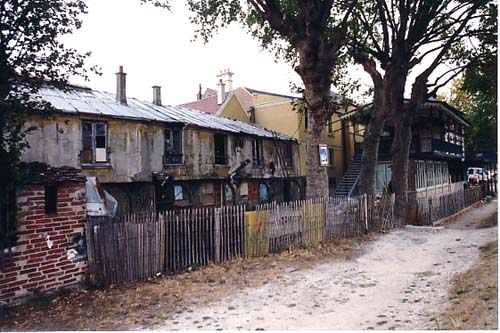
Maison Fournaise before renovation. From the restaurant’s website.

From 1984 to 1990, the restaurant was completely renovated with a combination of art grants and philanthropy. Today, the scene is much improved.
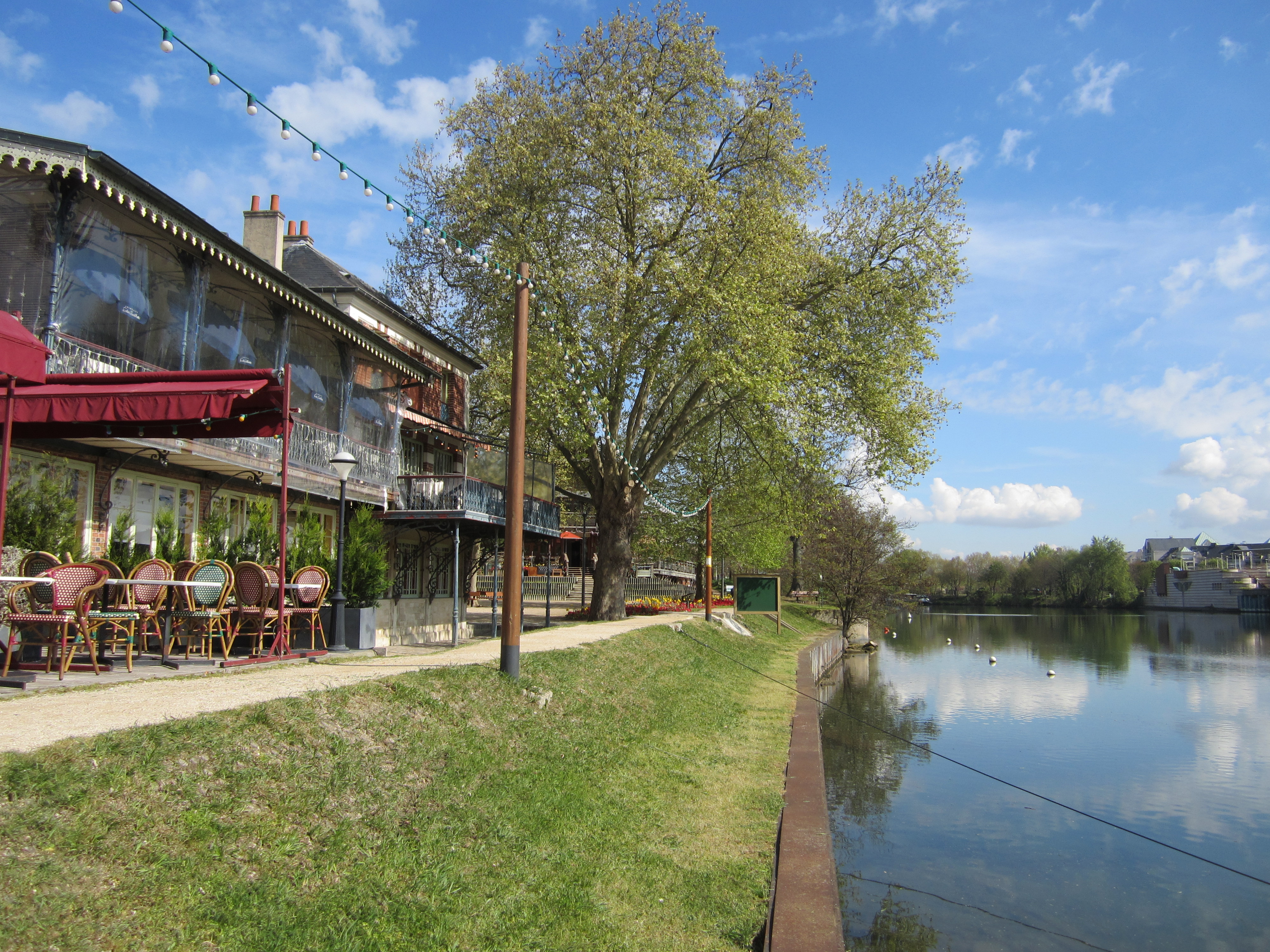
Maison Fournaise today
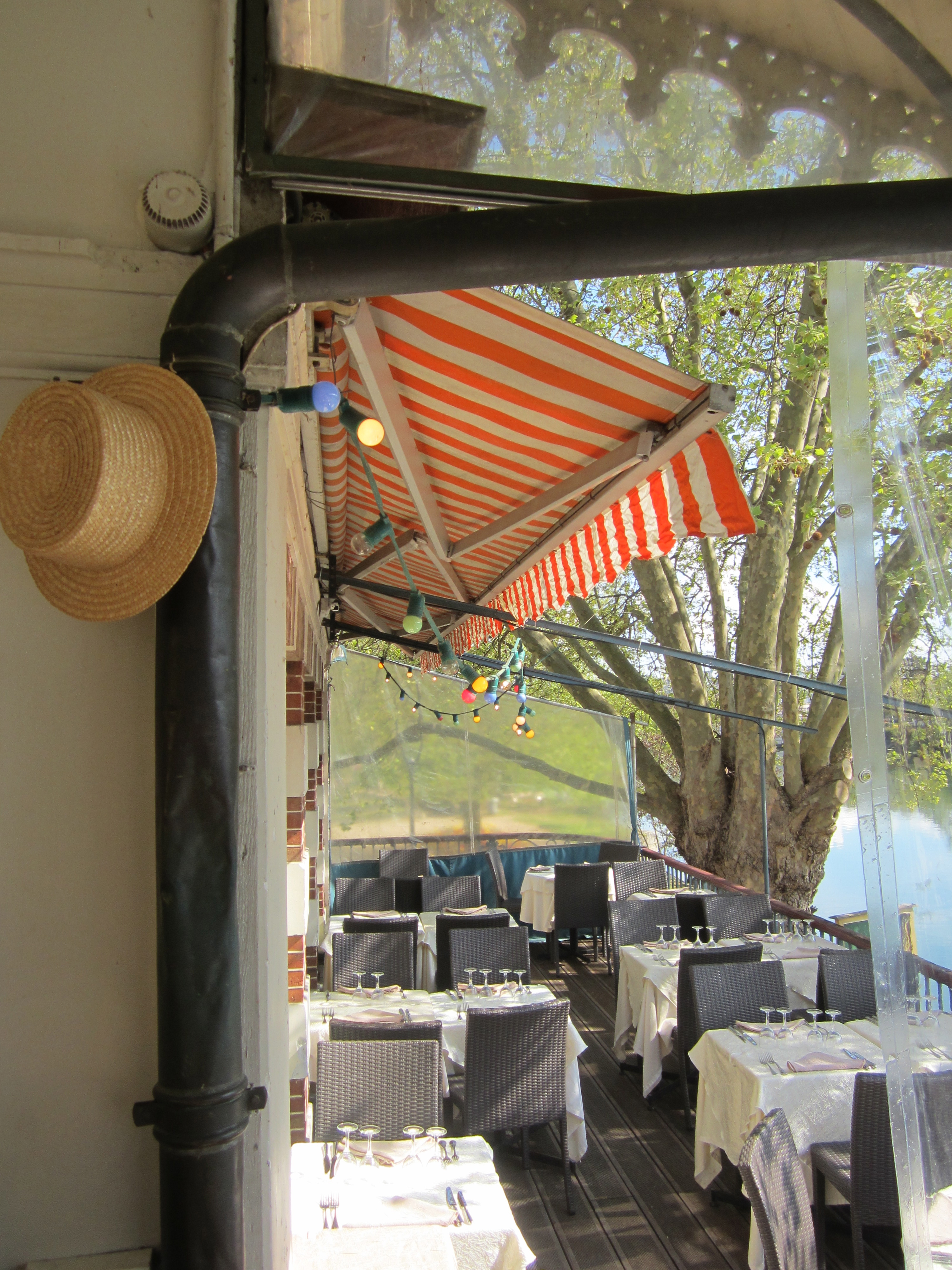
Renoir’s balcony still stands, complete with the orange striped awning. 
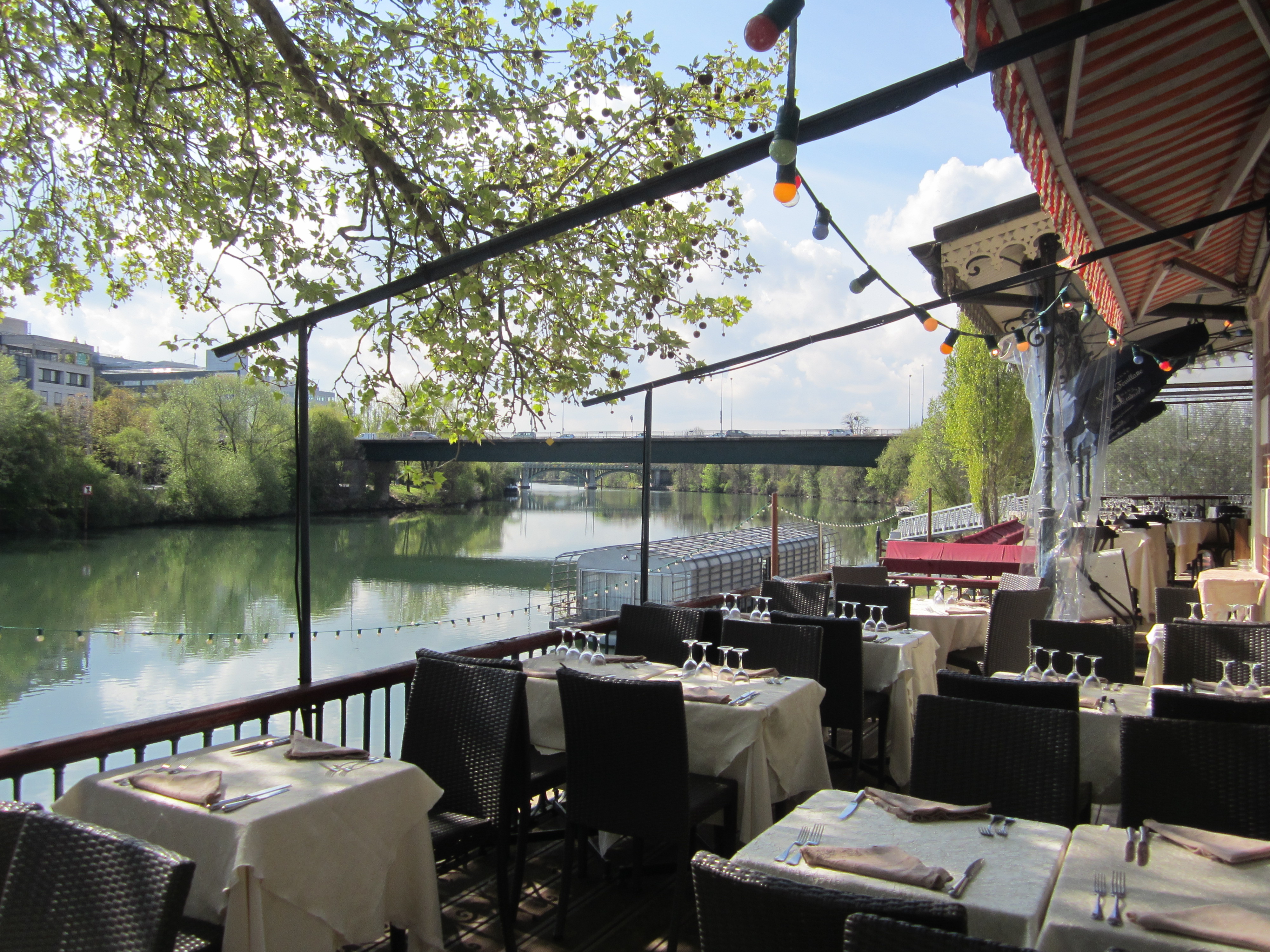
The view from Renoir’s easel. 
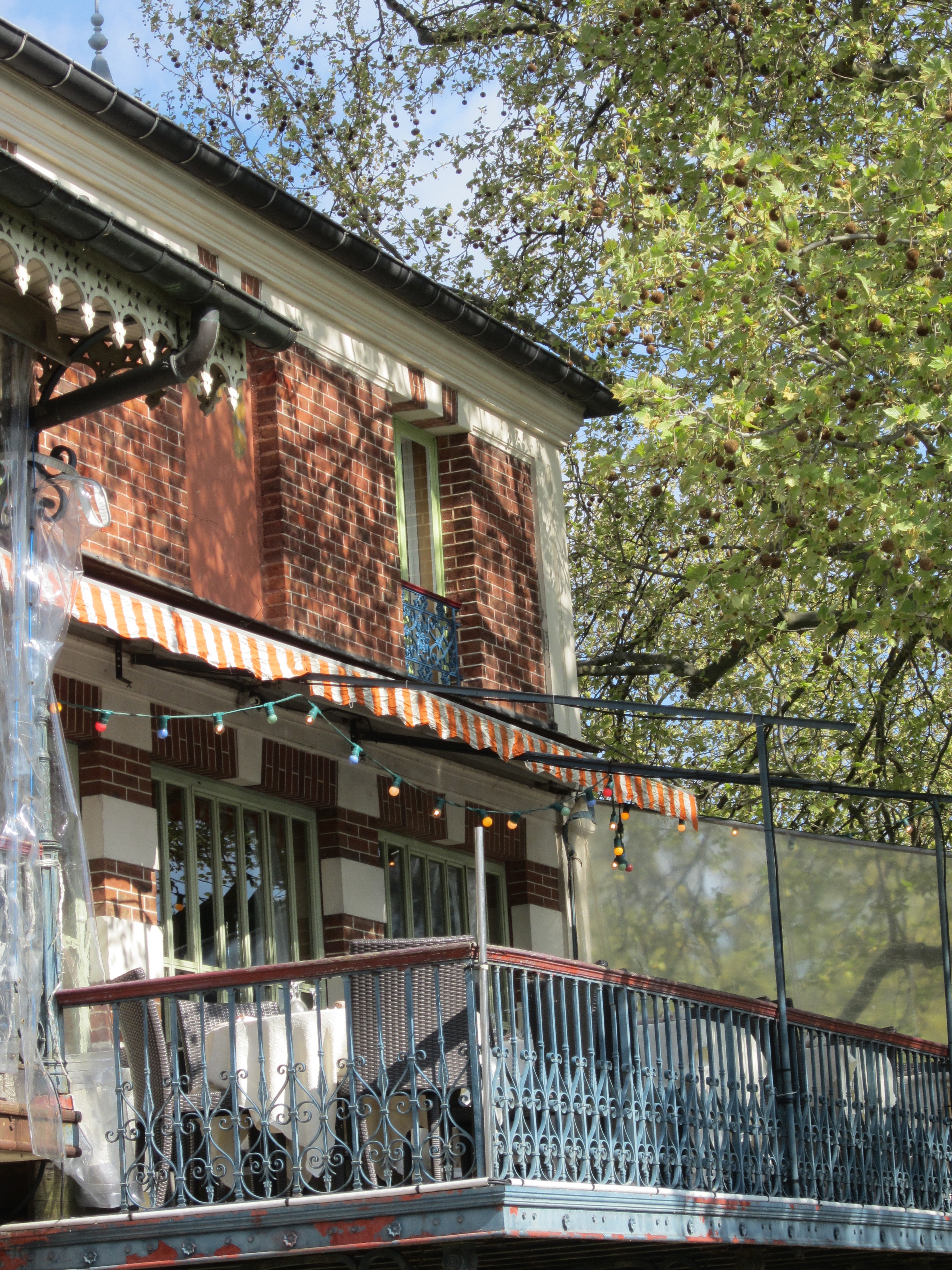
“The place was delightful; a perpetual holiday. . . . At night there was always someone about who volunteered to play the piano for dancing. The tables on the terrace were pushed back into a corner. . . . the music floated out through the open window.” – Jean Renoir, in Renoir, My Father
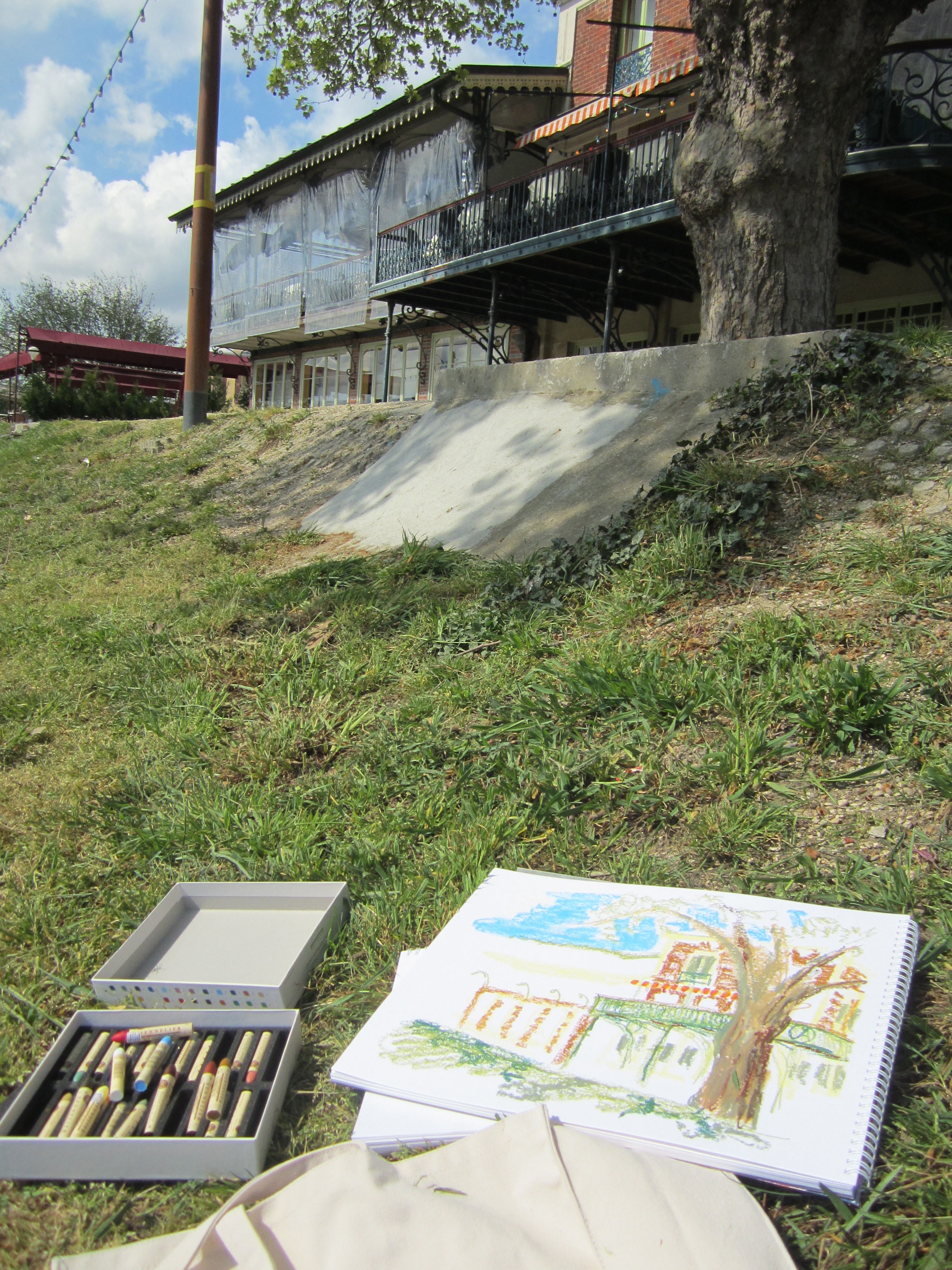
I even brought out my own pastels and tried to capture the scene, but alas, I’m no Renoir.
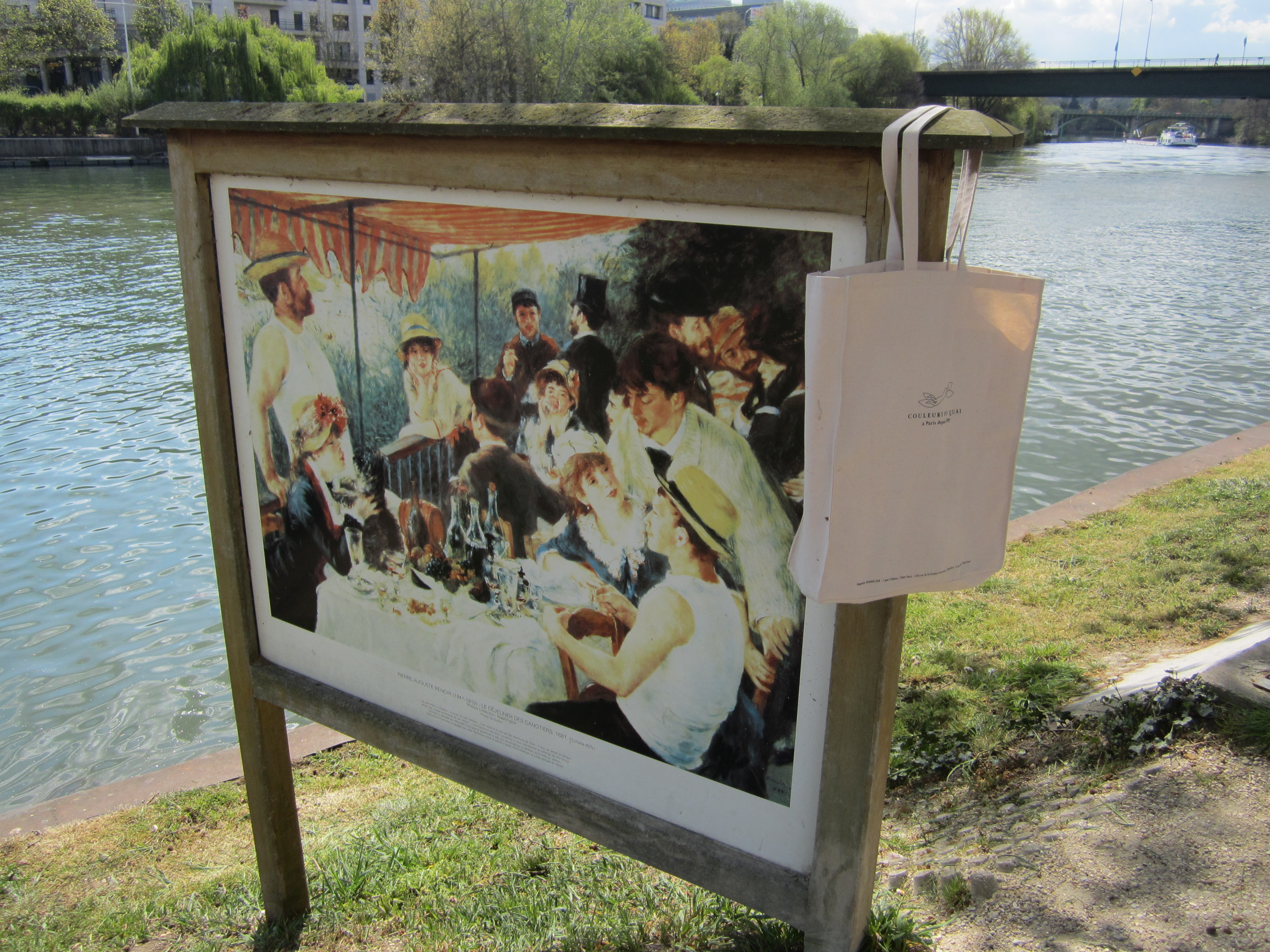
My art bag and I were here. . . . I just wish some “Midnight in Paris” magic would transport me back to the day. . . .

Restaurant de la Maison Fournaise is easily reached by car or by train. You can take the same route that Renoir did from Paris to the Chatou-Croissy station via the RER A1 Line (Zone 4), where it is only a few minutes walk to what is now called “Ile des Impressionistes.”

It was this easy access that made the restaurant Renoir and Aline’s favorite meeting place back in 1880. According to Jean Renoir: “It was easy to reach. . . . There was a local Saint Germain train, every half hour, that stopped at the Chatou bridge station. At the Fournaises’ [my parents] found a group of friends who seemed to watch over their idyl with tender interest. The painter Caillebotte looked after Aline Charigot like a younger sister.”

You can read an imagined story of the couple’s developing romance in Luncheon of the Boating Party by Susan Vreeland, who said that she had often admired the painting and wondered about the models. Who were they, and why did they pose like they did?  “I saw tremendous story potential in these appealing characters, flushed with pleasure and enjoying a summer day on a terrace overlooking the Seine.” Vreeland imagines a love triangle between Renoir, Aline, and another woman in the painting, Alphonsine Fournaise, the daughter of the restaurant owner.
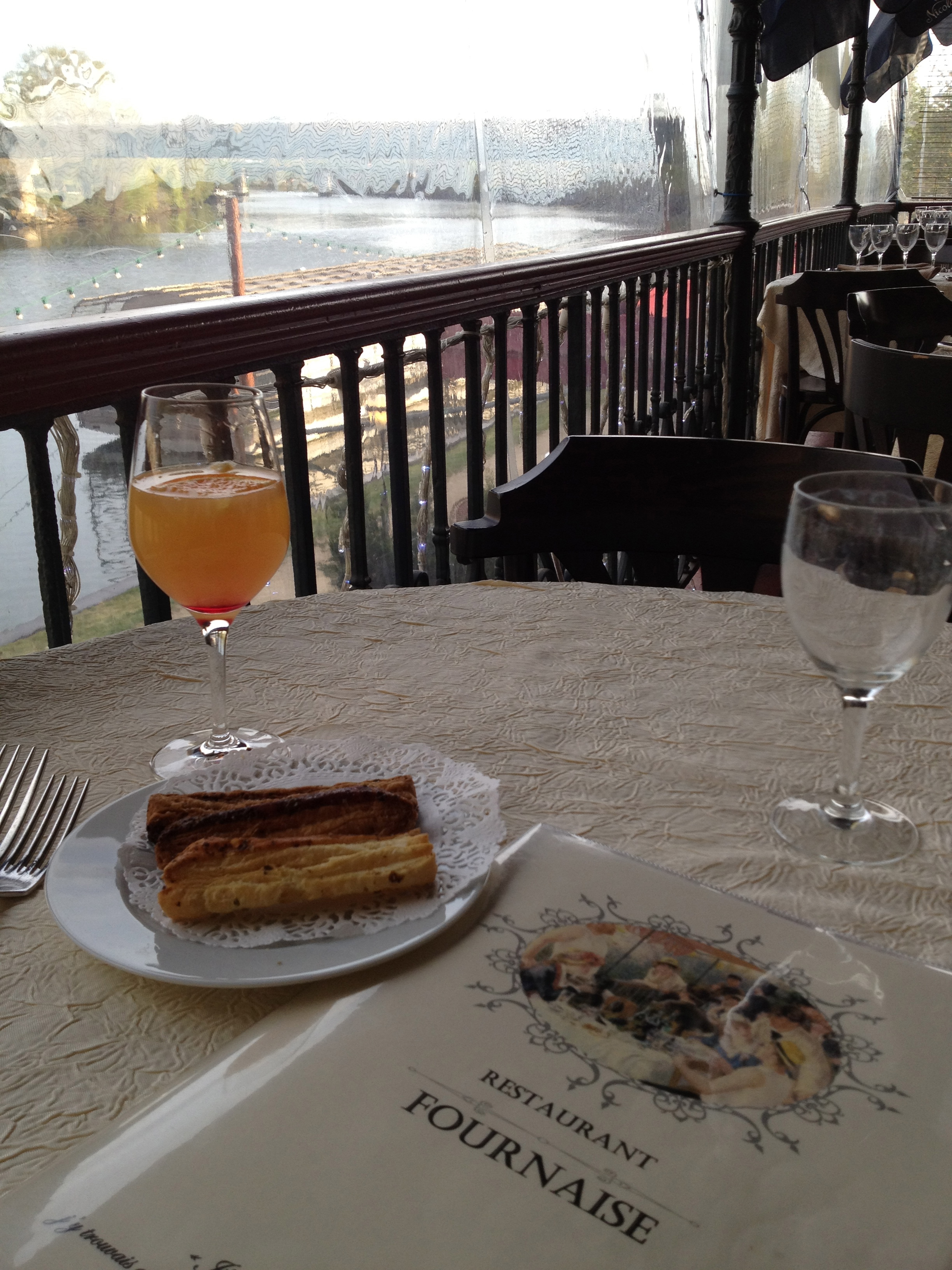
You can enjoy your own toast to Renoir and his women at the restaurant, where they offer an apertif called “The Alphonsine,” made of orange juice, champagne and grenadine.

My own book club back in Chicago read and enjoyed Susan Vreeland’s book, which I highly recommend. Right now, I am in the middle of Renoir, My Father by Jean Renoir, and I am pleasantly surprised what a good read it is. Jean’s memory was incredibly good, his writing is thoughtful, and the stories his father used to tell him make captivating history.

If you or your book club can’t get to Paris, maybe you can schedule a visit to the Phillips Collection in Washington, D.C. to see the original painting. At the Art Institute of Chicago you can see another of Renoir’s paintings from Chatou called Lunch at the Restaurant Fournaise (The Rower’s Lunch) (1875).

At the very least, you can enjoy some art history at the website of Maison Fournaise here.

Paris, My Sweet

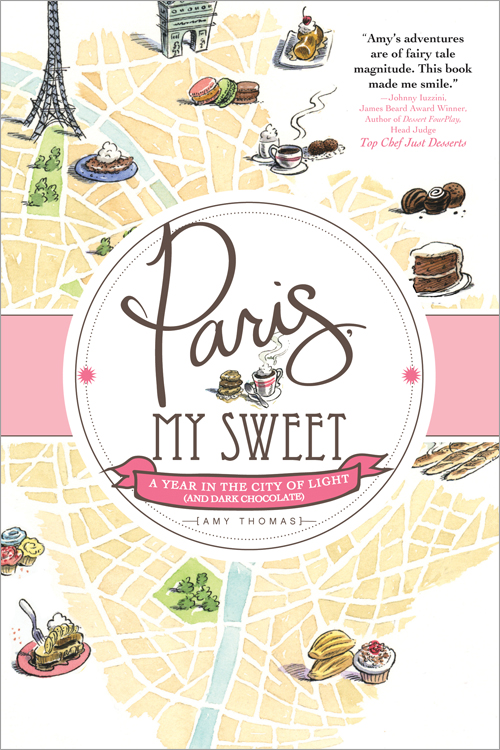
As an artist with a sweet tooth who loves to explore Paris, no book was more likely to catch my eye than Paris, My Sweet: A Year in the City of Light (And Dark Chocolate) by Amy Thomas (Sourcebooks 2012). First, there’s the whimsical cover art by illustrator Gary Hovland who captures the essence of Paris on a watercolor map. And then of course there are . . . the sweets.

Amy Thomas is a self-admitted sweet freak who landed an advertising job in Paris for two years, and who used her spare time to explore the patisseries and boulangeries of Paris. The story of her search for a rich and sweet life, along with all of her mouth-watering recommendations can be found in Paris, My Sweet.

I kept this book in my tote bag for a several weeks, right along with my never-leave-the-apartment-without-it blue book of Paris Arrondissements. I used it like a guidebook to Paris, calories be damned. After several months living in Paris now, I’ve learned that it often makes sense to skip lunch and indulge in a mid-afternoon snack with some café and some pastries instead. That way I can make it until dinner, which at 8-9pm, starts awfully late for my midwestern habits. (At least that’s now I’ve justified it to myself . . .  just work with me here.)

Not only have I discovered streets and neighborhoods I might have otherwise missed, I feel as if I’ve had a wonderful introduction to French pastry tasting. The choices in Paris patisseries, while eye-poppingly beautiful, can be overwhelming. But thanks to Amy Thomas’ book, I’m learning.

And what a fun education it’s been. From Jean-Paul Hévin’s on rue St. Honoré, to Stohrer’s on rue Montorgueil, my sweet tooth and I are having a great time learning about France.

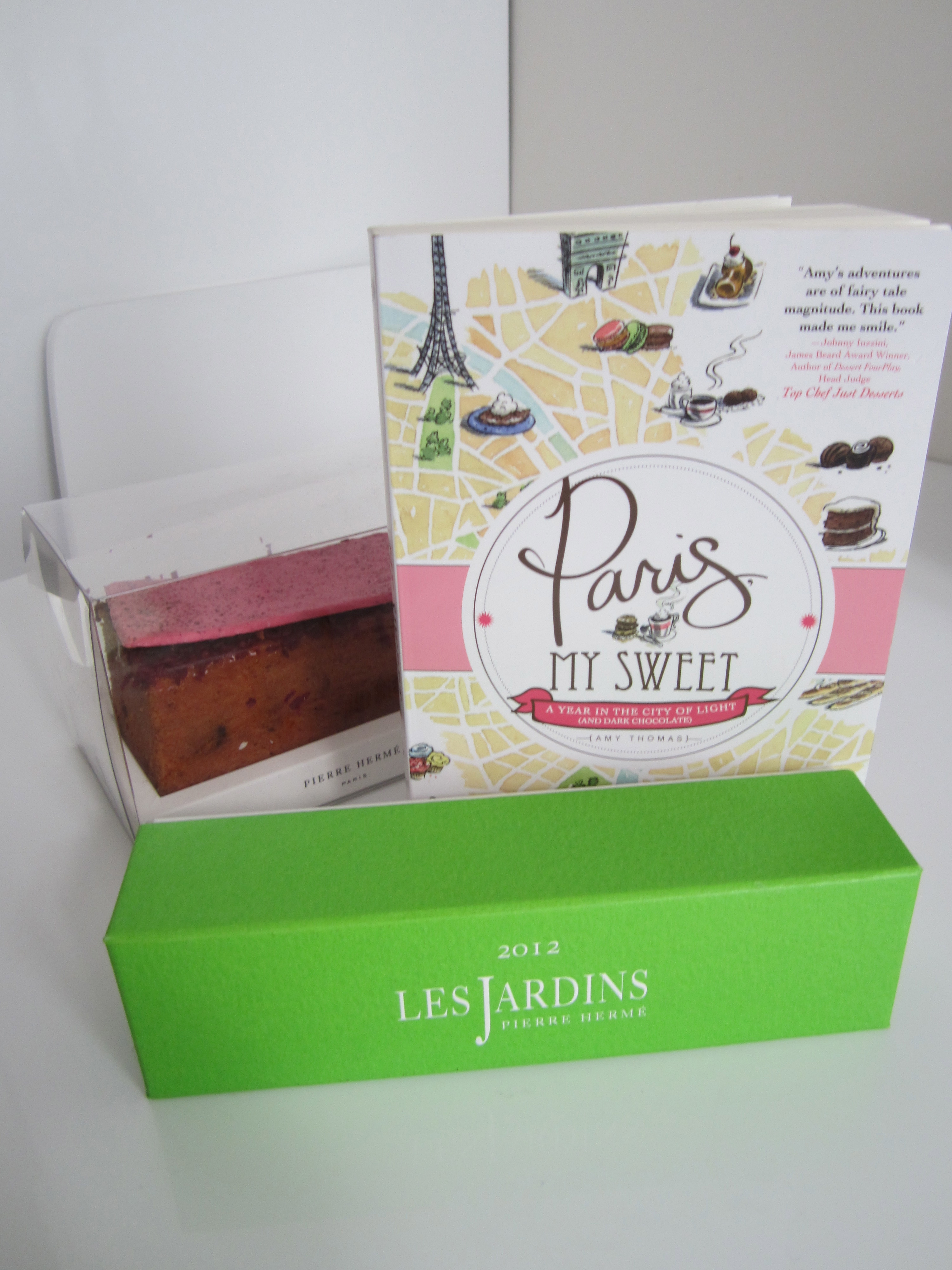
I brought home a drop-dead-delicious rasberry cake and an assortment of macarons from Pierre Hermé.

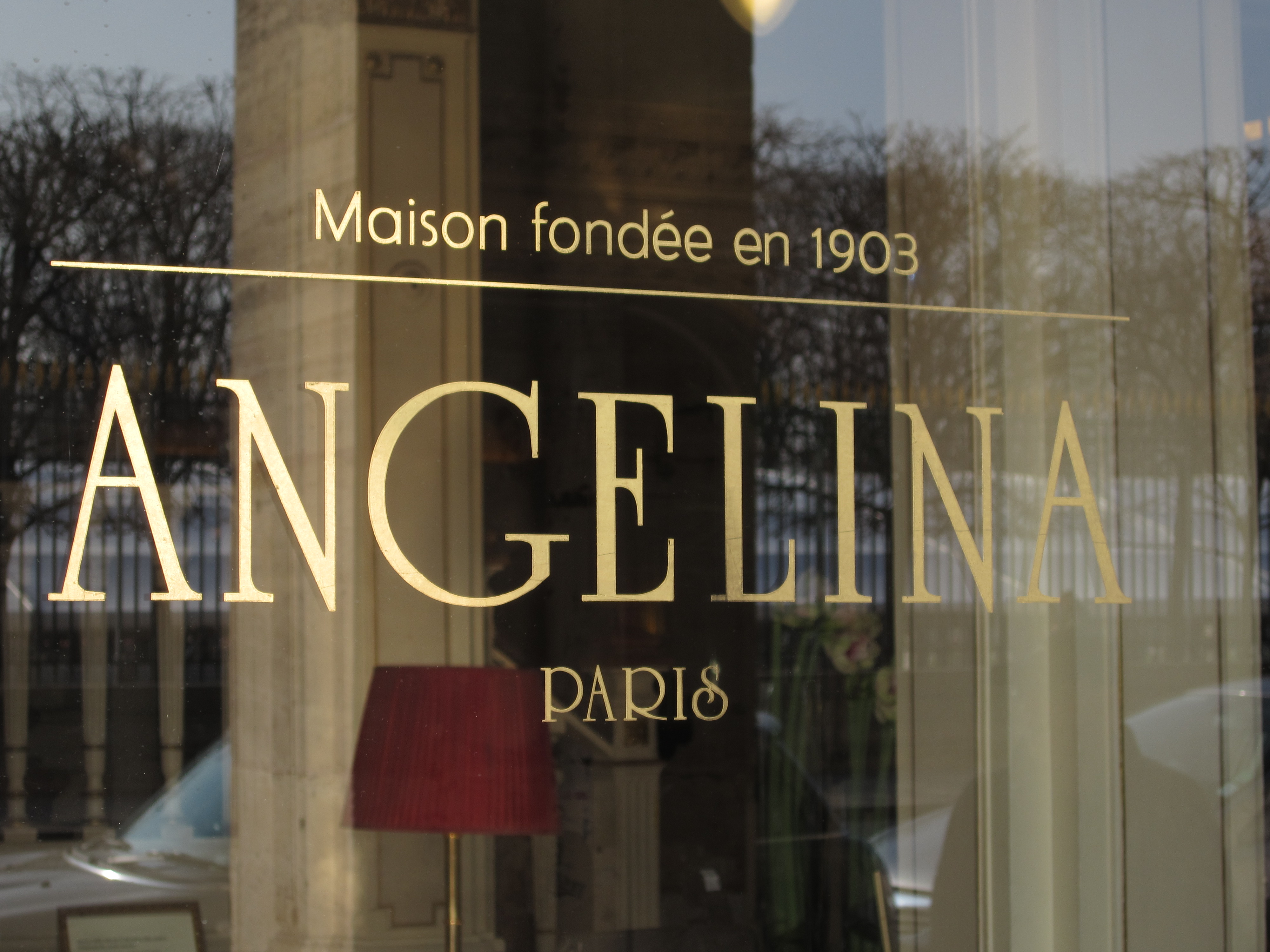
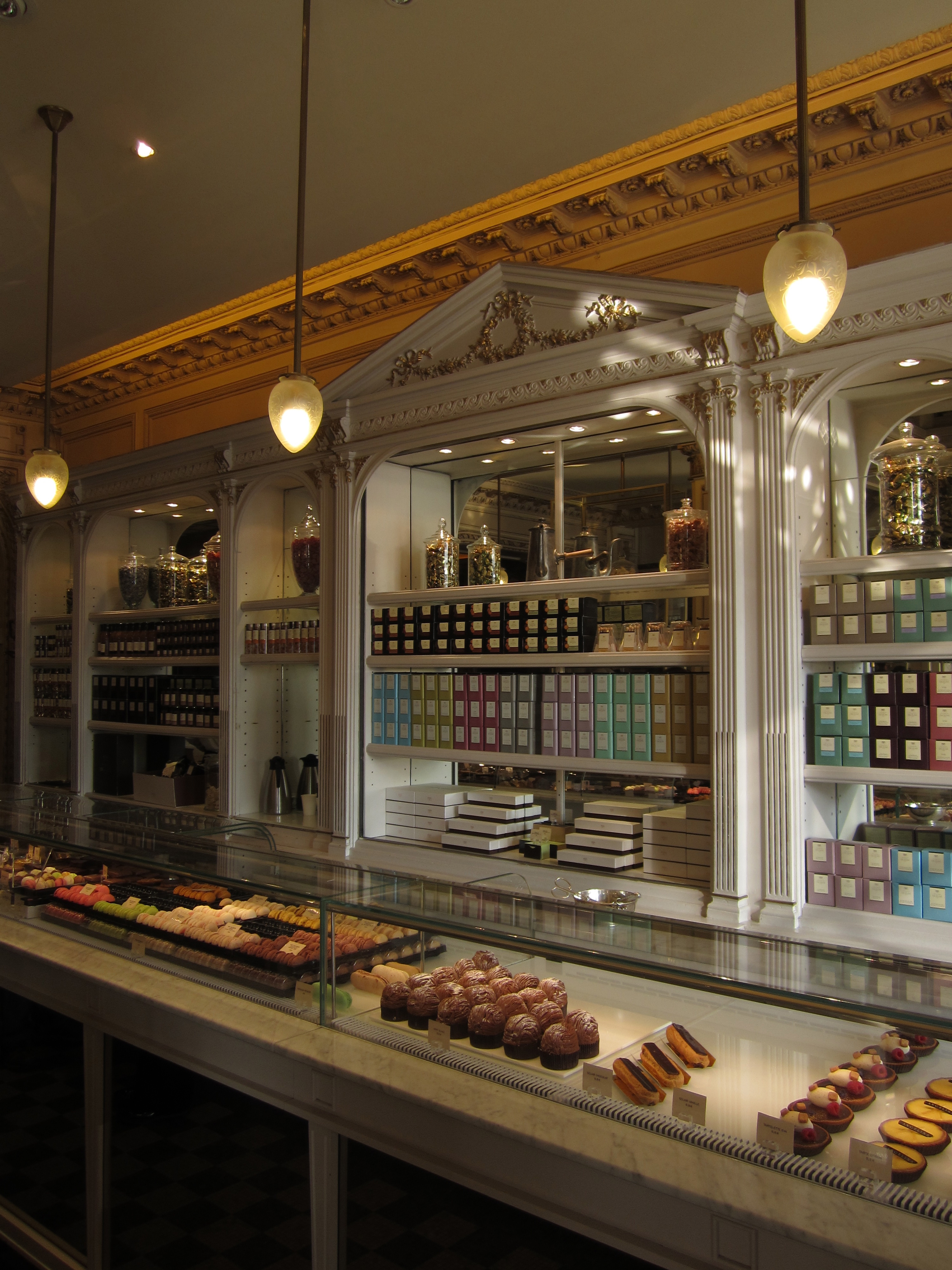
I had been avoiding Angelina's on rue de Rivoli because I was afraid it would be a tourist trap, but as Amy points out, it's worth it just for the chocolat chaud. "Obscenely thick and outrageously rich." Yum.

The Belle Epoque elegance of Angelina's makes you feel as though Edith Wharton or Coco Chanel could have once sat at your very table.

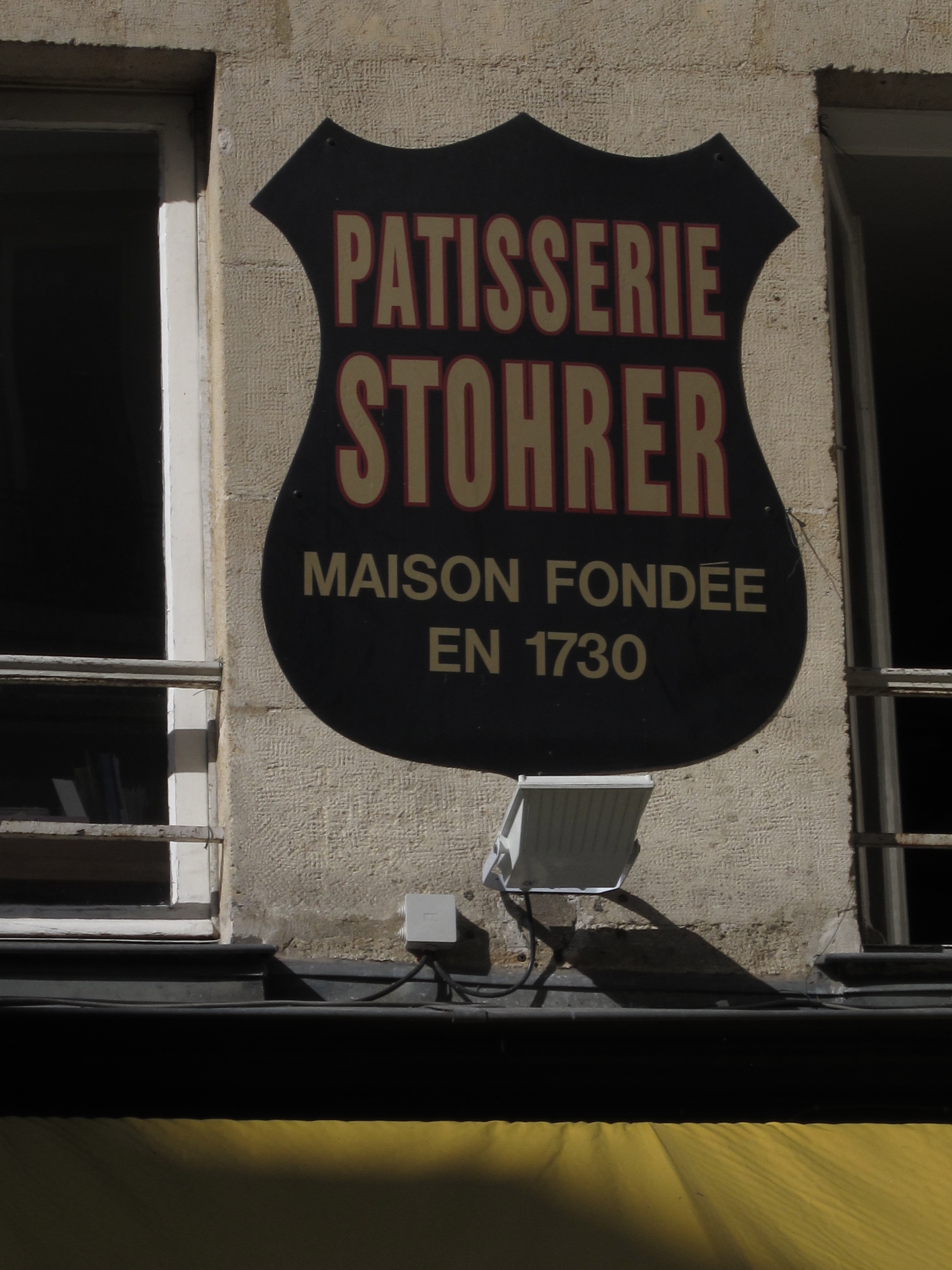
I'd been down rue Montorgueil in the nighttime, but thanks to Amy's book, I went back in the daytime in order to enjoy all of the shops. I love this sign: Stohrer's Maison Fondée En 1730. You just can't find that in the midwest - unless of course some French fur trappers set up a shop way back when. Stohrer's is the real deal, just ask Queen Elizabeth, who's been here herself.

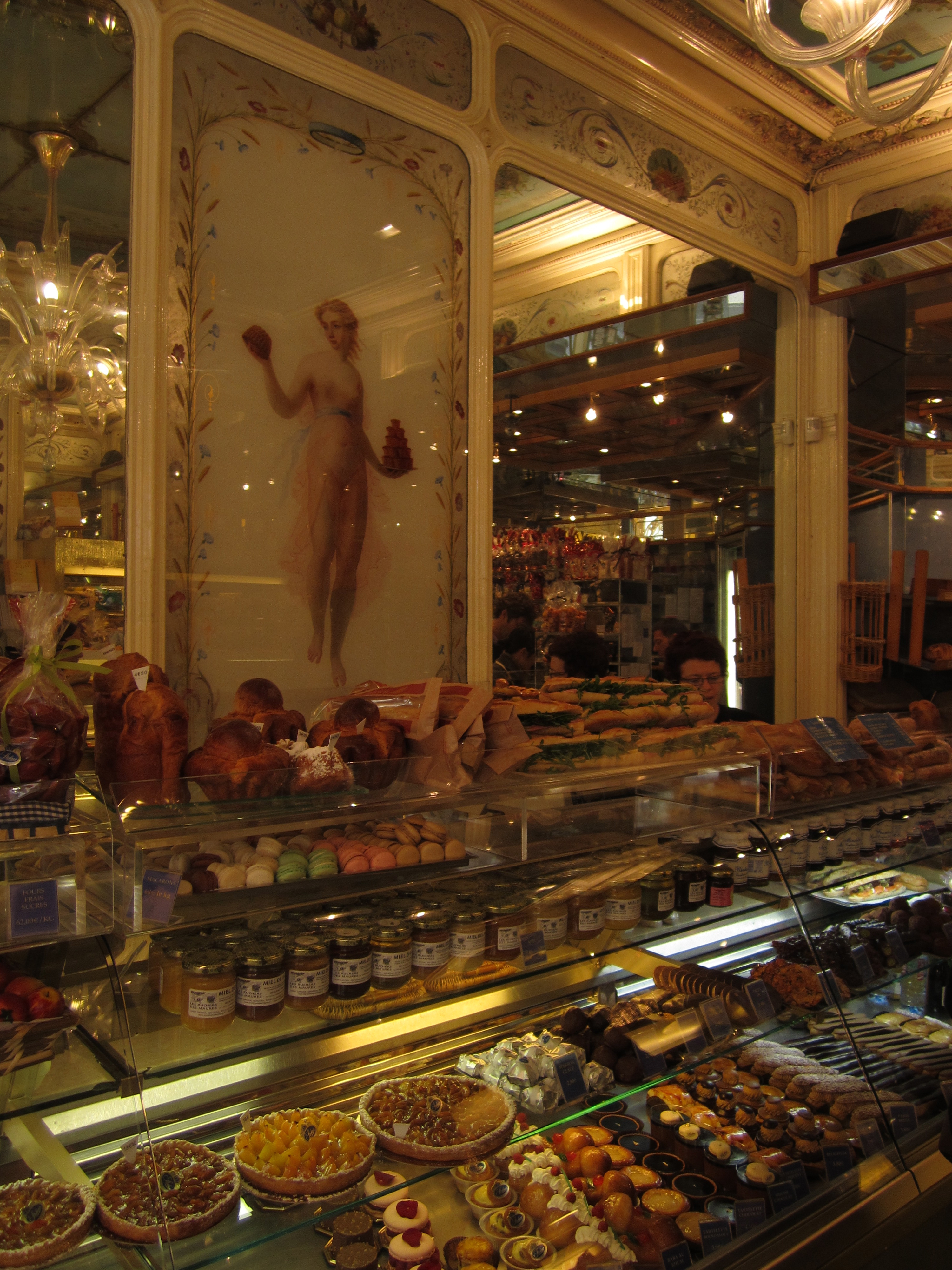
This is what I mean by overwhelming, How to choose? I settled on a chocolate éclair. Ooh, good choice.

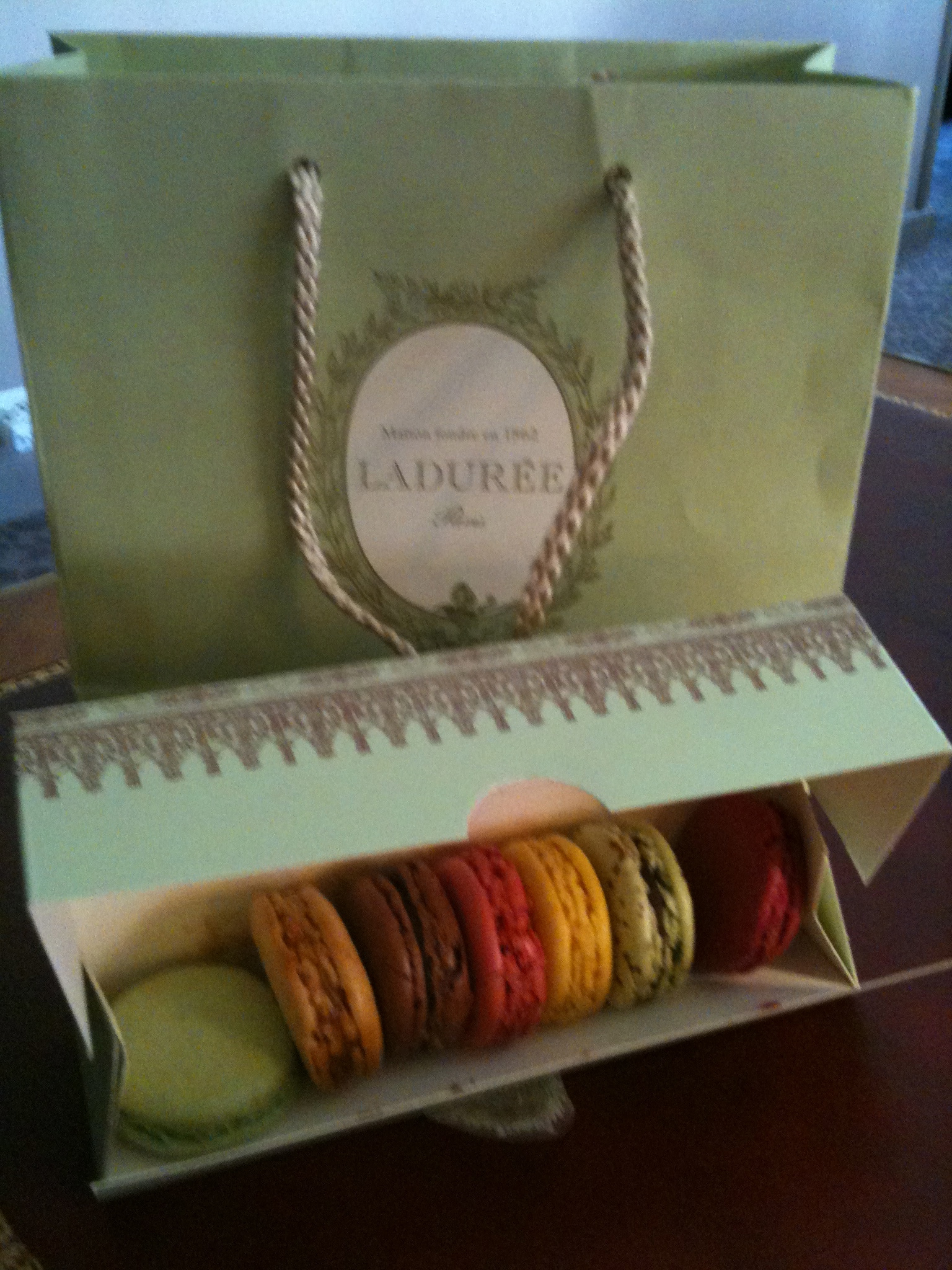
You just can't say no to a macaron from LaDurée. Or two or three.

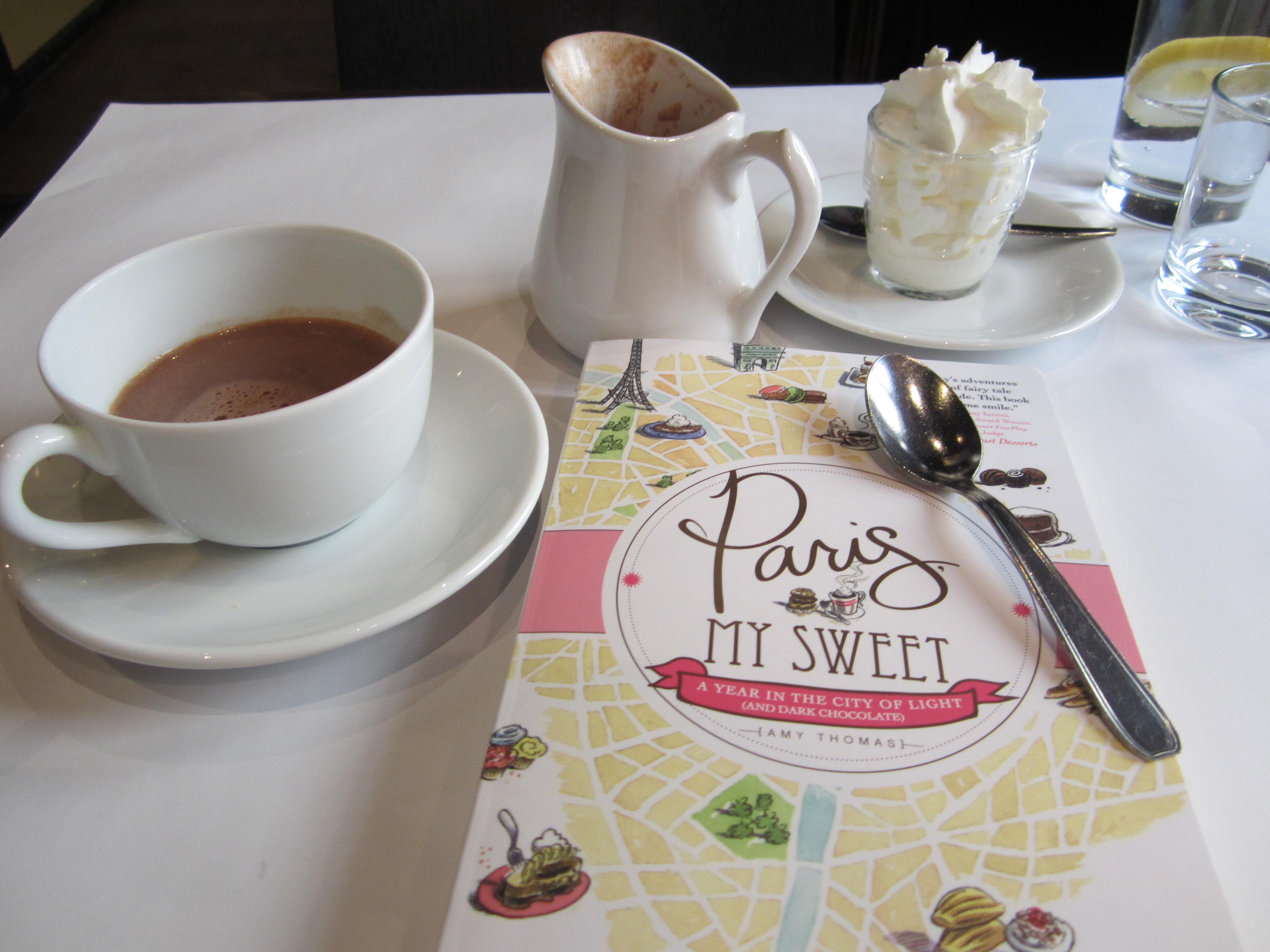
I had a delicious chicken salad at Jean-Pierre Levin on rue St. Honoré followed by a soothingly rich cup of hot chocolate. Oh dear, just look at all of that whipped cream - I'm afraid I ate it all.

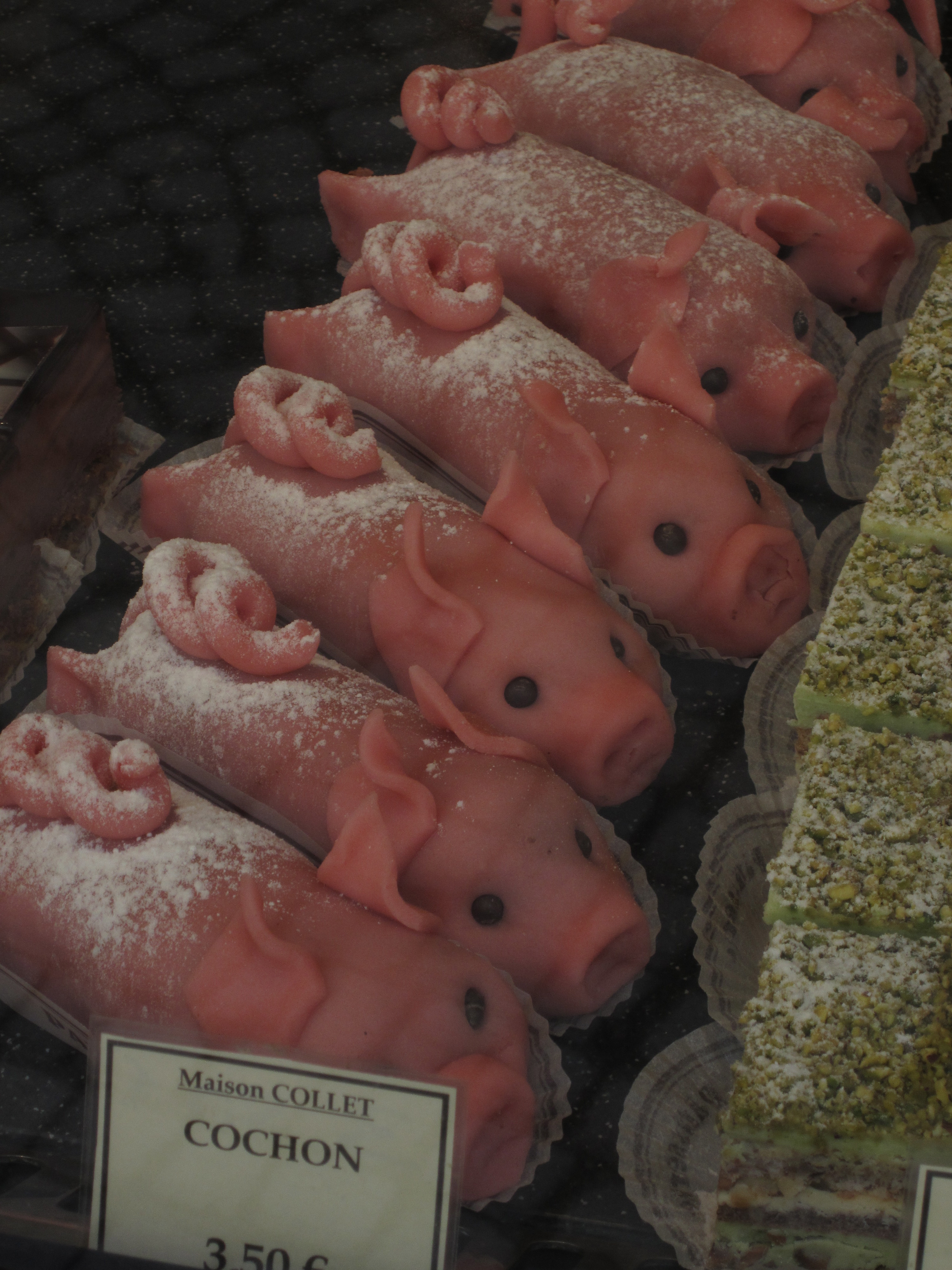
These little piggies are edible pastries, and I regret now that I didn't sample them. I guess I'll have to return to Maison Collet at 100, rue Montorgueil.

The thing I loved about Paris, My Sweet was that it was so much more than just a guidebook and a list of pastry shops. It also tells Amy’s story about the joy and challenges of settling into a Paris life, and then once you do, the difficulty of figuring out where you really belong. As Amy put it: “I was an American in Paris – an American in love with Paris – and yet I still couldn’t decide where my heart, my life, belonged.”

Ah yes, the Paris life. I’m tasting as much as I can while I can.

Sacré Bleu: A Comedy D’Art

Sacré Bleu by Christopher Moore (Harper Collins, April 2012) reminds me of one of my favorite scenes in Midnight in Paris, when Adrien Brody nails it as Salvador Dali  (“Rhinocéros!”). Like Midnight in Paris, Sacré Bleu is a smart artsy romp through the bohemian past of Paris.

In Sacré Bleu, Moore turns the clock back even further to the age of the Impressionists, he adds a little black magic, a lot of bawdy humor and a bit of bizarre mystery — and serves up an outrageously playful historical comedy (truly, “A Comedy D’Art”).

There are no fussy painters in long white beards and frock coats here. This is an irreverent mystery with a sexy muse named Bleu and her partner-in-crime, “The Colorman,” whose magical blue paint works a devilish spell on the young French Impressionists, including Manet, Renoir, Pissaro, Van Gogh, Monet, Morrisot, Seurat and Toulouse-Lautrec.
Set in Paris from 1863, the year of the Salon des Refusées, to 1891, a year after Van Gogh’s death, this book stirs up big trouble for each of the Impressionists. Bleu arrives and inhabits the bodies of the artists’ favorite muses, from Manet’s Victorine in Dejeuner sur l’Herbe and Olympia to Monet’s first wife Camille, to Renoir’s Margot in Bal du moulin de la Galette. Each painter is seduced to use more magical blue paint, which just happens to be Bleu’s and The Colorman’s lifeblood.

Ever wonder why so many of the Impressionists and their muses died so young? Did you ever question the story about Van Gogh’s supposed suicide, in which he shot himself with his own gun at an impossible angle and then hiked a mile up a country road to get help? And why did Monet paint a blue-tinged portrait his wife on her deathbed? Let’s just say that Bleu and The Colorman know the truth.

A fictional young painter named Lucien Lessard carries the story. Working in the family’s boulangerie on the butte de Montmarte, he becomes the story’s Forrest Gump: he’s a young rat catcher during the Siege of Paris in 1870, he helps Renoir carry his large canvas of Bal du moulin de la Galette to his studio in 1876 (“Oh la la, the wind. We had to pick leaves and pine needles out of the paint every week.”), he was Monet’s assistant at the Gare Saint Lazare in 1877, he runs around the bars and brothels of Pigale with Toulouse-Lautrec. He sees it all.

Lucien comes of age, becomes a painter, and falls under the spell of his own little muse. Although Juliette is hard to resist, Lucien pieces together the various blue clues. He and his studio-mate Toulouse-Lautrec chase Bleu and the Colorman through the cobblestone streets and rat-filled catacombs of Paris. They discover a cache of mysterious blue canvases in the limestone caves and encounter even more death-defying magic.

It’s a good story, but trying to make sense of each twist and turn of the time-jumping plot can be a little confusing. Just go with it – don’t sweat the details or the timeline and just enjoy the ride. After all, you’re on the Christopher Moore L’Express.

Highly recommended.

*  *  *  *

If you live in Paris or if you’re planning a visit soon, I recommend that you pair than this book with a trip up to Montmartre. You might want to pick up Paris by the Plaque, an excellent guidebook to the history and sights of Montmartre. Paris Walks offers an English-speaking group walking tour every week, but if you’d like an in-depth personal guide I also recommend Pamela Grant at Paris Perspectives. If you’re just an armchair traveler, Christopher Moore has already created a Paris photo guide to some of the scenes from the book, which you can enjoy here (Chapter One – Auvers sur Oise) and here (Chapter Two – Montmartre, Pigale).

Before you start thinking about following in Christopher Moore’s footsteps, you should really pick up an early copy of the book. The first edition of the book will images of the paintings and prints in full color. Subsequent editions will just be in black and white. I’m just saying, you might want to click here to order yours now.

The Hadley Hemingway Tour

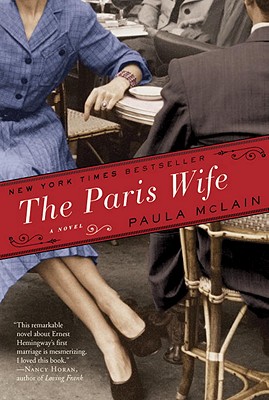
American women just love The Paris Wife. Perhaps we’ve read Moveable Feast or maybe we just heard the buzz through our book club, but it seems we just love getting the scoop on Ernest Hemingway through the eyes of his first wife Hadley.

As most readers seem to have heard by now, The Paris Wife by Paula McLain (Ballantine Books 2011) is about Ernest and Hadley Hemingway’s brief but passionate years together in Paris in the early 20s. Ernest Hemingway was a charismatic and gifted writer, the genius of his generation, but he was also a narcissist, a cheater and a big drinker. No one better to deal the dirt than the first wife.

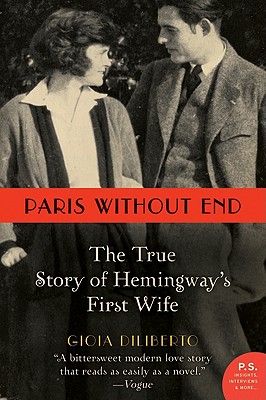
 In addition to The Paris Wife, there’s an excellent nonfiction book about the same years called Paris Without End by Gioia Diliberto (Harper Perennial 2011). One of my favorite authors (she’s also written I Am Madame X, The Collection and A Useful Woman), Diliberto’s nonfiction format  allows us to know more about Ernest’s developing affair with Pauline Pfeiffer than Hadley did at the time, back when Hadley was in the dark – or in denial, or a little of both. Diliberto is also able to compare the fictional events and characters in Hemingway’s stories to the real stuff going on in his life, which is a real bonus if you’re familiar with his work.

Whether you prefer the fictional drama in The Paris Wife or a more thorough nonfictional approach in Paris Without End, you’re sure to enjoy some of these Paris photographs, depicting scenes from both books. You can’t find a better Paris walk than the neighborhoods of the Latin Quarter, St. Germain and the Luxembourg Gardens. You can follow along on a Google Map here.
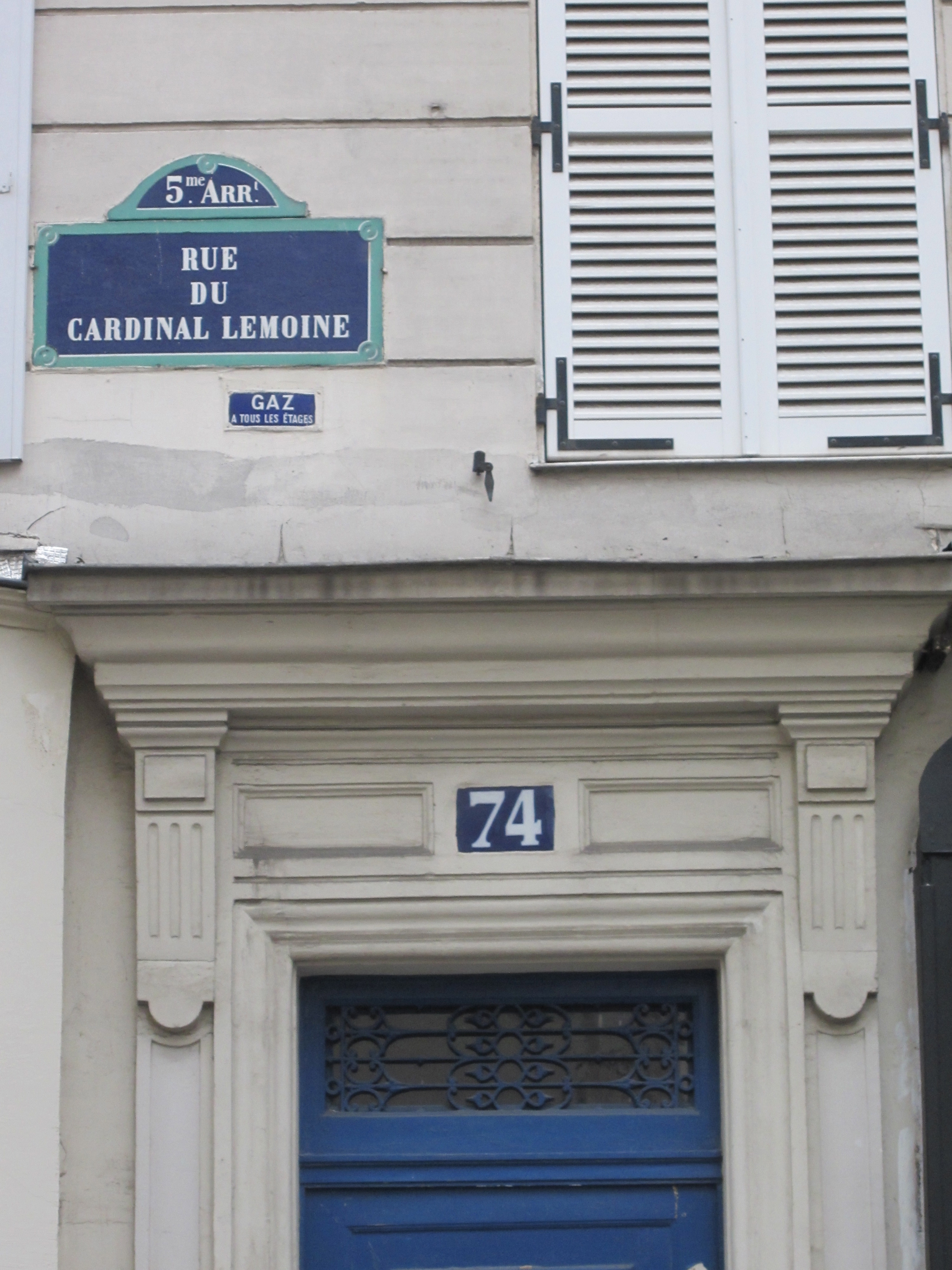
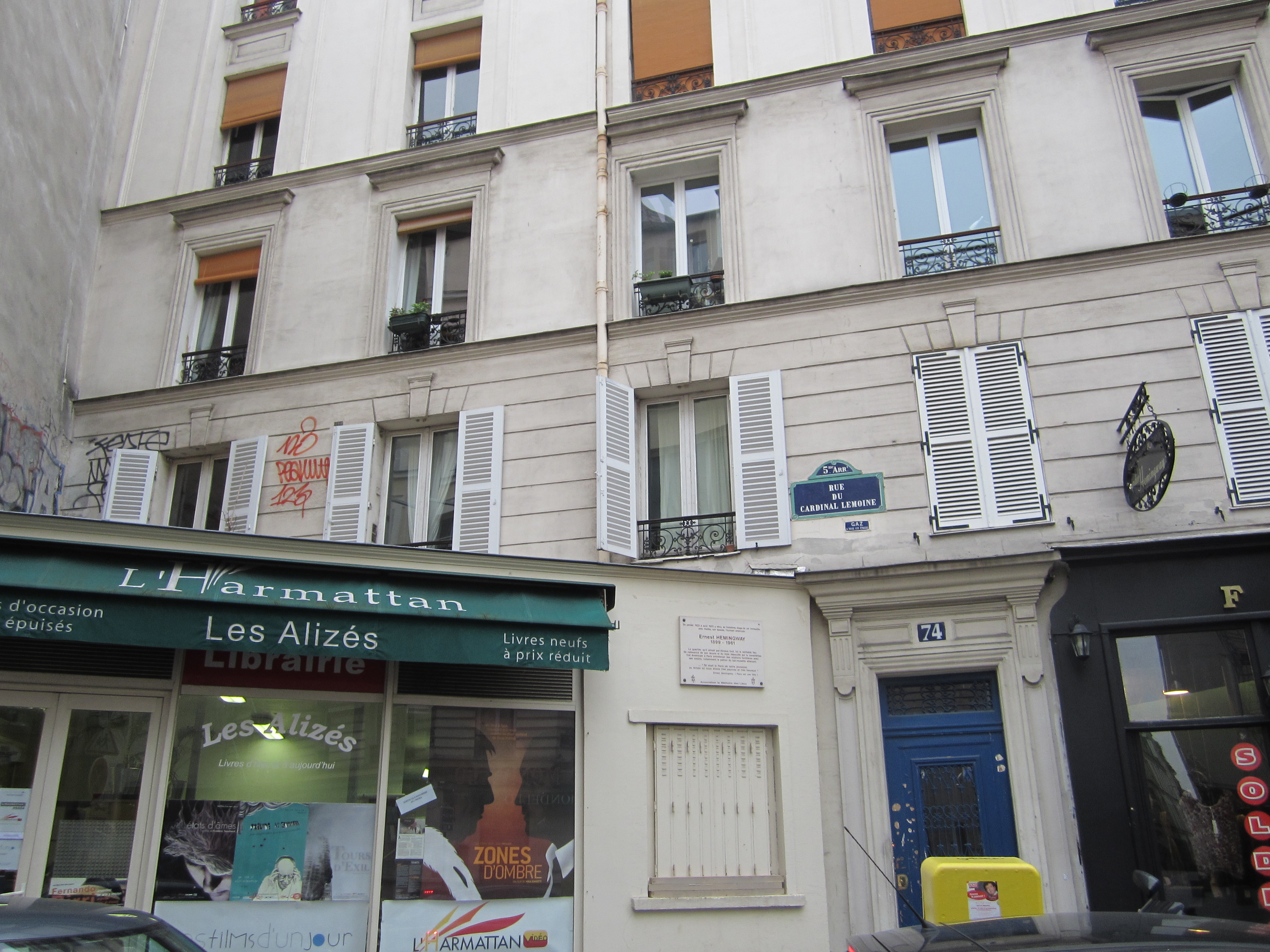
Ernest and Hadley moved into this apartment, at 74 rue du Cardinal-Lemoine in a working-class neighborhood of the 5th arrondissement in January, 1922. It was a two-room flat on the fourth floor without hot water or a private toilet. Hadley later said that "the apartment wasn't ghastly. In fact, it was kind of fun." She remembered that "The steep winding staircase had a niche on each flight for a step-on-two-pedals toilet."

The shop with the green awning below the Hemingways' window was once a loud and popular dance hall called Le Bal du Printemps. Ernest described it as a "noisy, rough music hall and hangout for sailor, whores, 'apaches' (French gang members) and American expatriates, who nicknamed it 'Bucket of Blood.' "

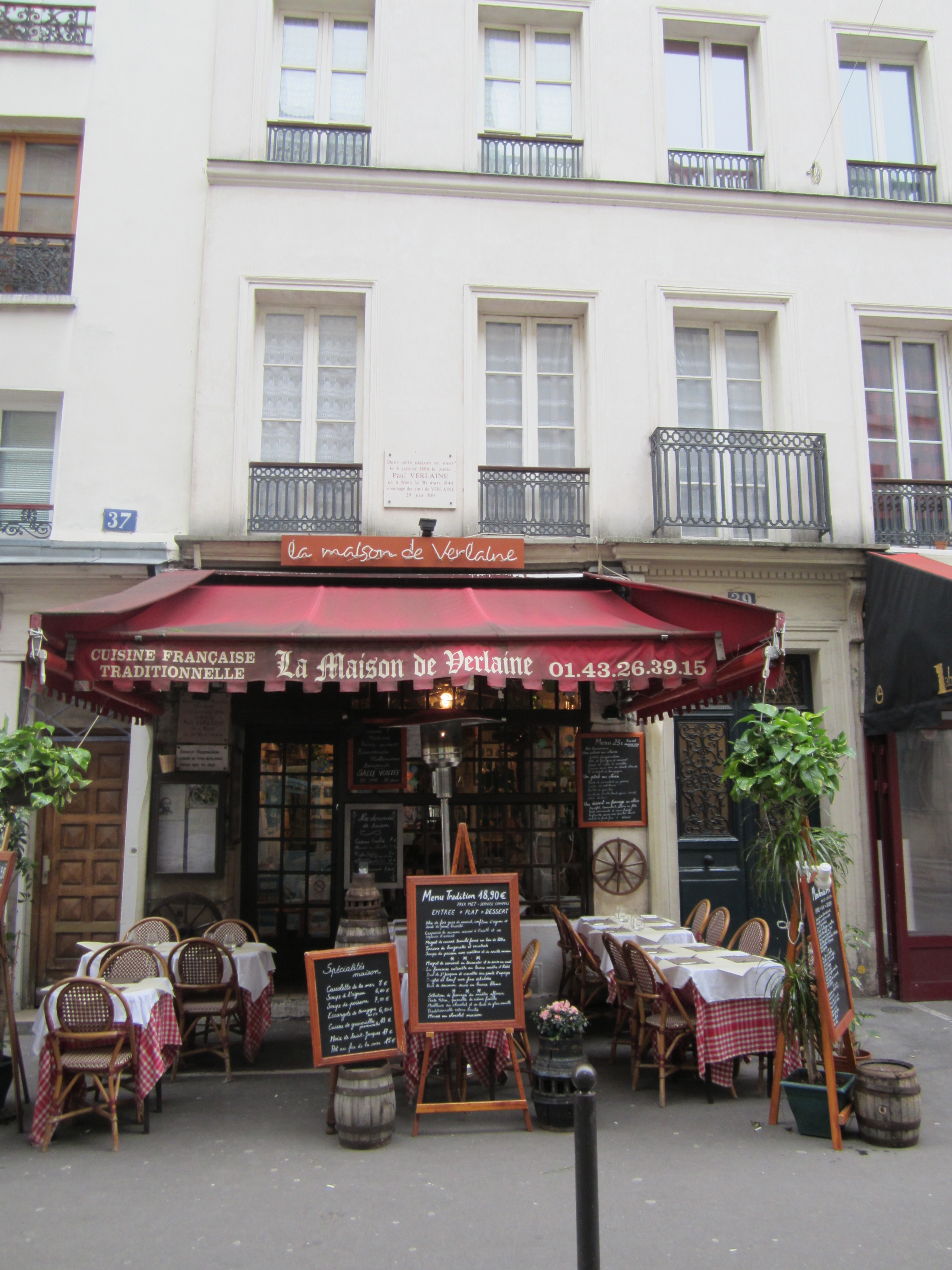
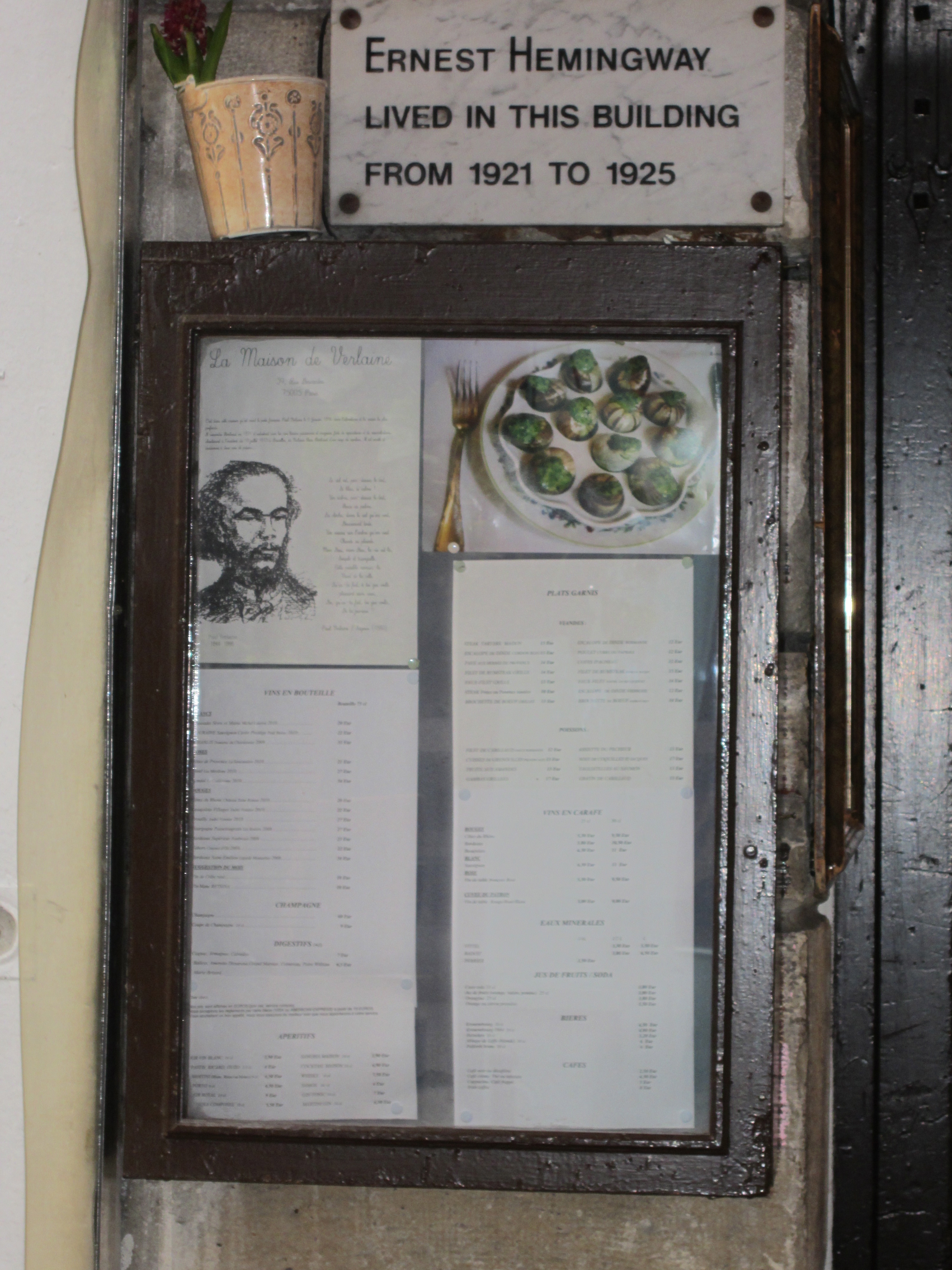
Ernest Hemingway rented an attic apartment in this building at 39 rue Descartes from 1921-1922. It served as his getaway and writing studio, and was just around the corner from his apartment with Hadley.

The plaque on the building at 39 rue Descartes giving recognition to Ernest Hemingway, although it does not appear that Hemingway continued to rent the studio after 1922.

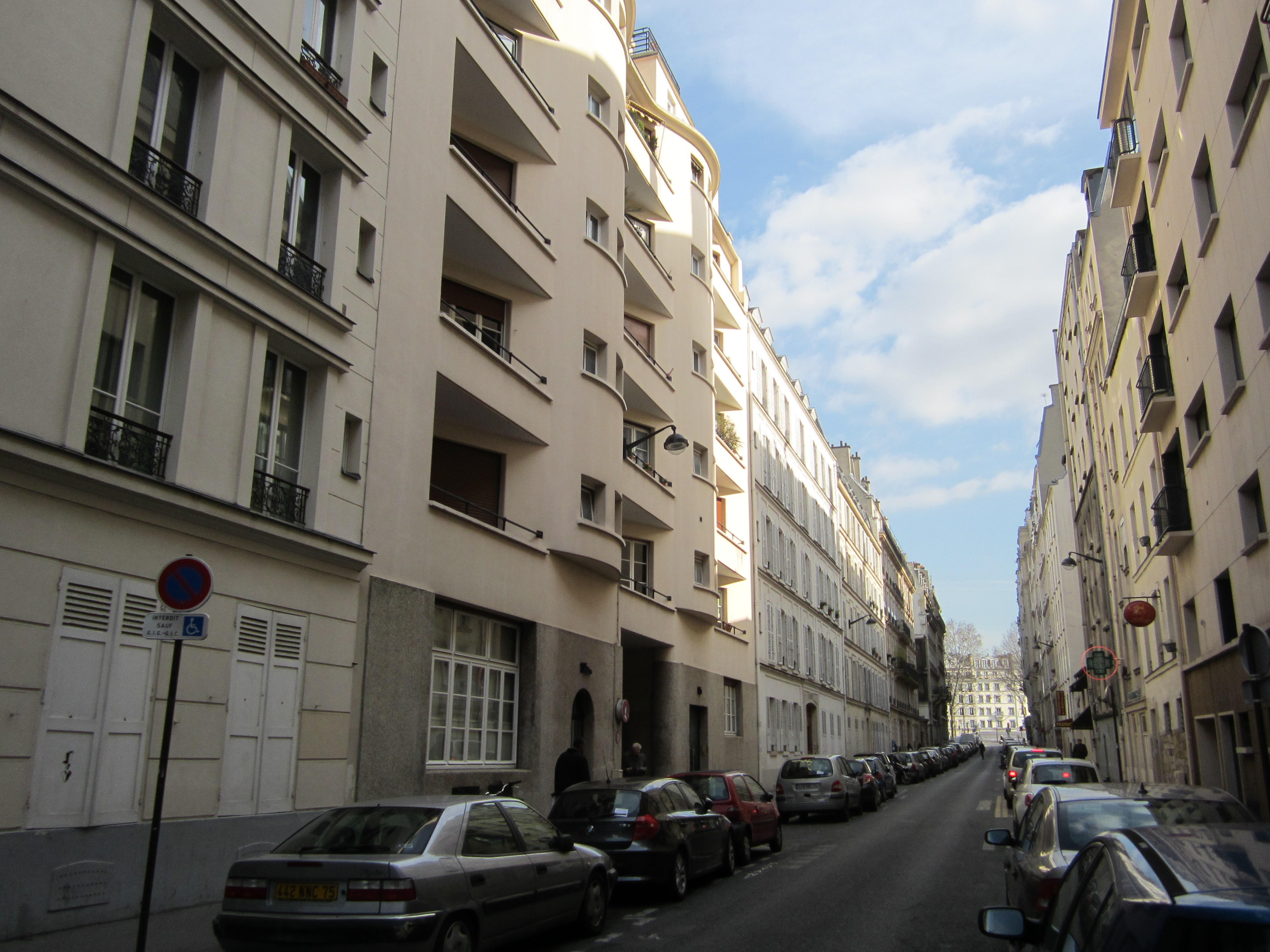
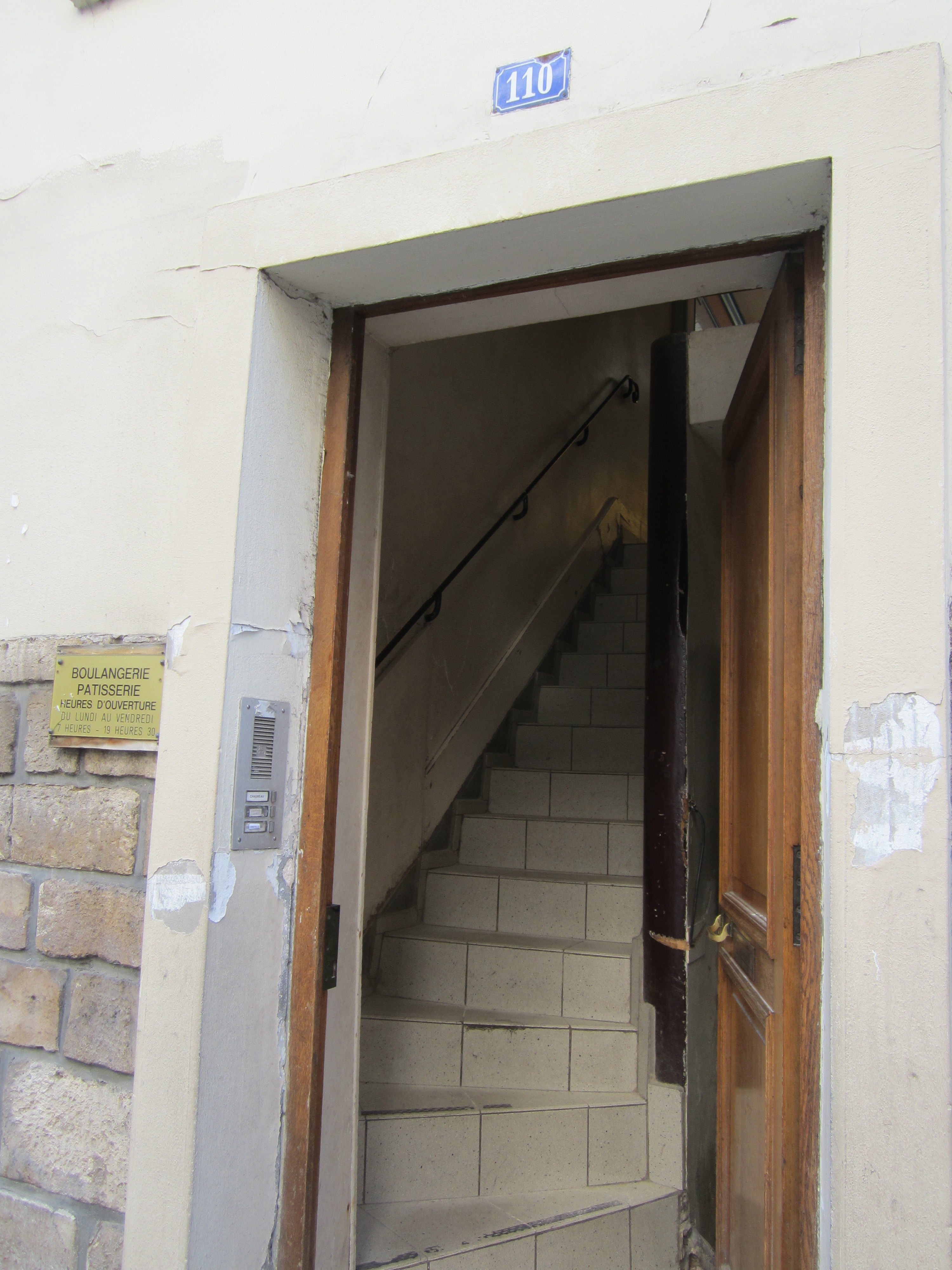
Hadley and Ernest left Paris in August 1923 to have their baby "Bumby" in Toronto. When they returned in January 1924, they found another fairly shabby apartment at 113 rue Notre-Dame-des-Champs. It was a carpenter's loft over a working sawmill. The sawmill was torn down long ago and was replaced with the uninspiring school buildings that you see today.

.”].” “]

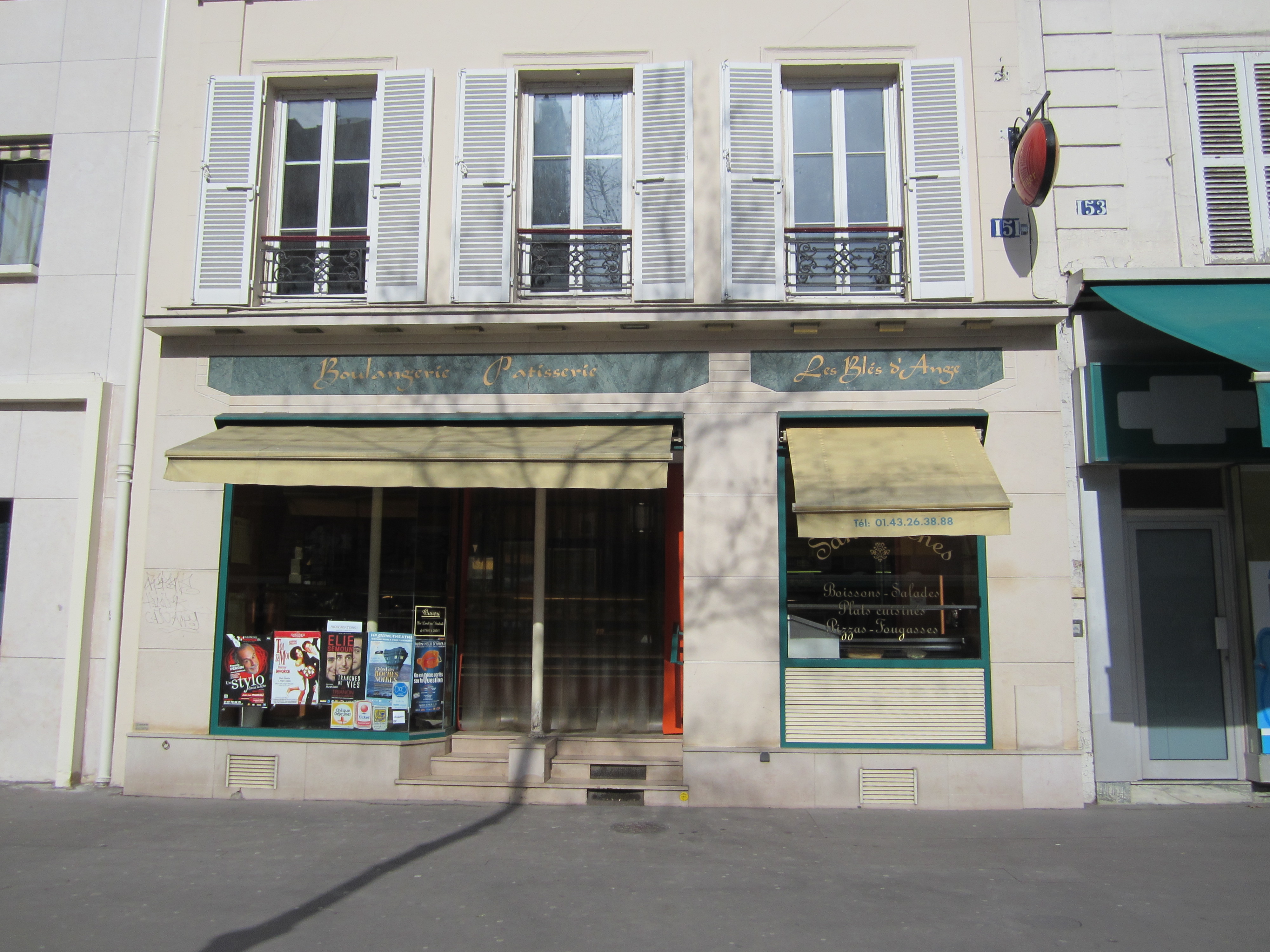
The front door of the Les Blés D'Ange bakery at 151 Bis boulevard Montparnasse. Just like Ernest and Hadley, I cut through myself and stopped to buy a croissant, which I enjoyed on a bench right outside the bakery.

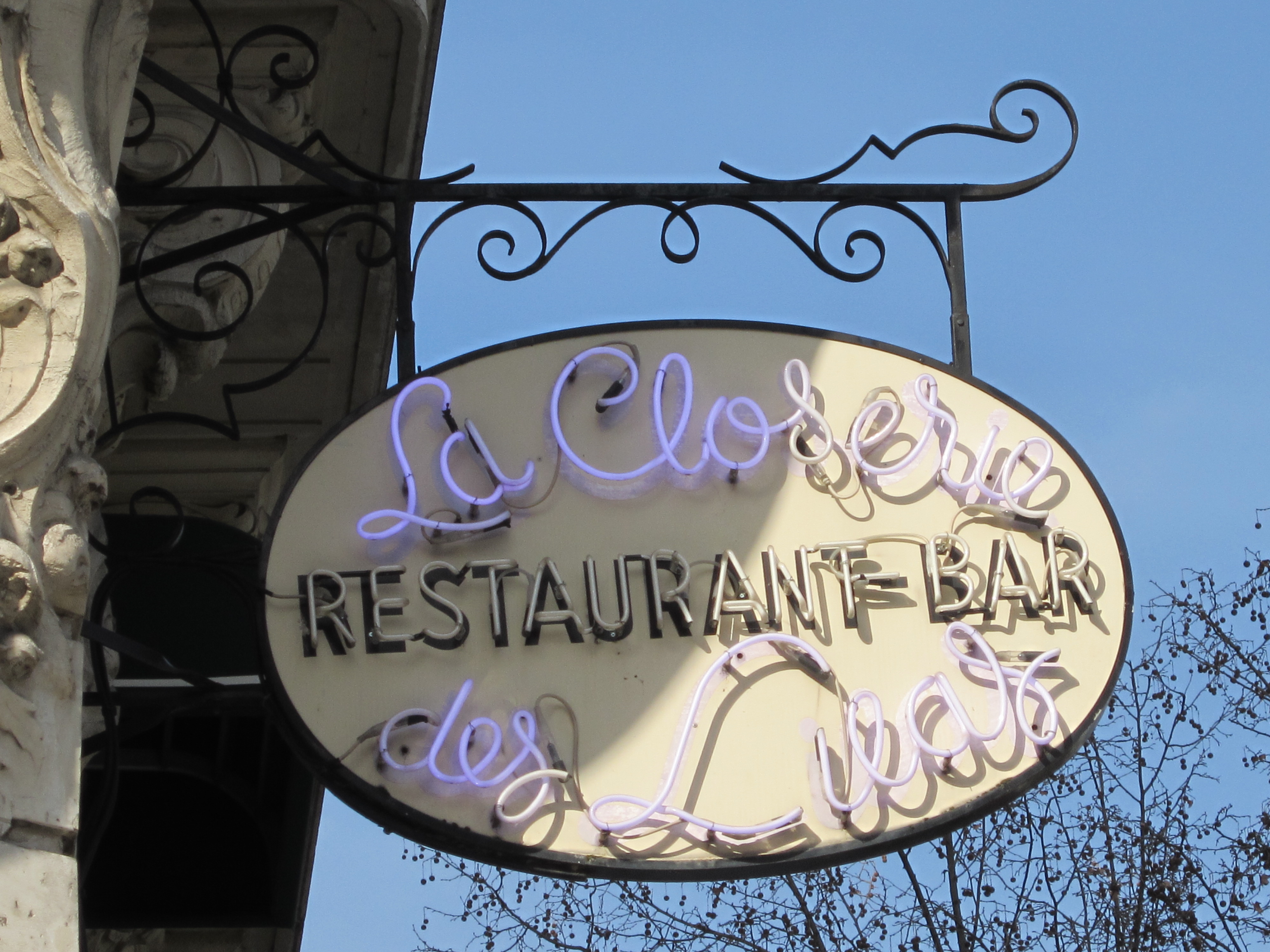
Ernest had no separate writing studio while they lived in the sawmill loft, , so he spent hours at the nearby café, La Closerie des Lilas, 171 boulevard du Montparnasse. You can go there today and try for the seat with the Hemingway plaque.

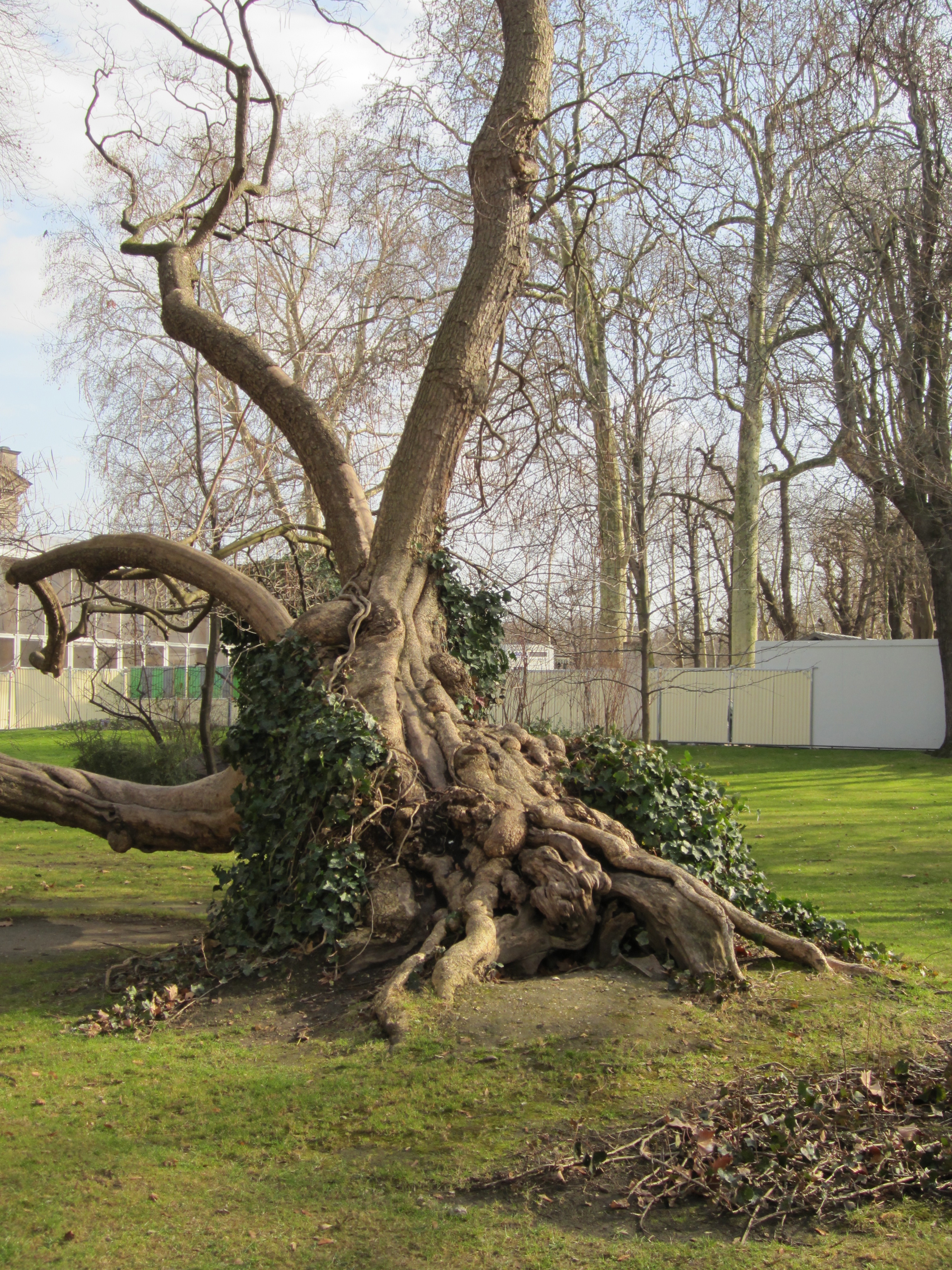
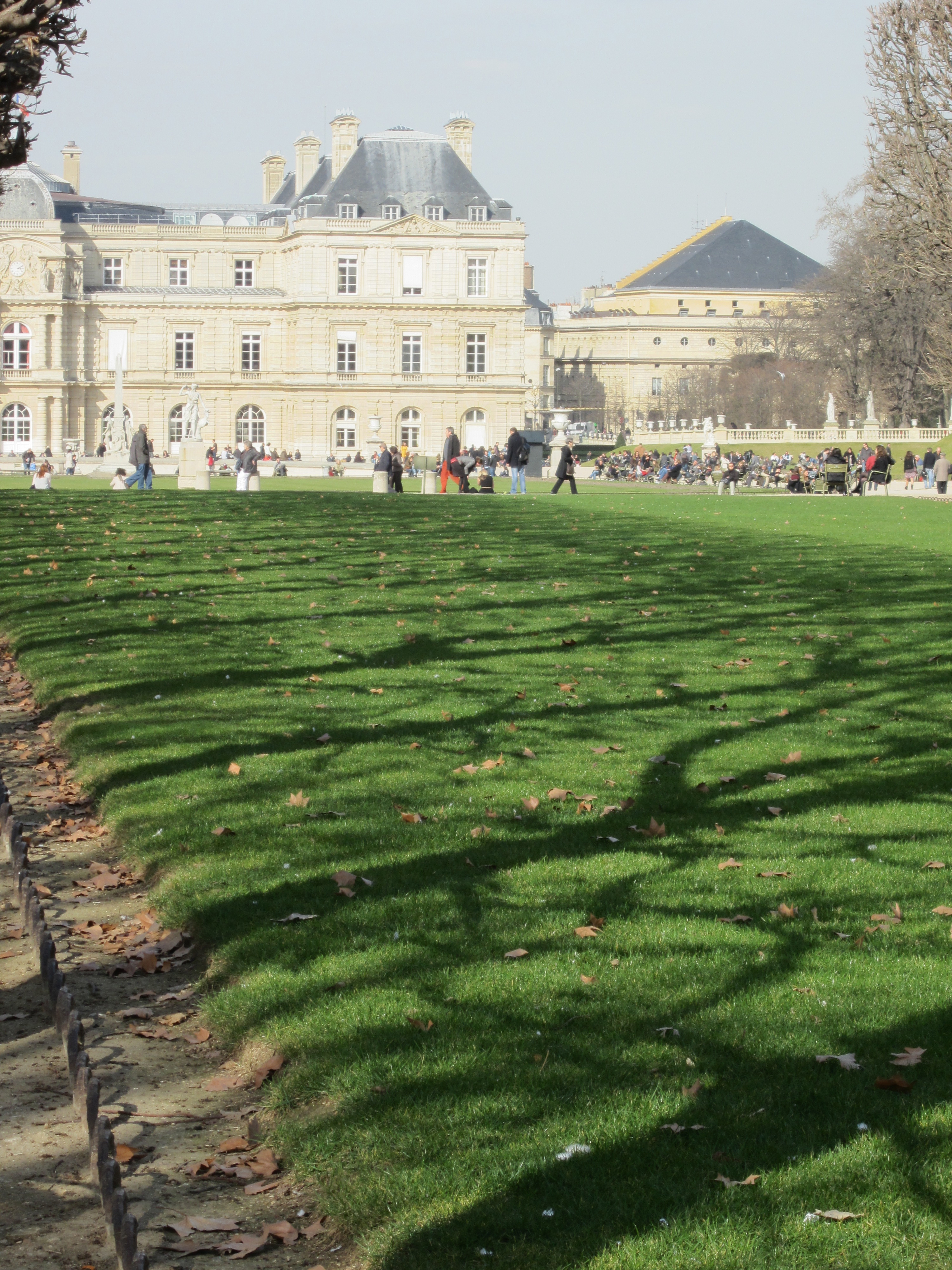
While Ernest worked away at Closerie des Lilas, Hadley and little Bumby would escape the apartment and go to the nearby Luxembourg Gardens. I could picture little Bumby trying to scramble around on this old tree, which certainly looks as if it would have been around in 1925.

Hemingway tended to embellish the extent of his and Hadley's poverty during their Paris years. Ernest claimed that he sometimes killed pigeons in the Luxembourg Gardens and brought them home to eat. Hadley said that wasn't true.

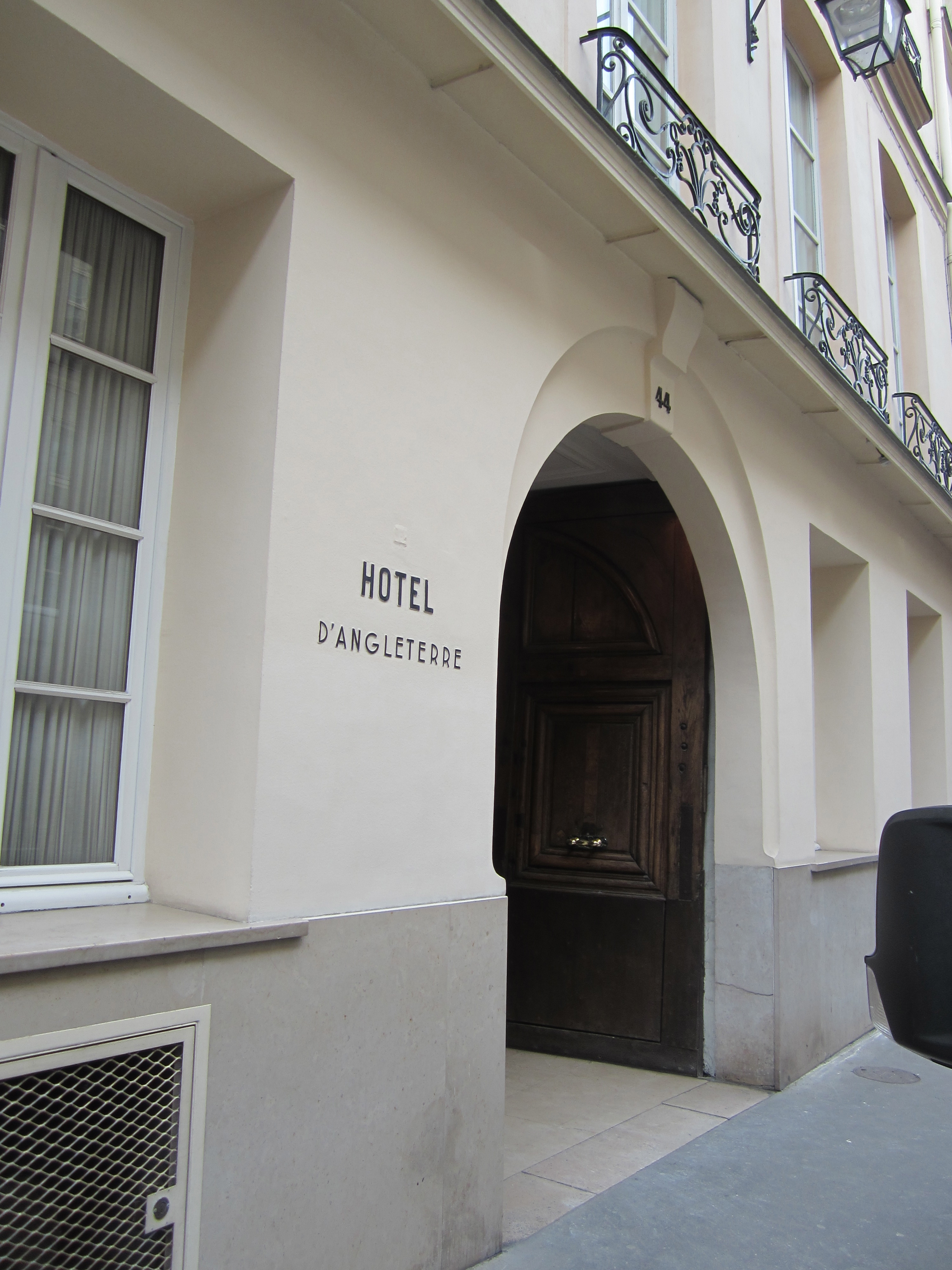
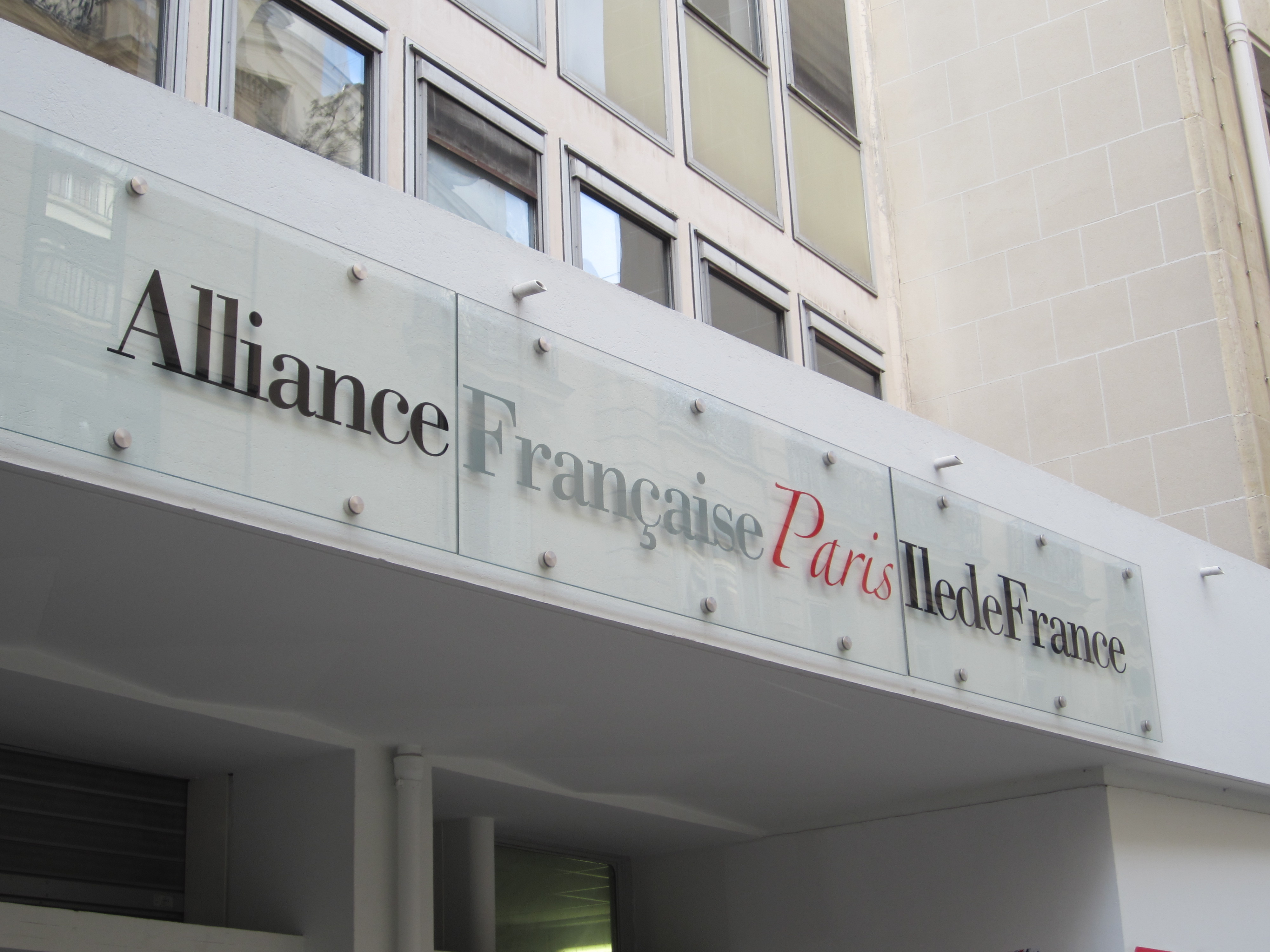
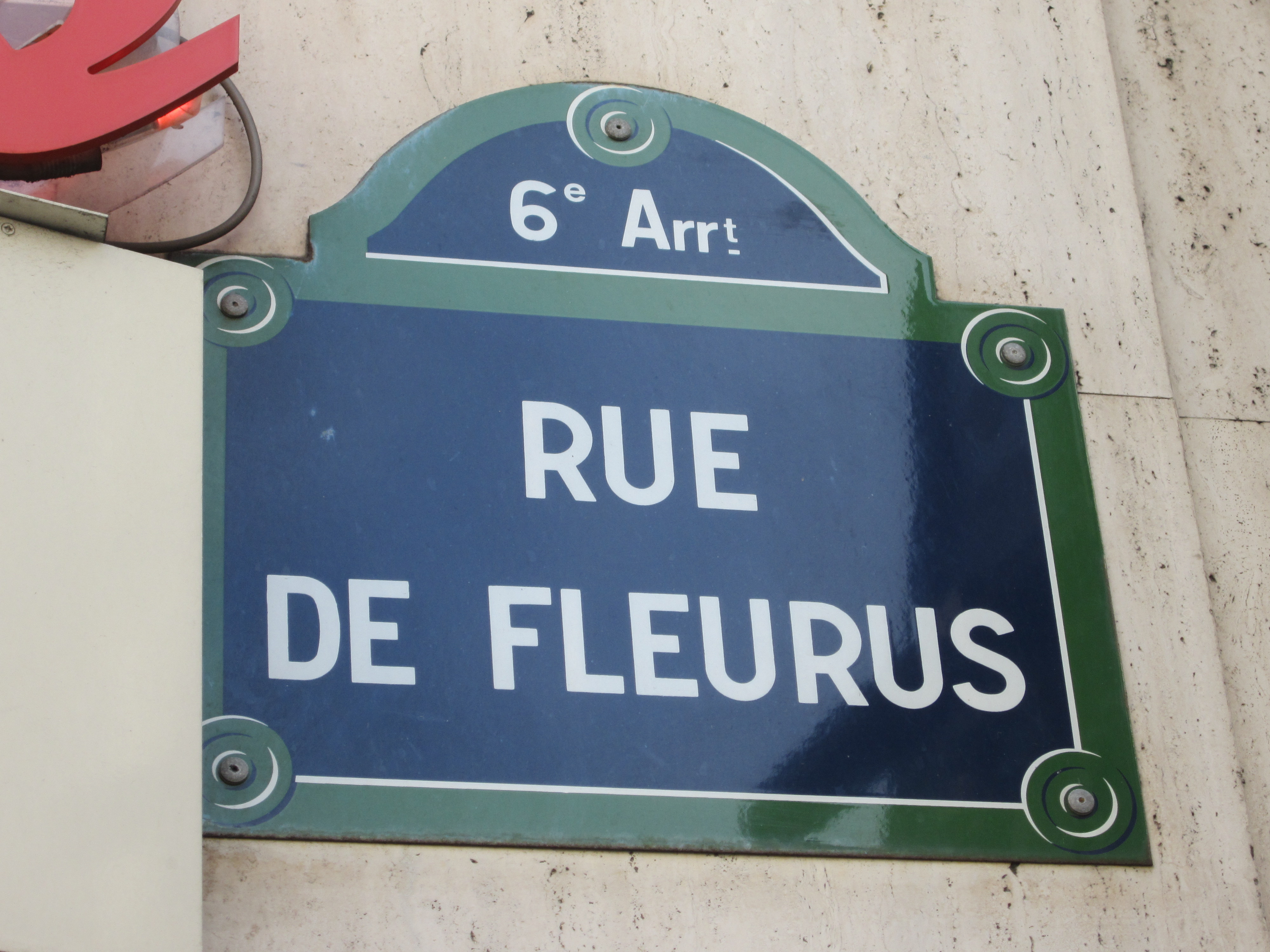
The site of Hadley's first post-separation apartment at 35 rue de Fleurus near boulevard Raspail. The building was torn down and the address is now a part of Alliance Française. Hadley and Ernest separated in August 1925 after it became clear that Ernest's affair with Pauline Pfeiffer would not just die out. When Ernest and Hadley first separated, he stayed in a studio loaned to him by Gerald Murphy on rue Froievaux, and Hadley stayed in the Hotel Beauvoir on avenue l'Observatoire. In October 1925, Hadley and Bumby moved in their solo apartment, which was only two doors down from Gertrude Stein.

According to Gioia Diliberto, Hadley couldn't bear to go back to their sawmill apartment, so Ernest made several trips with a handcart in order to deliver her things to her on rue de Fleurus. He is said to have pushed the handcart "weeping down the street."

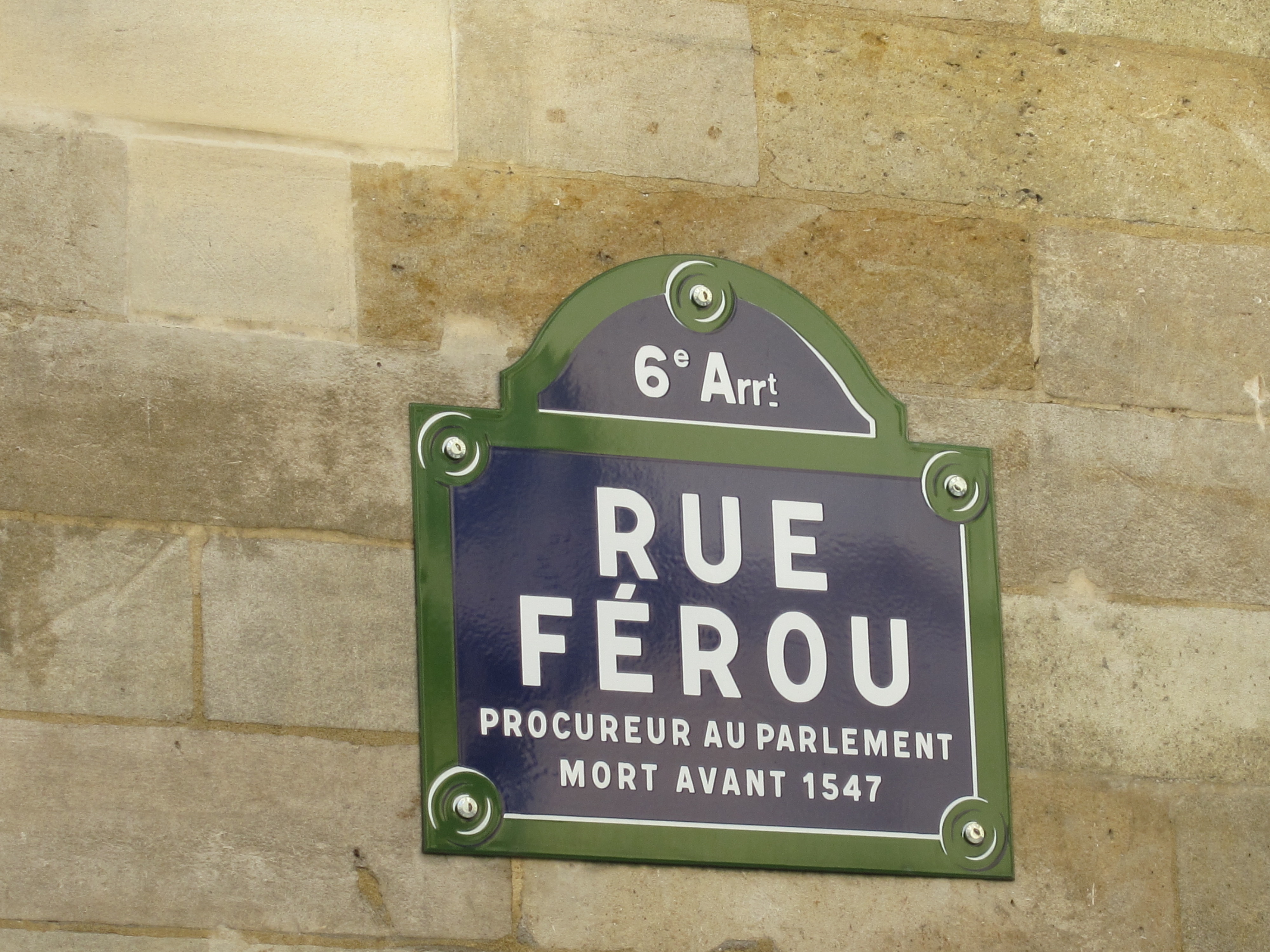
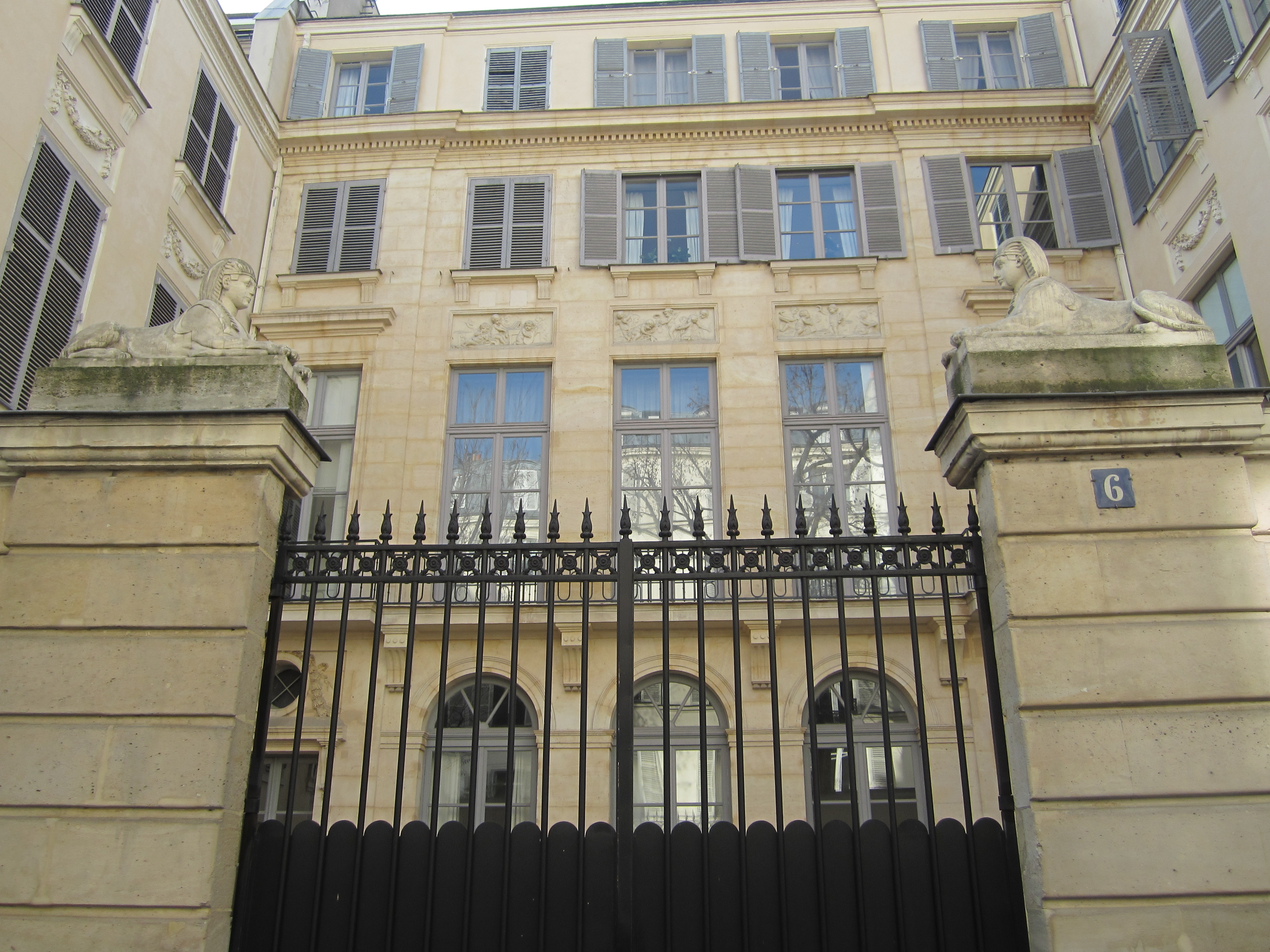
Ernest and Pauline marry in May, 1926 and move into a posh apartment on rue Férou, a quiet street that leads down from the Luxembourg Gardens into Place Saint Sulpice.

Ernest and Pauline's home at 6 rue Férou, which was paid for by Pauline's uncle. According to Gioia Diliberto, it was "lavishly furnished with antiques by the bride." Pretty obvious that Ernest is no starving bohemian anymore. Nevertheless, Hadley continued to have a friendly relationship with Ernest and Pauline, and often sent Bumby to stay with them here.
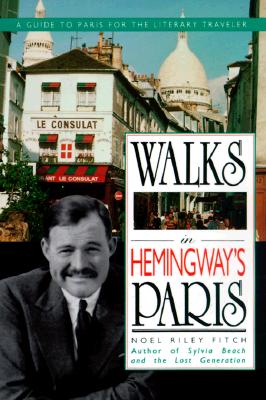
I would never have been able to piece together this Hadley Hemingway tour without the help of Walks in Hemingway’s Paris: A Guide to Paris for the Literary Traveler by Noel Riley Fitch, which I highly recommend. This guide is incredibly complete, and includes walking tours of Saint Germain, Montparnasse, L’Odeon, Hemingway’s Right Bank and more. I can’t imagine a better way to explore Paris.
Stealing Magic in Paris

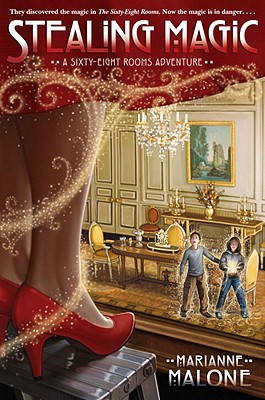
I have a special treat for the kids back home in the States: a photo tour of the Paris scenes in one of their favorite books, Stealing Magic (Random House 2012) by Marianne Malone.

In addition to  my year-long adventure in Paris, I am also a bookseller back in the United States. Some of my bookstore’s most popular children’s books are by Illinois art teacher and author Marianne Malone, including 68 Rooms and Stealing Magic.

Malone’s books start out in the Thorne Miniature Rooms at the Art Institute of Chicago. During a field trip to the “68 Rooms” at the Art Institute, Malone’s young characters find a magical key that enables them to shrink and time travel through the miniature rooms.

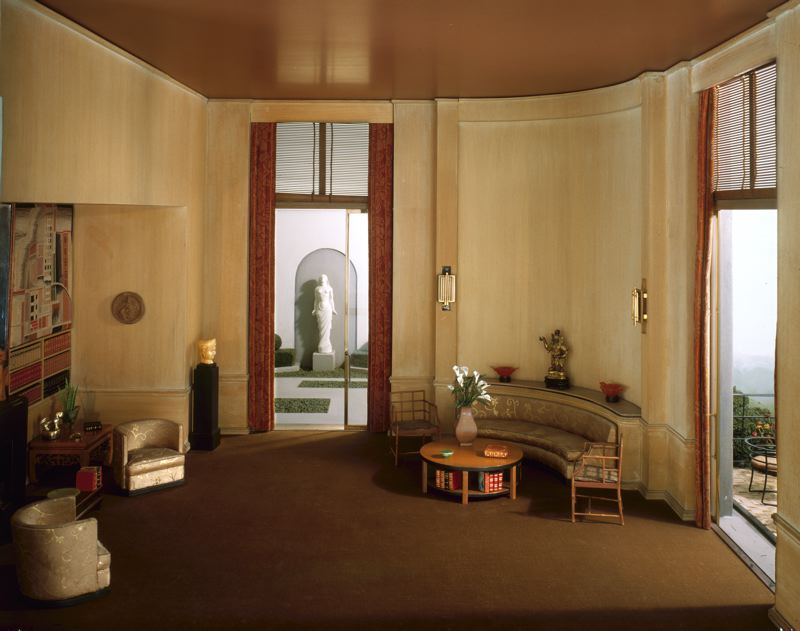
In Stealing Magic, the children time travel through Thorne Room E-27, French Library of the Modern Period, 1930s, and find themselves in Paris during the 1937 World’s Exposition. They tour the fairgrounds located at the feet of the Eiffel Tower and befriend a young Jewish girl named Louisa. When Ruthie and Jack time travel back to the United States, they realize they must return to 1930s Paris to warn their friend Louisa about the rising Nazi threat in Europe. It’s a wonderful story with a blend of history, danger, art and adventure.

Thorne Room E-27, French Library of the Modern Period, 1930s, Art Institute of Chicago.

As a treat for all of the 68 Rooms fans back in the States, I mapped out the scenes in the book, and took my camera to the Trocadéro neighborhood for a Stealing Magic literary tour of Paris.

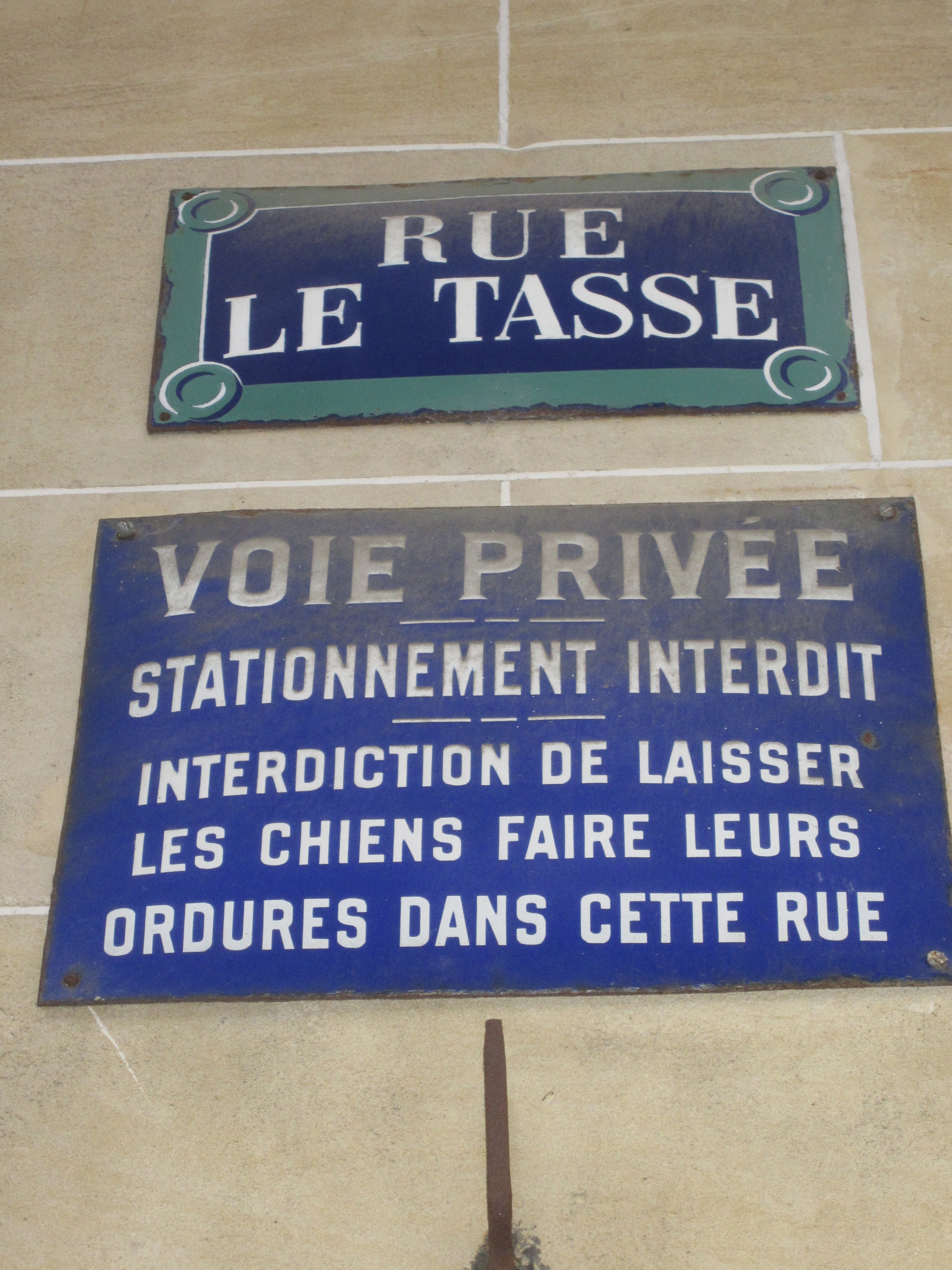
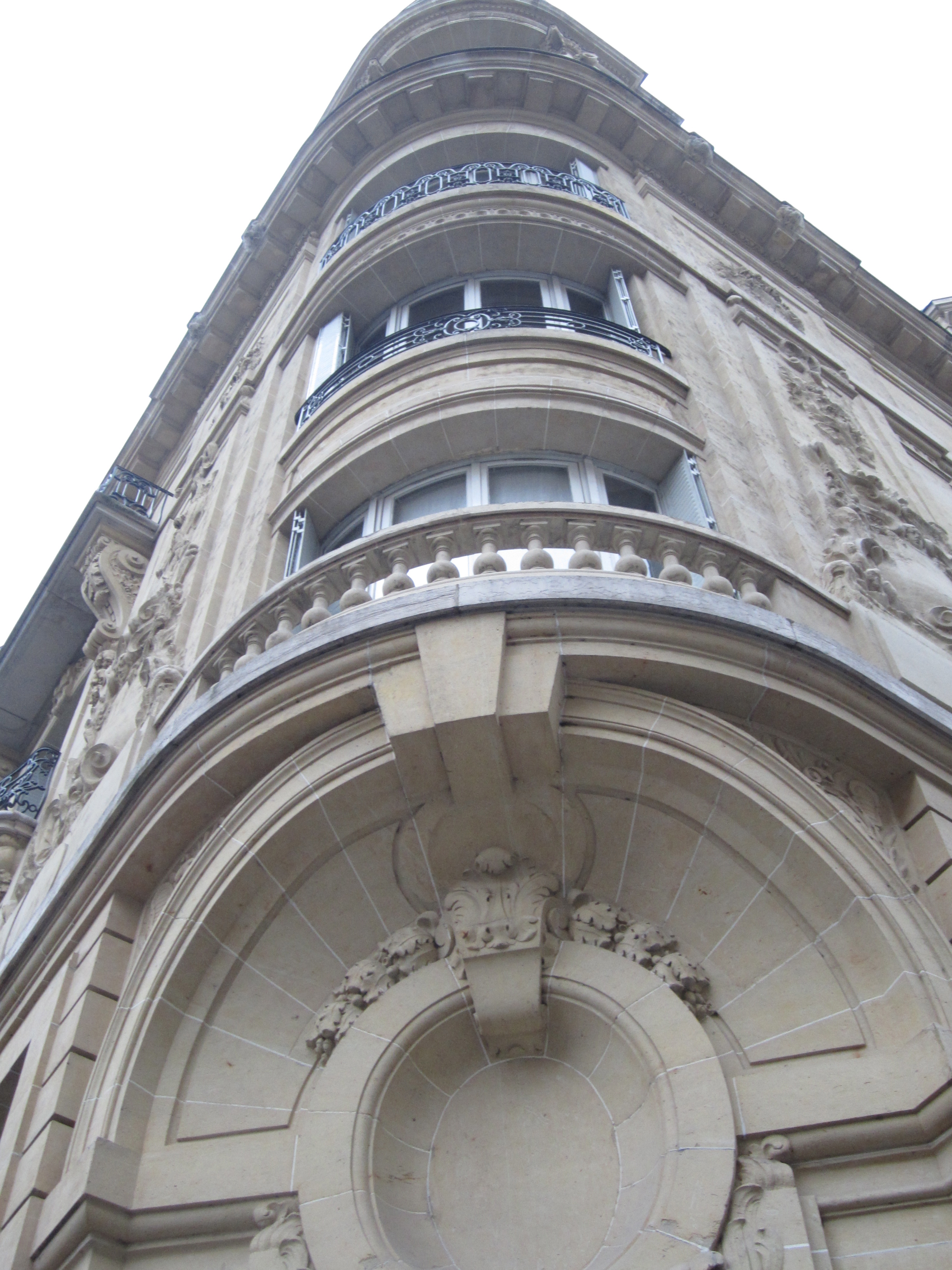
rue Le Tasse, the location of Louisa Meyer's apartment in Paris. Louisa and her family lived on a quiet, private street in a very nice neighborhood. So nice, in fact, that dogs are prohibited from "doing their business" (les chiens faire leurs ordures) on the street.

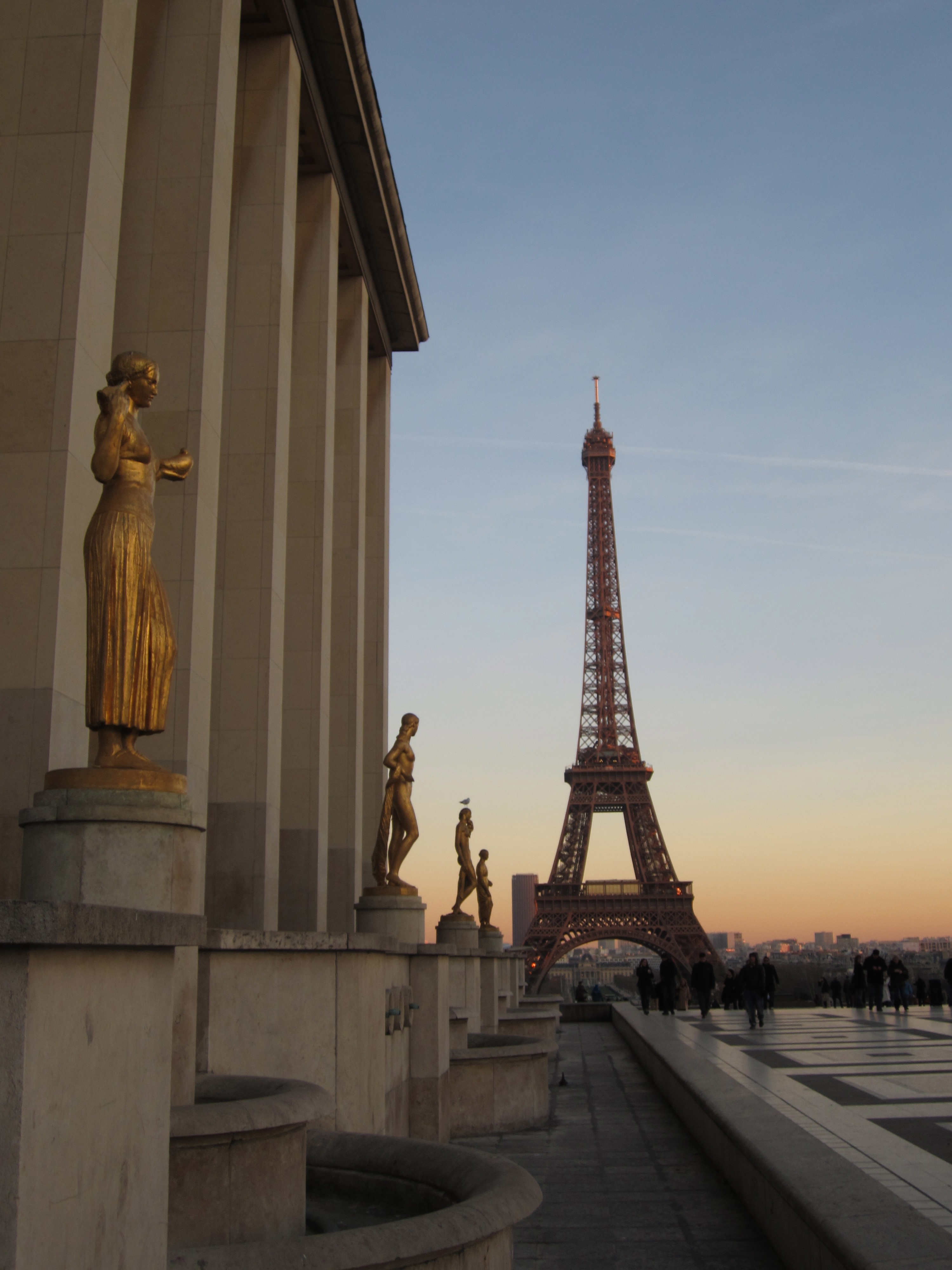
After Louisa meets Ruthie and Jack, she shows them where she lives: "She pointed across the park to a row of beautiful buildings." . . . "Number seven, rue Le Tasse. Second from the end. . . ." From rue Le Tasse you have a beautiful view of the Eiffel Tower.

See all of the fancy decoration on the building facade? Doesn't it look just like the illustration in the book? Louisa waved at Ruthie and Jack from her balcony of her apartment at 7 rue Le Tasse (p. 175).

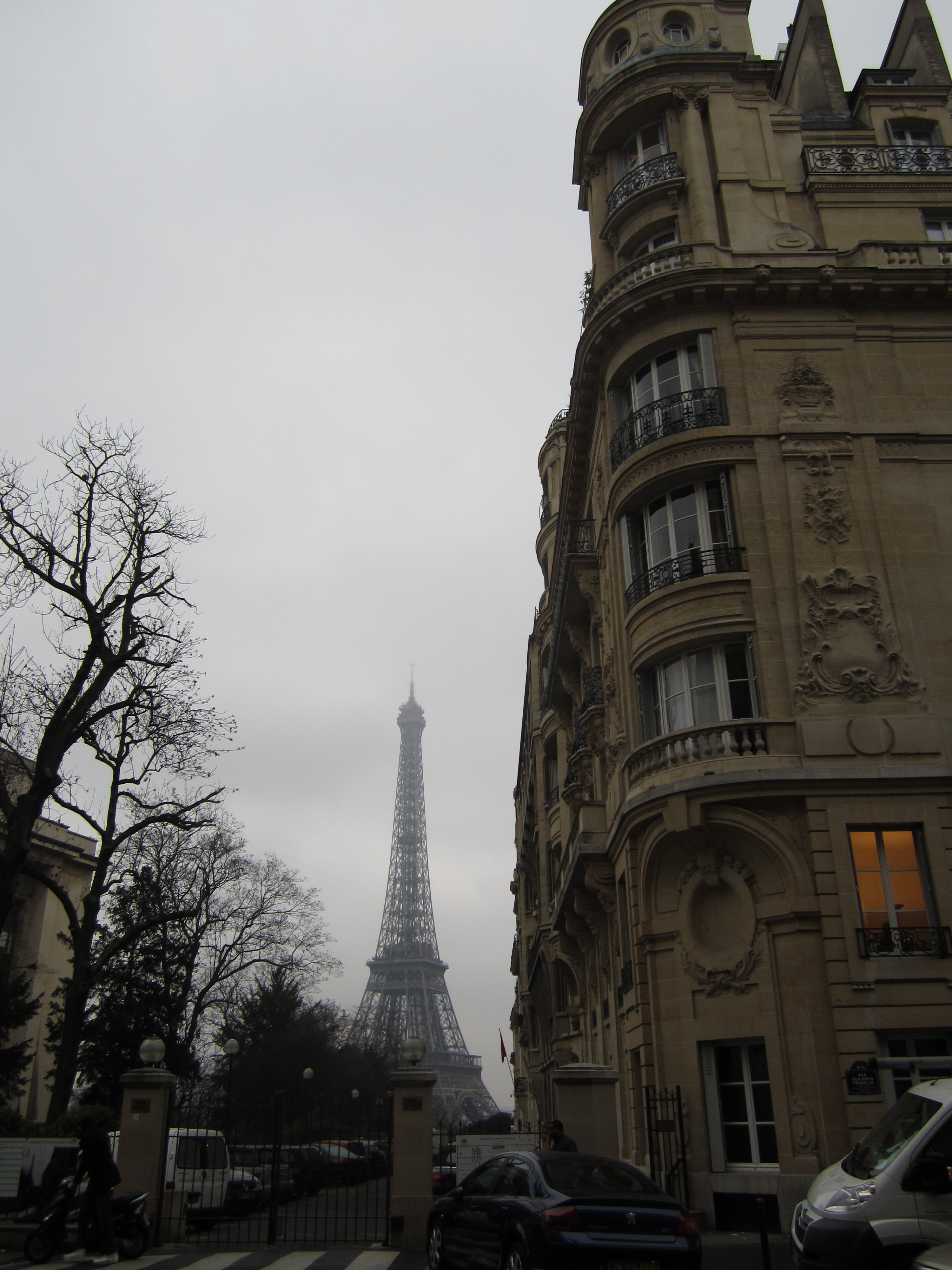
The view of the Eiffel Tower from the Trocadéro. Jack and Ruthie would have seen many more buildings near the base of the Eiffel Tower than we see today, including the German and the Soviet pavillions that were build for the 1937 fair. Most of the buildings from the World's Exposition were torn down afterwards.

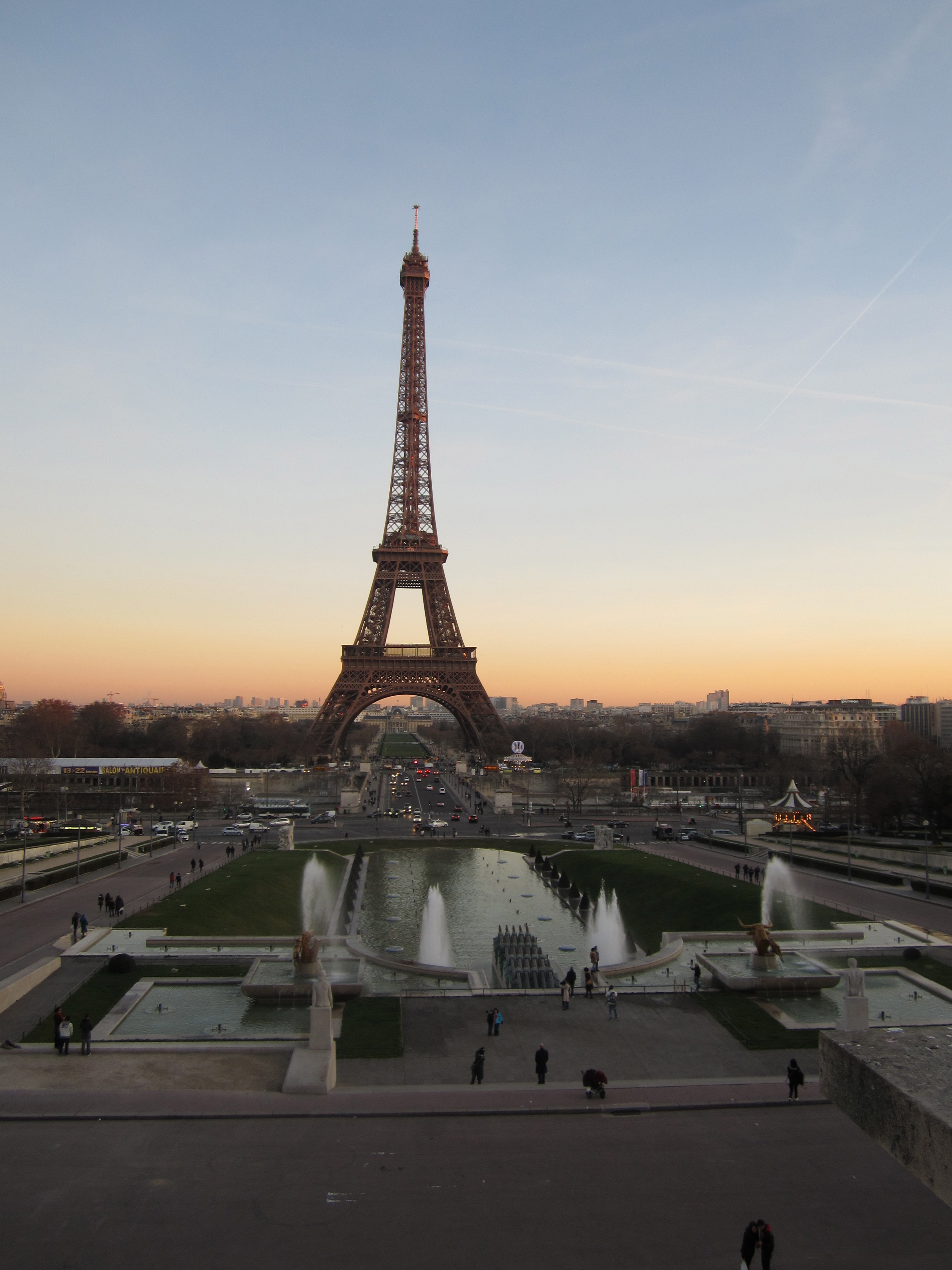
Ruthie and Jack's view of the Jardins du Trocadéro and the Eiffel Tower. "A long, rectangular fountain ran down the center of the gardens, its jets spraying water dramatically into the air. The ground sloped to the Seine River and a bridge that people walked across to the Eiffel Tower."

Marianne Malone does a wonderful job of portraying Paris life in the 1930s, from the baguettes in the bicycle baskets to the fashionable women in their high heels and skirts. I couldn’t help but smile when she described the small elevator in Louisa’s apartment building: “the accordion-style metal gate . . . only big enough for two,” because for me, that lovely little detail seems to capture the essence of Paris apartment life, whether it’s 1937 or 2012.

Stealing Magic also teaches grade school children about Nazism and the Holocaust in an  age appropriate way. When Louisa’s mother expresses her disbelief about the danger and says: “But surely Hitler can’t control Paris,” we are reassured that Ruthie and Jack know better. It makes for a good story, and at the same time, a valuable learning opportunity.

I highly recommend Stealing Magic and I hope you enjoyed the photo tour.

Coco Chanel: Sleeping with the Enemy

Sleeping With the Enemy is a bubble-bursting kind of book.

When most people think of Coco Chanel, they probably picture her like I used to, as played by Audrey Tautau in Coco Before Chanel (2009). Either a hard-working young thing from the provinces, or the ambitious and innovative fashion icon she became later in her life.

After reading Hal Vaughan’s 2011 book, Sleeping with the Enemy: Coco Chanel, Nazi Agent, a new image comes to mind, and it’s not good. At best, Chanel was a powerful woman who would do anything to survive, to succeed, and to walk away from the war unscathed. At worst? Chanel was an anti-semitic Nazi collaborator and morphine-addicted snob who not only slept with the enemy, but aided them.

U.S. Edition (2011)

Hal Vaughan’s book relies on documents from a variety of archives and other legitimate sources, including German files discovered in the Soviet Union. They show that Chanel had a long-term love affair with a Nazi spy, the handsome, aristocratic and half-British Baron Hans Gunther von Dincklage, known to his intimates as “Spatz.”  At the beginning of the Second World War, Chanel sought help to obtain her nephew’s release from a prisoner of war camp in Germany. Spatz was the perfect string-puller. It didn’t take long until the two formed a long-lasting romantic alliance.

Chanel’s relationship with Spatz enabled Chanel to keep living in luxury in the midst of war. Although Chanel initially departed for Vichy, France, Spatz called in a favor with the German High Command and they invited Chanel to move into the Cambon wing of the Ritz as the Nazi’s “Privatgast.” Chanel’s new rooms weren’t quite the same as her old suite facing Place Vendome, but they would do.

While other Parisians suffered through severe food rationing during the long, desperate years of occupation, Chanel sipped champagne with the top German officials who had taken over the Ritz. Chanel and Spatz dined at Maxim’s, went to black-tie affairs at the opera, and attended glamourous dinner parties at the German Ambassador’s residence on the Left Bank.

But of course, there was a price to be paid for Spatz’s favors. And it appears Chanel had no trouble paying it. Chanel and Spatz traveled to Berlin to meet with with a top SS intelligence chief, and Chanel became German Secret Agent F-7124, code name “Westminster.” If Vaughan’s book has a weakness, it is here, where he seeks to explain the nature of Chanel’s missions on behalf of the Germans. It is not entirely clear what specific traitorous acts she performed against the interests of the French people. Nevertheless, it is perfectly clear that Chanel was a pro-German collaborator who was not quiet about her dislike for Jews.

Chanel didn’t just nod when other people said bad things about Jews at German dinner parties. She spouted quite a bit of venom herself. But even worse, she actually tried to use anti-semitic laws to fight for the ownership of Chanel No. 5. Back in 1924, Chanel had sold her highly successful perfume line to the Jewish Wertheimer family, and  she wanted it back. Spatz introduced Chanel to the senior Nazi official in charge of the “Aryanization” of Jewish property in France, and he helped her try to wrestle the control of Chanel No. 5 away from the Wertheimers. However, the Wertheimers were prepared and had already placed the company into a trust. For once, Chanel did not succeed.

It is still a mystery how Chanel was ever able to avoid arrest and prosecution after the war. According to Vaughan, a case was opened against her and she appeared for an interrogation, but the case went nowhere. The rumor is that Winston Churchill intervened on her behalf. Chanel slipped out of France and headed straight to Switzerland, where she spent several more years living with Spatz.

Chanel made a huge comeback in Paris in 1954. She was in her 70’s and the French didn’t wanted to be reminded of who did what in the the war. She died in her rooms at the Paris Ritz in 1971, the past varnished over. She was a fashion icon worth over $54 million. And the brand lives on.

Despite everything I learned from Vaughan’s book, and I was still interested in going on the Paris Walks Fashion Tour, which I did just this week. The tour guide was well informed about Chanel’s past, and offered a middle-of-the-road, no-one-really-knows interpretation of Chanel’s role with the Nazis. The tour guide shared a particularly interesting quote. When asked about her relationship with Spatz, Chanel supposedly said: “At my age, I’m so happy to have a lover, I don’t ask for a passport.”

In any event, here are some photos from the Paris Walks Tour, which I highly recommend.

And just in case – like me – you don’t have the right credentials to get on the Chanel VIP list for current tours of Chanel’s apartments, at least we can enjoy the photos of someone who does. Check out this story from the Guardian, complete with eye-popping photos of Chanel’s glamorous lifestyle on rue Cambon.

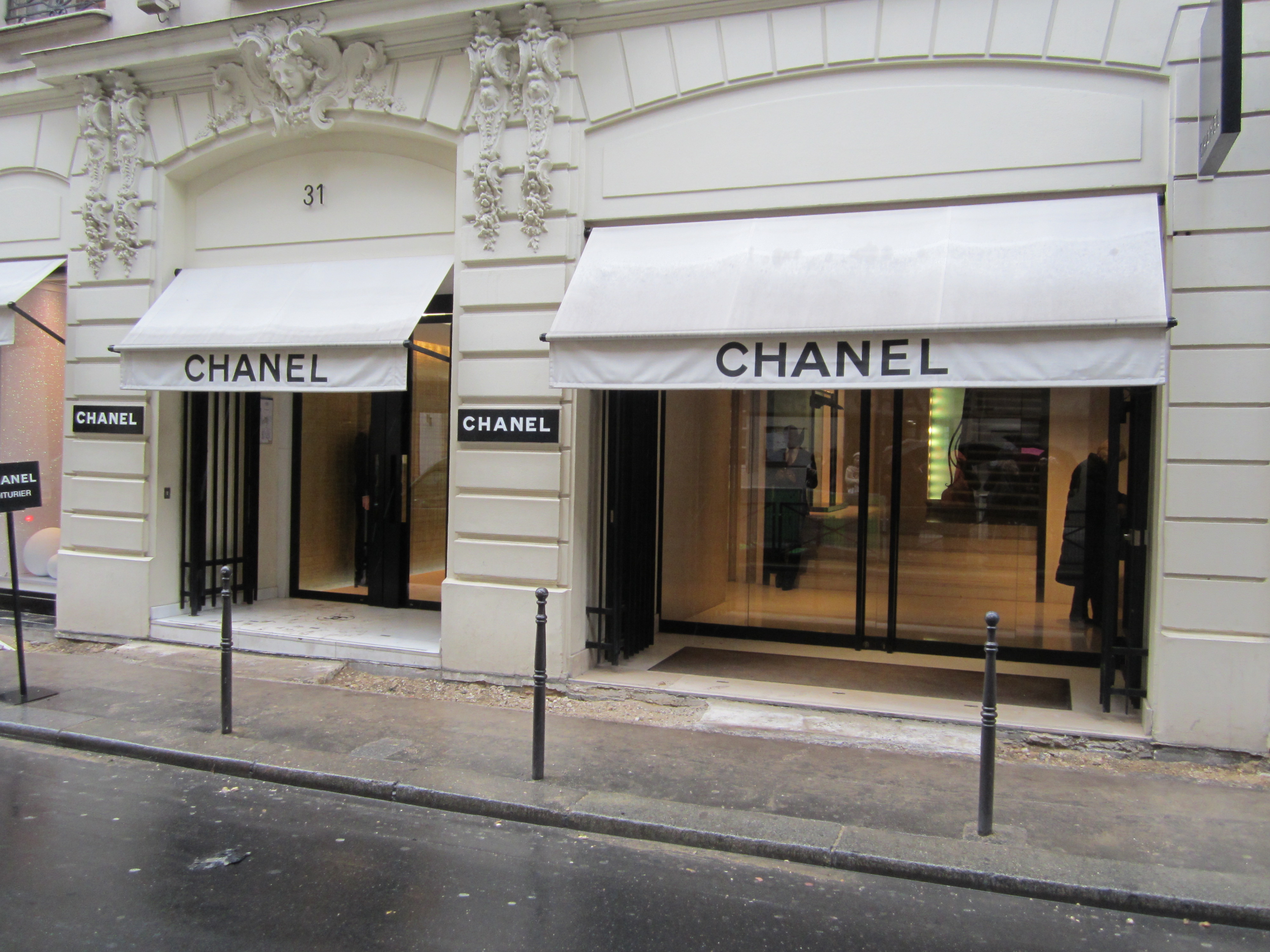
The flagship Chanel boutique at 31, rue Cambon in Paris. Chanel had apartments above the boutique where she entertained her clients, but she did not sleep there. She slept at her apartment in the Ritz, just across the street.

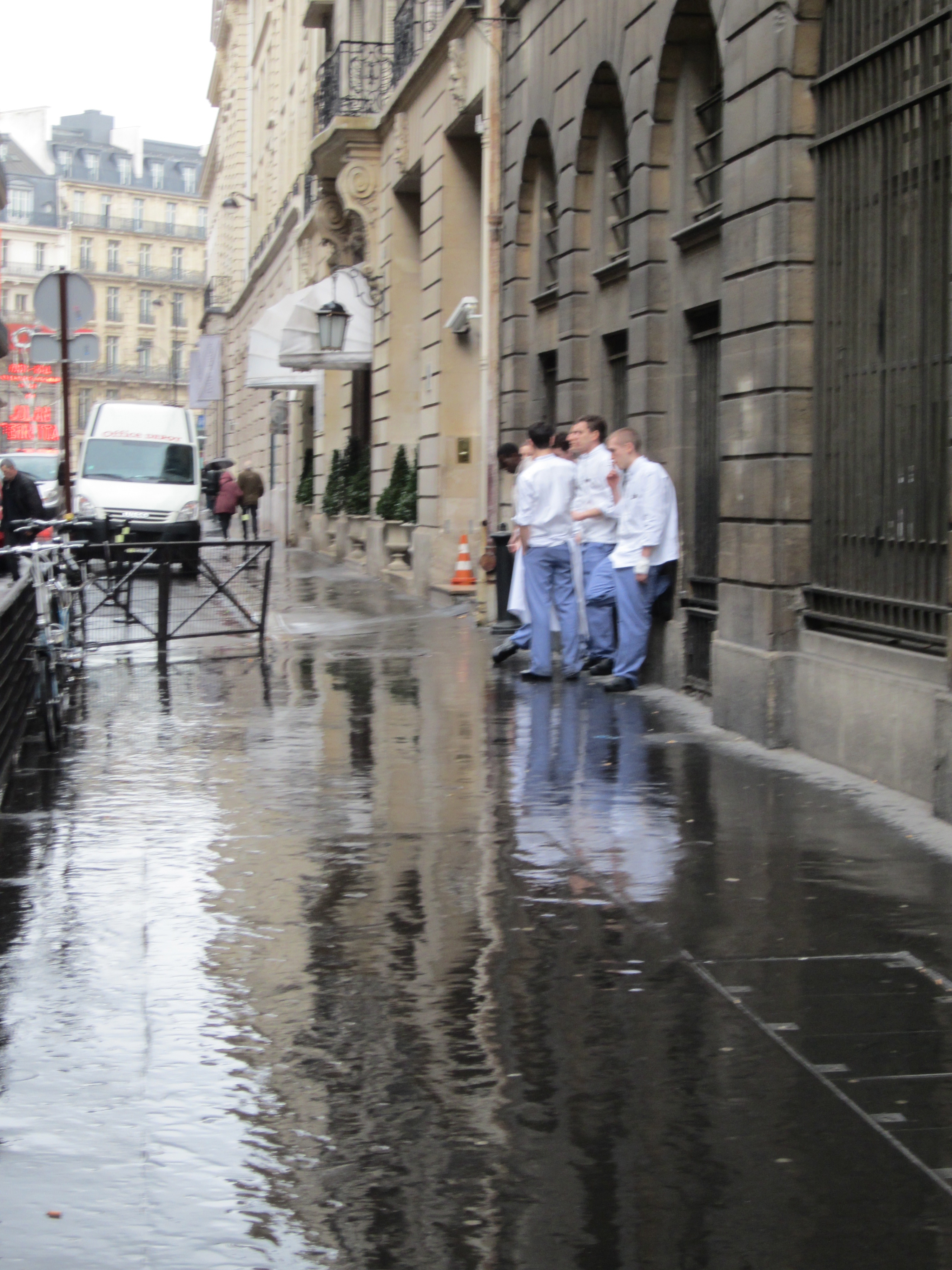
The back entrance to the Ritz on rue Cambon. Chanel's apartments during the war would have overlooked this street.

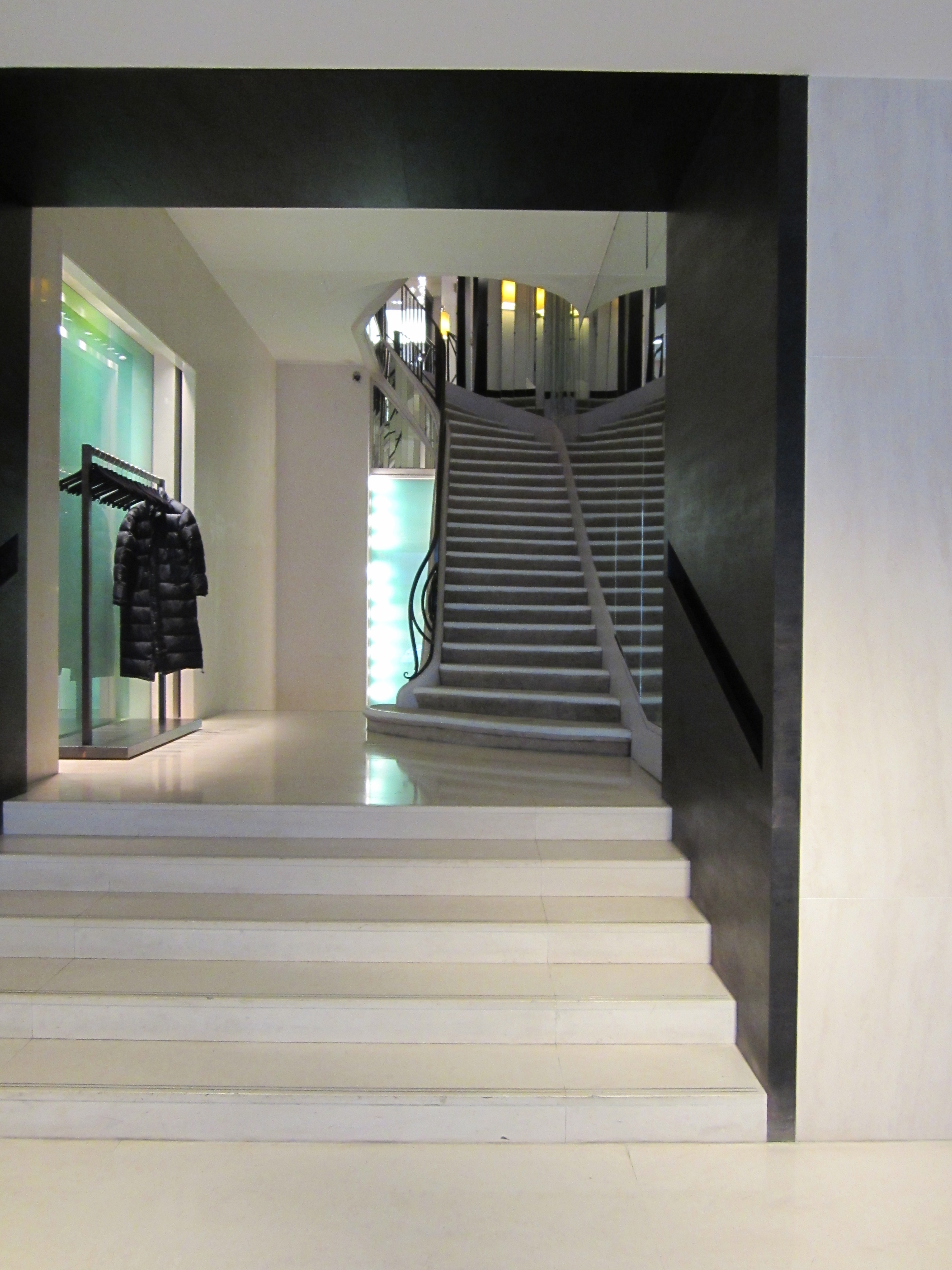
The famous mirrored staircase leading up from the boutique to Chanel's private apartments. Picture Spatz and Chanel here.

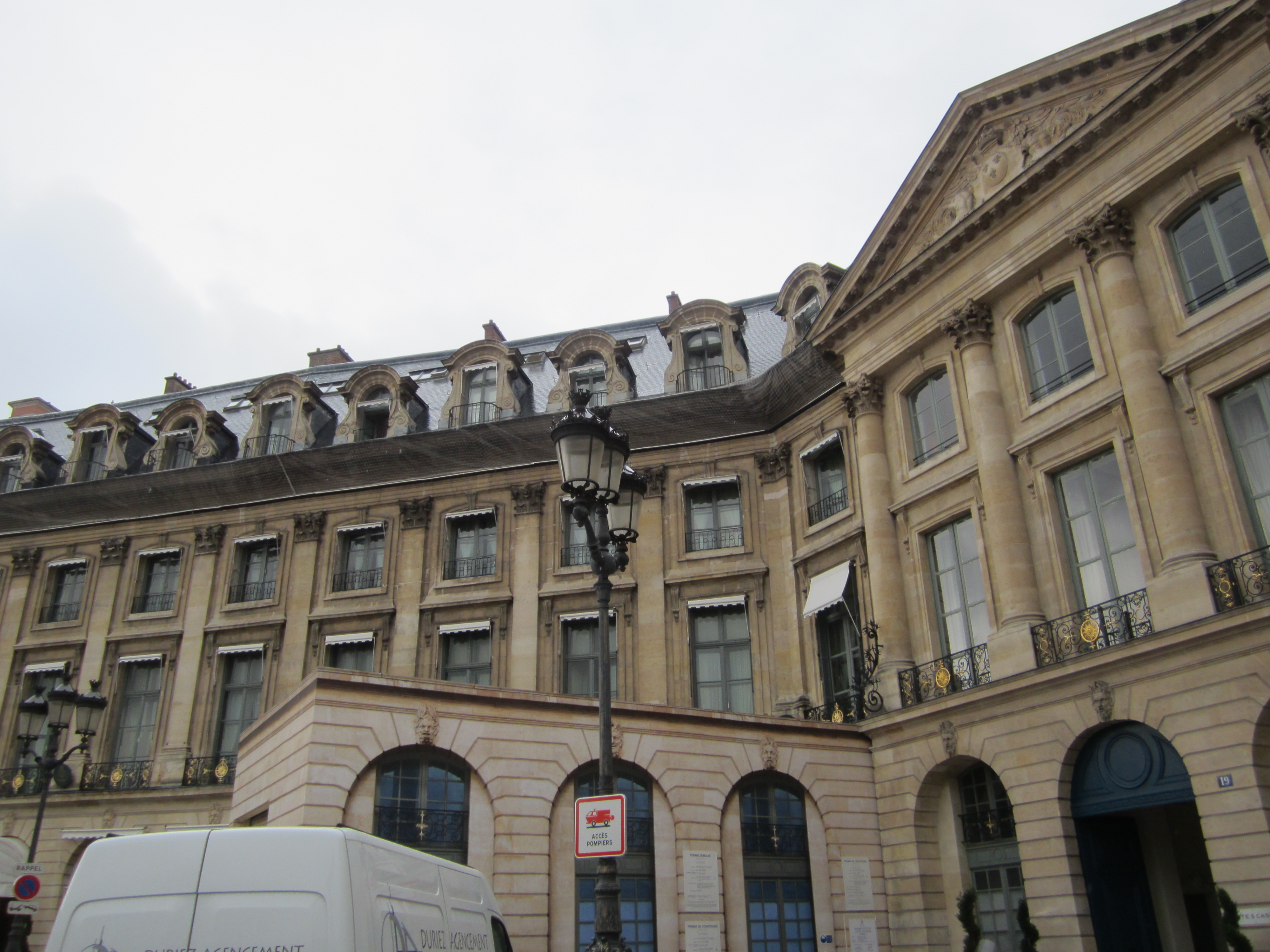
Chanel's suite at the Ritz before WWII, facing Place Vendome. It can be yours now for only 8,500 Euros per night. (Hopefully without any smoke damage from the recent garage fire!)

The Last Nude: A Literary Tour of Paris

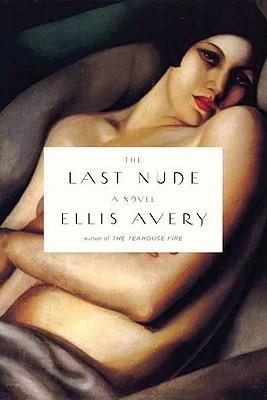
The Last Nude by Ellis Avery is a perfect Paris read.

Set in the glamourous 1920’s Paris art world, it tells the story of the real-life Art Deco painter Tamara de Lempicka through the eyes of her lover, model and muse, the Italian-American Rafaela Fano. One of de Lempicka’s portraits of Rafaela (“The Dream”) graces the cover of the book.

For more about the book, check out the author’s interview with NPR and in Public Culture.


There are so many Paris treats in this book, from the original Shakespeare & Co., to houseboats on the Seine, to a character modeled after Ernest Hemingway, that I just couldn’t resist planning my own Last Nude Literary Tour of Paris. I’ll be sharing some of my photos and impressions from my tour over the next week, along with a sneak peek into a deleted excerpt from the book.

Tamara de Lempicka’s Fictional Apartment and Studio:

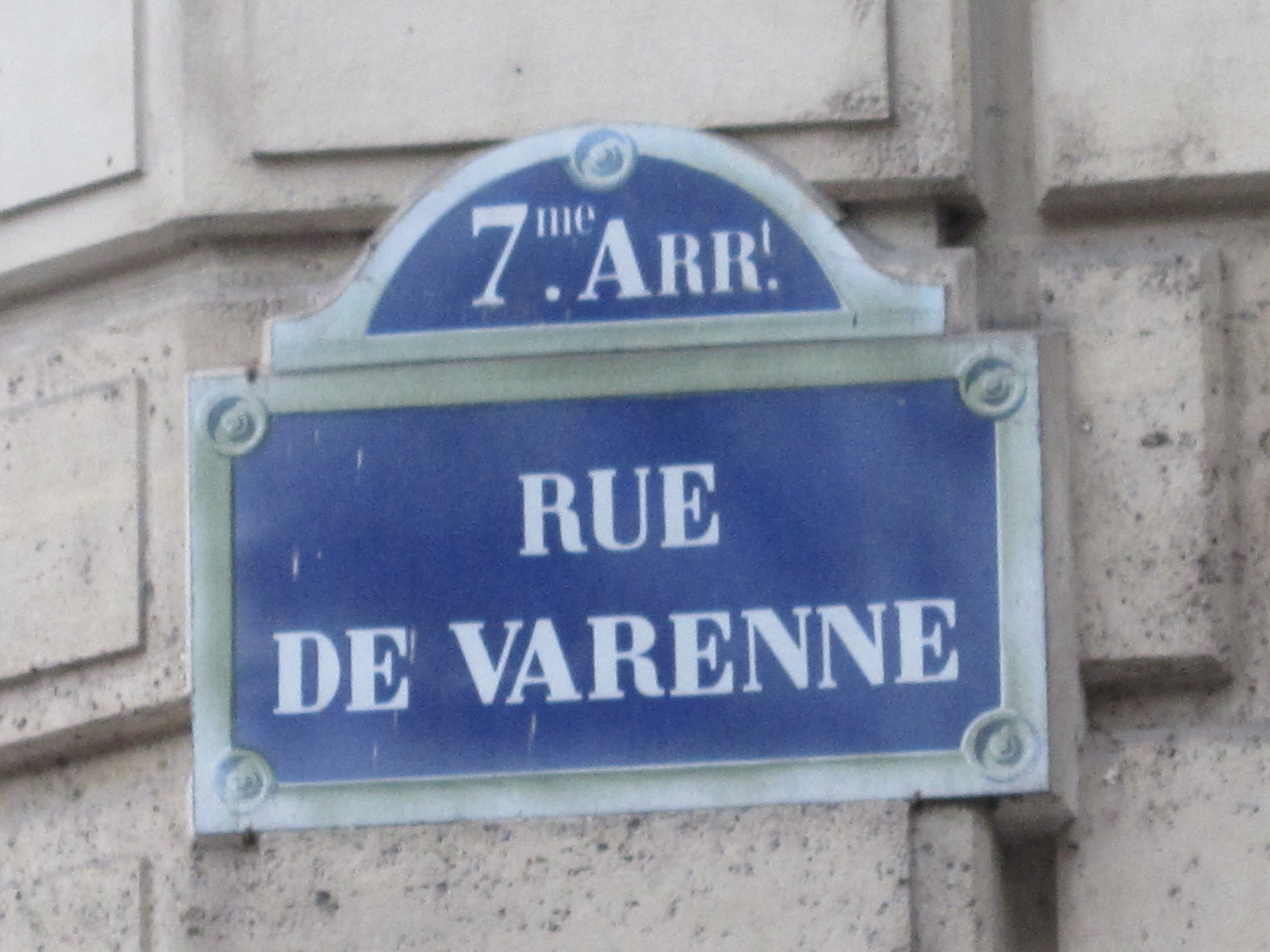
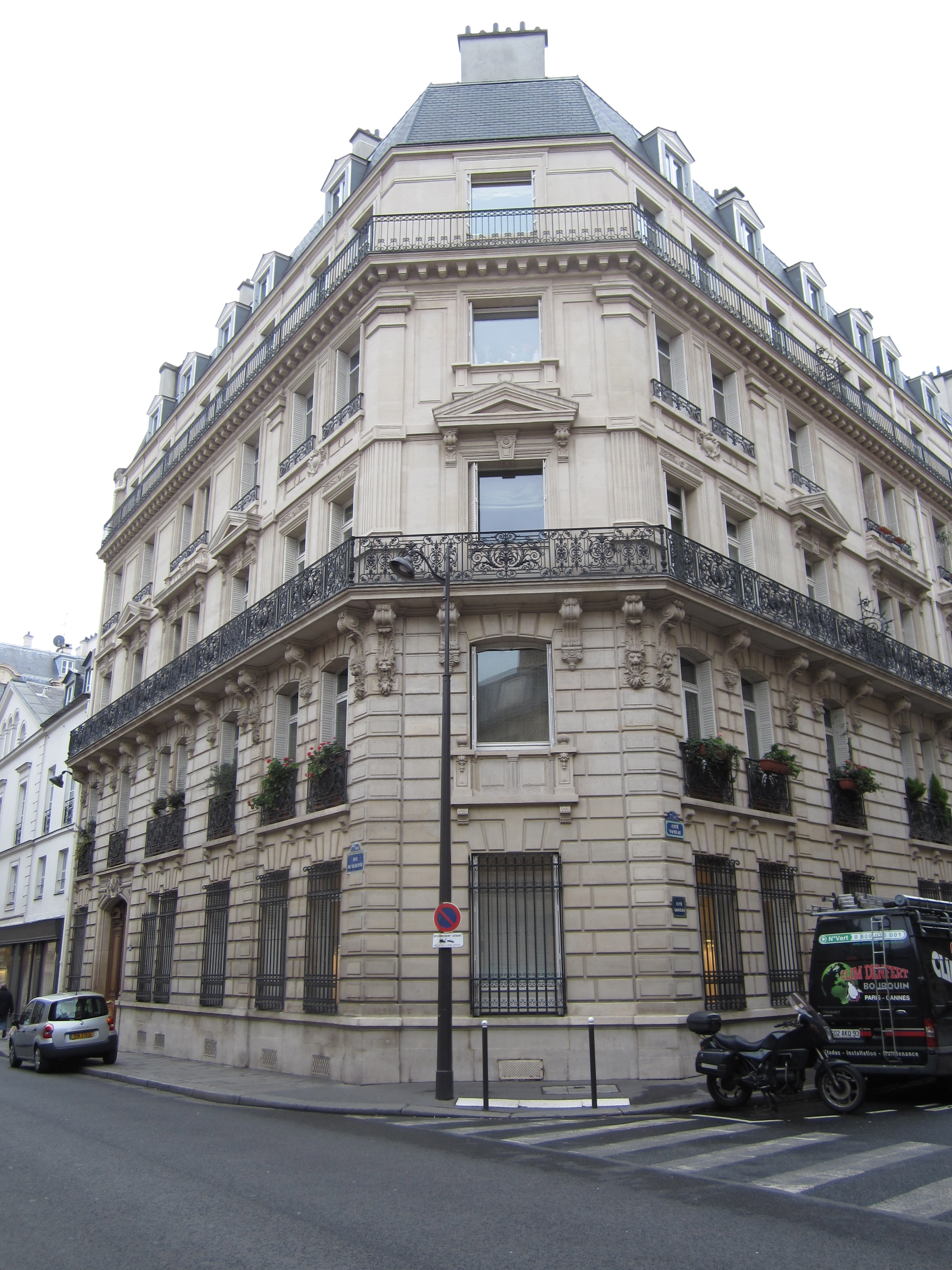
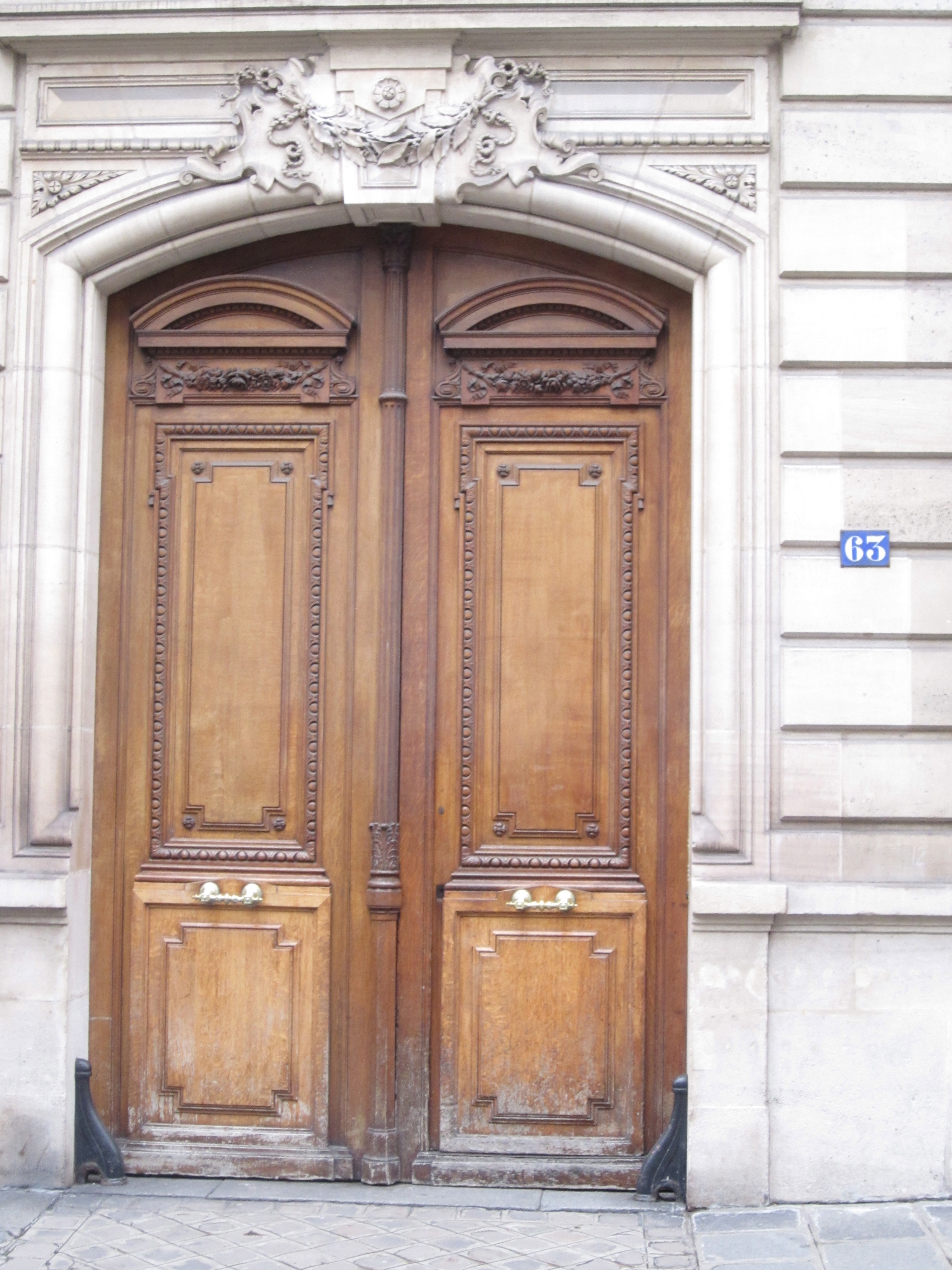
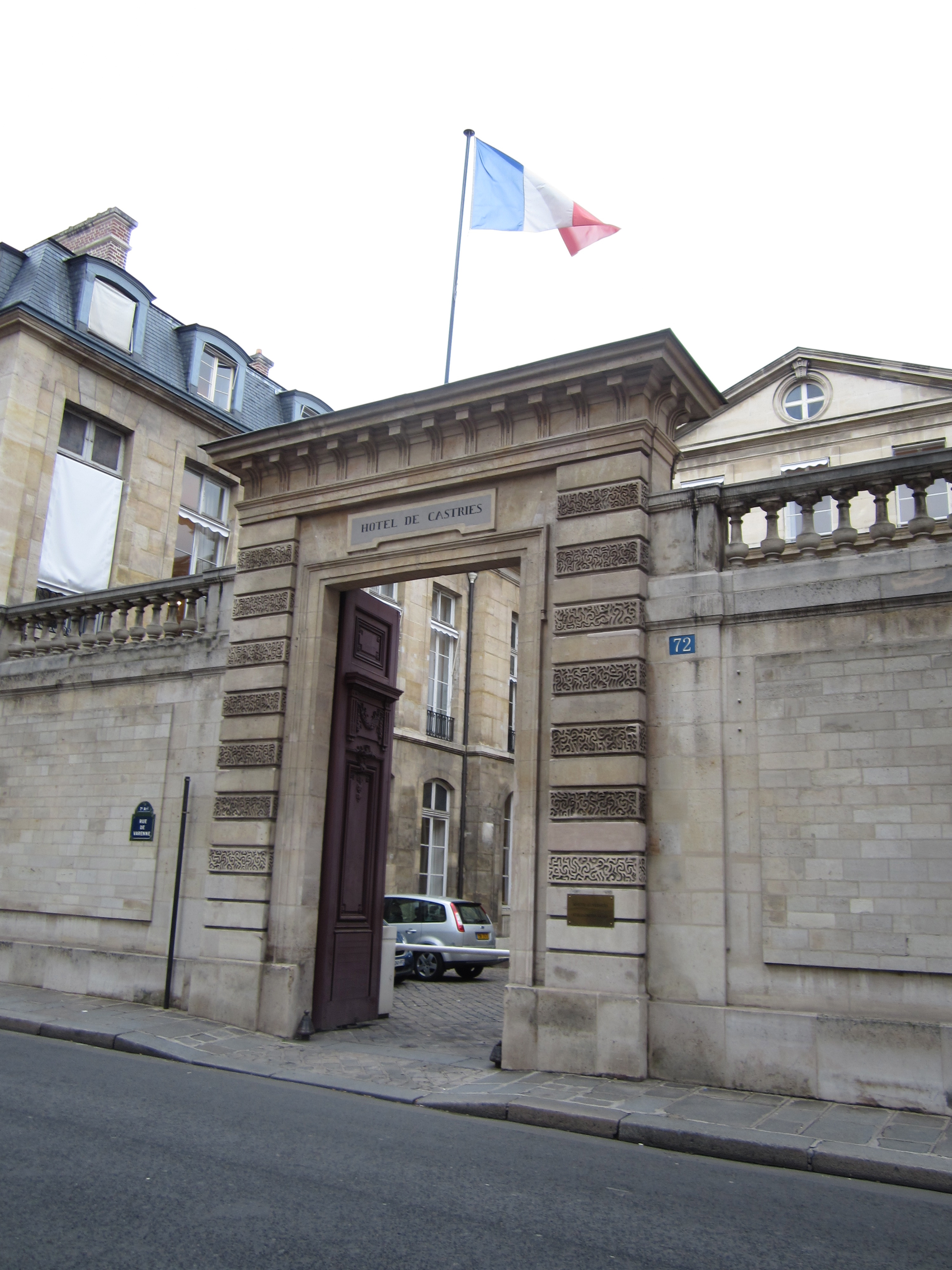
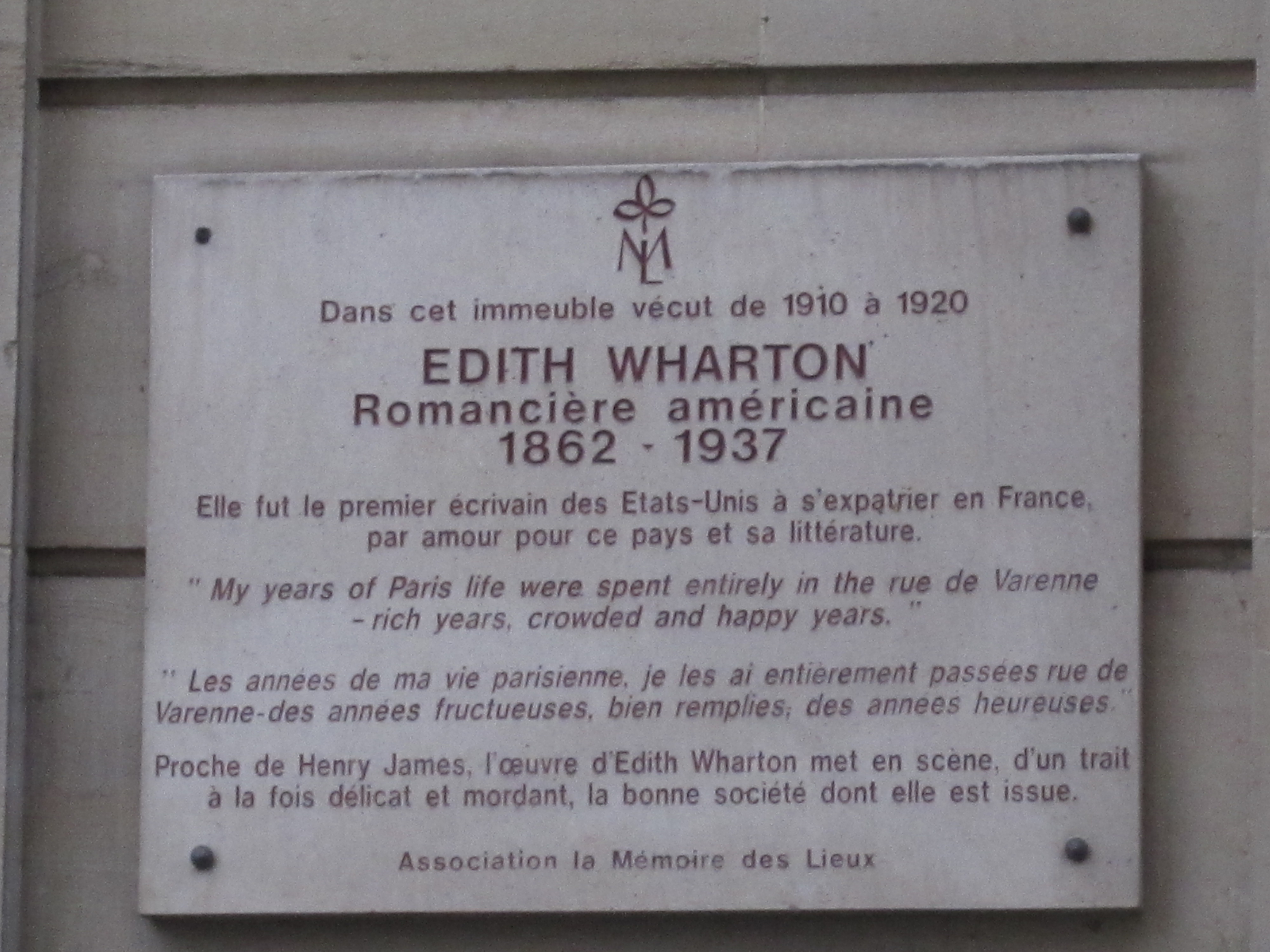
Tamara de Lempicka’s fictional apartment and art studio stands at 63 rue de Varenne in the 7th arrondissement on the Left Bank. Ellis Avery states that she selected this site because it would have had good northern light for painting. The address is directly across the street from the low-slung Hotel des Castries. It also happens to be down the street from one of the Paris homes of Edith Wharton at 53 rue de Varenne. What a lovely make-believe address for Tamara, a wealthy Russian aristocrat who enjoyed mingling with the champagne-sipping art collectors of Paris.

Corner of Varenne and Vaneau

Doorway to 63 rue de Varenne

Hotel de Castries

Edith Wharton Plaque at 53 rue de Varenne


Tamara’s Real Life Paris Home

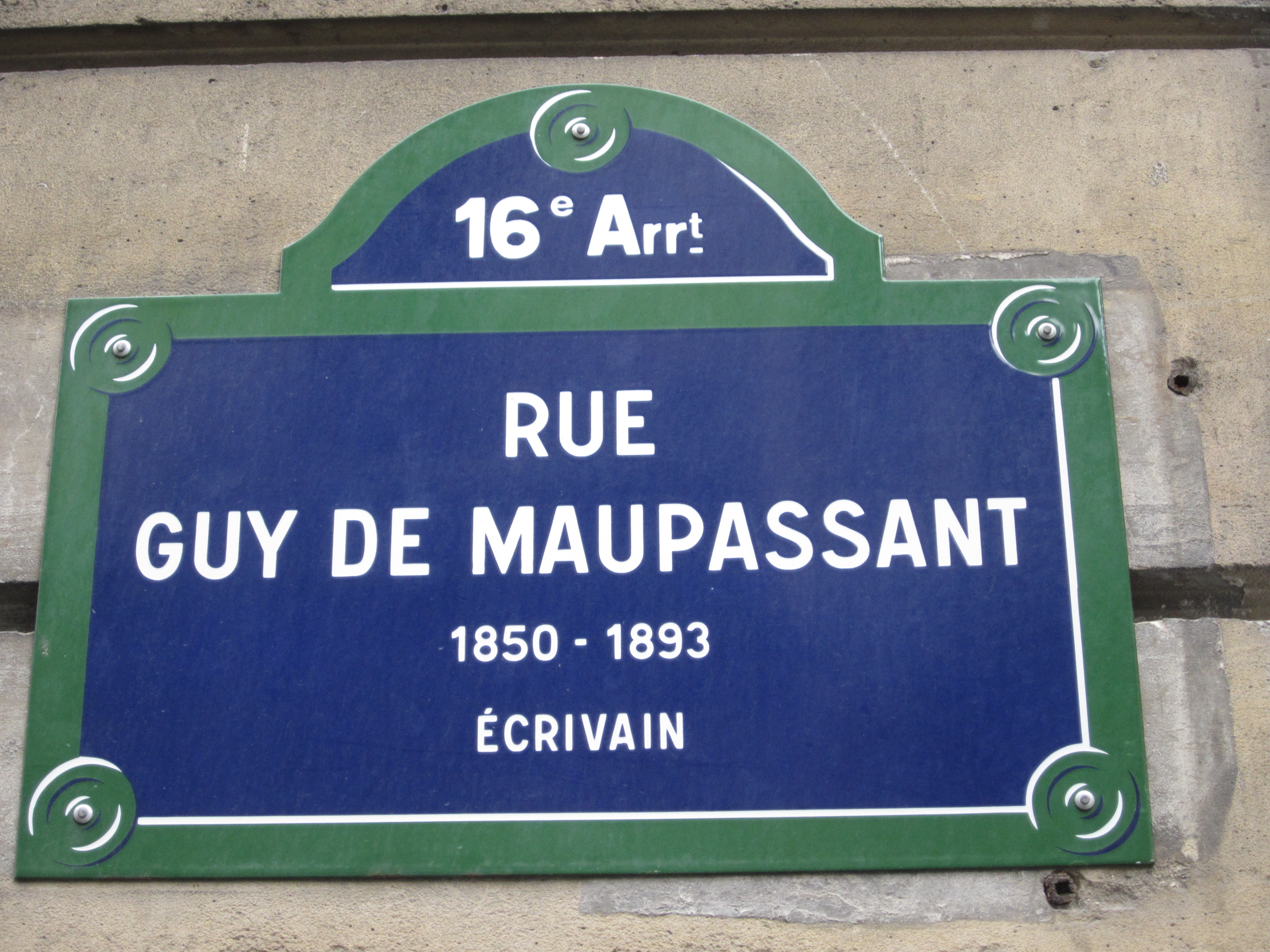
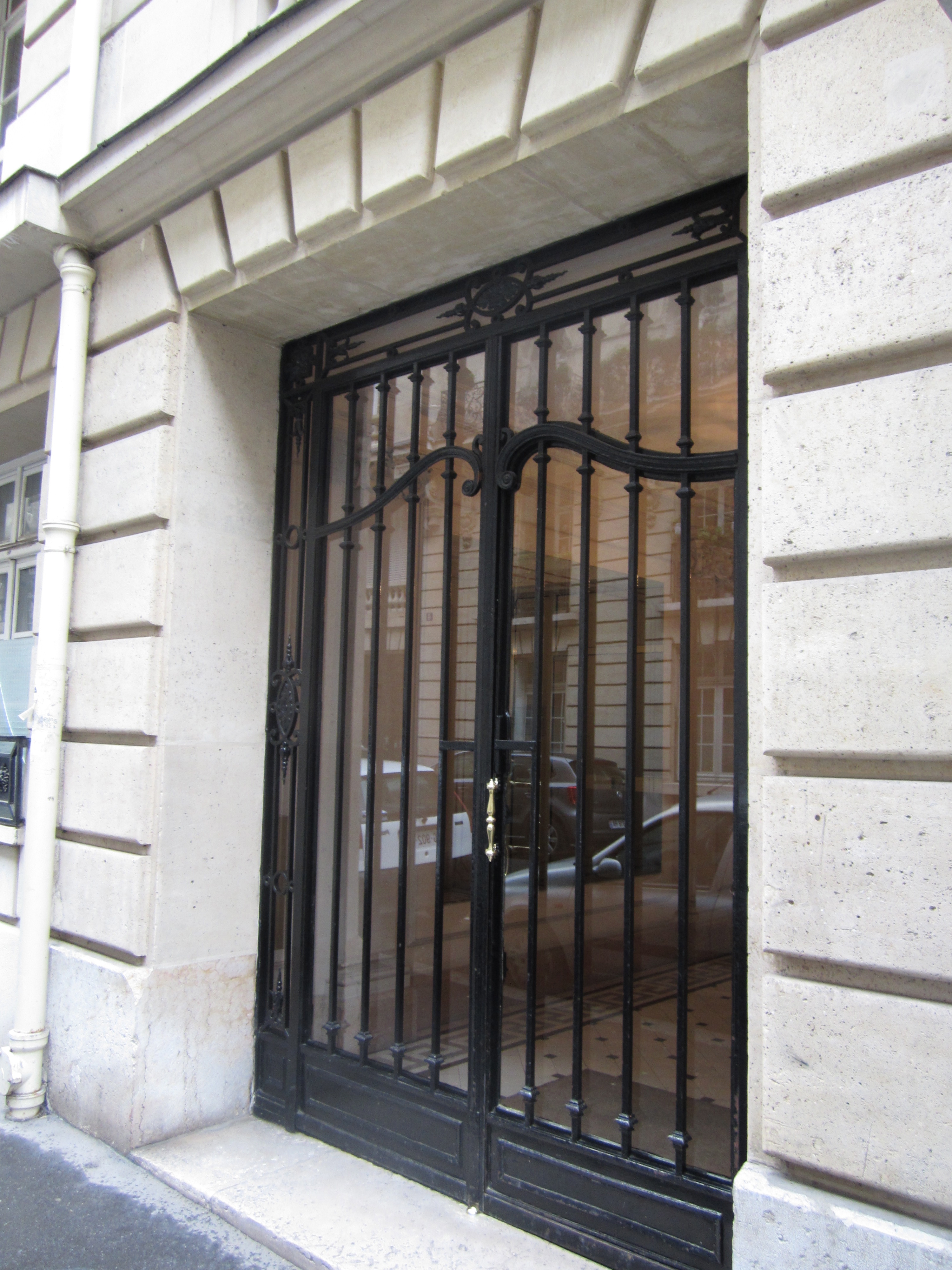
In real life, Tamara de Lempicka moved from St. Petersburg to Paris with her first husband in order to escape the Bolshevik revolution of 1917. They had one daughter and were soon divorced. Tamara first lived at 5 rue Guy du Maupassant in the 16th, then at 7 rue Mechain in the 14th, in a building she herself designed. I enjoyed taking an afternoon to walk through the La Muette area of the 16th, a very posh area full of bustling bistros and beautiful apartment buildings. Check out the nice lines of the doorway to Tamara’s first building on Maupassant.

Doorway of 5 rue Guy Maupassant


Stay tuned for more Paris scenes from The Last Nude. In the meantime, why don’t you pick up a copy from your closest independent bookstore and start reading along? I highly recommend it.


Stumbling into History: Square Louis XVI

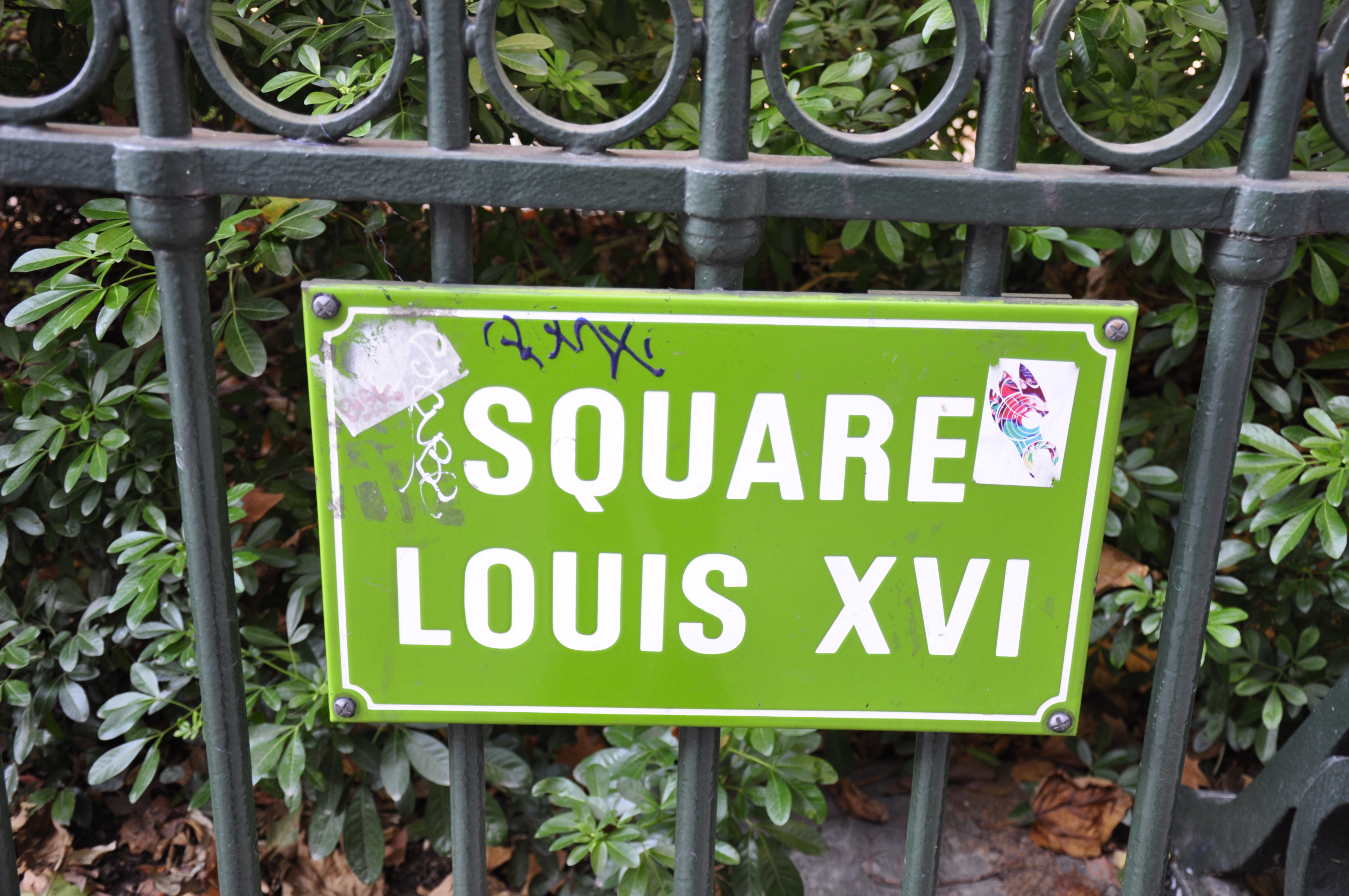
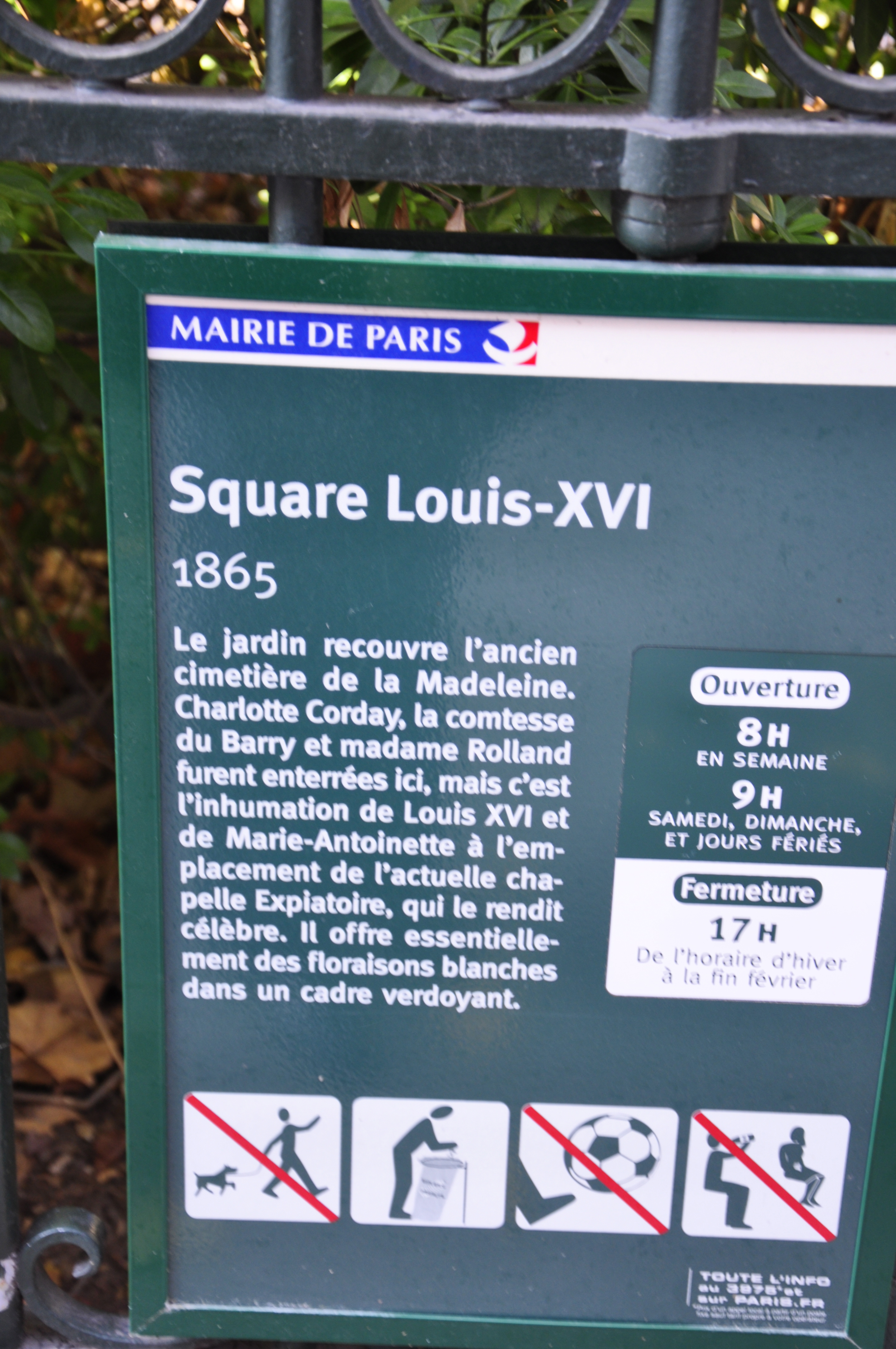
When you walk the streets of Paris you just never know what you’re going to stumble onto next. Back in November, I was walking in the Malesherbes neighborhood on my way to Galleries Lafayette and I passed a pretty little square, so I went in and sat down to read for awhile. It was only later that I realized what kind of history I had stumbled into.

I’d been sitting on top of a mass grave dating back to the French Revolution.

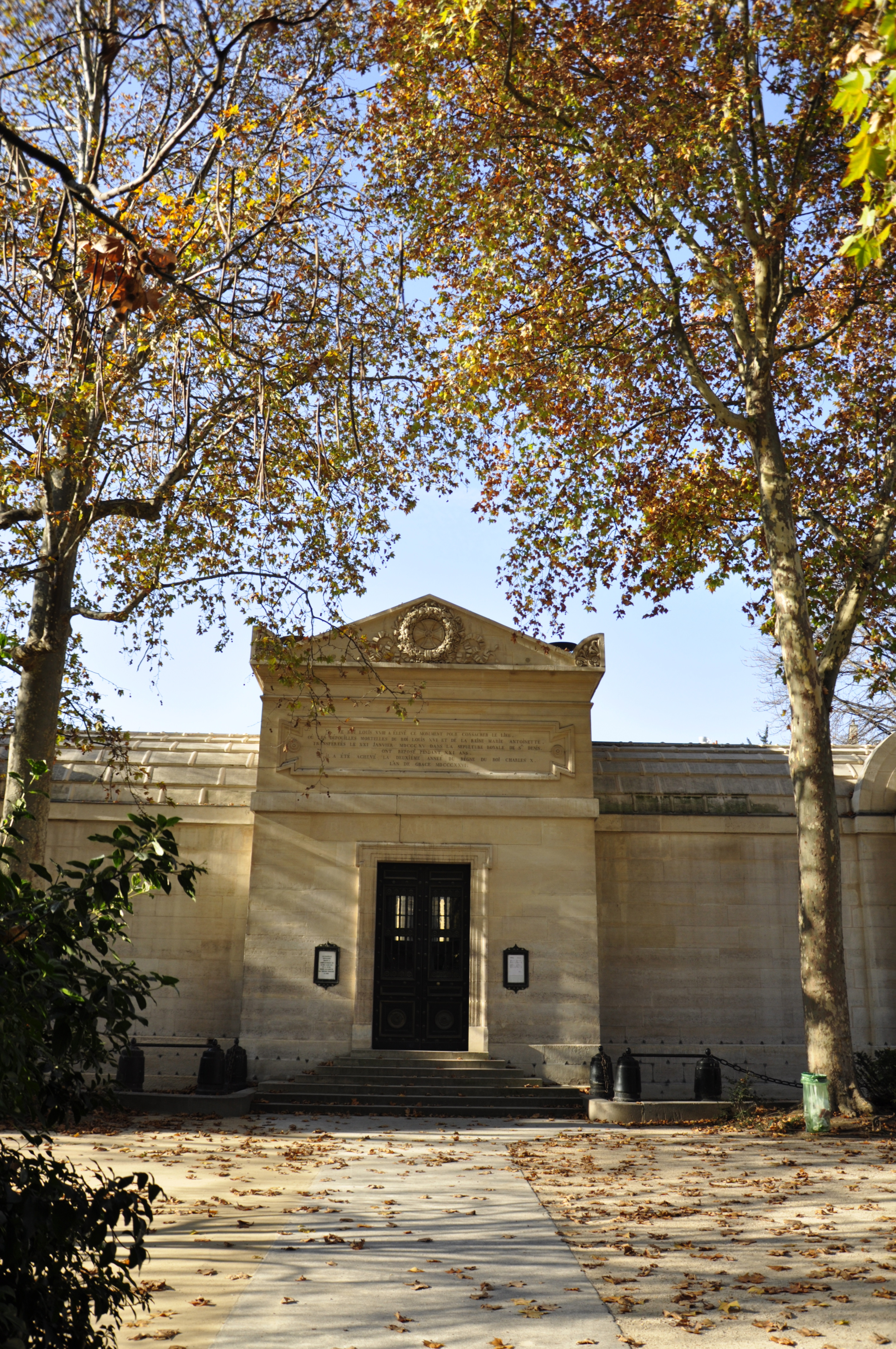
Square Louis XVI was a cemetery for the nearby Madeleine church back in the 18th century. King Louis XVI and Marie Antoinette were buried here after their execution by guilloutine at Place de la Concorde. They were buried in a mass grave along with about 3,000 other victims of the French Revolution. Twenty-one years later, King Louis XVIII exhumed their bodies and moved them to the Bascillica of St. Denis for a proper royal burial.

There is some debate whether the King and Queen’s bodies were properly identified when they were exhumed. There is some evidence that the King and Queen’s bodies were the only bodies actually placed in coffins, or that their burial places were marked with trees and hedges. However, some claim that their bodies, like all of the others, had been covered with quicklime, so that their remains would have been too decomposed to identify some twenty years later. Enjoy some of the debate and discussion at author Catherine Delor’s blog.  Either way it’s pretty creepy.

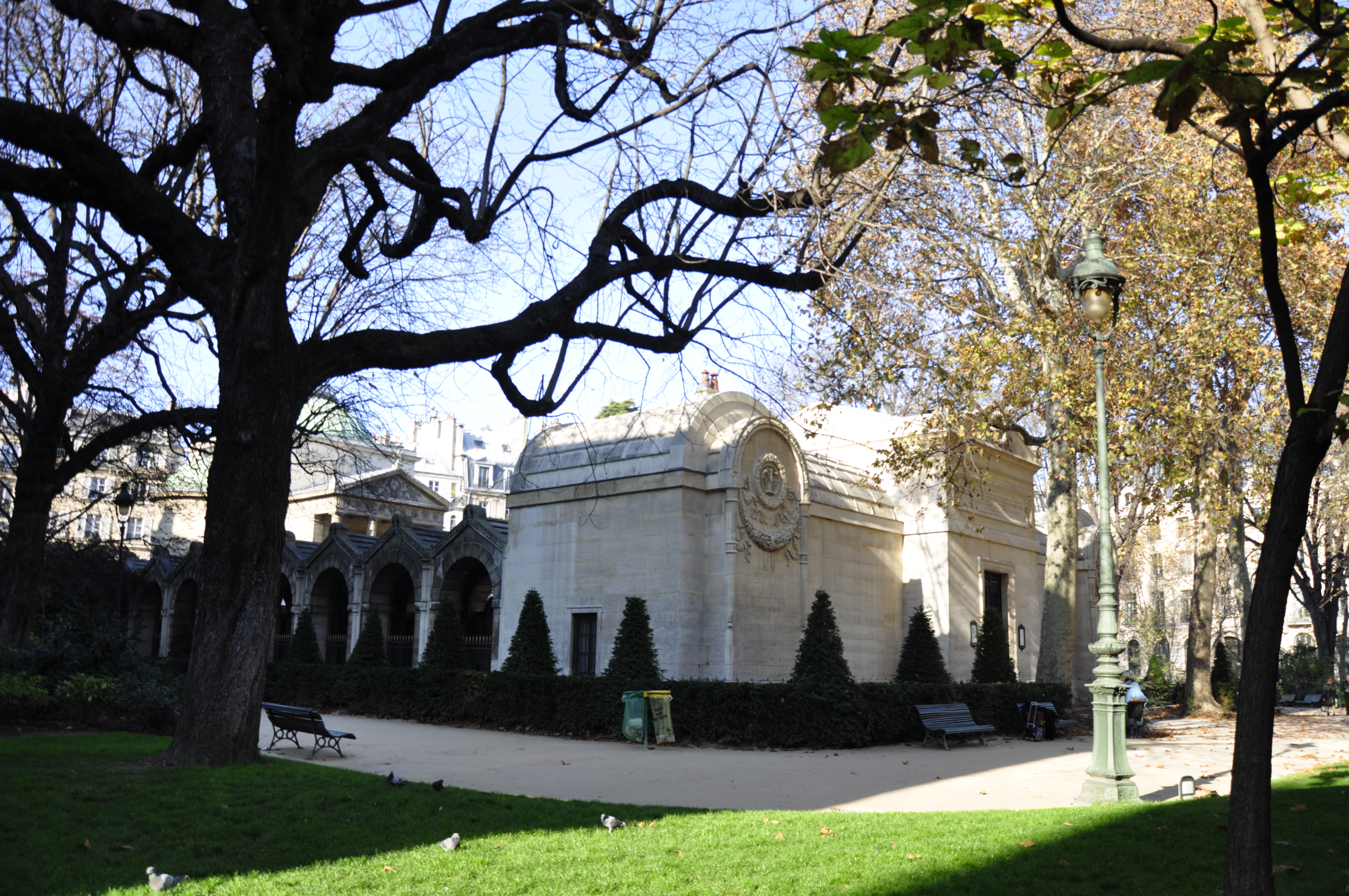
Louis XVIII built the Chapelle Expiatoire in the square to commemorate the first burial place of the royals. I didn’t go in the chapel (it’s only open Thursday-Saturday afternoons), but for some great photos and more information about the sculptures and a crypt inside, go to Travel with Terry’s Paris blog. The crypt contains a black coffin that supposedly marks the original site of the King and Queen’s burial plot.

If you know me, you know that’s all I needed to get inspired to do some reading about the French Revolution. I highly recommend Madame Tussaud by Michelle Moran (Broadway, 2011, now available in paperback), which I hear is going to be turned into a television miniseries by the same folks that brought us The Tudors. Count me in for that – the book was fascinating. Gruesome, but in a good way – did you know Madame Tussaud was compelled to make death masks of the key players of the French revolution? Ewww.

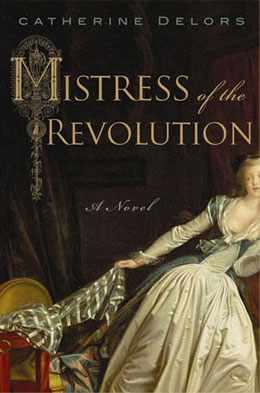
I need to add Mistress of the Revolution (NAL 2009) by Catherine Delors to my reading list now too. Check out Delors’ blog post  called “La Chapelle Expoatoire, and Marie-Antoinette’s smile” to learn about the connection between Square Louis XVI and her book.

Oh-oh, I can tell I’m going to get on another one of my “reading rolls.” Please leave some comments and let me know what French Revolution era books you recommend, whether fiction or nonfiction.


With thanks to Travel with Terry’s blog, here are the details you will need to visit the Chapel inside Square Louis XVI:

Chapelle Expiatoire
29, rue Pasquier – Square Louis XVI
Open Thursdays, Fridays & Saturdays 1-5 pm; entrance fee 5 Euros (free to holders of the Paris Museum Pass)
Closed January 1, May 1, November 1, November 11, December 25.
http://chapelle-expiatoire.monuments-nationaux.fr/en/
Métro: St-Augustin