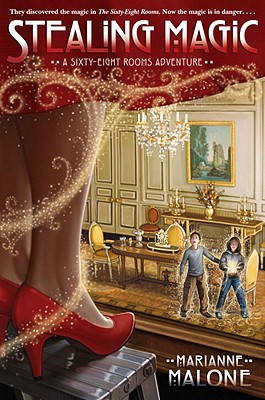
Stealing Magic in Paris

I have a special treat for the kids back home in the States: a photo tour of the Paris scenes in one of their favorite books, Stealing Magic (Random House 2012) by Marianne Malone.

In addition to  my year-long adventure in Paris, I am also a bookseller back in the United States. Some of my bookstore’s most popular children’s books are by Illinois art teacher and author Marianne Malone, including 68 Rooms and Stealing Magic.

Malone’s books start out in the Thorne Miniature Rooms at the Art Institute of Chicago. During a field trip to the “68 Rooms” at the Art Institute, Malone’s young characters find a magical key that enables them to shrink and time travel through the miniature rooms.

In Stealing Magic, the children time travel through Thorne Room E-27, French Library of the Modern Period, 1930s, and find themselves in Paris during the 1937 World’s Exposition. They tour the fairgrounds located at the feet of the Eiffel Tower and befriend a young Jewish girl named Louisa. When Ruthie and Jack time travel back to the United States, they realize they must return to 1930s Paris to warn their friend Louisa about the rising Nazi threat in Europe. It’s a wonderful story with a blend of history, danger, art and adventure.
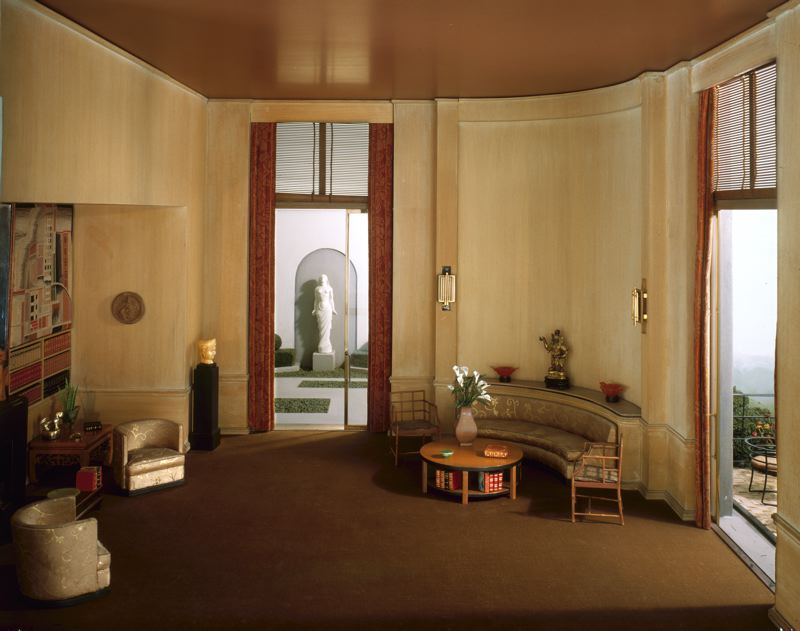
Thorne Room E-27, French Library of the Modern Period, 1930s, Art Institute of Chicago.

As a treat for all of the 68 Rooms fans back in the States, I mapped out the scenes in the book, and took my camera to the Trocadéro neighborhood for a Stealing Magic literary tour of Paris.
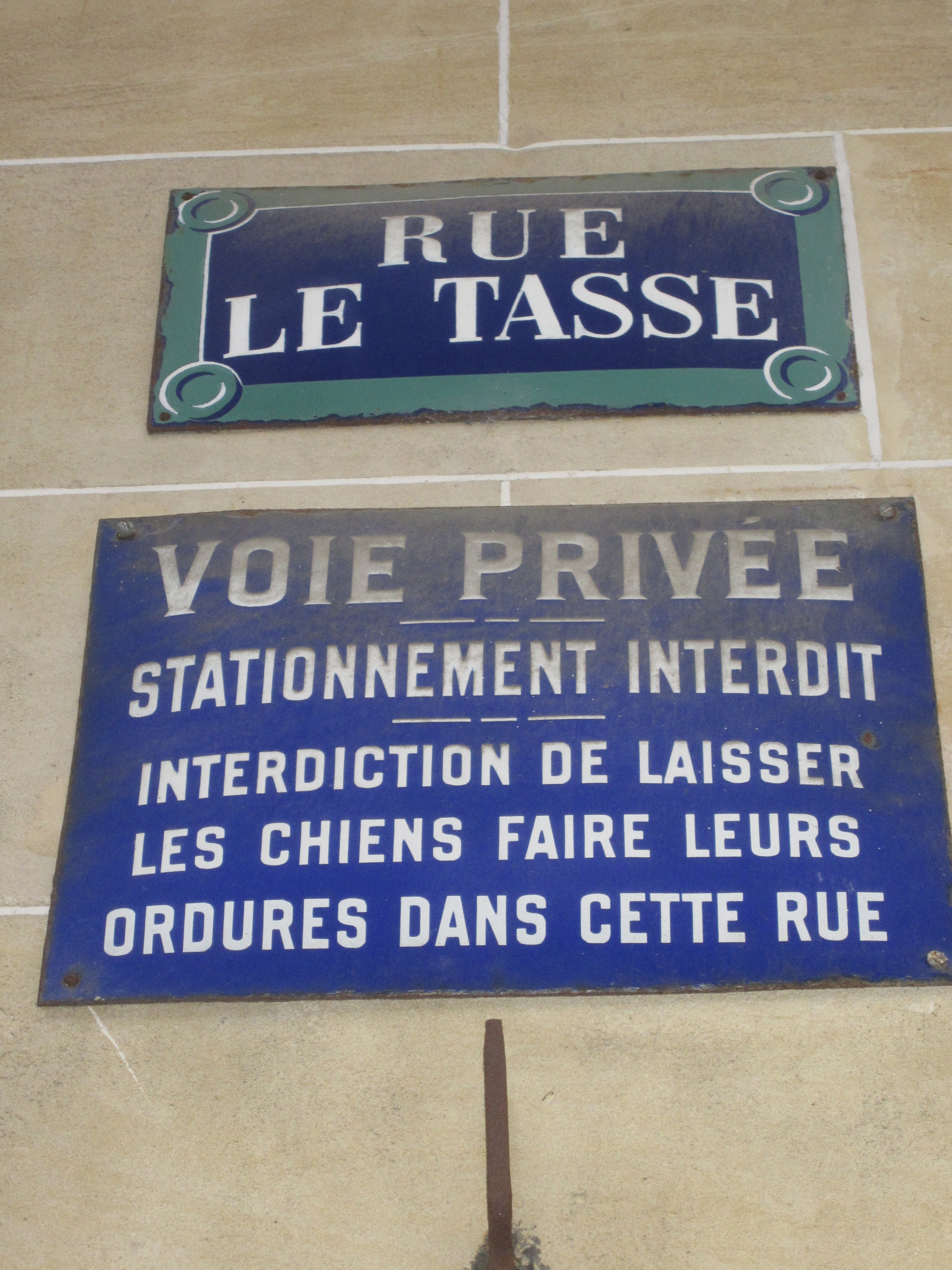
rue Le Tasse, the location of Louisa Meyer's apartment in Paris. Louisa and her family lived on a quiet, private street in a very nice neighborhood. So nice, in fact, that dogs are prohibited from "doing their business" (les chiens faire leurs ordures) on the street.
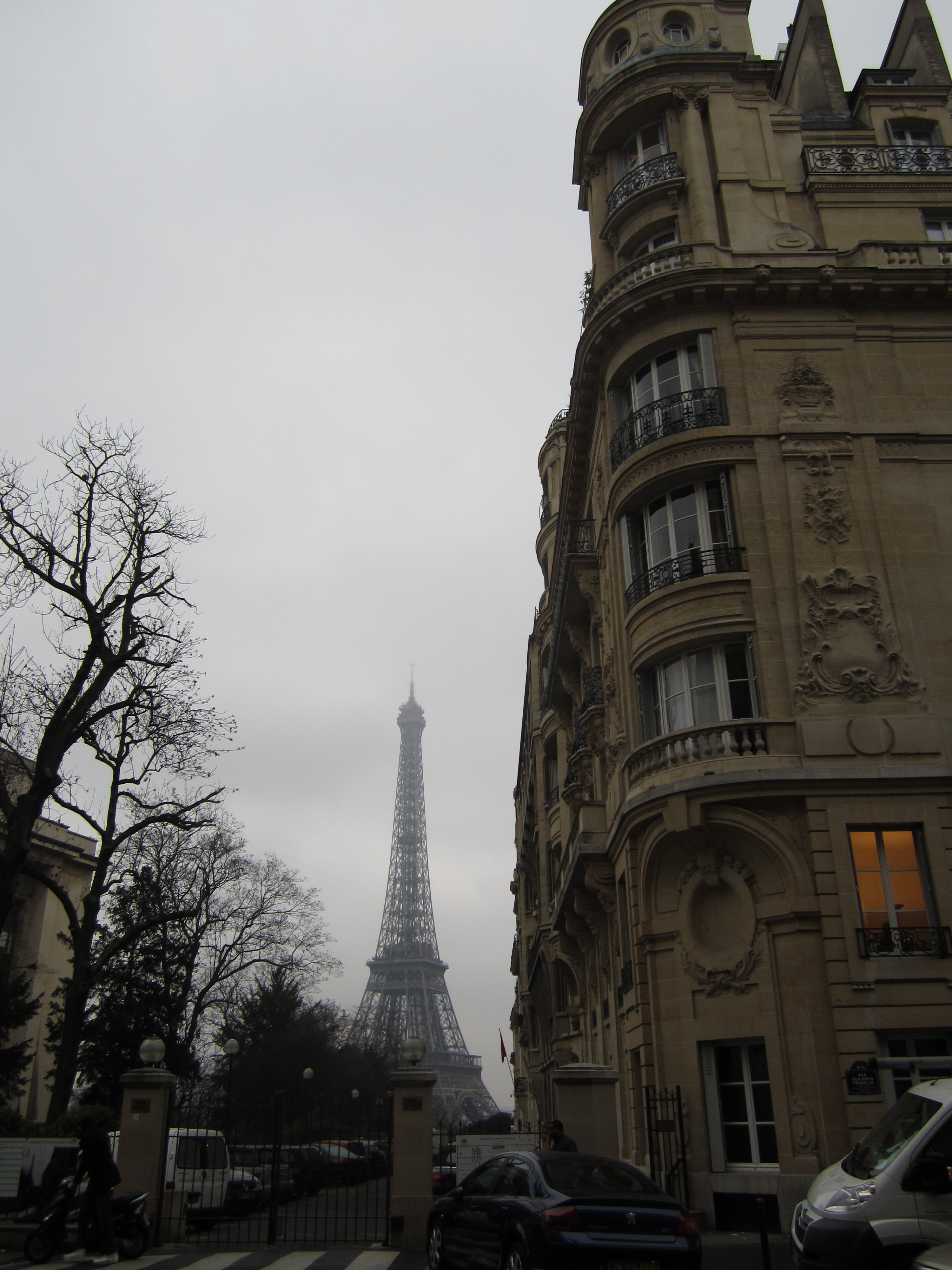
After Louisa meets Ruthie and Jack, she shows them where she lives: "She pointed across the park to a row of beautiful buildings." . . . "Number seven, rue Le Tasse. Second from the end. . . ." From rue Le Tasse you have a beautiful view of the Eiffel Tower.
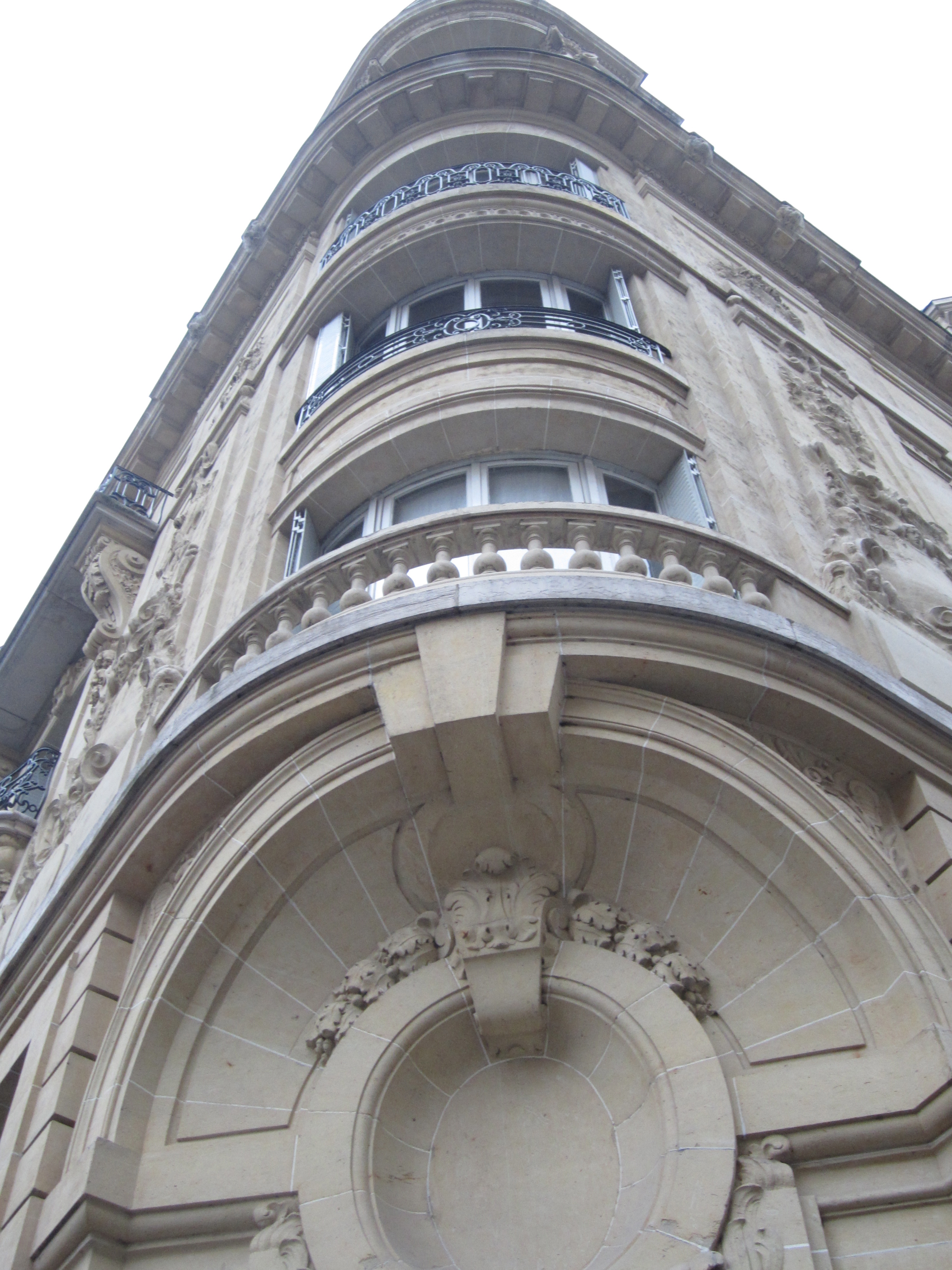
See all of the fancy decoration on the building facade? Doesn't it look just like the illustration in the book? Louisa waved at Ruthie and Jack from her balcony of her apartment at 7 rue Le Tasse (p. 175).
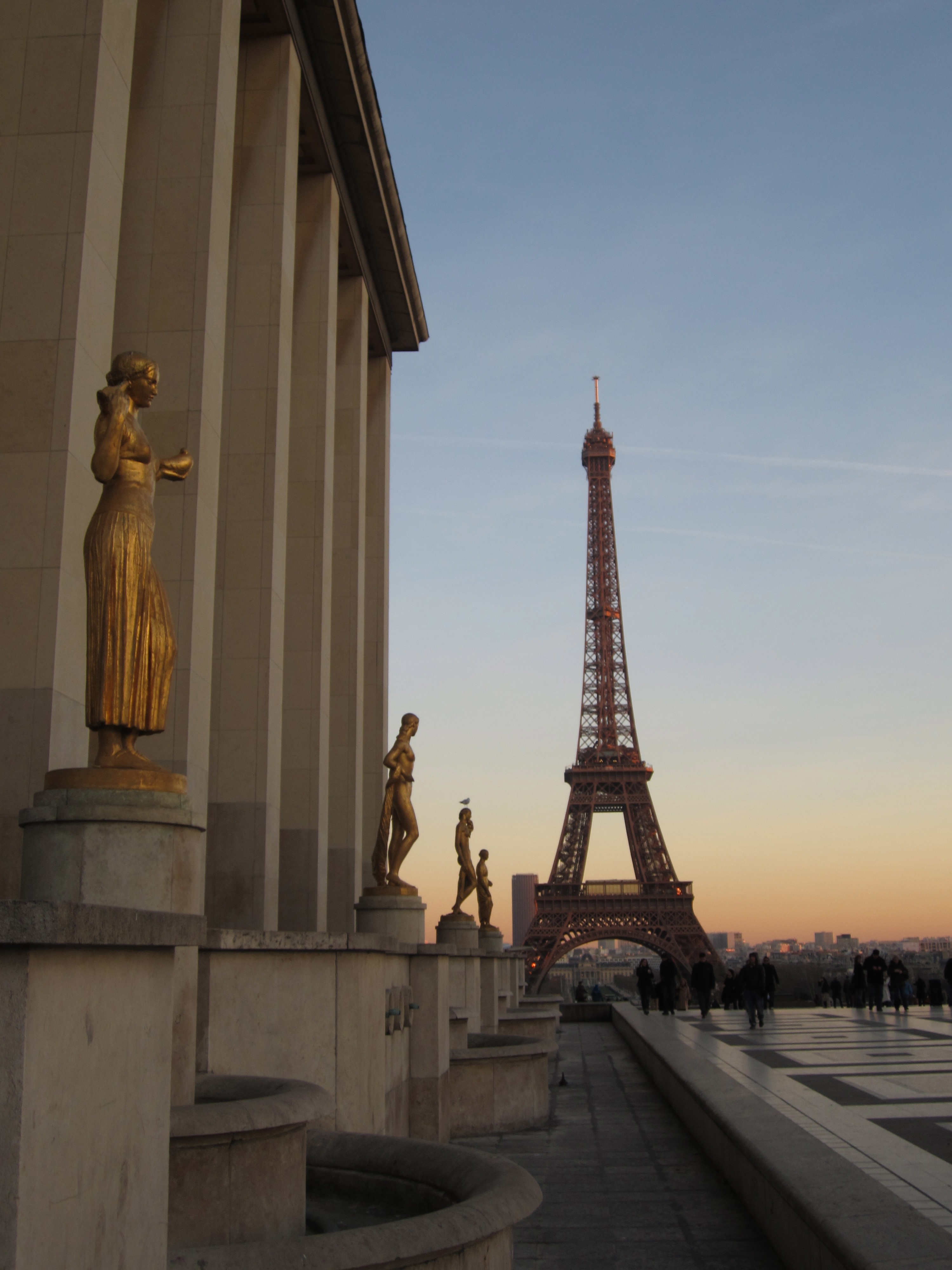
The view of the Eiffel Tower from the Trocadéro. Jack and Ruthie would have seen many more buildings near the base of the Eiffel Tower than we see today, including the German and the Soviet pavillions that were build for the 1937 fair. Most of the buildings from the World's Exposition were torn down afterwards.
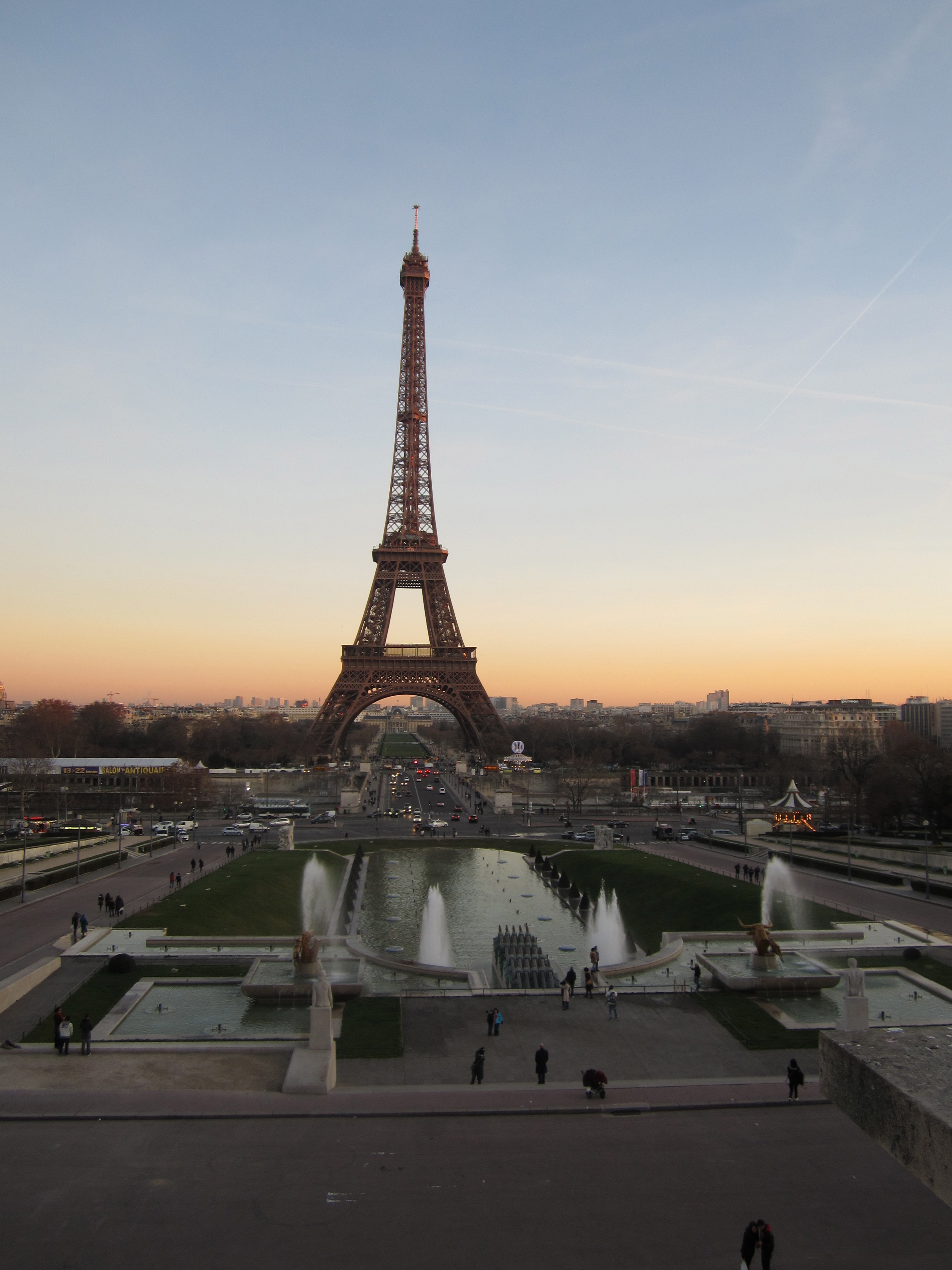
Ruthie and Jack's view of the Jardins du Trocadéro and the Eiffel Tower. "A long, rectangular fountain ran down the center of the gardens, its jets spraying water dramatically into the air. The ground sloped to the Seine River and a bridge that people walked across to the Eiffel Tower."

Marianne Malone does a wonderful job of portraying Paris life in the 1930s, from the baguettes in the bicycle baskets to the fashionable women in their high heels and skirts. I couldn’t help but smile when she described the small elevator in Louisa’s apartment building: “the accordion-style metal gate . . . only big enough for two,” because for me, that lovely little detail seems to capture the essence of Paris apartment life, whether it’s 1937 or 2012.

Stealing Magic also teaches grade school children about Nazism and the Holocaust in an  age appropriate way. When Louisa’s mother expresses her disbelief about the danger and says: “But surely Hitler can’t control Paris,” we are reassured that Ruthie and Jack know better. It makes for a good story, and at the same time, a valuable learning opportunity.

I highly recommend Stealing Magic and I hope you enjoyed the photo tour.
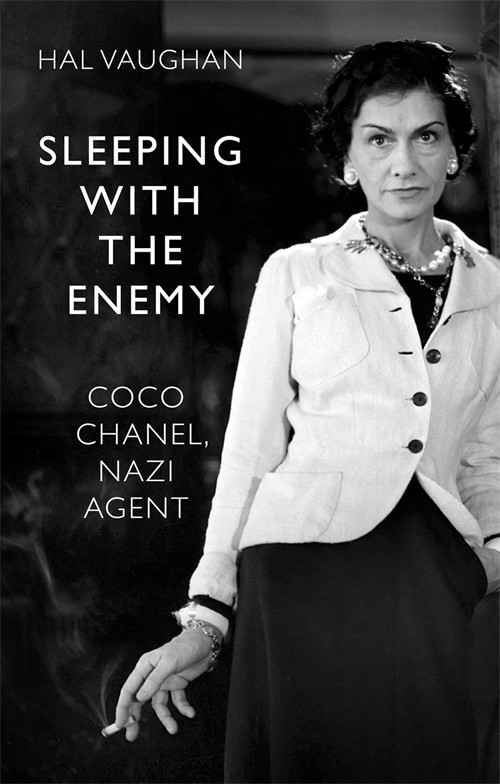
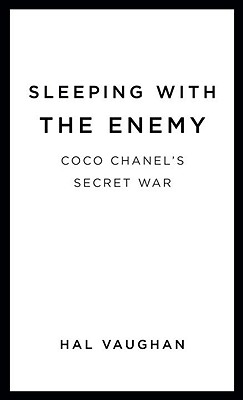
Coco Chanel: Sleeping with the Enemy

Sleeping With the Enemy is a bubble-bursting kind of book.

When most people think of Coco Chanel, they probably picture her like I used to, as played by Audrey Tautau in Coco Before Chanel (2009). Either a hard-working young thing from the provinces, or the ambitious and innovative fashion icon she became later in her life.

After reading Hal Vaughan’s 2011 book, Sleeping with the Enemy: Coco Chanel, Nazi Agent, a new image comes to mind, and it’s not good. At best, Chanel was a powerful woman who would do anything to survive, to succeed, and to walk away from the war unscathed. At worst? Chanel was an anti-semitic Nazi collaborator and morphine-addicted snob who not only slept with the enemy, but aided them.

U.S. Edition (2011)

Hal Vaughan’s book relies on documents from a variety of archives and other legitimate sources, including German files discovered in the Soviet Union. They show that Chanel had a long-term love affair with a Nazi spy, the handsome, aristocratic and half-British Baron Hans Gunther von Dincklage, known to his intimates as “Spatz.”  At the beginning of the Second World War, Chanel sought help to obtain her nephew’s release from a prisoner of war camp in Germany. Spatz was the perfect string-puller. It didn’t take long until the two formed a long-lasting romantic alliance.

Chanel’s relationship with Spatz enabled Chanel to keep living in luxury in the midst of war. Although Chanel initially departed for Vichy, France, Spatz called in a favor with the German High Command and they invited Chanel to move into the Cambon wing of the Ritz as the Nazi’s “Privatgast.” Chanel’s new rooms weren’t quite the same as her old suite facing Place Vendome, but they would do.

While other Parisians suffered through severe food rationing during the long, desperate years of occupation, Chanel sipped champagne with the top German officials who had taken over the Ritz. Chanel and Spatz dined at Maxim’s, went to black-tie affairs at the opera, and attended glamourous dinner parties at the German Ambassador’s residence on the Left Bank.

But of course, there was a price to be paid for Spatz’s favors. And it appears Chanel had no trouble paying it. Chanel and Spatz traveled to Berlin to meet with with a top SS intelligence chief, and Chanel became German Secret Agent F-7124, code name “Westminster.” If Vaughan’s book has a weakness, it is here, where he seeks to explain the nature of Chanel’s missions on behalf of the Germans. It is not entirely clear what specific traitorous acts she performed against the interests of the French people. Nevertheless, it is perfectly clear that Chanel was a pro-German collaborator who was not quiet about her dislike for Jews.

Chanel didn’t just nod when other people said bad things about Jews at German dinner parties. She spouted quite a bit of venom herself. But even worse, she actually tried to use anti-semitic laws to fight for the ownership of Chanel No. 5. Back in 1924, Chanel had sold her highly successful perfume line to the Jewish Wertheimer family, and  she wanted it back. Spatz introduced Chanel to the senior Nazi official in charge of the “Aryanization” of Jewish property in France, and he helped her try to wrestle the control of Chanel No. 5 away from the Wertheimers. However, the Wertheimers were prepared and had already placed the company into a trust. For once, Chanel did not succeed.

It is still a mystery how Chanel was ever able to avoid arrest and prosecution after the war. According to Vaughan, a case was opened against her and she appeared for an interrogation, but the case went nowhere. The rumor is that Winston Churchill intervened on her behalf. Chanel slipped out of France and headed straight to Switzerland, where she spent several more years living with Spatz.

Chanel made a huge comeback in Paris in 1954. She was in her 70’s and the French didn’t wanted to be reminded of who did what in the the war. She died in her rooms at the Paris Ritz in 1971, the past varnished over. She was a fashion icon worth over $54 million. And the brand lives on.

Despite everything I learned from Vaughan’s book, and I was still interested in going on the Paris Walks Fashion Tour, which I did just this week. The tour guide was well informed about Chanel’s past, and offered a middle-of-the-road, no-one-really-knows interpretation of Chanel’s role with the Nazis. The tour guide shared a particularly interesting quote. When asked about her relationship with Spatz, Chanel supposedly said: “At my age, I’m so happy to have a lover, I don’t ask for a passport.”

In any event, here are some photos from the Paris Walks Tour, which I highly recommend.

And just in case – like me – you don’t have the right credentials to get on the Chanel VIP list for current tours of Chanel’s apartments, at least we can enjoy the photos of someone who does. Check out this story from the Guardian, complete with eye-popping photos of Chanel’s glamorous lifestyle on rue Cambon.

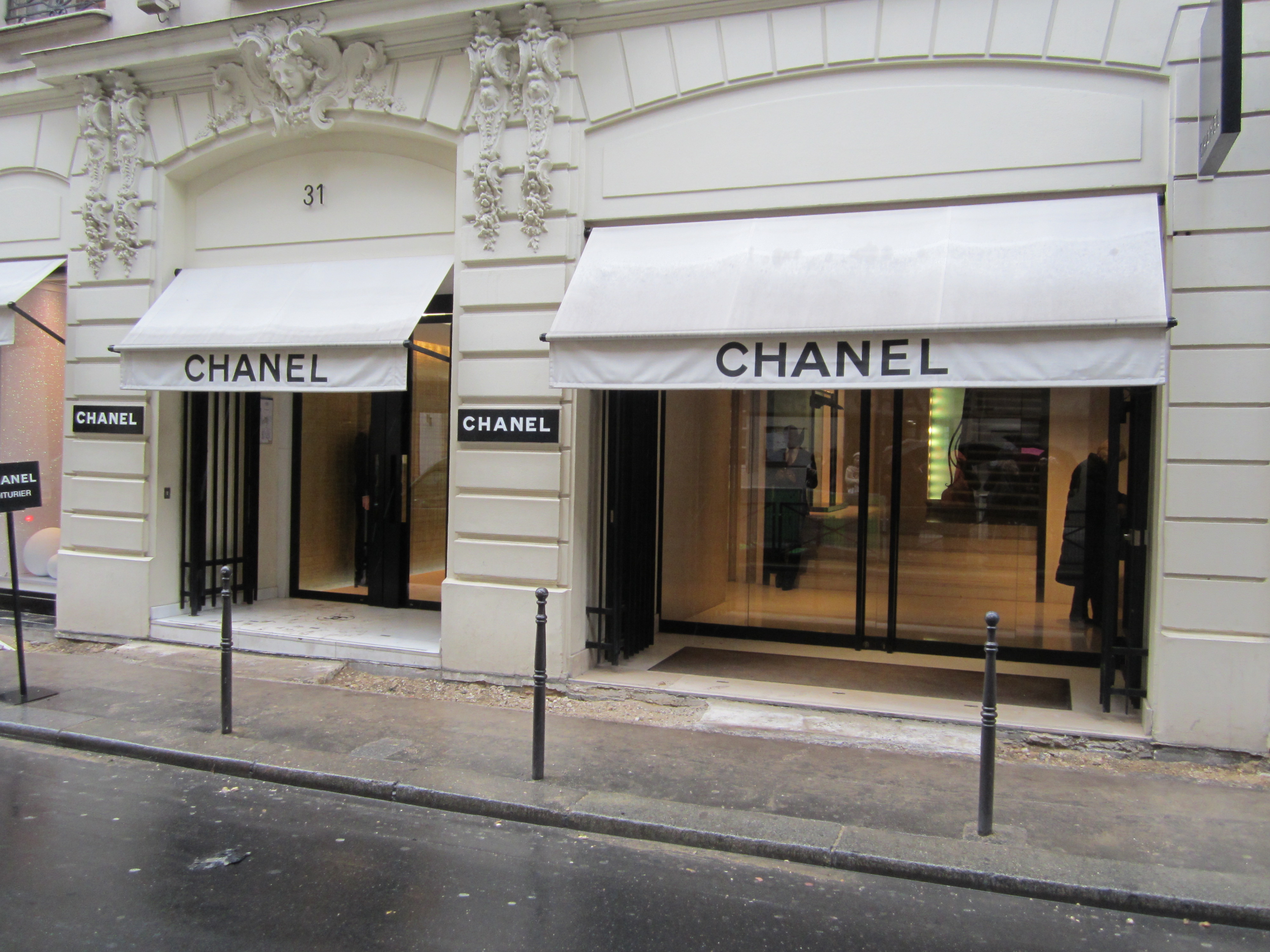
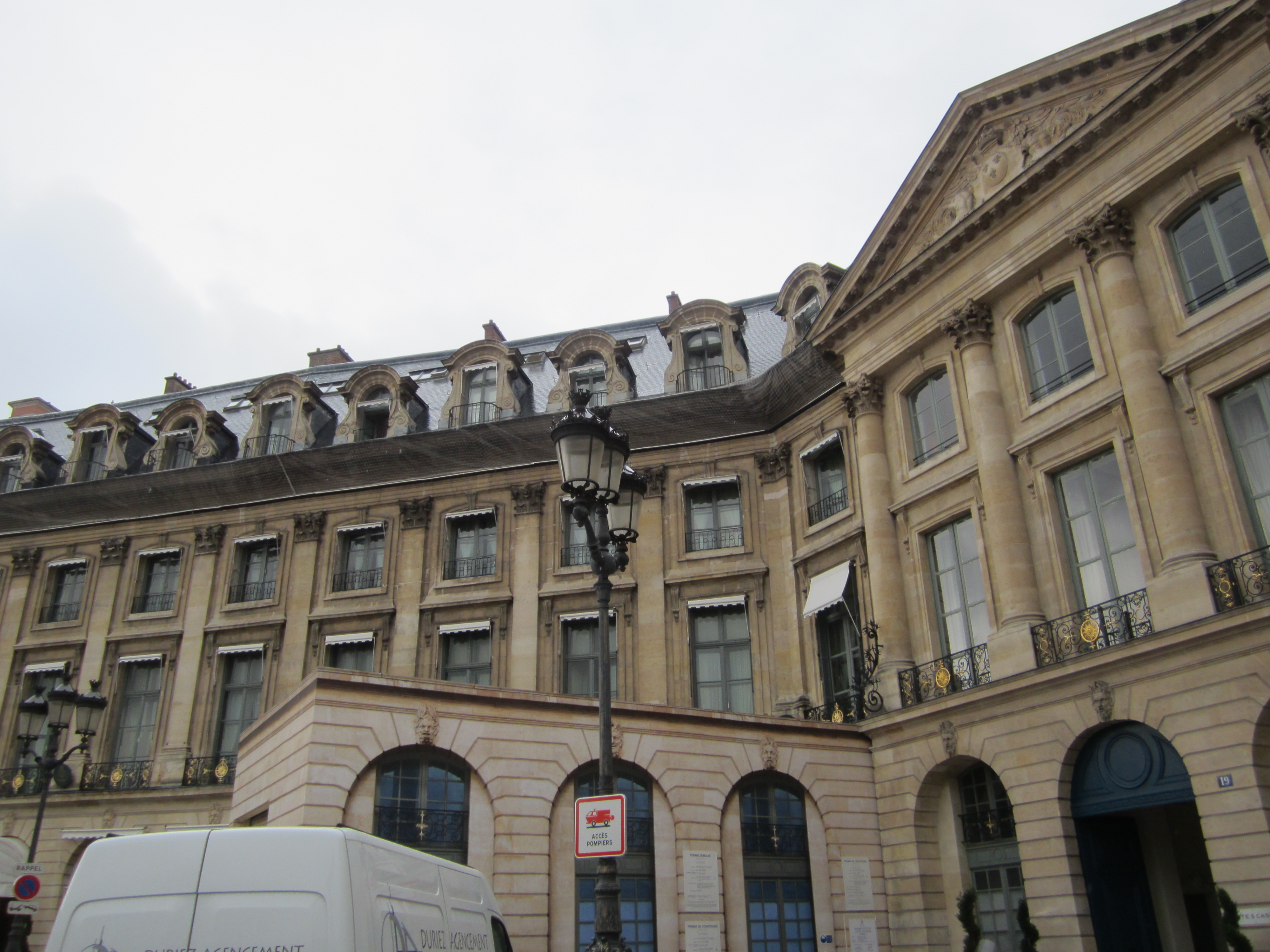
The flagship Chanel boutique at 31, rue Cambon in Paris. Chanel had apartments above the boutique where she entertained her clients, but she did not sleep there. She slept at her apartment in the Ritz, just across the street.

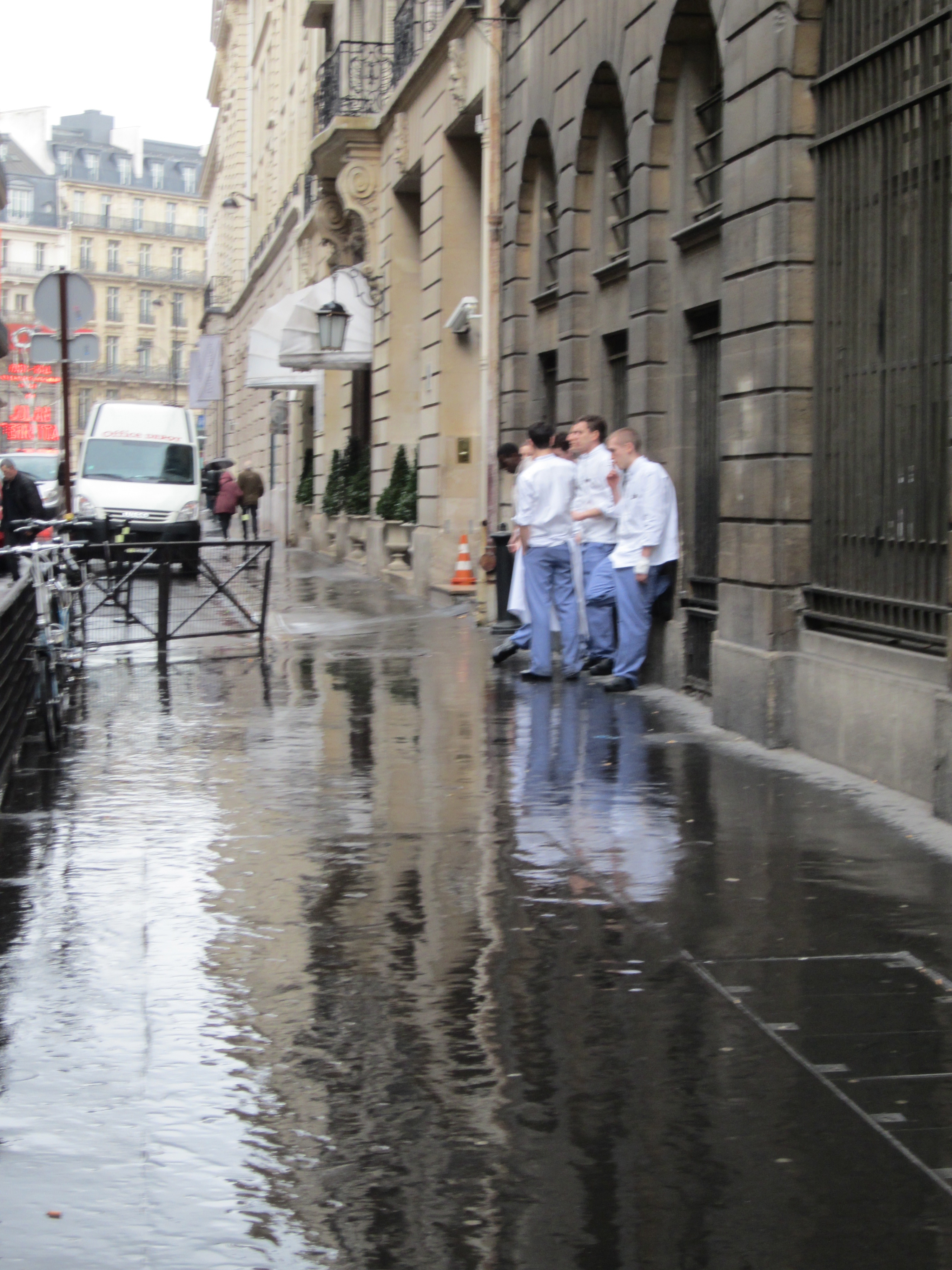
The back entrance to the Ritz on rue Cambon. Chanel's apartments during the war would have overlooked this street.

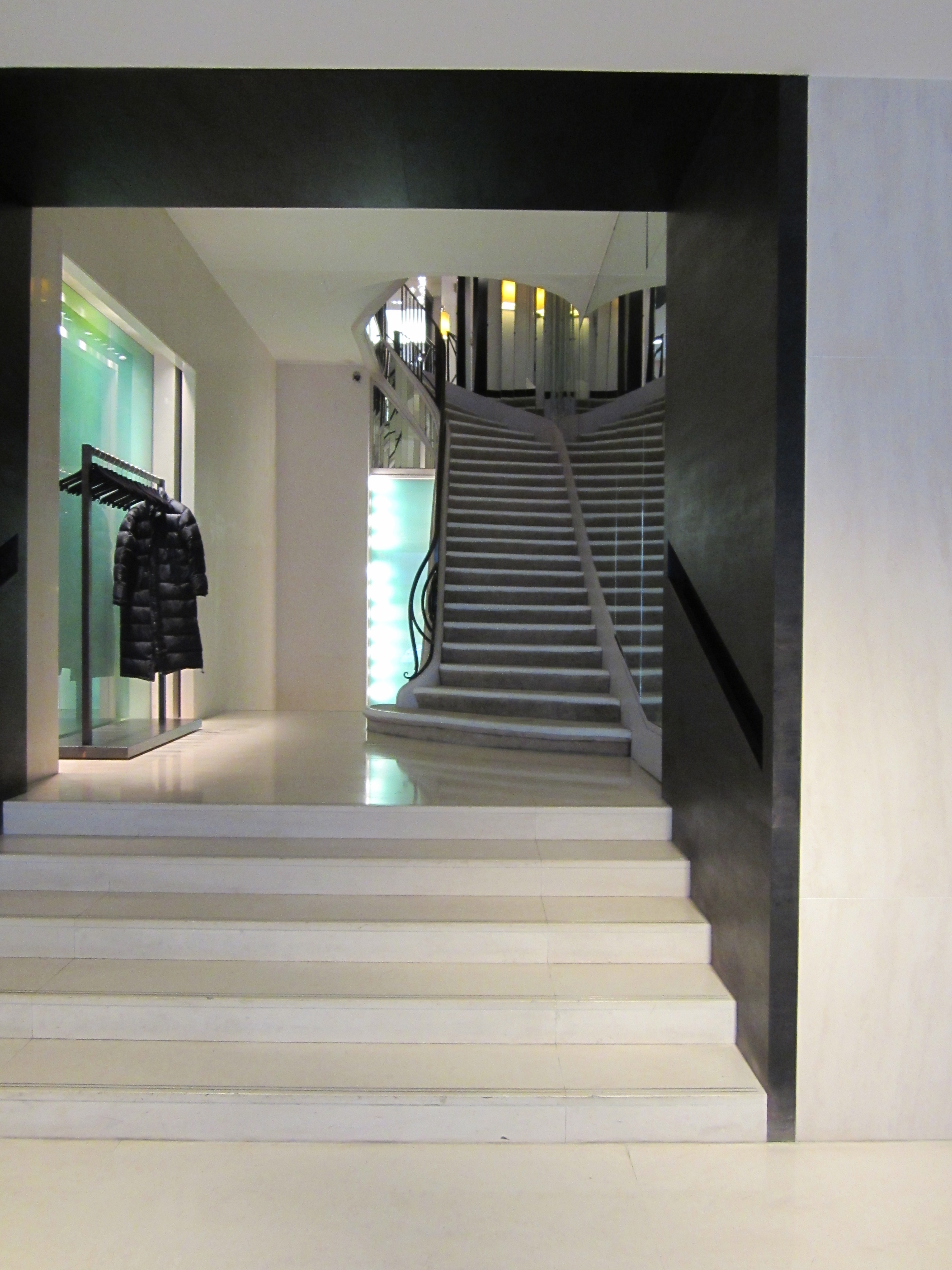
The famous mirrored staircase leading up from the boutique to Chanel's private apartments. Picture Spatz and Chanel here.

Chanel's suite at the Ritz before WWII, facing Place Vendome. It can be yours now for only 8,500 Euros per night. (Hopefully without any smoke damage from the recent garage fire!)

Sarah’s Key Paris Sites

Sarah’s Key Paris Literary Tour Map

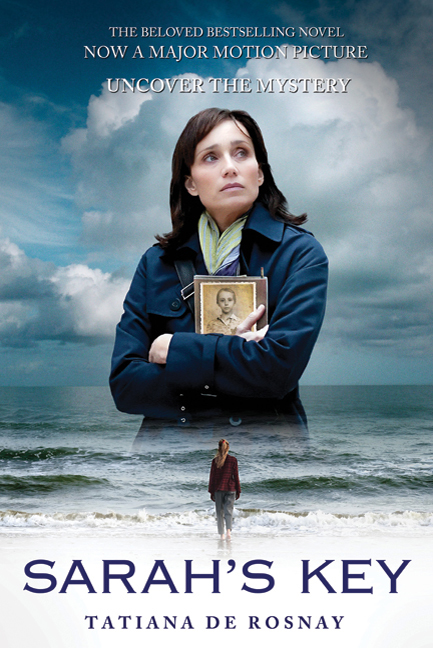
In Tatiana de Rosnay’s book Sarah’s Key, Sarah is a 10 year-old Jewish girl whose family is apprehended by the French police in the notorioius Vel’ d’Hiv’ Roundup on July 16, 1942.

In the pre-dawn hours of July 16th (just two days after Bastille Day) French police and members of a French fascist party collaborated with the occupying German authorities and began raiding Jewish homes and apartments throughout Paris, arresting over 13,000 adults and children.

Although most of those apprehended were eventually sent to extermination camps, they were first taken to a building known as the Vel’ d’Hiv’, or Vélodrome d’Hiver (Winter Cycling Track) located at the corner of the Boulevard de Grenelle and the rue Nelaton just west of the Eiffel Tower. The building was used for various events in the 1924 Olympics, and at the time of the roundup it was available for private rental. The Germans obtained the keys from the French owner, although it isn’t clear whether it was only through force or threat of force.

In the book, Tatiana de Rosnay depicts the appalling conditions at the Vel’ d’hiv through the eyes of 10 year-old Sarah. The prisoners were denied nearly all food, water and bathroom facilities. The windows were nailed shut to prevent escape, which made it even hotter inside. The prisoners were kept there for about five days, after which they were taken to different internment camps, including Drancy, Beaune-la-Rolande and Pithiviers. Many were eventually sent to Auschwitz where they lost their lives.

A fire destroyed much of the velodrome in 1959. It was demolished and replaced with a group of anonymous looking government buildings. In 1993, Francois Mitterand commissioned a monument to be erected near the site on the edge of the Quai de Grenelle, and in 2008, a plaque was installed at the nearby Bir-Hakeim Metro Station. It was at a memorial service at the site in 1995 that Jacques Chirac issued an apology on behalf of the French government.

 Vel d’Hiv Plaque and The Monument of the Deportees

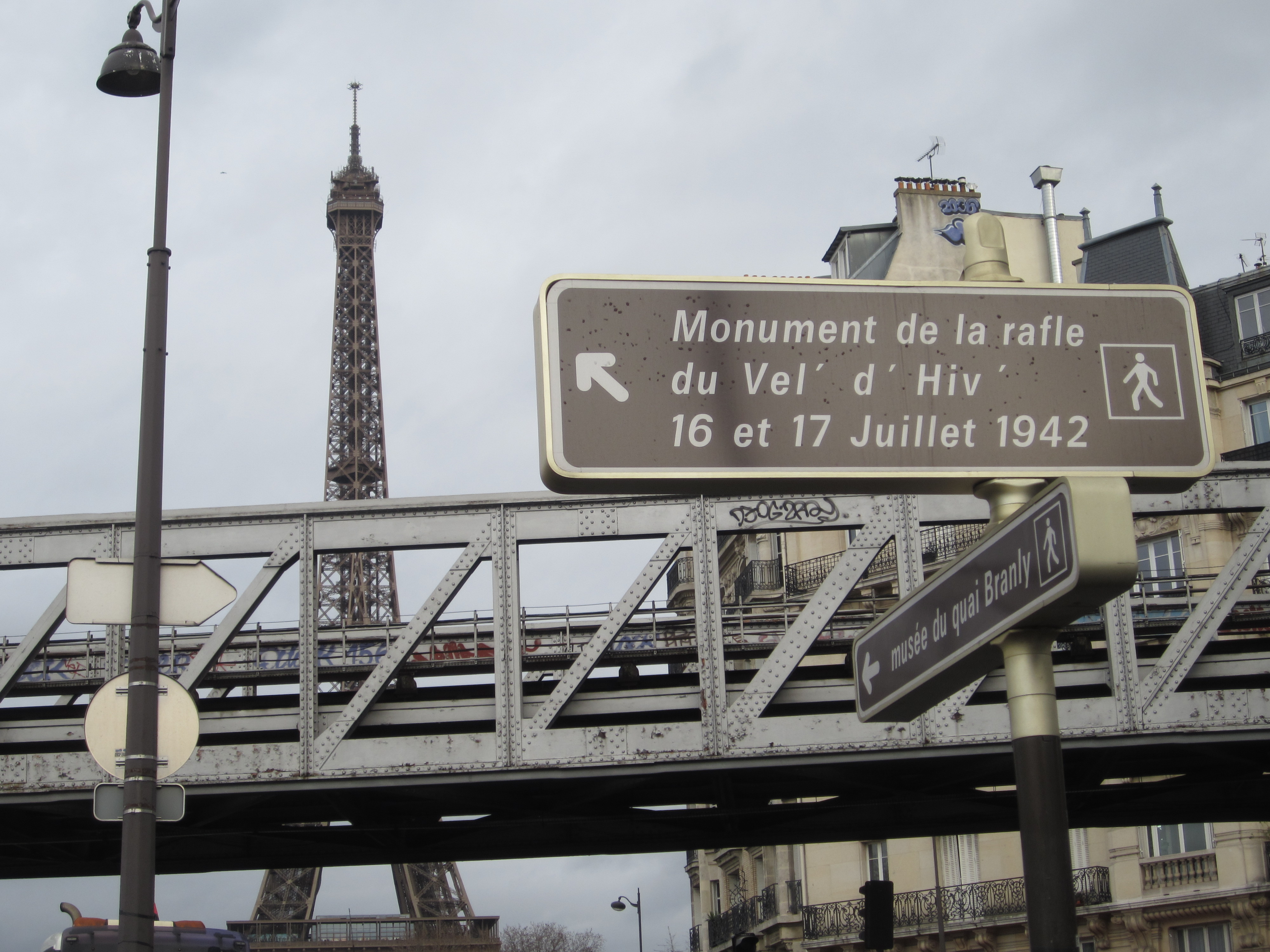
Take Line 6 of the Paris Metro to the Bir-Hakeim station near the Eiffel Tower. Near the exit of the station along Boulevard de Grenelle, you will see the plaque, which acknowledges that 13,152 Jews were arrested and held there under inhumane conditions by the Vichy government, under orders of the occupying Nazis.

Vel' d'Hiv Plaque

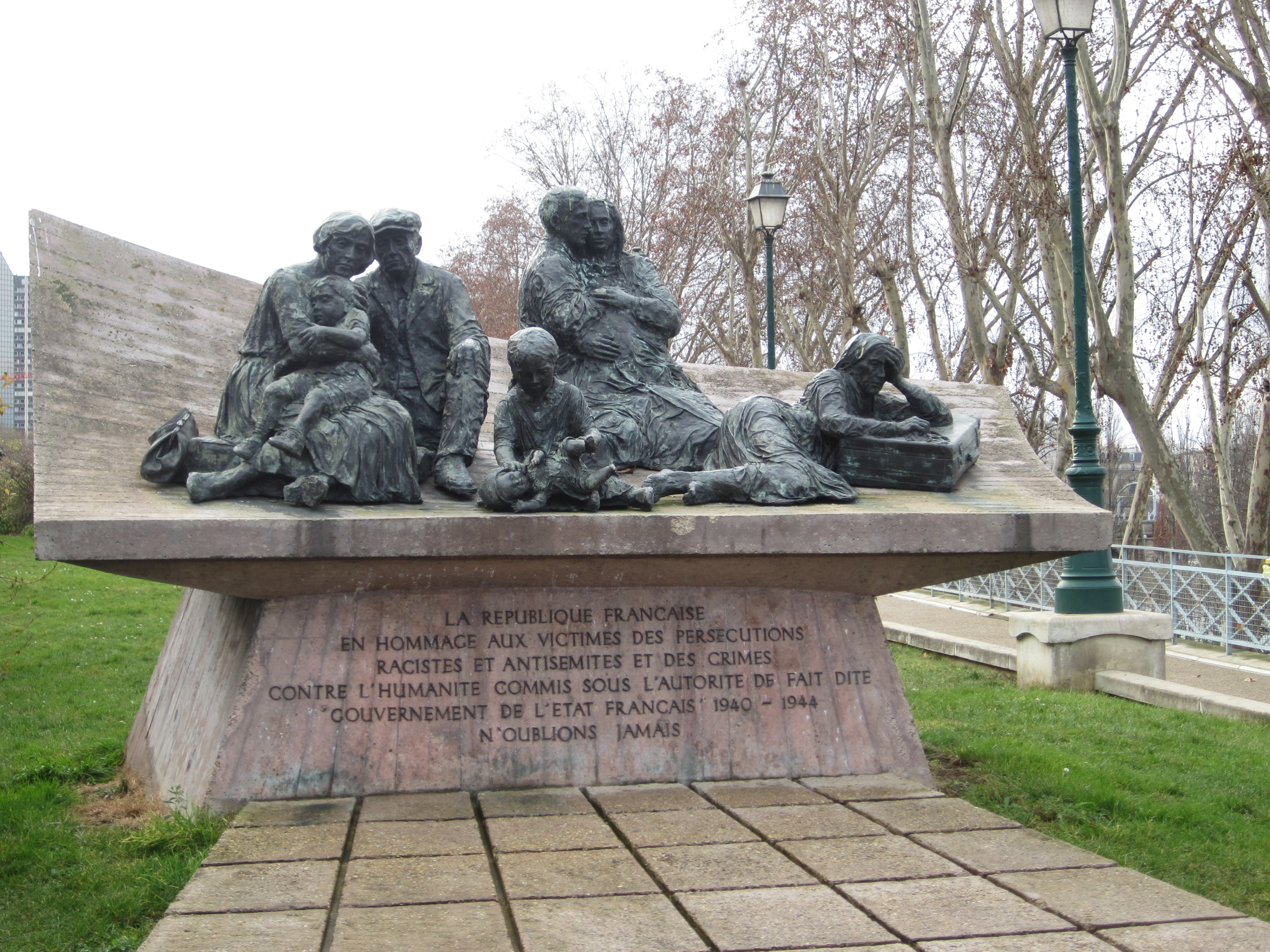
From the Metro station, walk north along Boulevard de Grenelle toward the Seine and cross to the opposite side of the Quai de Grenelle. There are a couple of entrances to the small park that contains the Vel’ d’hiv’ Momument.

The Square of the Jewish Matyrs of Vel' d'hiv: A quiet place to contemplate the sculpture.

A sculpture ". . . in homage to the victims of racist and antisemitic persecution and crimes against humanity committed pursuant to the authority of the French government. . . Never Forget."


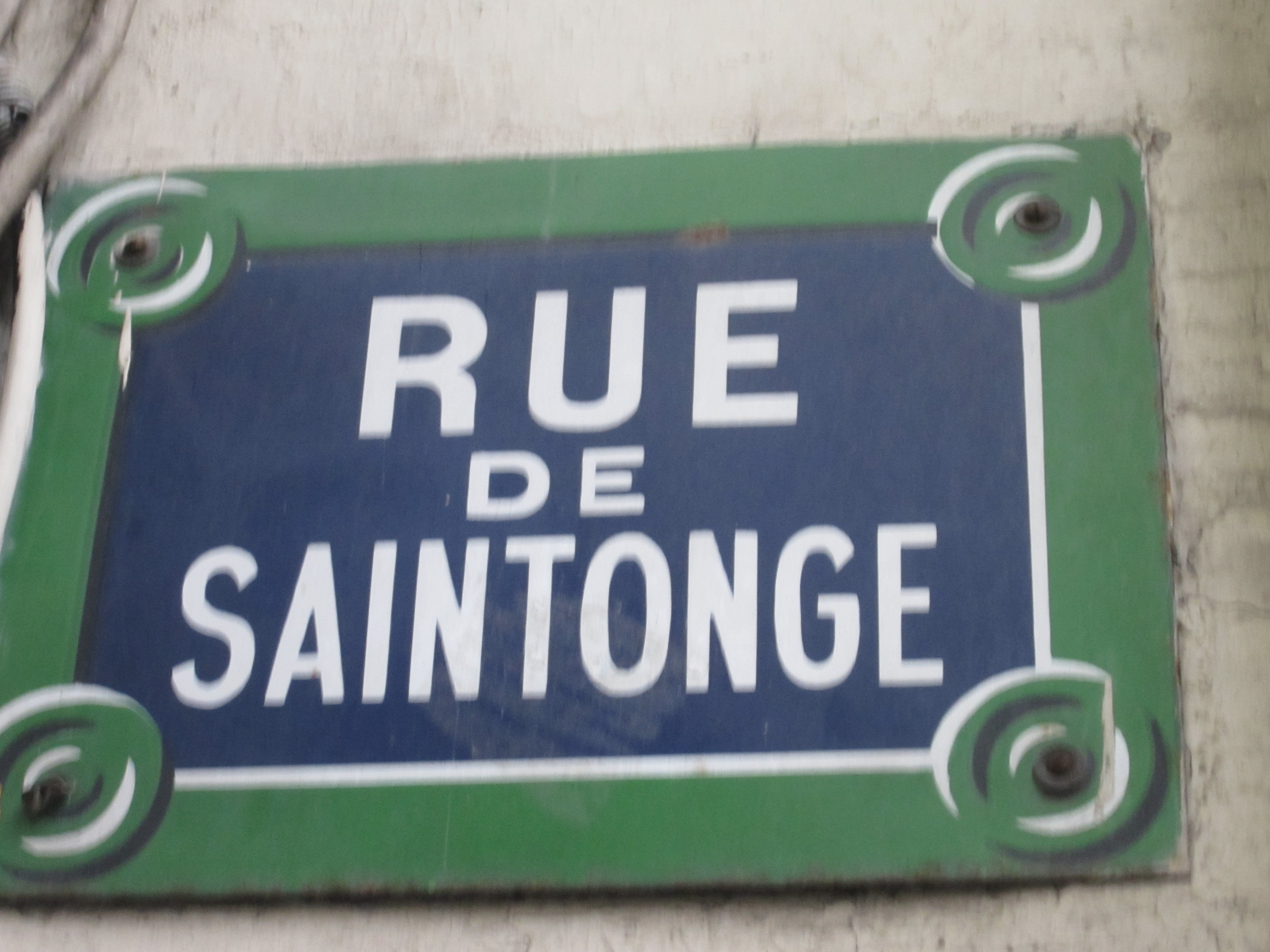
Sarah’s Apartment at 36 rue de Saintonge

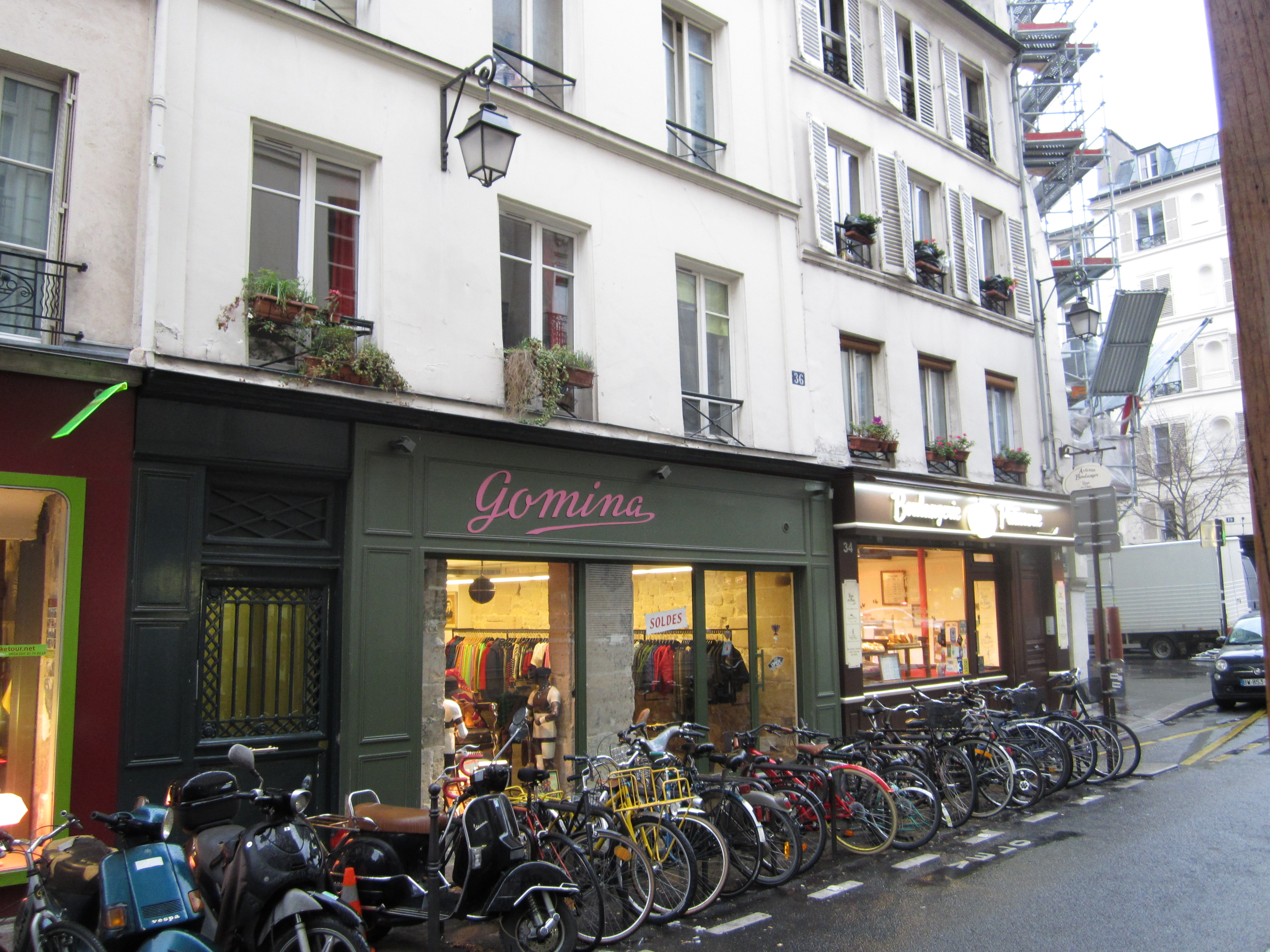
In the book, Sarah’s family lives at 36 rue de Saintonge, which is in the heart of the Marais district in the 3rd arrondissement of Paris. The Marais was the home of a thriving Jewish community that was the focus of the Vel’ d’Hiv Roundup. Although this is a fictional address, it is entirely possible that round-ups would have occurred on this block.

The area is within a short walking distance from the Arts and Metiers or Rambuteau Metro stops. I walked there on a dark and cloudy afternoon. The street is narrow and the old buildings lean gently inward. The street still has some sense of its former life as an old working class neighborhood, with some old-fashioned mom-and-pop tailoring and butcher shops still standing. However, the neighborhood has been gentrified, and a trendy women’s boutique now stands on the ground floor of Sarah’s fictional apartment building.

It’s a chilling feeling to stand on the quiet street full of cheerfully colored bicycles and motor scooters and imagine what could have happened there nearly 70 years ago.


36 rue de Saintonge

The Shoah Memorial (Mémorial de la Shoah)

The Shoah Memorial was completed in 2005 and is a memorial, a museum and an archive dedicated to the victims of the Holocaust. It is located at 17 rue Geoffroy l’Asnier in the 4th arrondissement. I walked from rue de Saintonge, but it’s also close to several Metro stations: Saint-Paul, Hotel de Ville and Pont Marie. It is open Sunday-Friday from 10am – 6pm. The Shoah Memorial is an intense experience, but sometimes it is necessary to be reminded of our shame and our loss.

Follow the signs from the Hotel de Ville, St.-Paul or Pont-Marie Metro stops.

The Shoah Memorial's Wall of Names

This entire Sarah’s Key literary tour could easily be accomplished in one day by hopping on and off the Metro. I can even recommend a nice cafe near the Arts et Metiers Metro Stop called Cafe des Arts et Metiers, at 51, rue de Turbigo. And of course there’s always the “best falafels in the world” at L’as du Falafel, 32 Rue des Rosiers in the Marais.

It will be a day you’ll probably never forget. If you haven’t already, pick up Sarah’s Key at your local independent bookstore and read its tragic but necessary story.

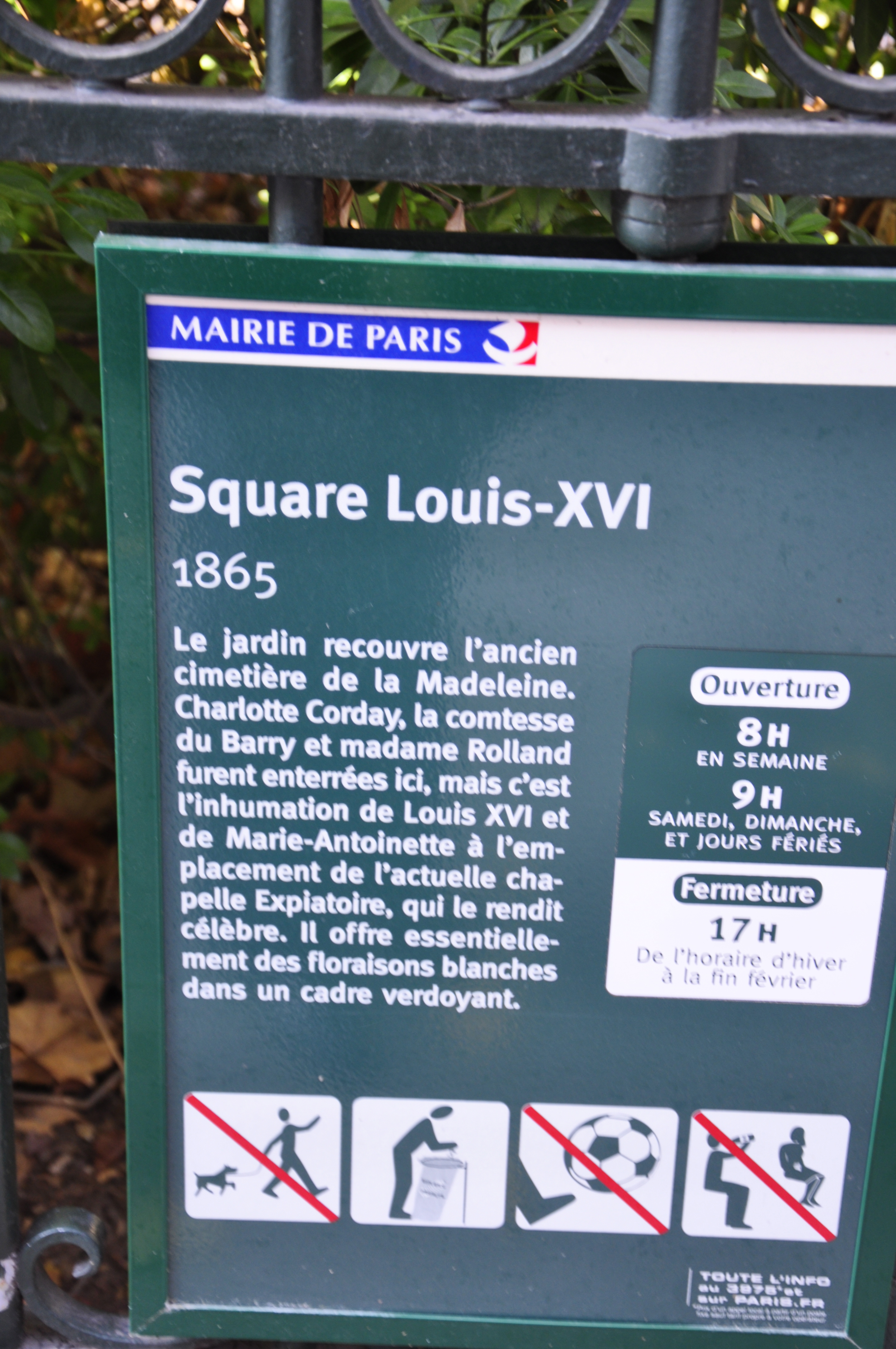
Stumbling into History: Square Louis XVI

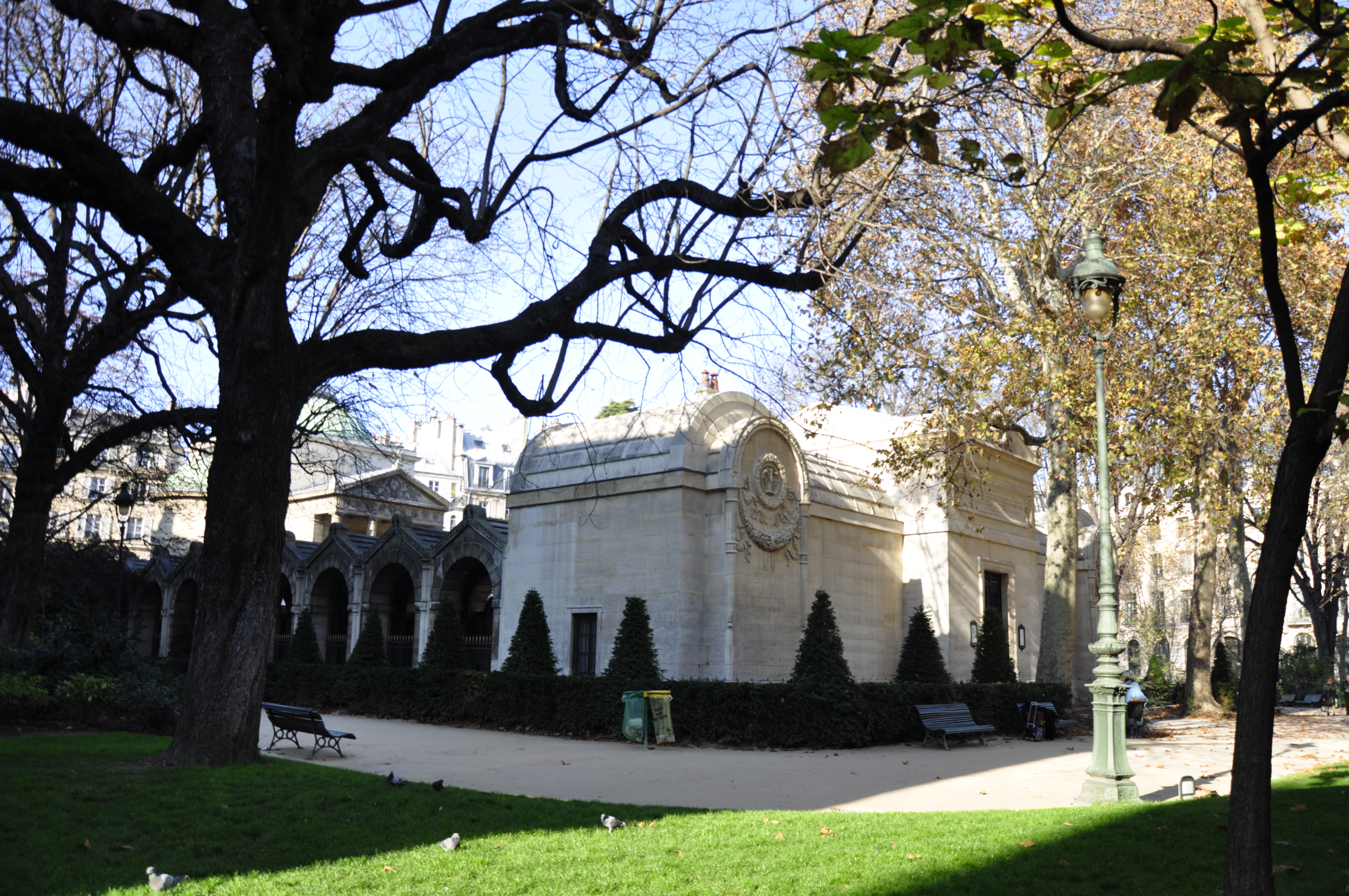
When you walk the streets of Paris you just never know what you’re going to stumble onto next. Back in November, I was walking in the Malesherbes neighborhood on my way to Galleries Lafayette and I passed a pretty little square, so I went in and sat down to read for awhile. It was only later that I realized what kind of history I had stumbled into.

I’d been sitting on top of a mass grave dating back to the French Revolution.

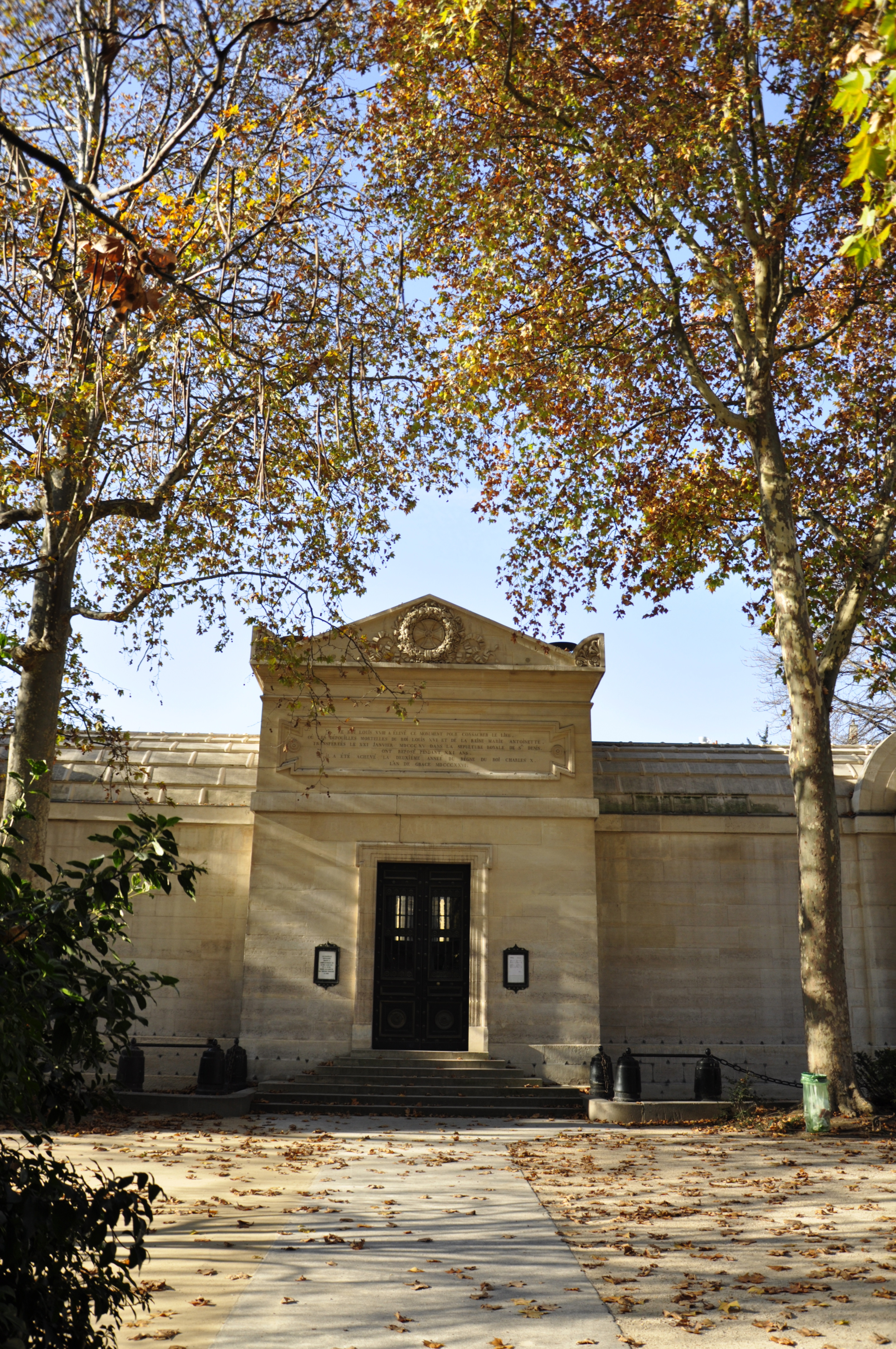
Square Louis XVI was a cemetery for the nearby Madeleine church back in the 18th century. King Louis XVI and Marie Antoinette were buried here after their execution by guilloutine at Place de la Concorde. They were buried in a mass grave along with about 3,000 other victims of the French Revolution. Twenty-one years later, King Louis XVIII exhumed their bodies and moved them to the Bascillica of St. Denis for a proper royal burial.

There is some debate whether the King and Queen’s bodies were properly identified when they were exhumed. There is some evidence that the King and Queen’s bodies were the only bodies actually placed in coffins, or that their burial places were marked with trees and hedges. However, some claim that their bodies, like all of the others, had been covered with quicklime, so that their remains would have been too decomposed to identify some twenty years later. Enjoy some of the debate and discussion at author Catherine Delor’s blog.  Either way it’s pretty creepy.

Louis XVIII built the Chapelle Expiatoire in the square to commemorate the first burial place of the royals. I didn’t go in the chapel (it’s only open Thursday-Saturday afternoons), but for some great photos and more information about the sculptures and a crypt inside, go to Travel with Terry’s Paris blog. The crypt contains a black coffin that supposedly marks the original site of the King and Queen’s burial plot.

If you know me, you know that’s all I needed to get inspired to do some reading about the French Revolution. I highly recommend Madame Tussaud by Michelle Moran (Broadway, 2011, now available in paperback), which I hear is going to be turned into a television miniseries by the same folks that brought us The Tudors. Count me in for that – the book was fascinating. Gruesome, but in a good way – did you know Madame Tussaud was compelled to make death masks of the key players of the French revolution? Ewww.

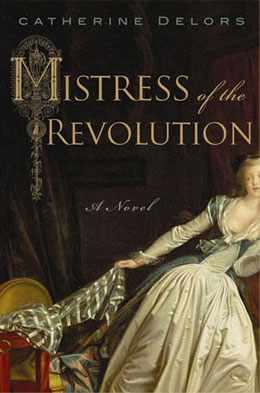
I need to add Mistress of the Revolution (NAL 2009) by Catherine Delors to my reading list now too. Check out Delors’ blog post  called “La Chapelle Expoatoire, and Marie-Antoinette’s smile” to learn about the connection between Square Louis XVI and her book.

Oh-oh, I can tell I’m going to get on another one of my “reading rolls.” Please leave some comments and let me know what French Revolution era books you recommend, whether fiction or nonfiction.


With thanks to Travel with Terry’s blog, here are the details you will need to visit the Chapel inside Square Louis XVI:

Chapelle Expiatoire
29, rue Pasquier – Square Louis XVI
Open Thursdays, Fridays & Saturdays 1-5 pm; entrance fee 5 Euros (free to holders of the Paris Museum Pass)
Closed January 1, May 1, November 1, November 11, December 25.
http://chapelle-expiatoire.monuments-nationaux.fr/en/
Métro: St-Augustin