The Hadley Hemingway Tour

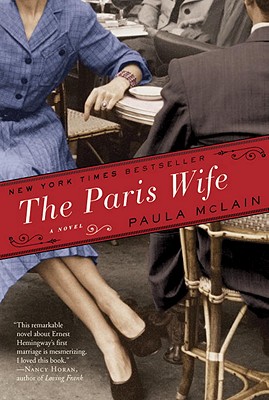
American women just love The Paris Wife. Perhaps we’ve read Moveable Feast or maybe we just heard the buzz through our book club, but it seems we just love getting the scoop on Ernest Hemingway through the eyes of his first wife Hadley.

As most readers seem to have heard by now, The Paris Wife by Paula McLain (Ballantine Books 2011) is about Ernest and Hadley Hemingway’s brief but passionate years together in Paris in the early 20s. Ernest Hemingway was a charismatic and gifted writer, the genius of his generation, but he was also a narcissist, a cheater and a big drinker. No one better to deal the dirt than the first wife.
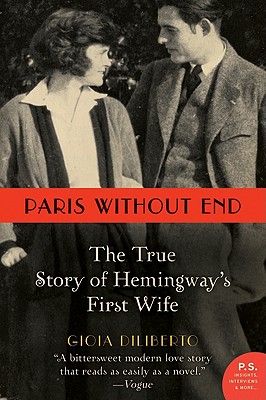
 In addition to The Paris Wife, there’s an excellent nonfiction book about the same years called Paris Without End by Gioia Diliberto (Harper Perennial 2011). One of my favorite authors (she’s also written I Am Madame X, The Collection and A Useful Woman), Diliberto’s nonfiction format  allows us to know more about Ernest’s developing affair with Pauline Pfeiffer than Hadley did at the time, back when Hadley was in the dark – or in denial, or a little of both. Diliberto is also able to compare the fictional events and characters in Hemingway’s stories to the real stuff going on in his life, which is a real bonus if you’re familiar with his work.

Whether you prefer the fictional drama in The Paris Wife or a more thorough nonfictional approach in Paris Without End, you’re sure to enjoy some of these Paris photographs, depicting scenes from both books. You can’t find a better Paris walk than the neighborhoods of the Latin Quarter, St. Germain and the Luxembourg Gardens. You can follow along on a Google Map here.
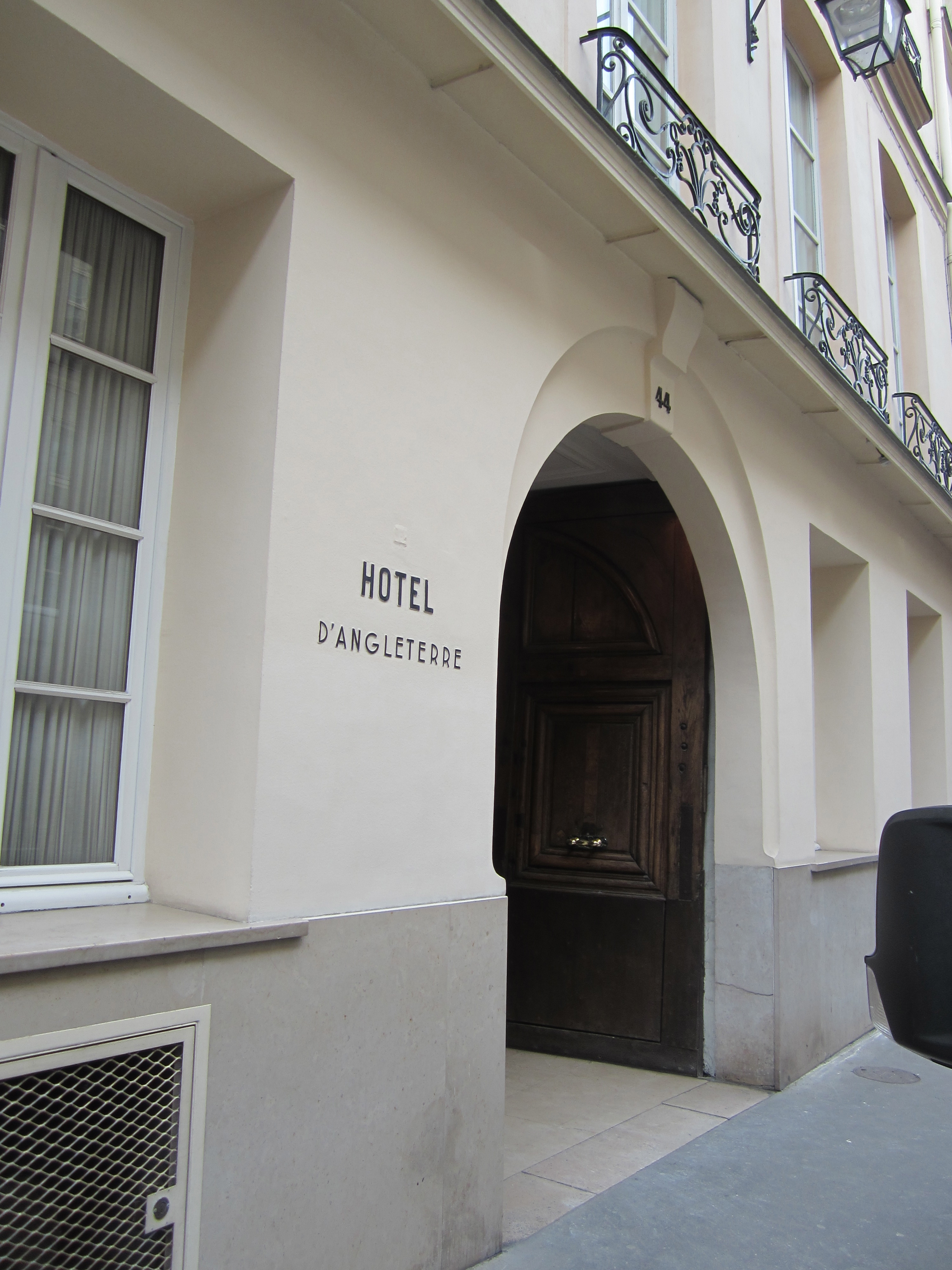
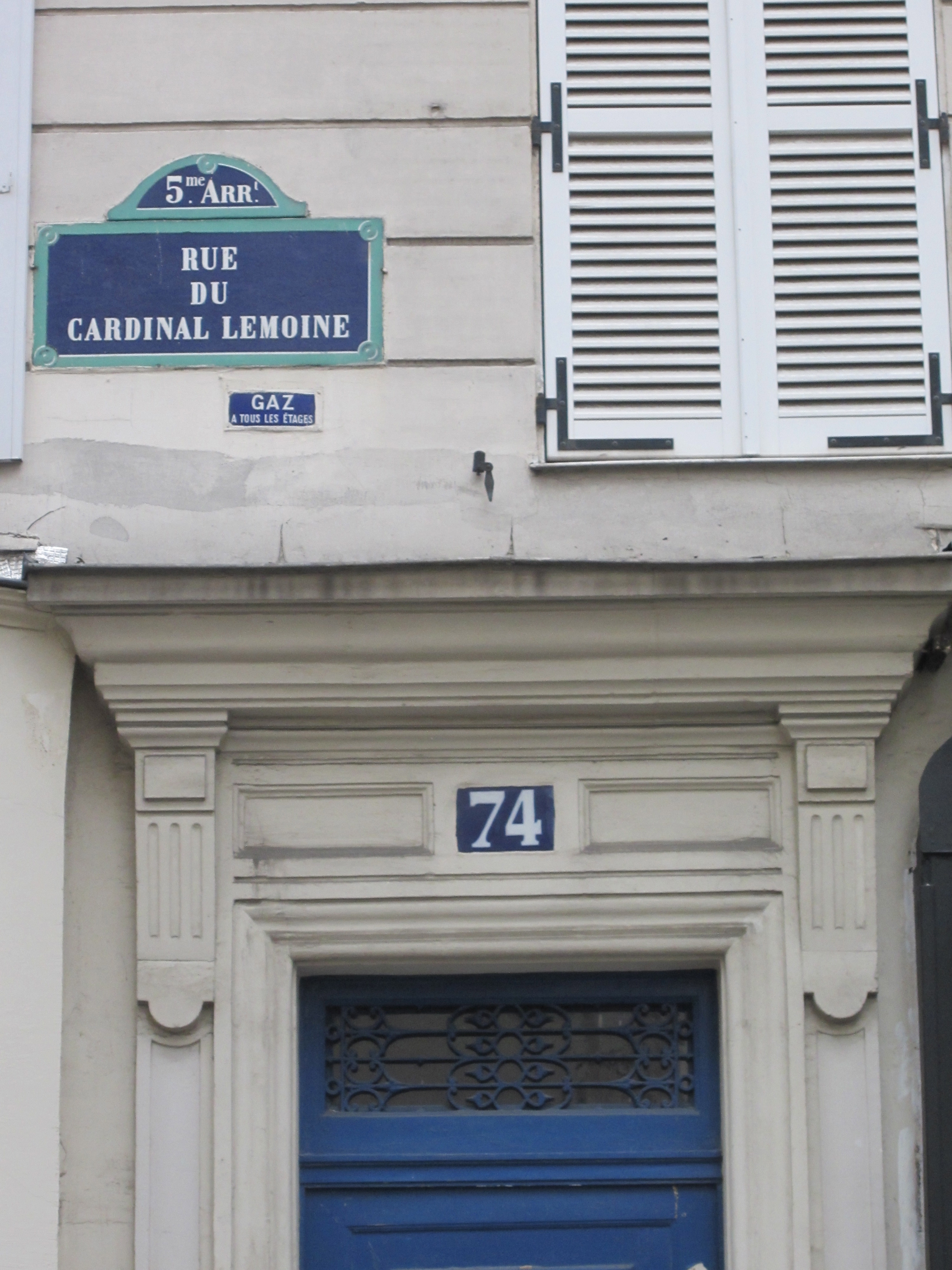
Ernest and Hadley moved into this apartment, at 74 rue du Cardinal-Lemoine in a working-class neighborhood of the 5th arrondissement in January, 1922. It was a two-room flat on the fourth floor without hot water or a private toilet. Hadley later said that "the apartment wasn't ghastly. In fact, it was kind of fun." She remembered that "The steep winding staircase had a niche on each flight for a step-on-two-pedals toilet."
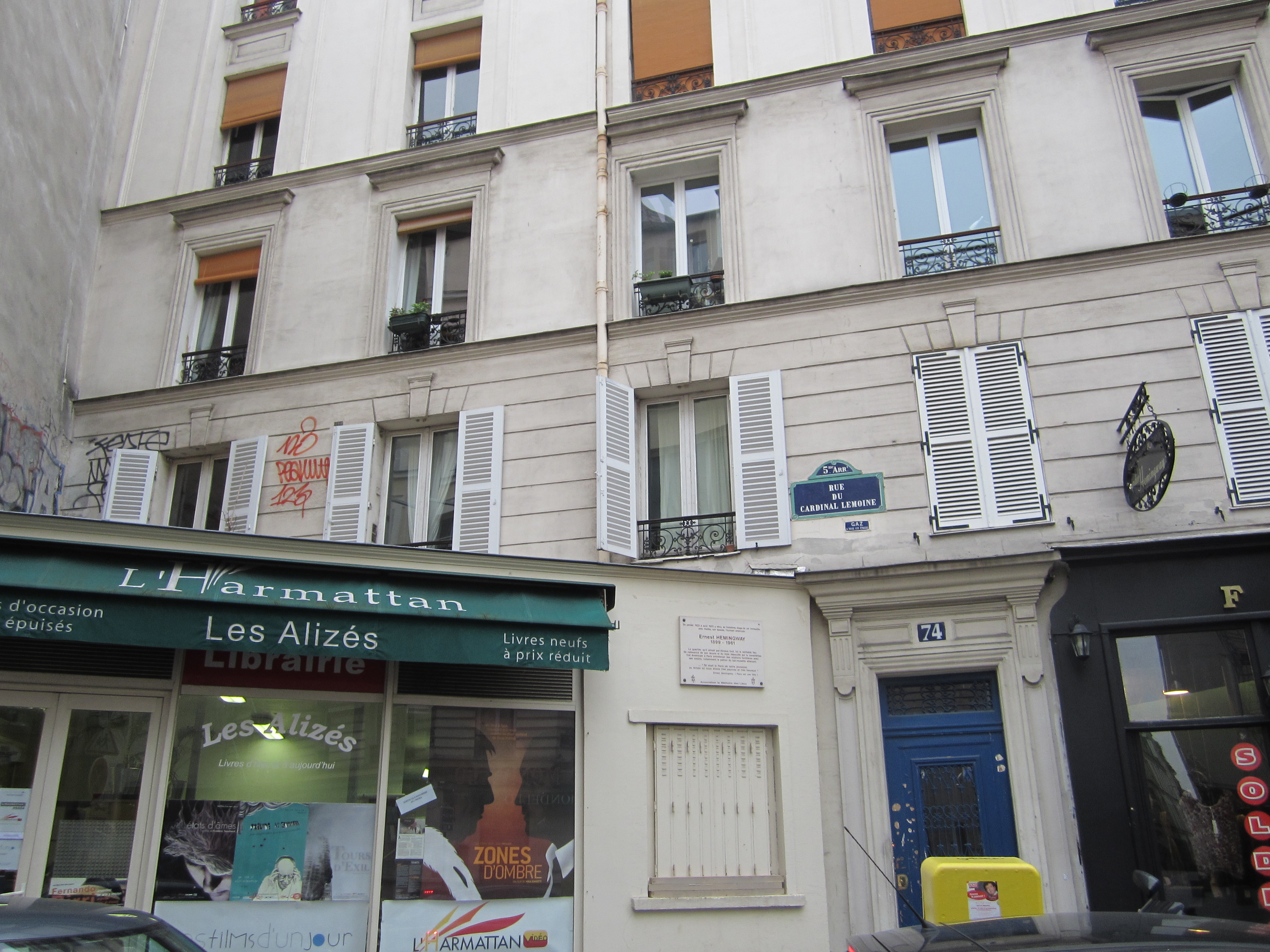
The shop with the green awning below the Hemingways' window was once a loud and popular dance hall called Le Bal du Printemps. Ernest described it as a "noisy, rough music hall and hangout for sailor, whores, 'apaches' (French gang members) and American expatriates, who nicknamed it 'Bucket of Blood.' "
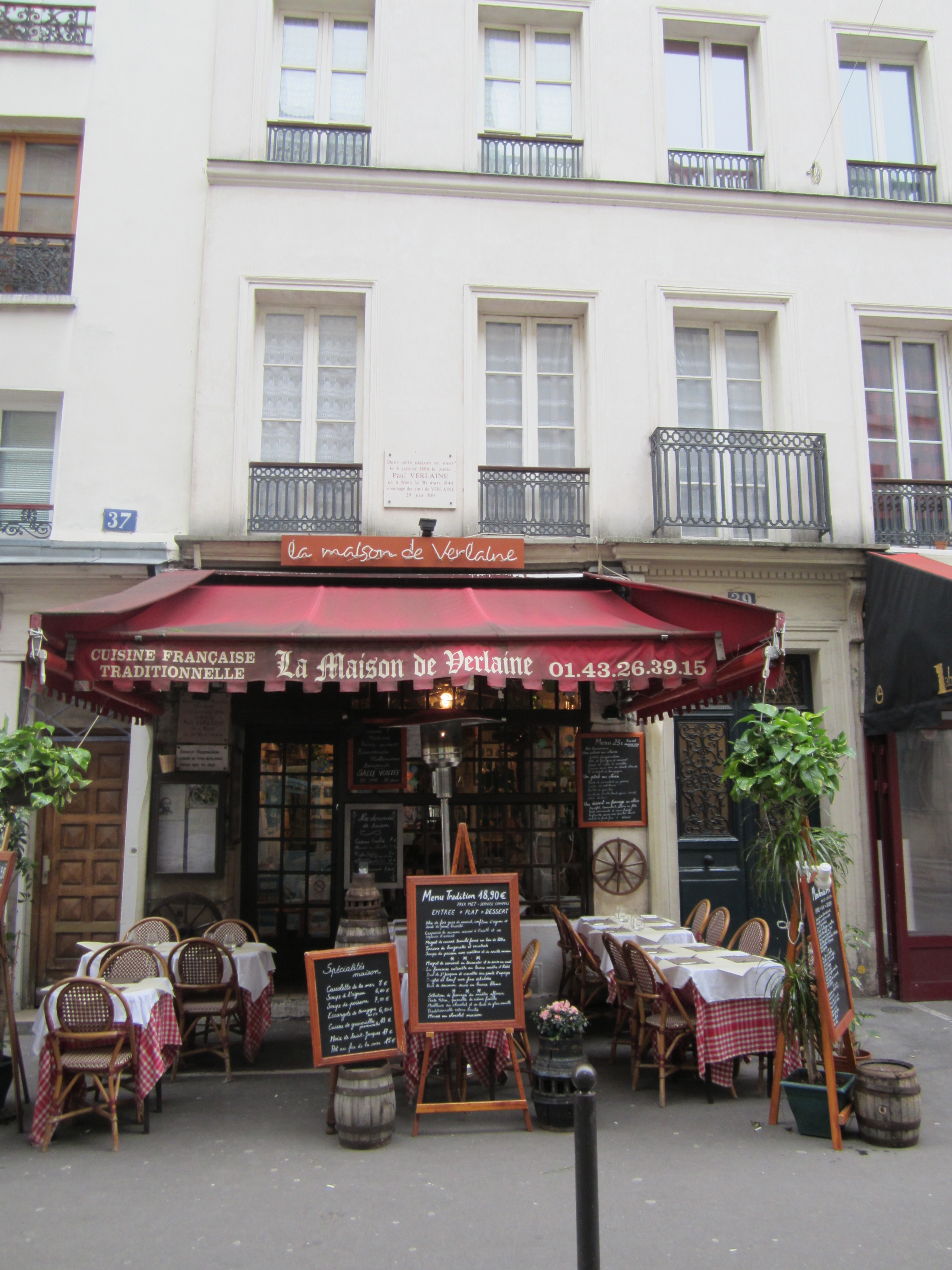
Ernest Hemingway rented an attic apartment in this building at 39 rue Descartes from 1921-1922. It served as his getaway and writing studio, and was just around the corner from his apartment with Hadley.
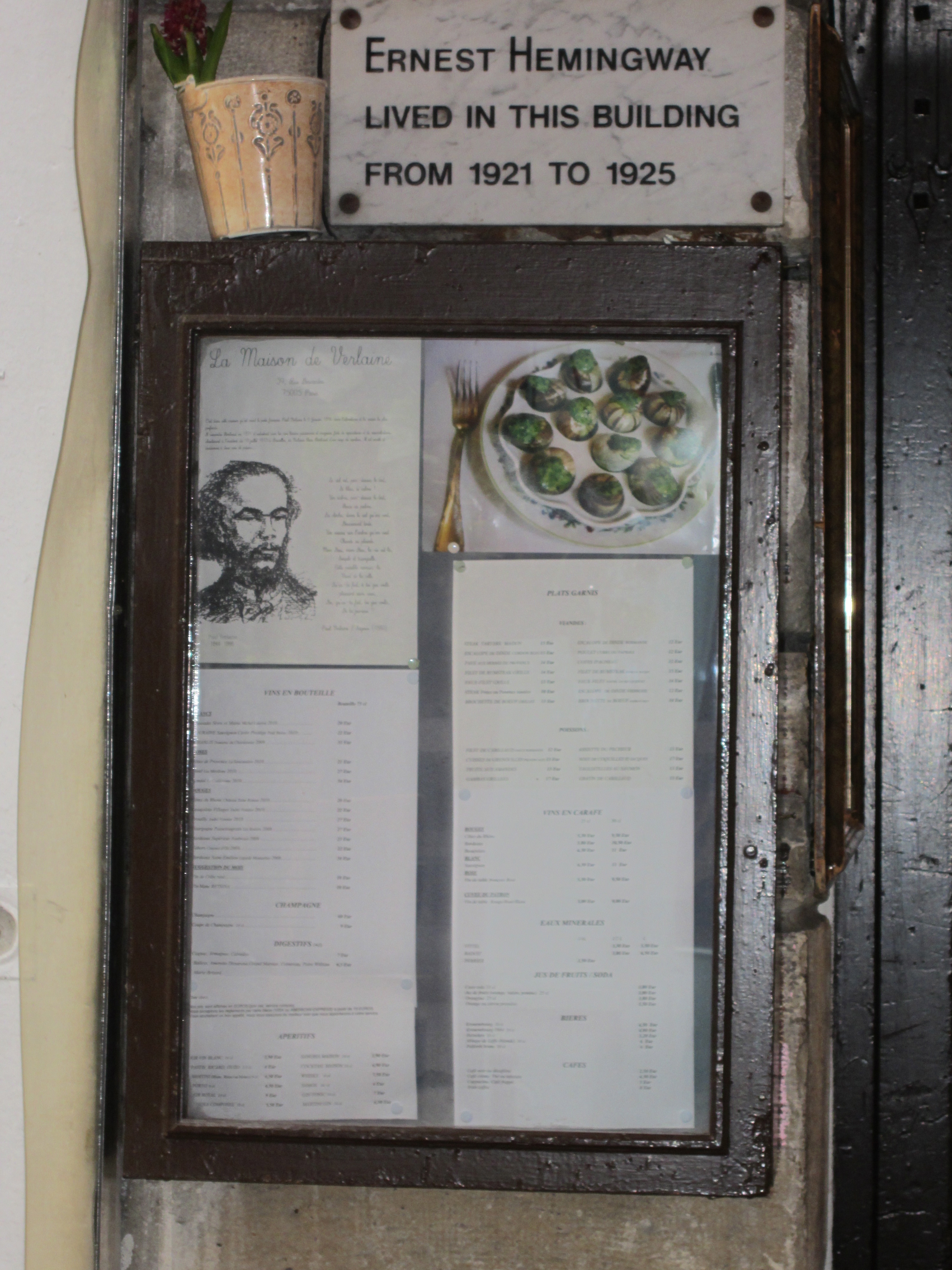
The plaque on the building at 39 rue Descartes giving recognition to Ernest Hemingway, although it does not appear that Hemingway continued to rent the studio after 1922.
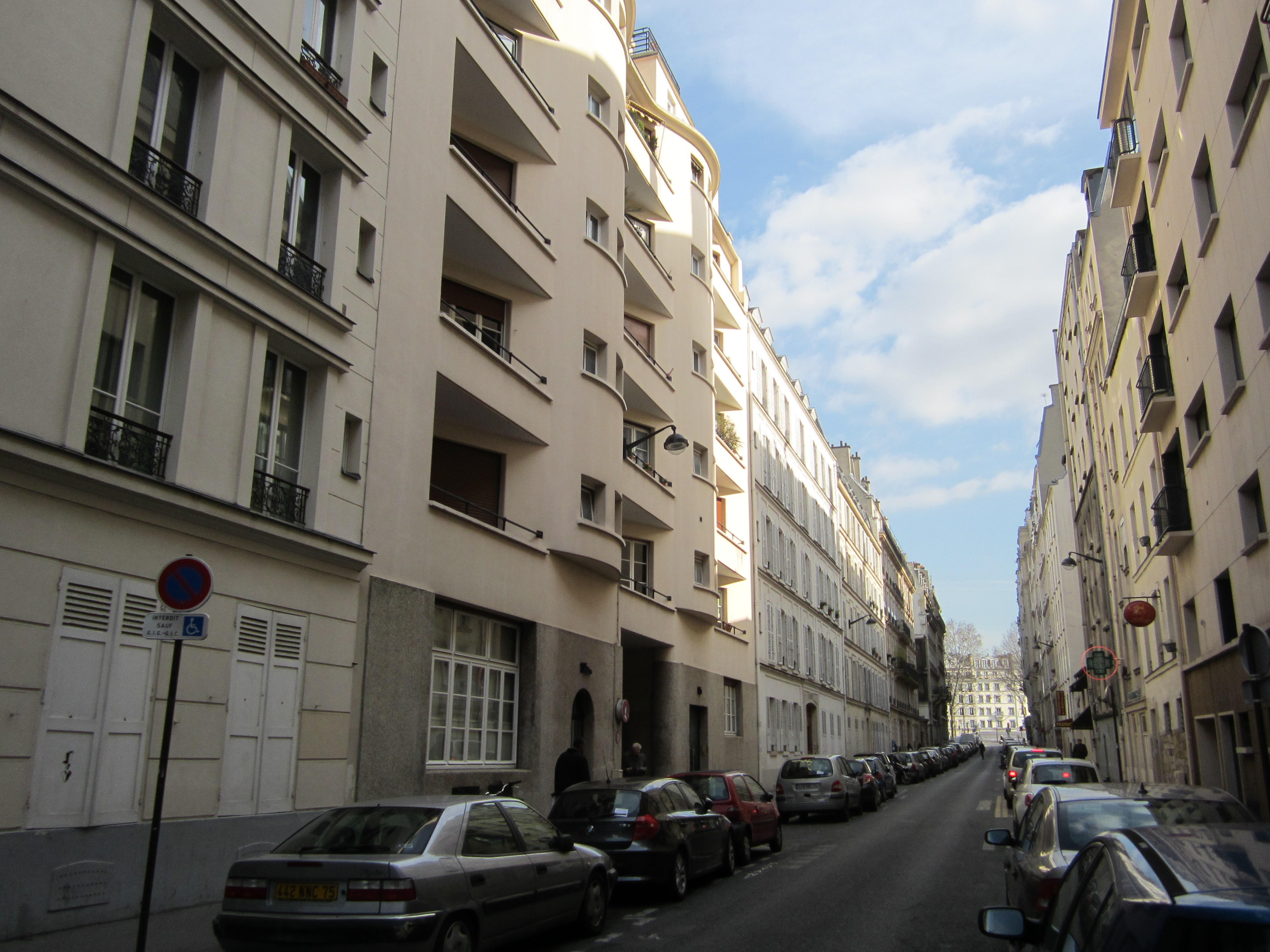
Hadley and Ernest left Paris in August 1923 to have their baby "Bumby" in Toronto. When they returned in January 1924, they found another fairly shabby apartment at 113 rue Notre-Dame-des-Champs. It was a carpenter's loft over a working sawmill. The sawmill was torn down long ago and was replaced with the uninspiring school buildings that you see today.
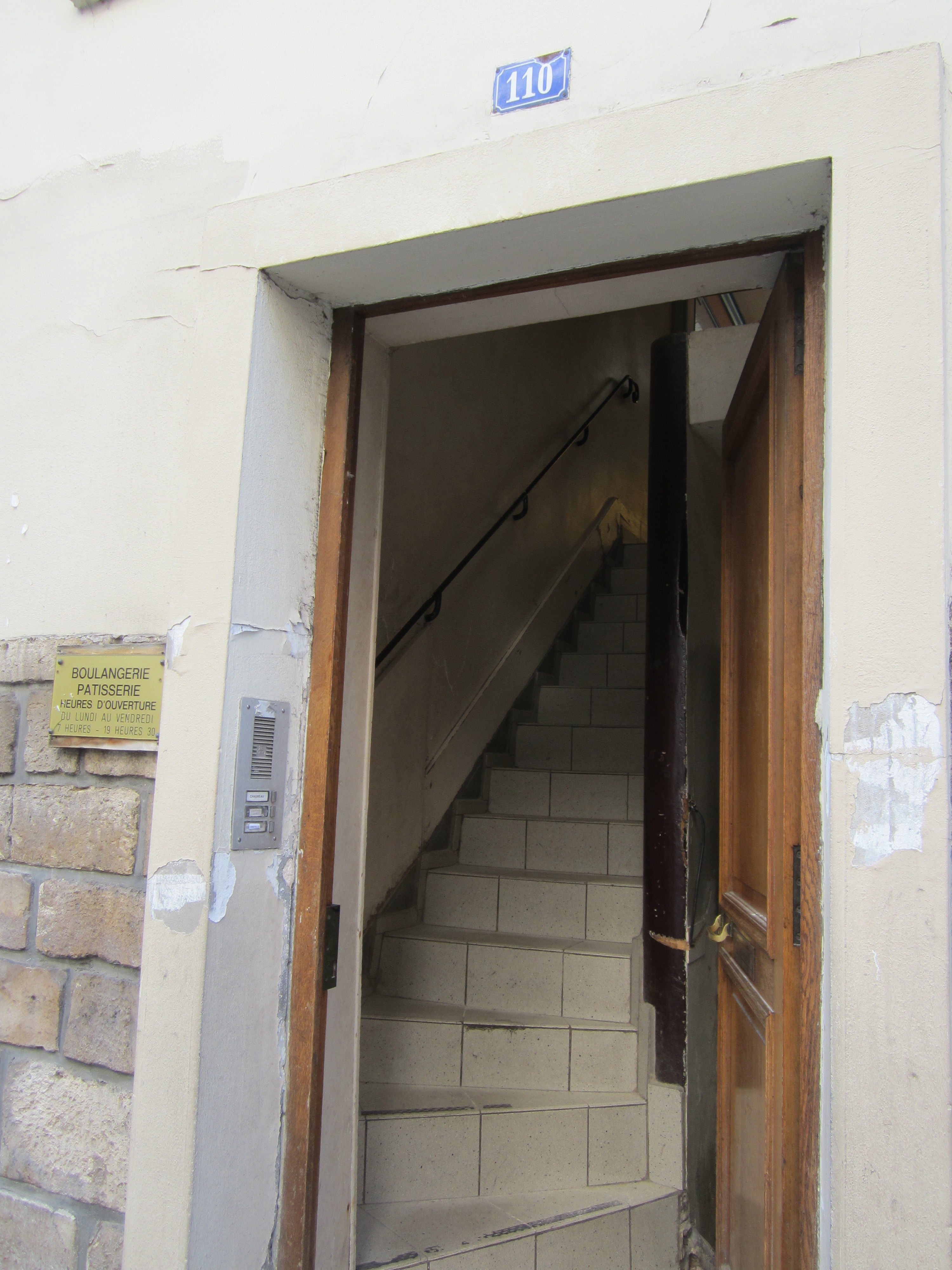
.”].” “]

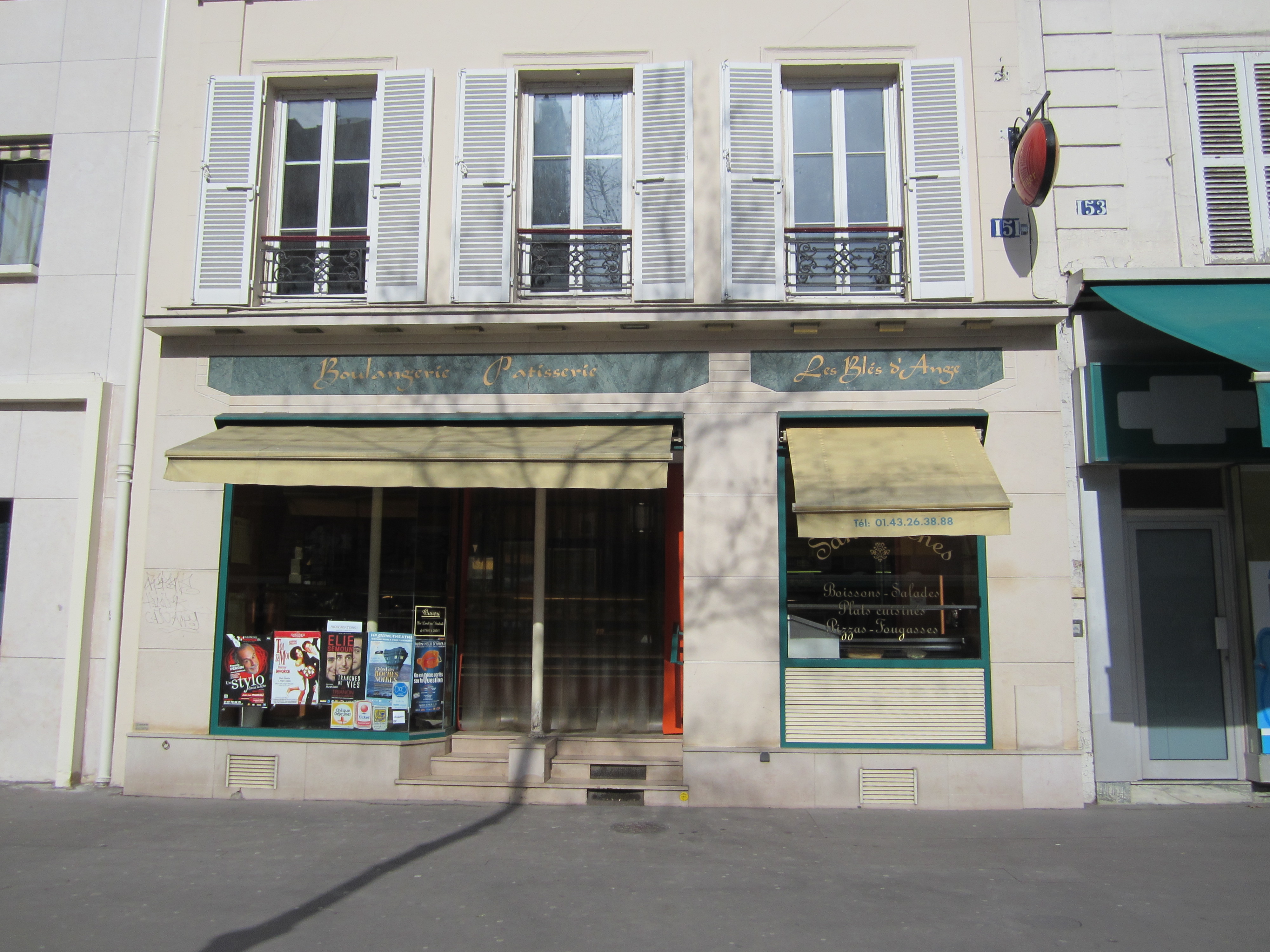
The front door of the Les Blés D'Ange bakery at 151 Bis boulevard Montparnasse. Just like Ernest and Hadley, I cut through myself and stopped to buy a croissant, which I enjoyed on a bench right outside the bakery.
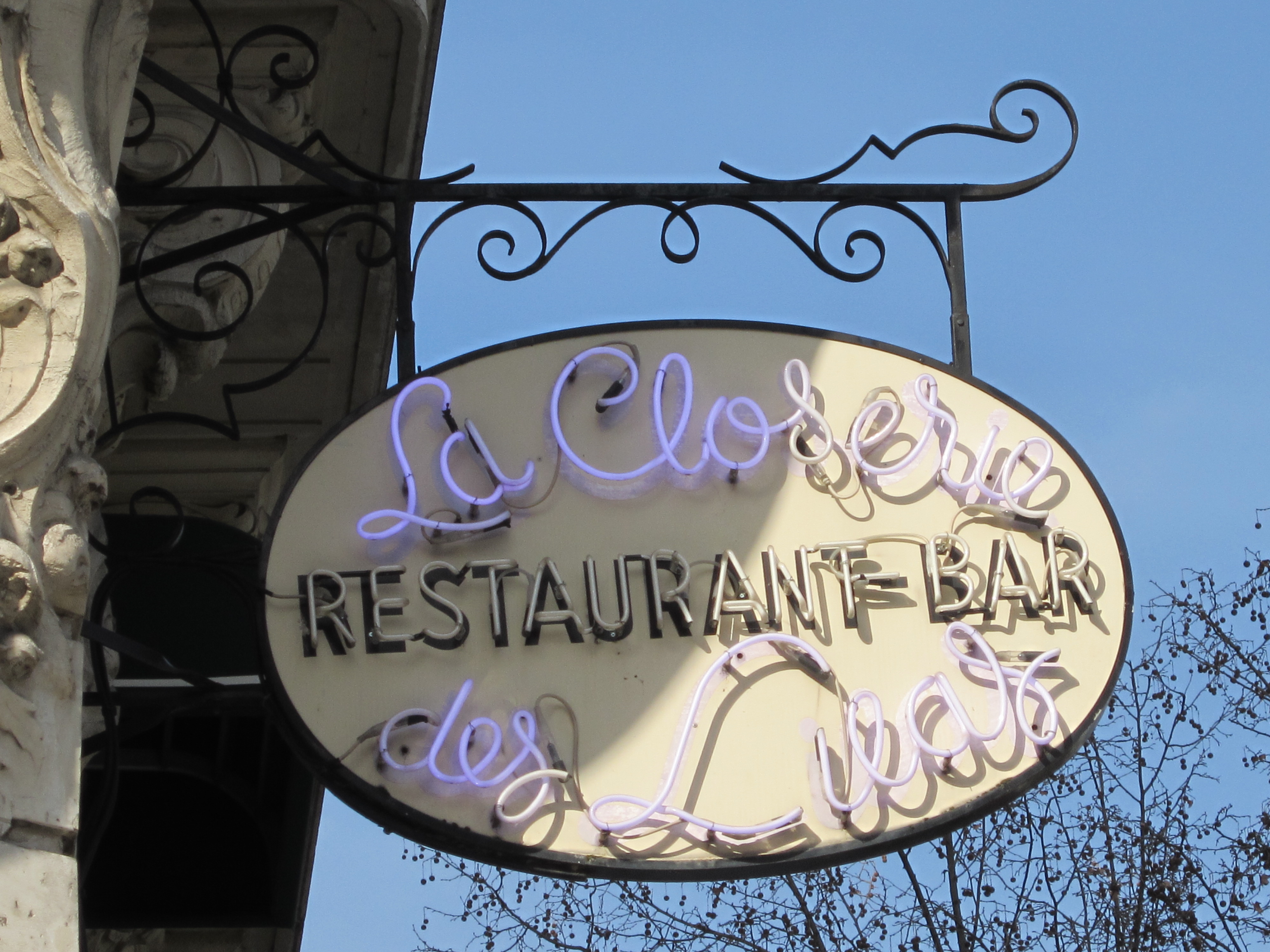
Ernest had no separate writing studio while they lived in the sawmill loft, , so he spent hours at the nearby café, La Closerie des Lilas, 171 boulevard du Montparnasse. You can go there today and try for the seat with the Hemingway plaque.
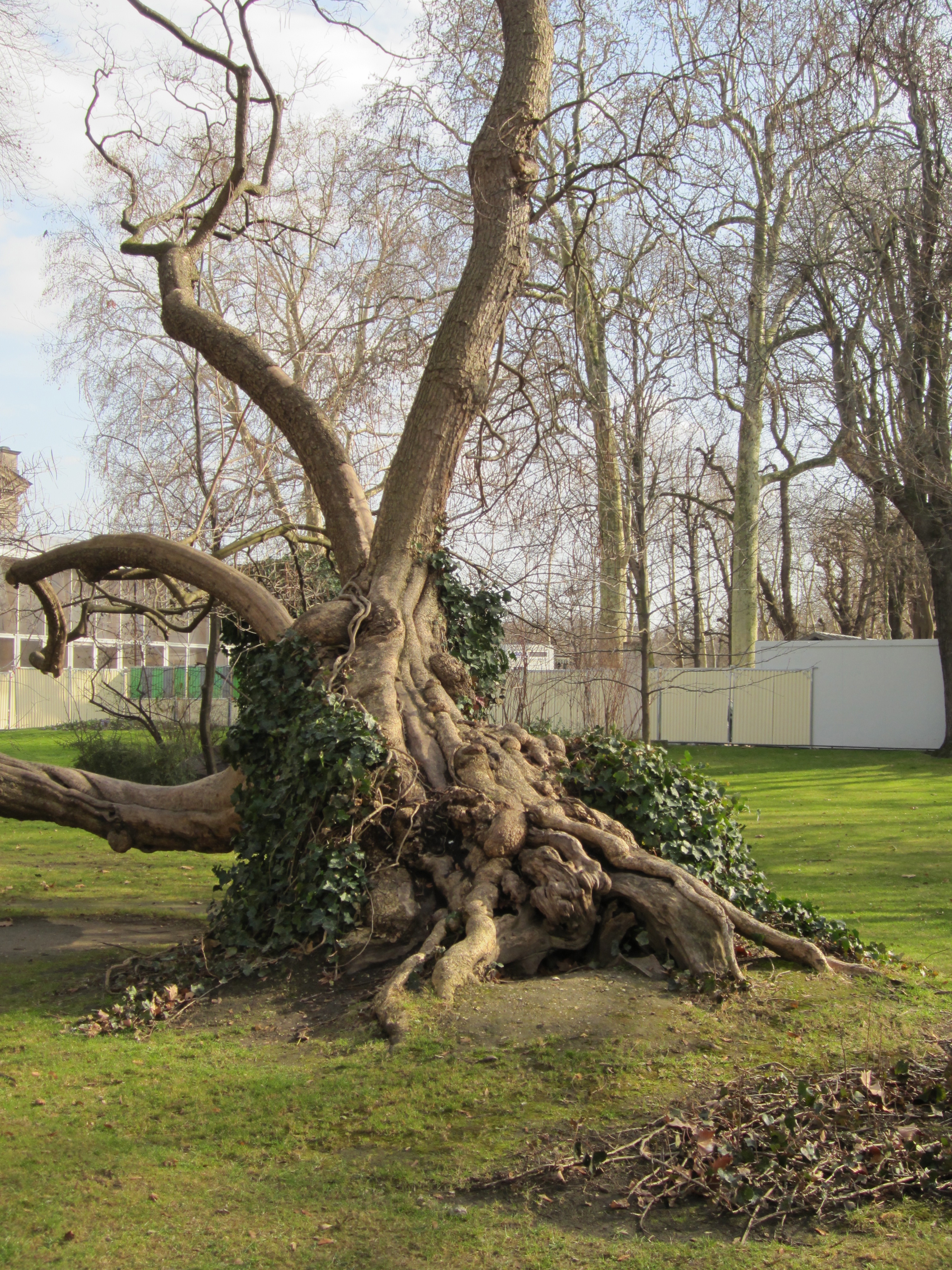
While Ernest worked away at Closerie des Lilas, Hadley and little Bumby would escape the apartment and go to the nearby Luxembourg Gardens. I could picture little Bumby trying to scramble around on this old tree, which certainly looks as if it would have been around in 1925.
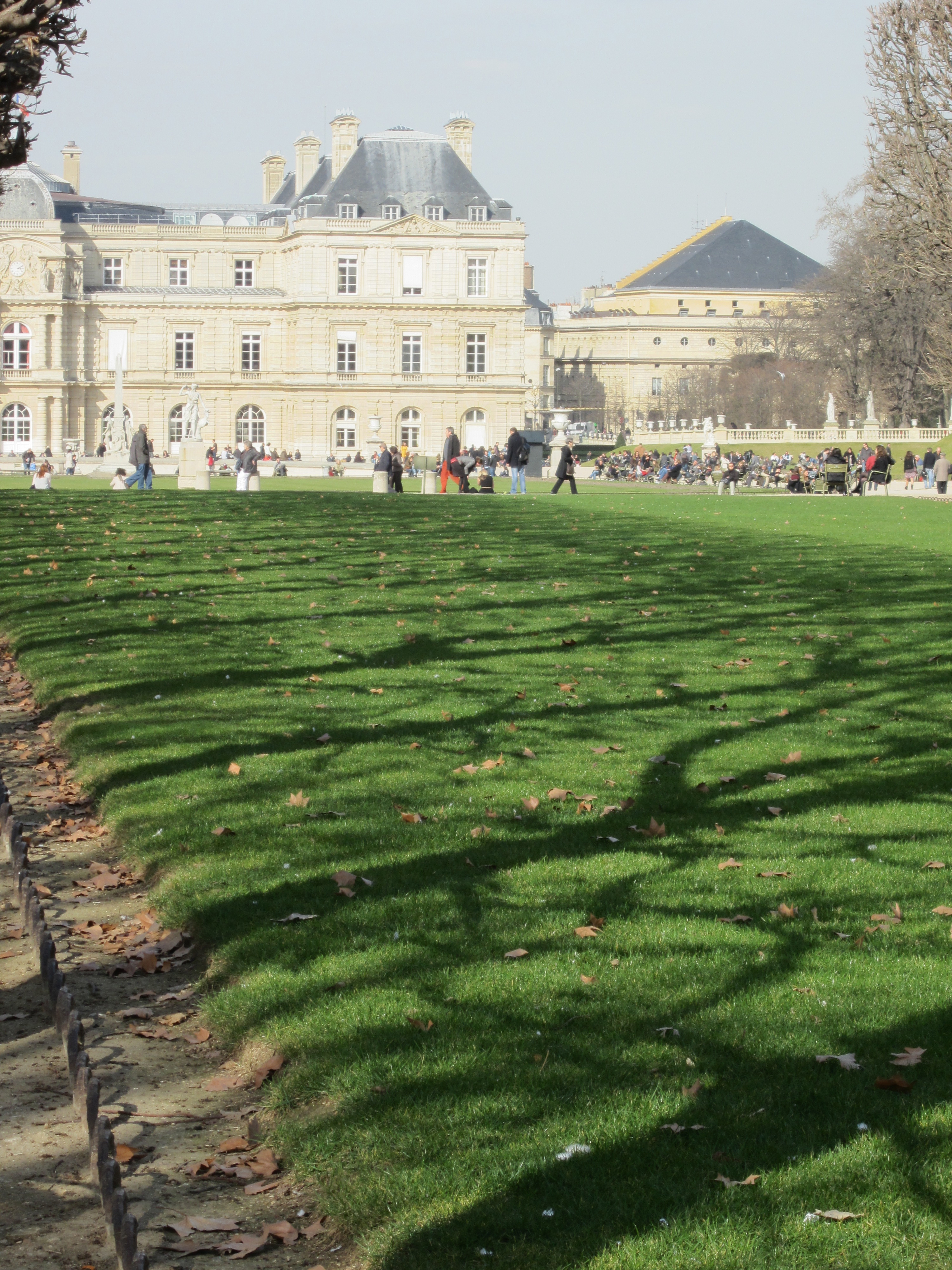
Hemingway tended to embellish the extent of his and Hadley's poverty during their Paris years. Ernest claimed that he sometimes killed pigeons in the Luxembourg Gardens and brought them home to eat. Hadley said that wasn't true.
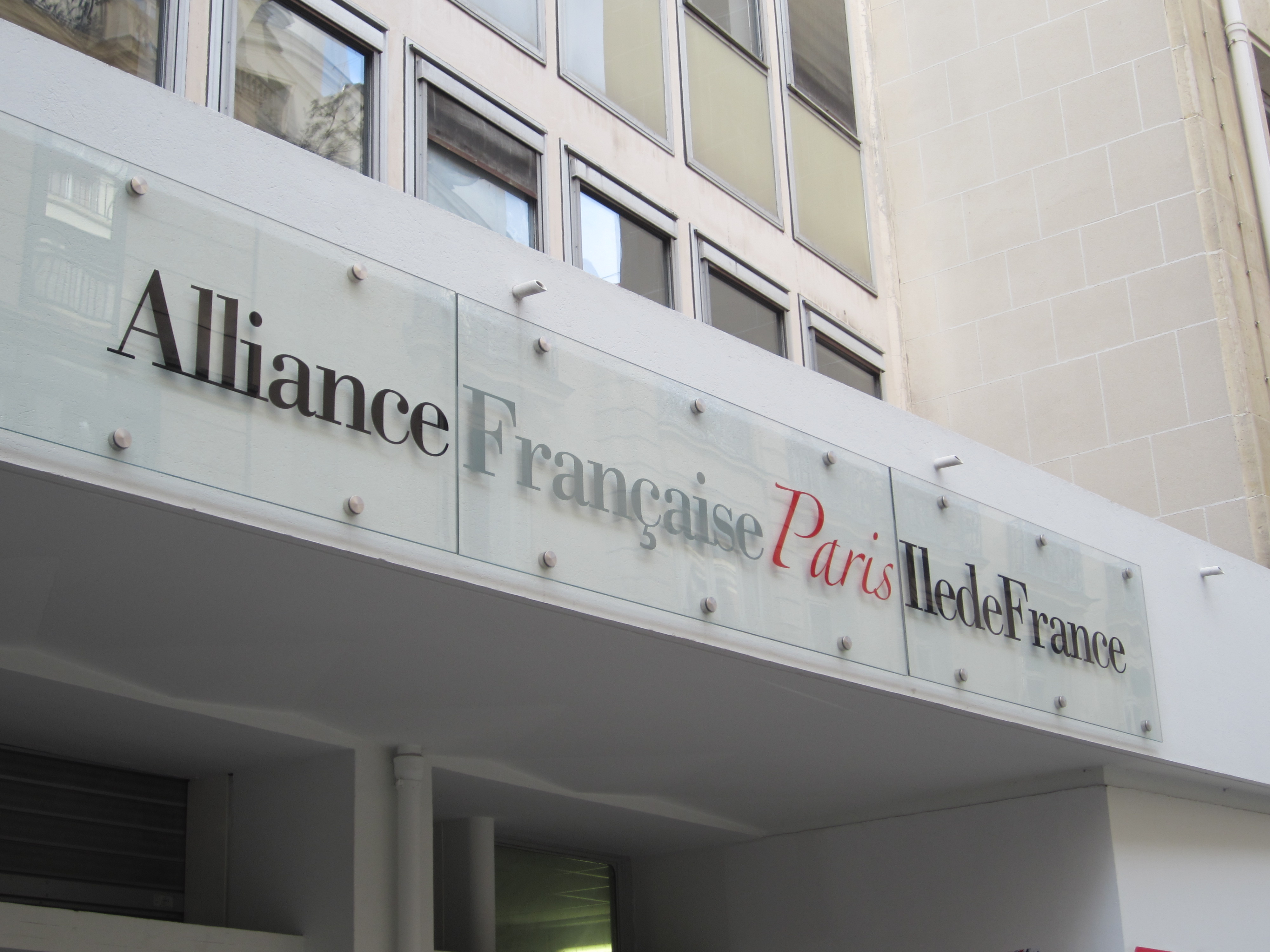
The site of Hadley's first post-separation apartment at 35 rue de Fleurus near boulevard Raspail. The building was torn down and the address is now a part of Alliance Française. Hadley and Ernest separated in August 1925 after it became clear that Ernest's affair with Pauline Pfeiffer would not just die out. When Ernest and Hadley first separated, he stayed in a studio loaned to him by Gerald Murphy on rue Froievaux, and Hadley stayed in the Hotel Beauvoir on avenue l'Observatoire. In October 1925, Hadley and Bumby moved in their solo apartment, which was only two doors down from Gertrude Stein.
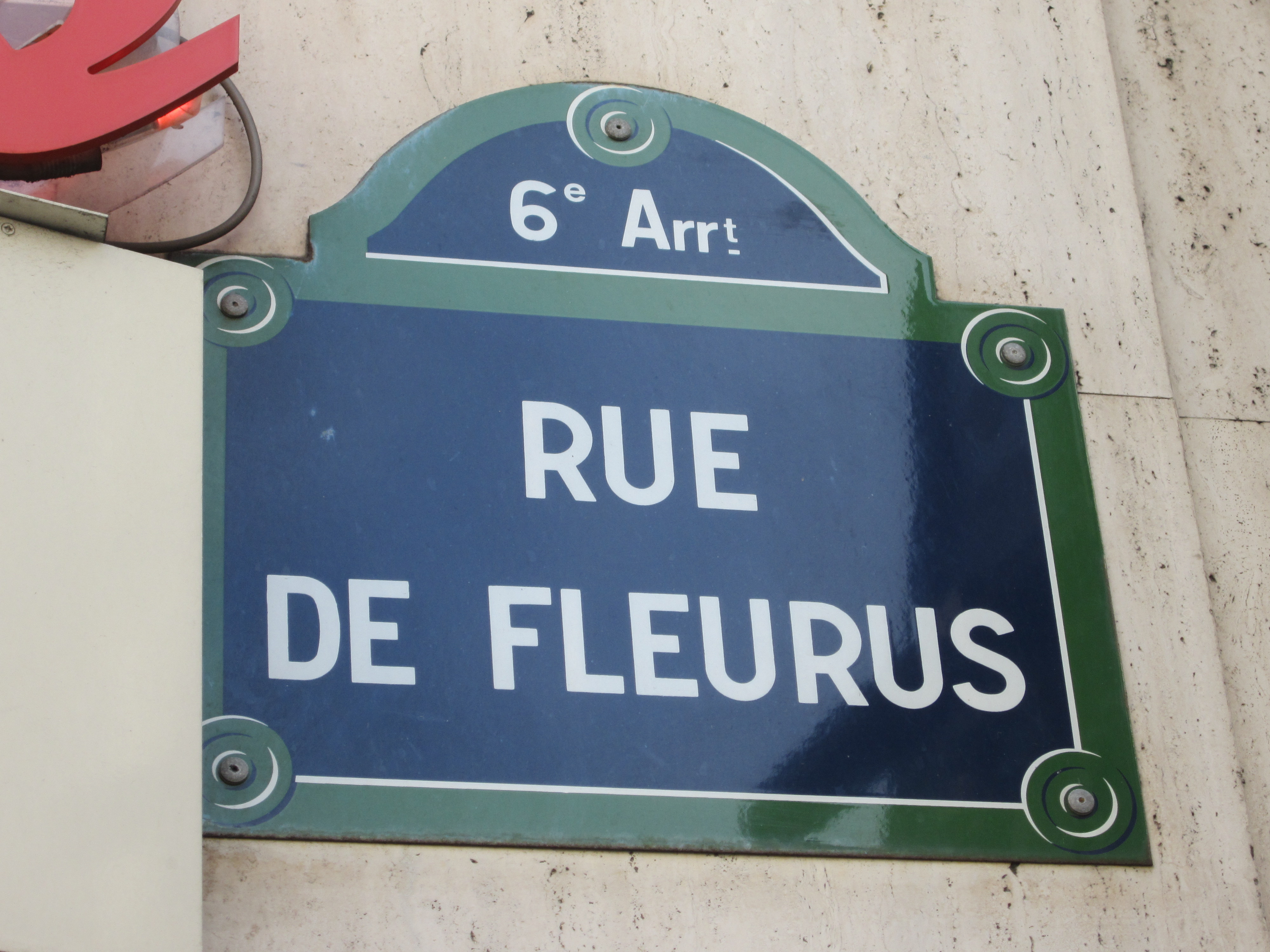
According to Gioia Diliberto, Hadley couldn't bear to go back to their sawmill apartment, so Ernest made several trips with a handcart in order to deliver her things to her on rue de Fleurus. He is said to have pushed the handcart "weeping down the street."
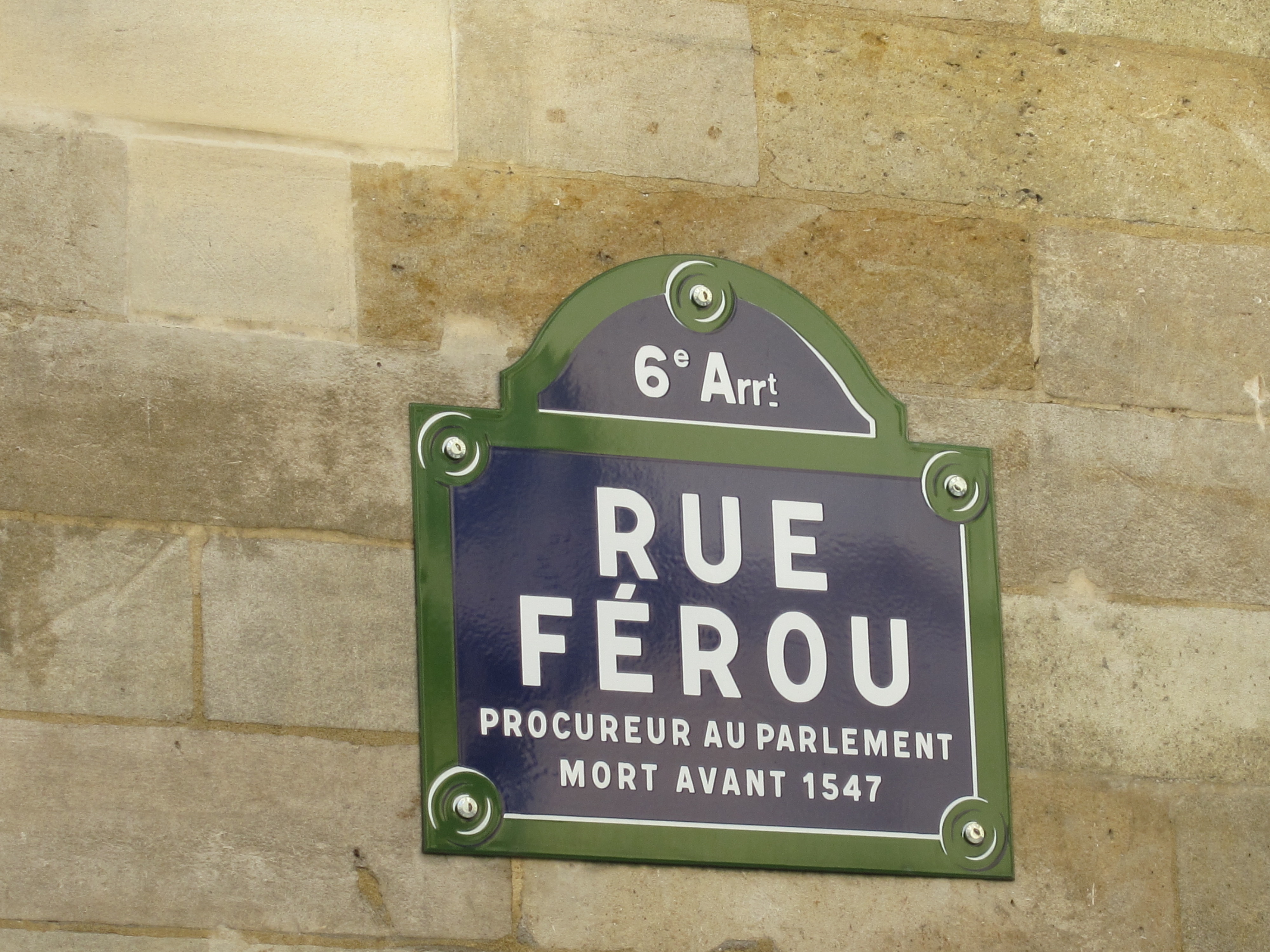
Ernest and Pauline marry in May, 1926 and move into a posh apartment on rue Férou, a quiet street that leads down from the Luxembourg Gardens into Place Saint Sulpice.
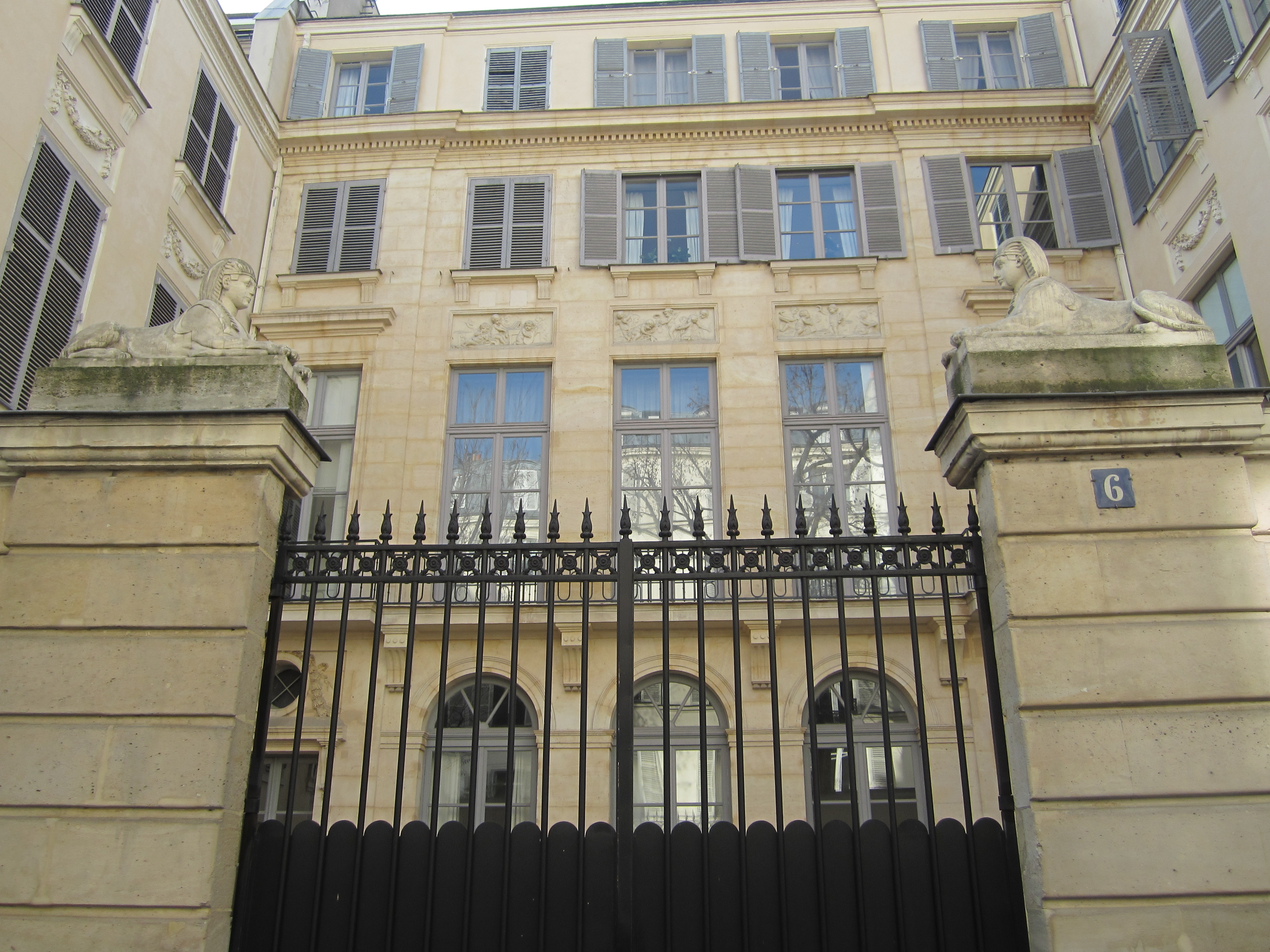
Ernest and Pauline's home at 6 rue Férou, which was paid for by Pauline's uncle. According to Gioia Diliberto, it was "lavishly furnished with antiques by the bride." Pretty obvious that Ernest is no starving bohemian anymore. Nevertheless, Hadley continued to have a friendly relationship with Ernest and Pauline, and often sent Bumby to stay with them here.

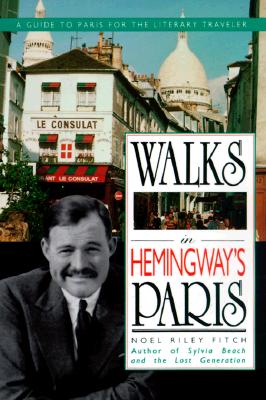
I would never have been able to piece together this Hadley Hemingway tour without the help of Walks in Hemingway’s Paris: A Guide to Paris for the Literary Traveler by Noel Riley Fitch, which I highly recommend. This guide is incredibly complete, and includes walking tours of Saint Germain, Montparnasse, L’Odeon, Hemingway’s Right Bank and more. I can’t imagine a better way to explore Paris.
A Day with Renoir

Dance at Le Moulin de la Galette, Renoir (1876), Musee D'Orsay

No matter how many times I go to the D’Orsay, this painting makes me stop and gawk. I just saw it again recently with my husband in tow. He encourages my painting and puts up with my “I-wish-I-could-do-that” kind of commentary. Standing in front of Dance at le Moulin de la Galette, I was awash in admiration: “look at the pink dapples of light on her dress!”

I forget, until I see the real thing and get to admire the brush strokes up close, how many colors Renoir uses for sunlight, and how effortless he makes it look. Was the light really reflecting pink that day, or was he just playing with his palette? My own art teachers are always urging me to see the light as it truly is, and not what my brain thinks it is. There is color all around us and we don’t even know it. There is purple in a tree trunk, pink in a skirt, blue under a chin. And Renoir seems to know this best of all.

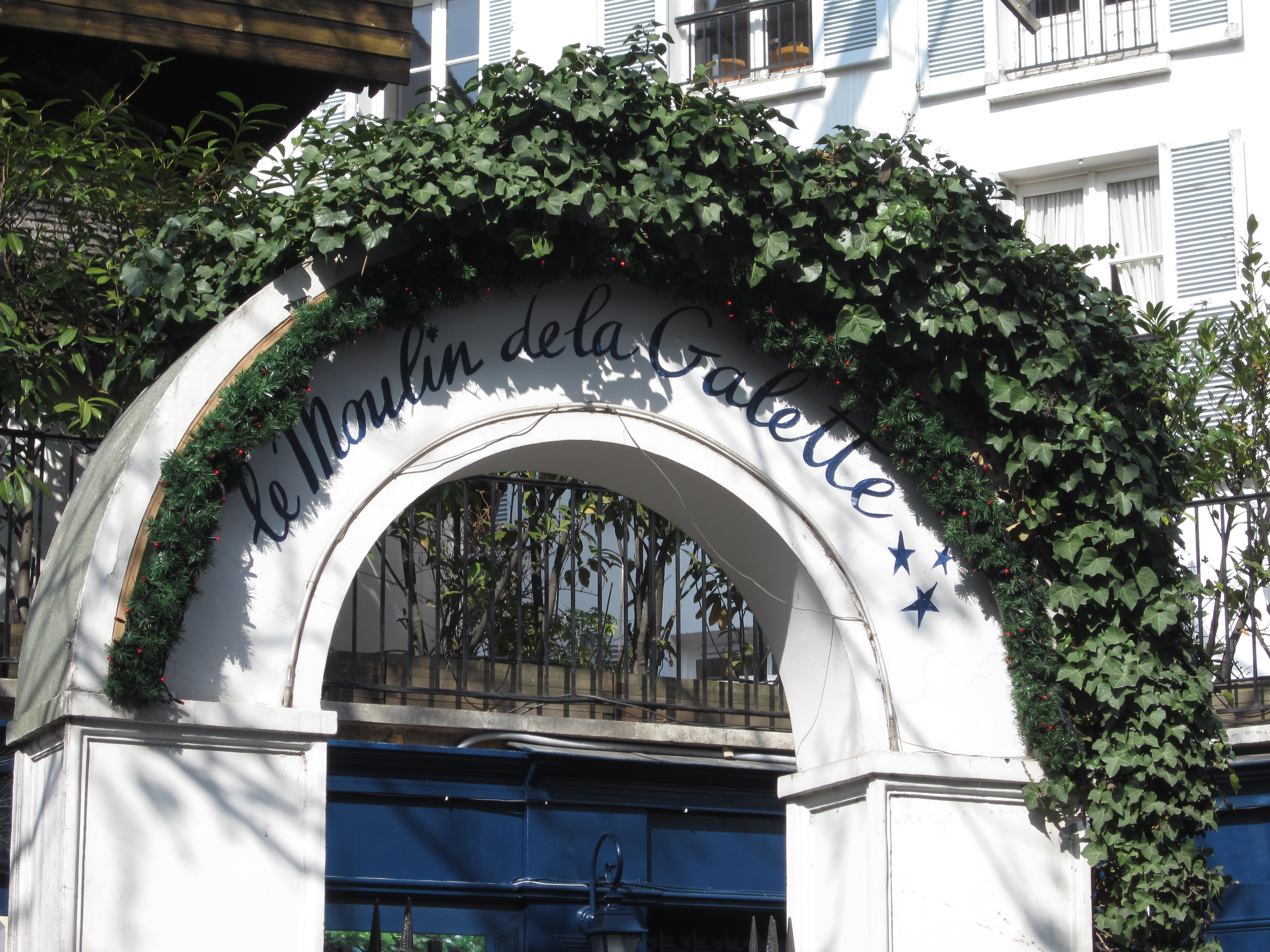
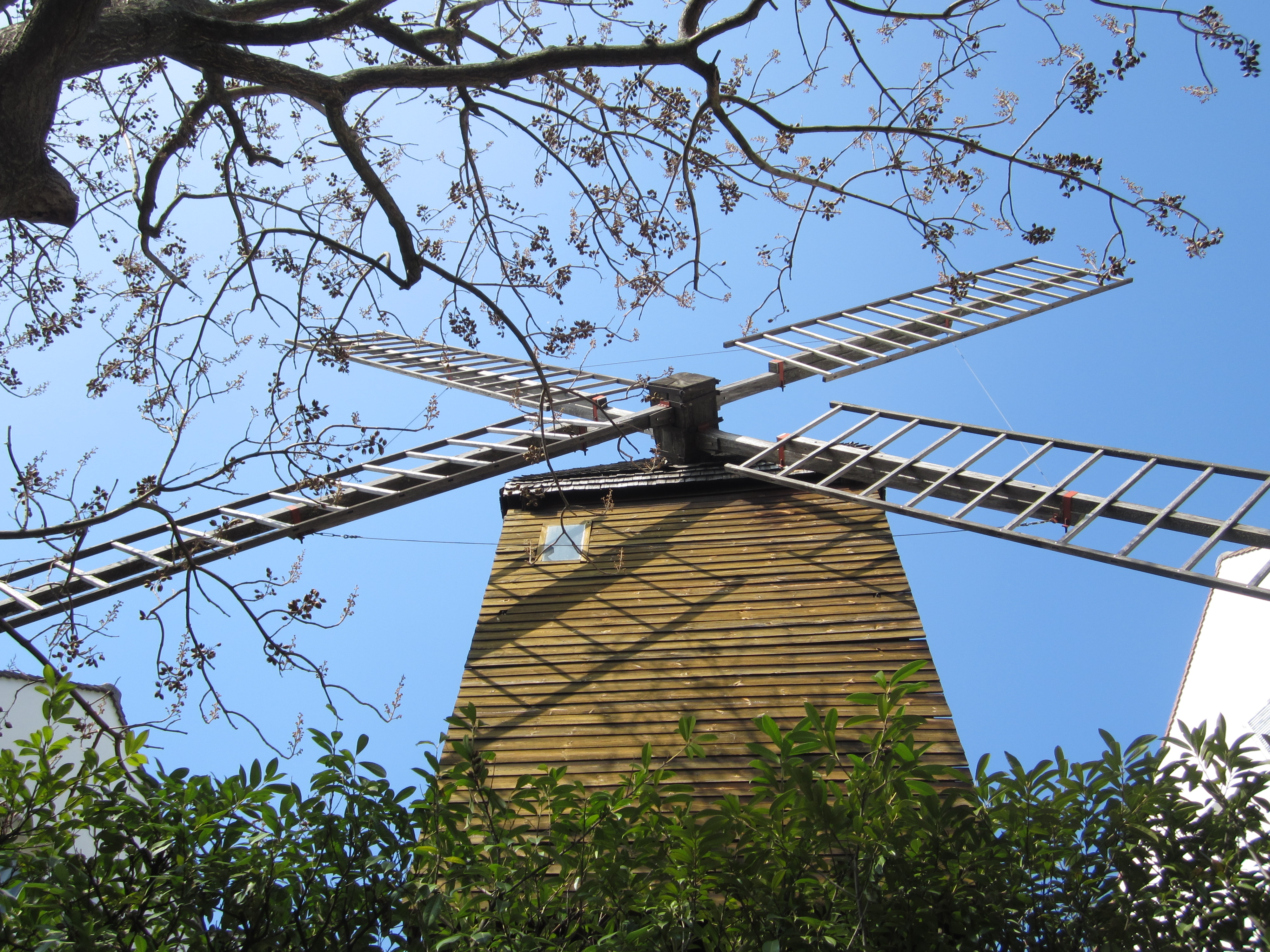
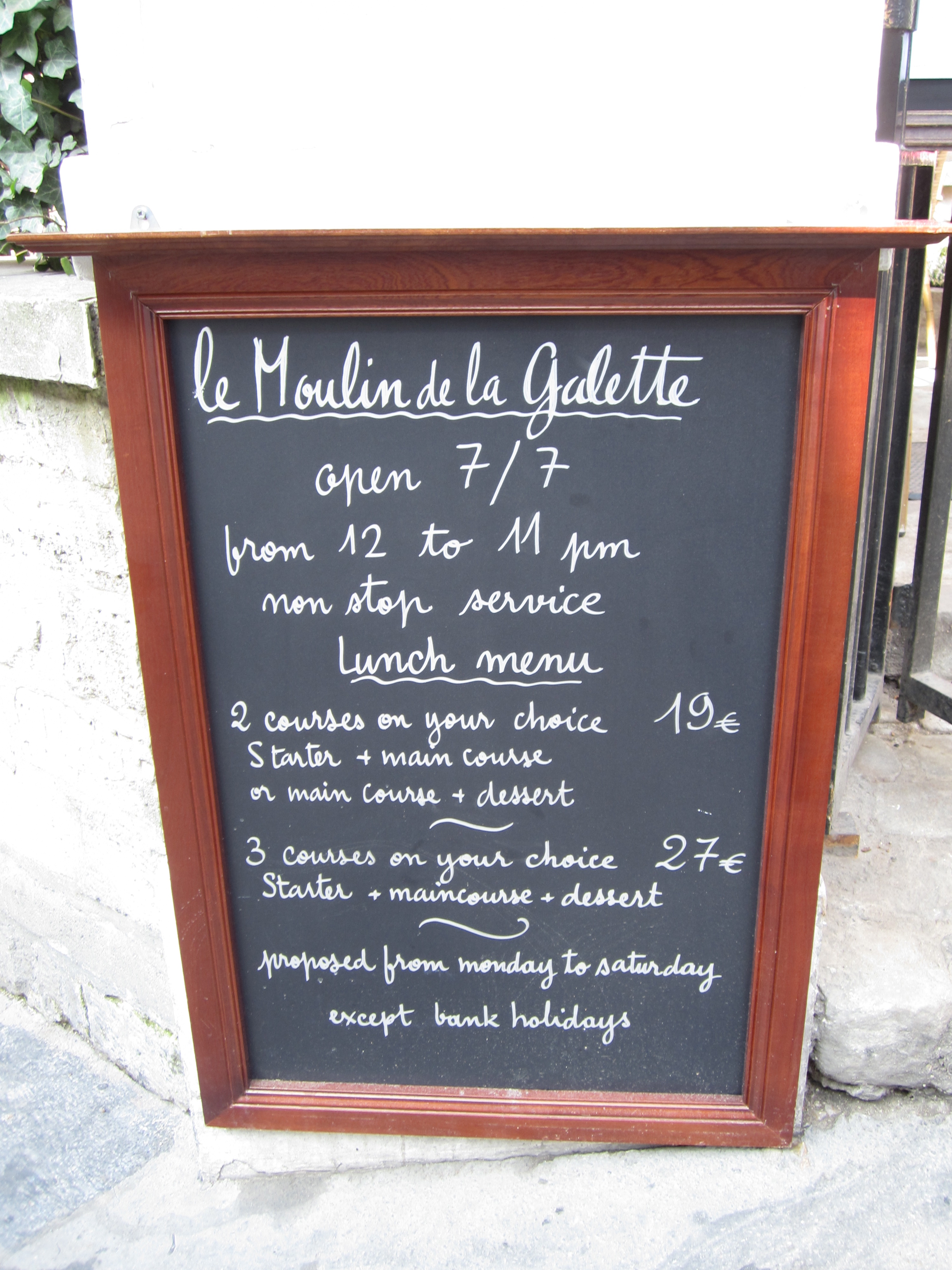
So I’ve been thinking of Renoir lately, with spring in all of its soft pastel colors breaking out in Paris. I decided to go visit the very place where Renoir painted this scene back in 1876, at the Moulin de la Galette in Montmartre. The windmill was relocated from the original site further up the hill where the real dance hall was located. The Moulin de la Galette is now a restaurant at 83 rue Lepic, with a lovely quiet outdoor terrace and an English menu board.
Renoir painted en plein air at the Moulin de la Galette on Sundays, when he had a little help from his his friends. Because it would be impossible to capture real people who were so busy moving and dancing, he asked his friends pose for him in small groups. Renoir had to drag the extra large canvas back and forth to his studio, which was located up the hill and a couple of blocks away from Moulin de la Galette. He had to grapple with the wet canvas – a future masterpiece – in the heavy winds on the butte.

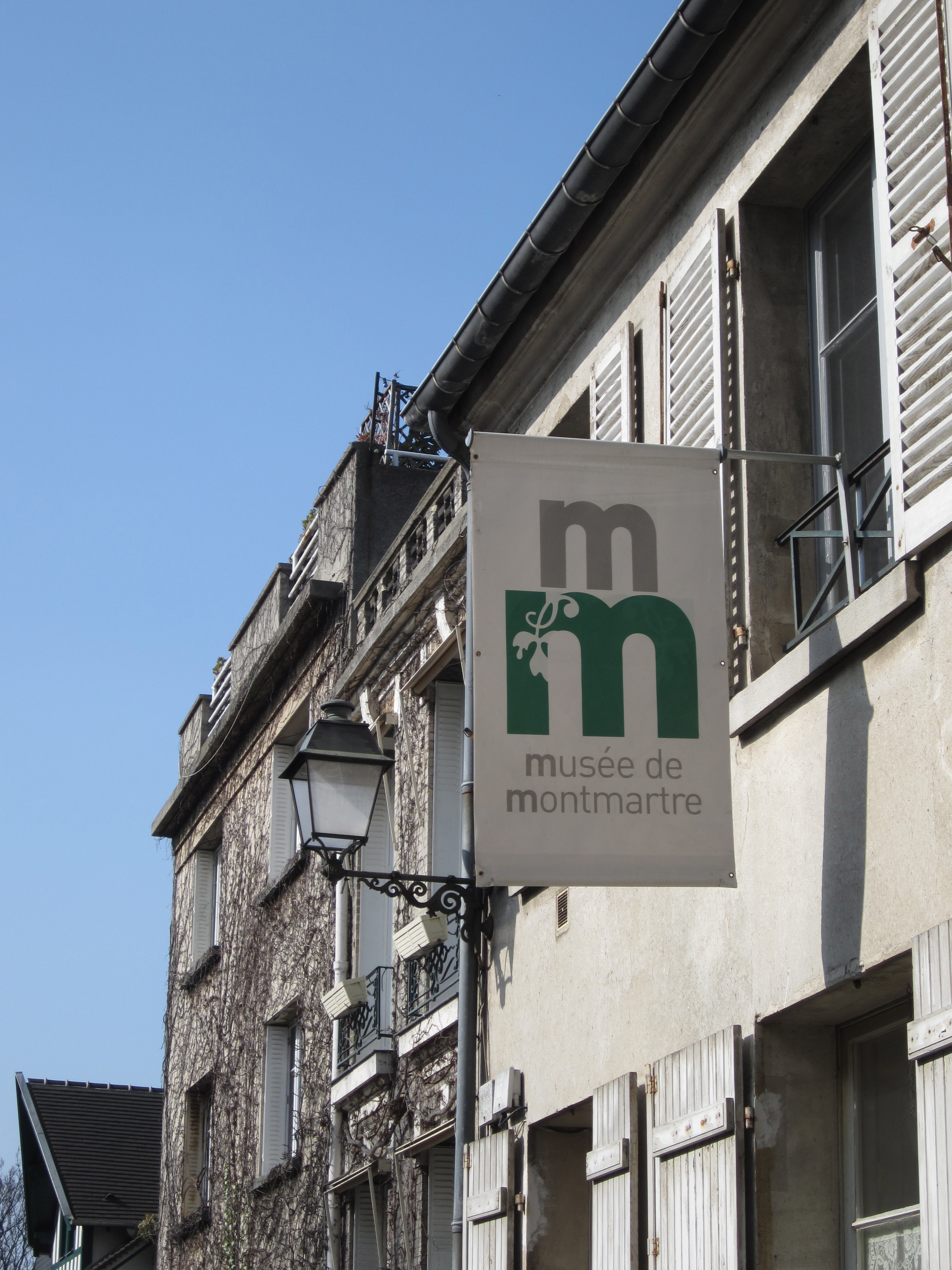
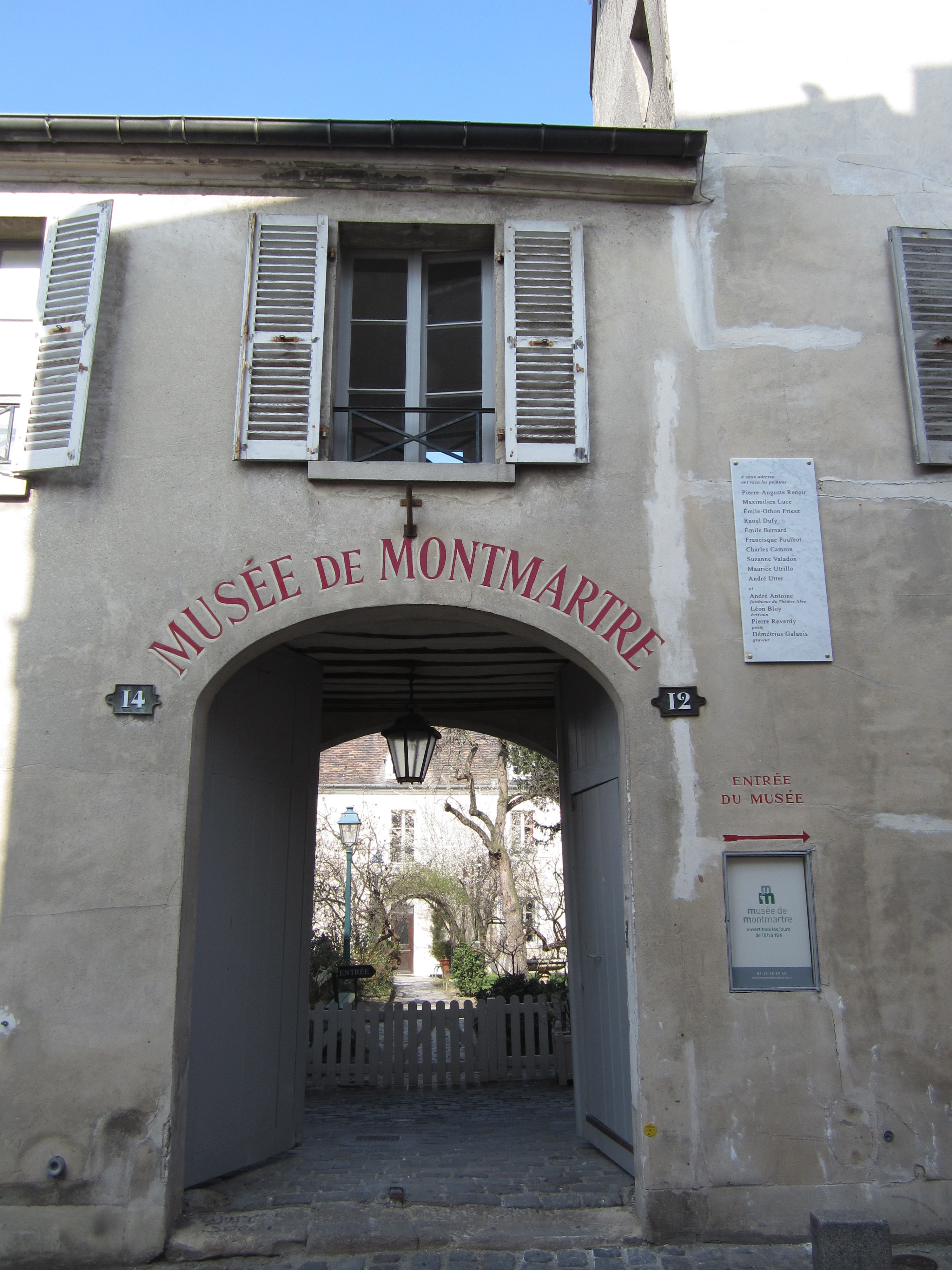
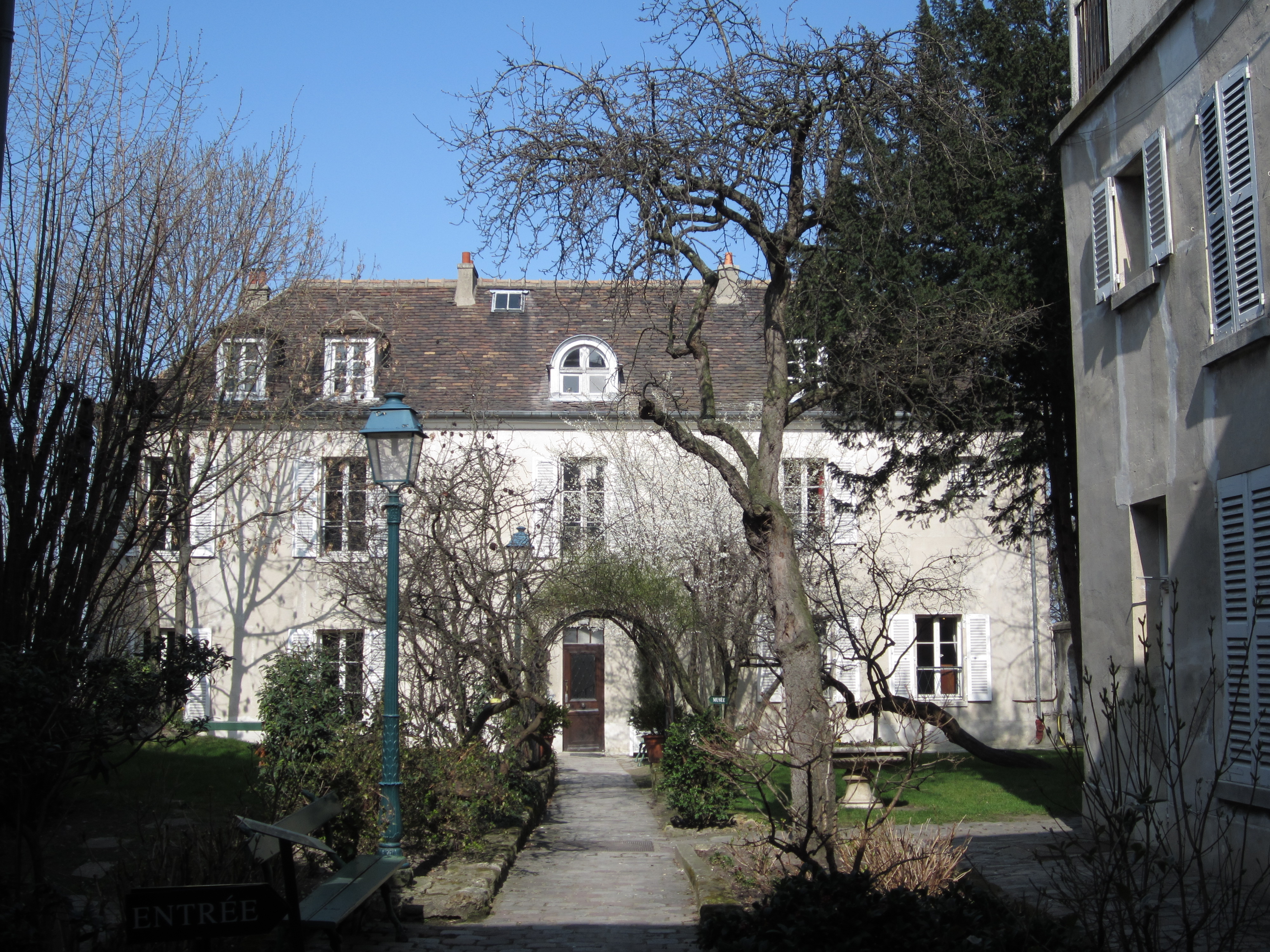
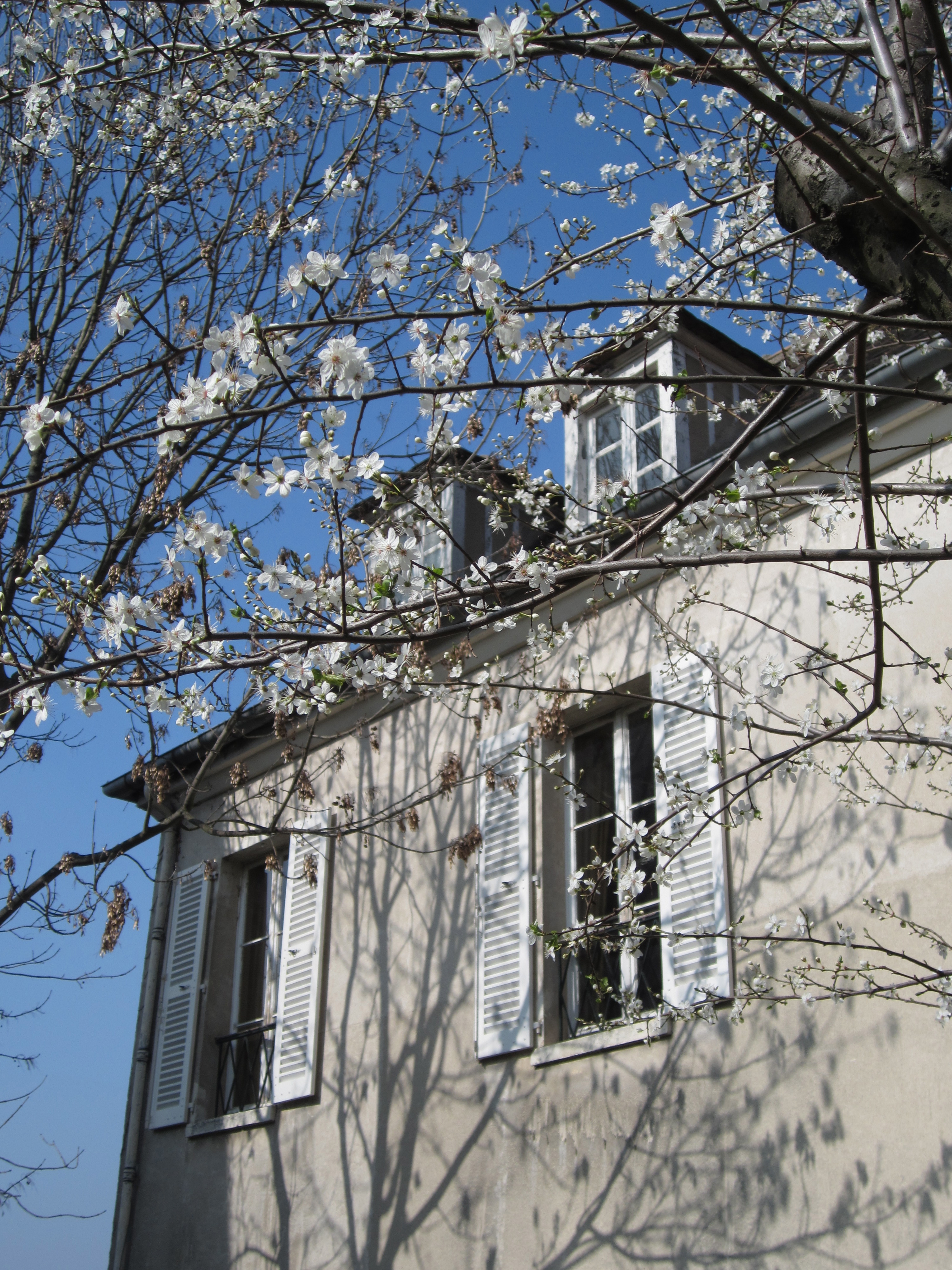
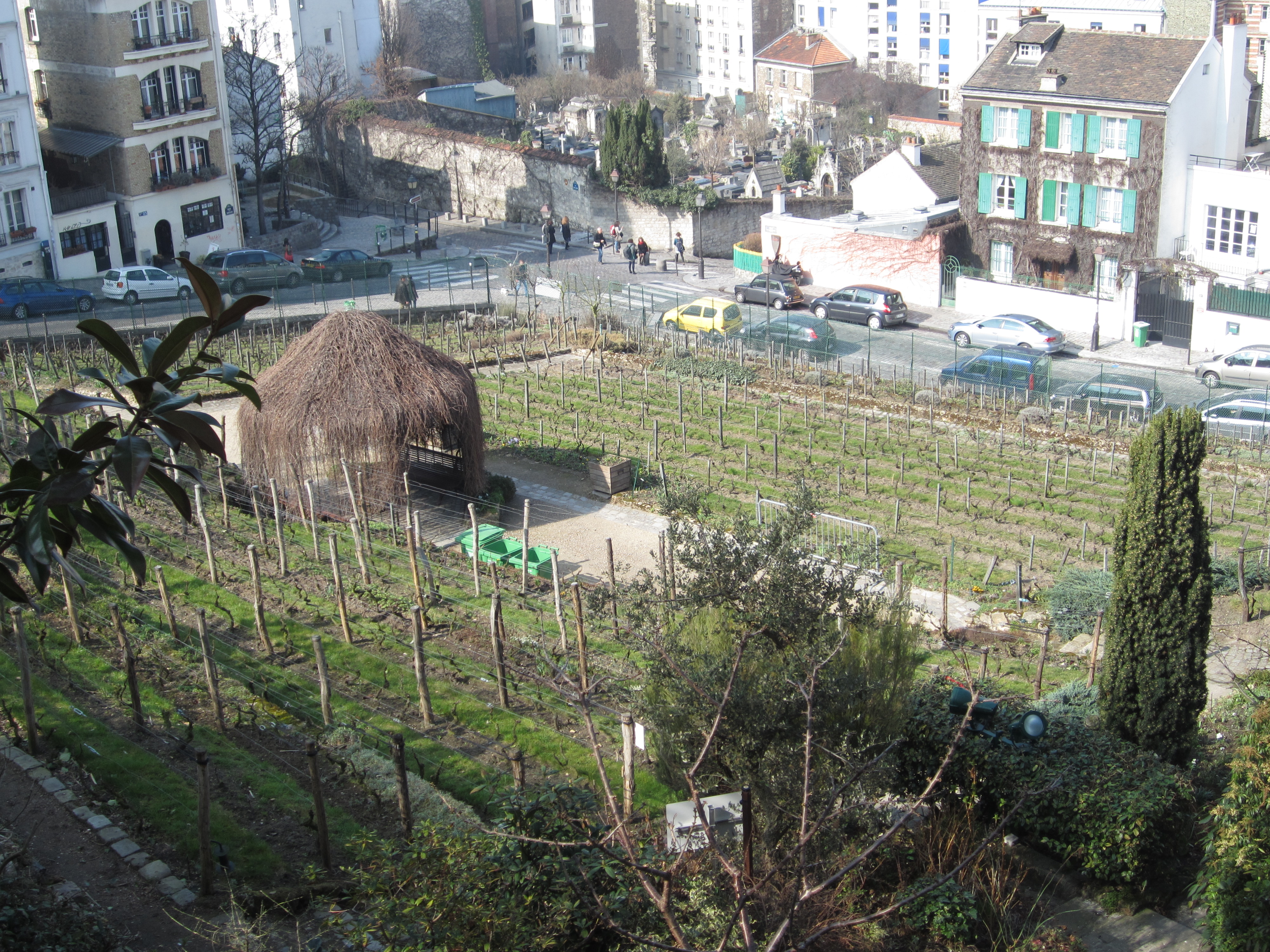
Renoir’s former studio is now Musee de Montmartre, 12-14 rue Cortot in Montmartre. The museum has a beautiful outdoor garden and courtyard, which happened to be in the earliest spring bloom when I was there. From the gardens, you can look up the hill toward Sacre Coeur, or downhill toward the Montmartre cemetery, the vineyards and Au Lapin Agile. The perfect place for an artist to live and create.

The view of the vineyards of Montmartre and Au Lapin Agile out the back window of Renoir's home

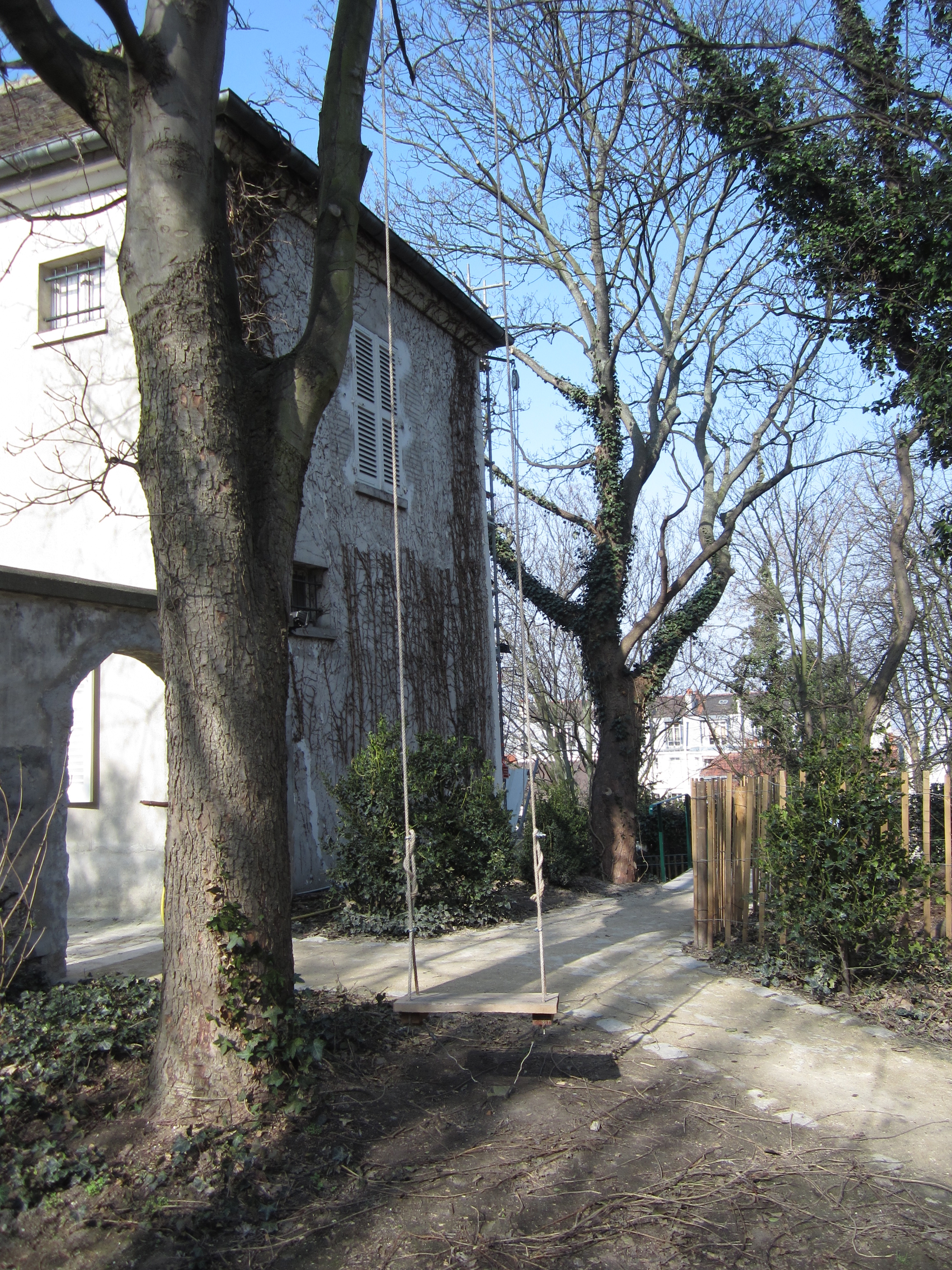
Pardon the bird poop, but this sign explains that The Swing was painted in this garden, where a replica of the swing still hangs from a tree.

I don't care if it's not the same swing from 135 years ago. I sat on it and still got goose bumps.

For more about Renoir, I recommend the book Luncheon of the Boating Party by Susan Vreeland, which tells the story behind another one of my favorite Renoir paintings. Maybe later this spring I will plan a day trip out to La Maison Fournaise in Chatou on the Seine, where Luncheon of the Boating Party was painted. Care to join me?

Coco Chanel: Sleeping with the Enemy

Sleeping With the Enemy is a bubble-bursting kind of book.

When most people think of Coco Chanel, they probably picture her like I used to, as played by Audrey Tautau in Coco Before Chanel (2009). Either a hard-working young thing from the provinces, or the ambitious and innovative fashion icon she became later in her life.

After reading Hal Vaughan’s 2011 book, Sleeping with the Enemy: Coco Chanel, Nazi Agent, a new image comes to mind, and it’s not good. At best, Chanel was a powerful woman who would do anything to survive, to succeed, and to walk away from the war unscathed. At worst? Chanel was an anti-semitic Nazi collaborator and morphine-addicted snob who not only slept with the enemy, but aided them.

U.S. Edition (2011)

Hal Vaughan’s book relies on documents from a variety of archives and other legitimate sources, including German files discovered in the Soviet Union. They show that Chanel had a long-term love affair with a Nazi spy, the handsome, aristocratic and half-British Baron Hans Gunther von Dincklage, known to his intimates as “Spatz.”  At the beginning of the Second World War, Chanel sought help to obtain her nephew’s release from a prisoner of war camp in Germany. Spatz was the perfect string-puller. It didn’t take long until the two formed a long-lasting romantic alliance.

Chanel’s relationship with Spatz enabled Chanel to keep living in luxury in the midst of war. Although Chanel initially departed for Vichy, France, Spatz called in a favor with the German High Command and they invited Chanel to move into the Cambon wing of the Ritz as the Nazi’s “Privatgast.” Chanel’s new rooms weren’t quite the same as her old suite facing Place Vendome, but they would do.

While other Parisians suffered through severe food rationing during the long, desperate years of occupation, Chanel sipped champagne with the top German officials who had taken over the Ritz. Chanel and Spatz dined at Maxim’s, went to black-tie affairs at the opera, and attended glamourous dinner parties at the German Ambassador’s residence on the Left Bank.

But of course, there was a price to be paid for Spatz’s favors. And it appears Chanel had no trouble paying it. Chanel and Spatz traveled to Berlin to meet with with a top SS intelligence chief, and Chanel became German Secret Agent F-7124, code name “Westminster.” If Vaughan’s book has a weakness, it is here, where he seeks to explain the nature of Chanel’s missions on behalf of the Germans. It is not entirely clear what specific traitorous acts she performed against the interests of the French people. Nevertheless, it is perfectly clear that Chanel was a pro-German collaborator who was not quiet about her dislike for Jews.

Chanel didn’t just nod when other people said bad things about Jews at German dinner parties. She spouted quite a bit of venom herself. But even worse, she actually tried to use anti-semitic laws to fight for the ownership of Chanel No. 5. Back in 1924, Chanel had sold her highly successful perfume line to the Jewish Wertheimer family, and  she wanted it back. Spatz introduced Chanel to the senior Nazi official in charge of the “Aryanization” of Jewish property in France, and he helped her try to wrestle the control of Chanel No. 5 away from the Wertheimers. However, the Wertheimers were prepared and had already placed the company into a trust. For once, Chanel did not succeed.

It is still a mystery how Chanel was ever able to avoid arrest and prosecution after the war. According to Vaughan, a case was opened against her and she appeared for an interrogation, but the case went nowhere. The rumor is that Winston Churchill intervened on her behalf. Chanel slipped out of France and headed straight to Switzerland, where she spent several more years living with Spatz.

Chanel made a huge comeback in Paris in 1954. She was in her 70’s and the French didn’t wanted to be reminded of who did what in the the war. She died in her rooms at the Paris Ritz in 1971, the past varnished over. She was a fashion icon worth over $54 million. And the brand lives on.

Despite everything I learned from Vaughan’s book, and I was still interested in going on the Paris Walks Fashion Tour, which I did just this week. The tour guide was well informed about Chanel’s past, and offered a middle-of-the-road, no-one-really-knows interpretation of Chanel’s role with the Nazis. The tour guide shared a particularly interesting quote. When asked about her relationship with Spatz, Chanel supposedly said: “At my age, I’m so happy to have a lover, I don’t ask for a passport.”

In any event, here are some photos from the Paris Walks Tour, which I highly recommend.

And just in case – like me – you don’t have the right credentials to get on the Chanel VIP list for current tours of Chanel’s apartments, at least we can enjoy the photos of someone who does. Check out this story from the Guardian, complete with eye-popping photos of Chanel’s glamorous lifestyle on rue Cambon.

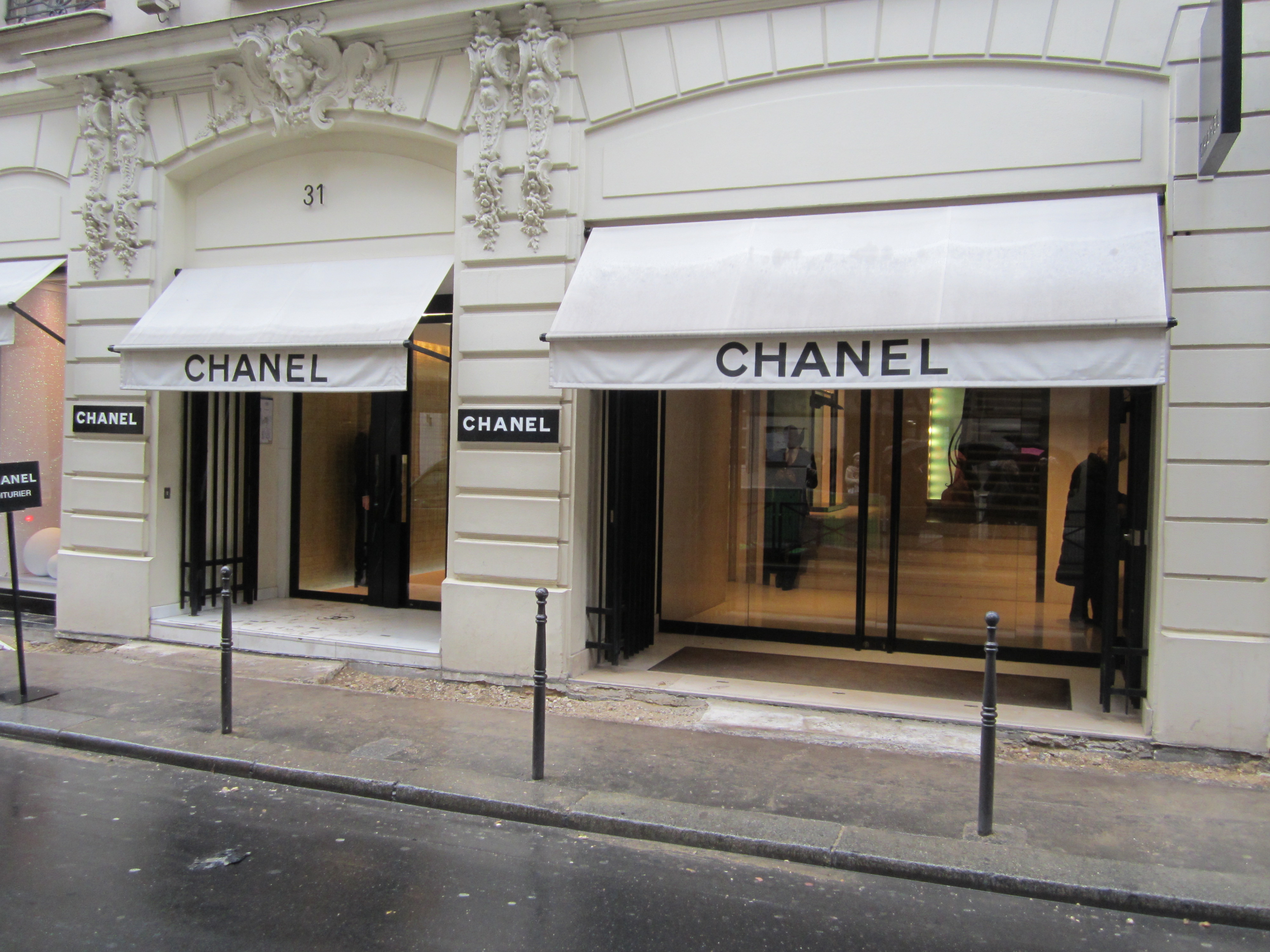
The flagship Chanel boutique at 31, rue Cambon in Paris. Chanel had apartments above the boutique where she entertained her clients, but she did not sleep there. She slept at her apartment in the Ritz, just across the street.
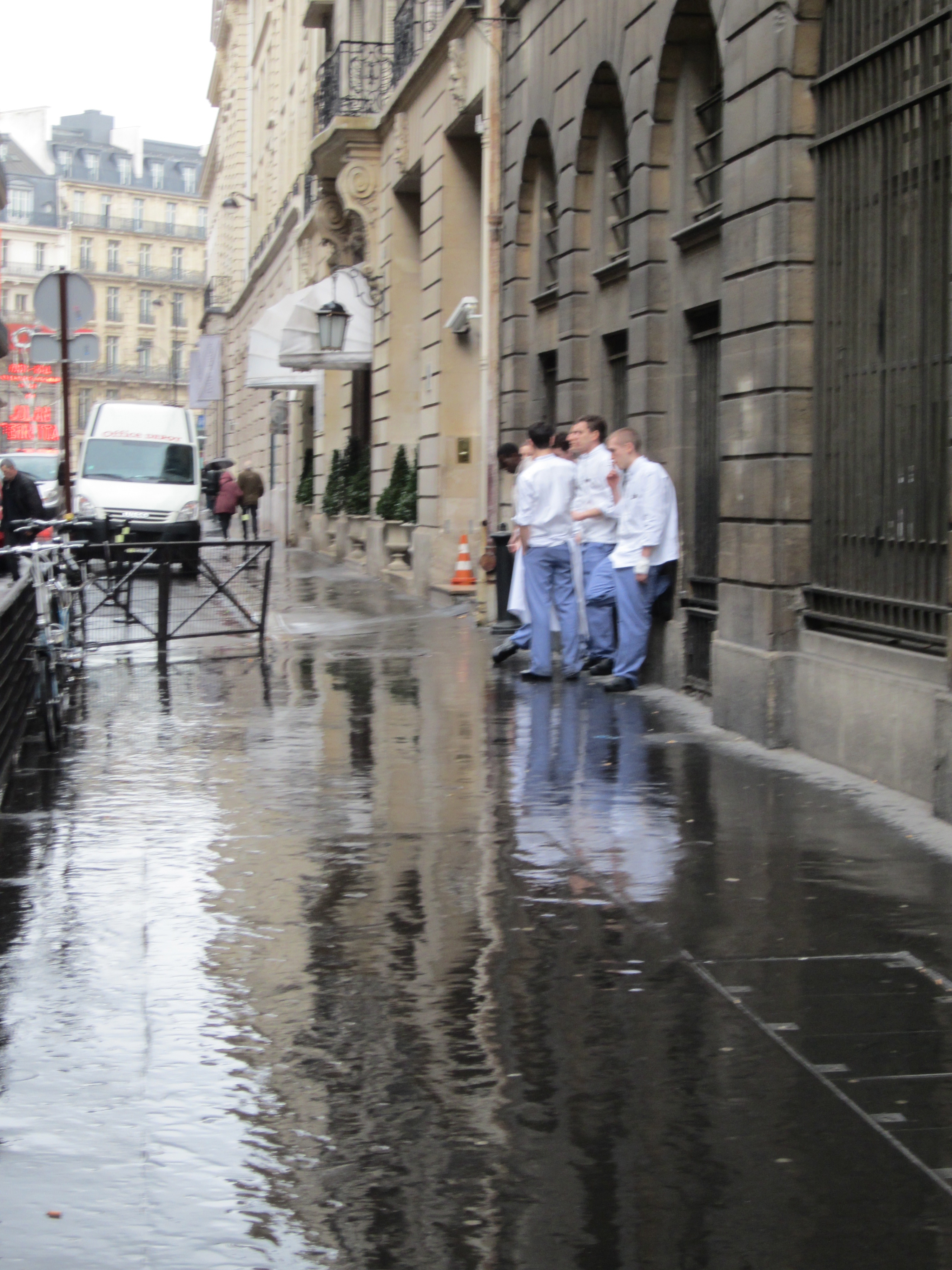
The back entrance to the Ritz on rue Cambon. Chanel's apartments during the war would have overlooked this street.

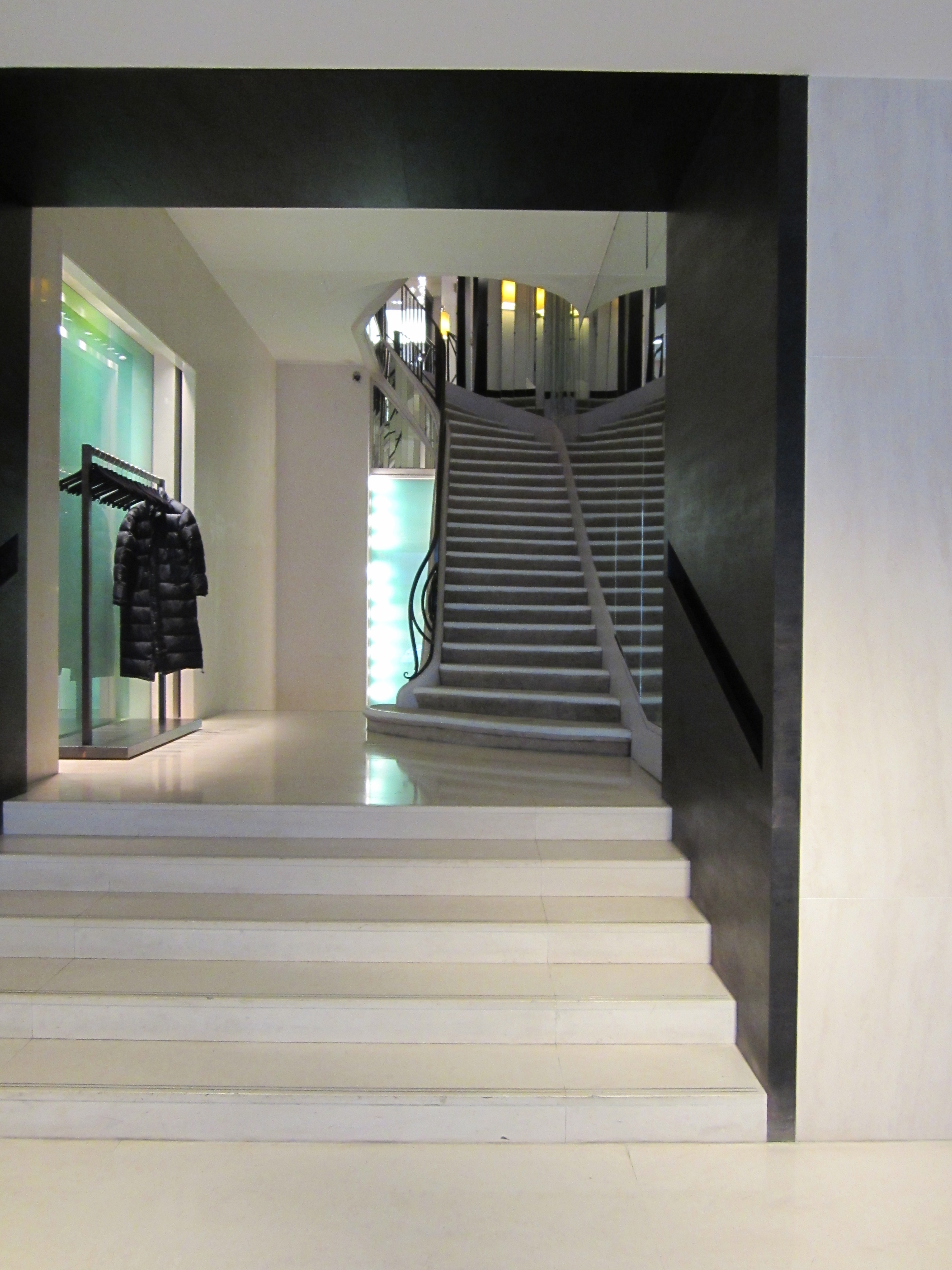
The famous mirrored staircase leading up from the boutique to Chanel's private apartments. Picture Spatz and Chanel here.

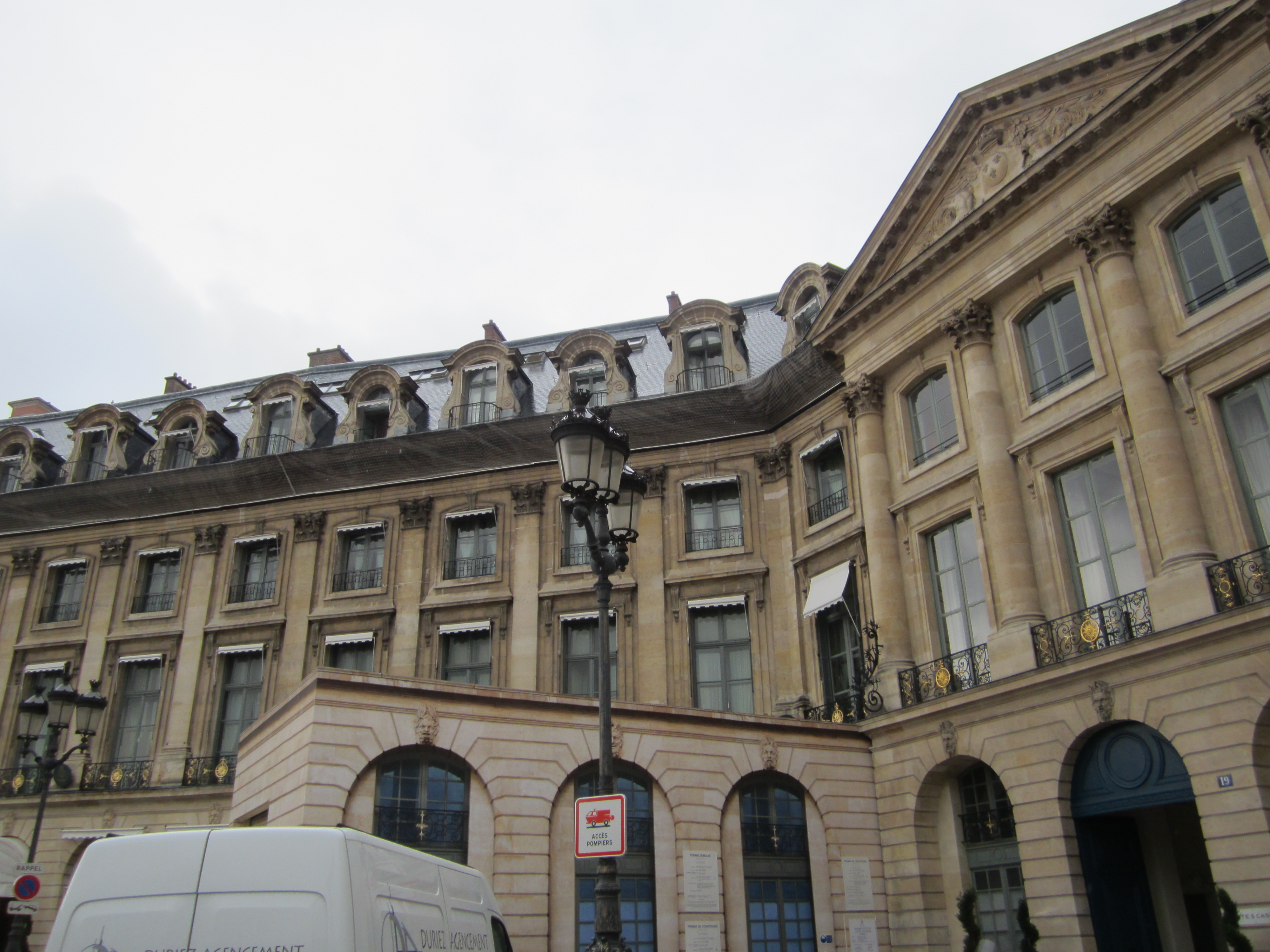
Chanel's suite at the Ritz before WWII, facing Place Vendome. It can be yours now for only 8,500 Euros per night. (Hopefully without any smoke damage from the recent garage fire!)

The Last Nude: A Literary Tour of Paris

The Last Nude by Ellis Avery is a perfect Paris read.

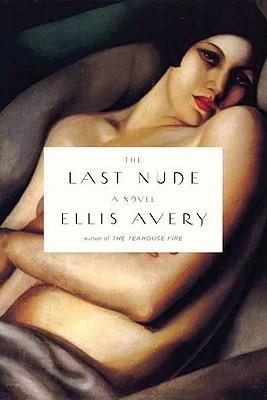
Set in the glamourous 1920’s Paris art world, it tells the story of the real-life Art Deco painter Tamara de Lempicka through the eyes of her lover, model and muse, the Italian-American Rafaela Fano. One of de Lempicka’s portraits of Rafaela (“The Dream”) graces the cover of the book.

For more about the book, check out the author’s interview with NPR and in Public Culture.


There are so many Paris treats in this book, from the original Shakespeare & Co., to houseboats on the Seine, to a character modeled after Ernest Hemingway, that I just couldn’t resist planning my own Last Nude Literary Tour of Paris. I’ll be sharing some of my photos and impressions from my tour over the next week, along with a sneak peek into a deleted excerpt from the book.
Tamara de Lempicka’s Fictional Apartment and Studio:

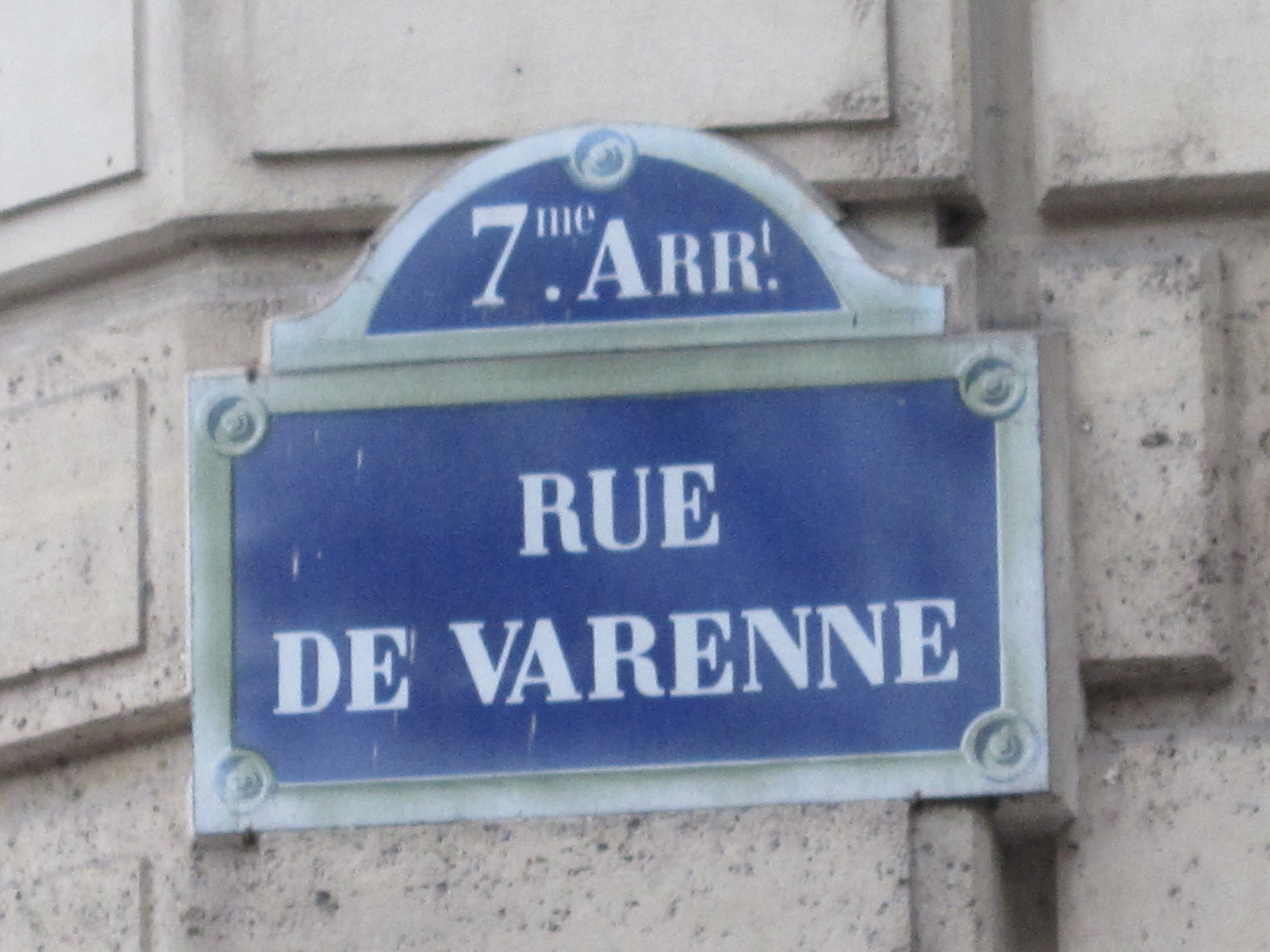
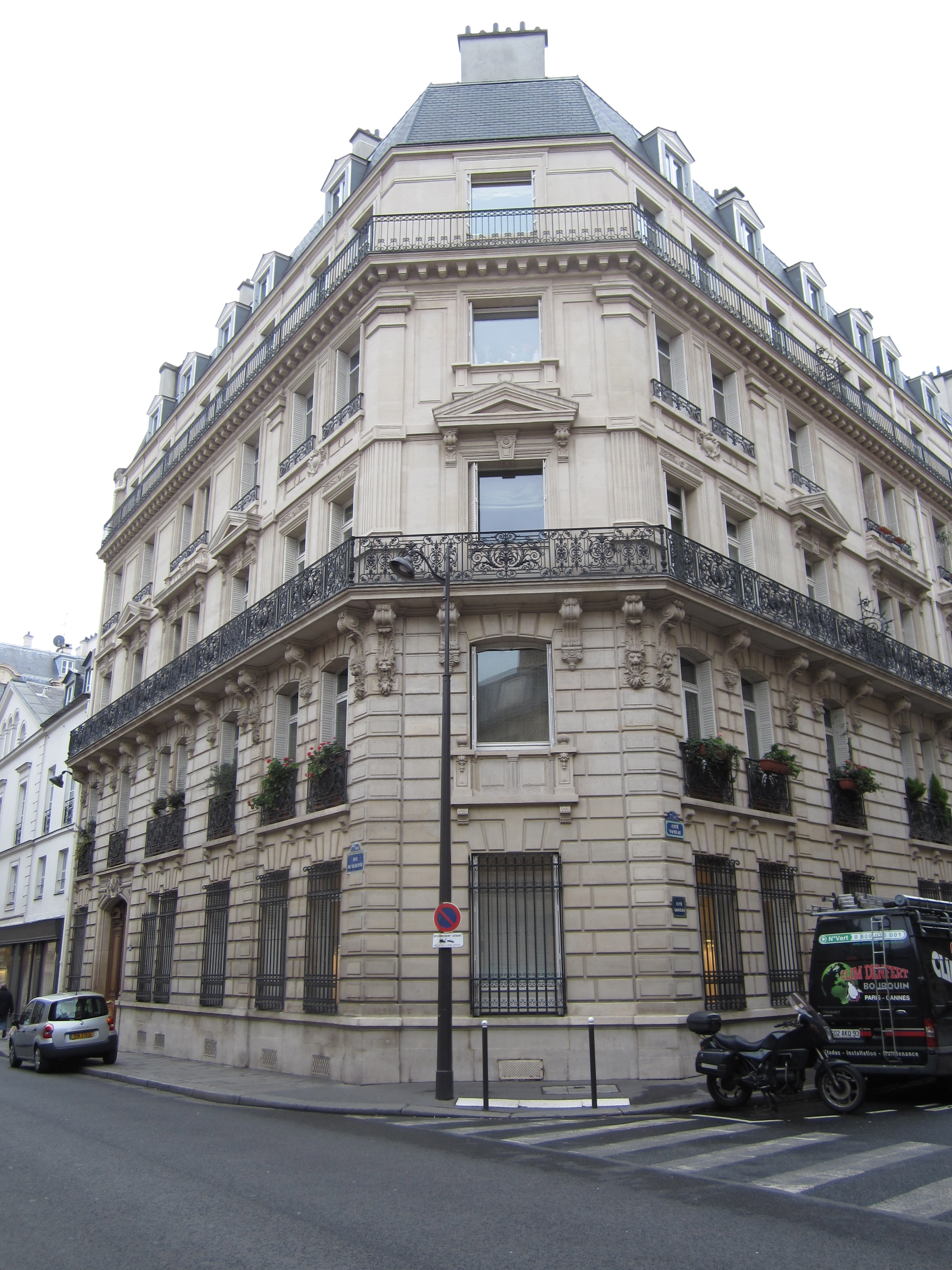
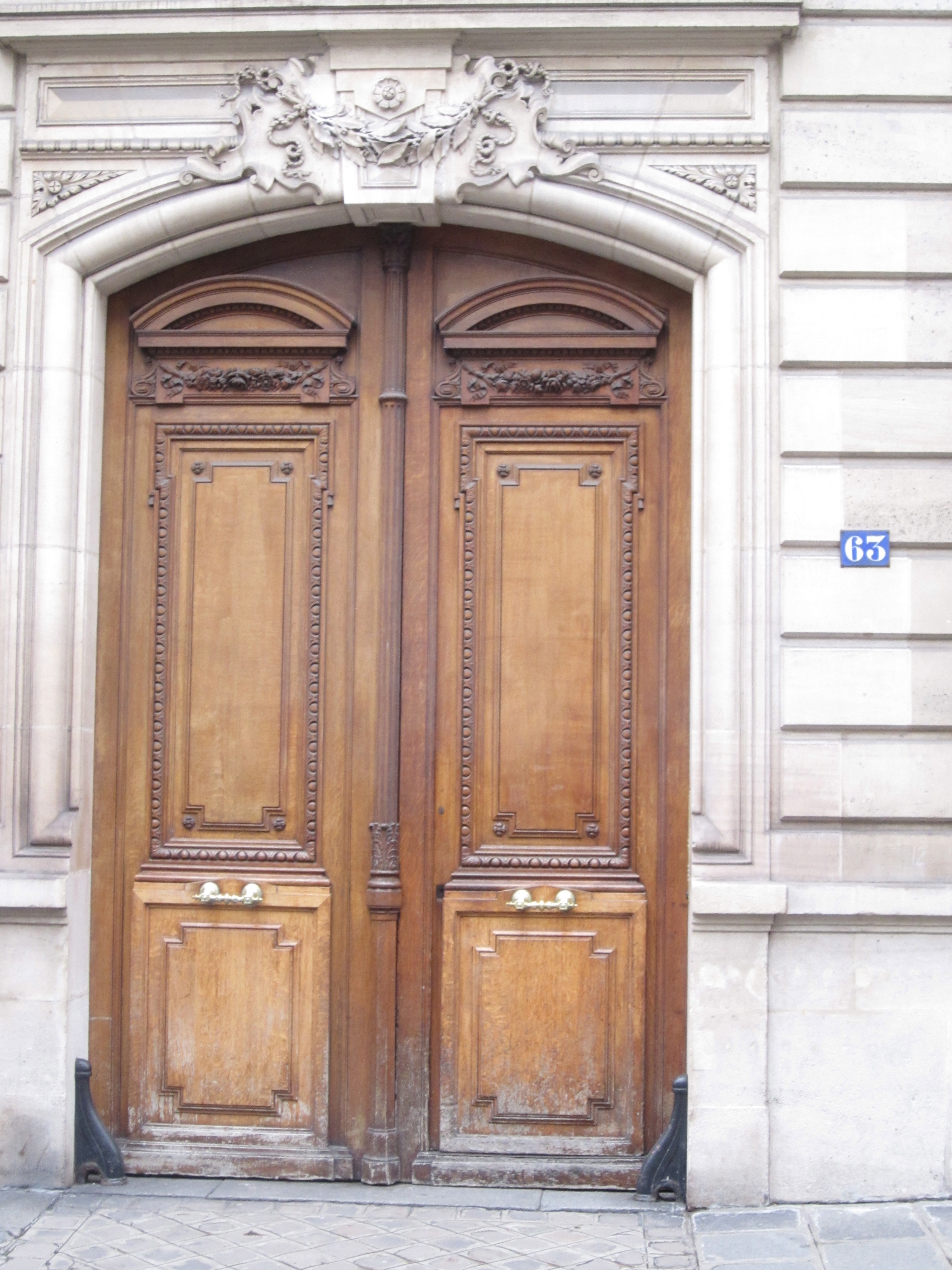
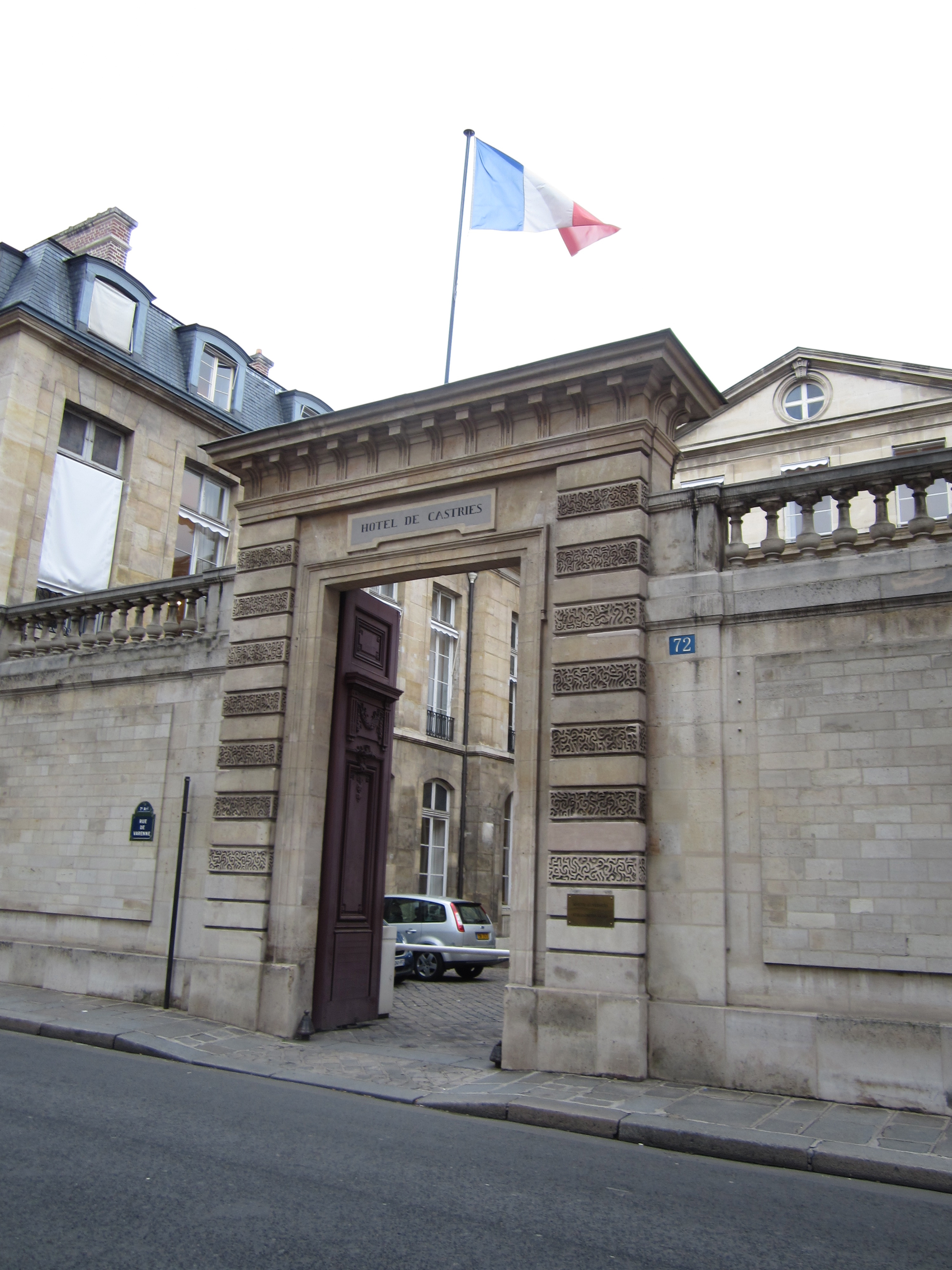
Tamara de Lempicka’s fictional apartment and art studio stands at 63 rue de Varenne in the 7th arrondissement on the Left Bank. Ellis Avery states that she selected this site because it would have had good northern light for painting. The address is directly across the street from the low-slung Hotel des Castries. It also happens to be down the street from one of the Paris homes of Edith Wharton at 53 rue de Varenne. What a lovely make-believe address for Tamara, a wealthy Russian aristocrat who enjoyed mingling with the champagne-sipping art collectors of Paris.
Corner of Varenne and Vaneau

Doorway to 63 rue de Varenne

Hotel de Castries

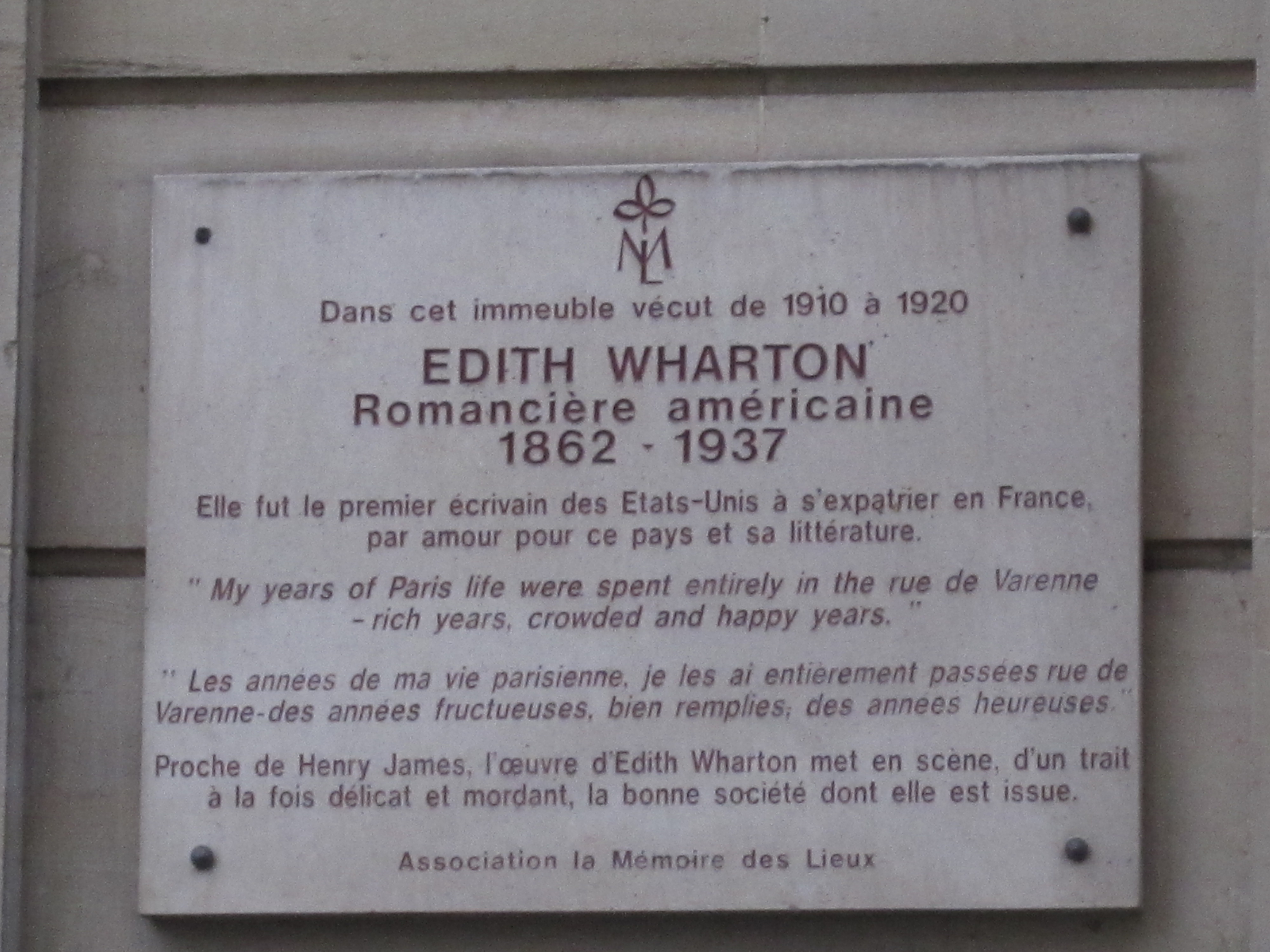
Edith Wharton Plaque at 53 rue de Varenne


Tamara’s Real Life Paris Home

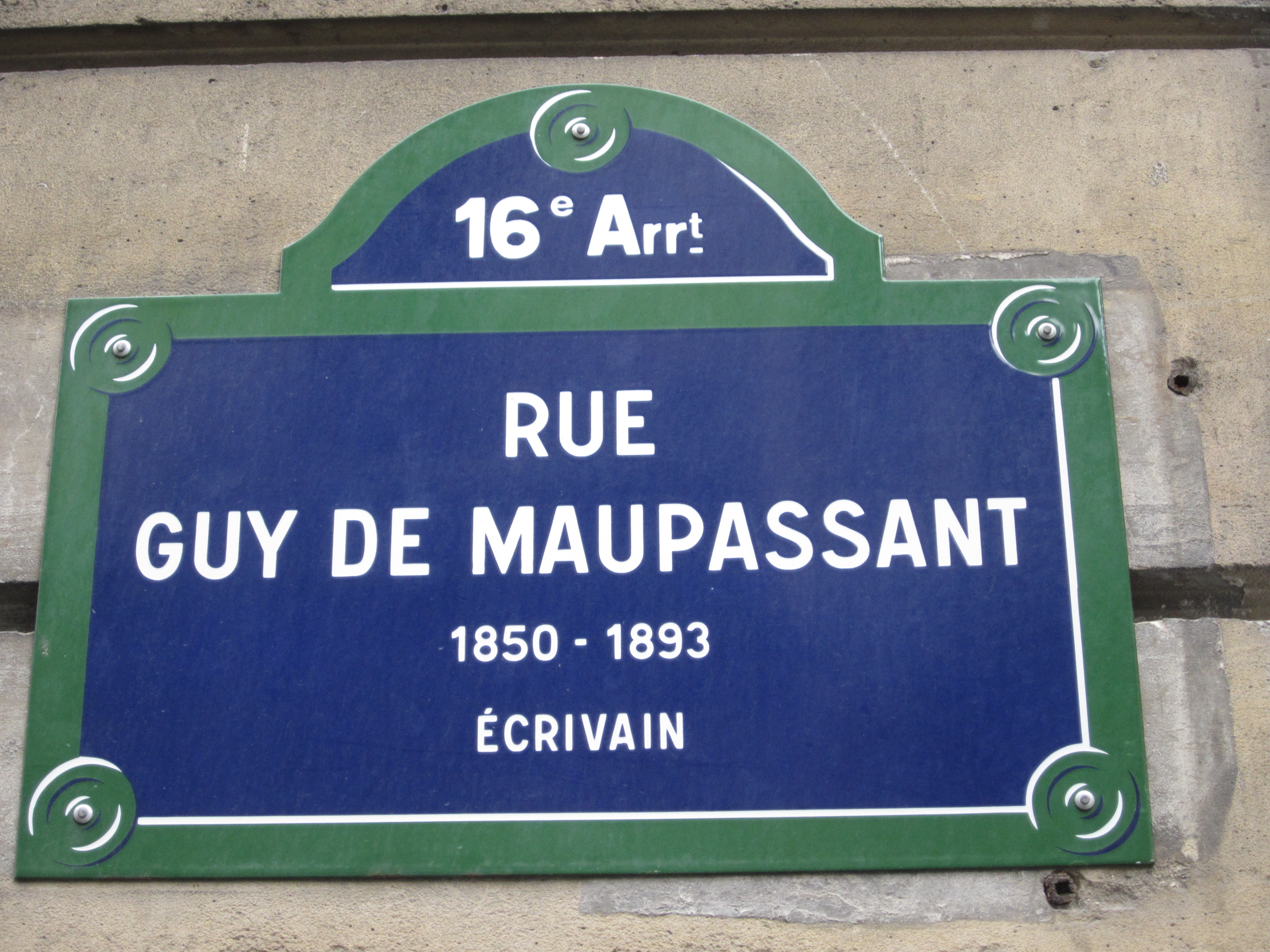
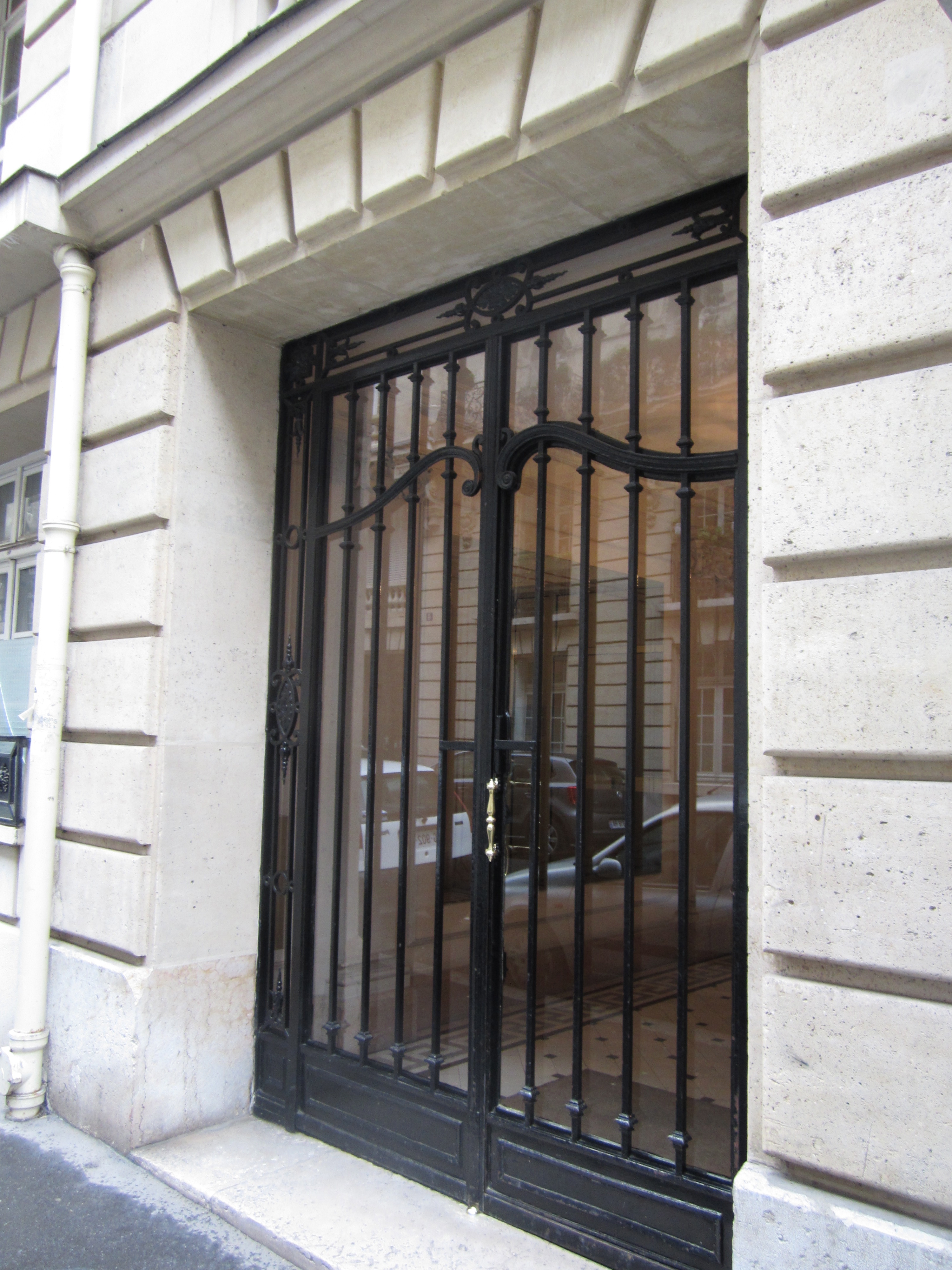
In real life, Tamara de Lempicka moved from St. Petersburg to Paris with her first husband in order to escape the Bolshevik revolution of 1917. They had one daughter and were soon divorced. Tamara first lived at 5 rue Guy du Maupassant in the 16th, then at 7 rue Mechain in the 14th, in a building she herself designed. I enjoyed taking an afternoon to walk through the La Muette area of the 16th, a very posh area full of bustling bistros and beautiful apartment buildings. Check out the nice lines of the doorway to Tamara’s first building on Maupassant.

Doorway of 5 rue Guy Maupassant


Stay tuned for more Paris scenes from The Last Nude. In the meantime, why don’t you pick up a copy from your closest independent bookstore and start reading along? I highly recommend it.


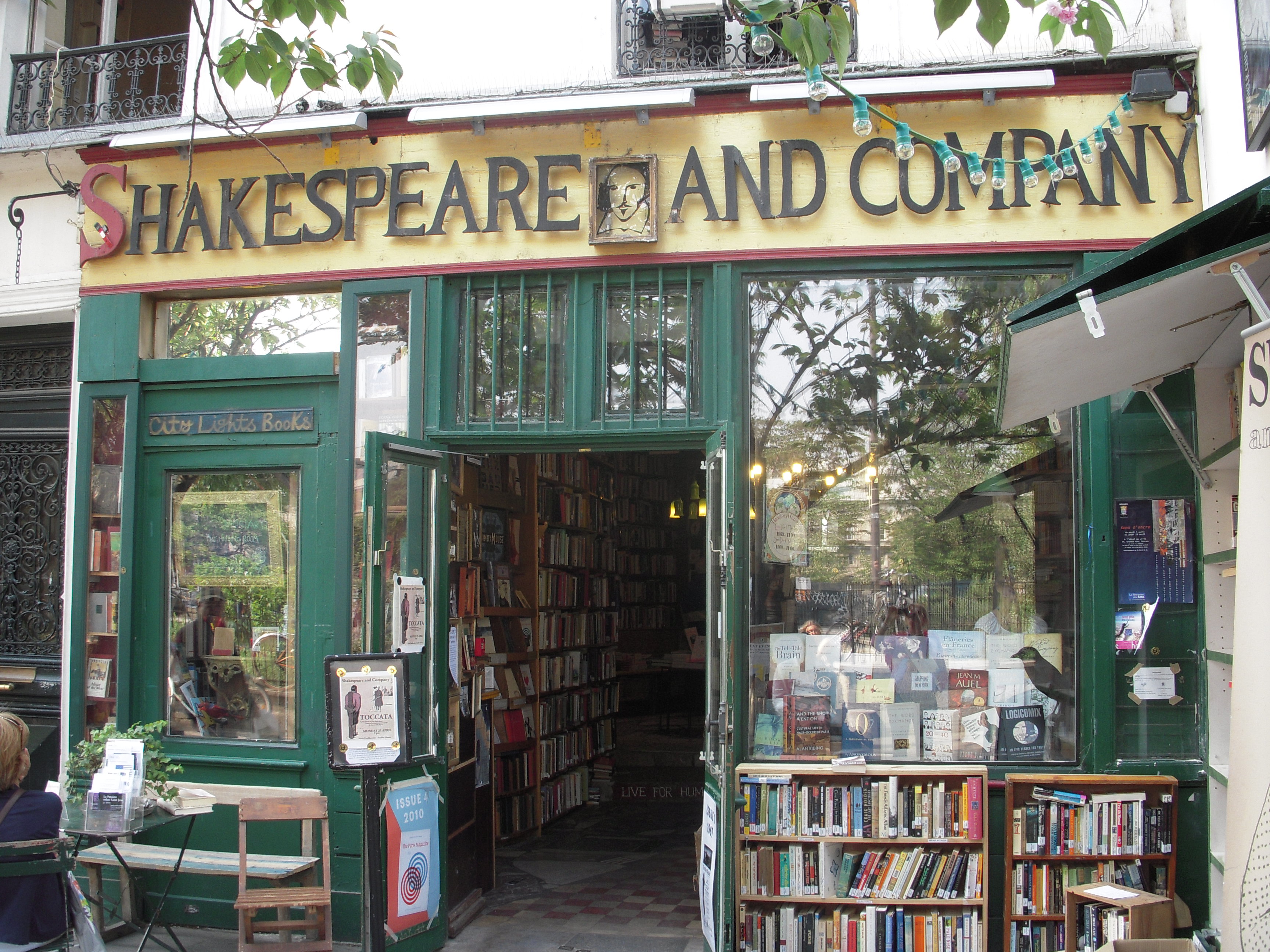
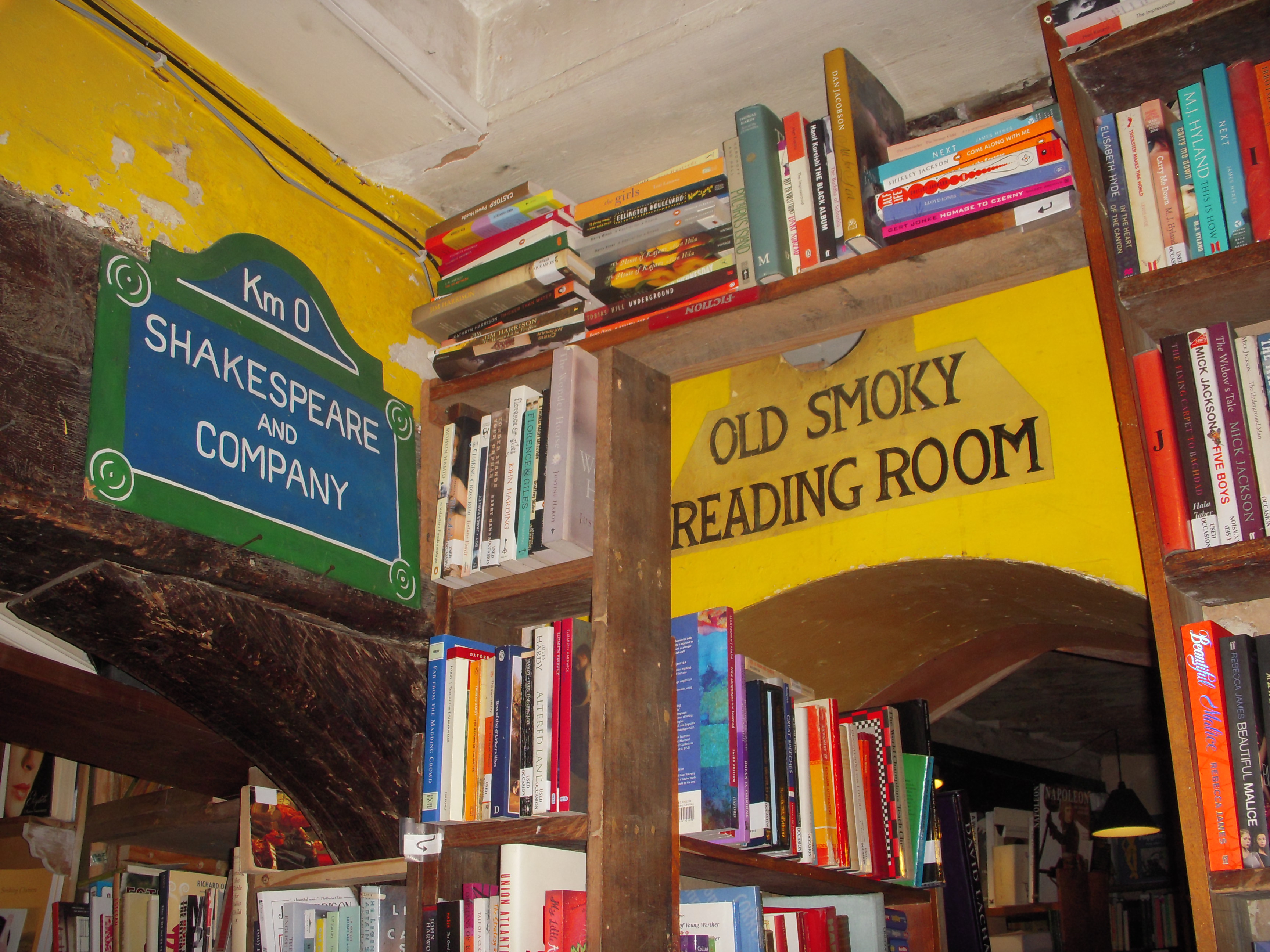
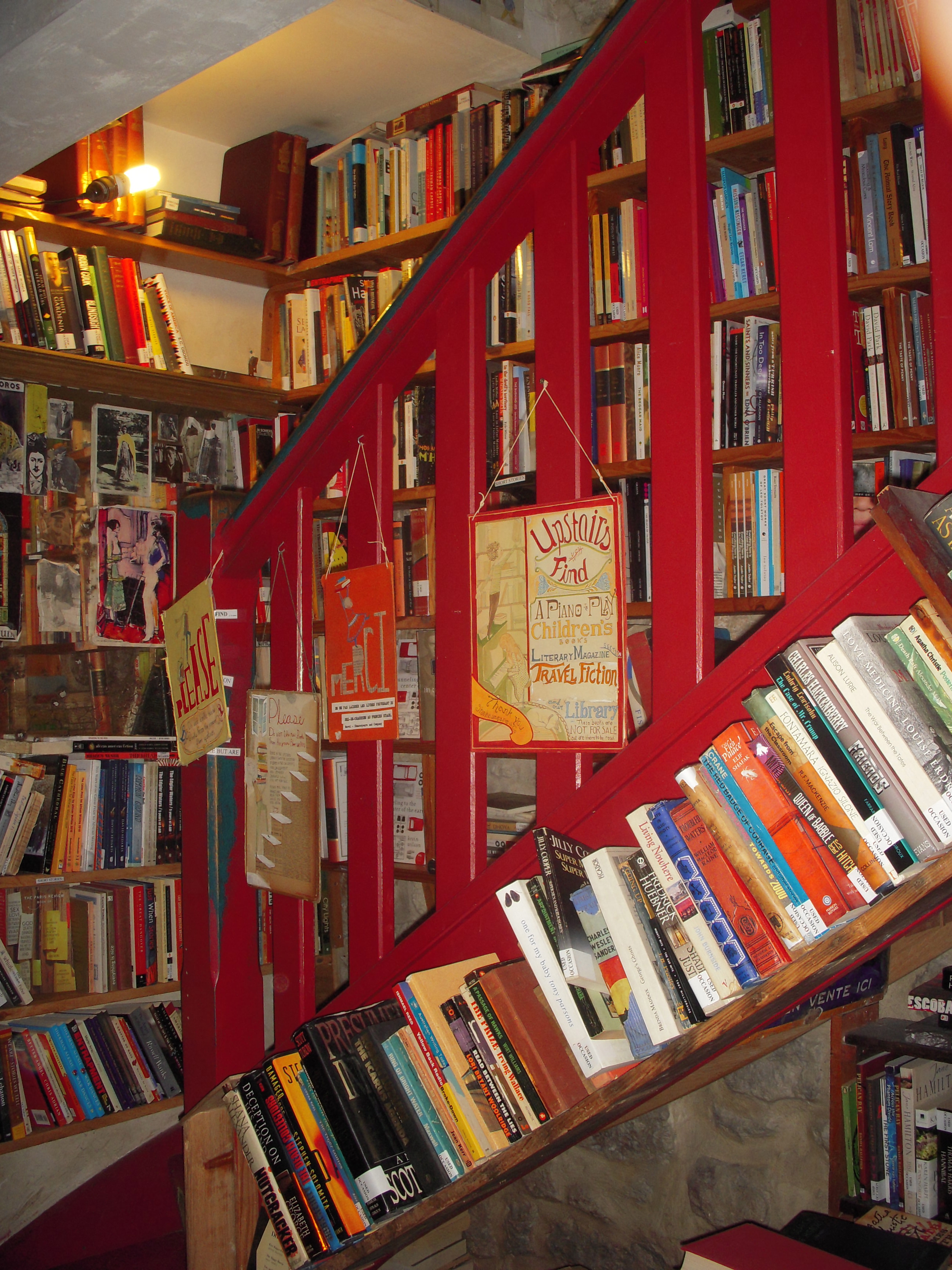
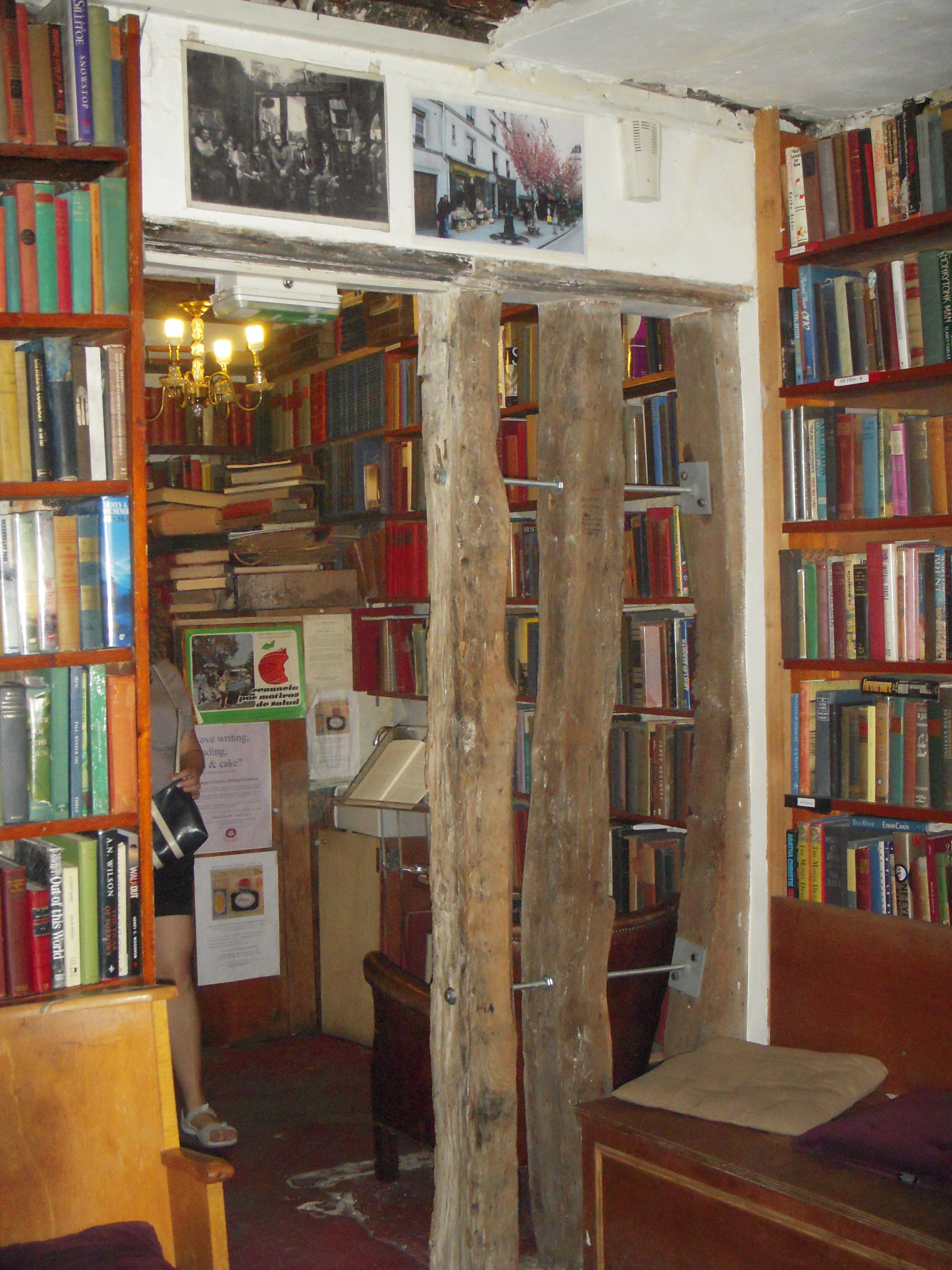
Shakespeare & Co.

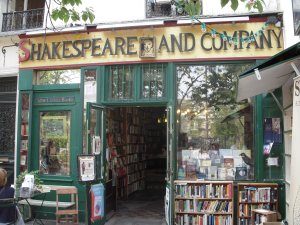
A tribute to Shakespeare & Co and George Whitman (1913-2011). One of my favorite bookstores in the whole wide world.

Art Nouveau Toilets Down the Drain

David Downie’s book Paris, paris: Journey Into the City of Light (Broadway Paperbacks 2011has been a great source of information and inspiration as I settle into my temporary home in Paris. Each chapter contains a lovely essay about another unusual part of this city, with some history, some photographs, and plenty of quirky information that you just can’t find in your ordinary guide books. I’ve been planning long walks around some of the chapters, and it’s made for a wonderful introduction to Paris.
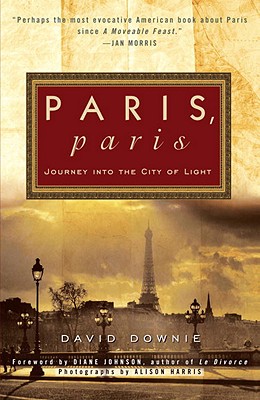
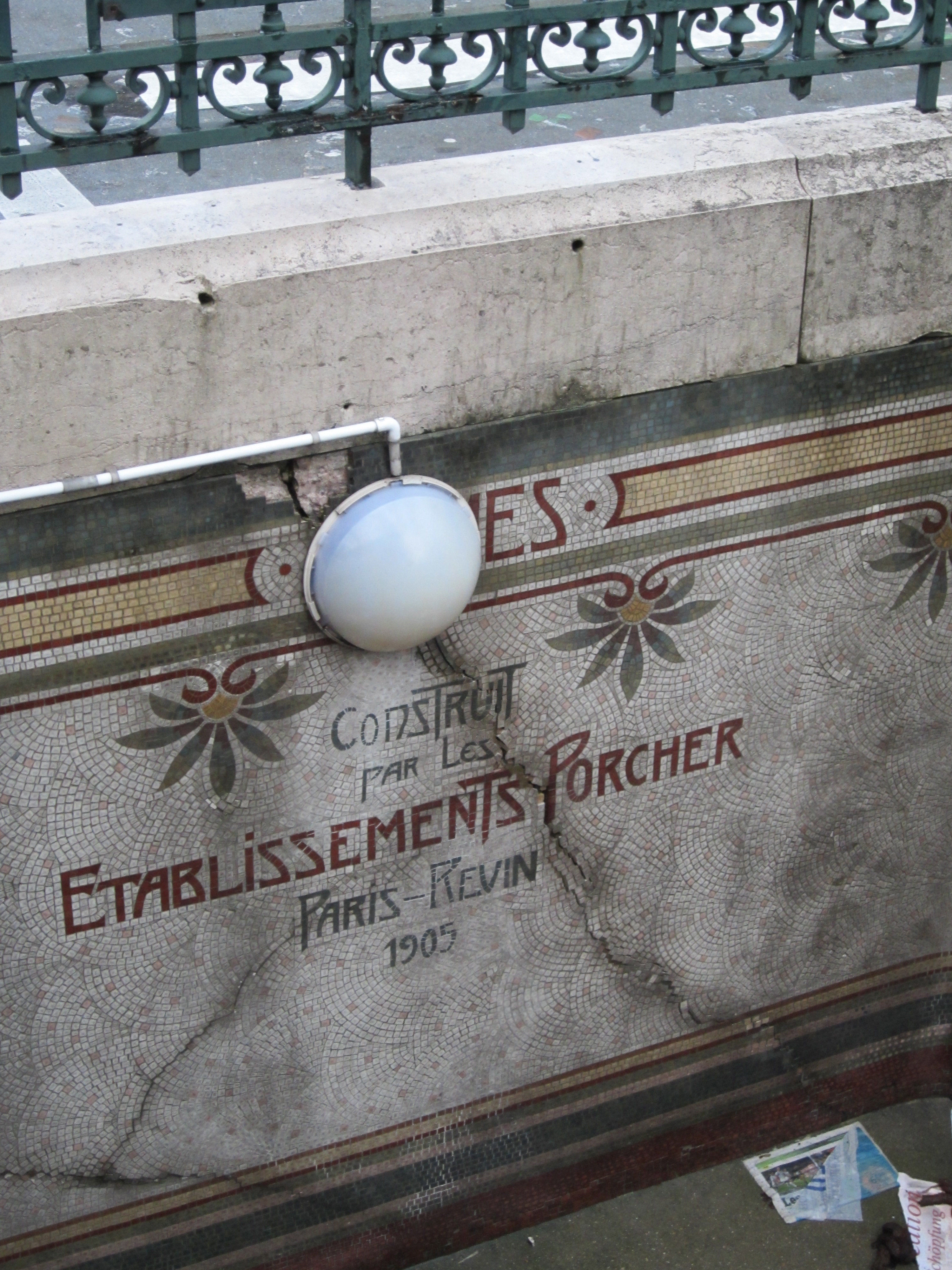
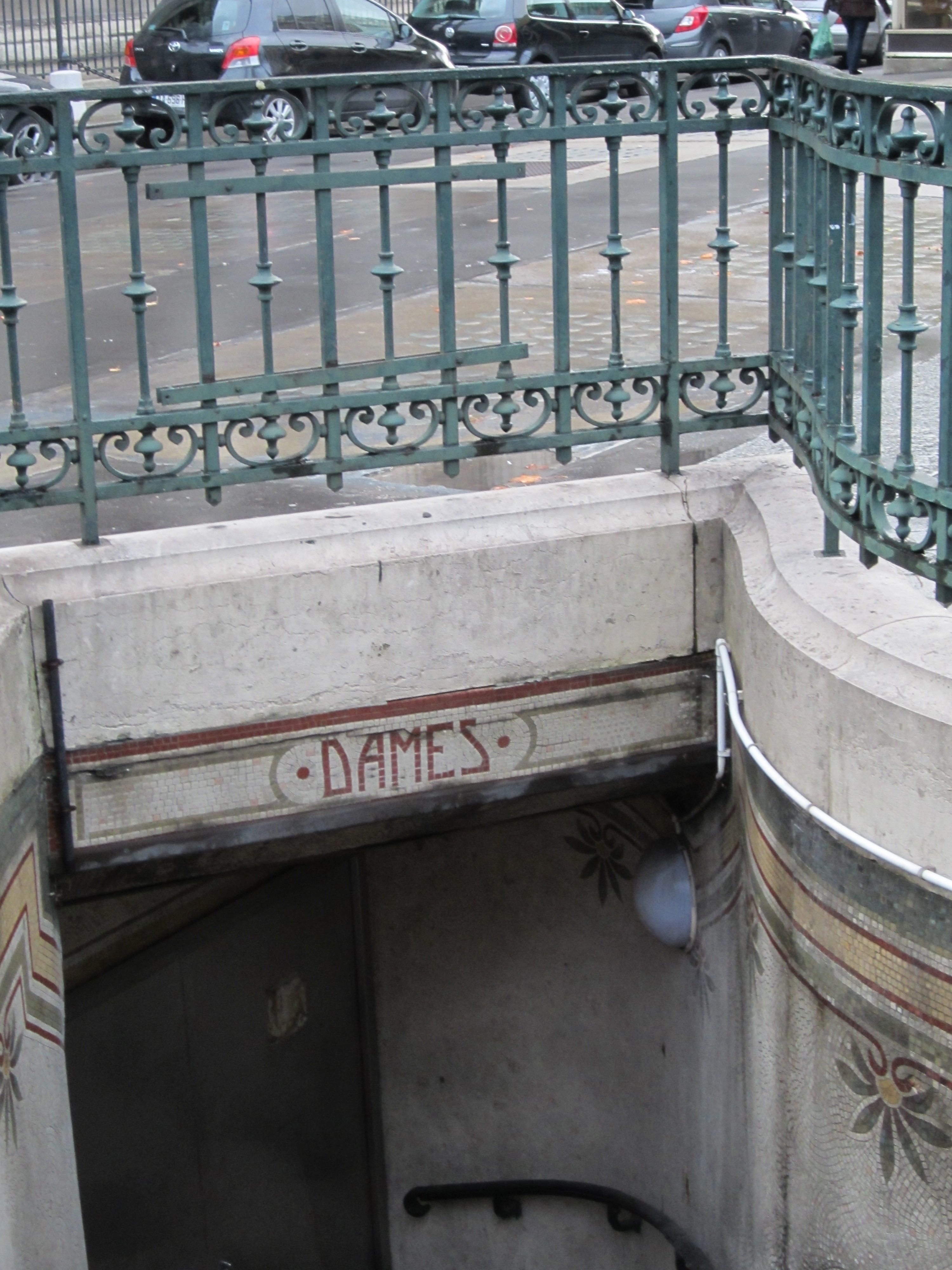
One of my favorite chapters, The Janus City, or, Why the Year 1900 Lives On, is about how the Belle Epoque period of Paris is alive and well in the contemporary City of Light. One of Downie’s recommended 1900 era sites are the Art Nouveau toilets on the Place de la Madeleine. According to Downie’s directions, there is a spiraling staircase across the street from  Cafe Le Paris-London, where you could find “a lavish cavern of carved wood, brass, and mirrors, with floral frescoes and stained-glass windows in each cabinet.”

I looked forward to finding a site so weird and off-the-beaten-track, and it took me a little while to find the right spot. Unfortunately, the toilets are now closed. I asked the woman at the nearby flower stand, and she said they are closed for good, “c’est tout.” So for now, until the toilets are ever renovated, the photos below will show you all that you can find.

Art Nouveau Toilets at Place de la Madeleine

Art Nouveau Toilets in Paris pour les Dames

Pictures at an Exhibition: Art, War And Memory in Paris

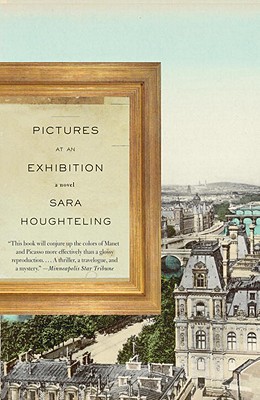
In the novel Pictures At An Exhibition, (Knopf Hardcover 2009, Vintage Paperback 2010) Sara Houghteling tells a captivating story of the Nazi looting of art in occupied Paris during World War II. Told through the eyes Max Berenzon, the son of a highly successful art dealer in Paris, this exceptionally researched and beautifully executed book is about lost paintings, lost love, the art of survival and the power of the imagination.

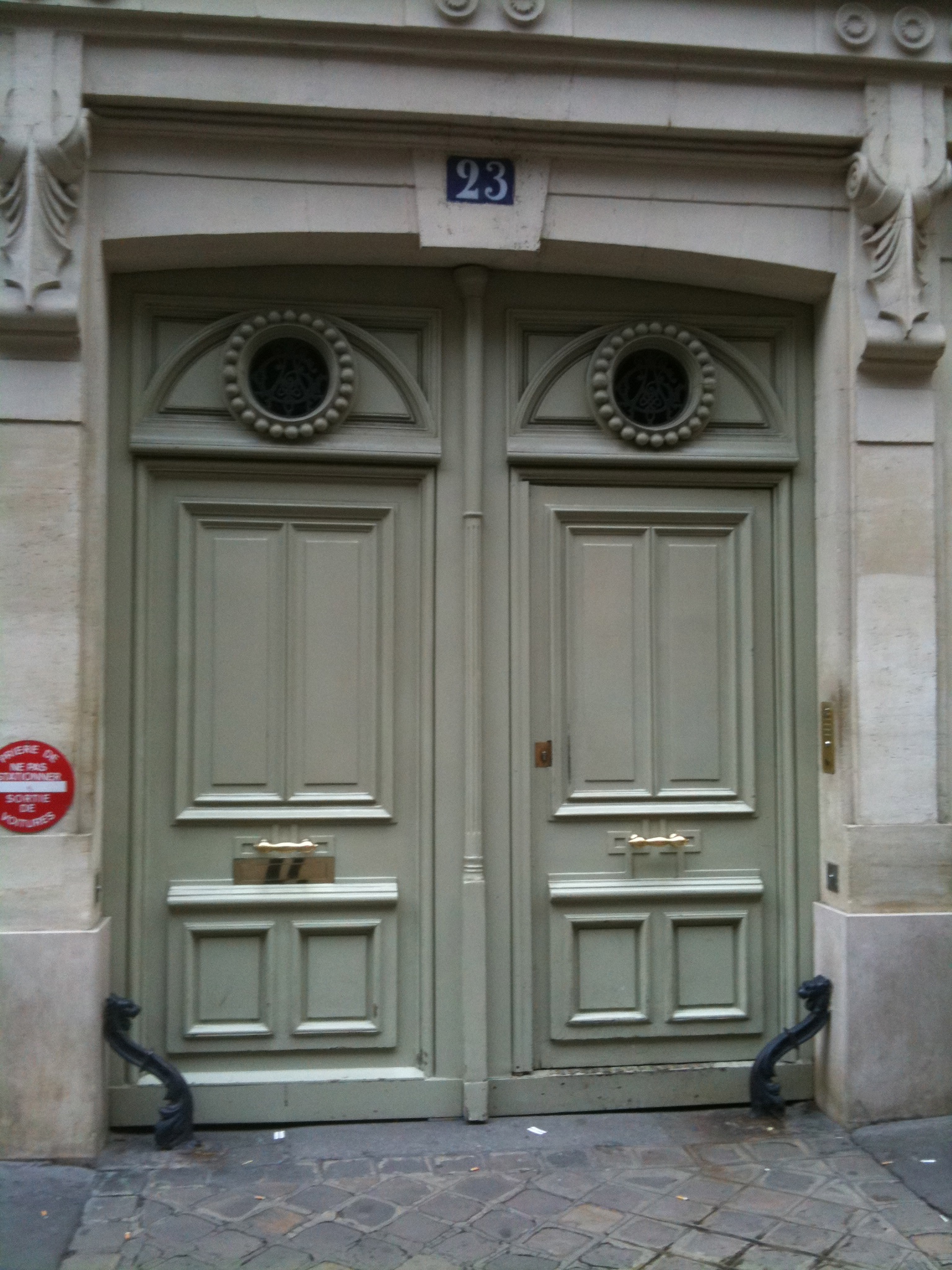
Max’s father is a leading Jewish art dealer with a gallery on Rue La Boetie in the 1920’s and 30’s. The gallery represents such artists as Picasso, Matisse, Manet and Morisot. In a wonderfully imagined scene in the book, Max’s father would pass by Picasso’s studio, just a couple of doors down from the gallery, and Picasso would raise his canvases up to the window for his dealer’s friendly thumbs-up.

Max grows up with artwork on his walls and and in his veins. Max’s father makes Max memorize the paintings of the wall at one of their exhibitions, in the exact order in which they appear. They are etched into his memory, a lesson that will prepare Max for the tragic mission that lies ahead.

Anti-semitism is building in Paris and Max’s family finally realizes the true danger and scope of the Nazi threat. They leave their gallery and artwork behind as they escape to a small village in southern France. Max’s youthful sidekick, Betrand Camondo, the grandson of Count Moises de Camondo, tries to stay in Paris too long and sadly becomes of les absents.

After three years in hiding, Max returns to liberated Paris and finds his father’s gallery completely looted. Max stumbles through Paris, searching for his friend Bertrand and hunting down his father’s lost art in the shady world of black market galleries and tight-lipped collaborators. Max seeks out his father’s former gallery assistant, Rose Clement, for whom he has long had unreciprocated feelings.

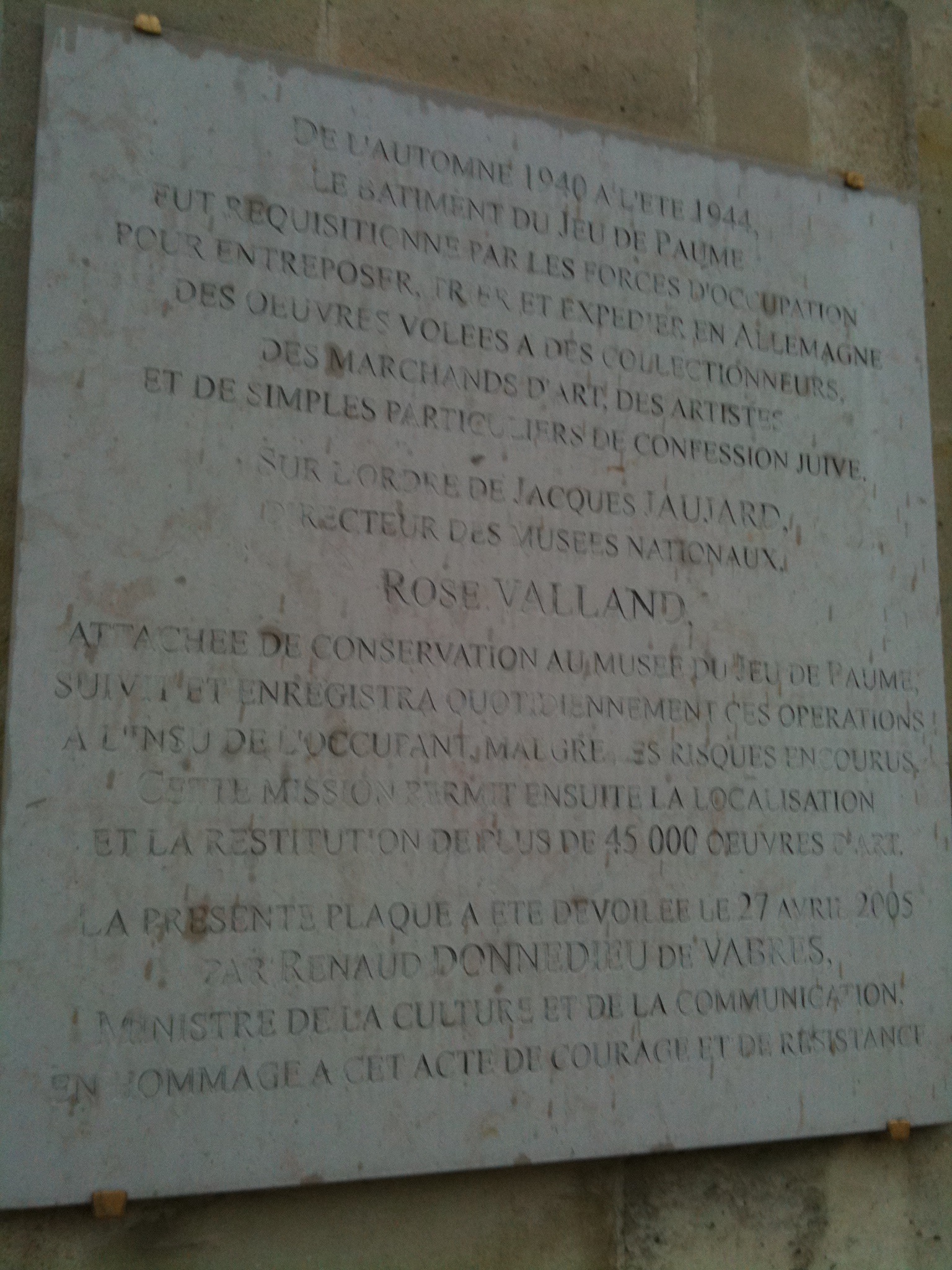
Rose is modeled after the real-life Rose Valland, who earned the French Legion of Honor for her work as a spy and gallery assistant in the Jeu de Paume during World War II. Valland covertly tracked most of the 20,000 pieces of the stolen art, enabling the Monuments Men to follow the front lines and rescue the art from Hitler’s private collection or secret hide-outs deep in the mountains of Germany.  In 2005, the French government placed a plaque on the outside of the Jeu de Paume to commemorates her heroism.

I enjoyed this book so much that I followed it up with Monuments Men by Robert Edsel and The Rape of Europa by Lynn Nicholson. In addition, fans of old movies might enjoy watching The Train, a hyped-up version of the Rose Valland story starring Burt Lancaster and Jeanne Moreau. For Rape of Europa is also available as a documentary film, which I highly recommend.

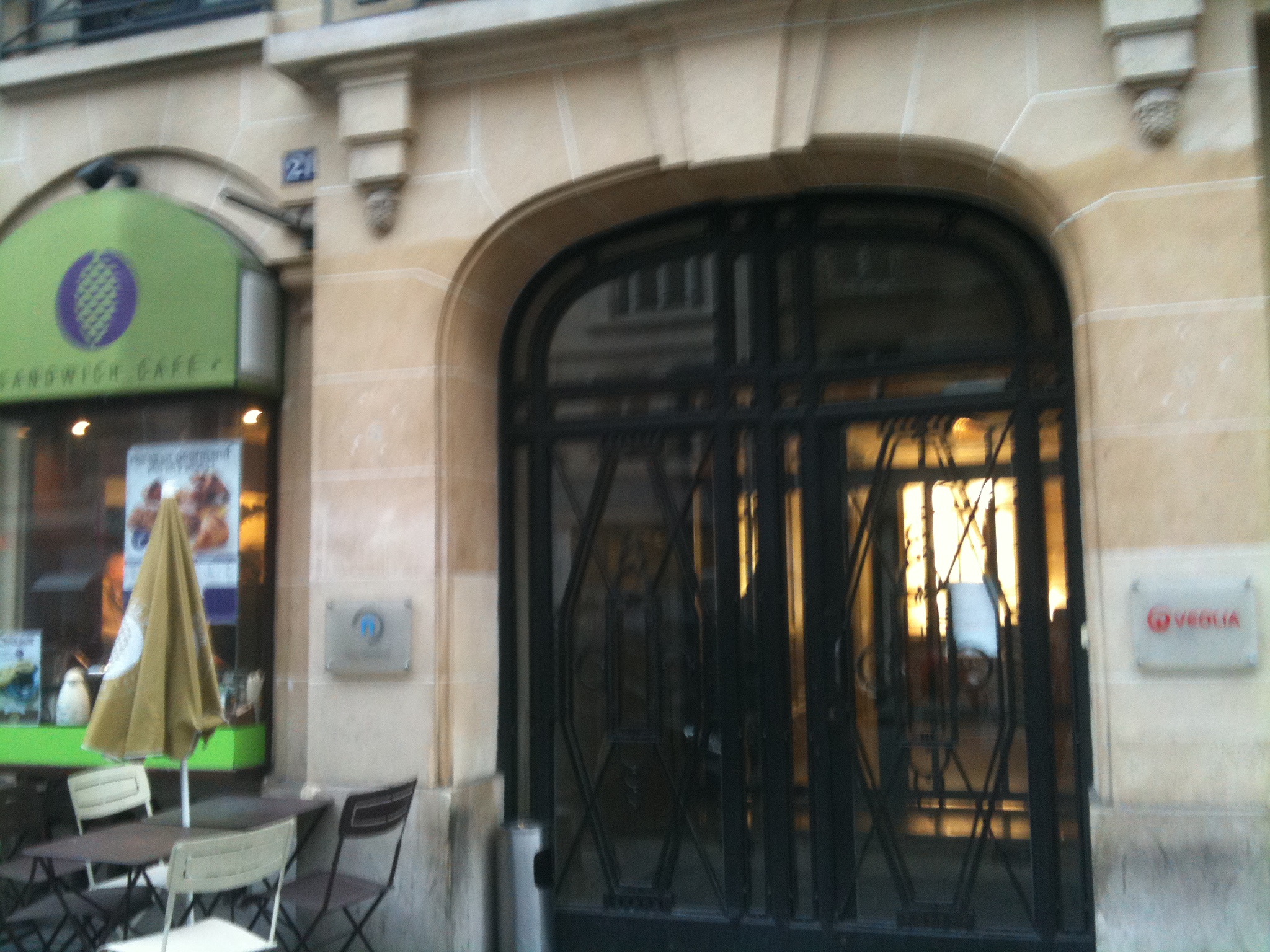
I can’t wait to sign up for a Paris During the Occupation walking tour. In the meantime, I took a short walk down Rue La Boetie to find the site of the Berenzon’s fictional gallery and Picasso’s former art studio. Because Sarah Houghteling has a Master of Fine Arts and researched the book while on a Fulbright scholarship to Paris, I wouldn’t be surprised if the addresses are based on historical fact. I really hope so. On my own visit, I sat down inside 21 Rue La Boettie (in what is now a Pomme et Pain restaurant) and enjoyed some hot vegetable soup, right in the spot where Picasso would have raised his canvas in a salute to  Daniel Berenzon.

I give my own salute to Sara Houghteling and Pictures At An Exhibition. Highly recommended. This would be a great book for a book club to read along with a trip to their favorite art museum. Or better yet, a trip to Paris!

23 Rue La Boetie: Berenzon Gallery

21, Rue La Boetie, Picasso's Studio

Rose Valland Plaque at Jeu de Paume

Paris Author Event: Penelope Rowlands and David Downie

So many Americans dream of writing about Paris. But how is it possible without falling victim to clichés and worn-out themes, as common as all of the Bateaux Mouches on the Seine?  On Wednesday, November 16th, Penelope Rowlands and David Downie shared their thoughts on writing about Paris at author event at the American Library in Paris.

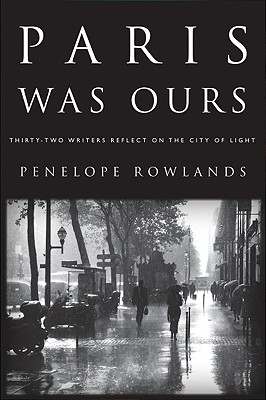
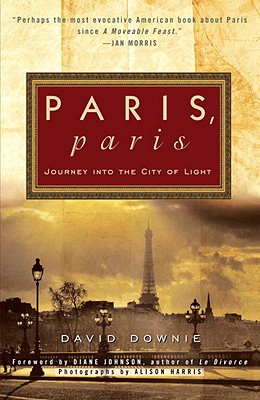
Penelope Rowlands is the author of the recent anthology Paris Was Ours (Algonquin, 2011) and David Downie is the author of the newly reissued Paris, paris (Broadway, 2011). I was thrilled when I heard that both of these authors would be making an appearance together. I read Penelope’s book before I ever dreamed that fate would bring me back to Paris, and I read David’s book after I learned it would.

In a packed room at the American Library at the feet of the Eiffel Tower, Penelope and David shared their insights on writing about Paris. The upshot of their remarks? If you dream of writing about Paris, don’t dream about selling your work.

Penelope joked that her agent cringed at her book proposal, and said, “the only thing I like is the title.” But Penelope persisted. She thought it was important that her anthology of Paris essays be broad and diverse, and not just about the upper one percent. She scrambled to find voices that would portray life in Paris “beyond the accordion music.” Although she hates to pick a favorite, she is proudest of the essay by the homeless woman who doesn’t aspire to be a writer. (Kind of refreshing, actually. Like a waiter in L.A. who doesn’t want to be an actor.)

 David Downie’s book Paris, paris is a collection of essays he wrote over a period of ten years for other magazines and newspapers. When he gathered them together, he didn’t set out to write a book that would “sell,” and in fact, the first edition was sold to a very small publisher. But because the book so beautifully captured the surprises of Paris — from its underground art nouveau toilets to the history of its cobblestones — Broadway recently reissued it as a part of their Armchair Traveler Series. When someone from the audience asked David what made him so “quirky,” he said that he considers himself a renegade reporter who loves to ask a lot of the “wrong questions.” And apparently, the wrong questions often lead to the right answers, and a really good book.

During the Q and A we had a lively discussion about Americans’ perception of Parisians. As Penelope said, there is just something about Parisians. Whether it’s the way they dress, the way they cook, or as David said, the “plucky” way they love to disagree, Americans are just fascinated by them. And so we dream and read and write about Paris.

The audience included other notable writers, including Diane Johnson, the famous chronicler of the expatriate life in such books as Le Divorce, Le Mariage and L’Affaire, who also wrote the introduction to Paris Was Ours.

If you haven’t already, you really should pick up a copy of Paris Was Ours and Paris, paris at your local independent bookstore. Buy one for yourself, and an extra for the armchair traveler in your life. I highly recommend them.

Lunch with Frankie Pratt

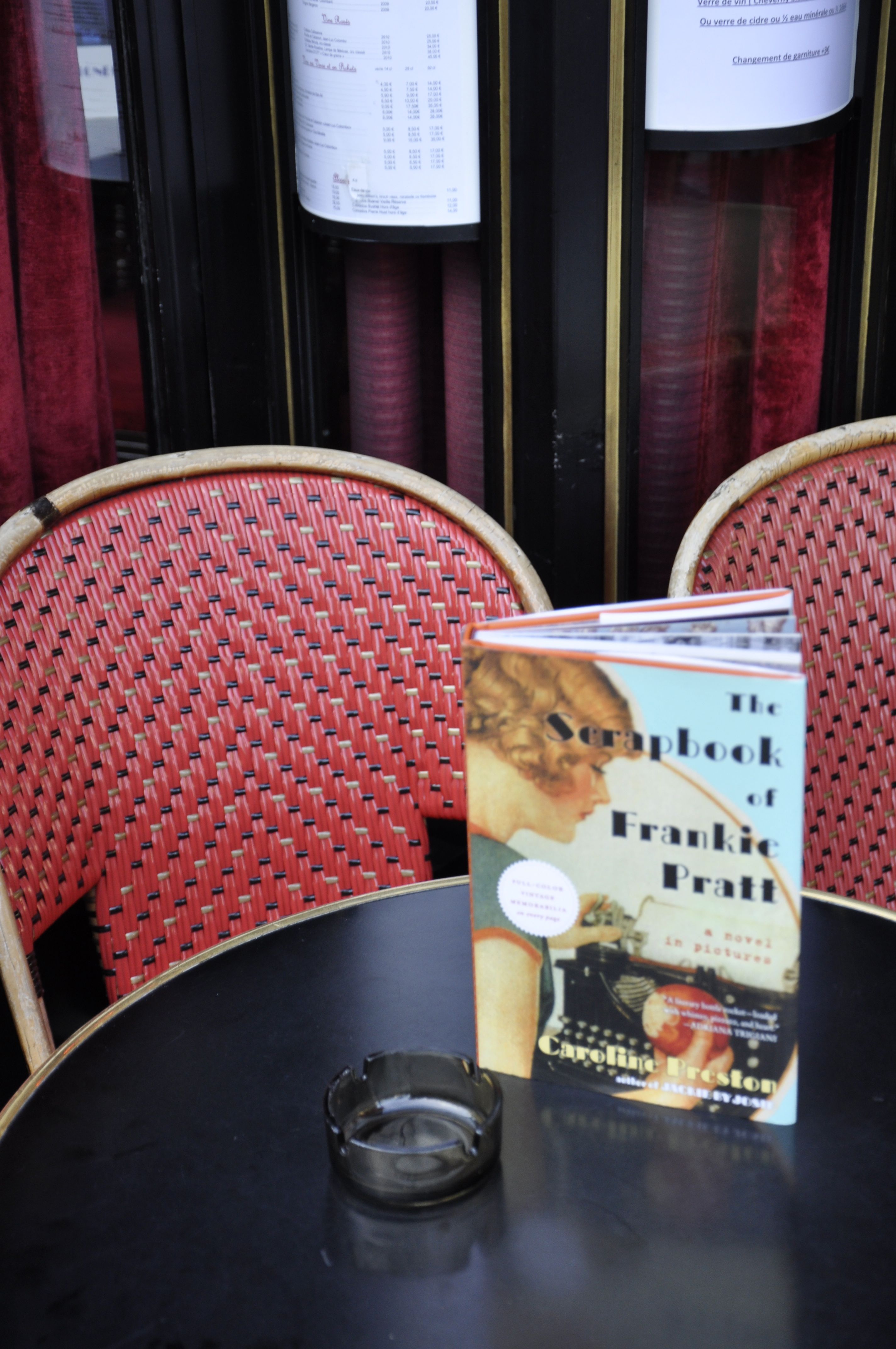
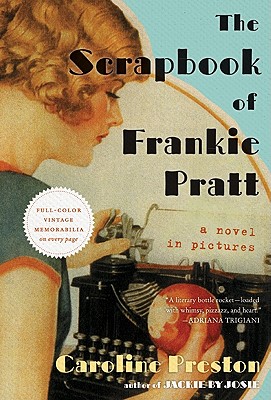
Yesterday I found myself exploring the Left Bank with a copy of The Scrapbook of Frankie Pratt by Caroline Preston. Recently released in the U.S. by Ecco Books, this scrapbook-style novel tells the story of a young woman who dreams of becoming a writer in the 1920’s. She goes to Vassar College, Greenwich Village in New York, and finally to Paris, where she snags a job with a literary review that just happens to publish James Joyce.

This book is like eye candy for anyone who loves Paris in the era of the 1920’s. Frankie first stops at the Left Bank bookstore Shakespeare & Co., where Frankie meets Sylvia Beach and becomes a member of the expat “clubhouse.” Fun fact in the acknowledgments of the book: in real life, Sylvia Beach was godmother to Caroline Preston’s mother, Sylvia Preston.

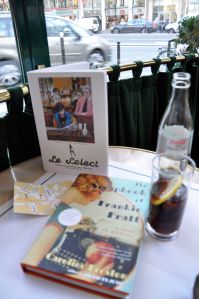
Frankie Pratt breezes through the standard sightseeing highlights of Paris and then heads down to the corner of Boulevard Raspail and Boulevard Montparnasse in the heart of the Latin Quarter, as recommended by her guide “Paris With The Lid Lifted.” Frankie sits outside at Le Select, where she orders onion soup and “observes the sideshow.” (p. 162).

I decided to to the very same thing myself, except I settled for an inside seat. When I showed my sweet gap-toothed waiter the scene from the book, he was absolutely thrilled. In our mix of Franglais, he ask me if it was alright to take the book to show the manager. Who knows, I might be the first of a long line of Frankie Pratt literary tourists. (The onion soup was delish!)

Frankie strikes up a romance with her editor Jamie, a Lost Generation war veteran who, like most of that generation, or so it seems, likes to hit the Left Bank bars a little too hard. Frankie and Jamie stumble through a series of hot spots in the Left Bank, from Le Dome to La Rotunde on Boulevard Montparnasse (p. 178). I followed their footsteps, but without the booze. Oh, okay, maybe an occasional glass of St. Emillion.

There’s so much more to this lovely little graphic novel, including the “inside scoop” on the release of Hemingway’s The Sun Also Rises in 1926. According to Frankie, Jake Barnes is Hemingway “without testicles,” and Lady Brett Ashley is a more charmingly drunk version of the real life Lady Duff Twysden. (p. 187). Even Charles Lindberg makes an appearance when he lands his first Trans-Atlantic flight in Paris in 1927. (p. 191).

The Scrapbook of Frankie Pratt is not just a clever faux scrapbook; it’s a story of a young woman coming of age in New York and Paris, illustrated with the contents of Preston’s own mother’s scrapbooks and memorabilia. It’s a beautiful tribute to an adventuresome mother and her interesting life and times.

I urge you to pick up a copy of this book from your local independent bookstore. And if you’re lucky enough to get to Paris, it’s a great idea for a literary tour of the Left Bank.

In The Footsteps of the Impressionists: Place de Dublin

Today’s Paris art adventure was a walk through the streets around Gare St. Lazare and the Pont de L’Europe, the scene of many impressionist paintings by Manet, Monet and Caillebotte. One of my favorite paintings from the Art Institute of Chicago is Caillbotte’s Paris Street; Rainy Day, 1877. Every time I’m standing on an angled Paris intersection I am reminded of this painting, but today I finally found the real scene at the Place de Dublin.