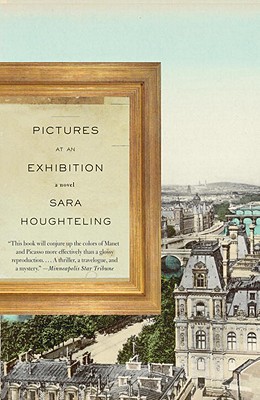
Pictures at an Exhibition: Art, War And Memory in Paris

In the novel Pictures At An Exhibition, (Knopf Hardcover 2009, Vintage Paperback 2010) Sara Houghteling tells a captivating story of the Nazi looting of art in occupied Paris during World War II. Told through the eyes Max Berenzon, the son of a highly successful art dealer in Paris, this exceptionally researched and beautifully executed book is about lost paintings, lost love, the art of survival and the power of the imagination.

Max’s father is a leading Jewish art dealer with a gallery on Rue La Boetie in the 1920’s and 30’s. The gallery represents such artists as Picasso, Matisse, Manet and Morisot. In a wonderfully imagined scene in the book, Max’s father would pass by Picasso’s studio, just a couple of doors down from the gallery, and Picasso would raise his canvases up to the window for his dealer’s friendly thumbs-up.

Max grows up with artwork on his walls and and in his veins. Max’s father makes Max memorize the paintings of the wall at one of their exhibitions, in the exact order in which they appear. They are etched into his memory, a lesson that will prepare Max for the tragic mission that lies ahead.

Anti-semitism is building in Paris and Max’s family finally realizes the true danger and scope of the Nazi threat. They leave their gallery and artwork behind as they escape to a small village in southern France. Max’s youthful sidekick, Betrand Camondo, the grandson of Count Moises de Camondo, tries to stay in Paris too long and sadly becomes of les absents.

After three years in hiding, Max returns to liberated Paris and finds his father’s gallery completely looted. Max stumbles through Paris, searching for his friend Bertrand and hunting down his father’s lost art in the shady world of black market galleries and tight-lipped collaborators. Max seeks out his father’s former gallery assistant, Rose Clement, for whom he has long had unreciprocated feelings.

Rose is modeled after the real-life Rose Valland, who earned the French Legion of Honor for her work as a spy and gallery assistant in the Jeu de Paume during World War II. Valland covertly tracked most of the 20,000 pieces of the stolen art, enabling the Monuments Men to follow the front lines and rescue the art from Hitler’s private collection or secret hide-outs deep in the mountains of Germany.  In 2005, the French government placed a plaque on the outside of the Jeu de Paume to commemorates her heroism.

I enjoyed this book so much that I followed it up with Monuments Men by Robert Edsel and The Rape of Europa by Lynn Nicholson. In addition, fans of old movies might enjoy watching The Train, a hyped-up version of the Rose Valland story starring Burt Lancaster and Jeanne Moreau. For Rape of Europa is also available as a documentary film, which I highly recommend.

I can’t wait to sign up for a Paris During the Occupation walking tour. In the meantime, I took a short walk down Rue La Boetie to find the site of the Berenzon’s fictional gallery and Picasso’s former art studio. Because Sarah Houghteling has a Master of Fine Arts and researched the book while on a Fulbright scholarship to Paris, I wouldn’t be surprised if the addresses are based on historical fact. I really hope so. On my own visit, I sat down inside 21 Rue La Boettie (in what is now a Pomme et Pain restaurant) and enjoyed some hot vegetable soup, right in the spot where Picasso would have raised his canvas in a salute to  Daniel Berenzon.

I give my own salute to Sara Houghteling and Pictures At An Exhibition. Highly recommended. This would be a great book for a book club to read along with a trip to their favorite art museum. Or better yet, a trip to Paris!
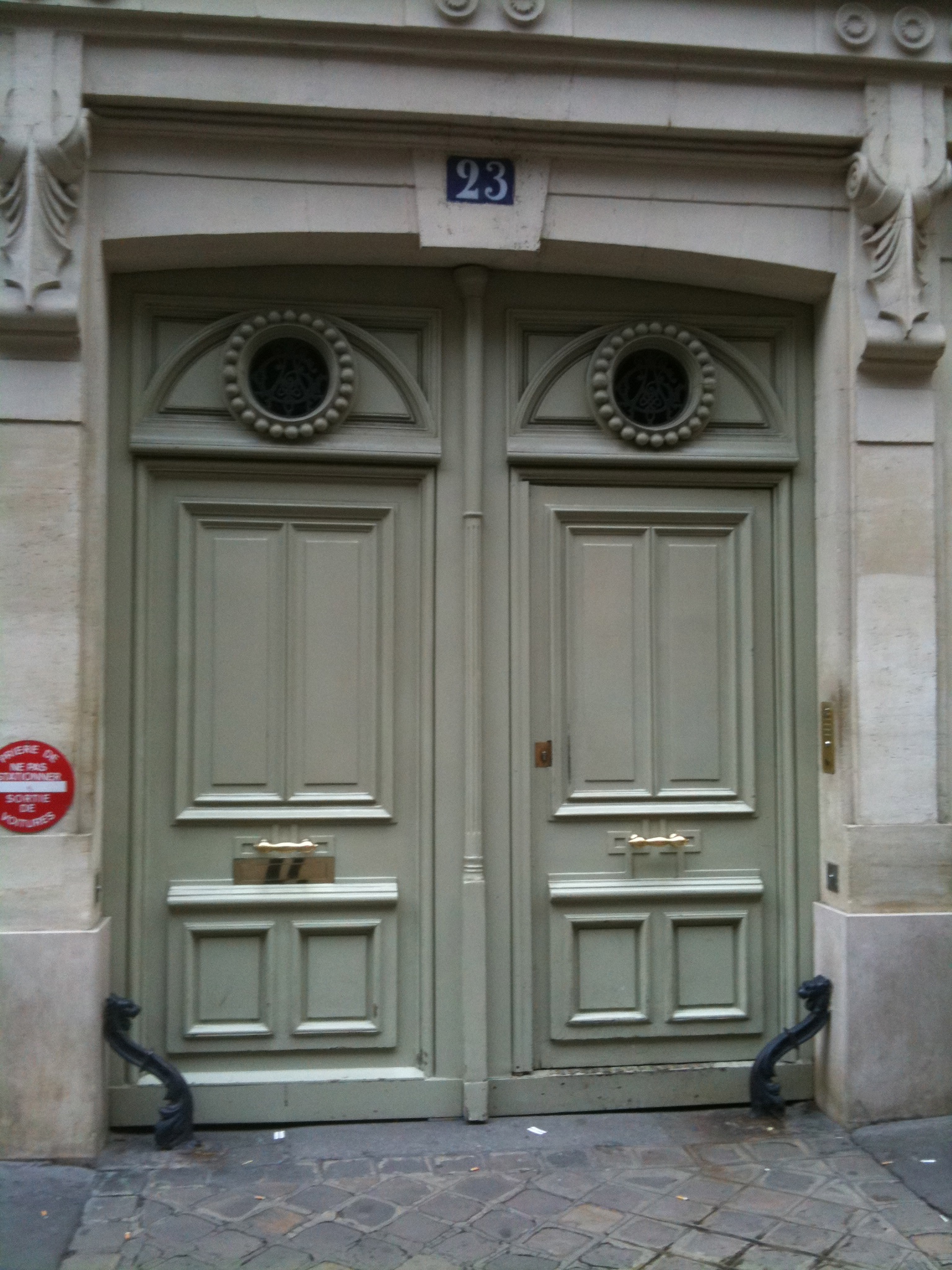
23 Rue La Boetie: Berenzon Gallery
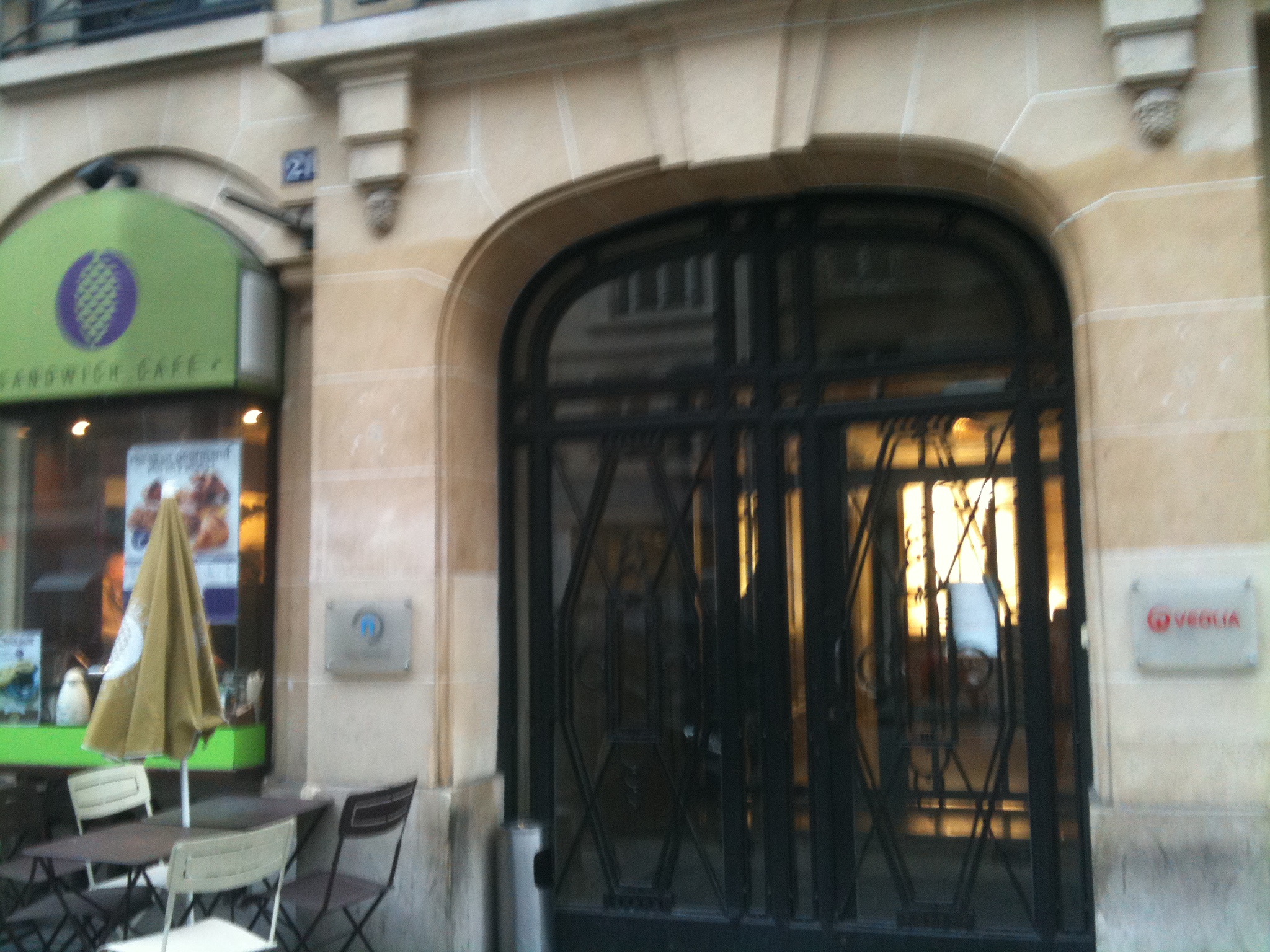
21, Rue La Boetie, Picasso's Studio
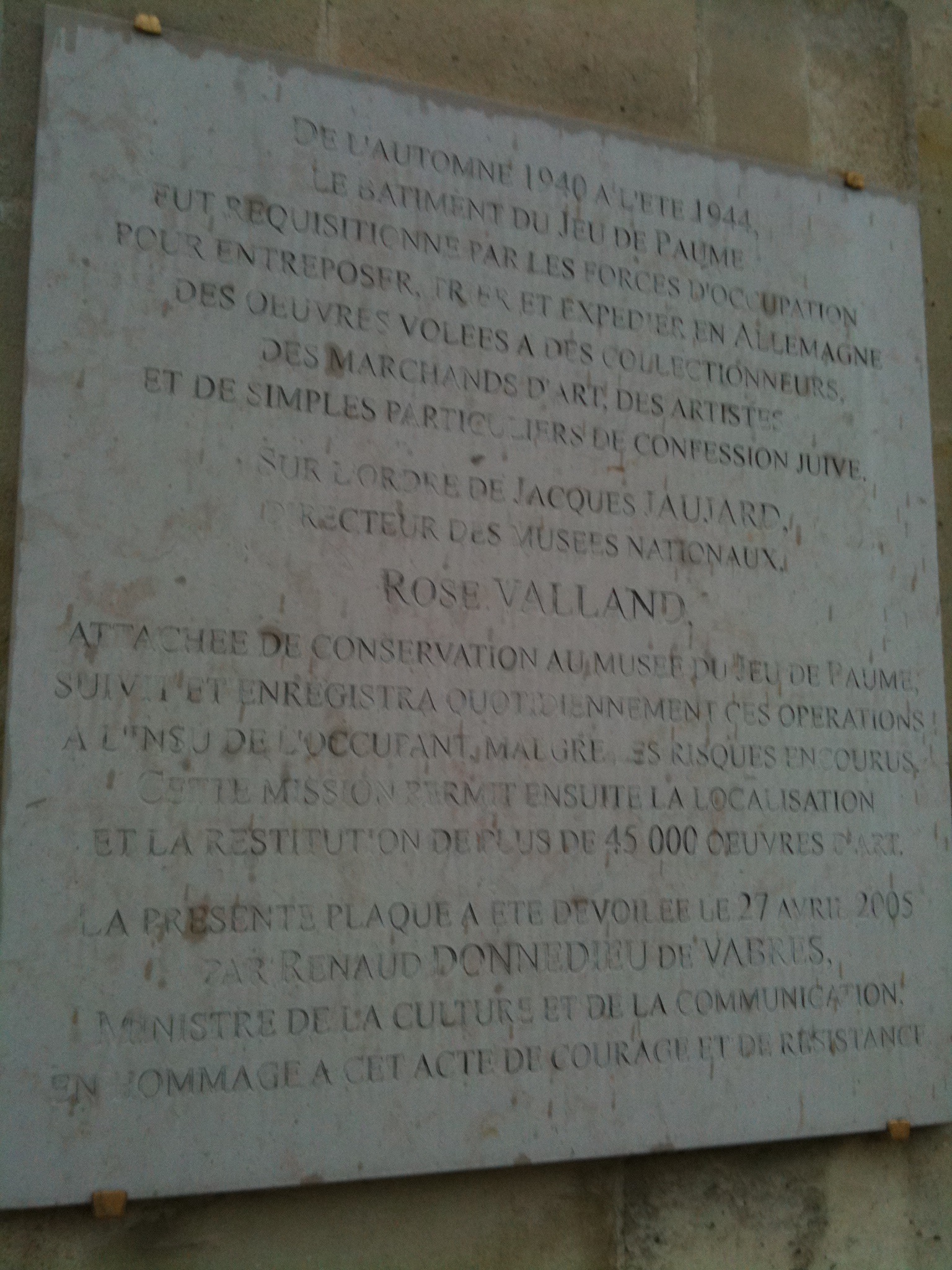
Rose Valland Plaque at Jeu de Paume
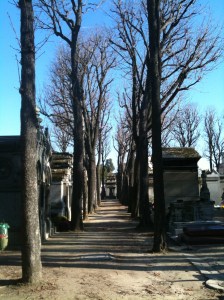
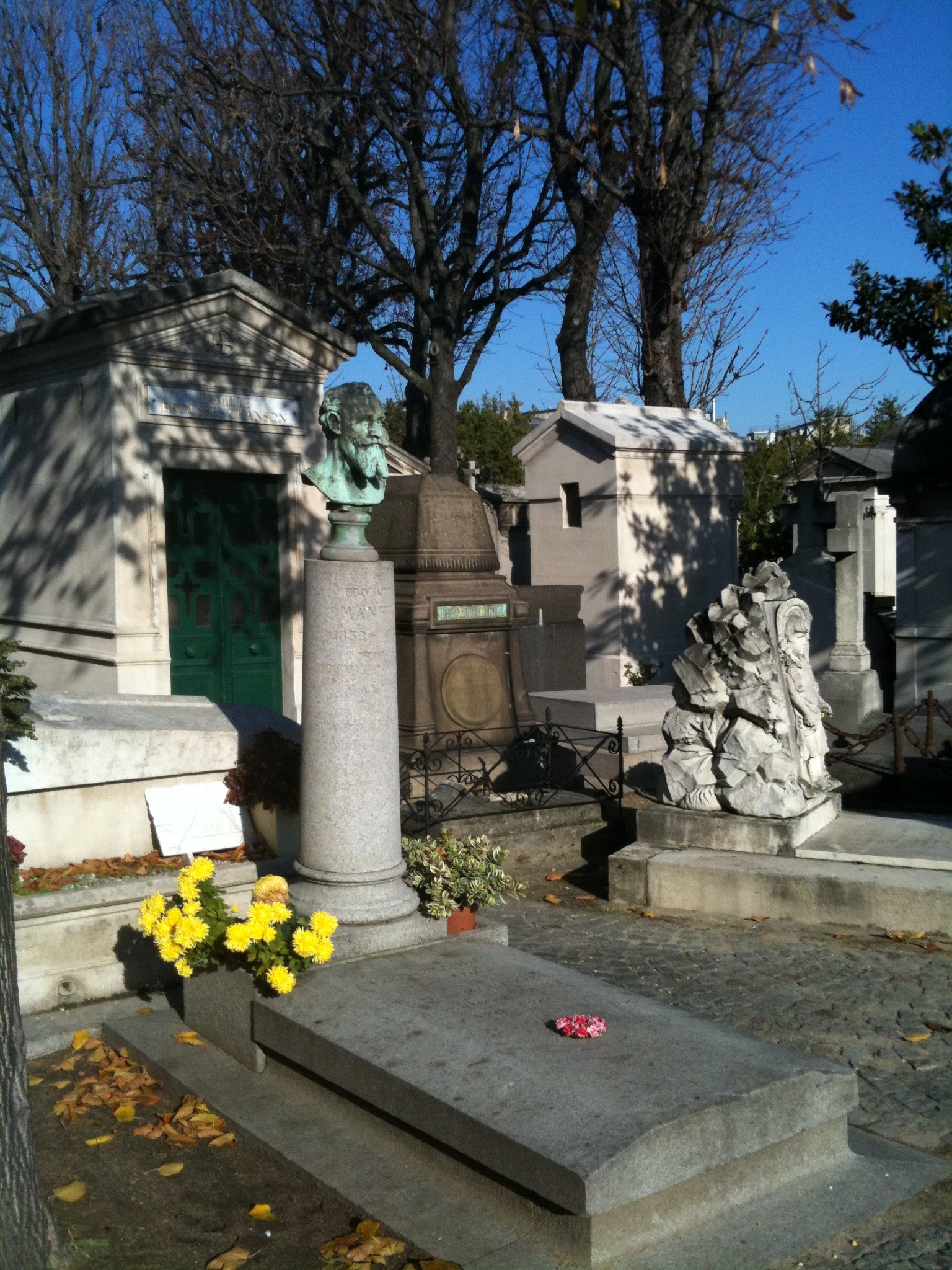
The Passy Cemetery Artists: Manet, Morisot and Marie Bashkirtseff


Passy Cemetery

They say that the Pere Lachaise Cemetery is the second most visited tourist site in Paris, which might be true. What I do know is that the Passy Cemetery in the 16th arrondissement is also wonderful place for a quiet stroll on a beautiful day, especially for the art lover.

Manet and Morisot Tomb, Passy Cemetery

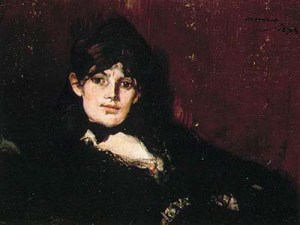
Passy Cemetery is home to the tomb of impressionist artist Edouard Manet, his brother Eugene, and Berthe Morisot, who married Eugene at the age of 33.

Edouard Manet: Portrait of Berthe Morisot reclining (Source: Marmatton Museum, http://www.marmottan.com/english/collections-musee/berthe-morisot.asp)


Berthe Morisot lived most of her life in the bourgeois area of Passy, first with her parents, and later with her husband. Berthe’s mother actually gave up her flat on rue Guichard to Berthe and Eugene after their marriage.

Berthe was a muse and model to Edouard Manet, and posed for him many times. Whether or not they were ever lovers, you can feel how well he knew her in his portrait to the left. The painting feels exceedingly intimate, doesn’t it? I love how Manet captured her easy elegance, but with a touch of the defiance she must have had in order to succeed as a female artist during that era. You can see this astoundingly beautiful portrait for yourself at Musee Marmottan in the 16th arrondissement of Paris.

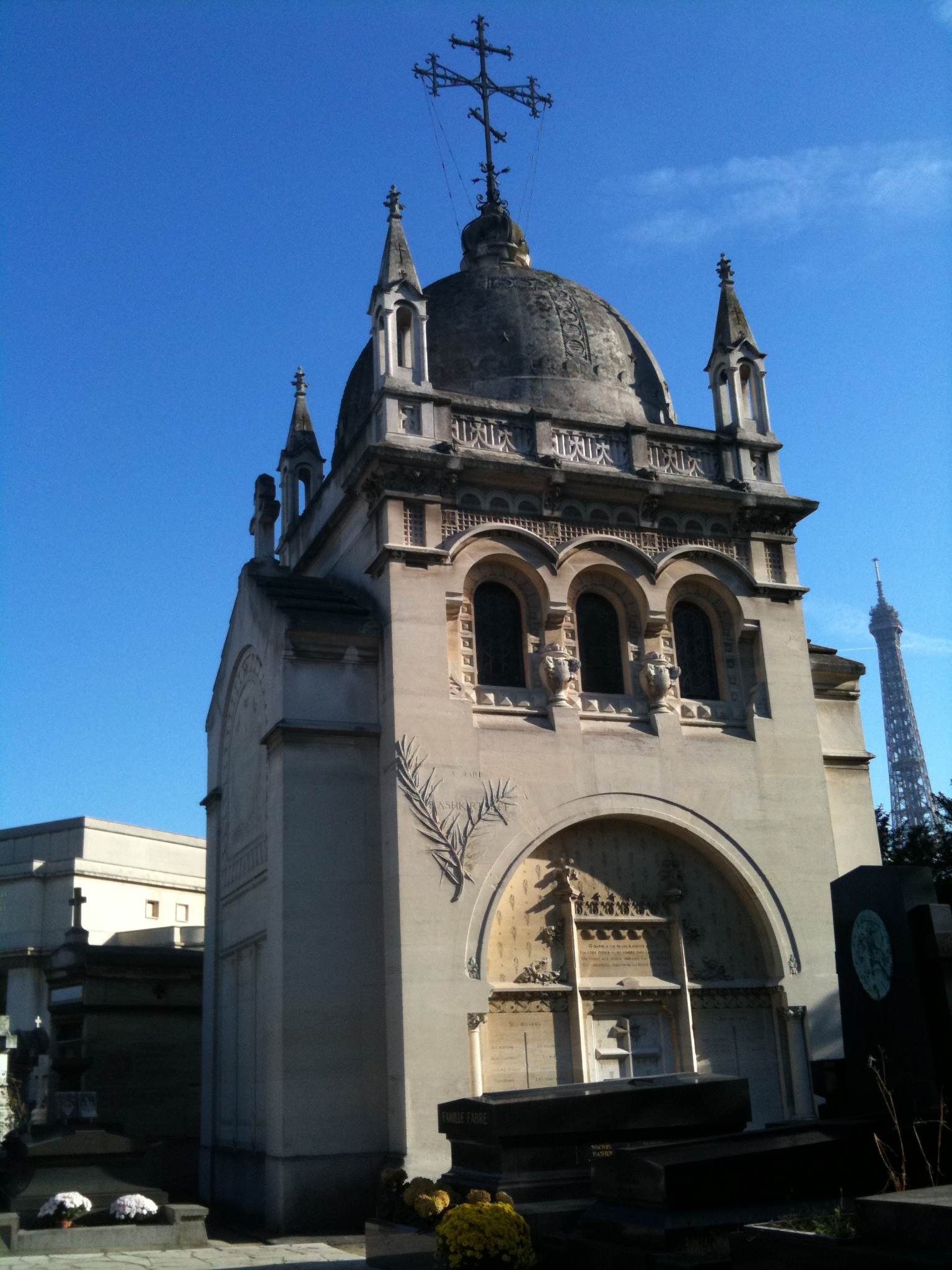
There is a lesser known surprise at the Passy Cemetery: the tomb of the impressionist Russian painter Marie Bashkirtseff, who studied at the Academy Julien in Paris until she died from tuberculosis at age 25. The tomb is a recreated art studio, not your typical religious monument.

But then Marie Bashkirtseff was not your typical 19th century woman. She is probably best known for her personal journals which were published posthumously in 1889, and which revealed her ambition, her feminism and her struggle for recognition in the male dominated world of art in 19th century France. They were considered radical, narcissistic and highly controversial at the time.

Marie Mashkirtseff's Tomb in Passy Cemetery


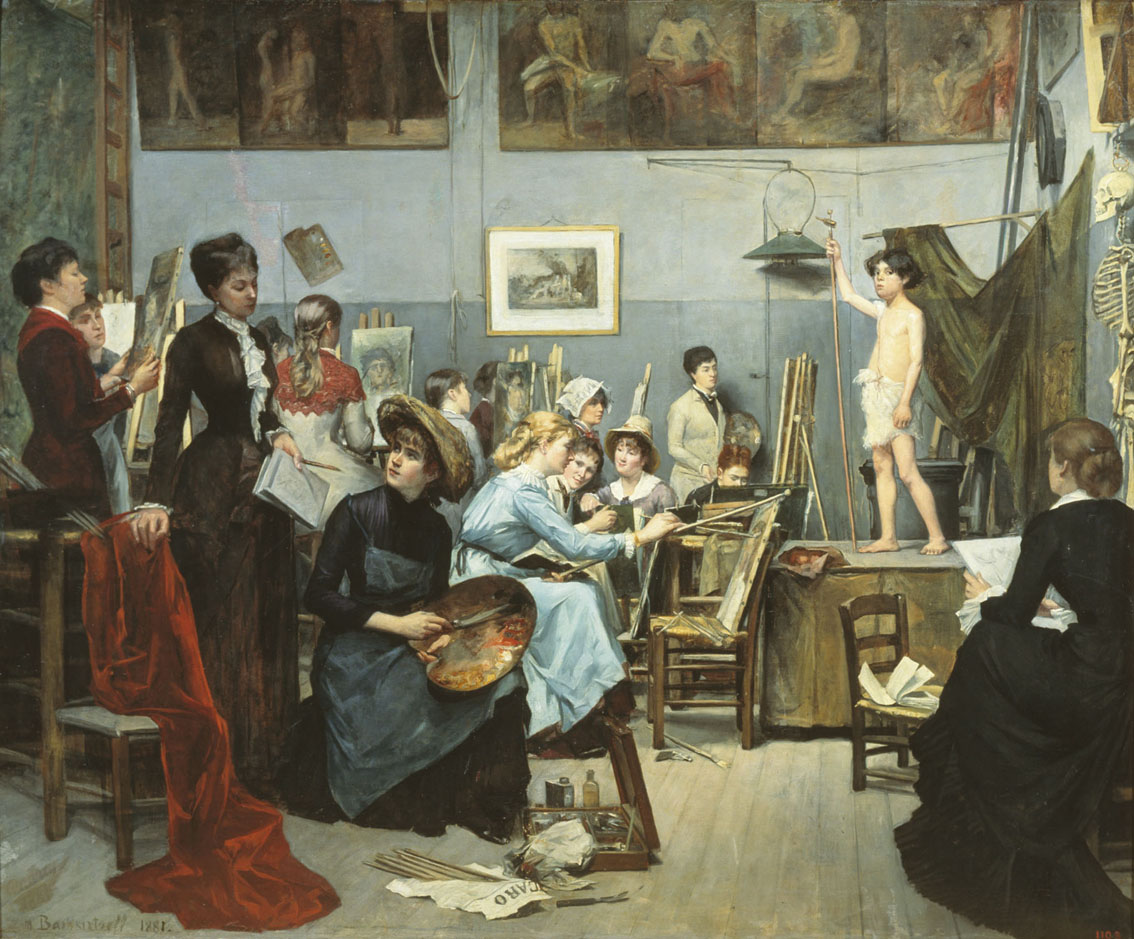
One of my favorite paintings by Marie Bashkirtseff is of female painters in a segregated art studio, the Academie Julian in Paris in 1881. Marie placed herself in the painting in the lower right-hand corner. At the time, it was considered highly controversial for women to paint from live nude models, so it is interesting that this painting shows a young model with a discretely draped cloth. I’m also a little amused by the fact that the artist holding a palette in the foreground appears to have lost her easel.

Marie Bashkirtseff: In the Studio (Source: wikipedia)

I highly recommend a walking tour of the Passy Cemetery on a nice day in Paris, followed by a visit to the Musee Marmottan. You’ll be walking in the footsteps of some exceptional women artists.

Art, Books, Paris: The Hare with Amber Eyes

The Hare with Amber Eyes by Edmund de Waal has been out in Picador paperback since this summer, but it took a personal recommendation by a fellow art history friend to get me to finally pick it up and read it.

My friend and I toured the Stein Exhibit at the Grand Palais together a couple of weeks ago, and she couldn’t stop raving about this book. “Speaking of collectors,” she’d said, “there’s this fabulous book about a Jewish family’s collection of Japanese netsukes.” To which I said kind of sheepishly: “what’s a netsuke?” (De Waal pronounces it something like “netski.”)


In case you don’t know either, netsukes are small wood or ivory carvings that originated in 17th century Japan.  De Waal’s ancestor Charles Ephrussi, a wealthy art patron who lived in Paris at the height of the Belle Epoque, bought a collection of 264 netsukes when Paris was all abuzz about Japanese art. The Ephrussi collection now belongs to De Waal, and one of his favorites is the Hare with Amber Eyes, pictured above.

De Waal’s netsukes were owned and treasured by truly fascinating people. The story begins with the rise of the Ephrussi banking family in Odessa, and follows them from late 19th century Paris to 20th century Vienna, through the horrors of World War II and beyond.

Charles Ephrussi was a fashionable salon-going Paris aristrocrat, an “aesthete,” after whom Marcel Proust modeled his character Swann in Remembrance of Things Past. Charles Ephrussi was a friend and patron of Renoir, Monet, Cassat, Degas and more. The walls of his study on rue de Monceau were filled to the ceilings with impressionist paintings.

When I read that Charles Ephrussi had been invited to be a model in Renoir’s painting The Luncheon of the Boating Party, I couldn’t resist pulling out my own tattered copy of the book of the same name by Susan Vreeland. (Another great art history/Paris read to add to your list if you haven’t already.) Charles is the man in the top hat with his back to the viewer. See the names I scrawled on the cover, as I worked to keep track of all of the characters? In fact, Vreeland’s website offers a summary of each model including Charles.


Source: Parisian Fields

Charles Ephrussi is such an interesting character it might be worth a field trip to 81 rue de Monceau to see the former Hotel Ephrussi and the Parc Monceau neighborhood. I think I will follow the lovely travel guide by a like-minded blogger Parisian Fields, whose photograph of the former Ephrussi home is pictured on the left.

Getting to learn about Charles Ephrussi is just one of the many discoveries you will make while reading The Hare with the Amber Eyes. As the story moves on to 20th century Vienna, you will read about the rise of anti-semitism through the eyes of Charles Ephrussi’s cousin Viktor and his young beautiful wife Emmy, who received the netsukes from Charles as a wedding gift. Their children, including De Wall’s great uncle Iggie, grew up playing with the netsukes at their mother’s feet as she donned her gowns and jewelry. Before long, however, the Nazi’s seized power in Austria and stole nearly everything in the Ephrussi mansion, including their furniture, their extensive collection of books and their Old Master paintings. The family barely survived the war. The remarkable and heartbreaking story of how their netsuke collection survived the Nazi horrors is one you will just have to read for yourself.

The latest news is that De Waal has just published an illustrated U.K. edition of The Hare with Amber Eyes, which I am dying to see. If you can’t get a hold of the U.K. edition, you can at least enjoy the photos of De Wall’s netsuke gallery on his website. They’re enchanting, just like the book.

The Hare With Amber Eyes is a beautifully told story of art, family history and the connection between our lives and the objects we appreciate. Highly recommended.


Paris Artists Walking Tour: The Impressionists’ Paris


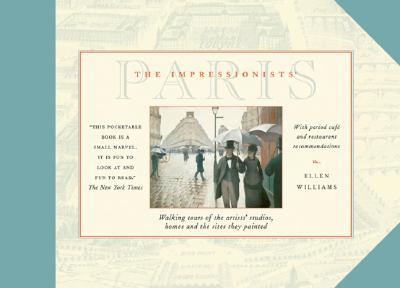
 The Impressionists’ Paris by Ellen Williams (The Little Bookroom, 1997) is a wonderful little travel guide for art lovers in Paris. It offers three separate walking tours of some of the Impressionists’ art studios, homes and painting sites.

The first walk in the book takes you to the area around the Louvre and the Seine, over bridges known as Le Pont Neuf or Le Pont Des Arts to the Left Bank area near L’Ecole des Beaux Arts.

The young Impressionists would have spent much of their time in this area in the 1860’s, honing their skills by copying the paintings and sculpture inside the Louvre, and by studying under established artists at various ateliers in the city. If you were male (women were not accepted until 1897, and only then after years of bitter disputes) you hoped to be admitted to the finest art school in Paris, L’Ecole des Beaux Arts.

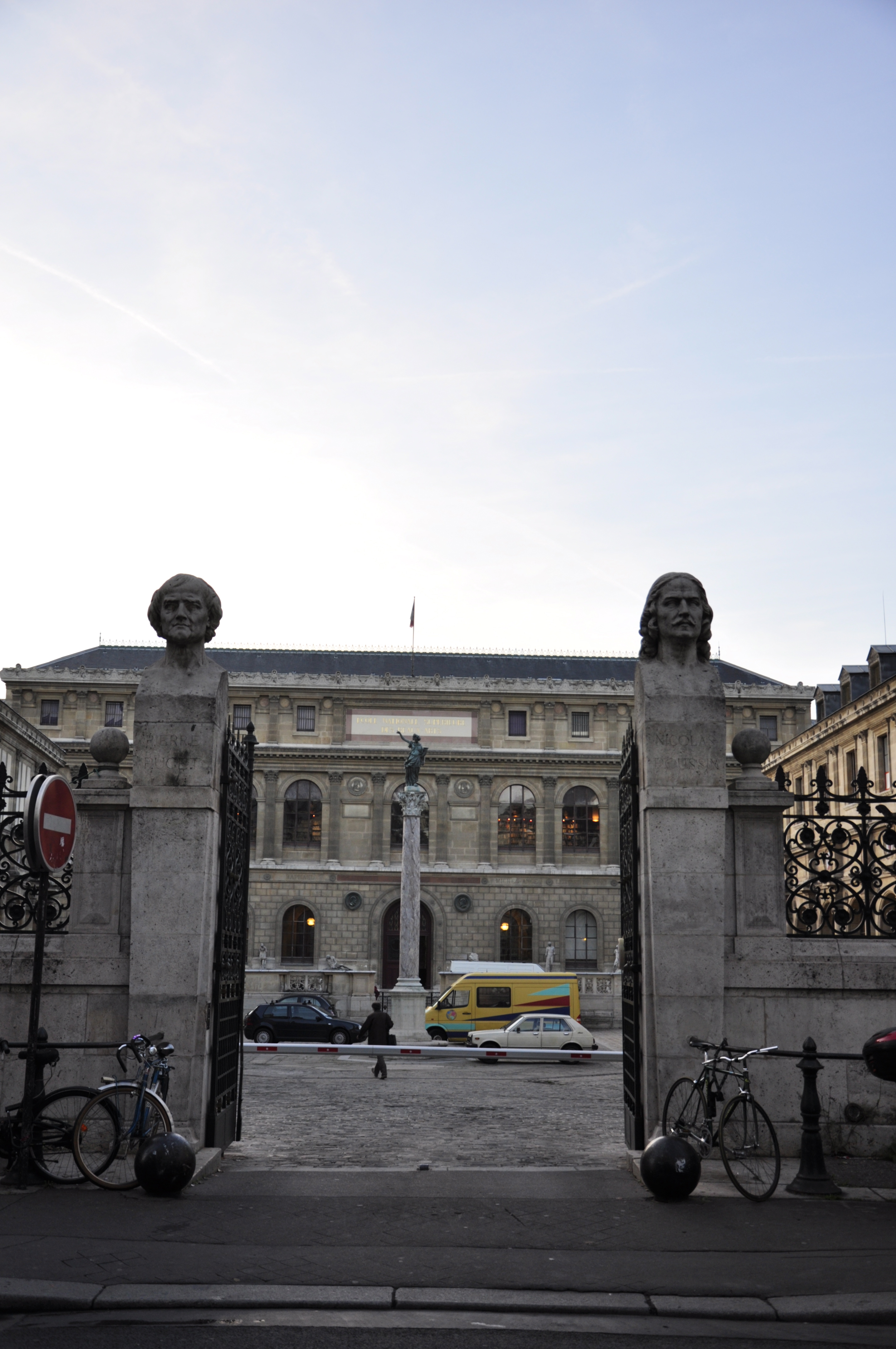
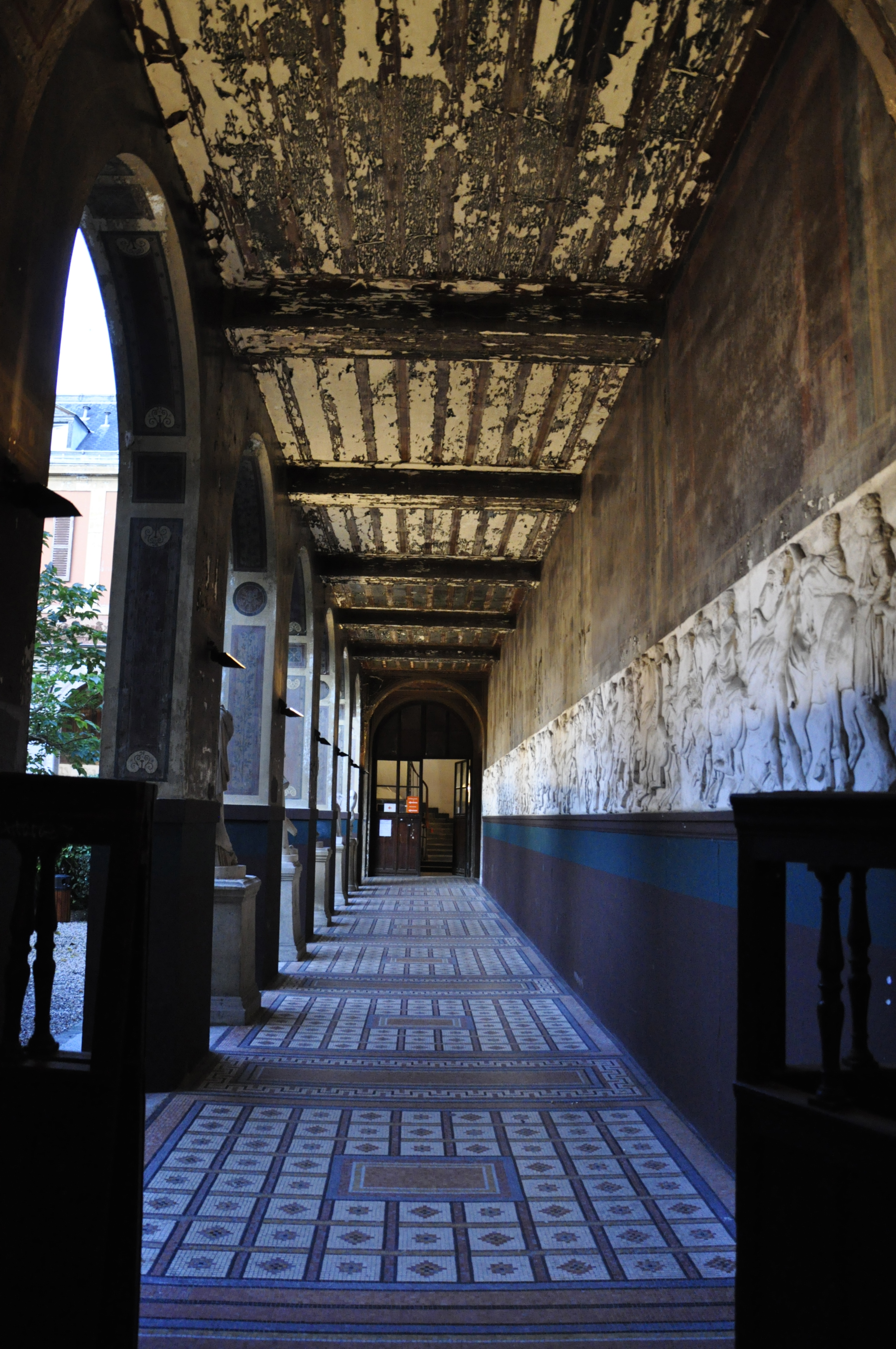
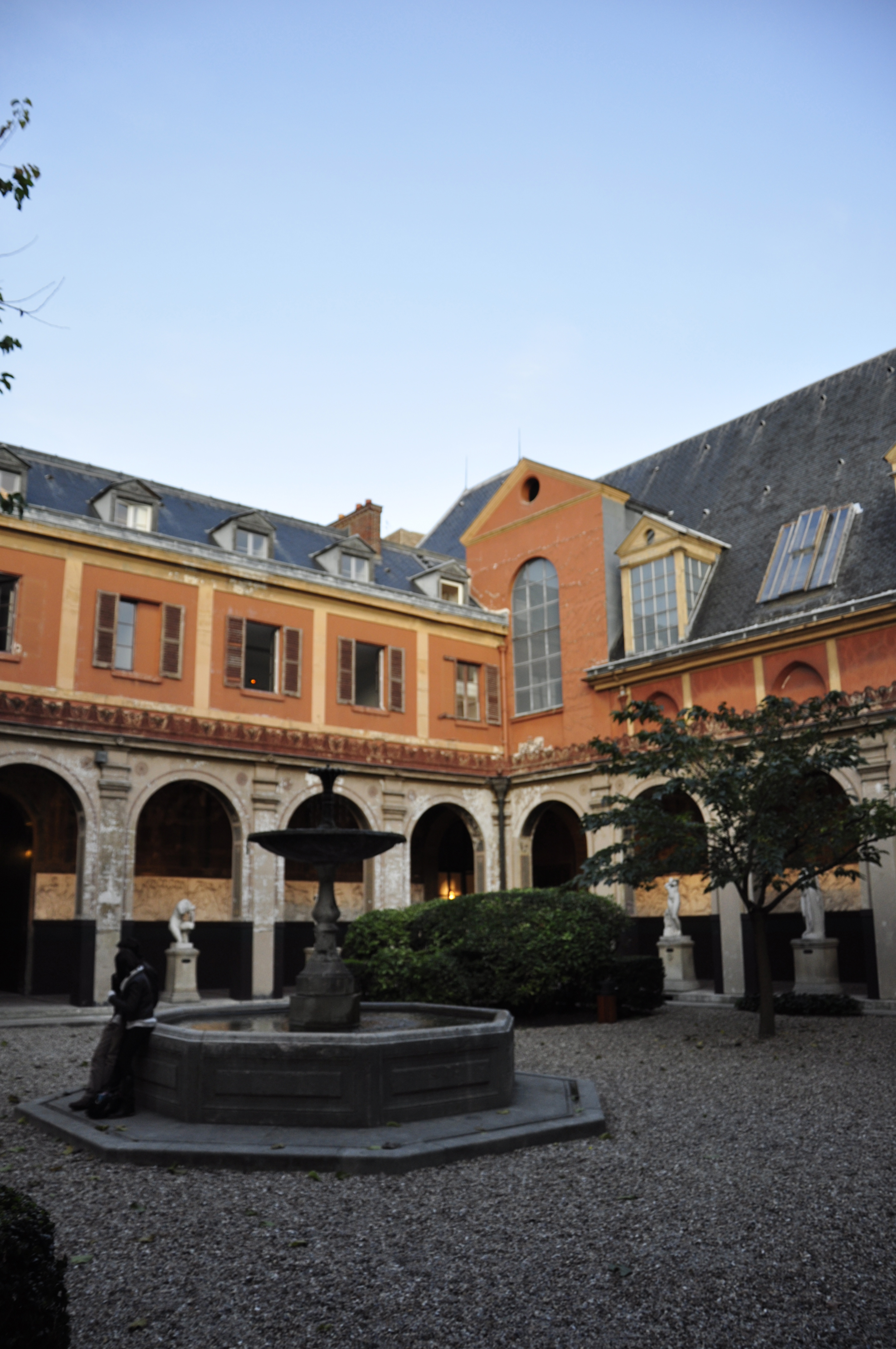
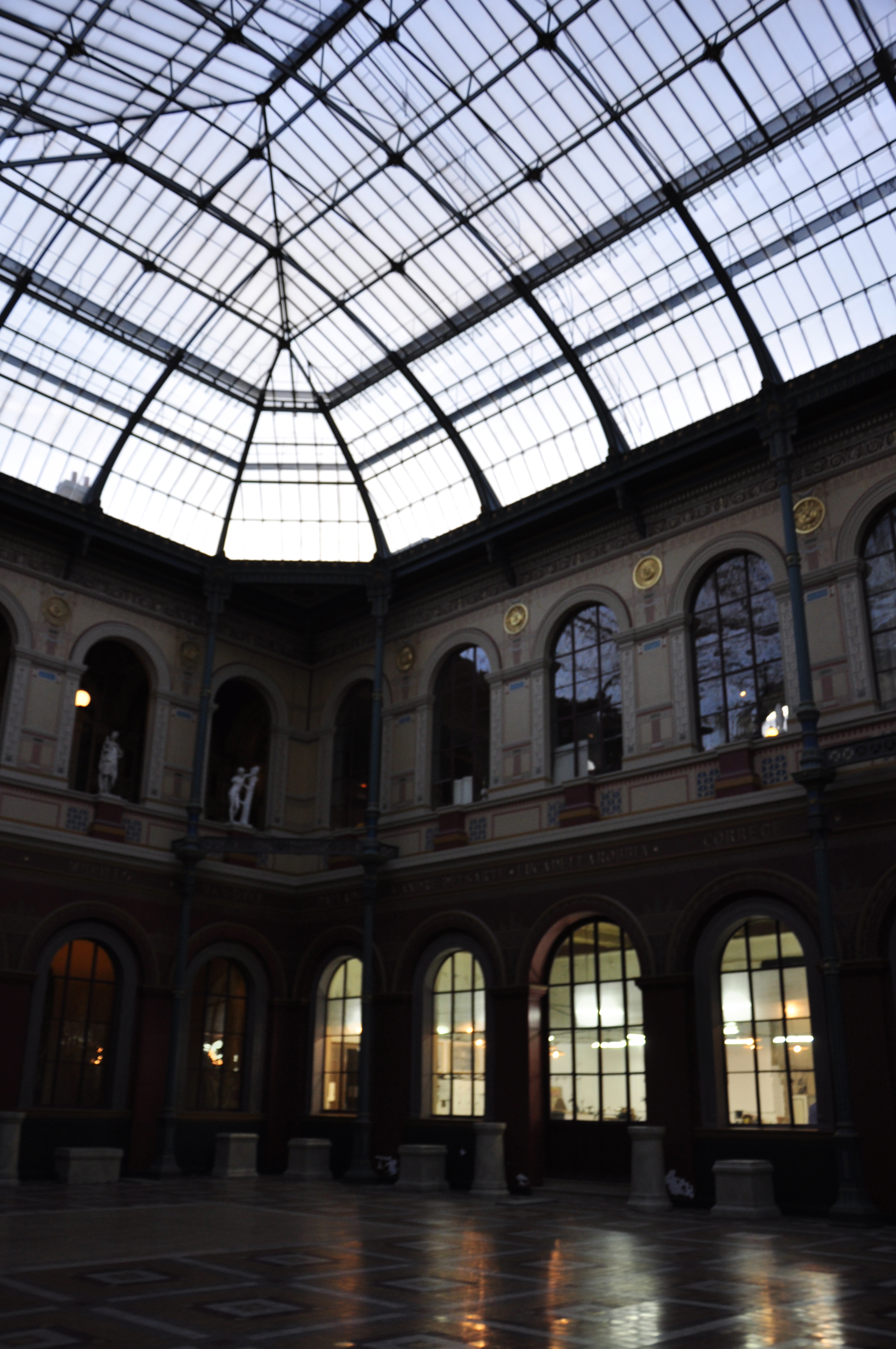
Unlike the female artists of the Impressionist era, I was able to walk right through the gates of L’Ecole des Beaux Arts. I was overwhelmed by its impressive surroundings, from the outdoor courtyard to a massive interior hall with a glass ceiling. There were several printmaking classes underway at the time of my visit, and the air smelled of ink and paint thinner, the happy scent of art in the making.


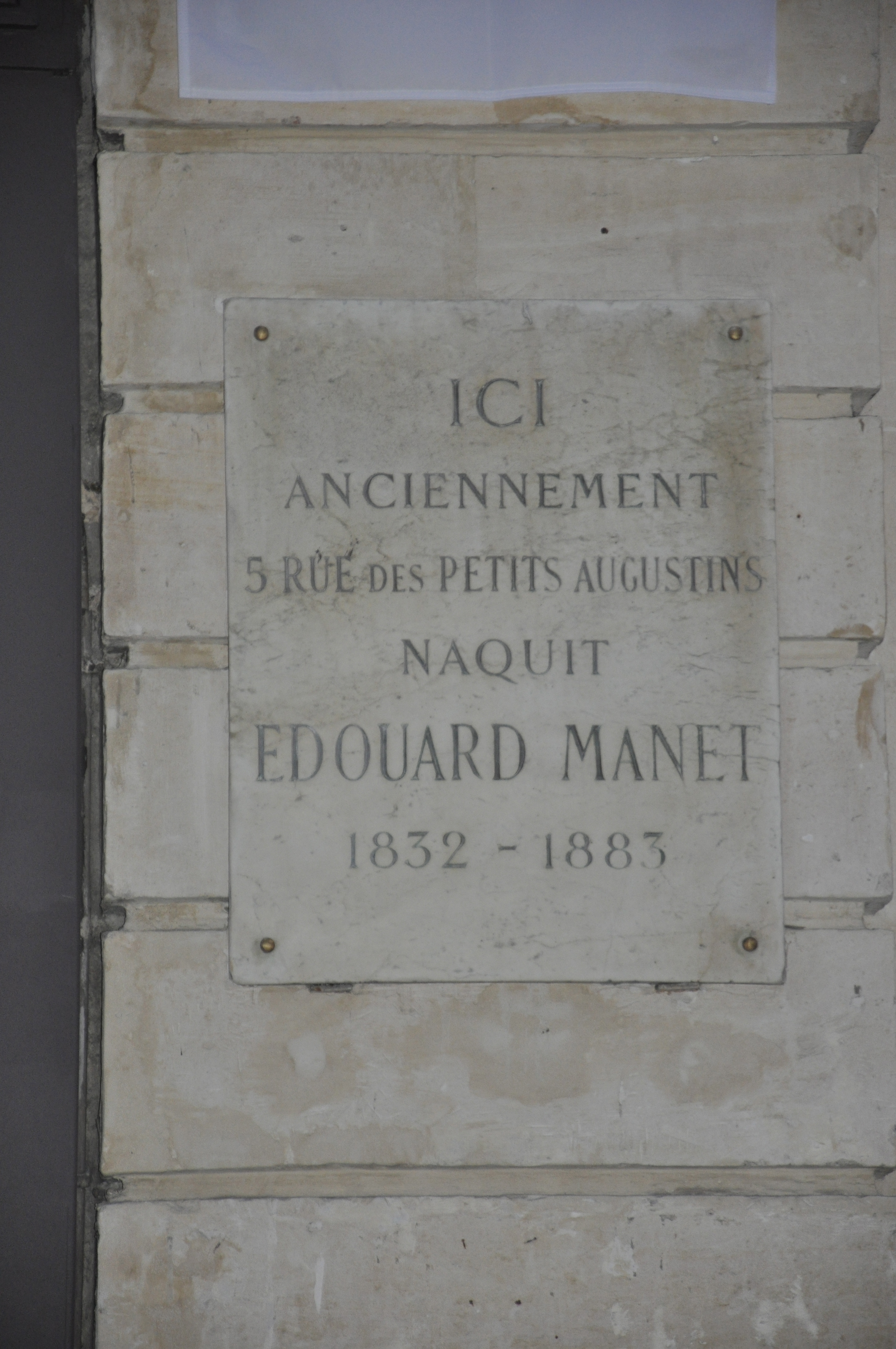
Just across the street a few doors north of the entrance to L’Ecole des Beaux Arts is the birthplace of Edouard Manet, which is commemorated with a historical plaque (the street was known as rue des Petits Augustins until Napoleon III renamed it in 1852). Manet is recognized as the leader of the Impressionists. When you see where he lived, you understand how he grew up completely surrounded by art.


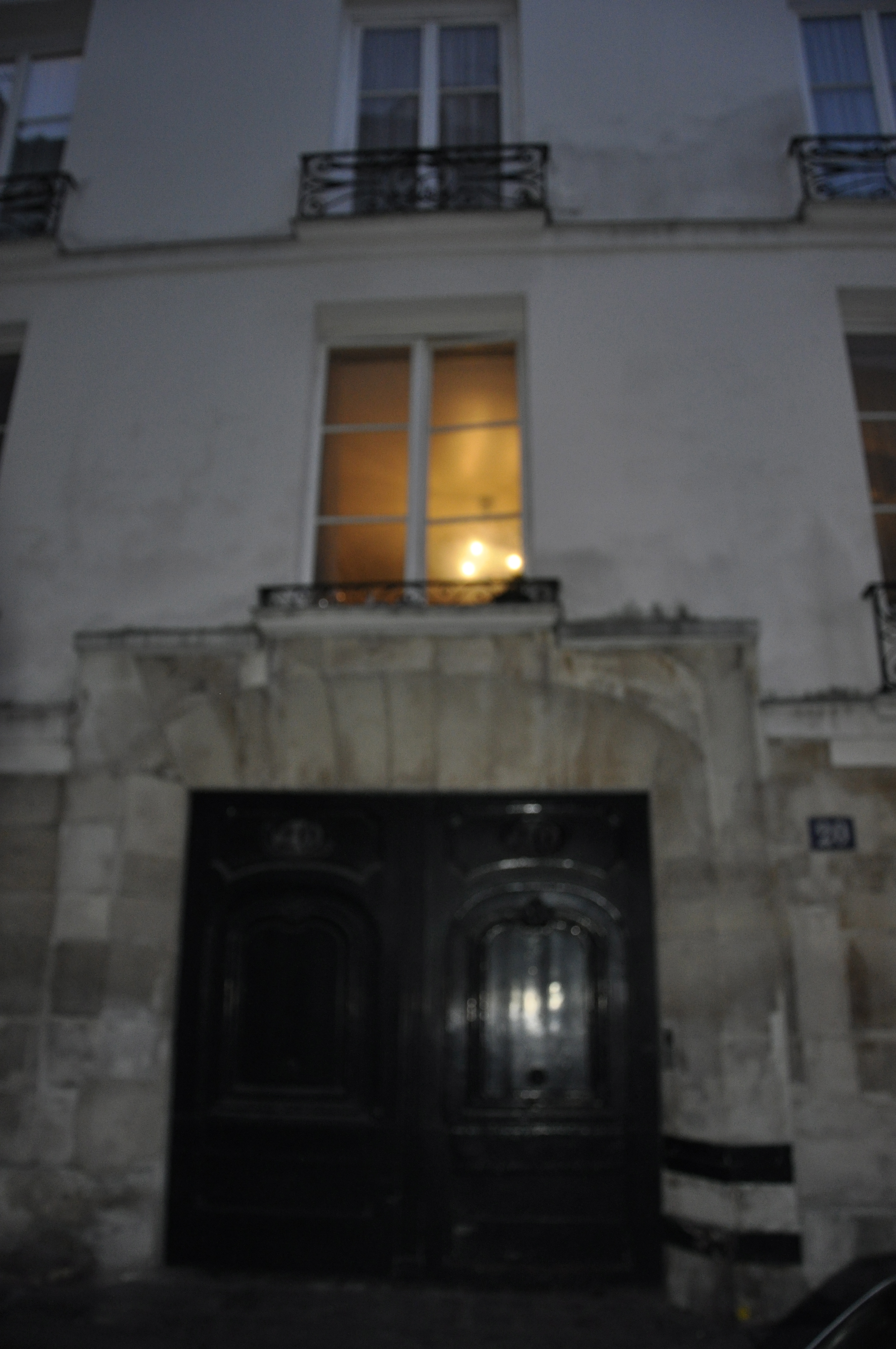
The next stop on the walking tour is the studio of Frederic Bazille at 20 rue Visconti, just a block away from L’Ecole des Beaux Arts. In 1867, Bazille invited his friends Auguste Renoir and Claude Monet to paint with him in his studio. It has been immortalized in such paintings as Bazille’s The Artist’s Studio, Rue Visconti, Paris, 1867. Walking down this old narrow street in the fading afternoon light made me feel like there might have been a few friendly ghosts at my side.

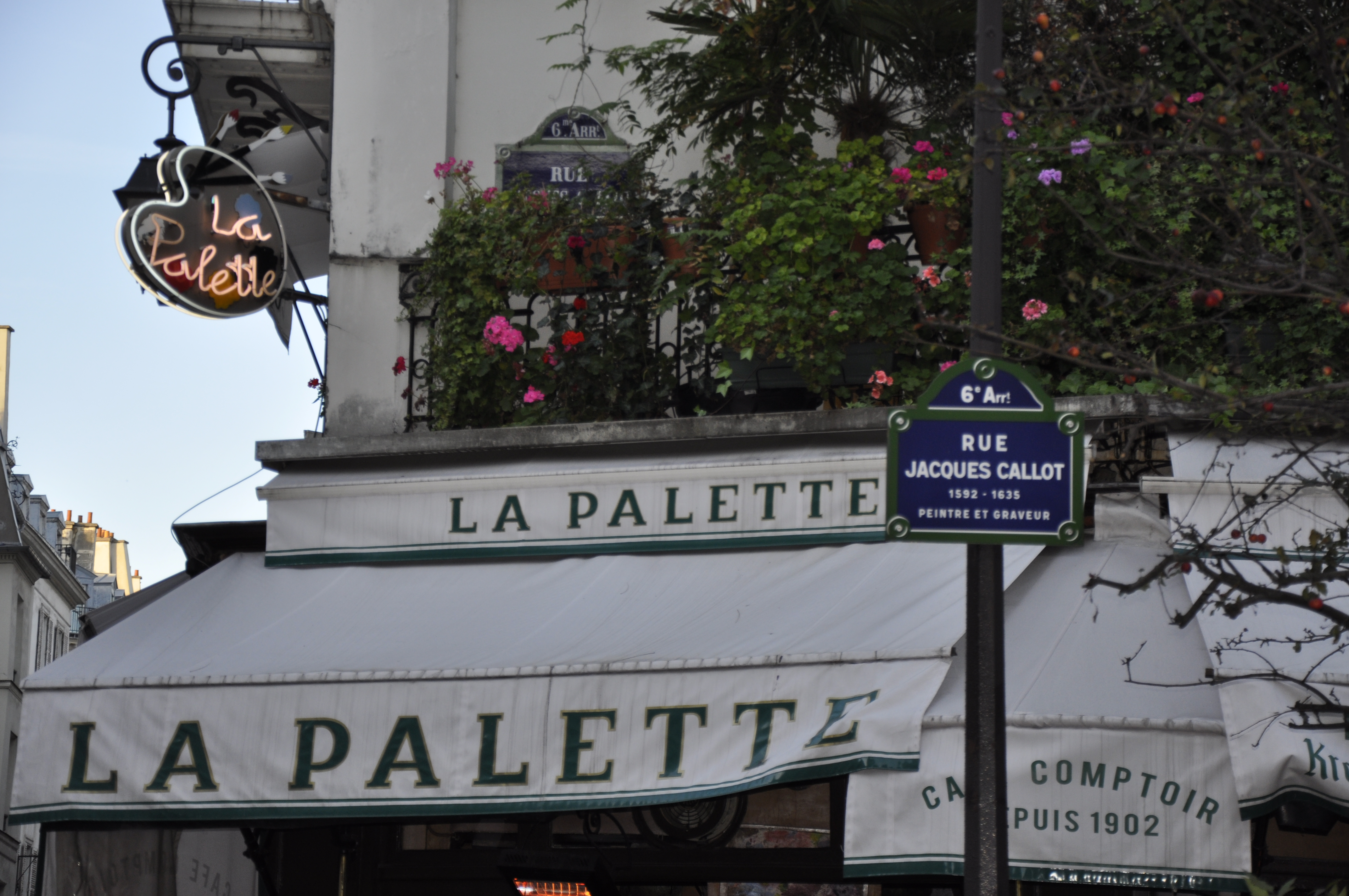
And of course, to finish off the walking tour, I had to stop at Cafe La Palette, 43 rue de Seine, for a glass of wine and a little rest. Although La Palette doesn’t date back as far as the Impressionist era, it has been a local haunt for generations of art students since the turn of the century. I just wish I’d thought to bring a sketch pad to  memorialize it. I guess I’ll just have to go back!
The Impressionists’ Paris is a wonderful little guidebook with easy-to-follow maps as well as helpful cafe and restaurant recommendations. There are two more walking tours in the book besides this one: one for the Montmartre area and one along the Grand Boulevards. Pick this book up at your local independent bookstore and enjoy planning your own trip in the footsteps of the Impressionists. And let me know if you too can sense the ghosts.

In The Footsteps of the Impressionists: Place de Dublin

Today’s Paris art adventure was a walk through the streets around Gare St. Lazare and the Pont de L’Europe, the scene of many impressionist paintings by Manet, Monet and Caillebotte. One of my favorite paintings from the Art Institute of Chicago is Caillbotte’s Paris Street; Rainy Day, 1877. Every time I’m standing on an angled Paris intersection I am reminded of this painting, but today I finally found the real scene at the Place de Dublin.