Stealing Magic in Paris

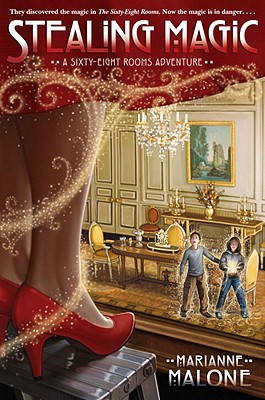
I have a special treat for the kids back home in the States: a photo tour of the Paris scenes in one of their favorite books, Stealing Magic (Random House 2012) by Marianne Malone.

In addition to  my year-long adventure in Paris, I am also a bookseller back in the United States. Some of my bookstore’s most popular children’s books are by Illinois art teacher and author Marianne Malone, including 68 Rooms and Stealing Magic.

Malone’s books start out in the Thorne Miniature Rooms at the Art Institute of Chicago. During a field trip to the “68 Rooms” at the Art Institute, Malone’s young characters find a magical key that enables them to shrink and time travel through the miniature rooms.

In Stealing Magic, the children time travel through Thorne Room E-27, French Library of the Modern Period, 1930s, and find themselves in Paris during the 1937 World’s Exposition. They tour the fairgrounds located at the feet of the Eiffel Tower and befriend a young Jewish girl named Louisa. When Ruthie and Jack time travel back to the United States, they realize they must return to 1930s Paris to warn their friend Louisa about the rising Nazi threat in Europe. It’s a wonderful story with a blend of history, danger, art and adventure.
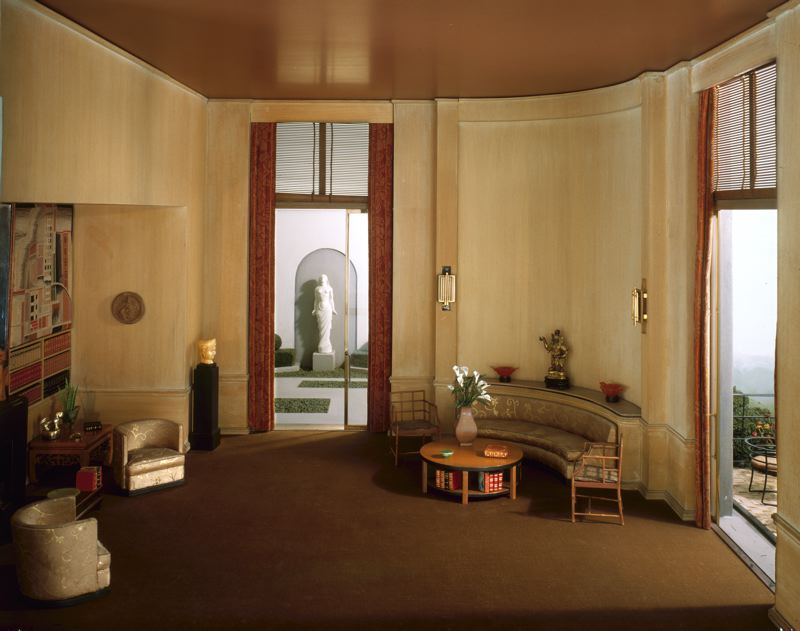
Thorne Room E-27, French Library of the Modern Period, 1930s, Art Institute of Chicago.

As a treat for all of the 68 Rooms fans back in the States, I mapped out the scenes in the book, and took my camera to the Trocadéro neighborhood for a Stealing Magic literary tour of Paris.
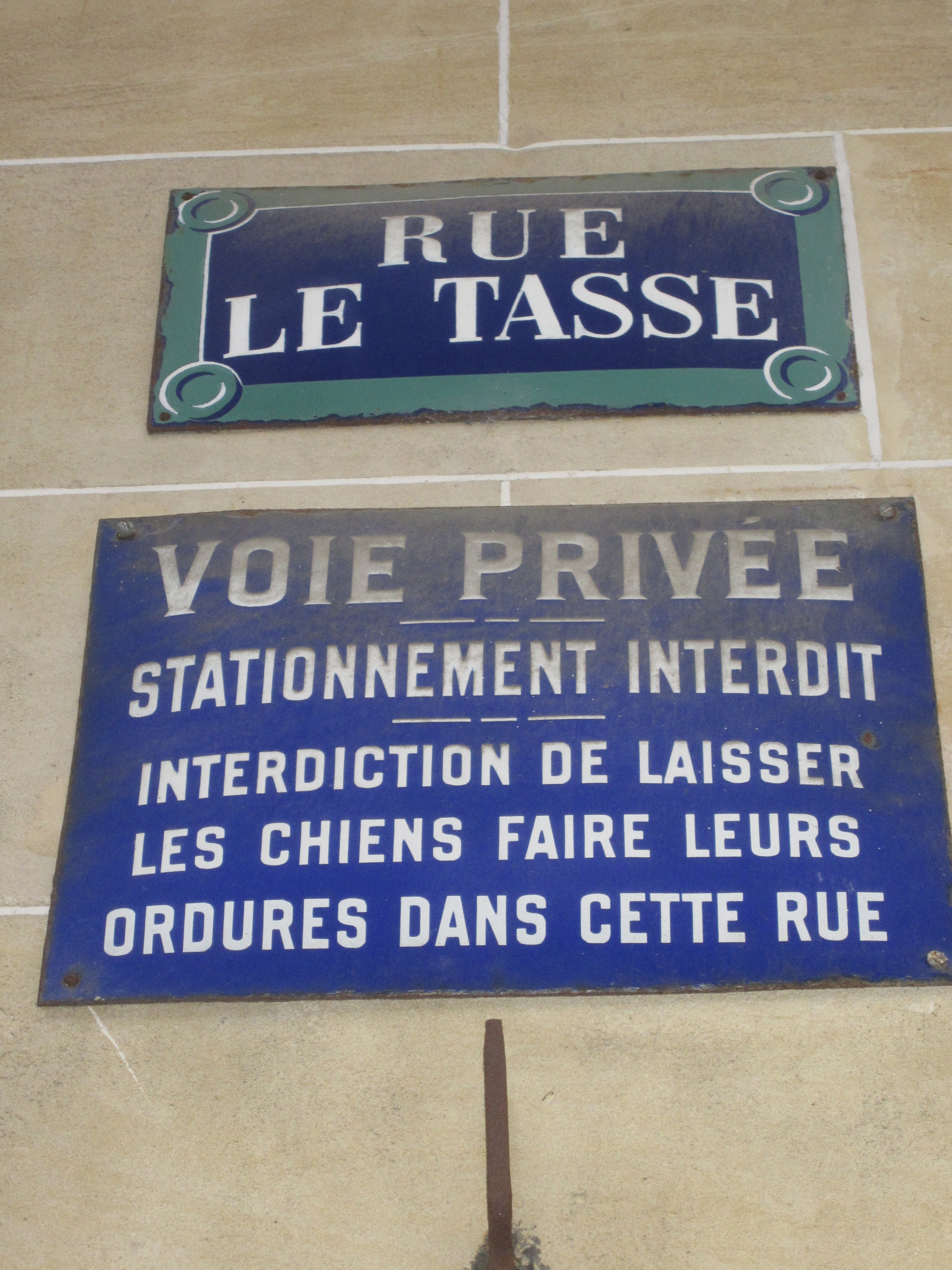
rue Le Tasse, the location of Louisa Meyer's apartment in Paris. Louisa and her family lived on a quiet, private street in a very nice neighborhood. So nice, in fact, that dogs are prohibited from "doing their business" (les chiens faire leurs ordures) on the street.
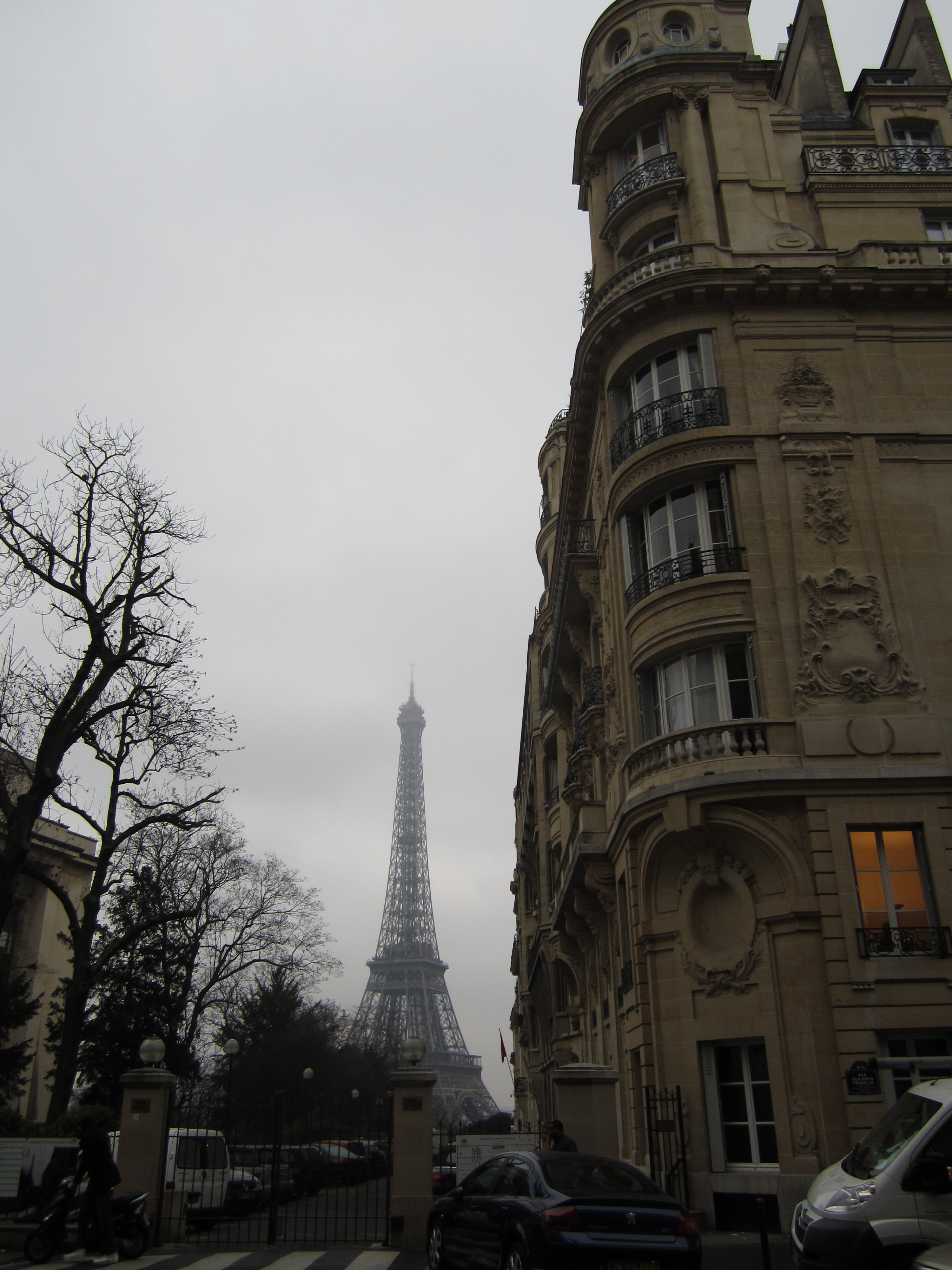
After Louisa meets Ruthie and Jack, she shows them where she lives: "She pointed across the park to a row of beautiful buildings." . . . "Number seven, rue Le Tasse. Second from the end. . . ." From rue Le Tasse you have a beautiful view of the Eiffel Tower.
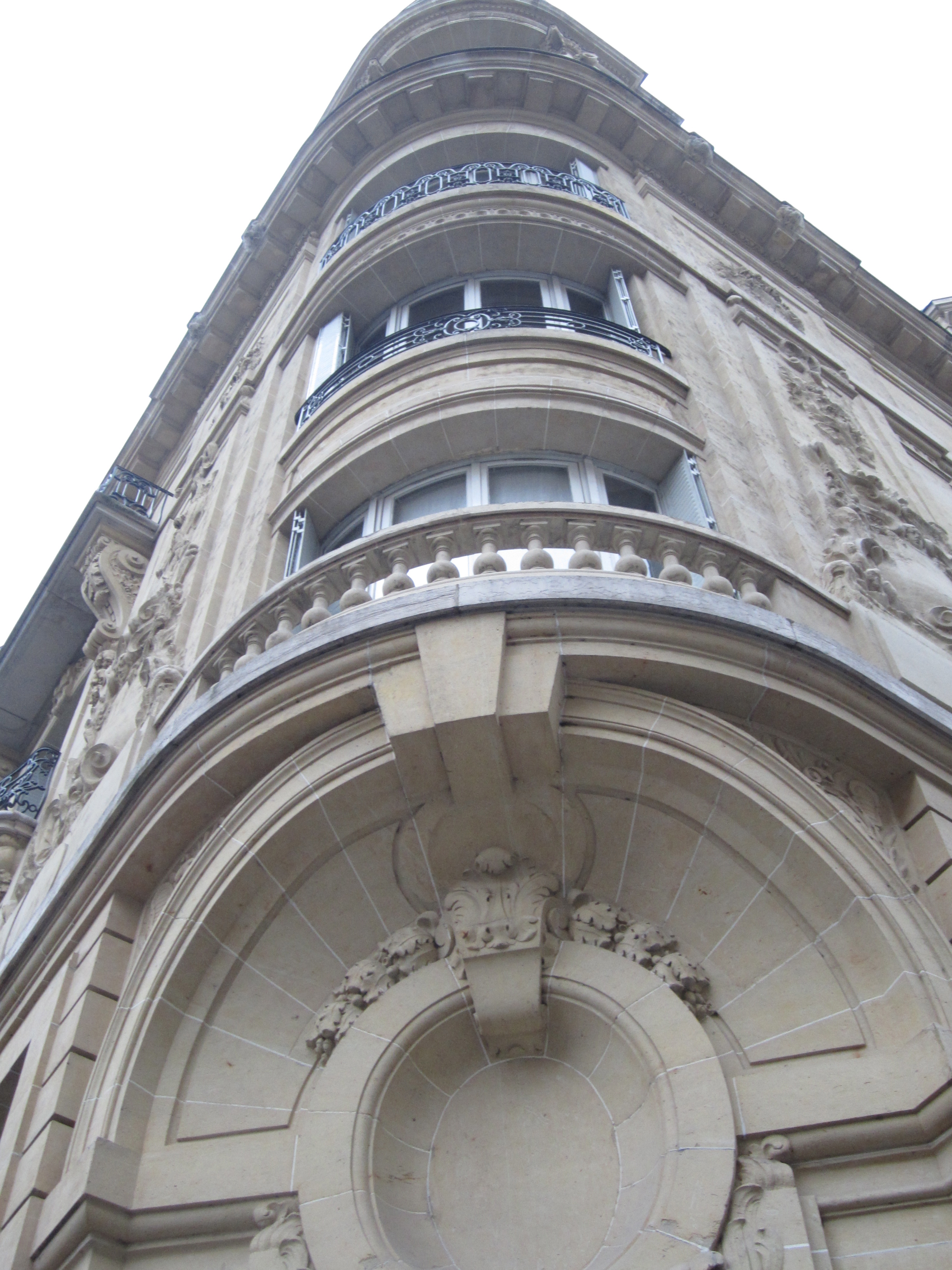
See all of the fancy decoration on the building facade? Doesn't it look just like the illustration in the book? Louisa waved at Ruthie and Jack from her balcony of her apartment at 7 rue Le Tasse (p. 175).
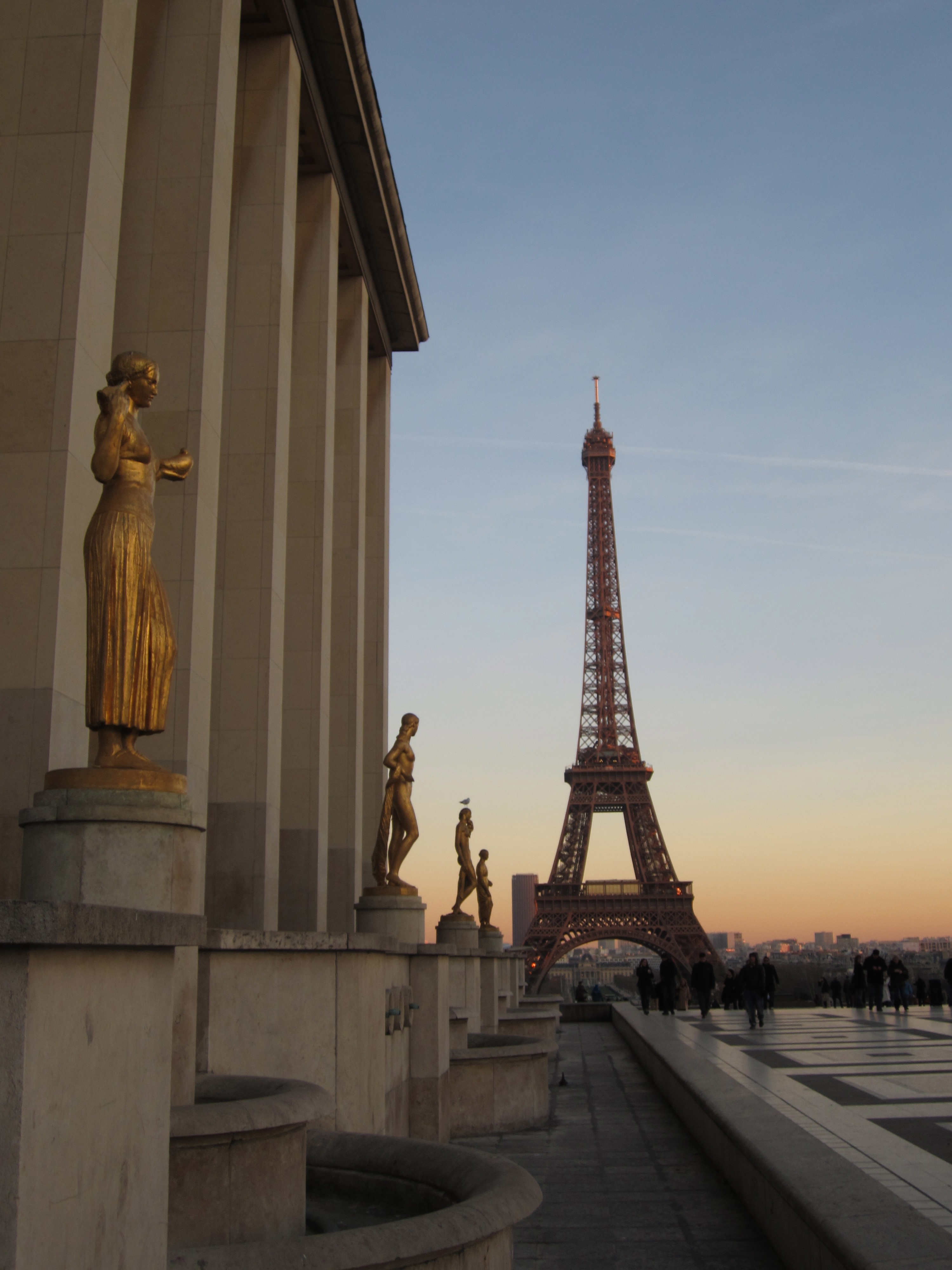
The view of the Eiffel Tower from the Trocadéro. Jack and Ruthie would have seen many more buildings near the base of the Eiffel Tower than we see today, including the German and the Soviet pavillions that were build for the 1937 fair. Most of the buildings from the World's Exposition were torn down afterwards.
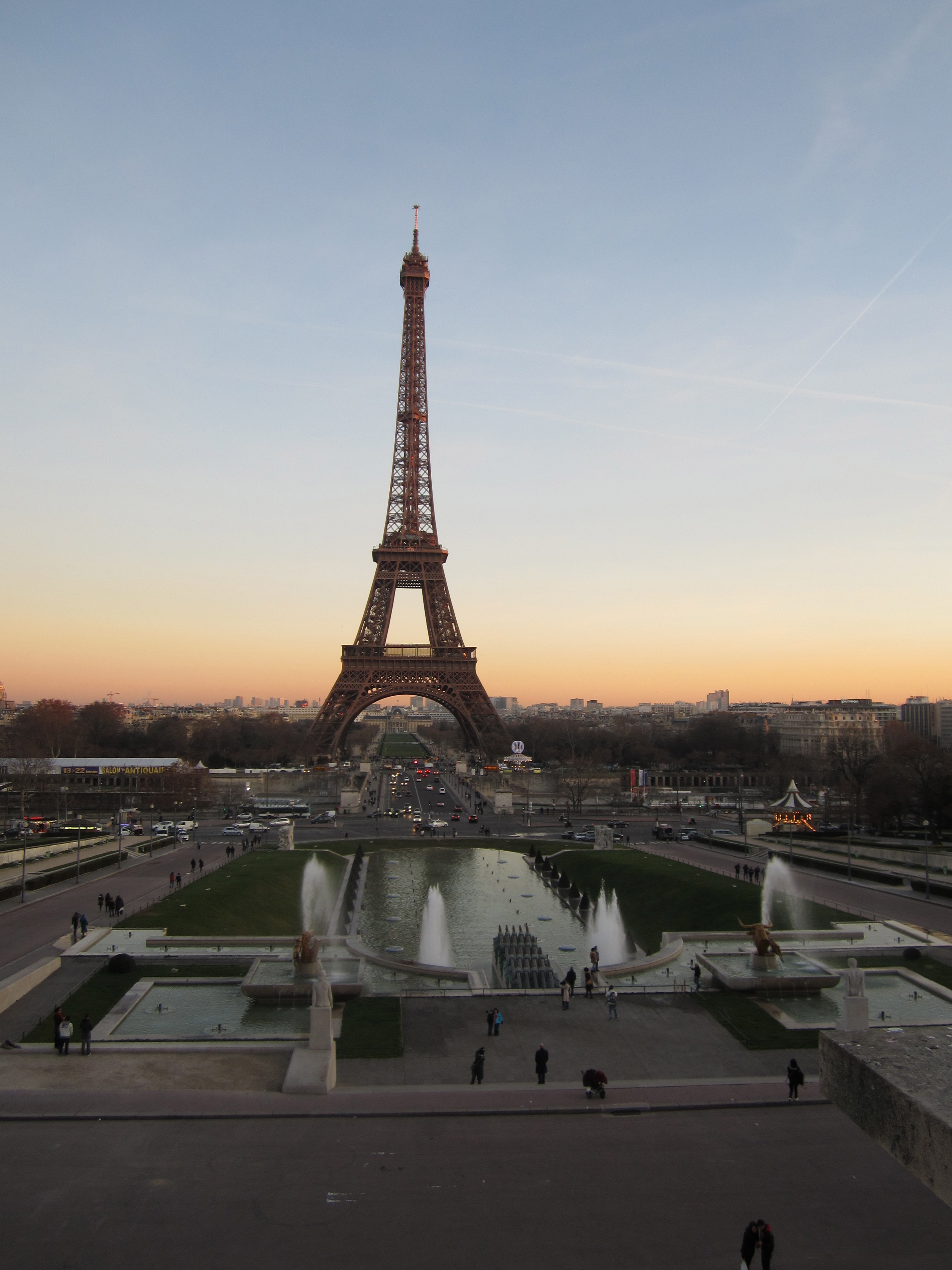
Ruthie and Jack's view of the Jardins du Trocadéro and the Eiffel Tower. "A long, rectangular fountain ran down the center of the gardens, its jets spraying water dramatically into the air. The ground sloped to the Seine River and a bridge that people walked across to the Eiffel Tower."

Marianne Malone does a wonderful job of portraying Paris life in the 1930s, from the baguettes in the bicycle baskets to the fashionable women in their high heels and skirts. I couldn’t help but smile when she described the small elevator in Louisa’s apartment building: “the accordion-style metal gate . . . only big enough for two,” because for me, that lovely little detail seems to capture the essence of Paris apartment life, whether it’s 1937 or 2012.

Stealing Magic also teaches grade school children about Nazism and the Holocaust in an  age appropriate way. When Louisa’s mother expresses her disbelief about the danger and says: “But surely Hitler can’t control Paris,” we are reassured that Ruthie and Jack know better. It makes for a good story, and at the same time, a valuable learning opportunity.

I highly recommend Stealing Magic and I hope you enjoyed the photo tour.

Coco Chanel: Sleeping with the Enemy

Sleeping With the Enemy is a bubble-bursting kind of book.

When most people think of Coco Chanel, they probably picture her like I used to, as played by Audrey Tautau in Coco Before Chanel (2009). Either a hard-working young thing from the provinces, or the ambitious and innovative fashion icon she became later in her life.

After reading Hal Vaughan’s 2011 book, Sleeping with the Enemy: Coco Chanel, Nazi Agent, a new image comes to mind, and it’s not good. At best, Chanel was a powerful woman who would do anything to survive, to succeed, and to walk away from the war unscathed. At worst? Chanel was an anti-semitic Nazi collaborator and morphine-addicted snob who not only slept with the enemy, but aided them.

U.S. Edition (2011)

Hal Vaughan’s book relies on documents from a variety of archives and other legitimate sources, including German files discovered in the Soviet Union. They show that Chanel had a long-term love affair with a Nazi spy, the handsome, aristocratic and half-British Baron Hans Gunther von Dincklage, known to his intimates as “Spatz.”  At the beginning of the Second World War, Chanel sought help to obtain her nephew’s release from a prisoner of war camp in Germany. Spatz was the perfect string-puller. It didn’t take long until the two formed a long-lasting romantic alliance.
Chanel’s relationship with Spatz enabled Chanel to keep living in luxury in the midst of war. Although Chanel initially departed for Vichy, France, Spatz called in a favor with the German High Command and they invited Chanel to move into the Cambon wing of the Ritz as the Nazi’s “Privatgast.” Chanel’s new rooms weren’t quite the same as her old suite facing Place Vendome, but they would do.

While other Parisians suffered through severe food rationing during the long, desperate years of occupation, Chanel sipped champagne with the top German officials who had taken over the Ritz. Chanel and Spatz dined at Maxim’s, went to black-tie affairs at the opera, and attended glamourous dinner parties at the German Ambassador’s residence on the Left Bank.

But of course, there was a price to be paid for Spatz’s favors. And it appears Chanel had no trouble paying it. Chanel and Spatz traveled to Berlin to meet with with a top SS intelligence chief, and Chanel became German Secret Agent F-7124, code name “Westminster.” If Vaughan’s book has a weakness, it is here, where he seeks to explain the nature of Chanel’s missions on behalf of the Germans. It is not entirely clear what specific traitorous acts she performed against the interests of the French people. Nevertheless, it is perfectly clear that Chanel was a pro-German collaborator who was not quiet about her dislike for Jews.

Chanel didn’t just nod when other people said bad things about Jews at German dinner parties. She spouted quite a bit of venom herself. But even worse, she actually tried to use anti-semitic laws to fight for the ownership of Chanel No. 5. Back in 1924, Chanel had sold her highly successful perfume line to the Jewish Wertheimer family, and  she wanted it back. Spatz introduced Chanel to the senior Nazi official in charge of the “Aryanization” of Jewish property in France, and he helped her try to wrestle the control of Chanel No. 5 away from the Wertheimers. However, the Wertheimers were prepared and had already placed the company into a trust. For once, Chanel did not succeed.

It is still a mystery how Chanel was ever able to avoid arrest and prosecution after the war. According to Vaughan, a case was opened against her and she appeared for an interrogation, but the case went nowhere. The rumor is that Winston Churchill intervened on her behalf. Chanel slipped out of France and headed straight to Switzerland, where she spent several more years living with Spatz.

Chanel made a huge comeback in Paris in 1954. She was in her 70’s and the French didn’t wanted to be reminded of who did what in the the war. She died in her rooms at the Paris Ritz in 1971, the past varnished over. She was a fashion icon worth over $54 million. And the brand lives on.

Despite everything I learned from Vaughan’s book, and I was still interested in going on the Paris Walks Fashion Tour, which I did just this week. The tour guide was well informed about Chanel’s past, and offered a middle-of-the-road, no-one-really-knows interpretation of Chanel’s role with the Nazis. The tour guide shared a particularly interesting quote. When asked about her relationship with Spatz, Chanel supposedly said: “At my age, I’m so happy to have a lover, I don’t ask for a passport.”

In any event, here are some photos from the Paris Walks Tour, which I highly recommend.

And just in case – like me – you don’t have the right credentials to get on the Chanel VIP list for current tours of Chanel’s apartments, at least we can enjoy the photos of someone who does. Check out this story from the Guardian, complete with eye-popping photos of Chanel’s glamorous lifestyle on rue Cambon.

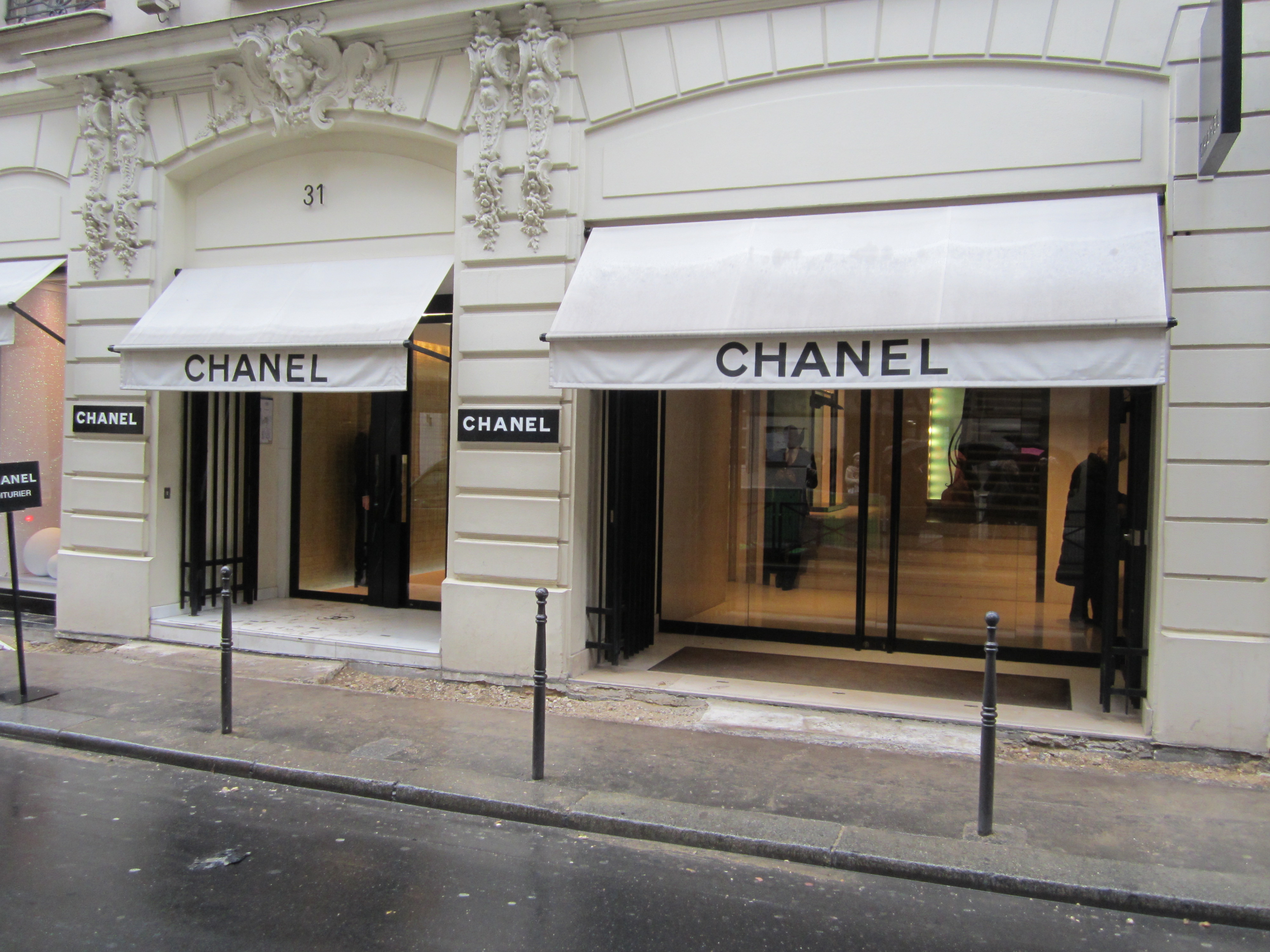
The flagship Chanel boutique at 31, rue Cambon in Paris. Chanel had apartments above the boutique where she entertained her clients, but she did not sleep there. She slept at her apartment in the Ritz, just across the street.

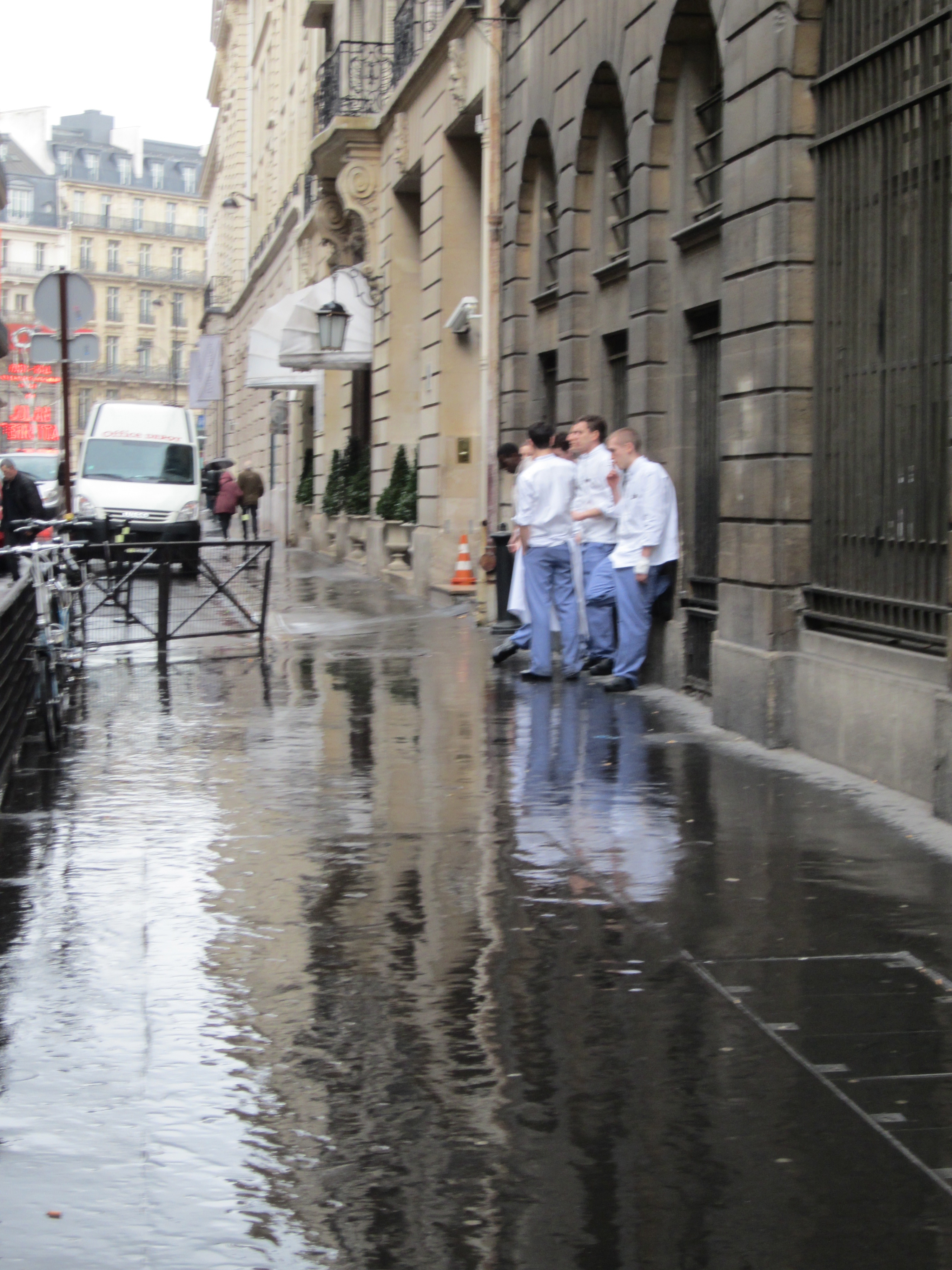
The back entrance to the Ritz on rue Cambon. Chanel's apartments during the war would have overlooked this street.

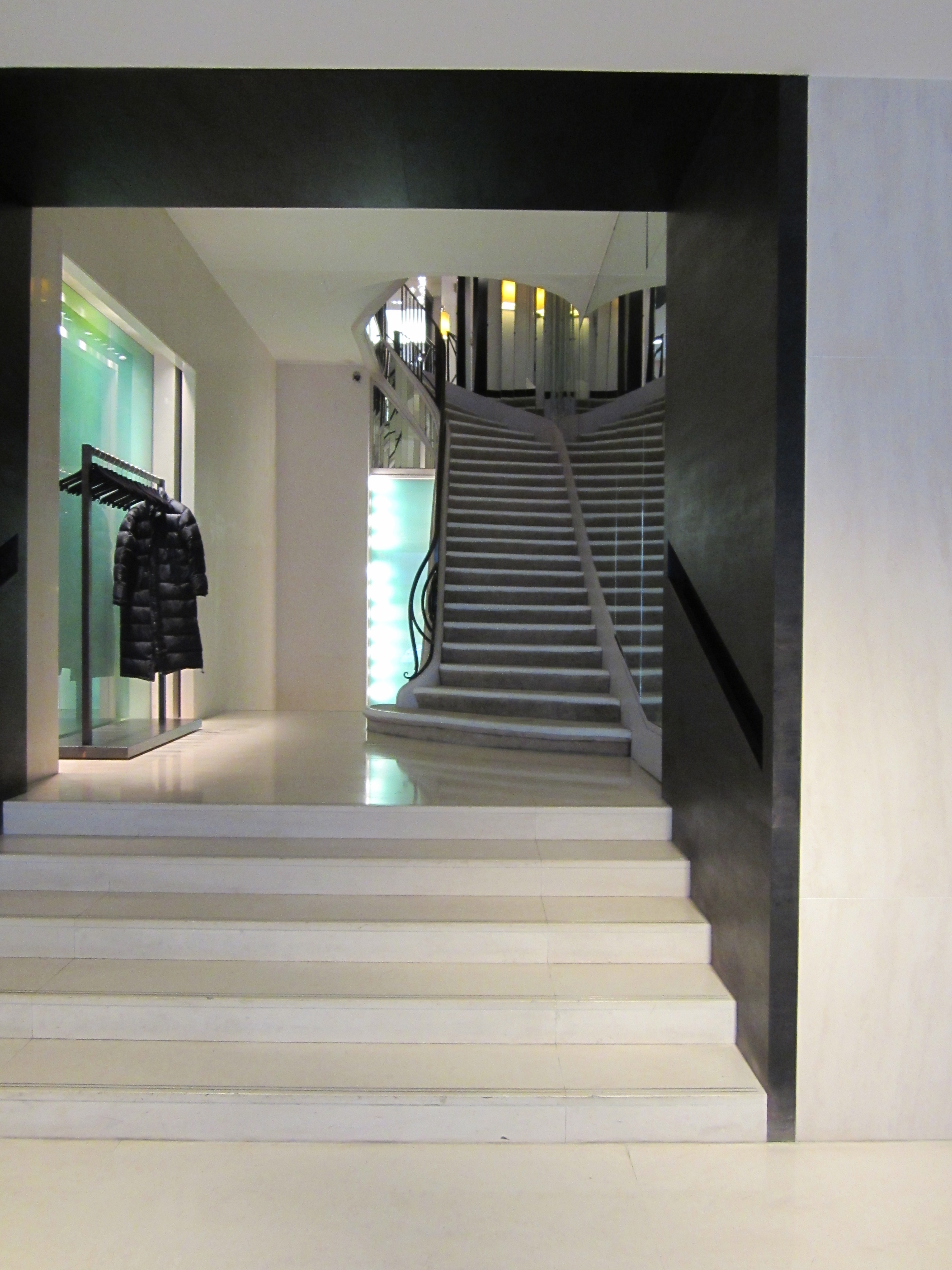
The famous mirrored staircase leading up from the boutique to Chanel's private apartments. Picture Spatz and Chanel here.

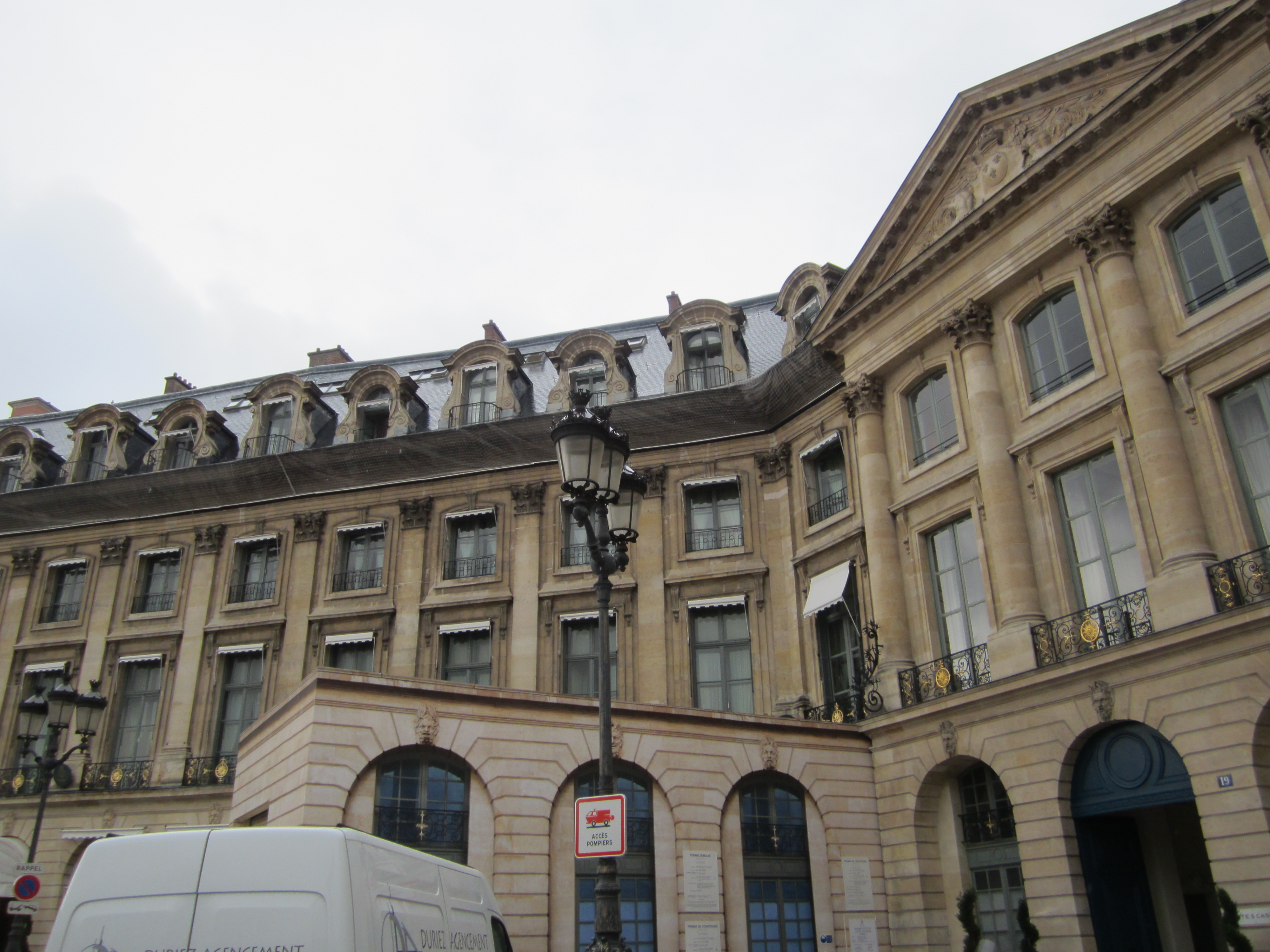
Chanel's suite at the Ritz before WWII, facing Place Vendome. It can be yours now for only 8,500 Euros per night. (Hopefully without any smoke damage from the recent garage fire!)

Pleasure Seeking in Amsterdam

History of a Pleasure Seeker (Knopf 2012)

Amsterdam. That is where I discovered an immensely pleasurable novel by Richard Mason.

Based on the exploits of a handsome young tutor in a grand Amsterdam canal house at the height of the Belle Époque, History of a Pleasure Seeker is like a fun, sexed-up Downton Abbey.

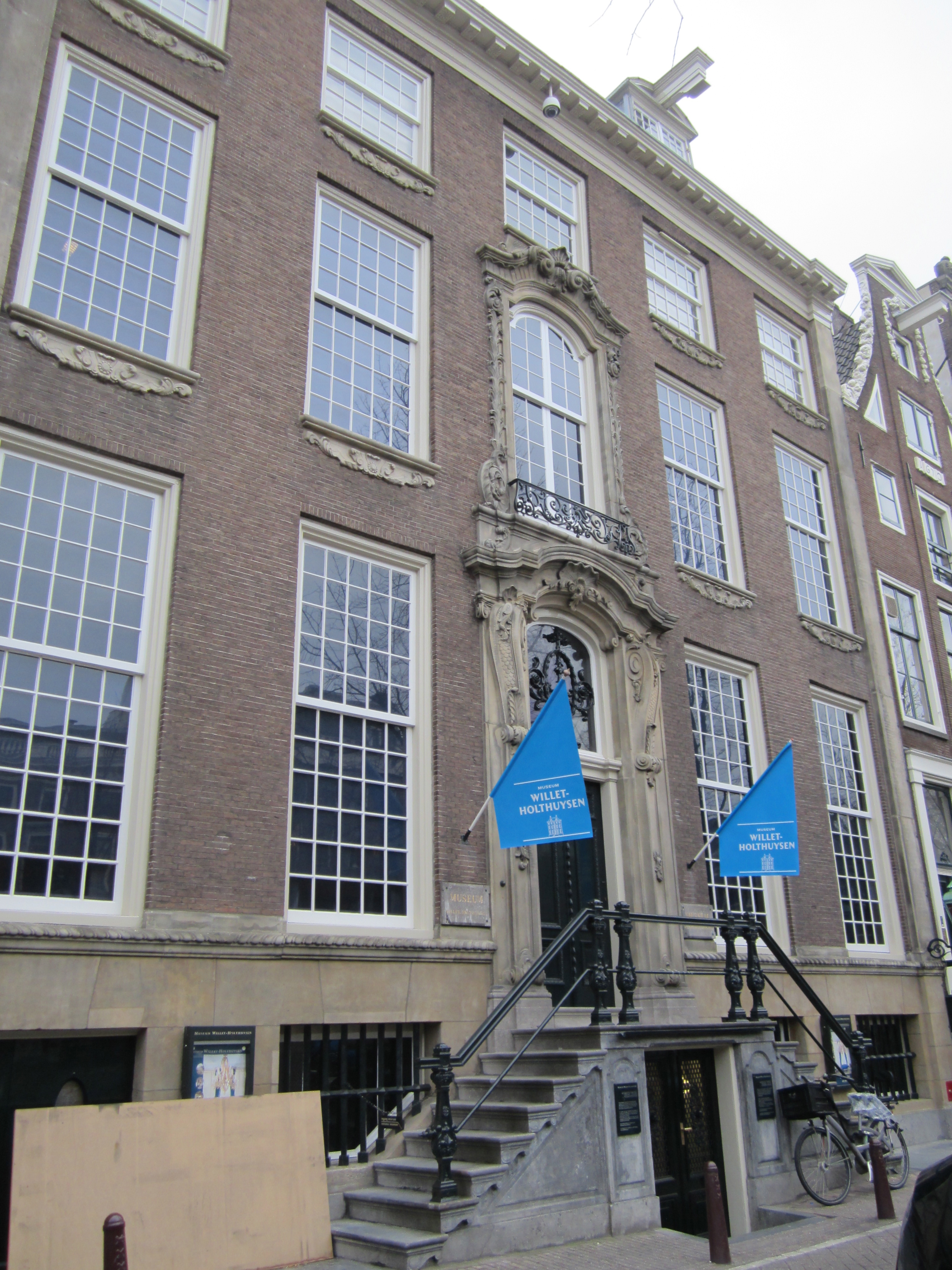
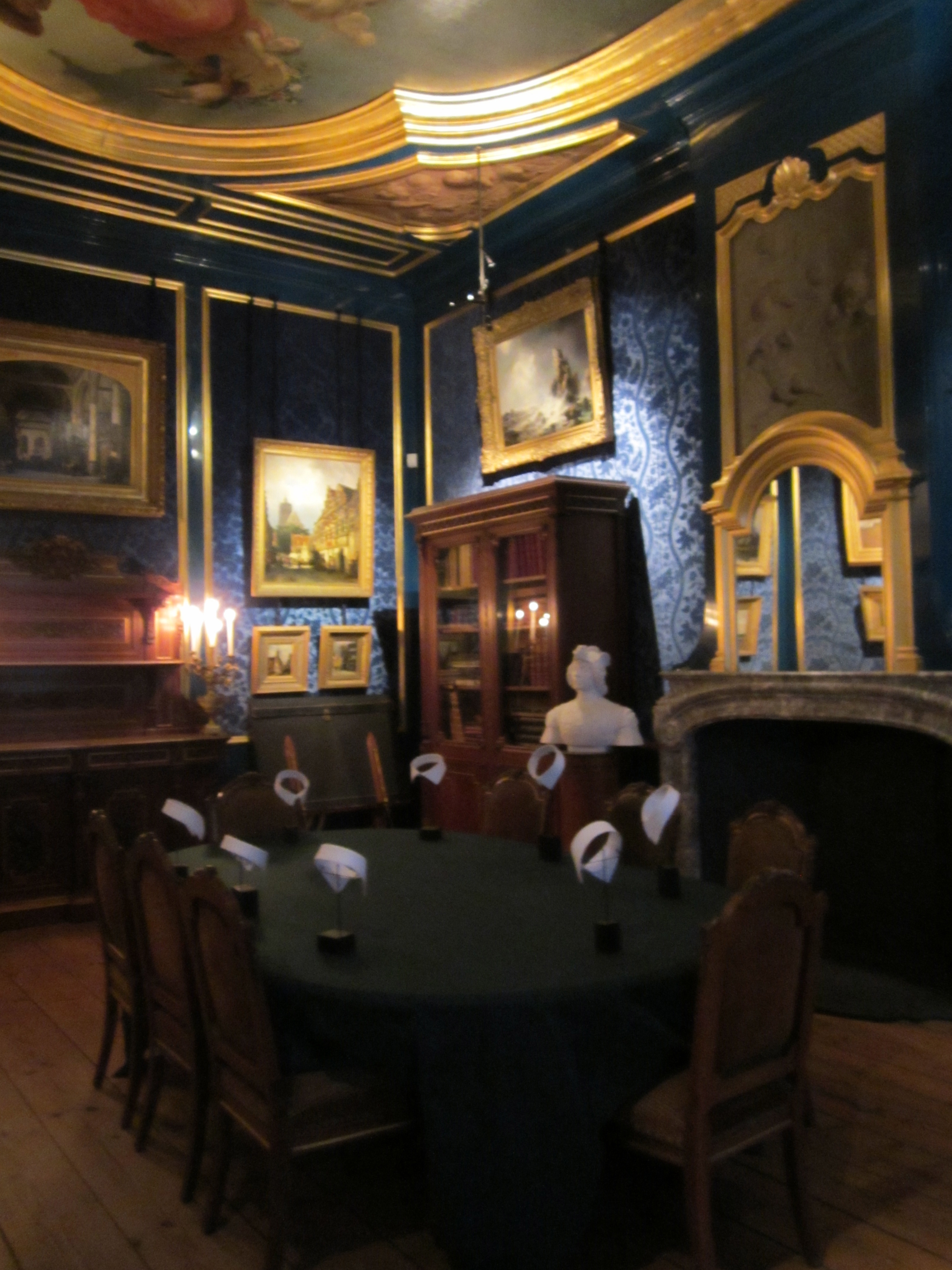
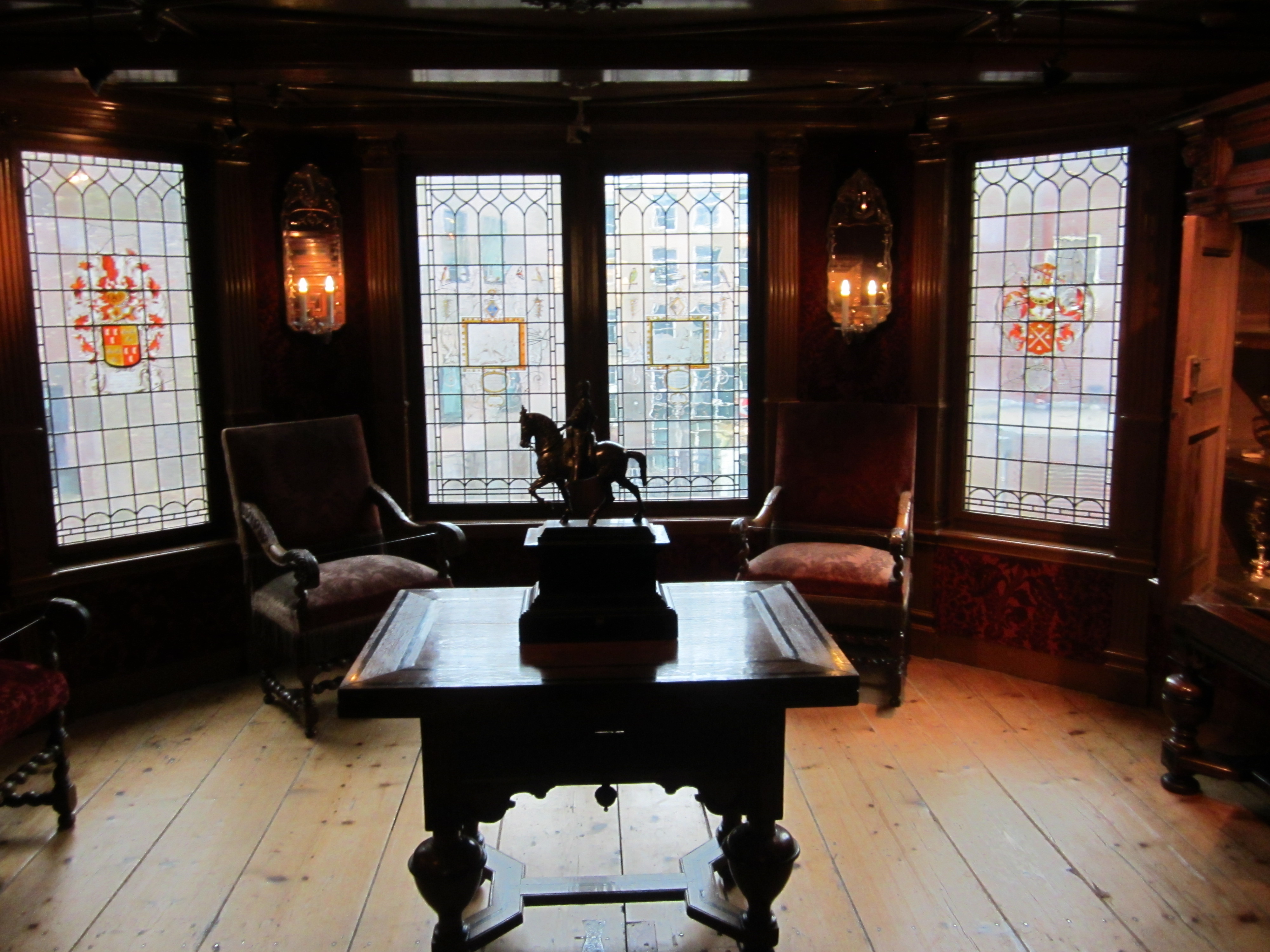
Canal houses in Amsterdam are a real pleasure to visit. On a recent trip, I toured the Willet-Holthuysen Museum at 605 Herengracht. I just love a good display of decadent Belle Époque excess.

Days later, I spotted a striking paperback novel in an Amsterdam bookstore. It had an eye-catching design in turquoise and black, with a row of gold-colored canal houses across the top. (Knopf released the U.S. edition pictured above in February 2012, but I came across the Orion UK paperback edition pictured here.)  I bought the book and dove right in at a nearby café. Only then did I learn that it was set in the very canal house I had recently visited. And just like the characters in the book, I quickly succumbed to its protagonist’s charms.

Entertaining and roguish, Piet Barol is the only child of a disappointing marriage between an uninspired Dutchman and a Parisian singing teacher. He grows up at the piano with his mother, where he learns the language of love and desire. Piet is attracted to the scent of power and is closely attuned to the distinctions of class. Piet nurses his ambition in private until he arrives at the front door of 605 Herengracht for a job interview.

Fortunately, Jacobina Vermeulen-Sickerts, the middle-aged lady of the grand canal house, is desperate to find a tutor for her emotionally disturbed but musically gifted young boy. She asks Piet to audition on the piano. Piet quickly intuits what Jacobina’s true needs might be, and chooses to play the second nocturne of Chopin in E flat major (“the only key for love,” said his mother long ago). It is cunning musical success. Jacobina is left breathless – as are most readers, I would predict – and Piet is hired on the spot. Flirtatious, ambitious and irresistibly handsome, Piet seizes the opportunity and seduces his way up the gilded curve. His exploits are fueled by the adrenalin of risk, but he is not completely foolish or unkind. He is generously sexy with both men and women, but he is not completely promiscuous. He is wise enough to resist the temptations of flirtatious daughters, desperate fellow employees and the paid-for pleasures of the demi-monde. Piet might be an amoral opportunist, but he is never unlikable. His dangerous liaisons are like a tight-rope display that we watch with horror and suspense. He is naughty and ambitious and we love it.

Go, if you can, to the Willet-Holthuysen Museum the next time you’re in Amsterdam. Until then, I hope you’ll enjoy the photos I was able to take on my own recent visit. Mason has done a great job of capturing the magic and power of the canal house at the height of its glory. It is a beautiful setting – almost a character in its own right – as it clearly deserves to be.

Willet-Holthuysen Museum, Herengracht 605, Amsterdam ("The house was five windows wide and five storeys high, with hundreds of panes of glass that glittered with reflections of canal and sky.")


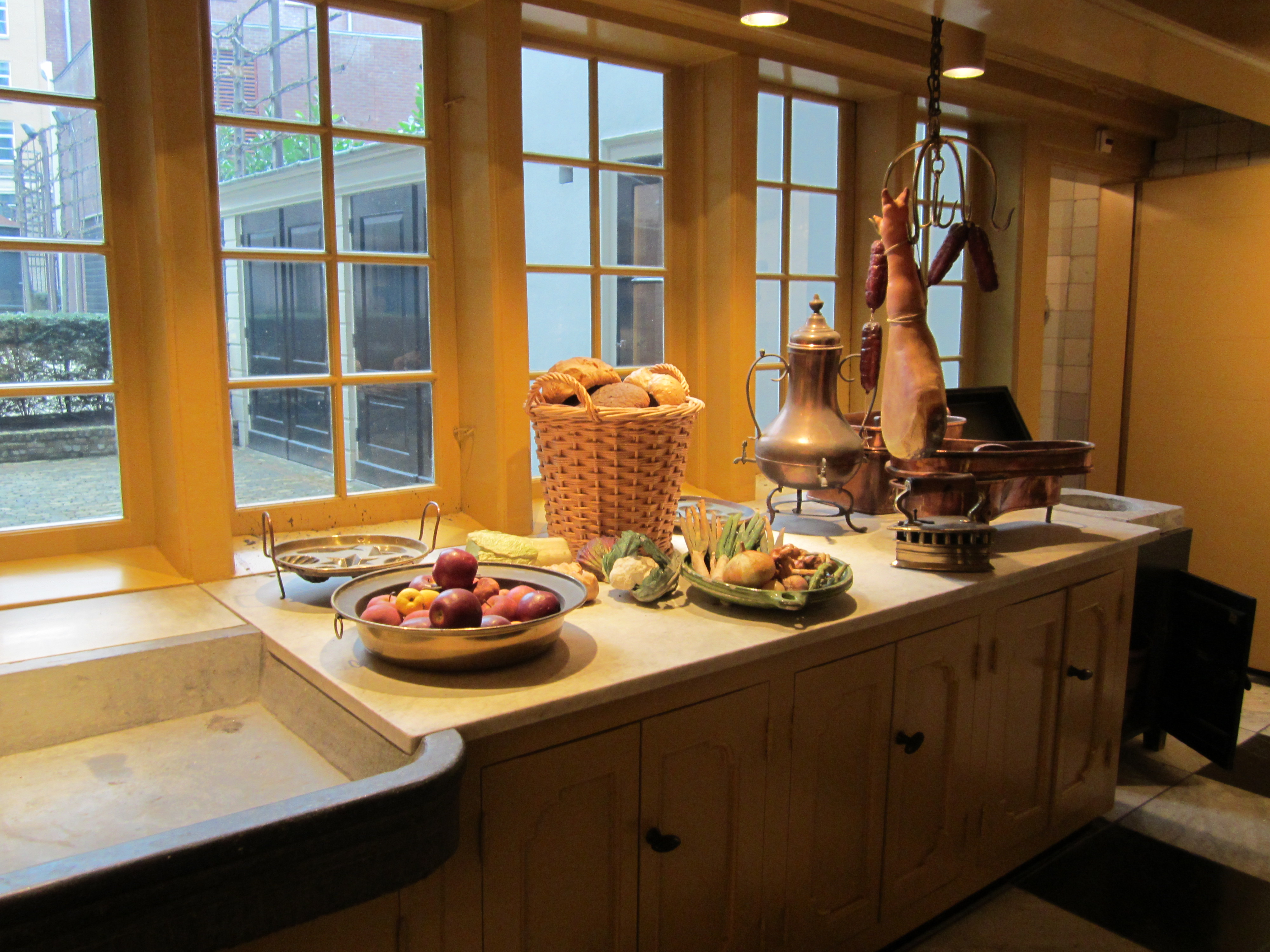
The Kitchen

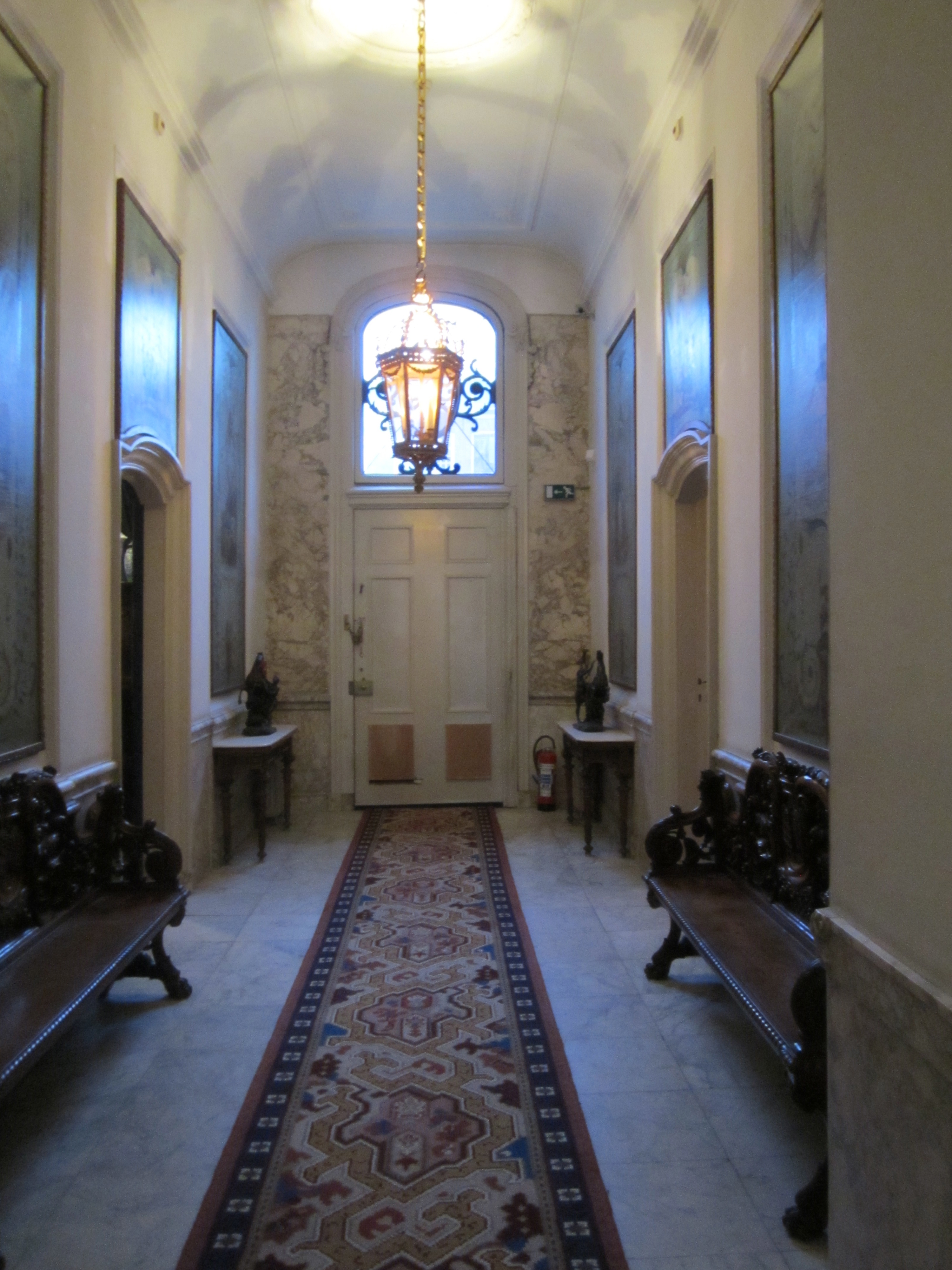
The Entrance Hall ("Piet did not wish to appear provincial, and his face gave no sign of the impression the entrance hall made.")

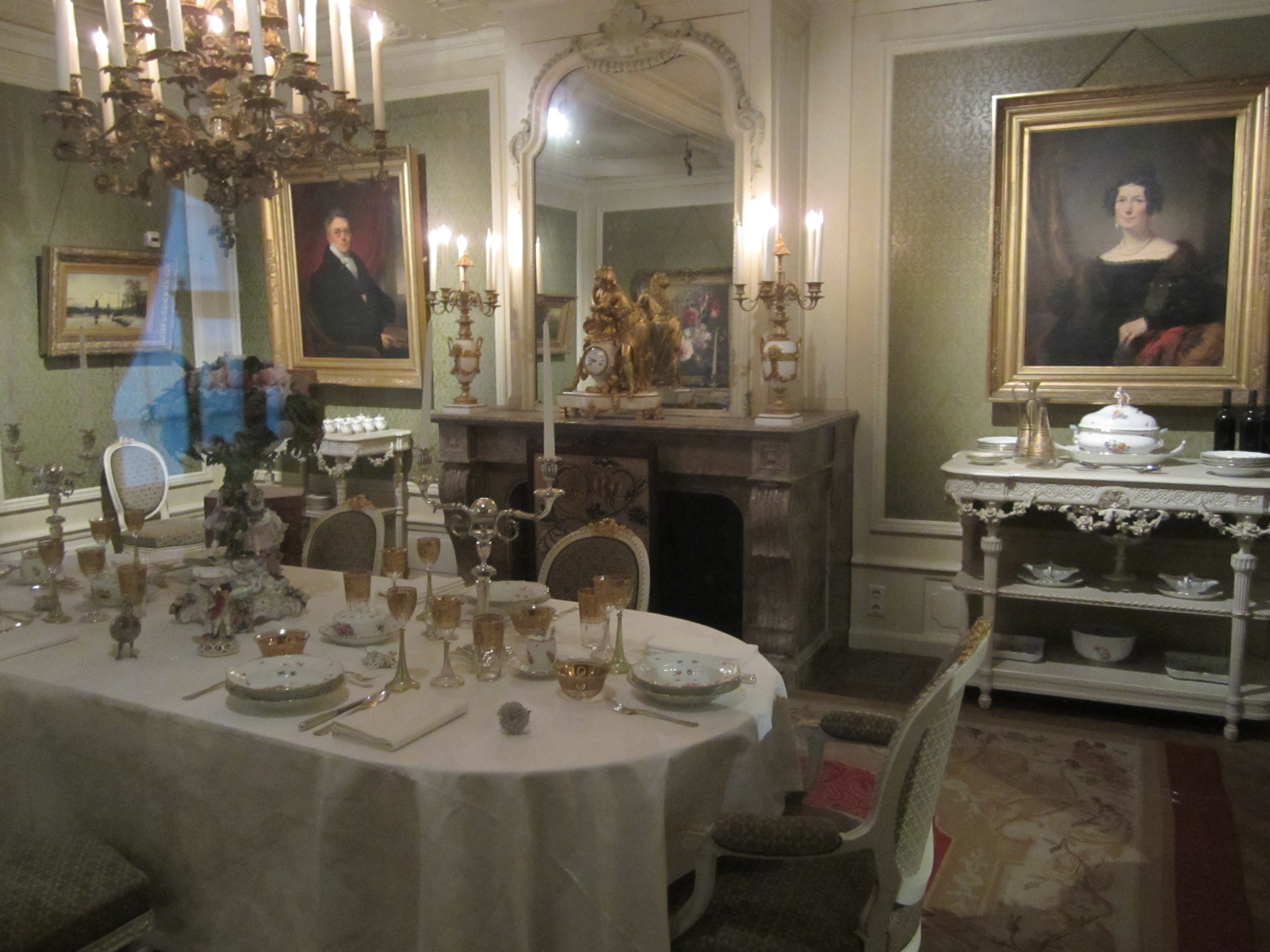
The Dining Room ("The table was Georgian, bought at an auction in London; the chairs were Louis XVI, resprung and upholsted in olive-green and white. The gilt salt cellars came from Hamburg, the clock on the mantelpiece from Geneva, the figures beside it from the Imperial Porcelain Factory in St. Petersburg. None of this detail was lost of Piet, who had a fine and instinctive appreciation of beauty.")

The Men's Parlor

The Collector's Room ("...the room with the French windows, which was nothing but a tiny octagon, constructed of glass and stone and furnished with two sofas of extreme rigidity. It told him plainly that the splendours of the drawing room were reserved for men better and grander than he ...")

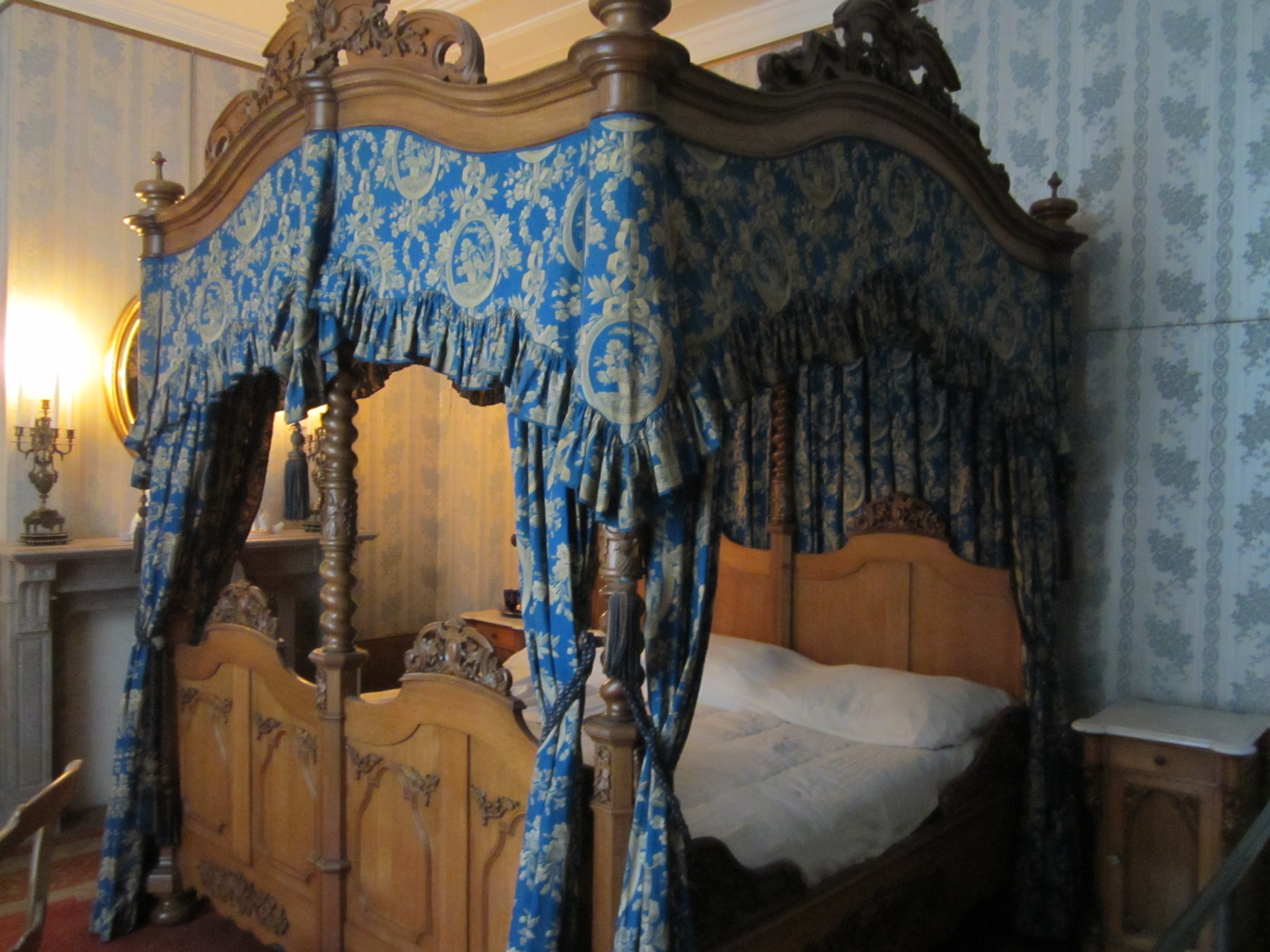
The Bedroom, the scene of an important climax in the book: ("Maarten took charge. 'My dear, let us go to bed.' He offered his wife his arm.")

Have you seen Richard Mason’s wonderful website? If you’re enticed to learn more, you can go there to listen to the music which is such a key part of the book. It is exactly what I wish for when I read a book with a strong musical element. Well done.

In case you noticed the strangely alphabetized paragraphs throughout this post, allow me to introduce you to two more wickedly fun characters in the book, Constance and Louisa, the two spoiled Vermeulen-Sickert daughters. As a co-employee explains to Piet: “Don’t let their politeness fool you. They’re vicious when they choose. . . . They like to humiliate people – but subtly, so their target never knows. Lately they’ve taken to leading their victim through a conversation in alphabetical order. Very funny when the poor fool doesn’t catch on.”

Just let me know if you caught on – perhaps by starting with K in the comments?

Sarah’s Key Paris Sites

Sarah’s Key Paris Literary Tour Map

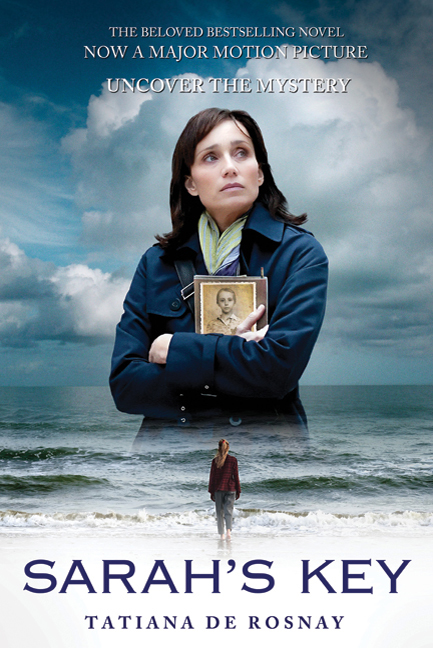
In Tatiana de Rosnay’s book Sarah’s Key, Sarah is a 10 year-old Jewish girl whose family is apprehended by the French police in the notorioius Vel’ d’Hiv’ Roundup on July 16, 1942.

In the pre-dawn hours of July 16th (just two days after Bastille Day) French police and members of a French fascist party collaborated with the occupying German authorities and began raiding Jewish homes and apartments throughout Paris, arresting over 13,000 adults and children.

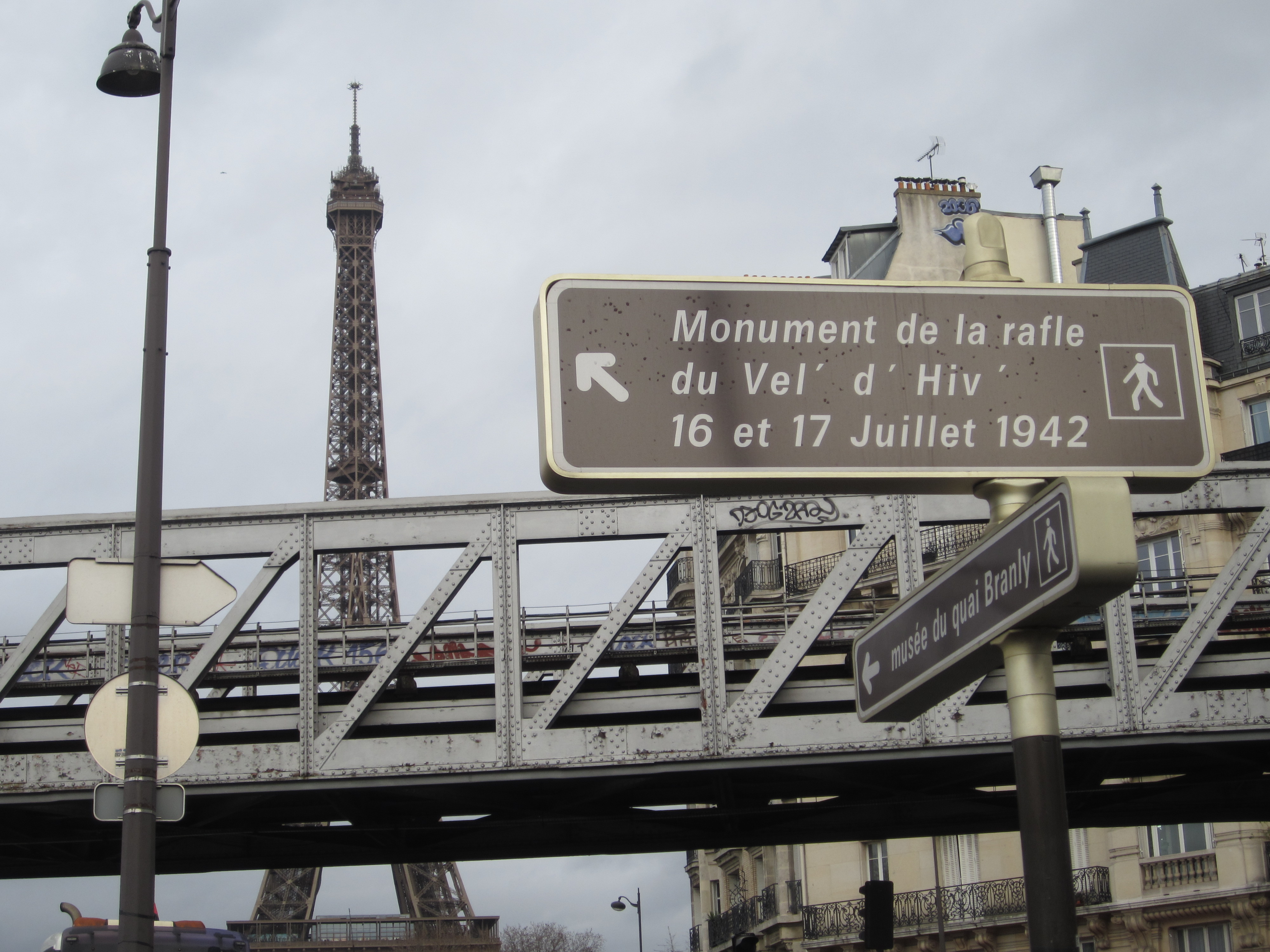
Although most of those apprehended were eventually sent to extermination camps, they were first taken to a building known as the Vel’ d’Hiv’, or Vélodrome d’Hiver (Winter Cycling Track) located at the corner of the Boulevard de Grenelle and the rue Nelaton just west of the Eiffel Tower. The building was used for various events in the 1924 Olympics, and at the time of the roundup it was available for private rental. The Germans obtained the keys from the French owner, although it isn’t clear whether it was only through force or threat of force.

In the book, Tatiana de Rosnay depicts the appalling conditions at the Vel’ d’hiv through the eyes of 10 year-old Sarah. The prisoners were denied nearly all food, water and bathroom facilities. The windows were nailed shut to prevent escape, which made it even hotter inside. The prisoners were kept there for about five days, after which they were taken to different internment camps, including Drancy, Beaune-la-Rolande and Pithiviers. Many were eventually sent to Auschwitz where they lost their lives.

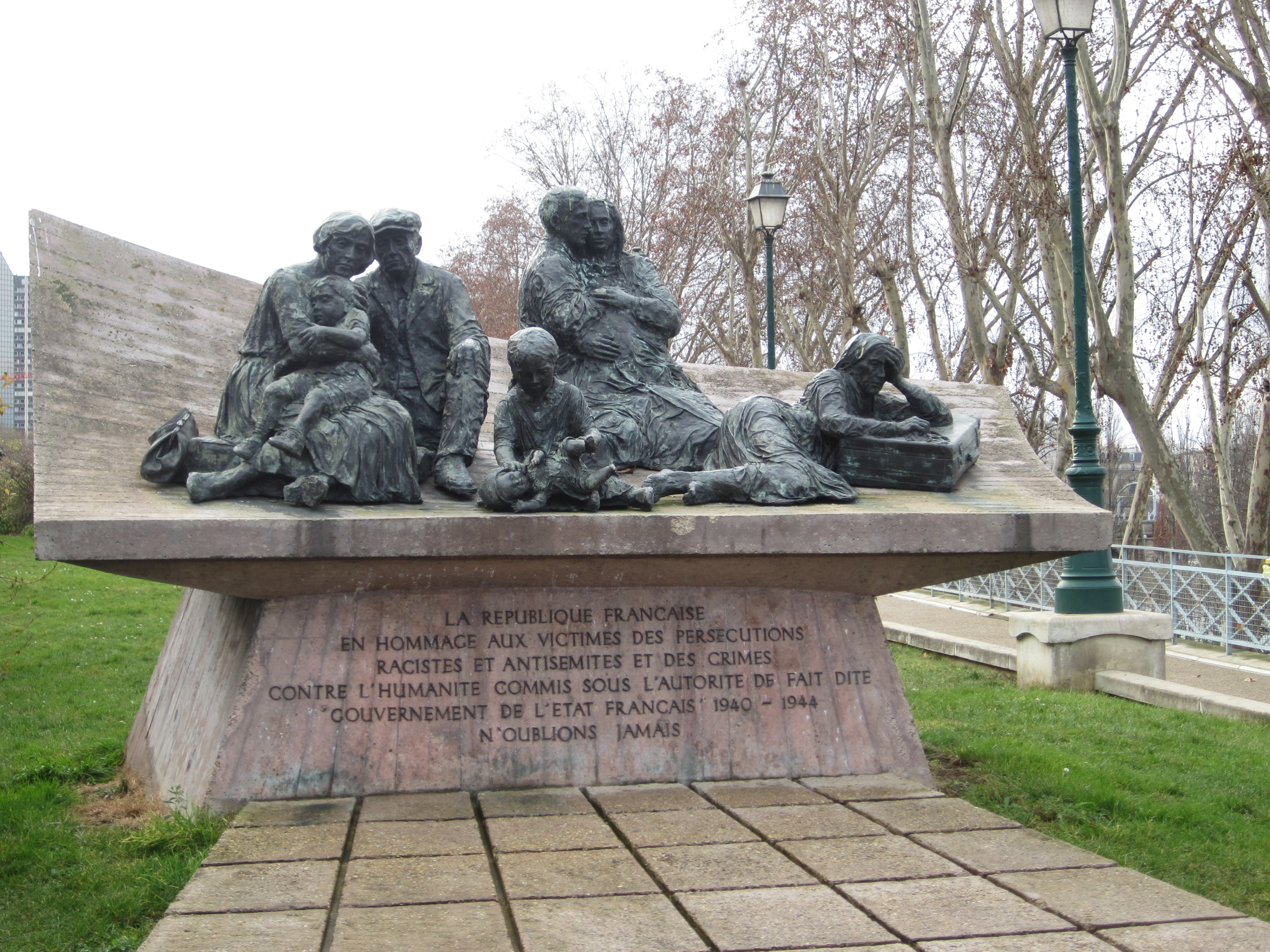
A fire destroyed much of the velodrome in 1959. It was demolished and replaced with a group of anonymous looking government buildings. In 1993, Francois Mitterand commissioned a monument to be erected near the site on the edge of the Quai de Grenelle, and in 2008, a plaque was installed at the nearby Bir-Hakeim Metro Station. It was at a memorial service at the site in 1995 that Jacques Chirac issued an apology on behalf of the French government.

 Vel d’Hiv Plaque and The Monument of the Deportees

Take Line 6 of the Paris Metro to the Bir-Hakeim station near the Eiffel Tower. Near the exit of the station along Boulevard de Grenelle, you will see the plaque, which acknowledges that 13,152 Jews were arrested and held there under inhumane conditions by the Vichy government, under orders of the occupying Nazis.

Vel' d'Hiv Plaque

From the Metro station, walk north along Boulevard de Grenelle toward the Seine and cross to the opposite side of the Quai de Grenelle. There are a couple of entrances to the small park that contains the Vel’ d’hiv’ Momument.

The Square of the Jewish Matyrs of Vel' d'hiv: A quiet place to contemplate the sculpture.

A sculpture ". . . in homage to the victims of racist and antisemitic persecution and crimes against humanity committed pursuant to the authority of the French government. . . Never Forget."


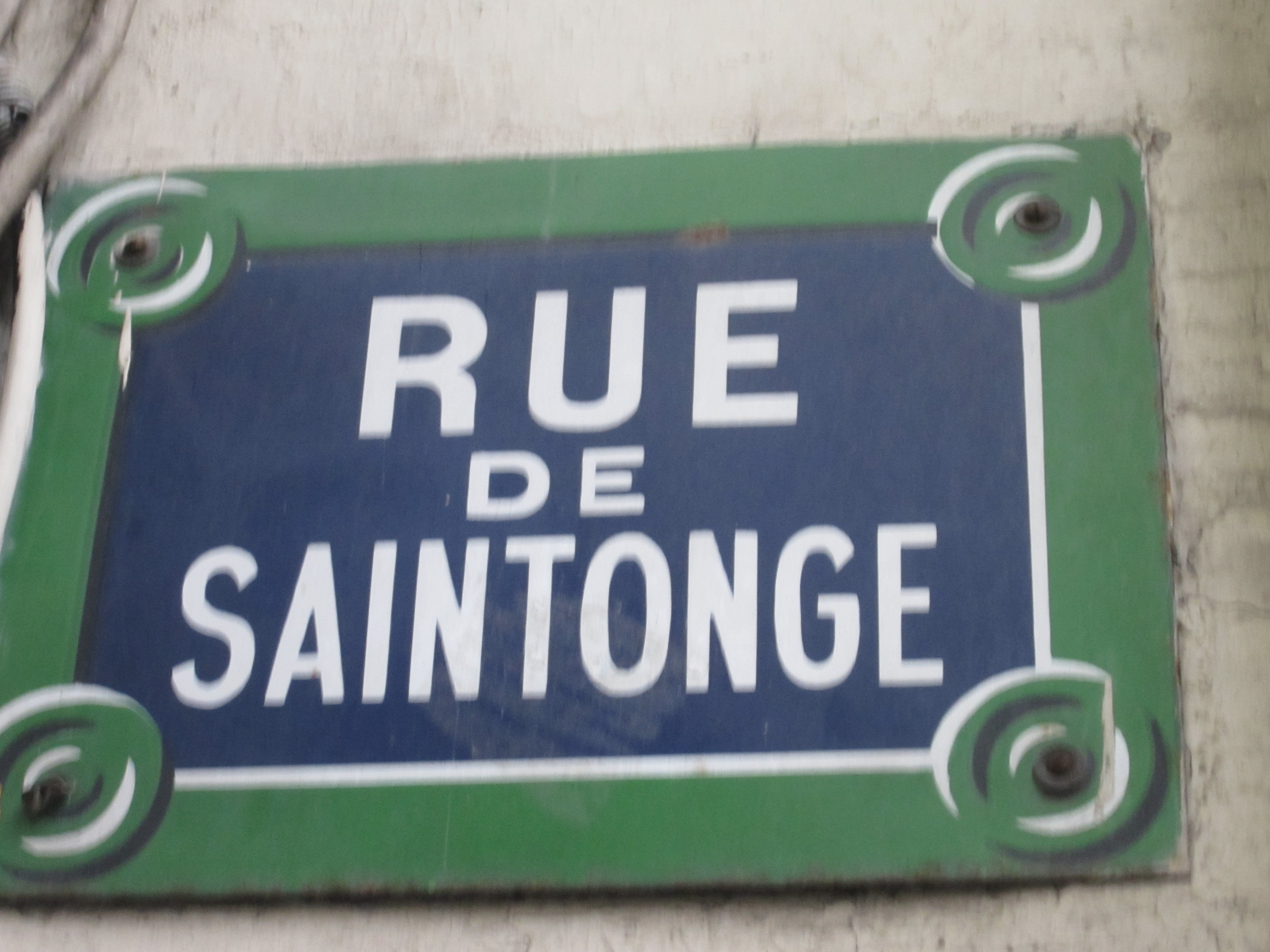
Sarah’s Apartment at 36 rue de Saintonge

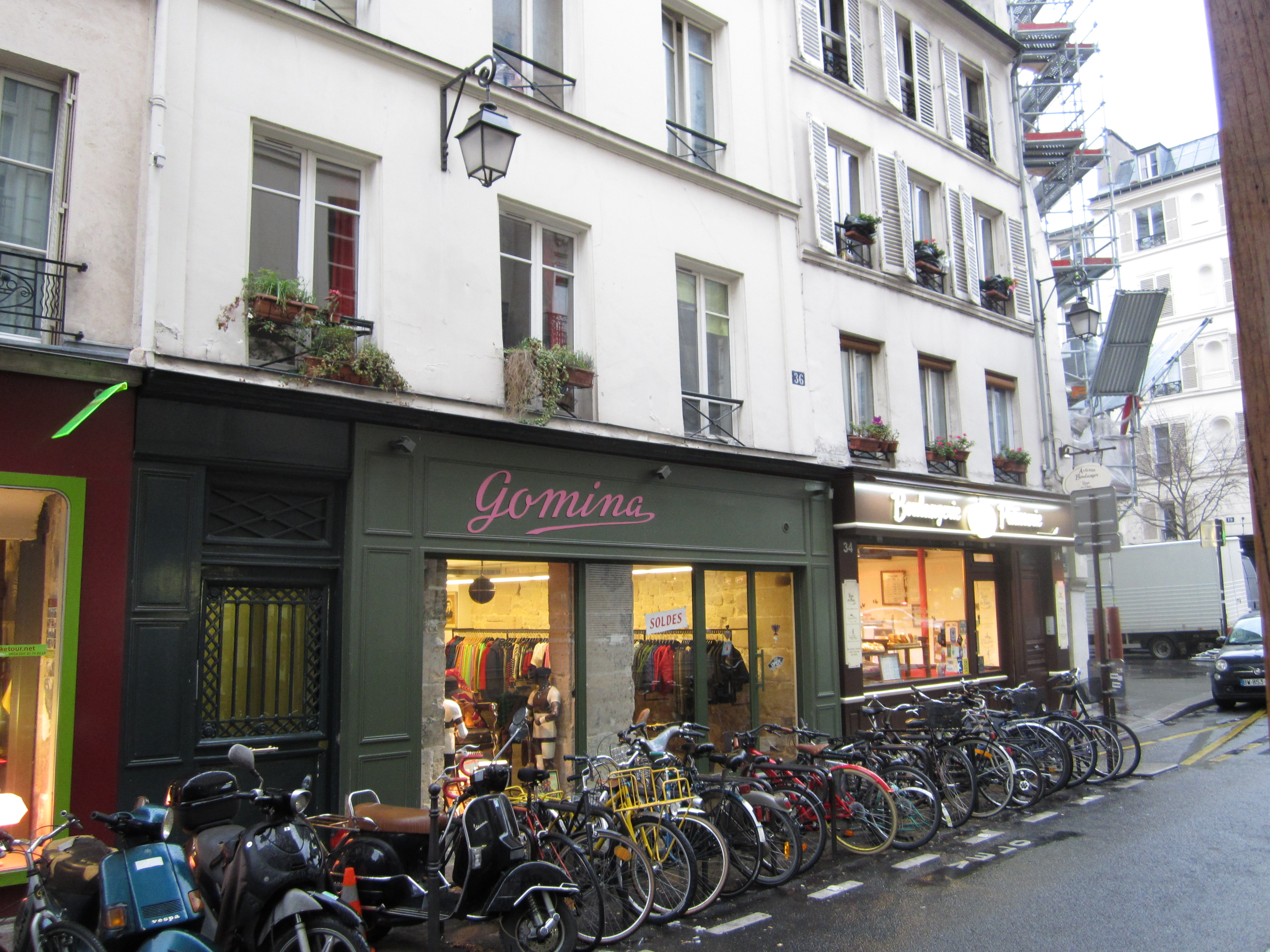
In the book, Sarah’s family lives at 36 rue de Saintonge, which is in the heart of the Marais district in the 3rd arrondissement of Paris. The Marais was the home of a thriving Jewish community that was the focus of the Vel’ d’Hiv Roundup. Although this is a fictional address, it is entirely possible that round-ups would have occurred on this block.

The area is within a short walking distance from the Arts and Metiers or Rambuteau Metro stops. I walked there on a dark and cloudy afternoon. The street is narrow and the old buildings lean gently inward. The street still has some sense of its former life as an old working class neighborhood, with some old-fashioned mom-and-pop tailoring and butcher shops still standing. However, the neighborhood has been gentrified, and a trendy women’s boutique now stands on the ground floor of Sarah’s fictional apartment building.

It’s a chilling feeling to stand on the quiet street full of cheerfully colored bicycles and motor scooters and imagine what could have happened there nearly 70 years ago.


36 rue de Saintonge

The Shoah Memorial (Mémorial de la Shoah)

The Shoah Memorial was completed in 2005 and is a memorial, a museum and an archive dedicated to the victims of the Holocaust. It is located at 17 rue Geoffroy l’Asnier in the 4th arrondissement. I walked from rue de Saintonge, but it’s also close to several Metro stations: Saint-Paul, Hotel de Ville and Pont Marie. It is open Sunday-Friday from 10am – 6pm. The Shoah Memorial is an intense experience, but sometimes it is necessary to be reminded of our shame and our loss.

Follow the signs from the Hotel de Ville, St.-Paul or Pont-Marie Metro stops.

The Shoah Memorial's Wall of Names

This entire Sarah’s Key literary tour could easily be accomplished in one day by hopping on and off the Metro. I can even recommend a nice cafe near the Arts et Metiers Metro Stop called Cafe des Arts et Metiers, at 51, rue de Turbigo. And of course there’s always the “best falafels in the world” at L’as du Falafel, 32 Rue des Rosiers in the Marais.

It will be a day you’ll probably never forget. If you haven’t already, pick up Sarah’s Key at your local independent bookstore and read its tragic but necessary story.

The Last Nude: A Literary Tour of Paris

The Last Nude by Ellis Avery is a perfect Paris read.

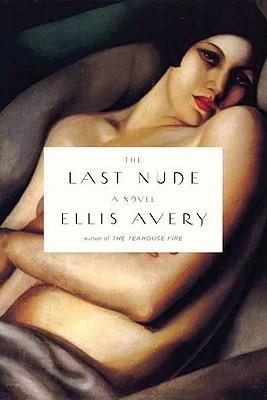
Set in the glamourous 1920’s Paris art world, it tells the story of the real-life Art Deco painter Tamara de Lempicka through the eyes of her lover, model and muse, the Italian-American Rafaela Fano. One of de Lempicka’s portraits of Rafaela (“The Dream”) graces the cover of the book.

For more about the book, check out the author’s interview with NPR and in Public Culture.


There are so many Paris treats in this book, from the original Shakespeare & Co., to houseboats on the Seine, to a character modeled after Ernest Hemingway, that I just couldn’t resist planning my own Last Nude Literary Tour of Paris. I’ll be sharing some of my photos and impressions from my tour over the next week, along with a sneak peek into a deleted excerpt from the book.

Tamara de Lempicka’s Fictional Apartment and Studio:

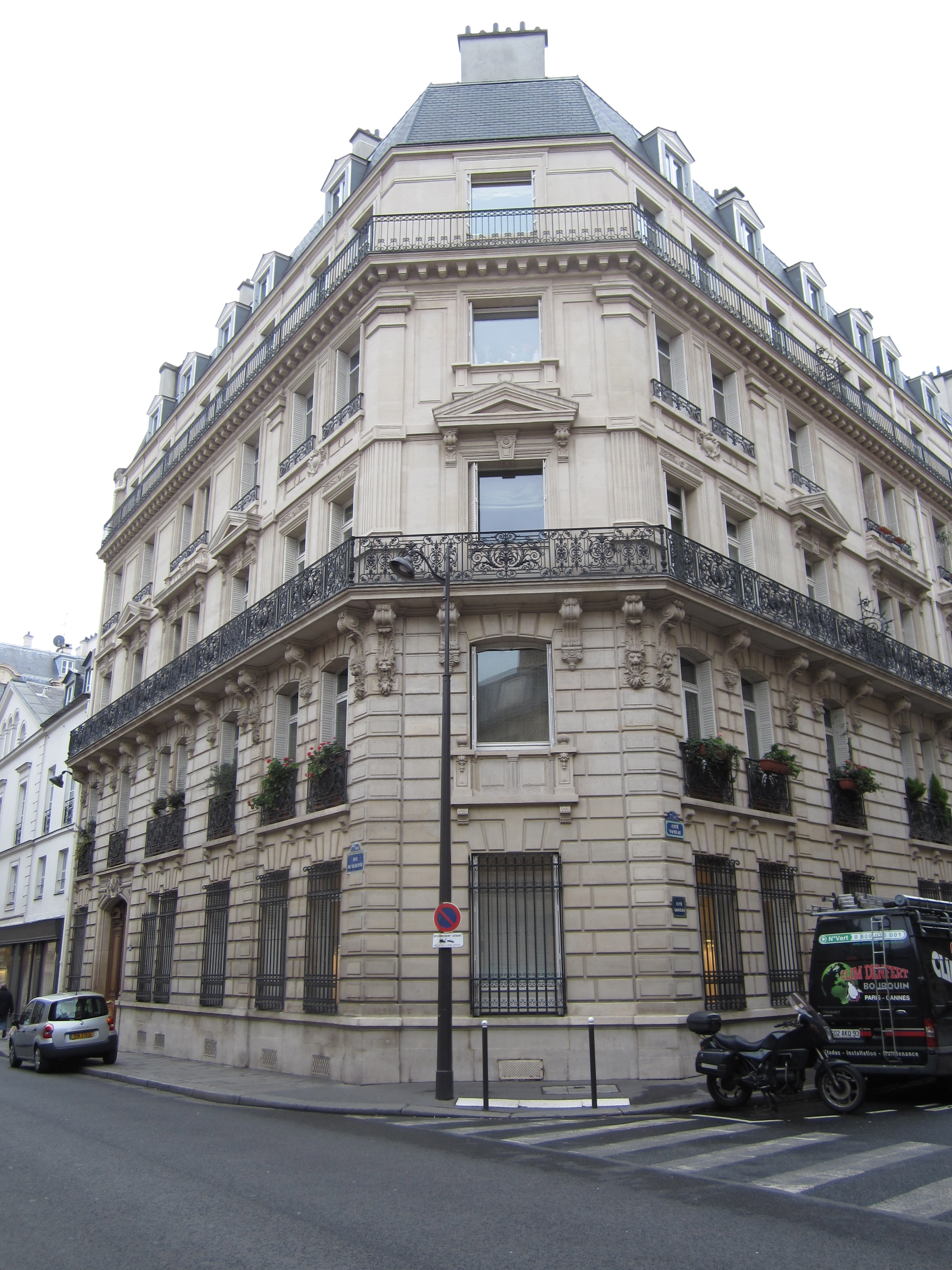
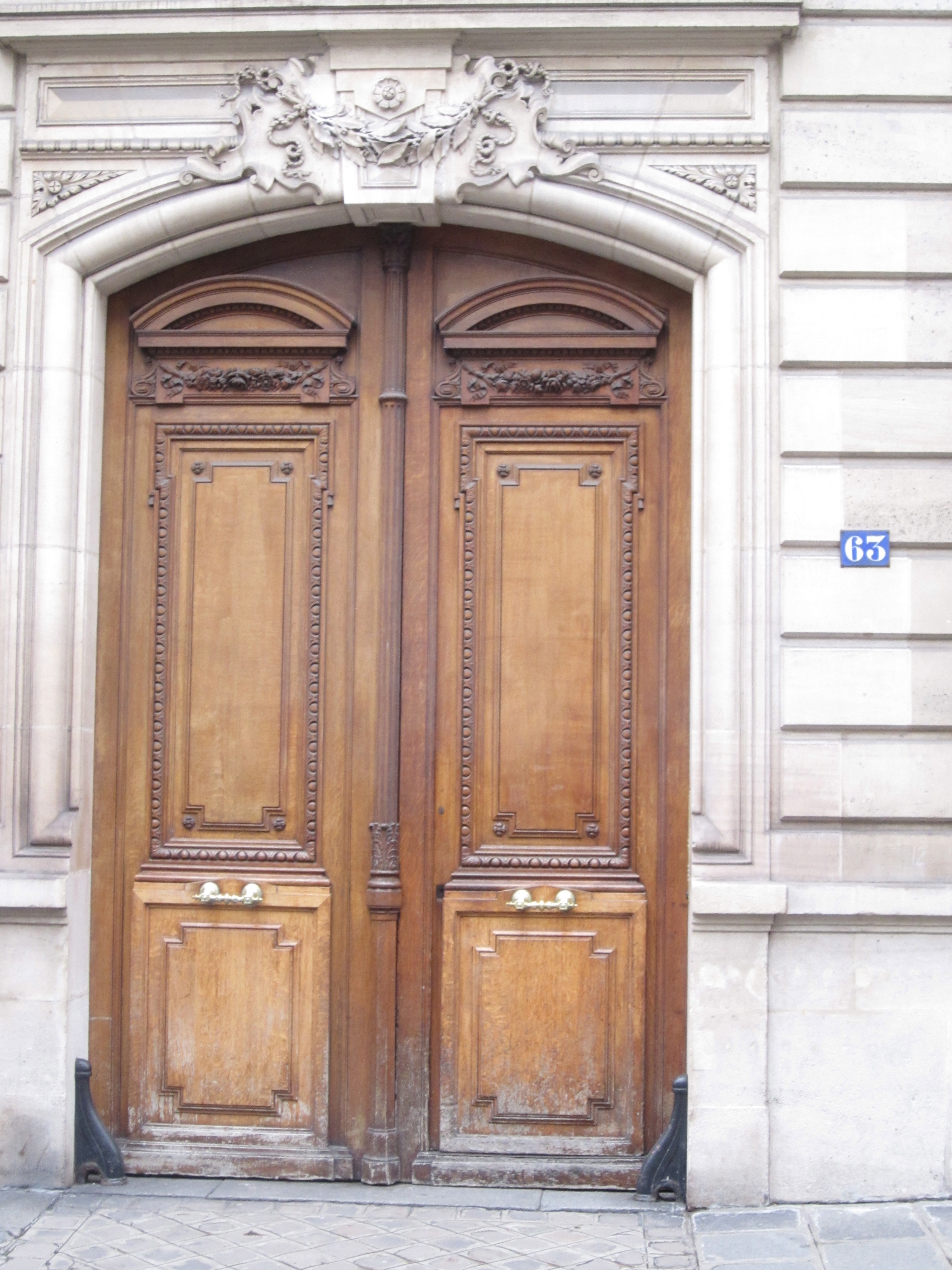
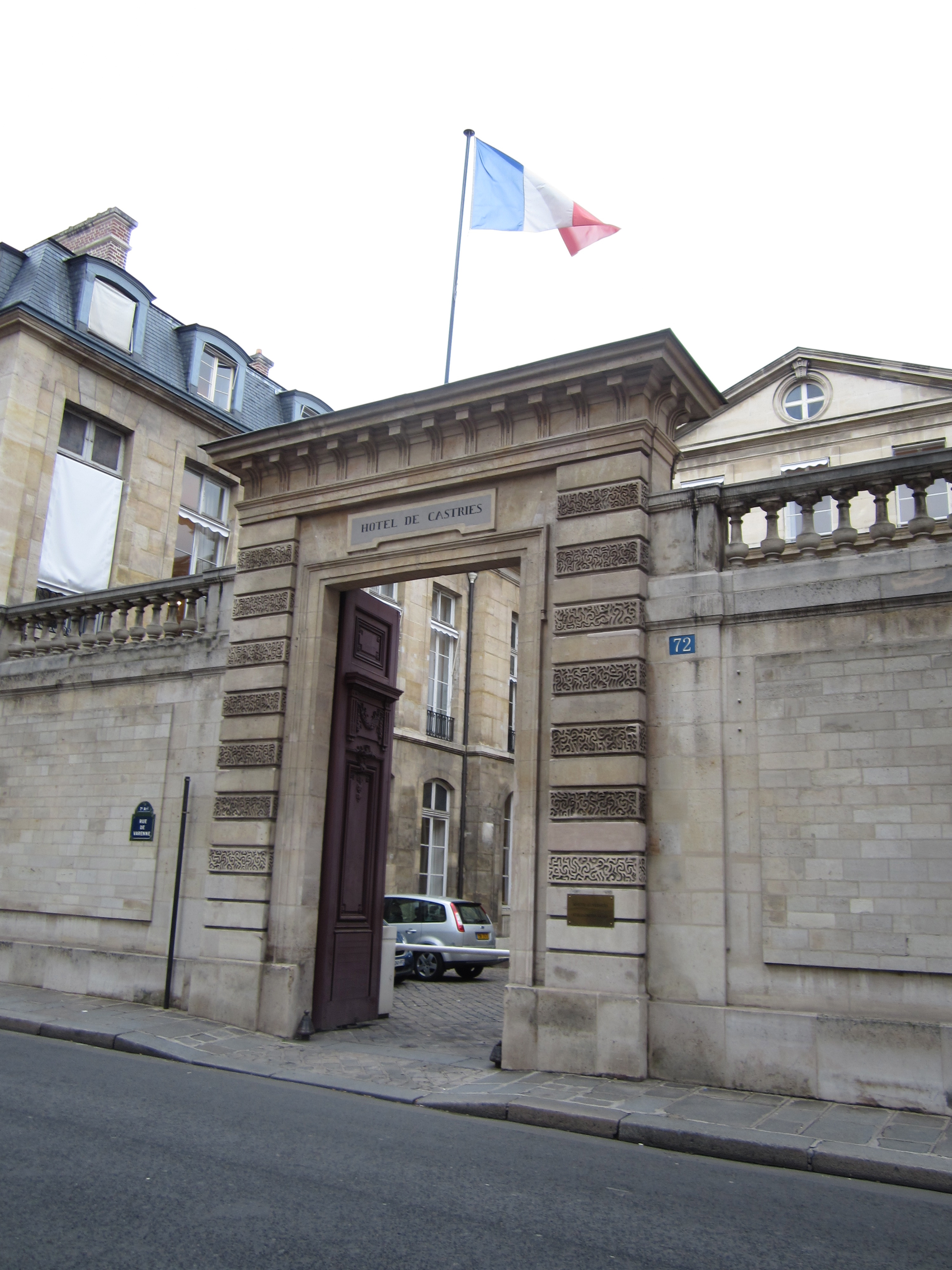
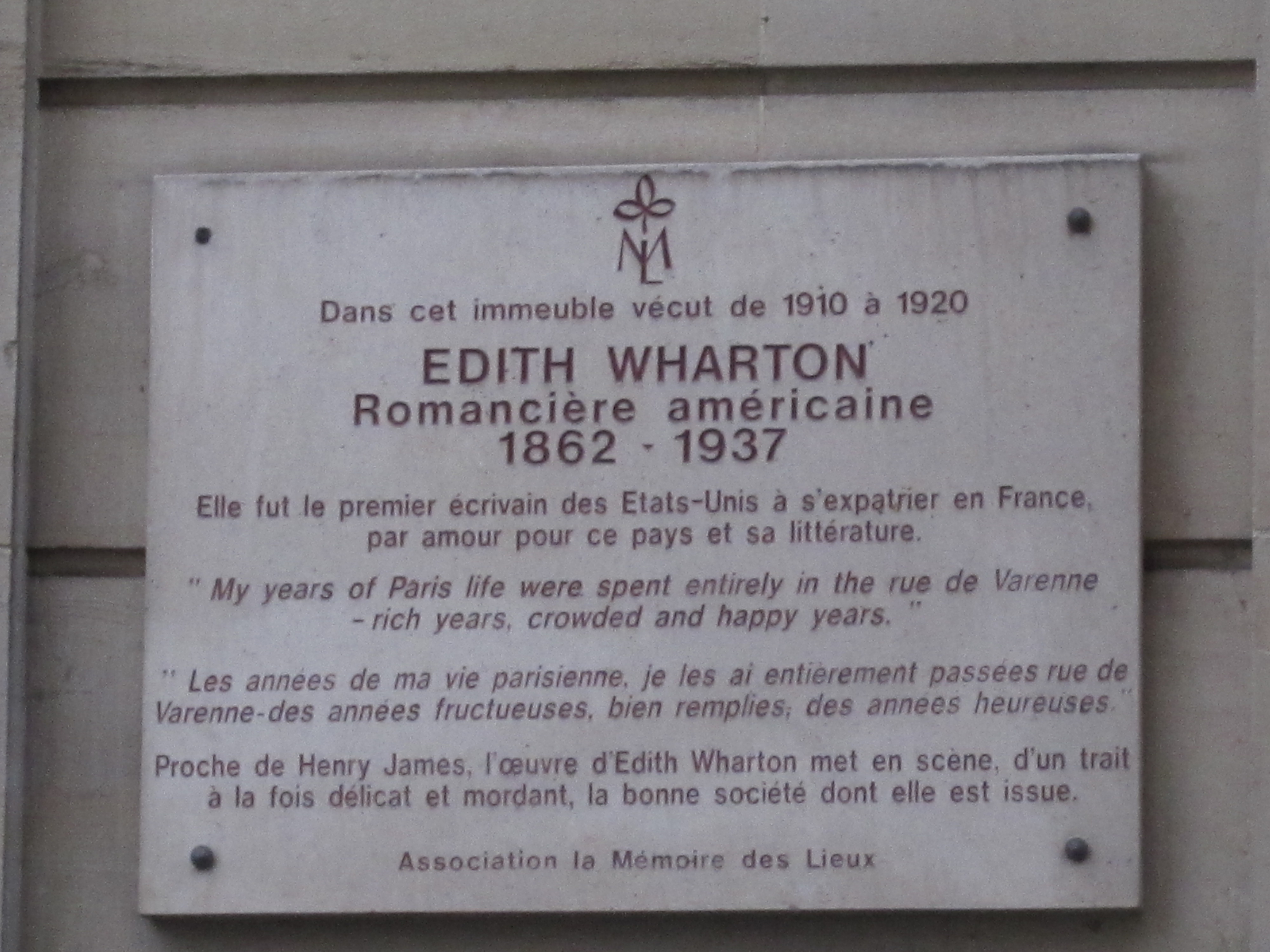
Tamara de Lempicka’s fictional apartment and art studio stands at 63 rue de Varenne in the 7th arrondissement on the Left Bank. Ellis Avery states that she selected this site because it would have had good northern light for painting. The address is directly across the street from the low-slung Hotel des Castries. It also happens to be down the street from one of the Paris homes of Edith Wharton at 53 rue de Varenne. What a lovely make-believe address for Tamara, a wealthy Russian aristocrat who enjoyed mingling with the champagne-sipping art collectors of Paris.

Corner of Varenne and Vaneau

Doorway to 63 rue de Varenne

Hotel de Castries

Edith Wharton Plaque at 53 rue de Varenne


Tamara’s Real Life Paris Home

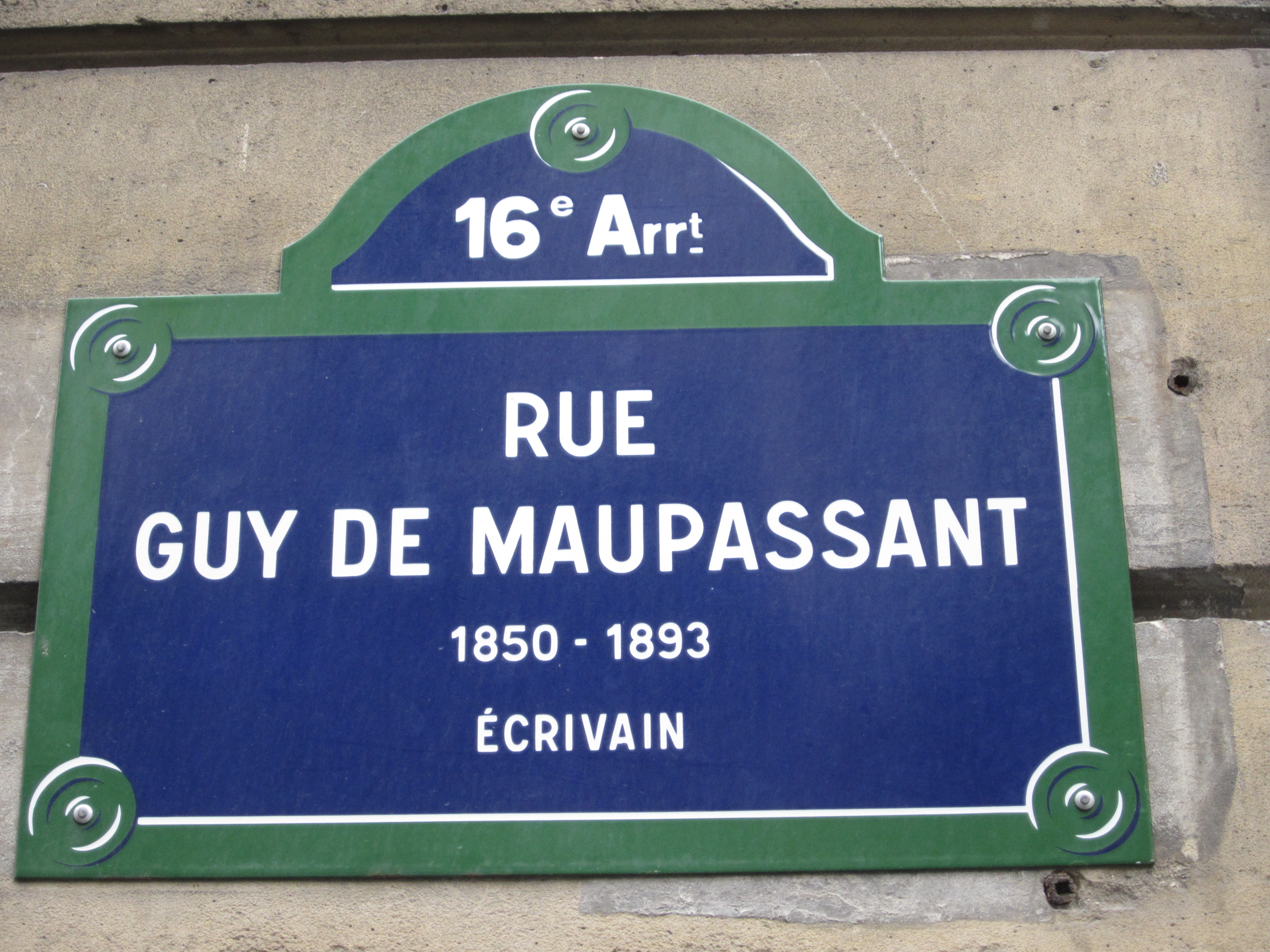
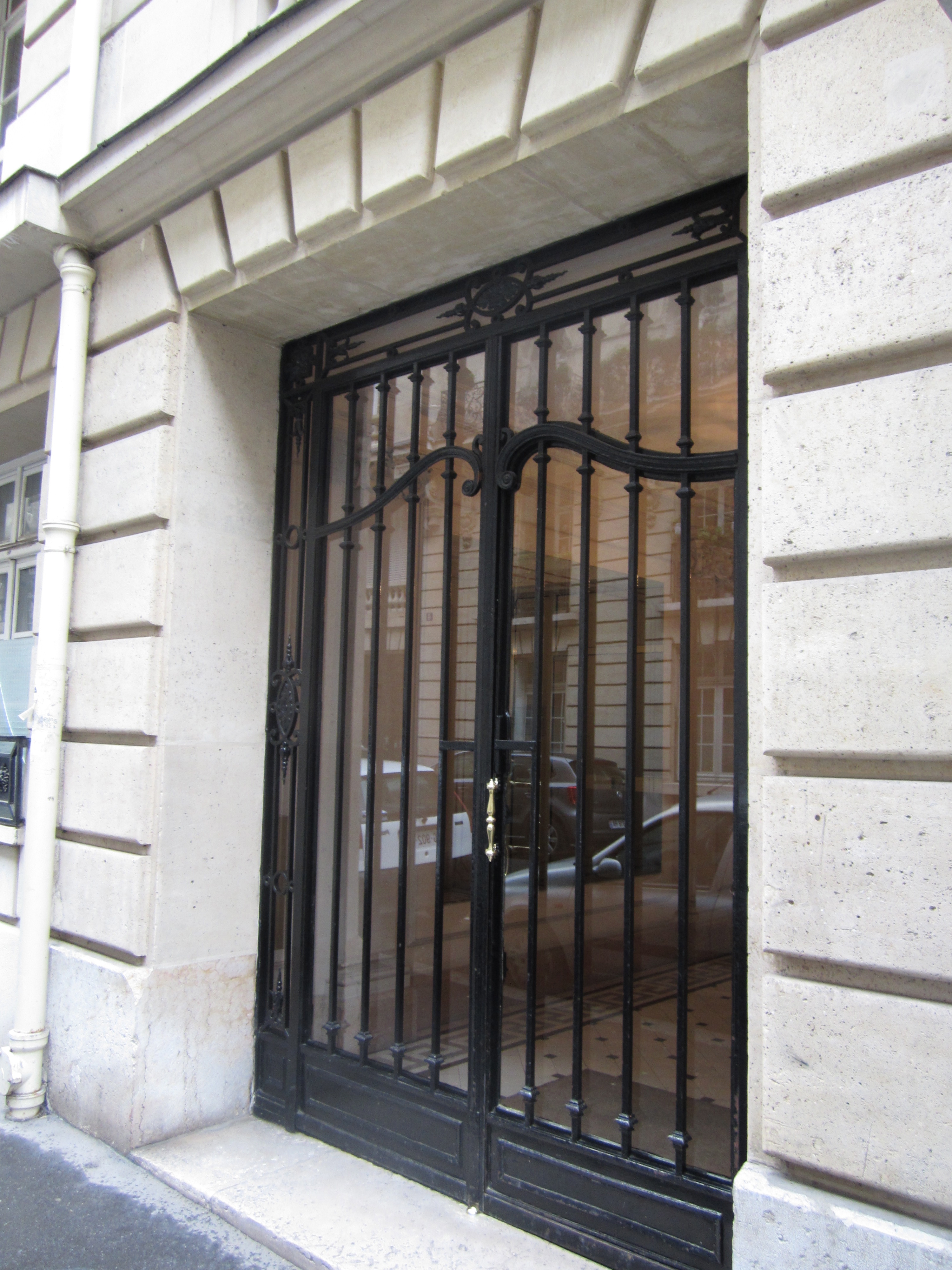
In real life, Tamara de Lempicka moved from St. Petersburg to Paris with her first husband in order to escape the Bolshevik revolution of 1917. They had one daughter and were soon divorced. Tamara first lived at 5 rue Guy du Maupassant in the 16th, then at 7 rue Mechain in the 14th, in a building she herself designed. I enjoyed taking an afternoon to walk through the La Muette area of the 16th, a very posh area full of bustling bistros and beautiful apartment buildings. Check out the nice lines of the doorway to Tamara’s first building on Maupassant.

Doorway of 5 rue Guy Maupassant


Stay tuned for more Paris scenes from The Last Nude. In the meantime, why don’t you pick up a copy from your closest independent bookstore and start reading along? I highly recommend it.


Shakespeare & Co.

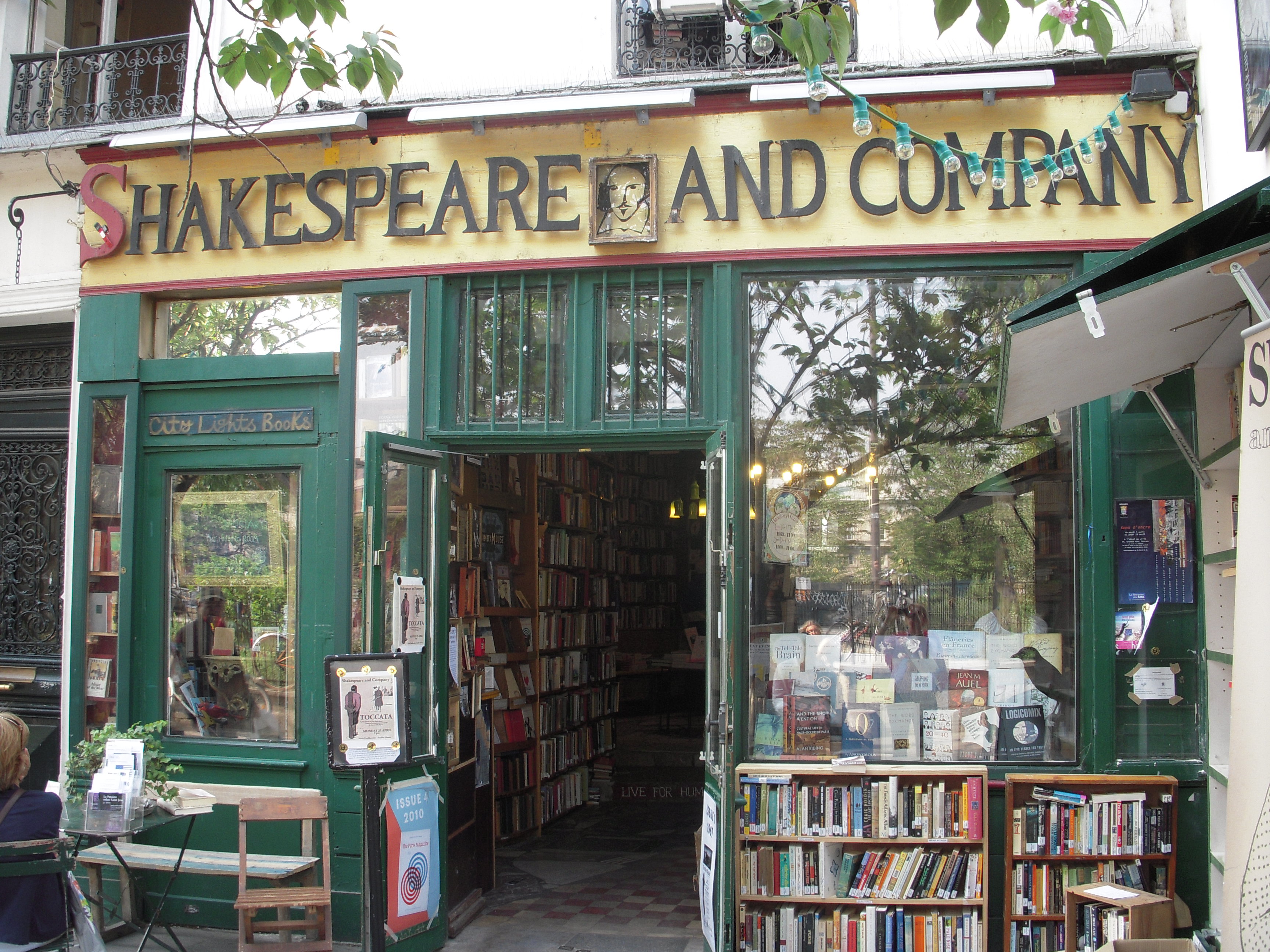
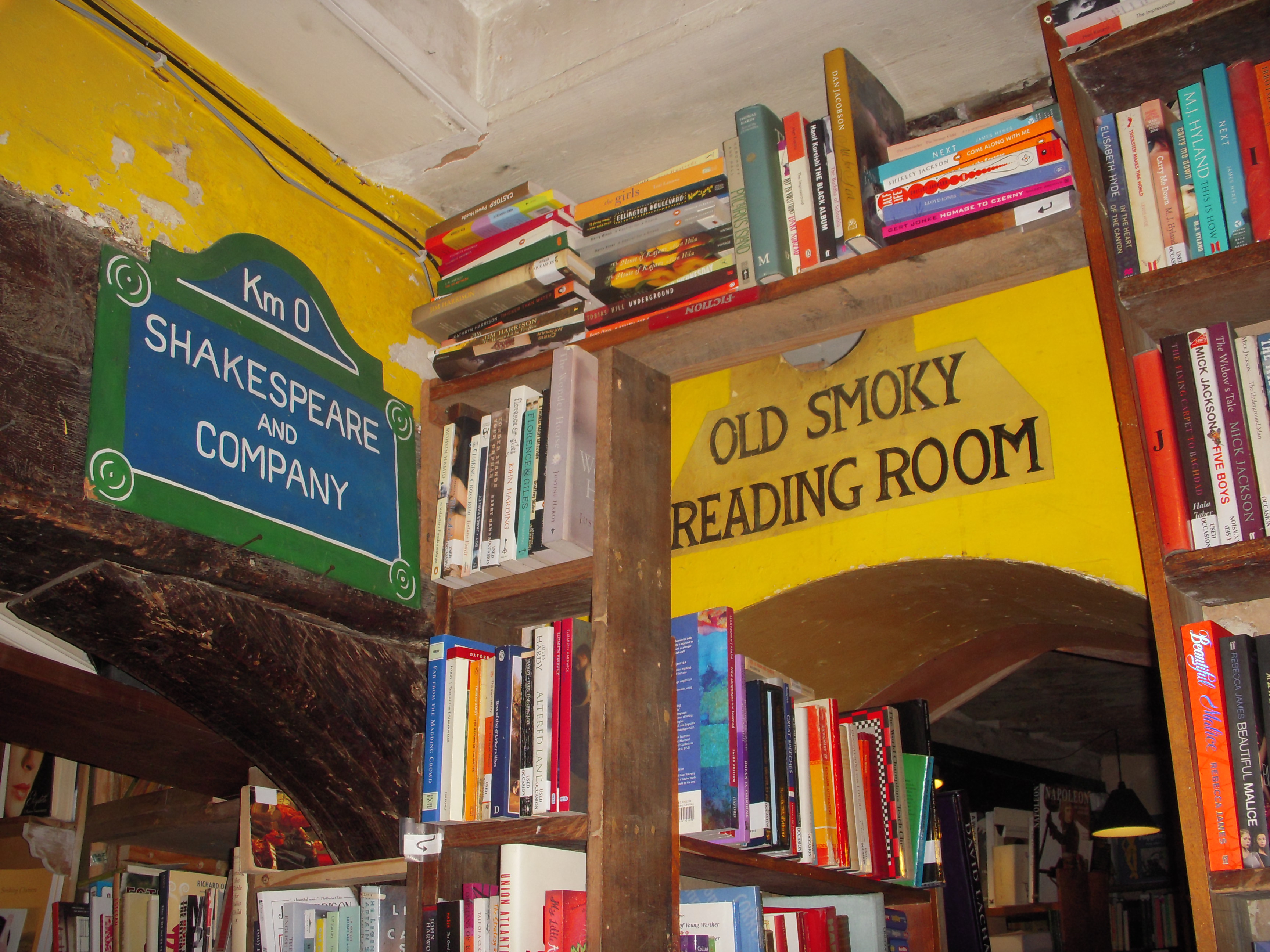
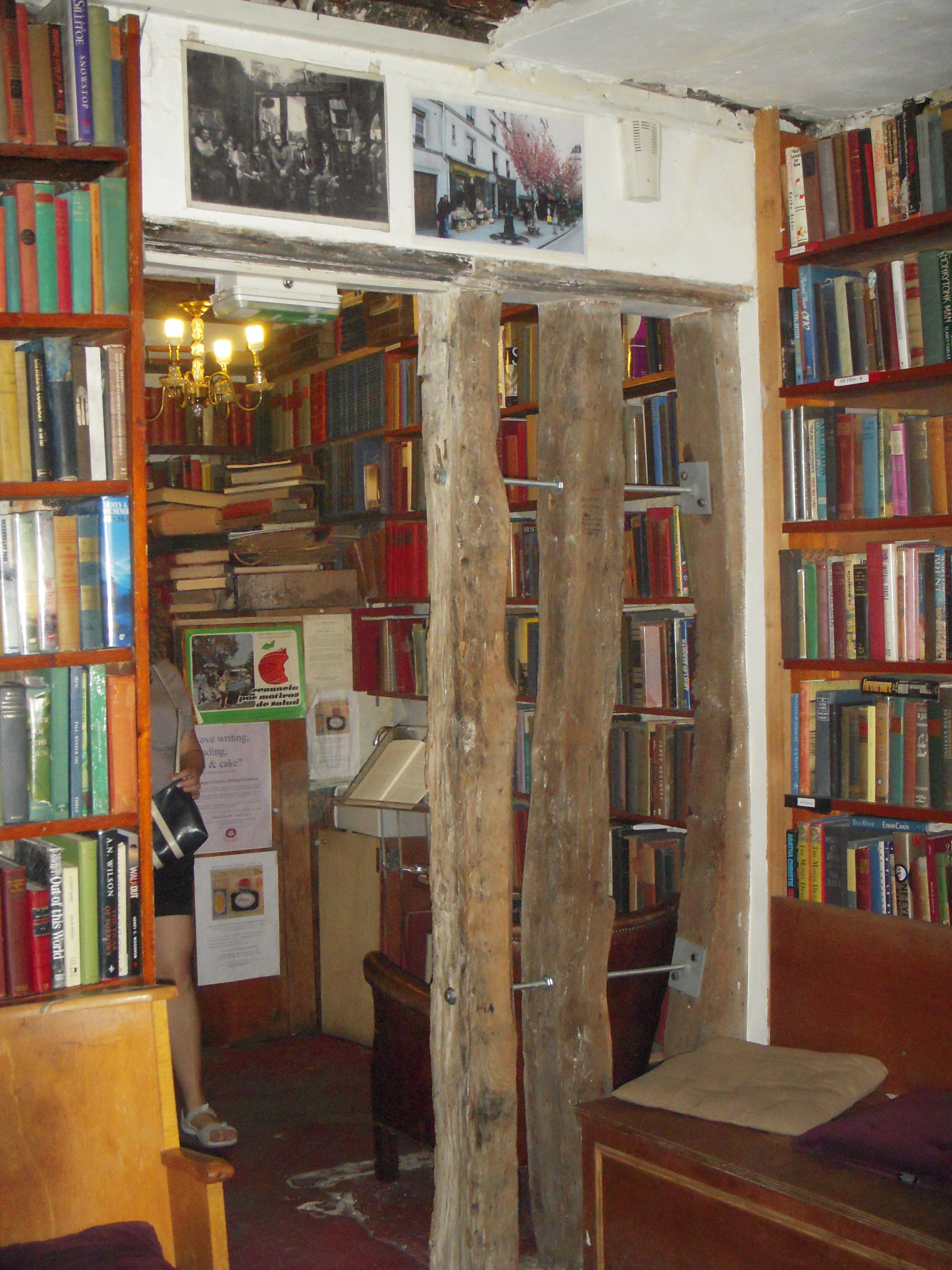
A tribute to Shakespeare & Co and George Whitman (1913-2011). One of my favorite bookstores in the whole wide world.

Art Nouveau Toilets Down the Drain

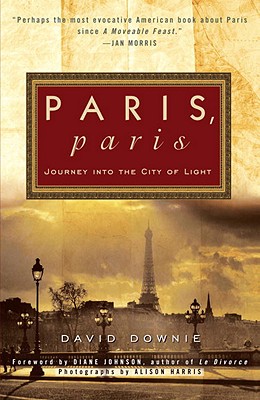
David Downie’s book Paris, paris: Journey Into the City of Light (Broadway Paperbacks 2011has been a great source of information and inspiration as I settle into my temporary home in Paris. Each chapter contains a lovely essay about another unusual part of this city, with some history, some photographs, and plenty of quirky information that you just can’t find in your ordinary guide books. I’ve been planning long walks around some of the chapters, and it’s made for a wonderful introduction to Paris.

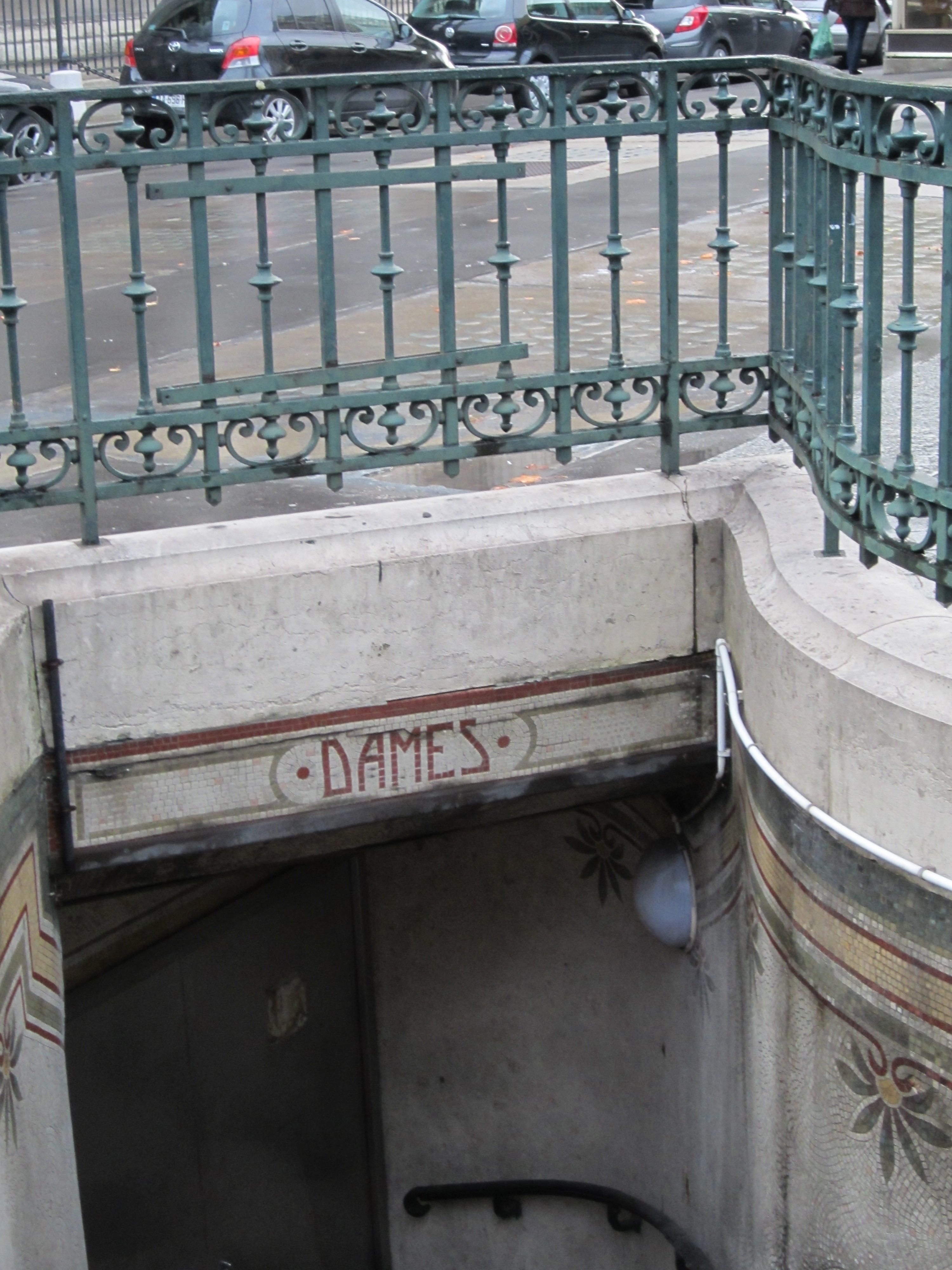
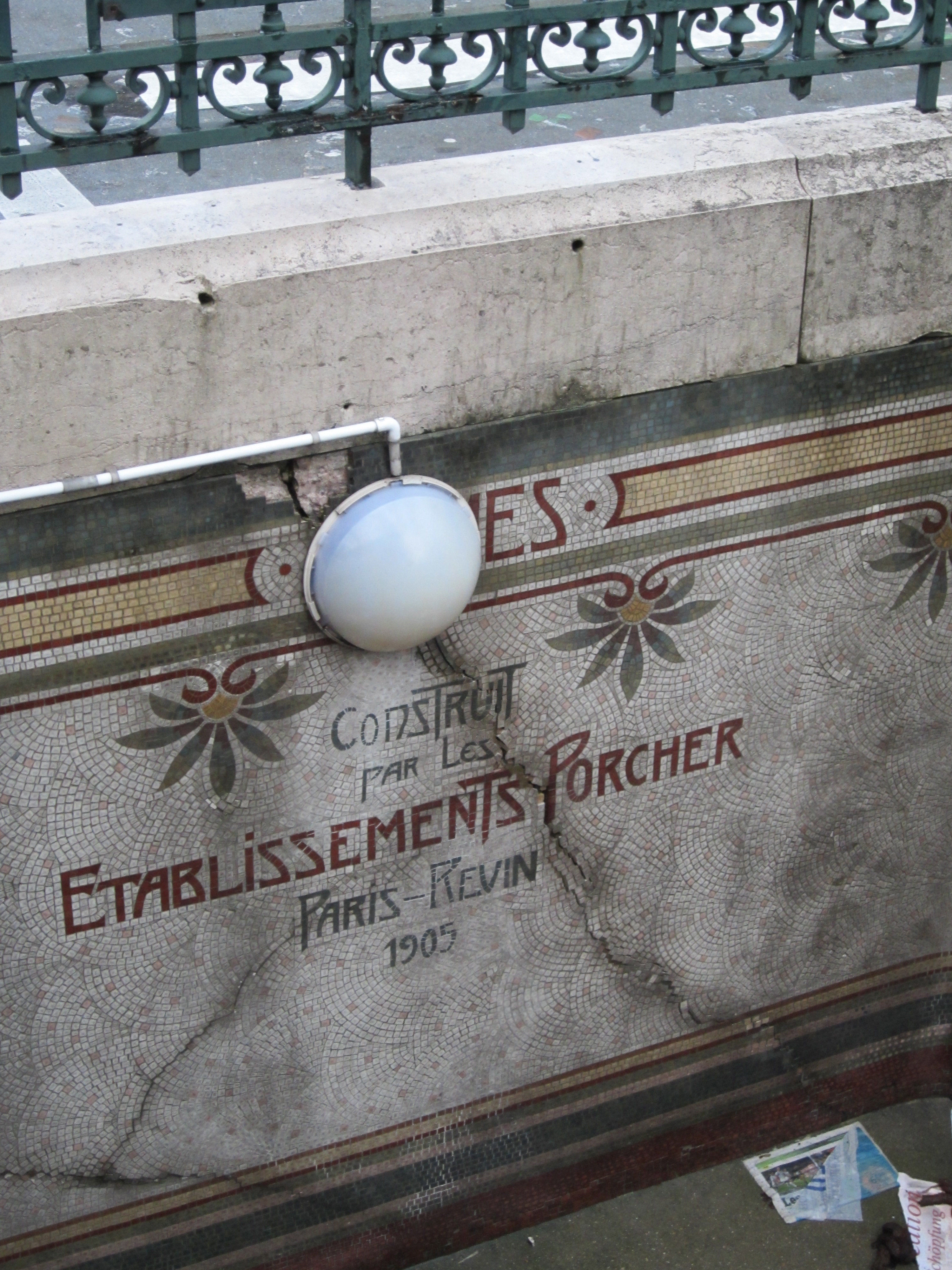
One of my favorite chapters, The Janus City, or, Why the Year 1900 Lives On, is about how the Belle Epoque period of Paris is alive and well in the contemporary City of Light. One of Downie’s recommended 1900 era sites are the Art Nouveau toilets on the Place de la Madeleine. According to Downie’s directions, there is a spiraling staircase across the street from  Cafe Le Paris-London, where you could find “a lavish cavern of carved wood, brass, and mirrors, with floral frescoes and stained-glass windows in each cabinet.”

I looked forward to finding a site so weird and off-the-beaten-track, and it took me a little while to find the right spot. Unfortunately, the toilets are now closed. I asked the woman at the nearby flower stand, and she said they are closed for good, “c’est tout.” So for now, until the toilets are ever renovated, the photos below will show you all that you can find.

Art Nouveau Toilets at Place de la Madeleine

Art Nouveau Toilets in Paris pour les Dames

Lunch with Frankie Pratt

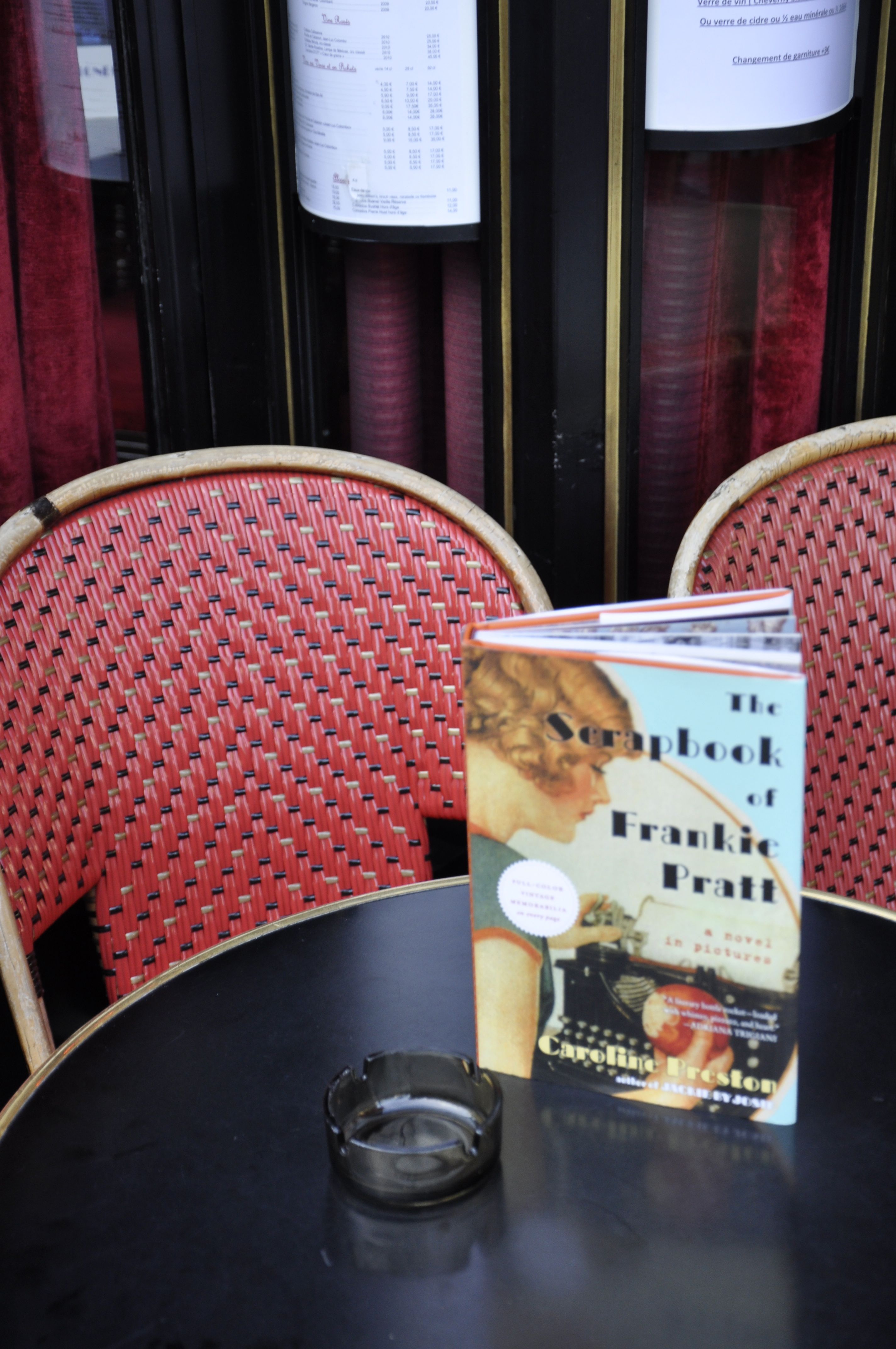
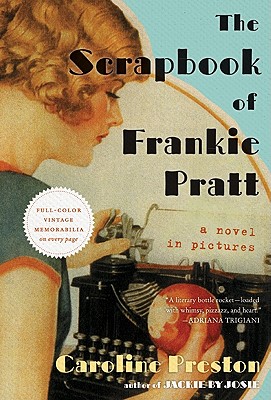
Yesterday I found myself exploring the Left Bank with a copy of The Scrapbook of Frankie Pratt by Caroline Preston. Recently released in the U.S. by Ecco Books, this scrapbook-style novel tells the story of a young woman who dreams of becoming a writer in the 1920’s. She goes to Vassar College, Greenwich Village in New York, and finally to Paris, where she snags a job with a literary review that just happens to publish James Joyce.

This book is like eye candy for anyone who loves Paris in the era of the 1920’s. Frankie first stops at the Left Bank bookstore Shakespeare & Co., where Frankie meets Sylvia Beach and becomes a member of the expat “clubhouse.” Fun fact in the acknowledgments of the book: in real life, Sylvia Beach was godmother to Caroline Preston’s mother, Sylvia Preston.

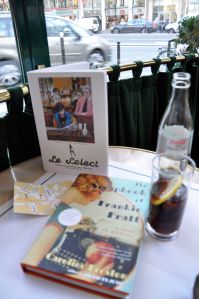
Frankie Pratt breezes through the standard sightseeing highlights of Paris and then heads down to the corner of Boulevard Raspail and Boulevard Montparnasse in the heart of the Latin Quarter, as recommended by her guide “Paris With The Lid Lifted.” Frankie sits outside at Le Select, where she orders onion soup and “observes the sideshow.” (p. 162).

I decided to to the very same thing myself, except I settled for an inside seat. When I showed my sweet gap-toothed waiter the scene from the book, he was absolutely thrilled. In our mix of Franglais, he ask me if it was alright to take the book to show the manager. Who knows, I might be the first of a long line of Frankie Pratt literary tourists. (The onion soup was delish!)

Frankie strikes up a romance with her editor Jamie, a Lost Generation war veteran who, like most of that generation, or so it seems, likes to hit the Left Bank bars a little too hard. Frankie and Jamie stumble through a series of hot spots in the Left Bank, from Le Dome to La Rotunde on Boulevard Montparnasse (p. 178). I followed their footsteps, but without the booze. Oh, okay, maybe an occasional glass of St. Emillion.

There’s so much more to this lovely little graphic novel, including the “inside scoop” on the release of Hemingway’s The Sun Also Rises in 1926. According to Frankie, Jake Barnes is Hemingway “without testicles,” and Lady Brett Ashley is a more charmingly drunk version of the real life Lady Duff Twysden. (p. 187). Even Charles Lindberg makes an appearance when he lands his first Trans-Atlantic flight in Paris in 1927. (p. 191).

The Scrapbook of Frankie Pratt is not just a clever faux scrapbook; it’s a story of a young woman coming of age in New York and Paris, illustrated with the contents of Preston’s own mother’s scrapbooks and memorabilia. It’s a beautiful tribute to an adventuresome mother and her interesting life and times.

I urge you to pick up a copy of this book from your local independent bookstore. And if you’re lucky enough to get to Paris, it’s a great idea for a literary tour of the Left Bank.