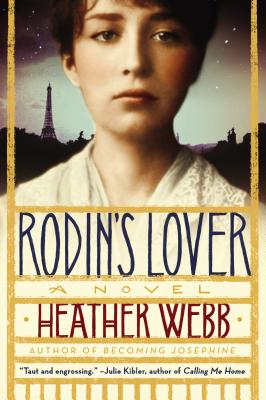
Camille Claudel: Rodin’s Lover

rodins loverI’ve been anxiously awaiting the release of Heather Webb’s new book  Rodin’s Lover, the story of Camille Claudel, one of Auguste Rodin’s most promising students.

I first learned about her art and her tumultuous love affair with Auguste Rodin when a friend recommended that I read Naked Came I by David Weiss (1970).

But then, during my year in Paris, I got to frequent the Musée Rodin, where I could see her work with my own eyes. Haven’t been? You gotta go, although I’m not sure which, if any, of Claudel’s works are on display since the extensive museum renovations. Check the website before you go.
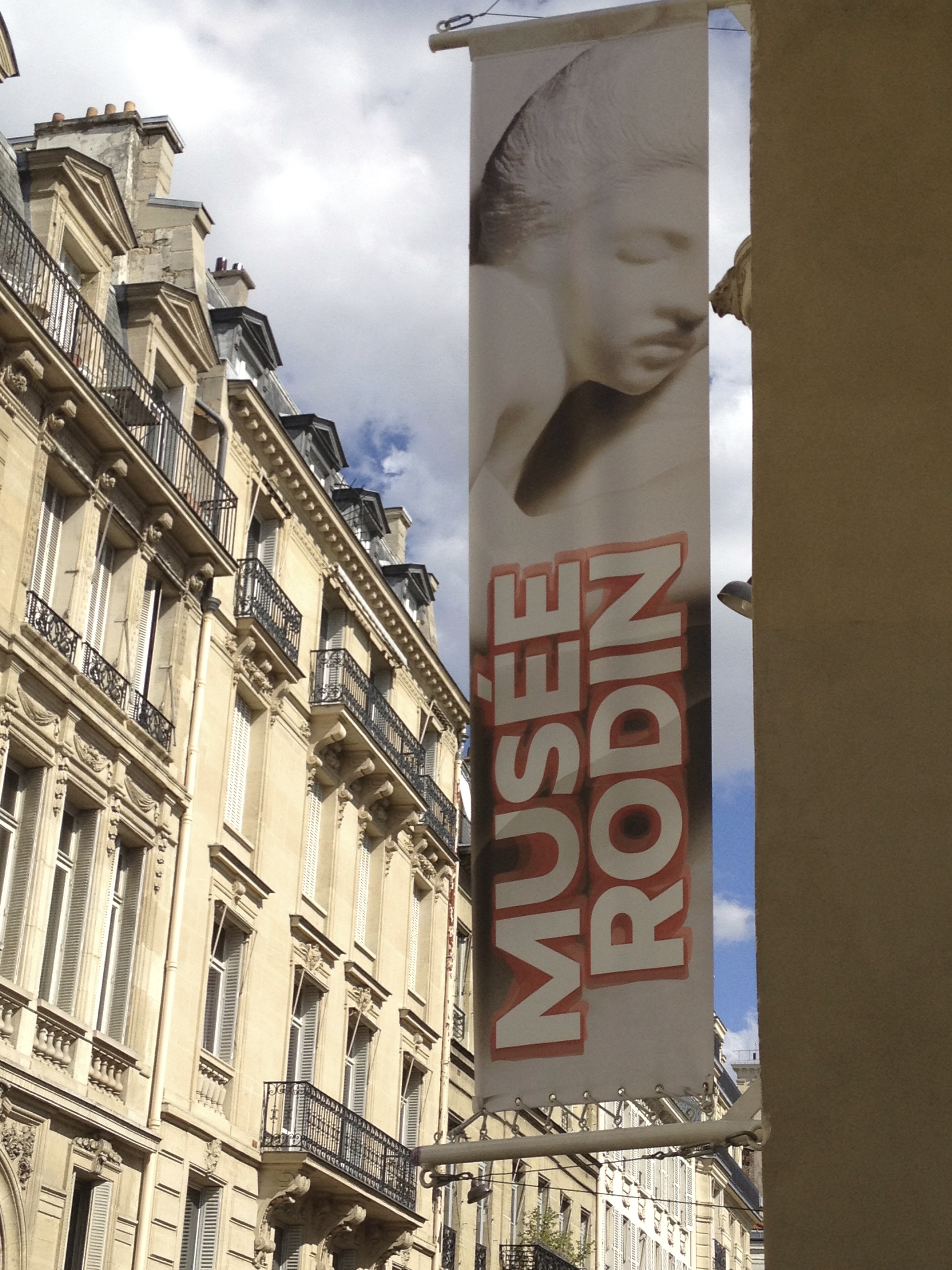
IMG_2905

Musée Rodin, 79 rue de Varenne, 75007 Paris, France
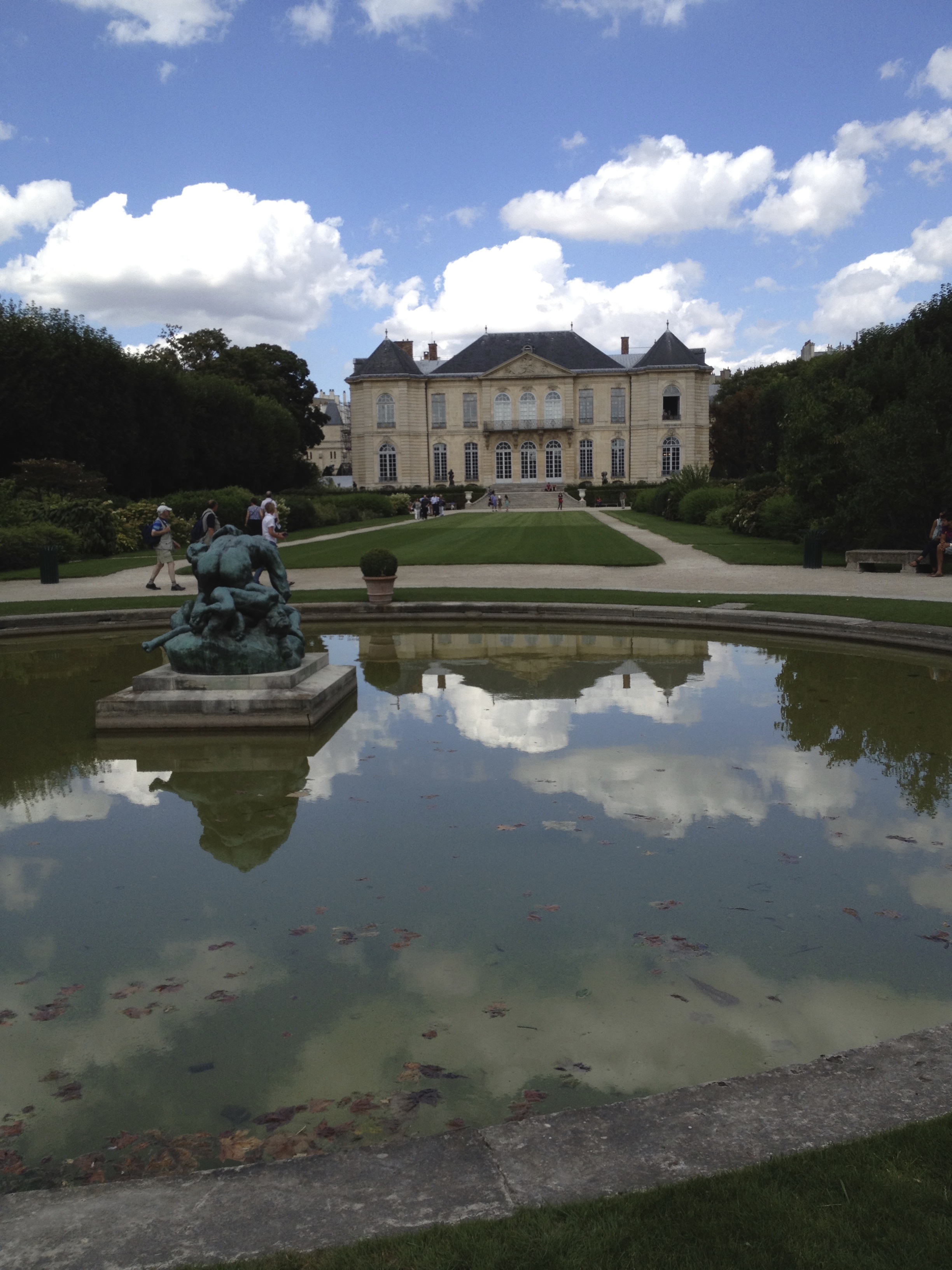
Musée Rodin, view from the south garden
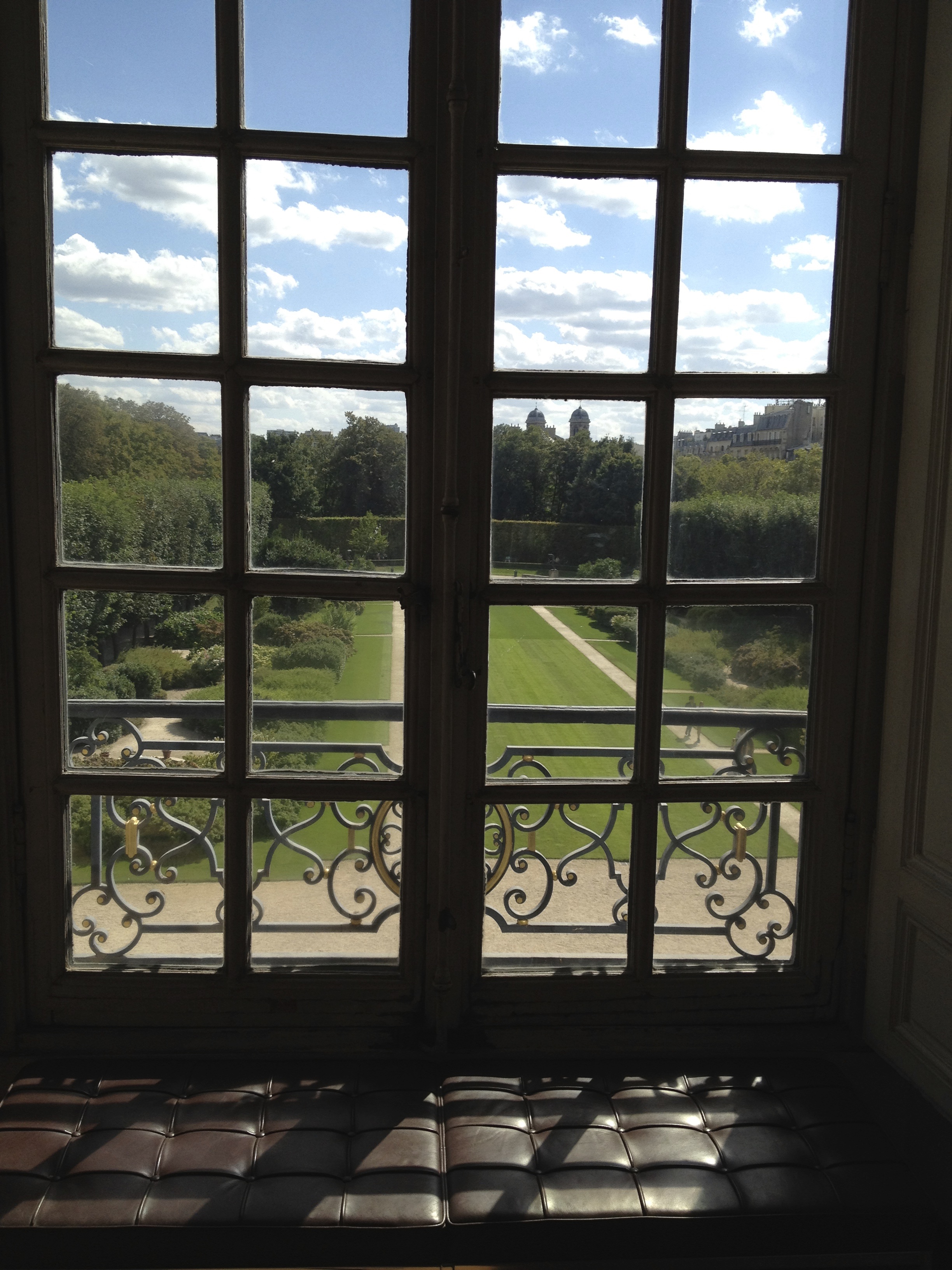
Musée Rodin, view from the south garden

The view from an upstairs window of Musée Rodin onto the south garden
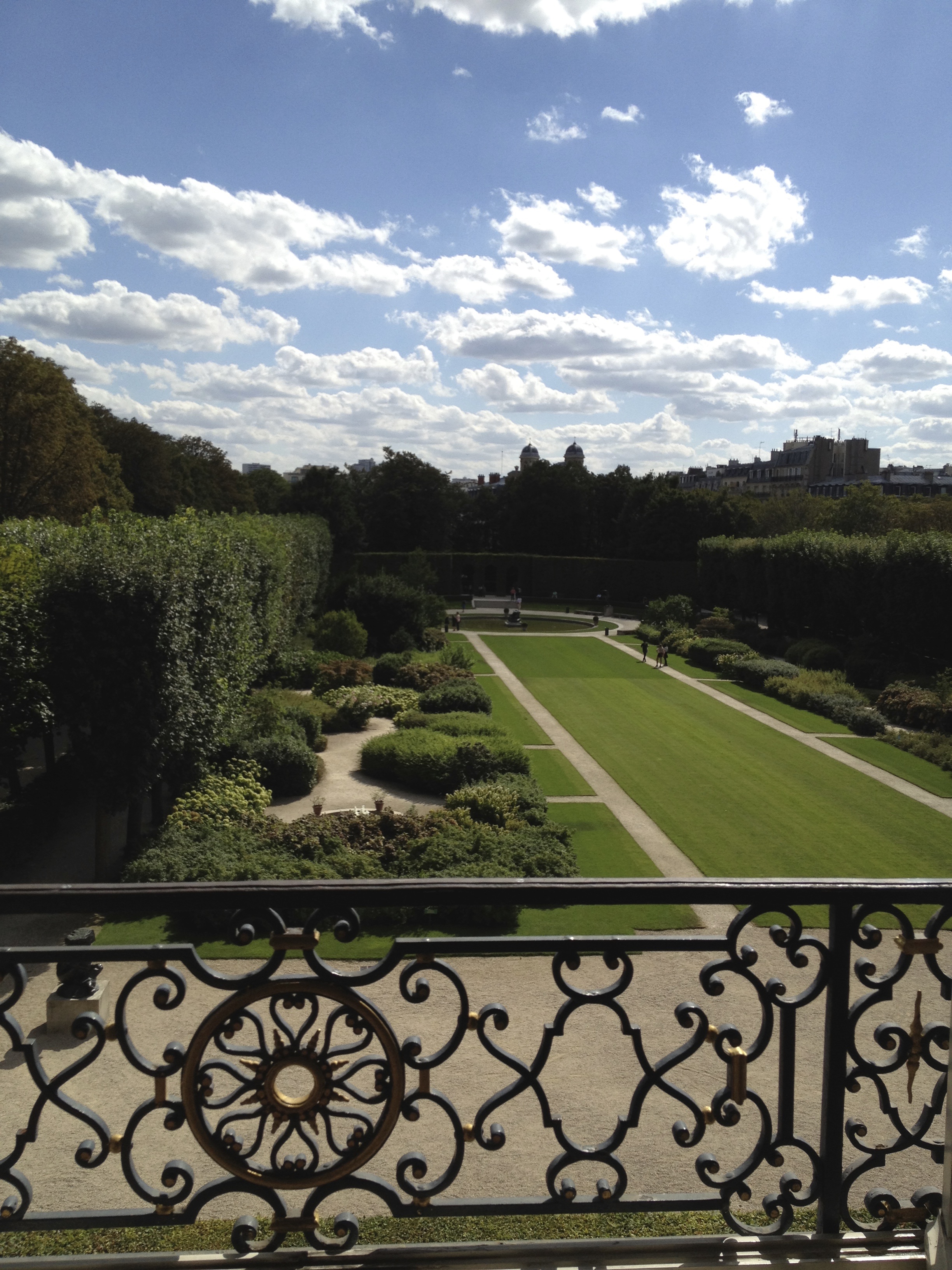
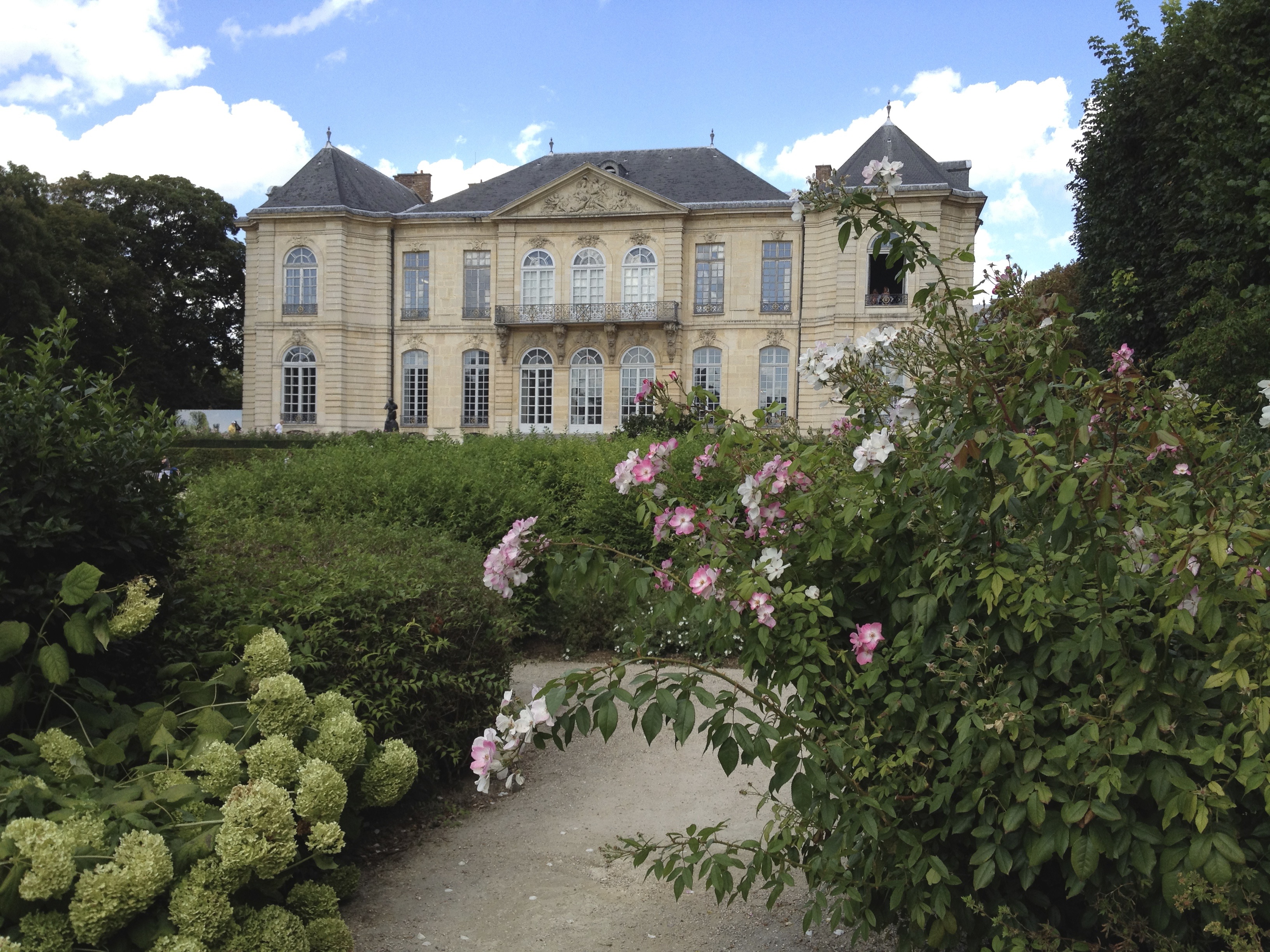
The view from an upstairs window of Musée Rodin onto the south garden

IMG_2900

The grounds of the Musée Rodin are like an urban sanctuary in the middle of Paris. There's even an outdoor café where you can grab lunch.

The grounds of the Musée Rodin are like an urban sanctuary in the middle of Paris. There’s even an outdoor café where you can grab lunch.

The old Hotel Biron was a dilapidated mess when Rodin first rented out four south-facing, ground-floor rooms opening onto the terrace, to use as his studios.

The old Hotel Biron was a dilapidated mess when in 1908, Rodin first rented out four south-facing, ground-floor rooms to be used as studios. He shared the space with other artists, including Matisse, Isadora Duncan and By 1911, Rodin had taken over the entire building. (Source: Musée Rodin exhibit)

At the time of my visit, Camille Claudel’s work was on display in one of the upstairs rooms of the museum. I would hope and fully expect that her work will return as soon as renovations are complete. The fact that her work is displayed alongside his is itself remarkable. After her love affair with Rodin came to an end (it ended badly – just read Webb’s book) Camille Claudel suffered from financial, professional and mental health issues. Her father supported her, but after his death in 1913, her mother and her brother Paul had her institutionalized, first in Ville-Évrard in Neuilly-sur-Marne, and then, from 1914 until her death in 1943, in the Montdevergues Asylum, at Montfavet near Avignon. Her family rarely visited and refused to bring her home despite the recommendations of the treating physicians.

Before his death in 1917, Rodin continued to provide some financial and artistic support to Claudel, agreeing to reserve exhibition space for Claudel’s works when Hotel Biron was being turned into the Musée Rodin. In 1952, Claudel’s brother Paul finally donated four major works by his sister to the museum. The museum continues to acquire her available works, recently acquiring Young Girl with a Sheaf. Its website features an educational background file on the relationship between Rodin and Claudel, with photos of her best-known sculptures.

Camille Claudel’s sculpture reveals astonishing talent and emotion. Rodin’s influence is unmistakeable in her early work, less so in her later, smaller work.

Camille Claudel, Bust of Auguste Rodin

Camille Claudel, Bust of Auguste Rodin (Bronze, 1892), Musée Rodin
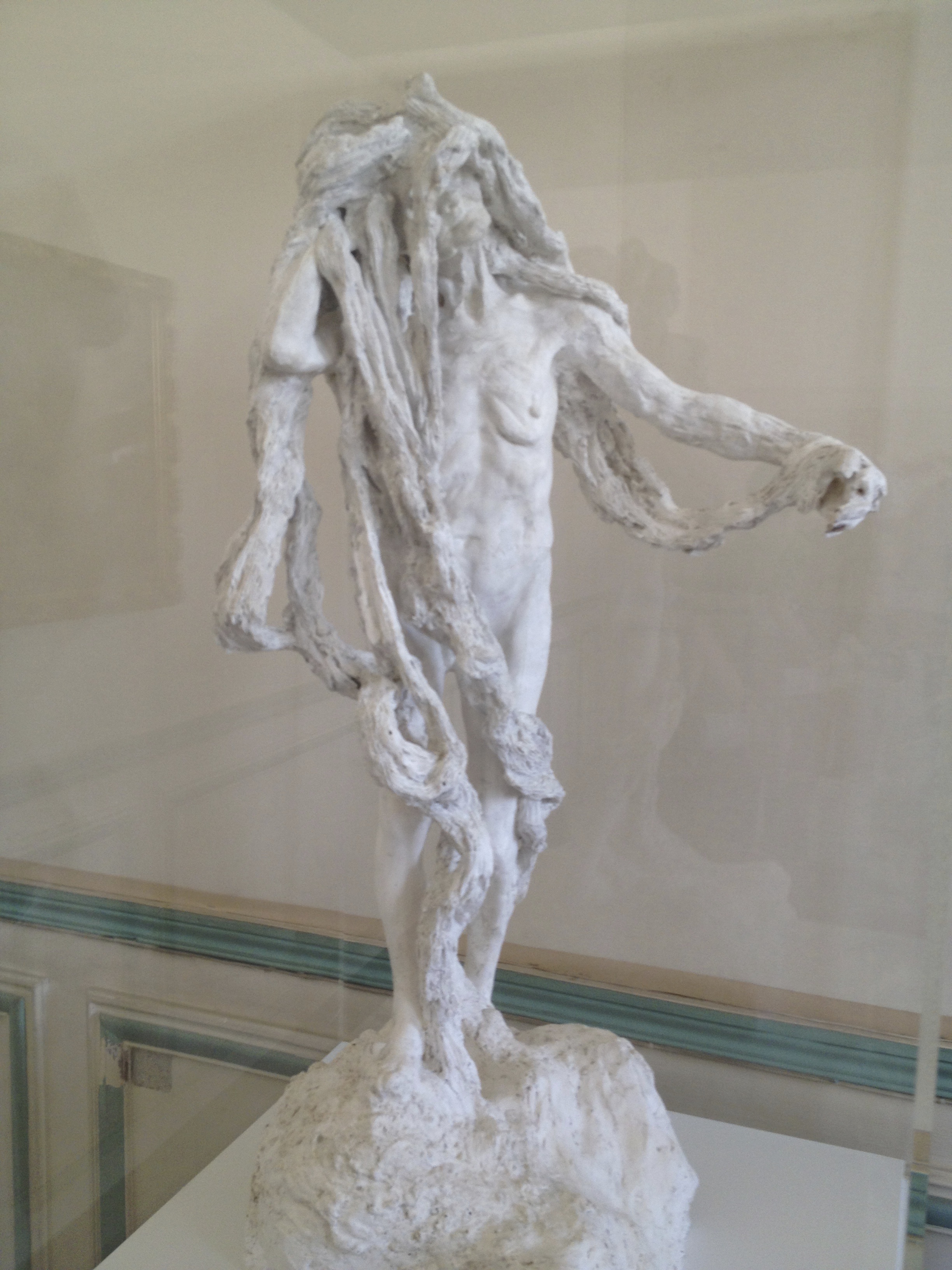
Camille Claudel, Clotho (1893), Plaster. Donated by Paul Claudel in 1952.

Camille Claudel, Clotho (1893), Plaster. Donated by Paul Claudel in 1952. Musée Rodin
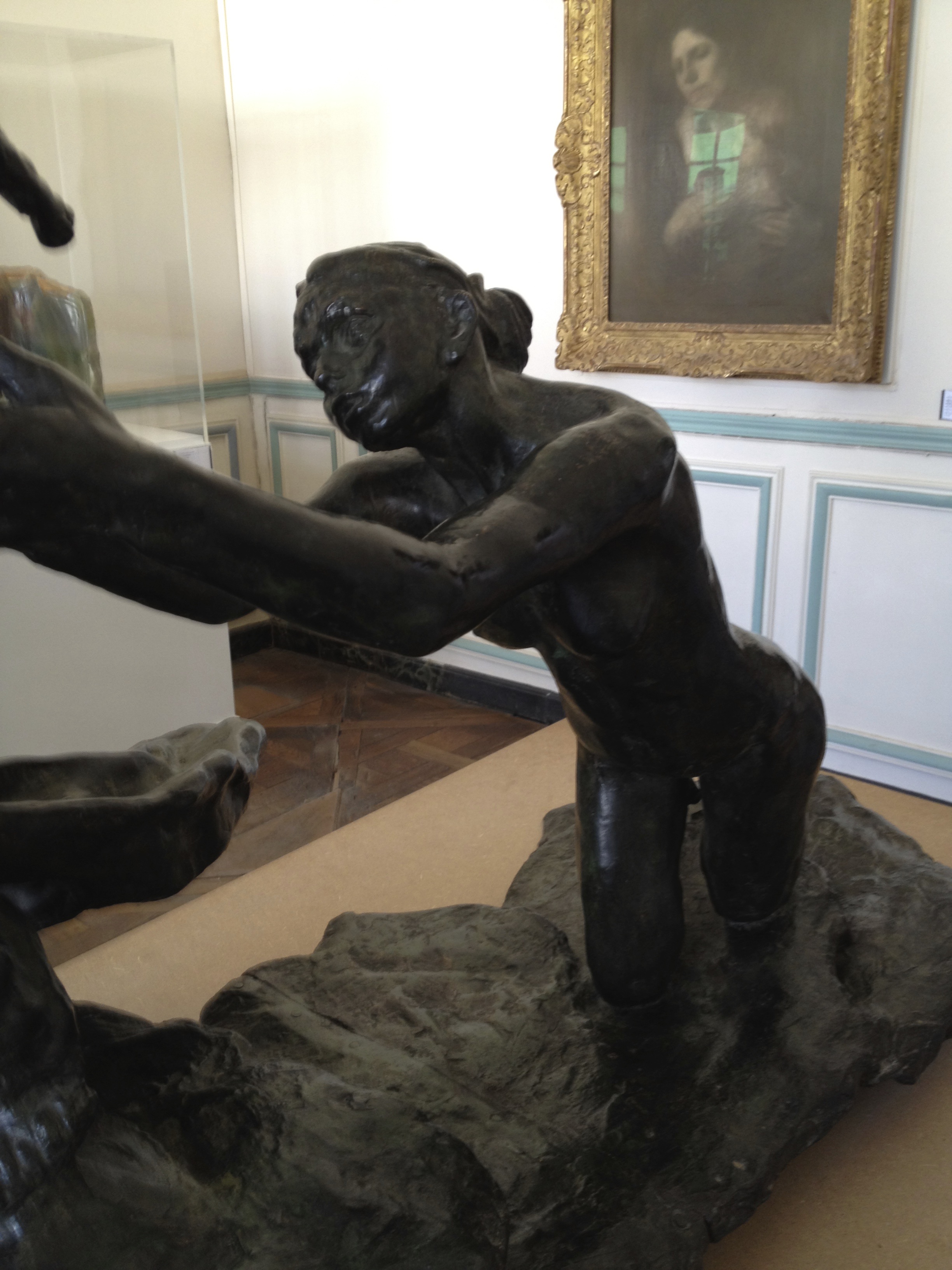
Camille Claudel, The Age of Maturity (1899), Bronze. Donated by Paul Claudel in 1952.

Camille Claudel, The Age of Maturity (1899), Bronze. Donated by Paul Claudel in 1952. This is a partial view of the sculpture, featuring a pleading woman, often said to be Camille begging for Rodin, who is being torn away by his long-time companion Rose. Claudel herself would reject such an autobiographical interpretation, and instead claim that it is intended to symbolize the grass of youth versus age.

Camille Claudel, The Wave

Camille Claudel, The Wave (1897), Onyx and bronze. Musée Rodin, purchased in 1995.
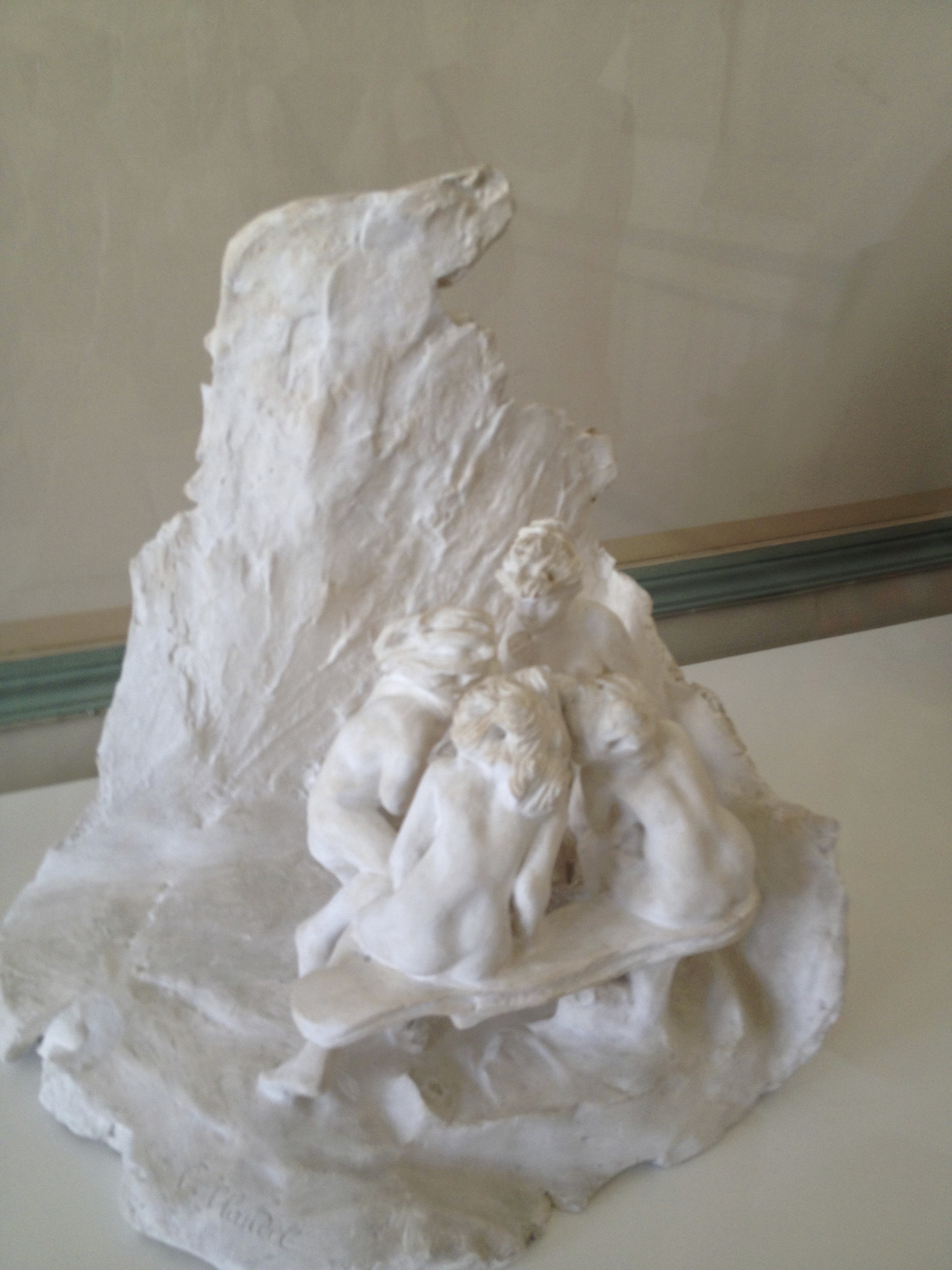
Camille Claudel, The Gossips (1895), Musée Rodin. Donated by Rodin in 1916.

Camille Claudel, The Gossips (1895), plaster. Musée Rodin. Donated by Rodin in 1916. Note Claude’s signature in the lower left corner.

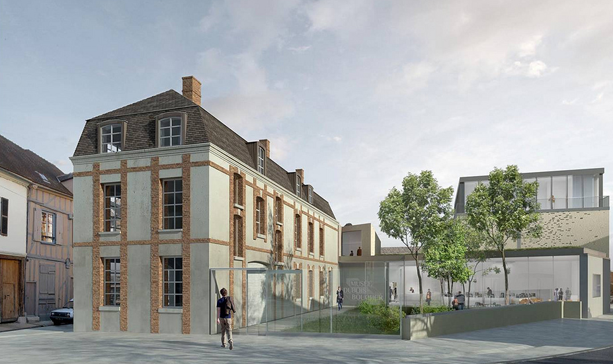
And if this small sampling of Claudel’s work isn’t enough for you, there’s more on the way.  In March, 2017, a new Musée Camille Claudel will be opening in Nogent-Sur-Seine, the a small town southeast of Paris where the Claudel family lived when Camille was young.  Over 77 pieces of Claudel’s art will be on display, thanks to a large 2008 acquisition by Reine-Marie Paris, the granddaughter of Paul Claudel. Here is a link to a video from French television about the plans for the museum. Finally, here is a link to the website of Reine-Marie Paris which includes photographs of even more of Camille Claudel’s sculptures.
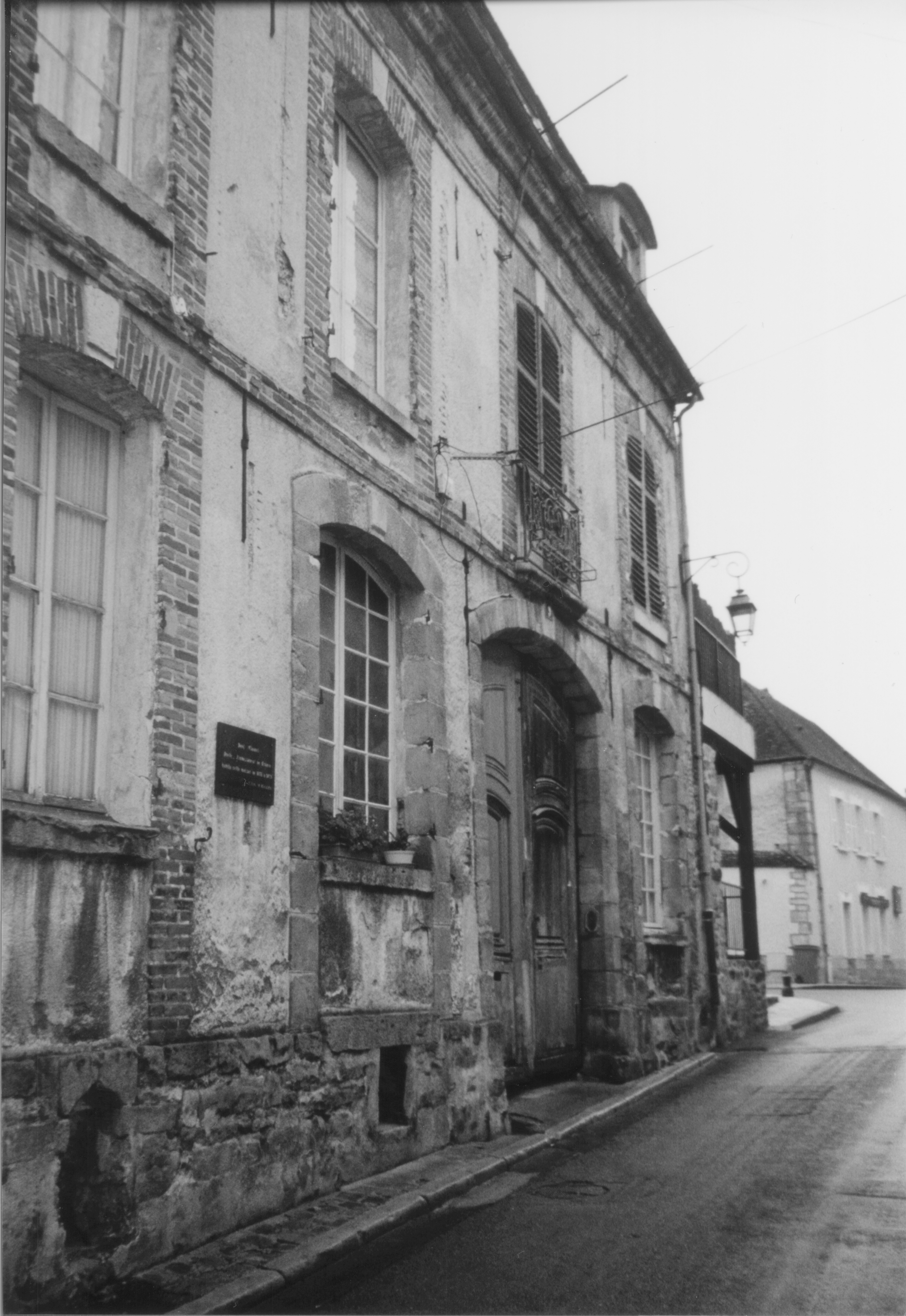
Maison de Claudel, Nogent-sur-Seine, France.
Maison de Claudel, Nogent-sur-Seine, France.

Rendering of the future Musée Camille Claudel in Nogent-sur-Seine

Rendering of the future Musée Camille Claudel in Nogent-sur-Seine

I can’t wait to hear more about the completion of the new museum. It will definitely be worth a drive out to the countryside southeast of Paris.

In the meantime, we will have to content ourselves with Heather Webb’s new book, which breathes life into the passionate, turbulent life of Camille Claudel. Book clubs will find much to discuss, above and beyond the historical interest in a female artist of the late 19th century.

For instance, what do you think drove Camille Claudel to mental illness, if that’s what it was? Was she paranoid about Rodin, or did he really manipulate and compete with her? Which injured her more, the lack of support from her mother and her brother Paul, or a sexist society that made success in the arts so extraordinarily difficult for women? Would Camille Claudel have been better off if she’d never entangled herself with Rodin? Finally, do you see any parallels between Camille Claudel’s struggles and those of 20th and 21st century women?

I’m definitely recommending it to my own book club. Bring some wine!

Rodin’s Lover by Heather Webb: Highly Recommended.  

For further enjoyment: Don’t miss the 1988 Oscar-nominated film, Camille Claudel, starring Isabelle Adjani and Gérard Depardieu, available on Amazon Prime Instant Video.

camille claudel 1988 movie

Vanessa and Her Sister

I just finished Vanessa and Her Sister by Priya Parmar (Ballantine, 2015). And I loved it.

paper+photo-medium

It’s the story of the Stephen siblings of London (Vanessa, Virginia, Thoby and Adrian) who formed the nucleus of the Bloomsbury Group when they moved into a bohemian Gordon Square neighborhood together in 1904.

Vanessa Stephen is 25 years old at the beginning of the novel, and has already studied art at the Royal Academy School of Art, taking painting instruction from John Singer Sargent. Her younger sister Virginia, also single, is recovering from a bad spell of mental illness after the death of their father and has yet to write her first novel.


This novel has as its heart the story of two intensely intelligent, unconventional and competitive sisters. Virginia is jealous and toxically dependent on Vanessa, and feels threatened by Vanessa’s first successes in art and romance. The two sisters are happiest when Virginia poses for a portrait by Vanessa, which she does often. As Vanessa says in the novel:

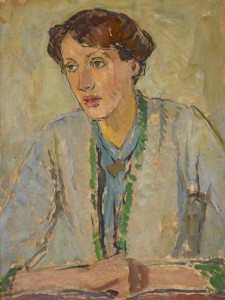
I always paint Virginia. I tell myself that it is the lean planes of her beautiful face that draw me, but really, it is her company I seek. . . .

She posed for an hour this evening, until the June light failed, her eyes closed in comfort, and her face settled into her hand in a way it never does when she is in conversation. Her fine hair, a paler brown than mine, was swept back from her elliptical face into a loose knot and lay in the shallow curve of her long neck. She did not speak nor try to break the moment but kept impossibly still. When Virginia knows I am watching her, she does not try to be anywhere else.


Vanessa Bell, Portrait of Virginia Woolf (1912) Virginia Woolf (c. 1912), © Estate of Vanessa Bell, courtesy Henrietta Garnett. Photo © National Trust / Charles Thomas
Vanessa Bell, Virginia Woolf (1912),  Estate of Vanessa Bell


Vanessa Bell, Viginia Woolf [In An Armchair] (1911-12), Oil on canvas, National Portrait Gallery, London

Vanessa Bell, Viginia Woolf [In An Armchair] (1911-12), Oil on canvas, National Portrait Gallery, London


Vanessa Bell, Virginia Woolf in a Deckchair (1912), Oil on board, Mimi and Peter Haas. (Leonard Woolf once said that this portrait was "more like Virginia in its way than anything else of her.")

Vanessa Bell, Virginia Woolf in a Deckchair (1912), Oil on board, Mimi and Peter Haas. (Leonard Woolf, Virginia’s husband, once said that this portrait was “more like Virginia in its way than anything else of her.”)


Vanessa and Her Sister more than a tale of sibling rivalry and codependence: it’s also about the differences between two forms of art: writing and painting. Priya renews our appreciation for the talent of Vanessa Bell, the lesser known sister, and does a fabulous job exploring and expressing the mind of an artist, which is less accessible than that of a writer. Priya understands that Vanessa feels slighted because their highly literate Bloomsbury crowd seems to prefer words to images. Vanessa broods (p. 66):

Painting does not qualify as work in this family of literati. Work is not work where words are not involved. The unfixed mark of paint alters when it alteration finds. The distribution of colors is a curious sort of hobby to them. A lightweight experiment with insubstantial shade instead of the integrity-bound dimensional shape of letters on a page.

I love how Vanessa (p. 33) explains the mind of a painter:

I think in mass, In color and shape and light and volume and texture. Not in words. Words delicately sewn around an abstract idea leave me feeling large and awkward and with nothing to say. What is the meaning of good? My mind asks “What is the color of good? What size? What light? Where to put the bowl of poppies?”


In 1905, Vanessa experiences the thrill of her first exhibition. A commissioned portrait of her friend Lady Robert Cecil (“Nelly”) is exhibited at the New Gallery in London.

Photograph of VAnessa (Stephen) Bell painting a portrait of Lady Robert Cecil (1905). Source: Tate Archive Showcase.

Photograph of Vanessa (Stephen) Bell painting a portrait of Lady Robert Cecil (1905). Source: Tate Archive Showcase.


In the novel, Parmar has Vanessa describe the feeling of seeing her own painting on the walls of a gallery for the first time, knowing it has changed her experience of being an artist (p. 29):

We stood in the gallery. Watching people watch the painting. It was exhilarating but mixed with an elusive bittersweet I could not place. Nelly looked lovelier hanging on that wall than she ever did resting on my easel, but she had grown unfamiliar in the weeks since I handed her over to the gallery. It is true that we do not understand the boundaries and dimensions of what we have created until it is consumed by another. I loved being an artist today.


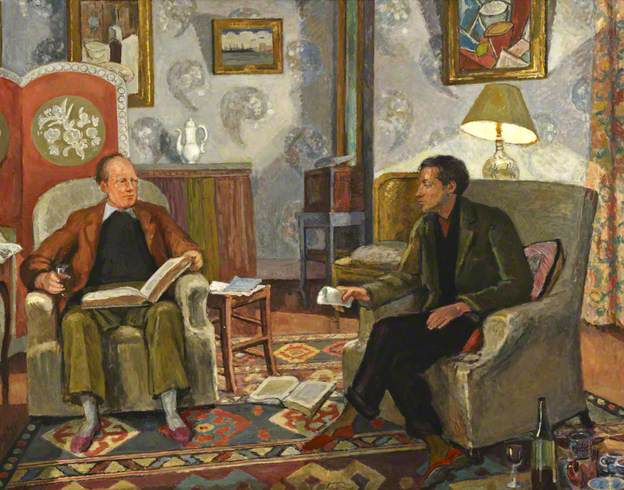
Vanessa expands her circle of artist friends and her view of the art world. Clive Bell, a Cambridge pal of her brother Thoby becomes a frequent visitor to their Gordon Square Thursday Night “At Homes.” Bell is an art critic, and he and Vanessa share their interest in the leading-edge art scene in Paris, including Manet, Cézanne and Picasso. They discuss the recent Durand-Ruel exhibition at the Grafton Galleries in London, debating whether “it take[s] vision to understand beauty.”

Vanessa Bell, Interior Scene with Clive Bell and Duncan Grant Drinking Wine, Birkbeck Collection, University of London

Vanessa Bell, Interior Scene with Clive Bell and Duncan Grant Drinking Wine, Birkbeck Collection, University of London (painted at Gordon Square – check out the red slippers!)

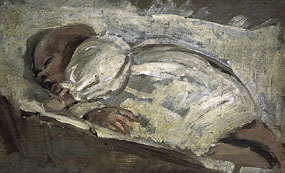
Vanessa and Clive will marry in 1907 and head off to Paris, where they spend time with their bohemian British ex-pat friends, including Duncan Grant and Henry Lamb. Their artistic newlywed idyll will be interrupted by the birth of their first child Julian within a year of the wedding. Vanessa is blown away by childbirth and her love for the baby. Clive, not so much.

Vanessa Bell, Portrait Julian Bell (1908)

Vanessa Bell, Portrait of Julian Bell (1908)

Vanessa Bell, Portrait of Julian Bell (1908)

Vanessa Bell, Portrait of Julian Bell [Sleeping] (1908)


The year Julian is born Vanessa learns that Clive and Virginia have become involved in what is (at the very least) an emotional affair. Their betrayal shakes her to her core and leaves her marriage forever altered, but Vanessa is able to turn to her painting for relief.

In 1909, Vanessa finishes what is now known as one of her most famous early paintings: Iceland Poppies

Vanessa Bell, Iceland Poppies (1909-10)

Vanessa Bell, Iceland Poppies (1908-9), The Vanessa Bell Estate, The Charleston Trust, Sussex, England.


The painting is chilly and deeply psychological. As Vanessa says in the book:

I am painting well, given all that has happened. I am pleased with my quiet still life and have decided to call it Iceland Poppies. Each time I come back to it, I am surprised at how well I like it: the wintry palette, the antique medicine jar and pale matching bowl, the green glass poison bottle, and the contrasting poppy. Yes, they are right together. Of course, I could fall out of love with it in an afternoon. Rightness can be a transitive thing.

Clive wanted to know if the painting is about Virginia’s suicide attempts. How very obvious of him. He did not see the triplicate nature of the canvas. The three stripes on the wall. The three vessels: two white, one tree. The three flowers flying in the foreground: the two white, turned to the wall, and the one short-stemmed, poppy facing outward and painted in a fresh bolt of red. I alternate. Sometimes I am the white flower and sometimes I am the red.


Vanessa is thrilled when Iceland Poppies is exhibited at The New English Art Club, right alongside John Singer Sargent, Augustus John and Duncan Grant: “So something good has tumbled out of this appalling year.”

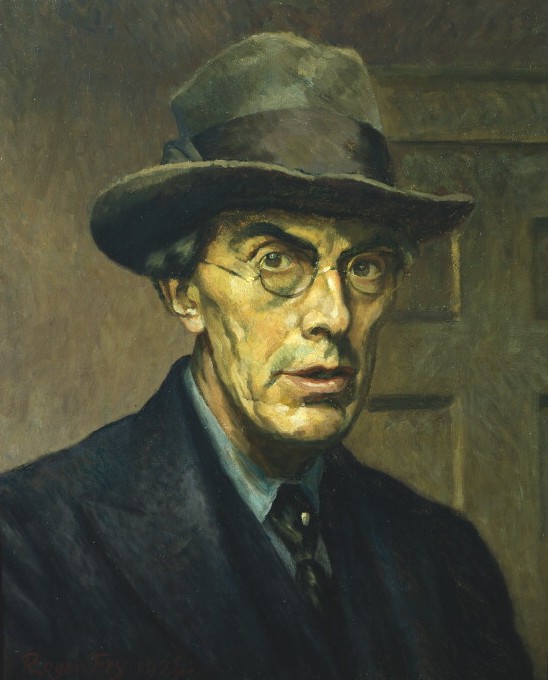
In 1910, Clive and Vanessa renew their acquaintance of Roger Fry, famous art critic and former curator of the Metropolitan Museum of Art in New York. Fry asks Clive to help plan his exhibit at the Grafton Galleries, “Manet and the Post-Impressionists.” The show stuns London with the avant-garde art of France, including works Manet, Cézanne, Gauguin, Derain, Matisse, Van Gogh, Seurat and Picasso. After this exhibit, Vanessa’s view of art expands, her style matures and she becomes more and more liberated from convention.

Roger Fry, Self-Portrait (1928)

Roger Fry, Self-Portrait (1928)

In 1911, the Bells travel to Constantinople with Roger Fry, and Vanessa and Roger spend much of their time painting side by side. Free from the constraints of a conventional marriage any longer, Vanessa allows a romance to commence with Roger.

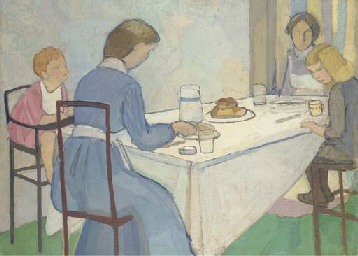
Roger invites Vanessa to exhibit in the Second Post-Impressionist Exhibit at Grafton Galleries in 1912, where Vanessa Bell’s painting Nursery Tea will appear in the same room as works by Matisse, Picasso, Braces and Cézanne. Vanessa Bell has become one of Britain’s most noted Post-Impressionists.

Vanessa Bell, Nursery Tea (1912)

Vanessa Bell, Nursery Tea (1912)


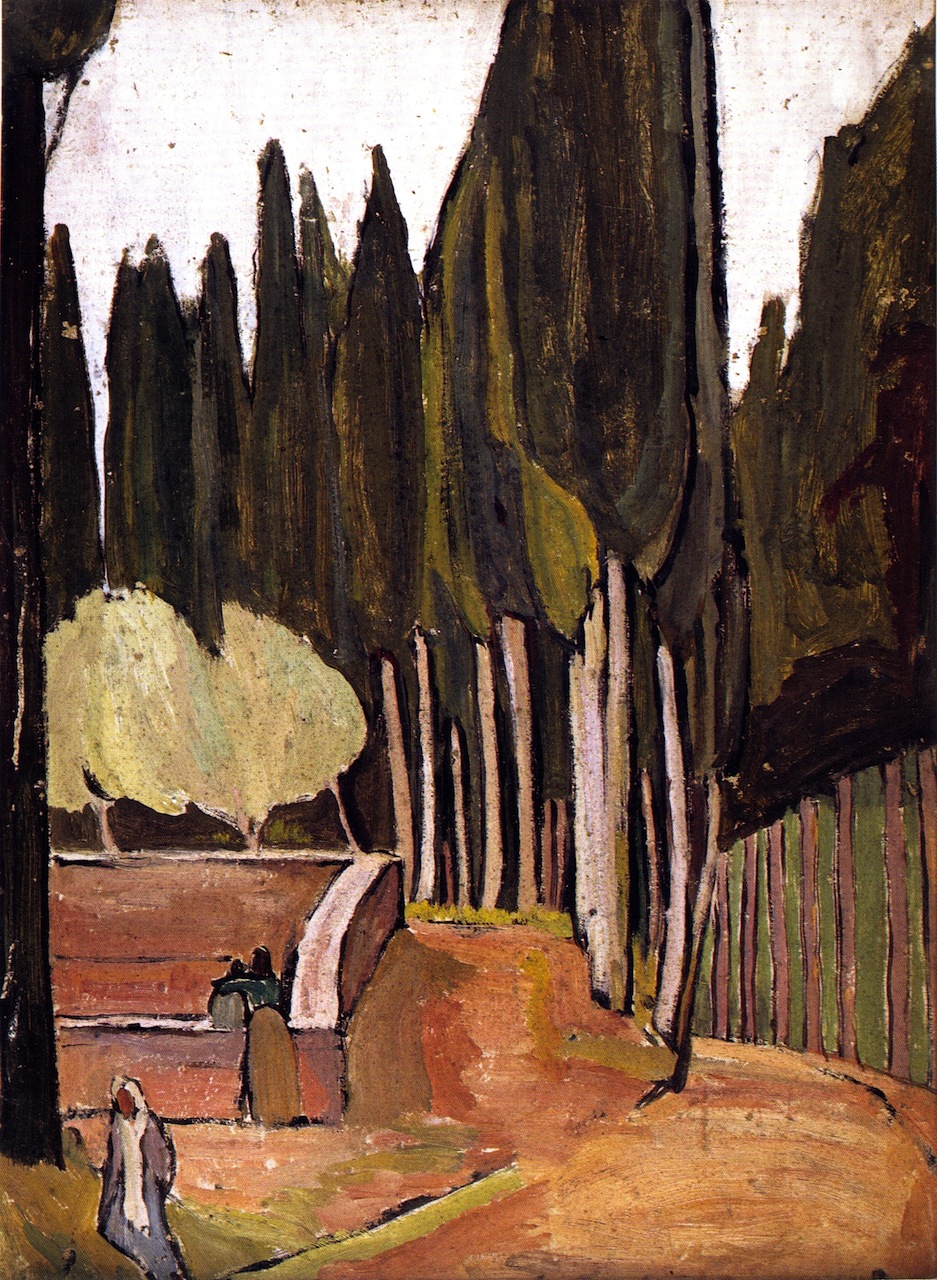
Vanessa Bell, Monte Olivet (1912)

Vanessa Bell, Monte Oliveto (1912), Art Gallery of South Australia

Although Vanessa and Her Sister ends here, in 1912, Vanessa will go on to have a long, satisfying career in art. And as we also know, her sister Virginia will have a brilliant writing career, but a tragic life marred by the ups and downs of mental illness. Virginia Woolf will take her own life in 1941. Vanessa survived until 1961, leaving two surviving children, Quentin and Angelica. Her first child Julian would be killed in the Spanish Civil War in 1937.


Vanessa and Her Sister by Priya  Parmar: Highly Recommended

For Further Reading:

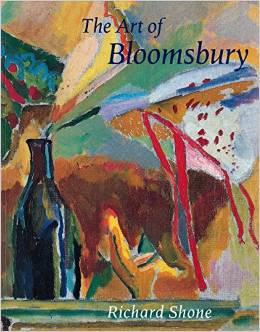
The Art of Bloomsbury by Richard Shone

The Art of Bloomsbury by Richard Shone


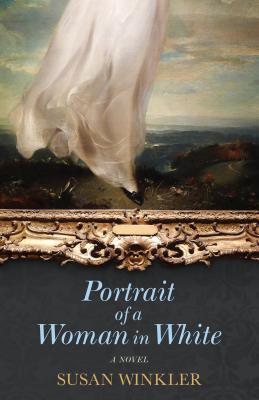
Portrait of a Woman in White

portrait of a owman in whitePortrait of a Woman in White by Susan Winkler is the story of a family of wealthy Jewish art collectors in Paris that begins before World War II. That’s all I need to say, and you can imagine the rest. You already know what tragedy will befall them even if they don’t. We know they will be forced to flee France, or worse, and that their art will be looted.

But it’s what we don’t know that makes us keep turning the page. Who will survive and how? What becomes of the family’s most precious possession, a Matisse portrait of their mother? And finally, what will become of the young lovers who are separated at the border of France and Spain?

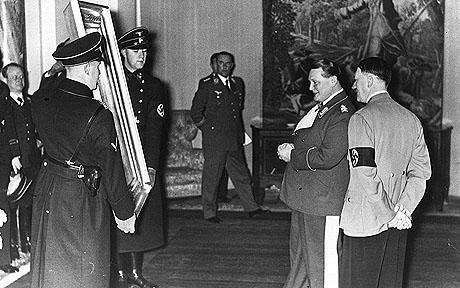
By now most of us know about The Monuments Men, the story of how the Nazis systematically looted the art of Paris. We’ve seen the images of Hermann Göring marching into the Jeu de Paume in Paris to claim more trophies for his art collection under the watchful eye of Rose Valland. But to hear the story from the point of view of one young woman, Lili Rosenswig, brings it all to life and makes the tragedy that more real.

First, Lili witnesses her mother posing for Matisse in his studio on Boulevard Montparnasse in a lovely white satin gown. The portrait becomes a prized family possession, and hangs from the wall of the Rosenswig’s salon in a gilded wood frame. As the Rosenswigs prepare to flee France, they hide the Matisse at their relative’s country villa, planning to see it again soon. Instead, the family is betrayed and the portrait is seized by the Nazis along with most of their other valuables, and taken to the Jeu de Paume.

As Winkler explains in the book:

The Jeu de Paume was a serene pavilion set in the northwest corner of the Tuileries Garden, opposite the Louvre, in the center of Paris. Napoleon had built it to house tennis courts, and its high white walls had served most recently as an impressionist museum. But when the Nazis arrived in Paris and began seizing private Jewish collections, the initial storage rooms in the nearby German embassy were soon filled to overflowing. Urgently, four hundred cases of work were moved to the Jeu de Paume, which then became the official repository and sorting center for all the art that the Nazis confiscated in France.


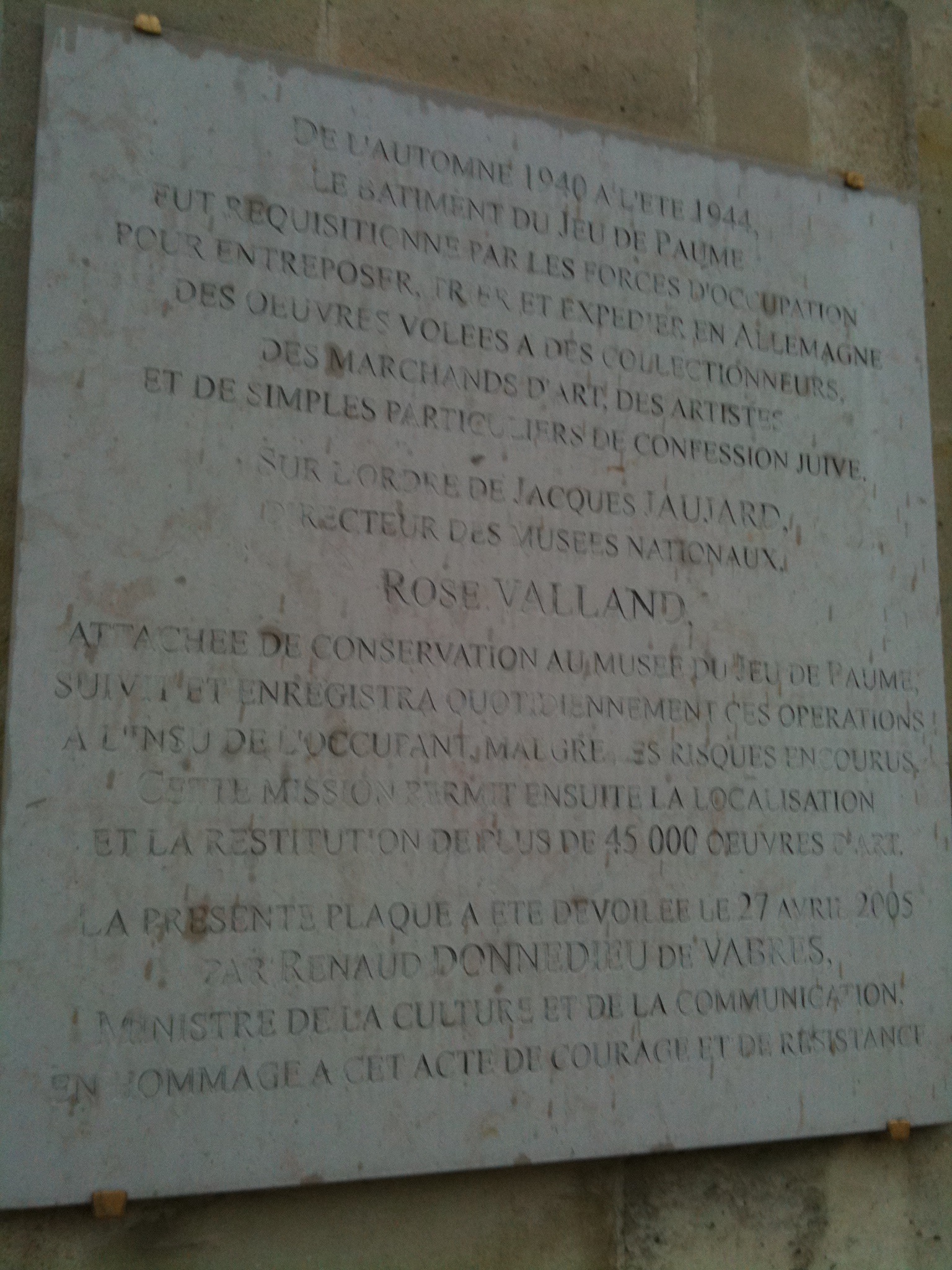
Rose Valland is the lone French member who remained on the staff of the Jeu de Paume after the Germans requisitioned it, and managed to keep a secret record of all of the stolen art that came in and out of the museum.

Jeu de Paume Plaque

The plaque on the side of the Jeu de Paume commemorating Rose Valland’s heroism on behalf of French art. It explains that from the fall of 1940 until the summer of 1944, the building was requisitioned by occupying German forces storing art stolen from the French. Rose Valland took great risks to record the location of the stolen art, which resulted in the restitution of over 45,000 works.


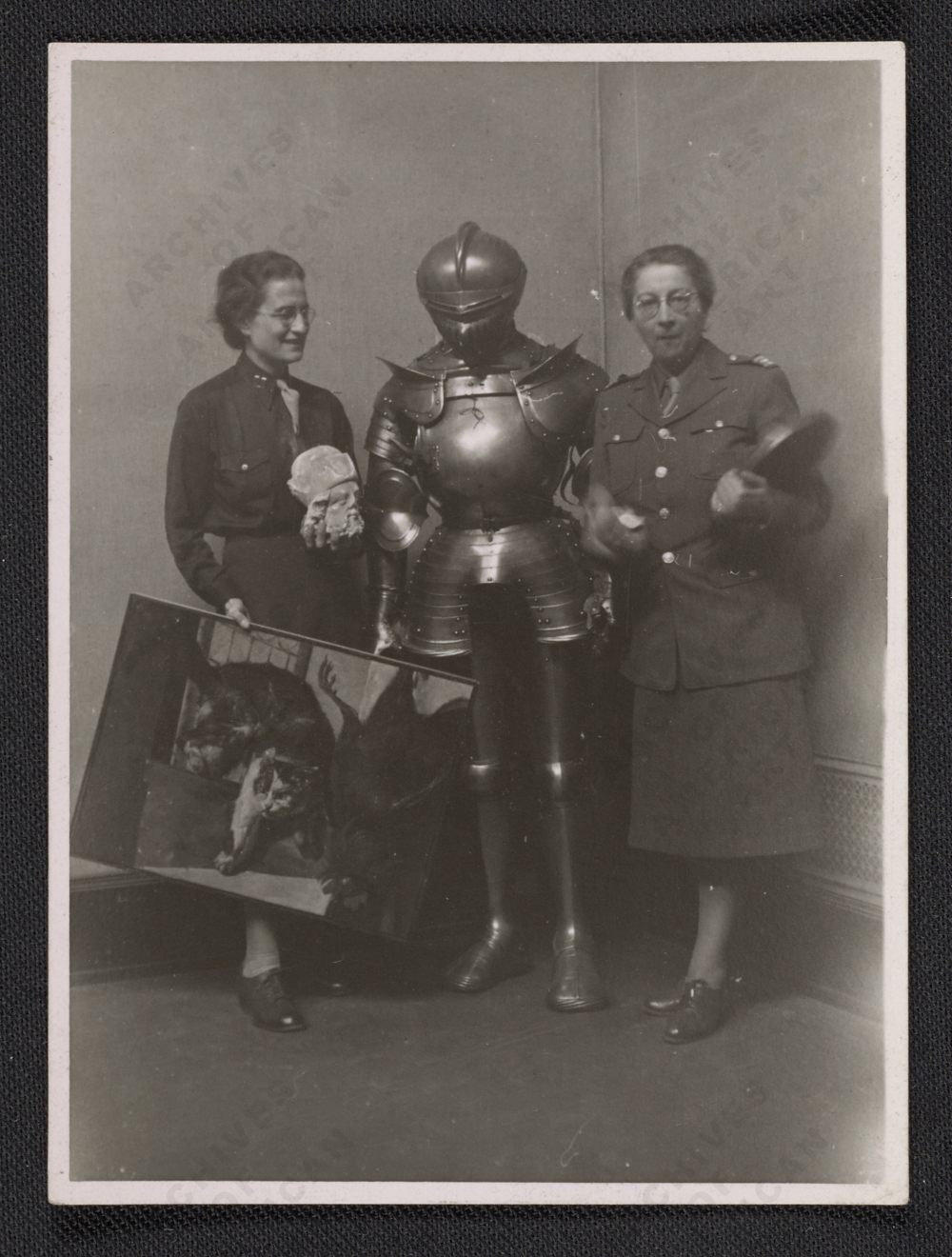
Rose Valland (on the right) and Edith Standen posing with art being returned to France in 1946

Rose Valland (on the right) and Edith Standen posing with art being returned to France in 1946. Source: Archives of American Art, http://www.aaa.si/edu

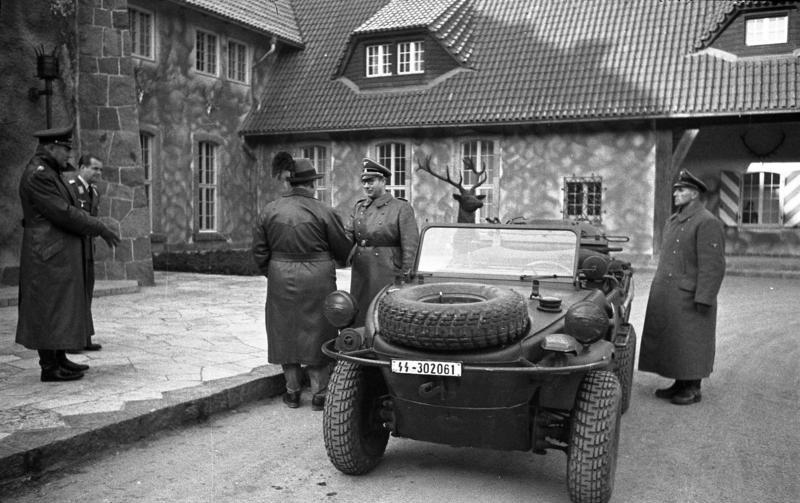
In Winkler’s book, Valland watches as Göring marches into the Jeu de Paume with his entourage of German officers and curators. The Matisse portrait catches Goring’s eye and leaves him breathless. Lili’s mother looks just like Göring’s deceased wife Carin. Göring claims the painting for his personal collection in his hunting estate near Berlin, named Carinhall after his first wife.


Goring and the SS at Carinhall. Source: Wikipedia

Göring and the SS at Carinhall. Source: Wikipedia


The painting has its own journey, just as Lili Rosenswig and her family do. What became of the thousands of pieces artwork that Göring had installed in Carinhall by the war’s end? As bombs fell near Berlin, Göring was loading trucks and trains with his 1,375 paintings, 250 sculptures, 108 tapestries, 75 stained-glass windows and 175 objet’s d’art, sending them to secret locations in various mountain villages, including a mine shaft in Altausee, Austria and Bertchtesgaden in Bavaria.

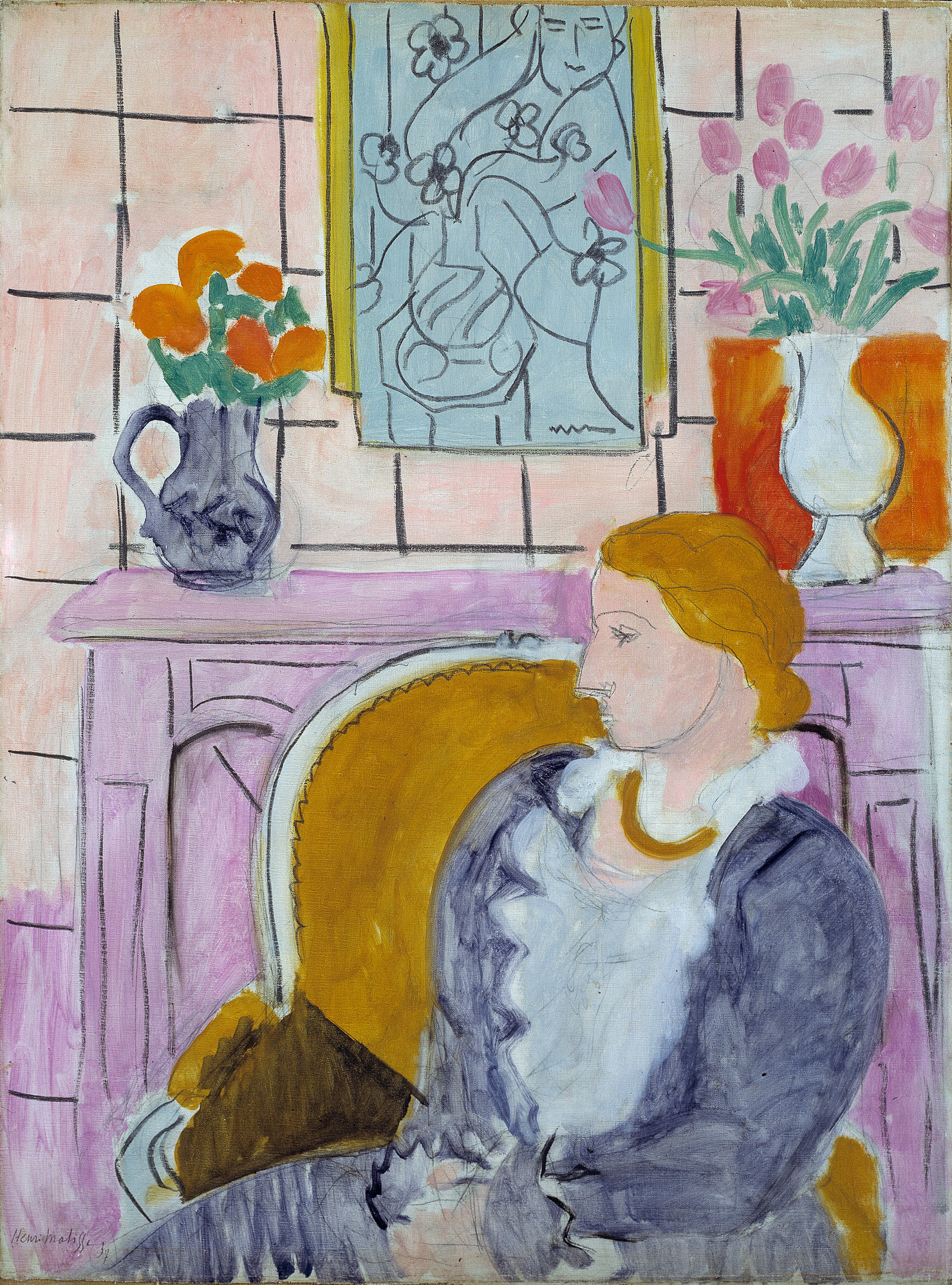
Matisse, Woman in Blue in Front of a Fireplace (1937)

Matisse, Woman in Blue in Front of a Fireplace (1937)

The story of A Woman in White is even more interesting because a very similar art mystery was just resolved earlier this year. A real-life Matisse painting called Woman in Blue in Front of a Fireplace was the property of Paris art dealer Paul Rosenberg, was looted by the Nazis and sold to an unscrupulous French art dealer. A Norwegian art collector bought it in 1950, unaware of its provenance, and proudly installed it in the Onie Onsted Art Museum near Oslo, Norway. In 2012, Rosenberg heirs asserted a claim against the museum, and in March, 2014, after its own investigation, the museum agreed to give the $20 million painting back to its original owners, in accordance with the 1998 Washington Conference Principles on Nazi-Confiscated Art, to which Norway is a signatory. To read more, click here.

The road to reunite pre-war owners of Nazi looted art is long and complicated. And so it is for Lili and the Portrait of the Woman in White. Will Lili and her family every see their beloved painting again? You’ll just have to read Susan Winkler’s book to find out.


For further reading:

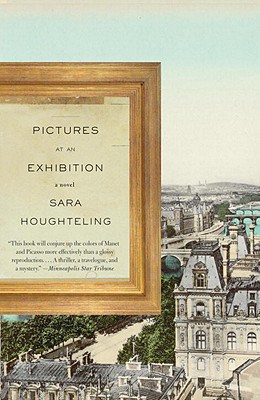
A previous post reviewing the book Pictures at an Exhibition by Sarah Houghteling

pictures-at-an-exhibition


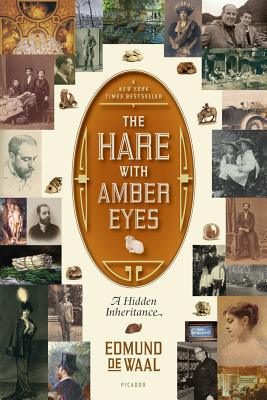
My prior post about The Hare with Amber Eyes by Edmund de Waal

hareambereyes1


Mary Cassatt’s Chicago Mural

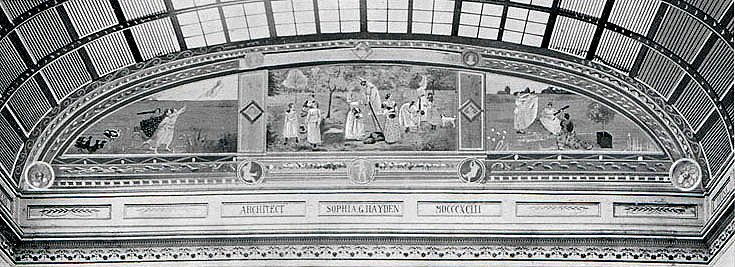
Mary Cassatt, Modern Woman Mural (1893)

Mary Cassatt, Modern Woman Mural, as photographed in the Women’s Building of the Chicago’s World Columbian Exposition of 1893.

In 1892, Mary Cassatt and Mary MacMonnies, both of whom were American artists living in France, were commissioned to paint giant murals for the Chicago World’s Fair. Bertha Palmer, a Chicago philanthropist and wife of the rich and powerful Potter Palmer, had been named the President of the Board of Lady Managers of the fair, and was determined to fill the walls of the Women’s Building with original art by talented women.

Cassatt was not Bertha Palmer’s first choice. Palmer preferred the more traditional style of Elizabeth Gardner, an American painter who lived in Paris with the famous French academic painter William Adolphe Bourguereau. But Gardner turned down the commission, claiming that it would be too physically demanding for her at the age of 55.

Sara Hallowell, an American art dealer who had been appointed Assistant Chief of the Fine Arts Department of the fair, urged Palmer to consider the more modern Cassatt. Although Bertha Palmer was familiar with her work, Cassatt was not well-known in America at the time, despite the fact that she was nearly 50 years old and had been painting for over 30 years.

Cassatt had mixed feelings about the commission, as shared in a letter to her friend Louisiana Havemeyer:

I am going to do a decoration for the Chicago Exhibition. When the committee offered it to me to do, at first I was horrified, but gradually I began to think it would be great fun to do something I had never done before and as the bare idea of such a thing put Degas into a rage and he did not spare every criticism he could think of, I got my spirit up and said I would not give up the idea for anything.


Degas considered “decorations” such as mural work beneath a true artist, but his opposition “got her spirit up” and convinced her to accept the commission. The theme was Modern Woman, which Cassatt would explore with the smoldering feminist point of view of a successful single female at a turning point in history.

Cassatt’s mural was a 58×12 foor triptych that featured women picking fruit, dancing, playing instruments and interestingly, young women chasing a flying nude female figure. Cassatt fully intended all of the underlying feminist symbolism (women picking the forbidden fruit for themselves and passing it on; young women chasing fame, being chased by a gaggle of geese) but the subtext and the modernism of Cassatt’s technique shocked Chicago audiences.

Cassatt received horrible reviews for the work, which disappeared after the fair and has never been found. Some speculate it was destroyed while in storage at the end of the fair, while others hope that it might still be uncovered in the back room of some small midwestern college.

—————————————–

I already knew the story of the mural when I set out to see Chateau Beaufresne, Mary Cassatt’s country home in Le Mesnil-Theribus, feeling a special connection between my hometown of Chicago and France. I also knew that Cassatt didn’t buy Chateau Beaufresne until 1894, so I knew she didn’t paint the mural there. In fact, Cassatt painted the mural at another country home that she rented in nearby Bachivillers, France. I was determined to find it.

Bachivillers, Mary Cassatt's summer home in 1891 and 1892, not far from Le Mesnil-Theribus

Bachivillers, Mary Cassatt’s summer home in 1891 and 1892, not far from Le Mesnil-Theribus


Chateau Bachivillers, Mary Cassatt's rental home north of Paris the summers of 1891 and 1892, the place where she painted the Modern Woman Mural for the Chicago World's Fair of 1893.

Chateau Bachivillers, Mary Cassatt’s rental home north of Paris during the summers of 1891 and 1892. This is where Cassatt painted the Modern Woman Mural for the Chicago World’s Fair of 1893.

I never would have found the right house were it not for the help of Marianne Caron of the French organization Les Amis de Mary Cassatt. The home is privately owned, and there are no plaques or commemorative signs to identify it. Caron and I drove over from the nearby village of Le Mesnil-Theribus on a narrow little country road surrounded by farmland. Caron confirmed that this would have been the very same road on which Cassatt and her father would have traveled in their horse-drawn carriage. The smell of moist soil rose from the newly tilled fields. It felt like we were a million miles from Paris and decades – if not centuries – back in time.

Caron told me that the current owners of Chateau Bachivillers are aware of the house’s history and have actually hosted a Mary Cassatt lecture in the home, which Caron participated in.

And then I asked her about the trench. I had read that Cassatt built a special outdoor glass-roofed studio at Chateau Bachivillers in order to complete the mural. She had workmen dig a giant 60×6 foot trench into the soil below. This way, Cassatt – who was almost 50 years old – wouldn’t have to climb on ladders to reach the upper portions of the mural. Instead, the workmen would lower the mural into the trench.

I wondered, would remnants of the trench remain all these years?

While I wasn’t able to enter the property and examine the yard for myself, Caron told me the story about the time she did exactly that. When she was there for the Mary Cassatt lecture, she walked out to the side yard (indicating to the left of the home) with another local expert, and they spotted some disruption in the soil. However, something about its location made them skeptical, it being more likely that the studio would have been located to the rear of the chateau where there was no evidence of a trench.

As I stood outside Chateau Bachivillers, I tried to imagine Cassatt’s trusted friends and family arriving to witness Cassatt’s progress on the mural, including Chicago art dealer Sara Hallowell, Paris art dealer Paul Durand-Ruel, and possibly Cassatt’s friend and neighbor in L’Oise, Camille Pissaro. Cassatt longed for Degas’ advice, but never invited him out to see the mural for fear of his savage opinions.

In the end, Cassatt was paid $3,000 for the mural, which was the same amount that men were paid for their similar murals for the fair. It was enough to compensate Cassatt for her many expenses, including the cost of the models, the workmen, the studio and the trench. Cassatt was able to shake off the criticism of the unsophisticated American audience and continued to work quite happily on new paintings with some of the same models. Just as the Chicago World’s Fair closed, Cassatt’s first major Paris exhibition opened at Durand-Ruel’s gallery, featuring 100 of her paintings.

A talented and independent woman still hitting her stride at the age of 50. In 1894. I’m humbled and inspired. . . .


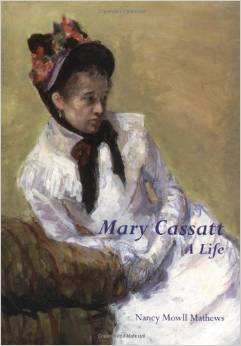
For further reading: Eve’s Daughter/Modern Woman: A Mural by Mary Cassatt by Sally Webster and Mary Cassatt: A Life by Nancy Matthews

Eve's Daughter


Cassatt A Life, Mathews

Mary Cassatt’s Chateau de Beaufresne

Mary Cassatt was an American painter who lived in  most of her life in France. If you’re curious about Mary Cassatt’s years in Paris during the 1870s and 80s, and would like to see photos of the different Paris apartments in which she and her family lived, click here for a prior post.

Mary Cassatt in 1907

Mary Cassatt in 1907

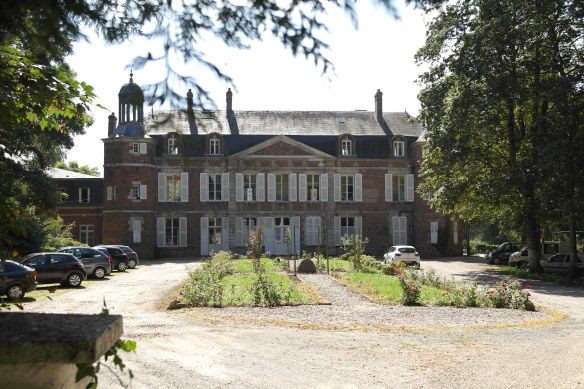
But it turns out there is much more to Cassatt’s story than Paris. Cassatt led a long productive life, and spent much of her time in summer homes in the country. In fact, from 1894 until her death in 1926 Cassatt lived in a summer home in Le Mesnil-Theribus, France, a country village north of Paris. Her home was called Chateau de Beaufresne (“Beautiful Ash”) named for the large ash trees that grow in the area. I was lucky enough to visit this beautiful old chateau, which is currently owned by Le Moulin Vert, a group that provides horticultural education for troubled teens.


At the time of my visit, efforts were underway by a group called Les Amis de Mary Cassatt to purchase the chateau and turn it into a museum. I think it’s a spectacular idea. The home and grounds could be as popular as Monet’s in Giverny and the Van Gogh sites in Auvers-sur-Oise. Le Mesnil-Theribus is located about an hour north of Paris on the way to Beauvais, several miles west of A16.

I made arrangements to meet with Marianne Caron, a member of Les Amis de Mary Cassatt, who shared with me many local legends and stories of fellow villagers whose ancestors had known Cassatt. She was a wealth of information.

SAMSUNG CSC

Chateau de Beaufresne, Le Mesnil-Theribus, France. Currently home to Le Moulin Vert, a horticultural program for troubled teens.

In 1893, Mary Cassatt learned that Chateau Beaufresne was for sale. She had been renting another beautiful country home in nearby Bachivillers during the summers of 1891 and 1892, when the owner told her he wouldn’t be renting it out anymore. Cassatt was determined to stay in the area, and made the impulsive decision to buy the Chateau Beaufresne, despite the fact that it needed many repairs.

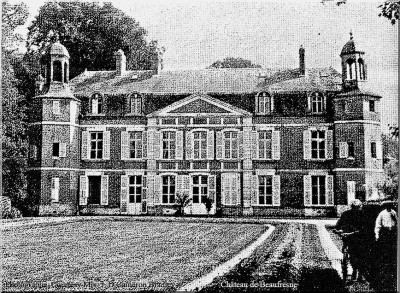
Chateau Beaufresne (source: http://cassatt.eu)

Chateau Beaufresne (source: http://cassatt.eu)


The back of Chateau Beaufresne, then.

The back of Chateau Beaufresne, then.

Cassatt spent most of the summer of 1894 renovating the old chateau. In a letter to  Paul Durand-Ruel, she expressed her frustration and told him she intended to sell the house, that it was just too much trouble:

We are finally settled here and, even before we came, I had had enough of my role as landlord; I have given nearly three months of my time and I know that I still have a part of the summer to devote to giving orders, and I ask myself when will I find the time to do a bit of painting! Madame Aude [Durand-Ruel’s daughter and Cassatt’s neighbor in the Chaumont-en-Vexin area] knows the landowners of Trie, would she be so kind as to tell them I am putting Mesnil-Beaufresne up for sale?

The house is very good, very sound. I had water &c put in, Indeed I cannot say that everything is not well, but I do not want to give any more orders to workmen, who don’t follow them anyway.

. . .

What I want is the freedom to work. My mother is no longer of the age or the strength to concern herself with the outdoors, and I don’t have the interest.

My brothers will surely laugh at me, but I won’t say anything until I have sold it and won back my freedom. Certainly it is the best thing in the world.

I am completely fed up with the trouble I had to get a bit of work done (Mary Cassatt to Paul Durand-Ruel, Summer 1894).


What emerges so strongly from that letter is Cassatt’s burning desire to get back to work on her painting. Doesn’t she sound like a 21st century woman, frustrated with all of the distractions and obstacles that stand in the way of our freedom? In any event, Cassatt changed her mind about selling the house. Soon she is working away at her painting and pastels. In another letter to Durand-Ruel, Cassatt says:

I am now settled here for the summer and working hard. I hope to submit to you some pastels before long; if I were a landscape painter, I would [have] no trouble in seeking beautiful subjects – The country looks lovely not withstanding the drought – . . . (Mary Cassatt to Paul Durand-Ruel, May 19, 1896).


Indeed, the property is very lovely, and would be the ideal setting for a landscape painter.

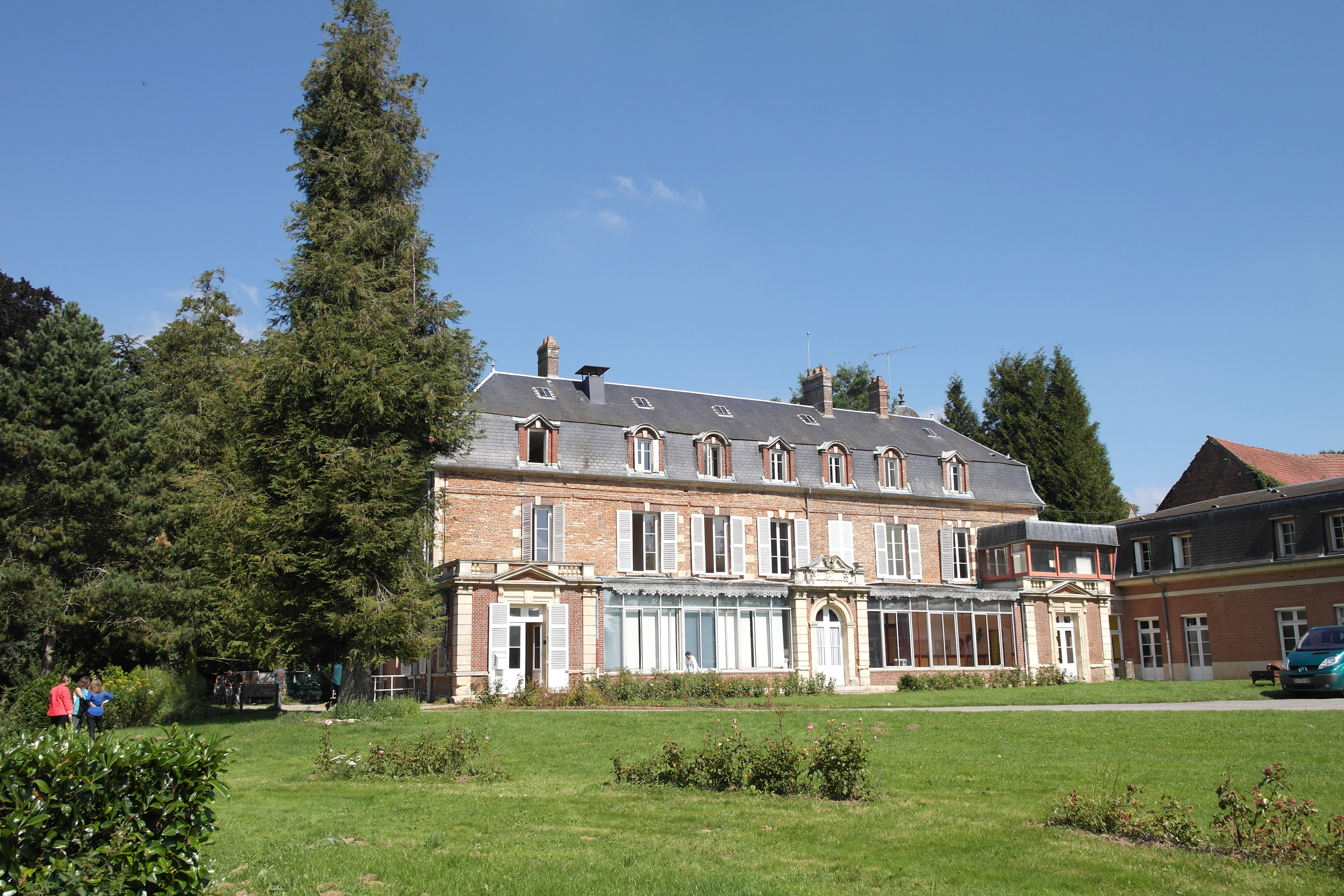
The back of Chateau Beaufresne,  (2014)

The back of Chateau Beaufresne (2014)

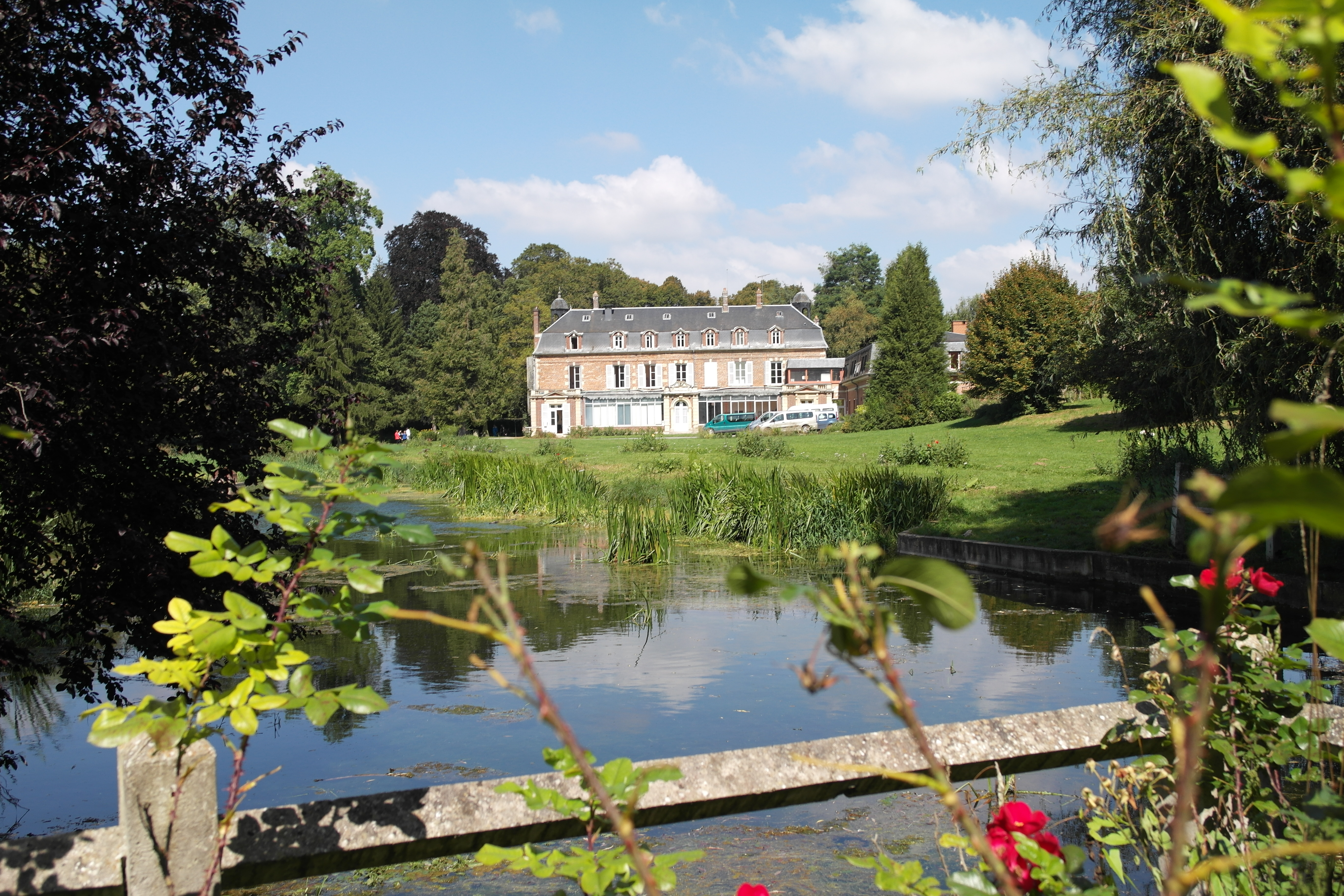
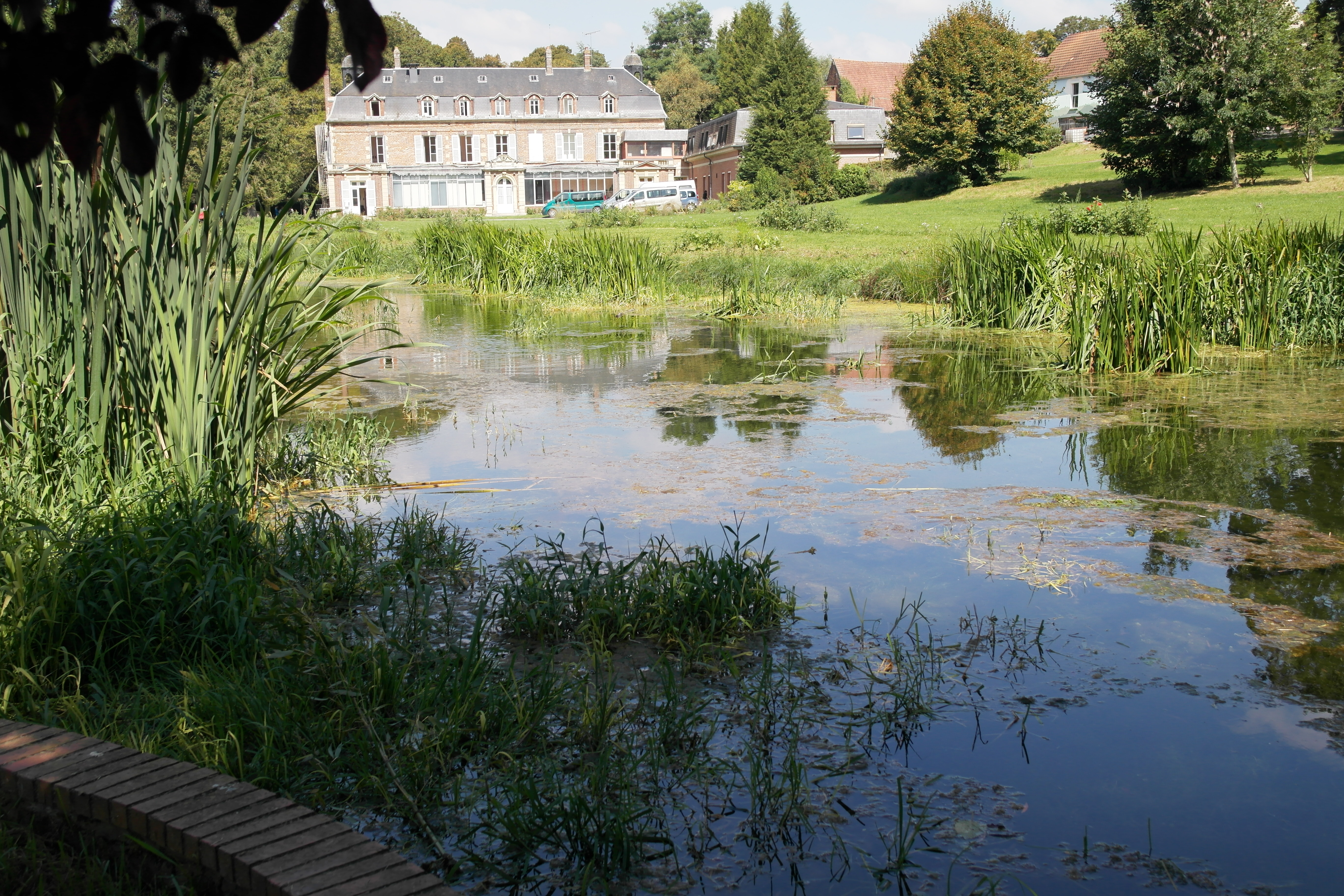
The view of Chateau Beaufresne from the back of the property, across a lovely little lilly pond.

The view of Chateau Beaufresne from the back of the property, across a lovely little pond full of cat tails and lily pads.

SAMSUNG CSC


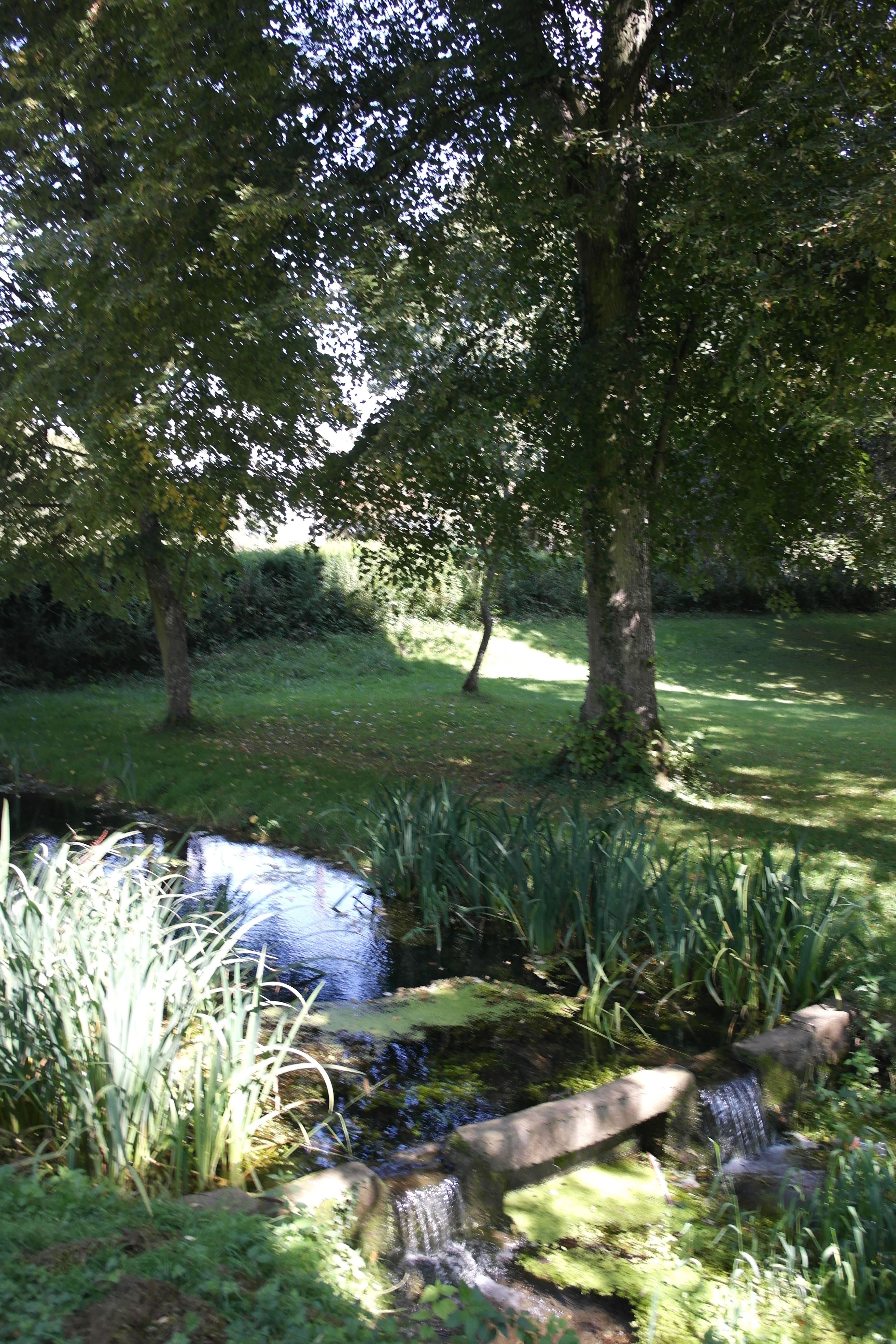
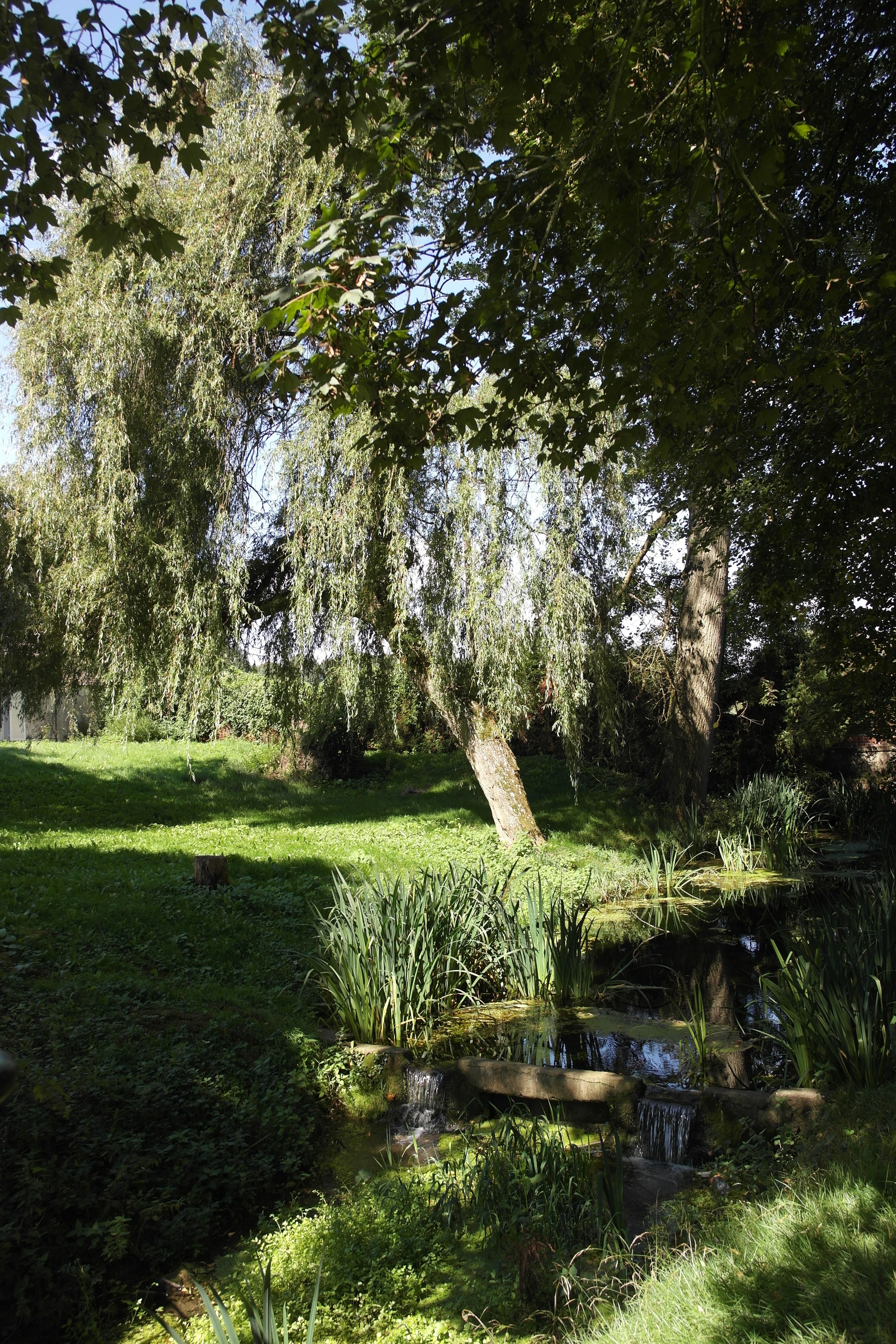
The grounds of the chateau including a brook and acres of weeping willow and pond vegetation.

The grounds of the chateau include a brook and acres of weeping willows and pond vegetation. It was hard to get the lighting right for a photograph, but it would have been a picturesque place to set up an easel for some plein air painting.


SAMSUNG CSC


SAMSUNG CSC


At the back of the property there still stands the small building that Cassatt used as her printing studio. She used the mill to provide electricity, and strung electrical lines to the very back of the property. She would spend as much as 8 hours a day in her little printing shed.

At the back of the property there still stands the small mill that Cassatt used as her printing studio. She would spend as much as 8 hours a day working here.


The back entrance to the chateau

The back entrance to the chateau


The sunny room at the back of the chateau that was known as the gallery. It is supposedly where Cassatt used to paint. Imagine that.

The sunny room at the back of the chateau that was known as the gallery. It is supposedly where Cassatt used to paint. Imagine that.


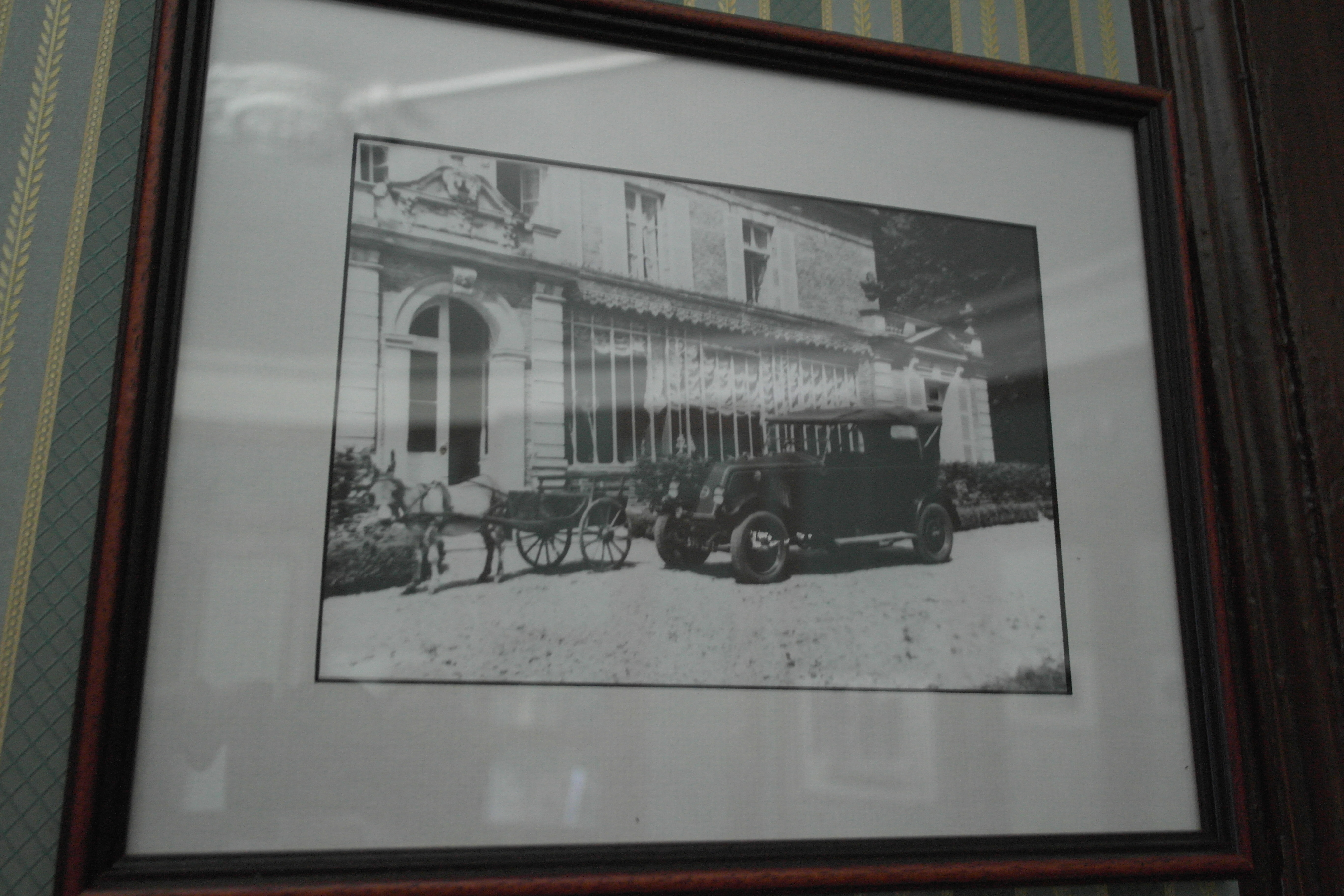
A framed photo on display in the chateau shows a car parked outside the back door in front of the gallery.

A framed photo on display in the chateau shows a car and a donkey cart parked outside the back door in front of the gallery. Note the window treatments that Cassatt used to control the amount of light entering her gallery.


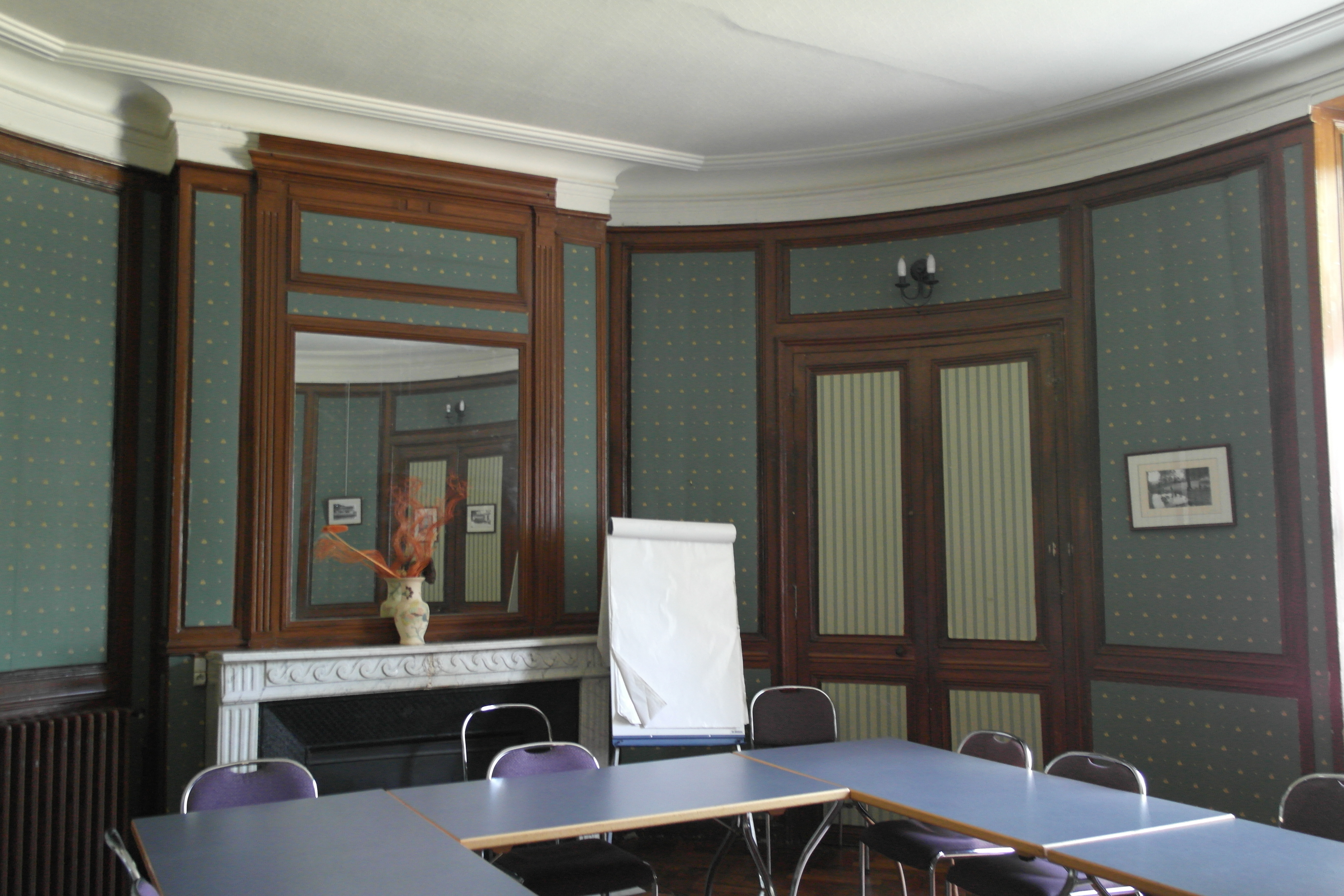
A view of an interior room of the chateau with curved walls and a fireplace.

A view of an interior room of the chateau with curved walls and a fireplace. Various old photographs of Mary Cassatt are displayed on the walls. The room is currently used for meetings and conferences.


The main stairwell of the chateau

The main stairwell of the chateau


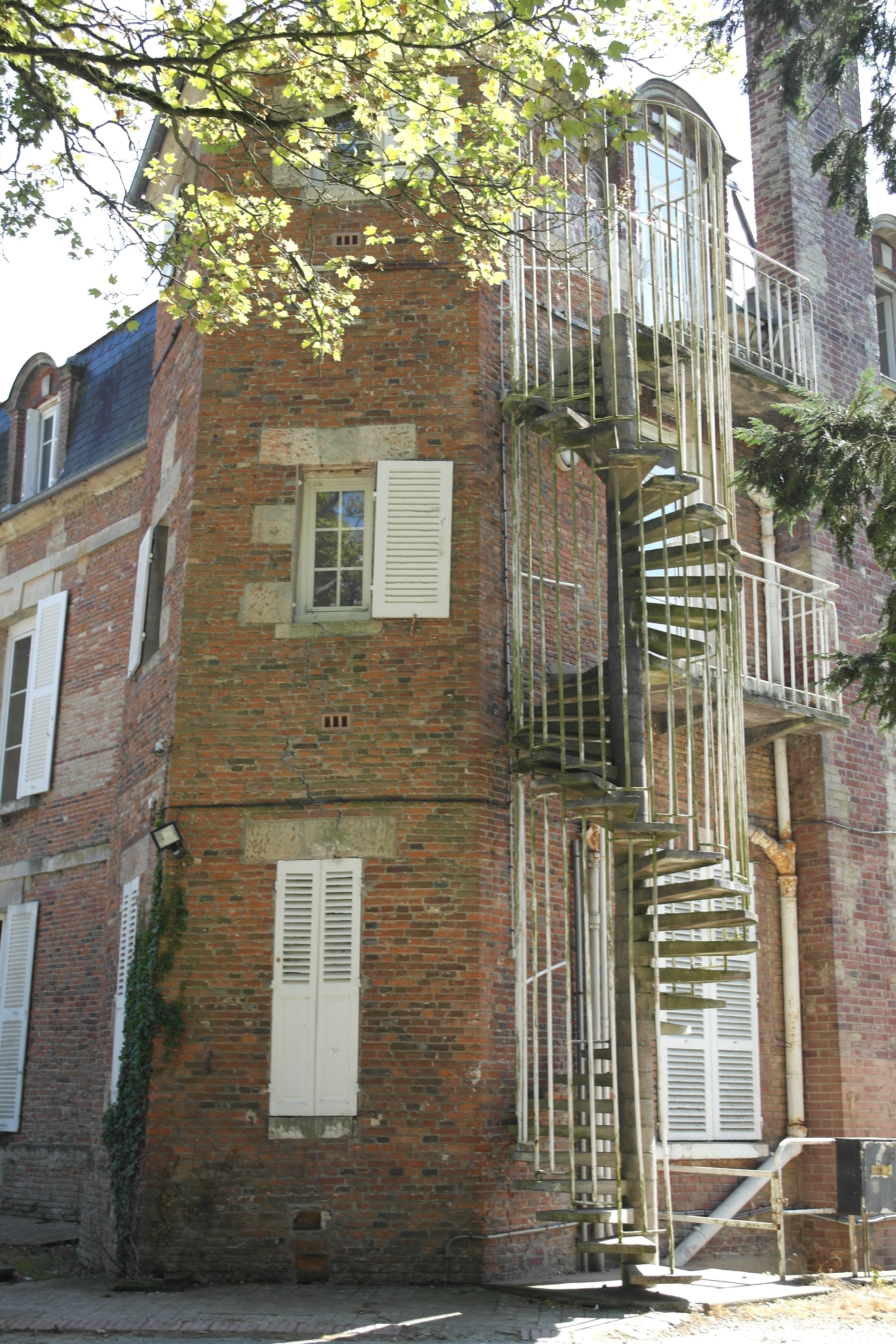
An exterior spiral stairway around the back of one of the chateau's two turrets.

An exterior spiral stairway around the back of one of the chateau’s two turrets.


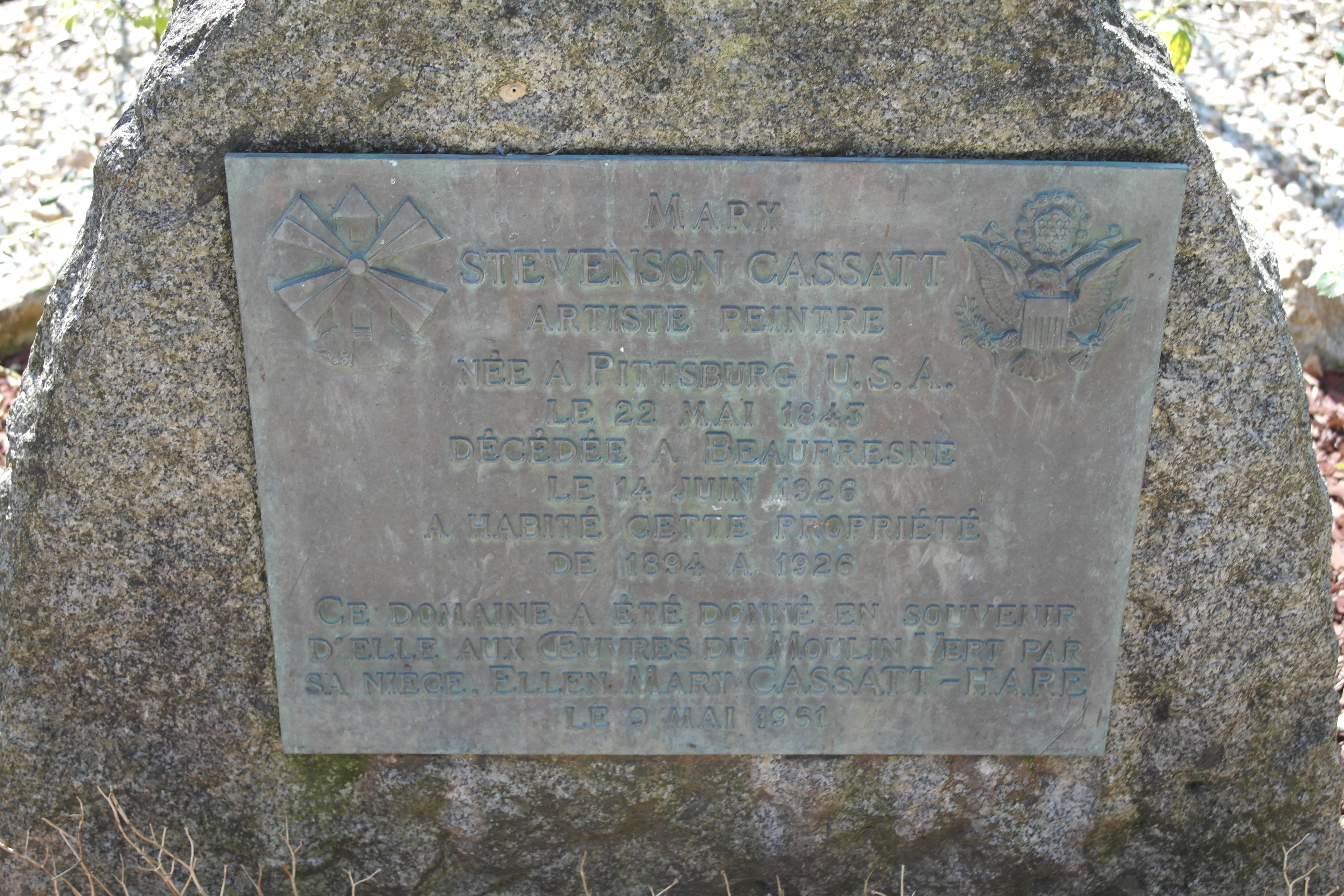
A commemorative plaque that has been placed along a walk leading from the parking lot up to the front entrance of the chateau.

A commemorative plaque that has been placed along a walk leading from the parking lot up to the front entrance of the chateau.


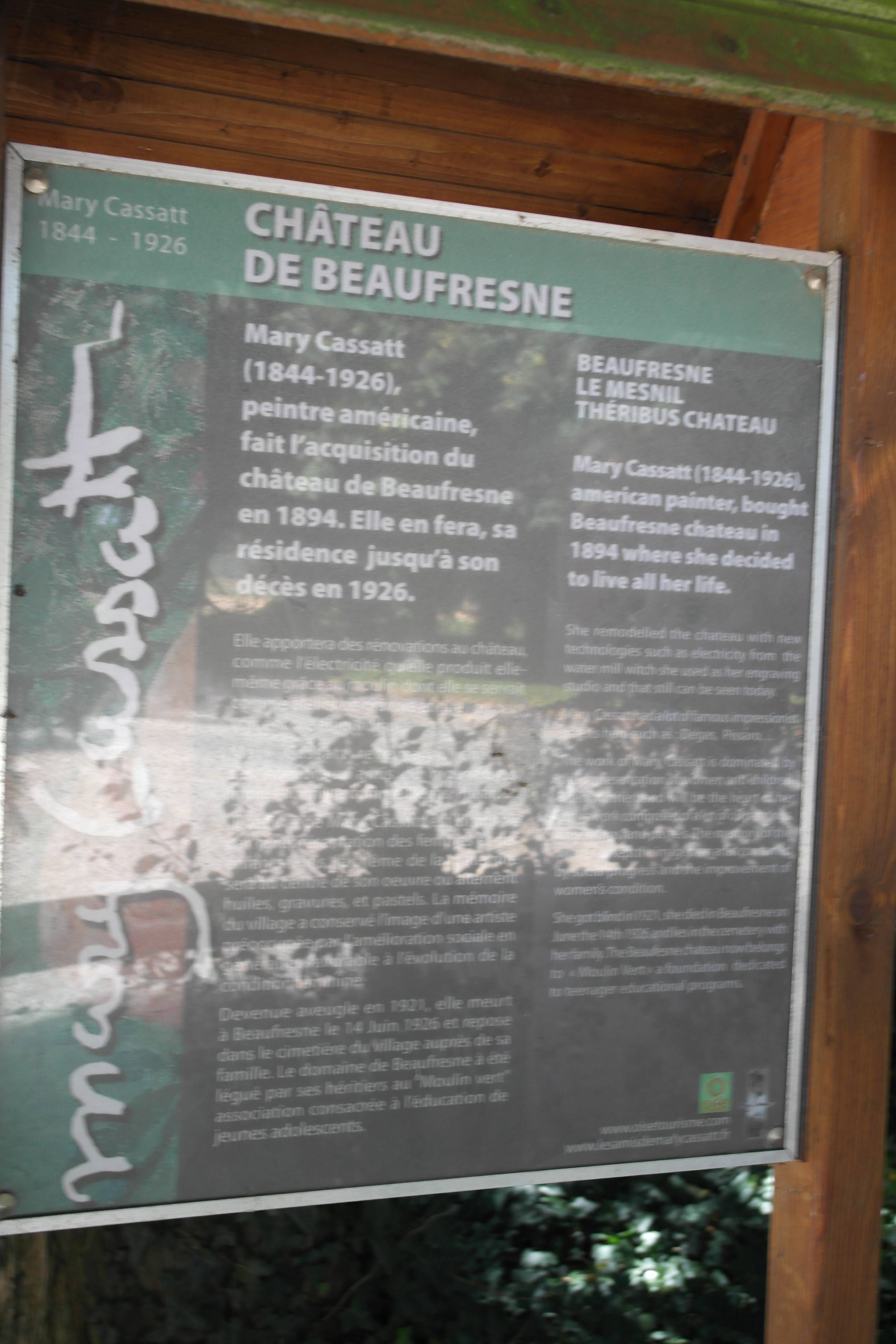
This sign appears at the entrance of the chateau, placed there by Les Amis de Mary Cassatt.

This sign appears at the entrance of the chateau, placed there by Les Amis de Mary Cassatt.


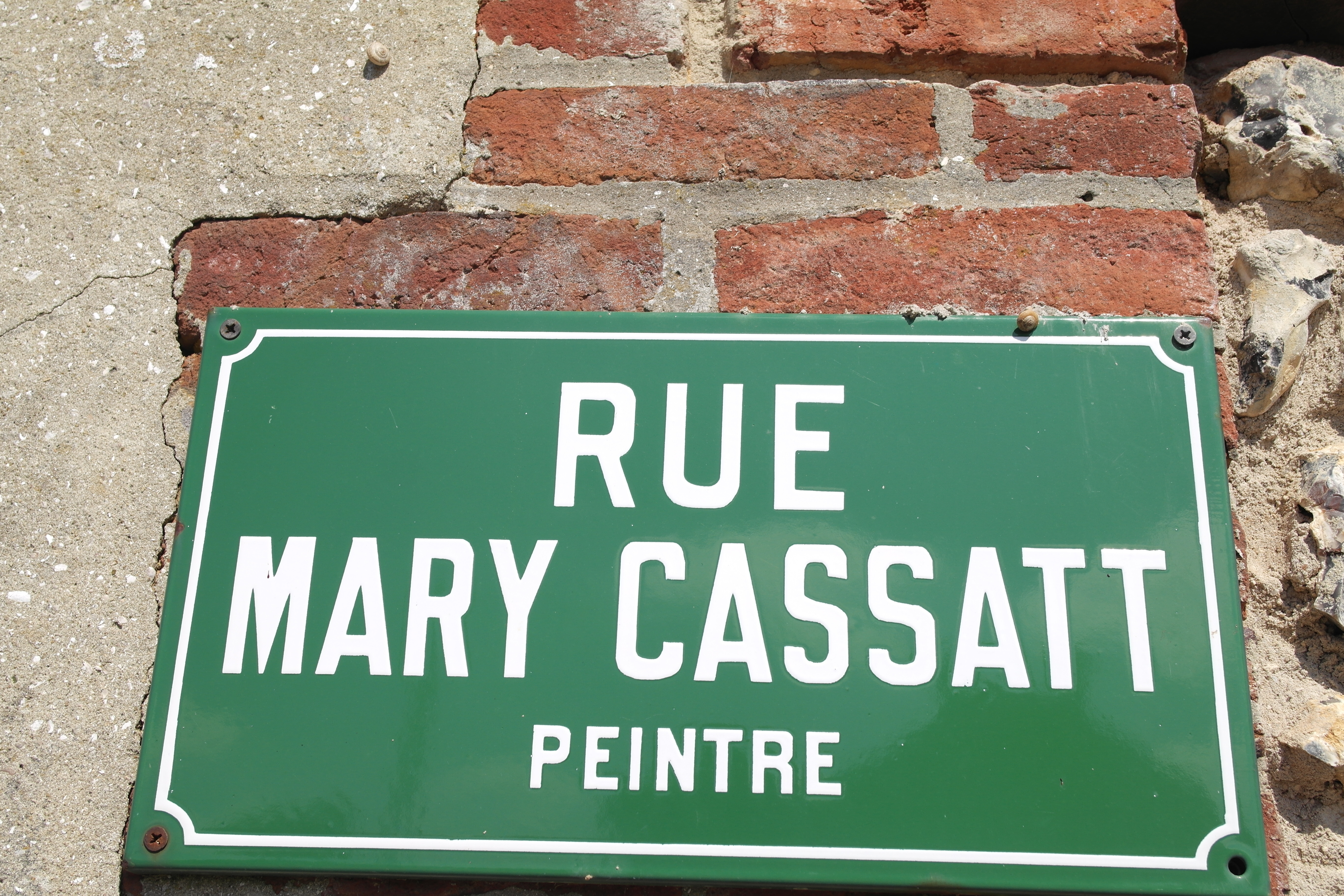
Chateau de Beaufresne is now located on rue Mary Cassatt.

Chateau de Beaufresne is now located on rue Mary Cassatt.

After Cassatt’s death in 1926, Cassatt’s niece Ellen Mary Cassatt Hare (daughter of Cassatt’s brother Joseph) and her family continued to use the home for summer visits from Pennsylvania, and they continued to employ a small staff to tend to the home in their absence. At sometime toward the end of World War II, General DeGaulle spent one night at the chateau on his way from London to Paris (Encyclopedia Picardie). The chateau fell into disrepair and in 1961 was donated to Le Moulin Vert, a social service agency of L’Oise region.

Ever since my visit to the chateau, I have enjoyed checking out Cassatt’s paintings to detect a hint of the chateau or its grounds in her work. Check out the beautiful window scene in the background of this one, Children Playing with a Dog (1907). Perhaps?

Cassatt, Children Playing with a Dog (1907)

Cassatt, Children Playing with a Dog (1907)


For further reading: Cassatt and Her Circle: Selected Letters, ed. Nancy Mowll Mathews

cassatt letters


Madame Picasso in Paris

madame picasso

I heard about Anne Girard’s new novel Madame Picasso (Mira Books, August 2014) and made sure it was packed in my carry-on bag when I boarded my recent plane to Paris. The cover is gorgeous and the book is that luxurious kind of trade paperback that feels soft and good in your hands.

Madame Picasso is the story of Pablo Picasso’s love affair with Eva Gouel from 1911 until her tragic death in 1915. Picasso had many other lovers, muses and wives over the course of his long life (1881-1973), but Eva Gouel can show us a side of the young Picasso we might never have known.


I began marking up the pages and taking notes of all the scenes from the book, eager to walk in Pablo and Eva’s footsteps through Paris. It’s a walk that will take you from one end of Paris to the other, from the top of Montmartre all the way across the Seine to the center of Montparnasse. I walked it all on a beautiful fall day in September. When I was done, I was exhausted, inspired and very thirsty.

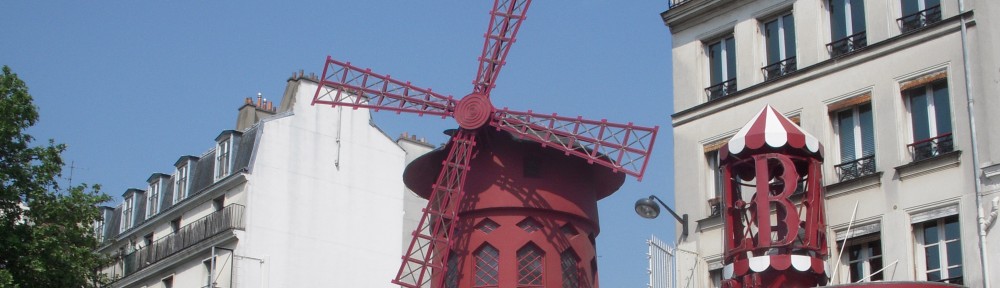
Madame Picasso begins at the Moulin Rouge in Paris. Eva Gouel arrives from her family’s home in the outskirts of Paris and is lucky and talented enough to get a job as a seamstress. Eva is well on her way to becoming a costume designer, but fate interrupts. Pablo Picasso comes to the Moulin Rouge one night and notices the pretty girl working behind the scenes.

The Moulin Rouge in Paris where Eva first meets Picasso

When Picasso and Eva first meet, he is already involved with his long-term mistress Fernande Olivier. He has a studio in the run-down Bateau-Lavoir in Montmartrre. The studios got their famous nickname from the artist Max Jacob, who thought they were so rickety that they rocked like a houseboat on the Seine. Once Picasso had some success, he moved out, but still kept a studio there to keep up with his artist friends and have a little privacy with his models.

There is a little piece left of Bateau-Lavoir that you can still see today. It’s located near the top of Montmartre in place Goudreau.

The plaque on what is left of the old Bateau-Lavoir located

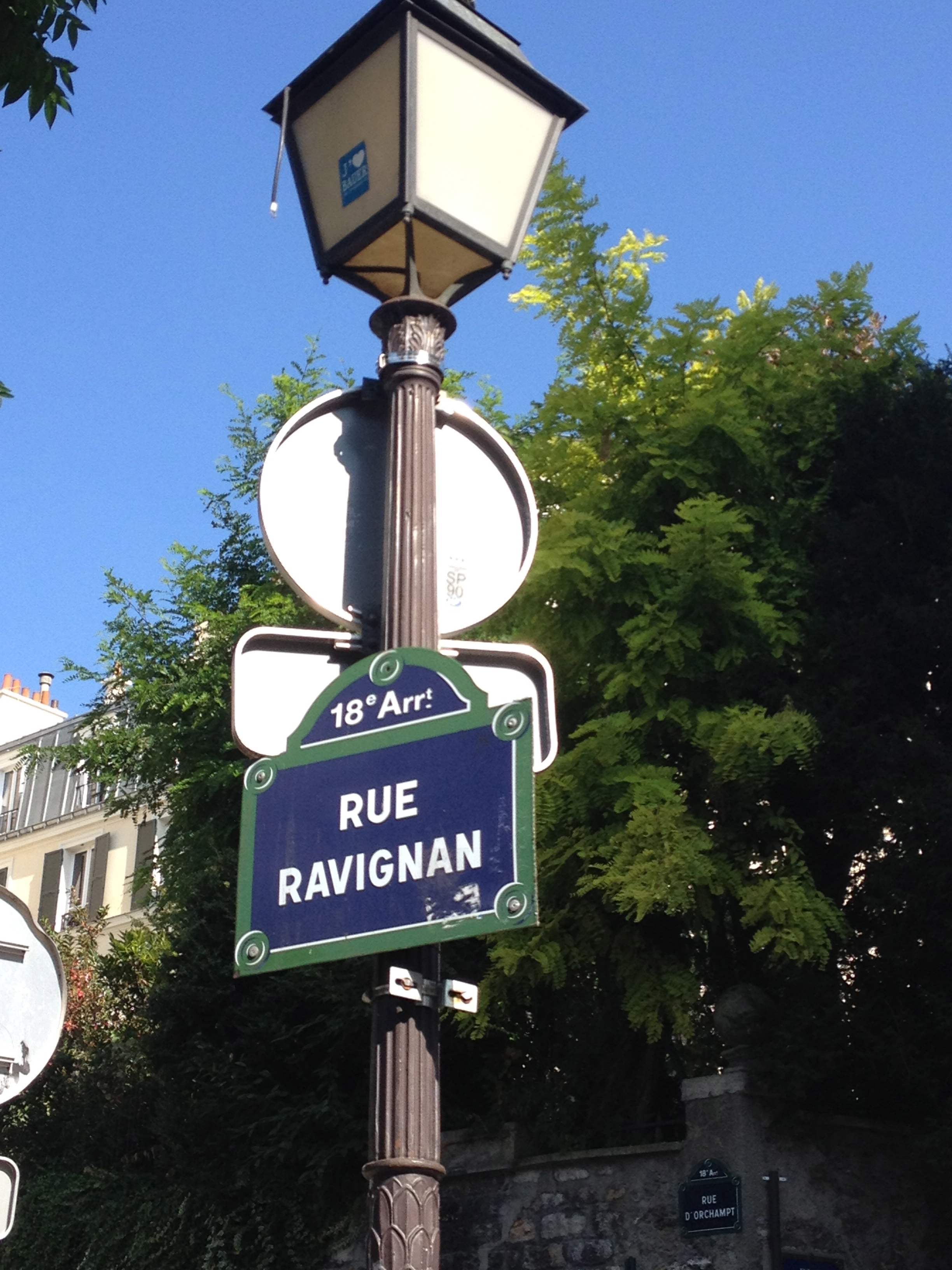
The plaque on what is left of the old Bateau-Lavoir located at  No. 13 rue Ravignan at Place Emile Goudeau. A fire destroyed most of the building in the 1970s, leaving only the façade.


Bateau-Lavoir, Montmartre

Bateau-Lavoir, Montmartre. Eva and Pablo spend their first night together here after meeting at the Moulin Rouge. Here’s a passage from the book: “Picasso squeezed Eva’s hand when they finally arrived at the ramshackle building in the center of a sloping square, lush with rustling chestnut trees. She knew this shabby old place, with its sagging roof of filthy glass skylights, was a haven to impoverished painters, models and thieves.”


The historical marker at Bateau-Lavoir

The historical marker at Bateau-Lavoir tells the story of the old piano factory that was turned into art studios in 1889. This was where Picasso spent the end of his blue period, as well as his rose period with his lover Fernande.


rue Ravignan is a lovely spot near the top of the hill of Montmartre.

rue Ravignan is now a lovely little street near the top of the hill of Montmartre.


Place

Place Emile Goudeau from below the steps, in front of La Relais de la Butte, a great place to catch a café or a beer in the sun.

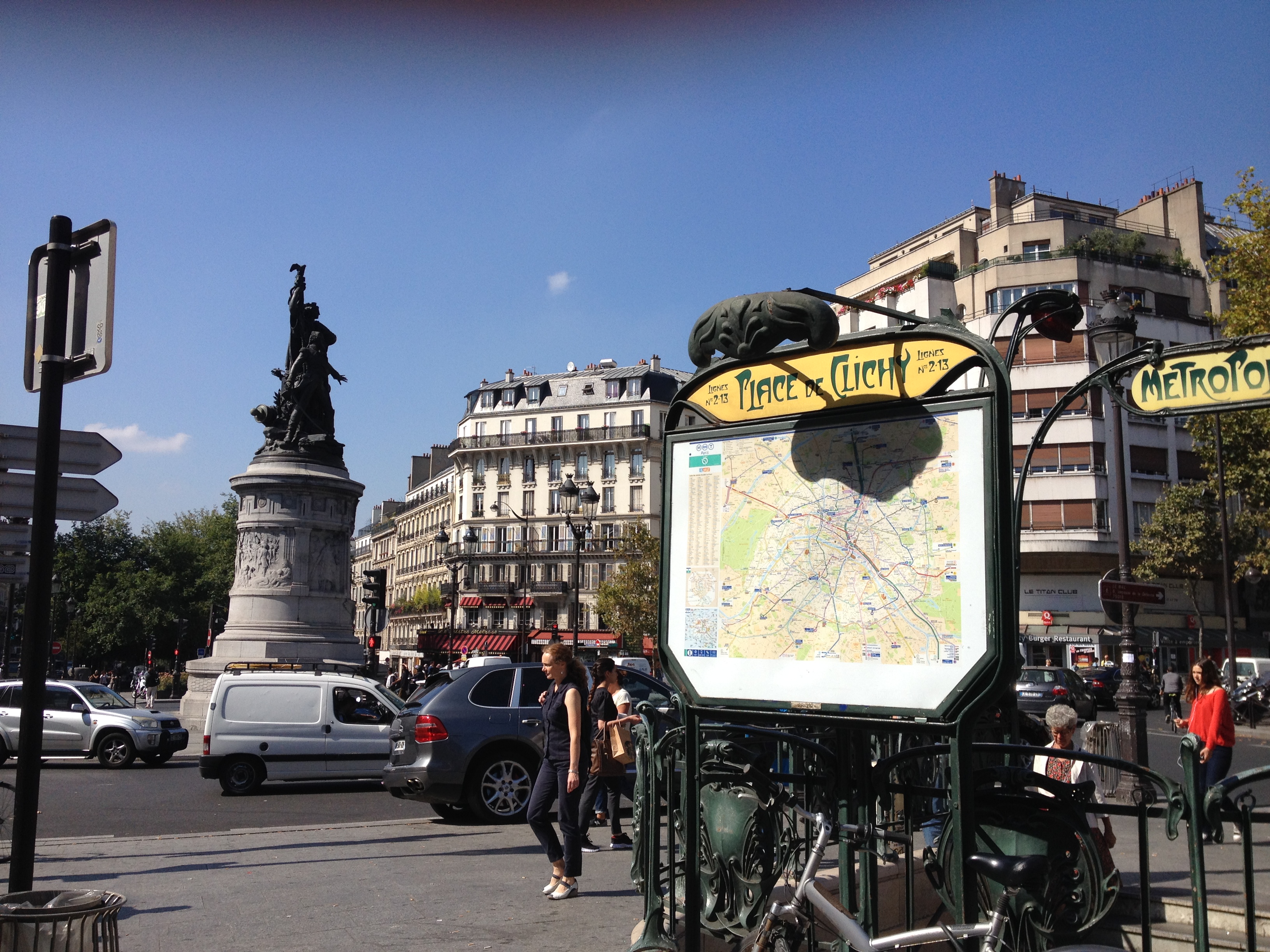
Picasso had been living in Paris since 1901, and by 1911, he was sufficiently on the rise that he and his lover Fernande Olivier could afford a nice apartment on avenue Clichy. To get there from the Bateau-Lavoir, all you have to do is keep walking down the butte of Montmartre, across the bridge that spans over the Montmartre Cemetery, down to place de Clichy and past the Blanche Métro stop. It’s now a bustling, somewhat seedy area, but back in their day, it was considered very nice.

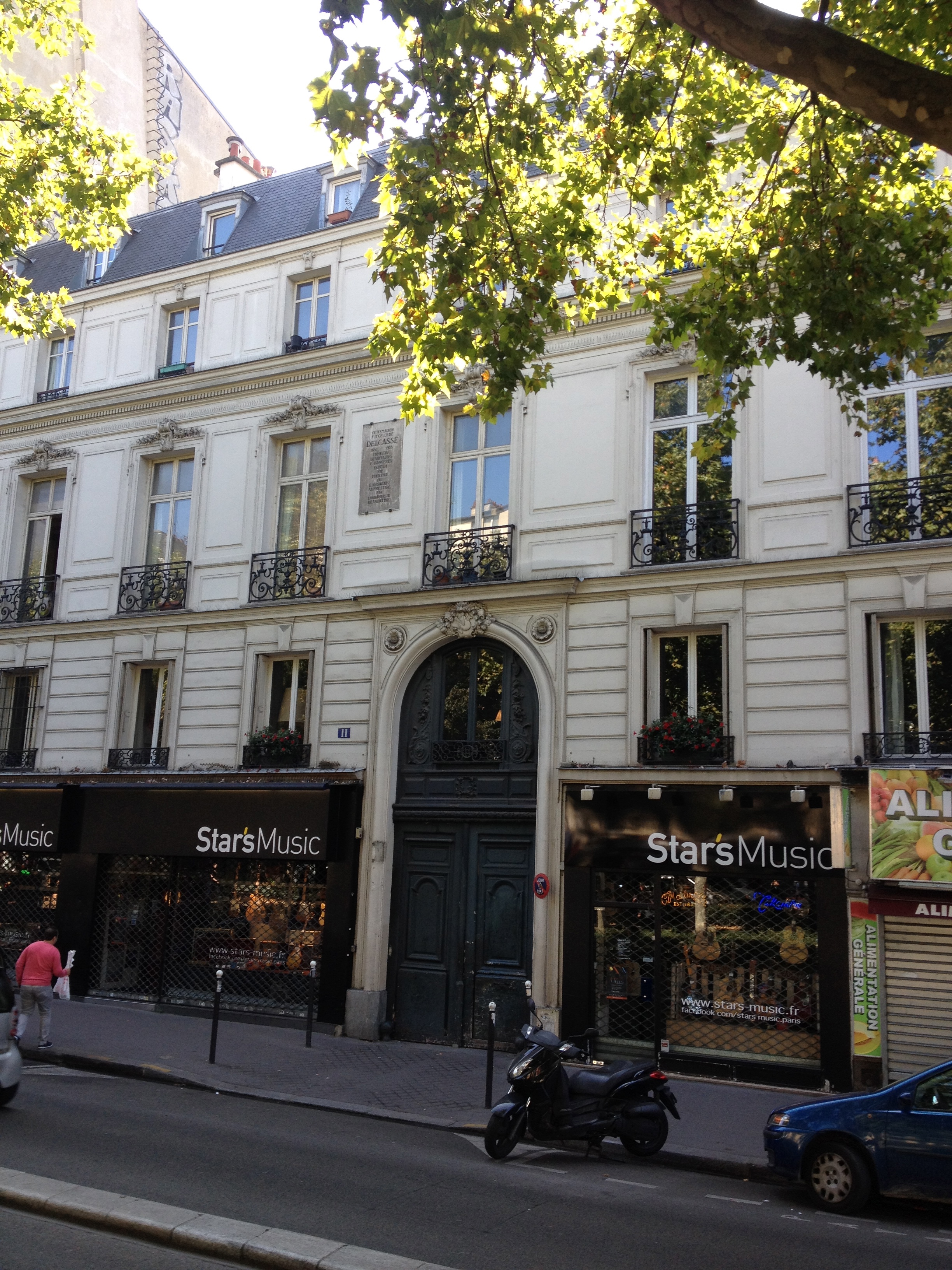
11 boulevard de Clichy, the upscale apartment where Picasso lived with Fernande Olivier when he met Eva.

11 boulevard de Clichy, which was then an upscale apartment where Picasso lived with Fernande Olivier. In the novel, Fernande says to Eva: “It’s such a grand place we’ve got now. . . . Did you know Pablo rented me an apartment on the boulevard de Clichy? Everyone who is anyone lives there.”


Picasso lives near place de Clichy, not far from the Moulin Rouge and the

In 1911, Picasso lived near place de Clichy, not far from the Moulin Rouge where he met Eva.

Pablo Picasso in his boulevard Clichy apartment/studio,

Pablo Picasso in his boulevard Clichy apartment he shared with Fernande Olivier.

In the novel, a mutual friend introduces Eva Gouel to Fernande Olivier at the Dome in Montparnasse. To Eva’s surprise, Fernande calls herself “Madame Picasso” although Picasso and Fernande are not married. Eva is drawn into Fernande’s social circle and tries to avoid a love triangle with Picasso. But of course she can’t.

Le Dome in Montparnasse where Eva meets Fernande Olivier.

Le Dome in Montparnasse where Eva meets Fernande Olivier. “The Dome was the best of the four cafés on the corner of the bustling boulevards Montparnasse and Raspail. It was shaded by an elegant bower of horse chestnut trees and had a butter-yellow awning, Le Dome was a lively spot, harboring a tangle of closely packed tables with chairs spilling out onto the sidewalk. All of it was full of such life, young Parisians chattering endlessly about politics, art and literature.”

You can almost picture Fernande and Eva chatting over un verde du vin at these café tables outside Le Dome.

You can almost picture Fernande and Eva chatting over un verre du vin at these café tables outside Le Dome.

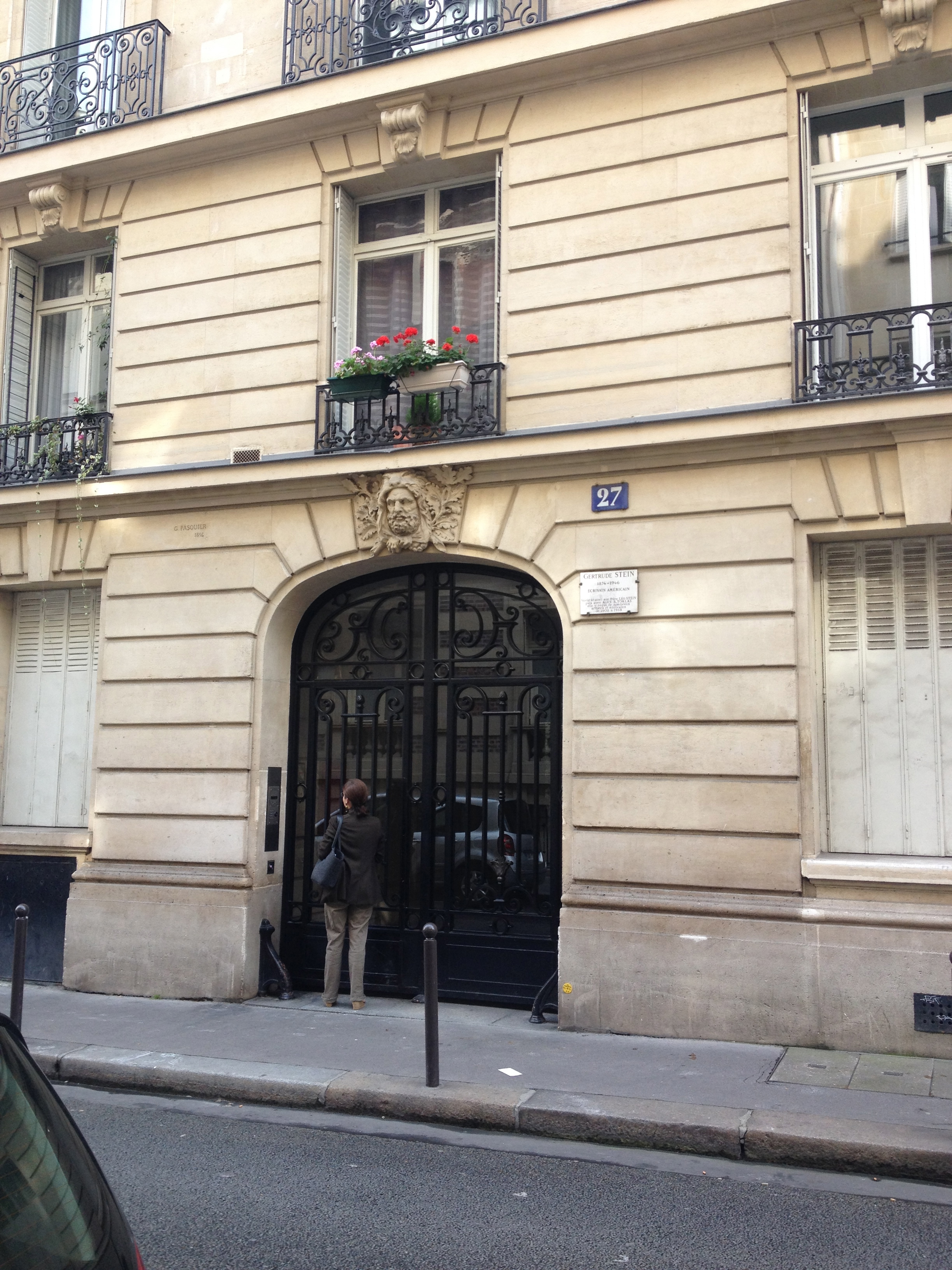
Eva, Picasso and Fernande meet again at Gertrude Stein’s Saturday night salon at 27 rue de Fleurus on the Left Bank. Eva and Picasso find that their initial attraction is undeniable, despite his relationship with Fernande. They make plans to meet again.

Gertrude Stein's apartment still stands at 27 rue de Fleurus not far from boulevard Raspail in Montparnasse.

Gertrude Stein’s apartment still stands at 27 rue de Fleurus not far from boulevard Raspail in Montparnasse. There is a plaque that says, “Gertrude Stein lived here with her brother Leo Stein, then with Alice B. Toklas, she received there a number of artists and writers from 1903 to 1938.”


Gertrude Stein's apartment still stands at 27 rue de Fleurus. It's just a short walk from Luxembourg Gardens or boulevard Raspail.

Gertrude Stein’s apartment still stands at 27 rue de Fleurus. It’s just a short walk from Luxembourg Gardens or boulevard Raspail.


The attraction between Eva and Picasso deepens, but Eva is shocked when Picasso is arrested in connection with the theft of the Mona Lisa. This set of events presents a nice little historical touchpoint for the story. Most people have heard about the shocking theft of the Mona Lisa from the Louvre in 1911, but to see unfold from Eva’s point of view is really interesting. Picasso is eventually cleared of the charges and Eva surrenders to his persistent charms.

Le Petit Parisen - La Jaconde

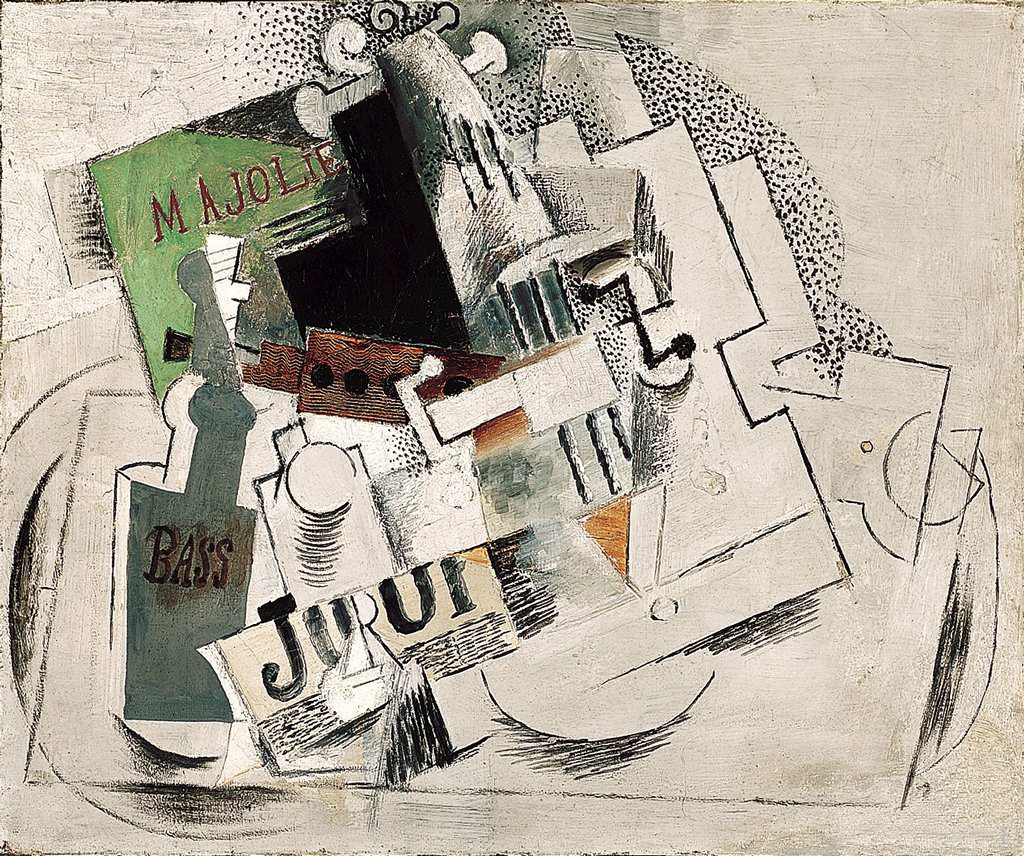
What follows are beautiful scenes in which Picasso paints Eva in his Bateau-Lavoir studio. Anne Girard imagines the chemistry and energy that buzzed through Picasso’s studio, and bring this famous cubist painting of Eva (“Ma Jolie”) to life.

Pablo Picasso, "Ma Jolie" (Woman with a Zither or Guitar) 1911-12, Museum of Modern Art, New York

Pablo Picasso, “Ma Jolie” (Woman with a Zither or Guitar) 1911-12, Museum of Modern Art, New York


Pablo Picasso, Ma Jolie (1913-14), Indianapolis Museum of Art

Pablo Picasso, Ma Jolie (1913-14), Indianapolis Museum of Art

Eva and Pablo spend a golden summer together in the south of France. They stop in Cérete where Pablo meets up with Geroges Braque, and paints side-by-side with him in a large borrowed villa. Then Eva and Pablo move on to Avignon, where they run into Henri Matisse and his wife Amélie. They finally find a quiet villa in Sourges, where they spend the rest of their summer in inspired seclusion.

Eva and Pablo return to Paris as a committed couple and live at 242 boulevard Raspail. Eventually Eva finds them a beautiful well-lighted studio apartment at 5 rue Schoelcher, directly across from the Montparnasse Cemetery, where they lived from 1913 to 1915.

IMG_9192


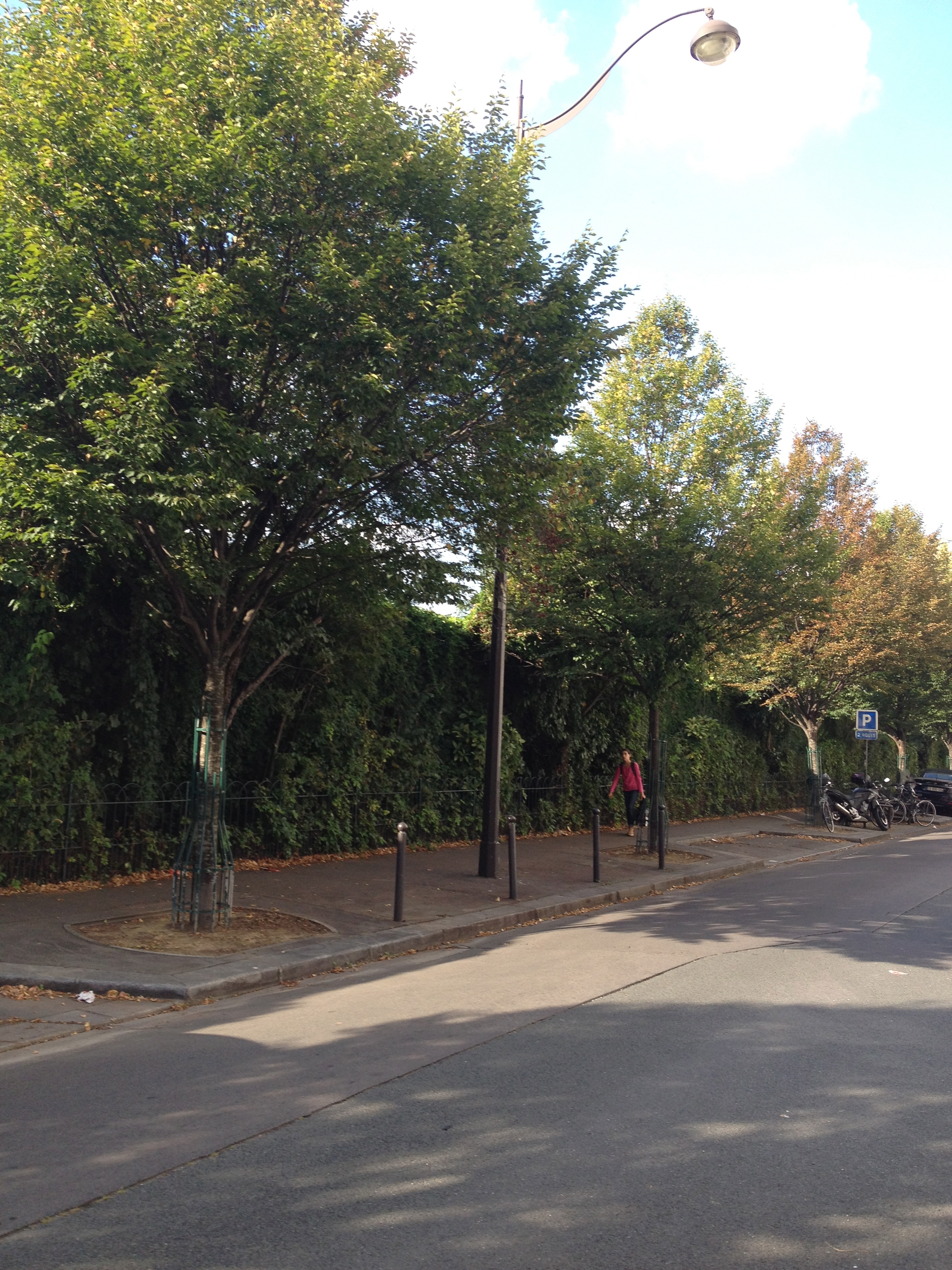
The view down the lovely rue Schoelcher as it runs alongside the Montparnasse Cemetery. Pablo and Eva's apartment actually overlooked the cemetery.

The view down the lovely rue Schoelcher as it runs alongside the Montparnasse Cemetery. Pablo and Eva’s apartment actually overlooked the cemetery.


Picasso and Eva's home at 5 rue Schoelcher, Paris

Picasso and Eva’s home at 5 rue Schoelcher, Paris. The most beautiful building on the block, still.


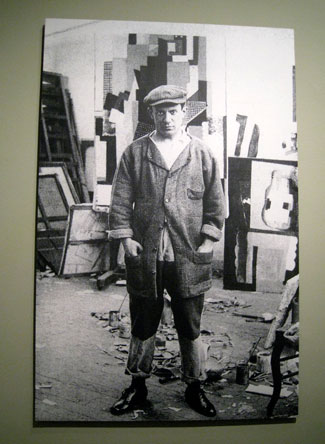
A photograph of Picasso in his rue Schoelcher studio 1915-16. I can almost see what Eva saw in him. . . .

A photograph of Picasso in his rue Schoelcher studio 1915-16.

Of course, everyone knows that Eva only survived until 1915. Picasso could barely step foot in the rue Schoelcher studio again.

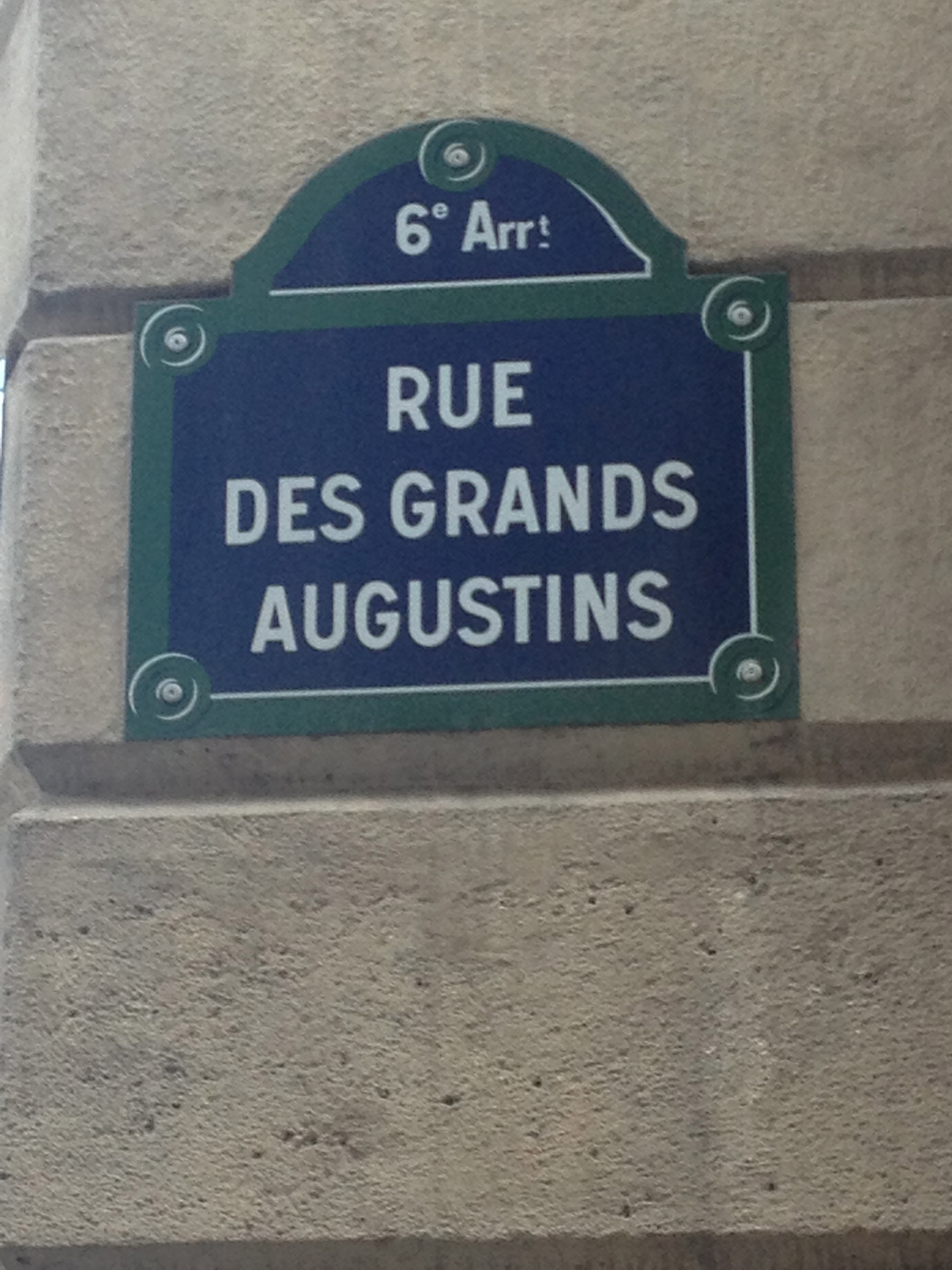
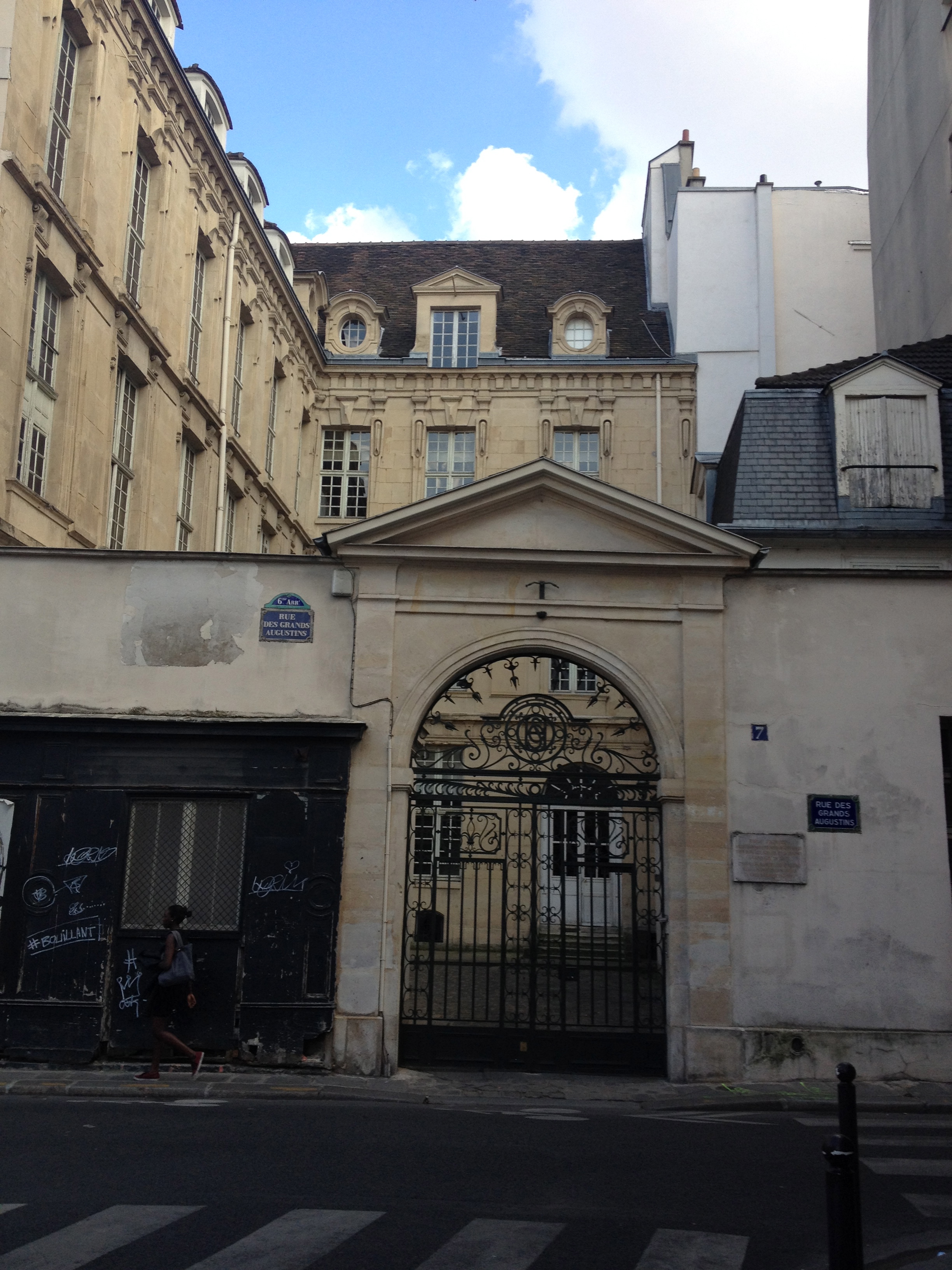
It was hard to leave Eva behind, but I couldn’t finish my Madame Picasso Walk through Paris unless I stopped at what might be Picasso’s most famous studio on rue Des Grand Augustins in the 6th arrondissement. It was where Picasso lived from 1936 to 1955, and where painted he Guernica in 1937.

IMG_9207 IMG_9208


IMG_9209

After a long day walking the streets of Paris in Eva and Pablo’s shoes, you are no doubt in need of liquid reinforcement at a sidewalk café. I recommend you stop in for a glass of wine at Café La Palette on rue de Seine in the 6th, not too far away from Picasso’s studio on rue des Grand Augustins. In fact, the café boasts that Picasso used to frequent there back in the day.

And while you’re there, you can think of Picasso and Cézanne and Braque and all the other artists who drank there, but also? Make a toast to Eva, and to Anne Girard, for bringing Eva out of the shadows of history.


La Palette, rue de Seine, Paris

Café La Palette, at the corner of rue de Seine and rue Jacques-Callot, Paris


Madame Picasso by Anne Girard: Highly recommended

For Further Reading: Vanished Smile: The Mysterious Theft of Mona Lisa by R.A. Scotti

vanished smile by RA SCOTTI


The Autobiography of Alice B. Toklas by Gertrude Stein

Autobiography of Alice B. toklas

Lee Miller: The Beautiful American

The Beautiful American by Jeanne Mackin 

Beautiful American Jeanne MAckin

Jeanne Mackin‘s new historical novel (NAL 2014) offers us a captivating story of love, friendship and betrayal during the heady days of 1920s Paris, based in part on the true story of the famous American model and photographer Lee Miller and her lover, the celebrated French photographer Man Ray.

The story is told by a fictional character, Nora Tours, who grew up with Lee Miller in Poughkeepsie, New York. They meet again in Paris, and Nora tells us the whole madly tragic story. And much of it is true.

Perhaps you’ve heard of Lee Miller, but chances are you don’t know her whole story. All I really knew about her before I read the book was that somehow, she was  not only the iconic 1920s face on the cover of Vogue Magazine, but also, the famous female combat photographer who was photographed in Hitler’s bathtub.

Who wouldn’t want to read more about a woman like that?

Her story begins, of all places, in the town of Poughkeepsie, New York. Lee and Nora are acquaintances but only because Nora’s father is the Miller family gardener. Lee endures a devastating childhood event and Nora knows her secret.

Lee moves to New York where she is discovered by Condé Nast (he actually saved her from stepping into the path of a truck on a busy city street). Miller becomes a famous model and her face becomes the iconic image of 1920s beauty.

lee_miller_vogue_3_1927

In fact, this image is so iconic, I spotted it just yesterday at a Brocantes Fair on rue Cler just the other day:

An image of Lee Miller at a brocantes fair on rue Cler in Paris.

A copy of  Lee Miller’s famous Vogue cover at a brocantes fair on rue Cler in Paris.

Lee Miller flees to Paris, as so many Americans did in the 20s, and brazenly introduces herself to the famous photographer Man Ray. The embark on an intense love affair and creative partnership. In the meantime, Nora and her boyfriend, an amateur photographer, are also lured to Paris, which by that time had become “the center of gravity” in the art world.

The two couples – Lee and Man, Nora and Jamie – meet at the Jockey Club on rue Rabelais, and Mackin captures the moment nicely:

A moment, frozen in my memory like a photograph: a winter night on rue Rabelais outside the Jockey Club, where two girls from Poughkeepsie bumped into each other, each clinging to her beau’s arm; the four of us in the falling snow, music from the club wafting out with the smell of tobacco, perfume, whiskey; each of us looking in a different direction . . . .


From there, the story goes on, advancing through the magical years of Lee Miller’s partnership with Man Ray, their glamorous life in Paris alongside such legends as Pablo and Olga Picasso, to Lee and Man’s tortured break-up, and finally, into Lee Miller’s own career as a professional photographer.

Nora suffers a devastating betrayal and escapes on her own, without Jamie, to southern France. Nora comes into her own as she pursues an interesting career in the perfume industry and she waits out World War II . Lee Miller becomes famous as a female World War II photographer.

The Beautiful American is a well-crafted novel, a pleasure to read and hard to put down. Nora Tours might be make-believe, but she feels just as real and interesting as the real-life characters, in fact, maybe even more so. Lee Miller is a difficult subject. She was brave and daring but also heartless and damaged. But good Nora? She suffers and she endures an unbearable loss. In the end – with the surprising help from her old friend Lee Miller, whose horrible secret Nora never reveals, Nora prevails.

And who wouldn’t want to read about a woman like that?


The Beautiful American Literary Tour of Montparnasse:

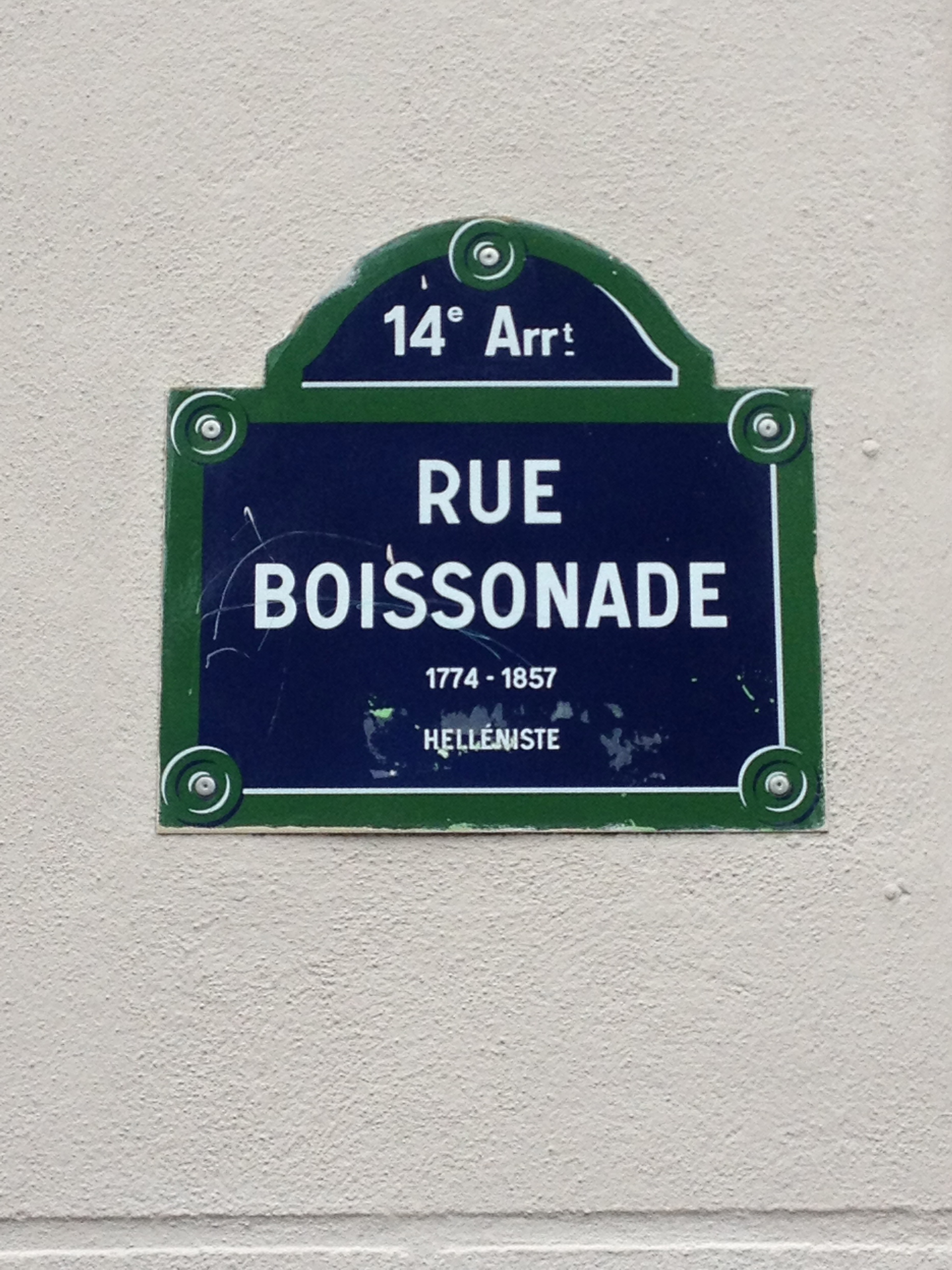
rue Boissonade, the short little street where Nora and Jamie lived in Montparnasse, just two blocks away from Lee Miller and May Ray.

Rue Boissonade, the short little street where Nora and Jamie lived in Montparnasse, just two blocks away from Lee Miller and May Ray.


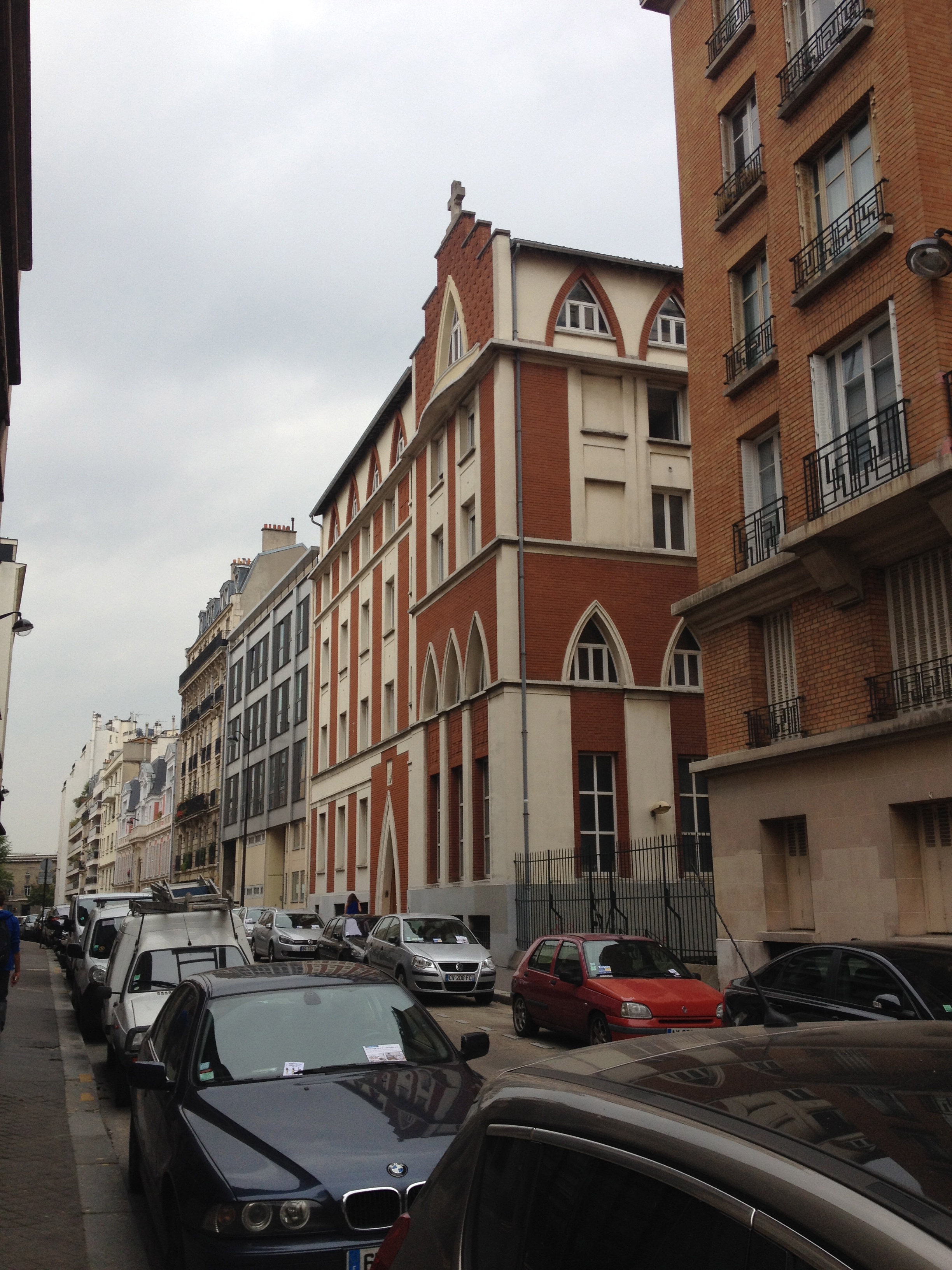
IMG_8794

A look down Rue Boissonade and possibly, the convent that Nora and Jamie live near in The Beautiful American.


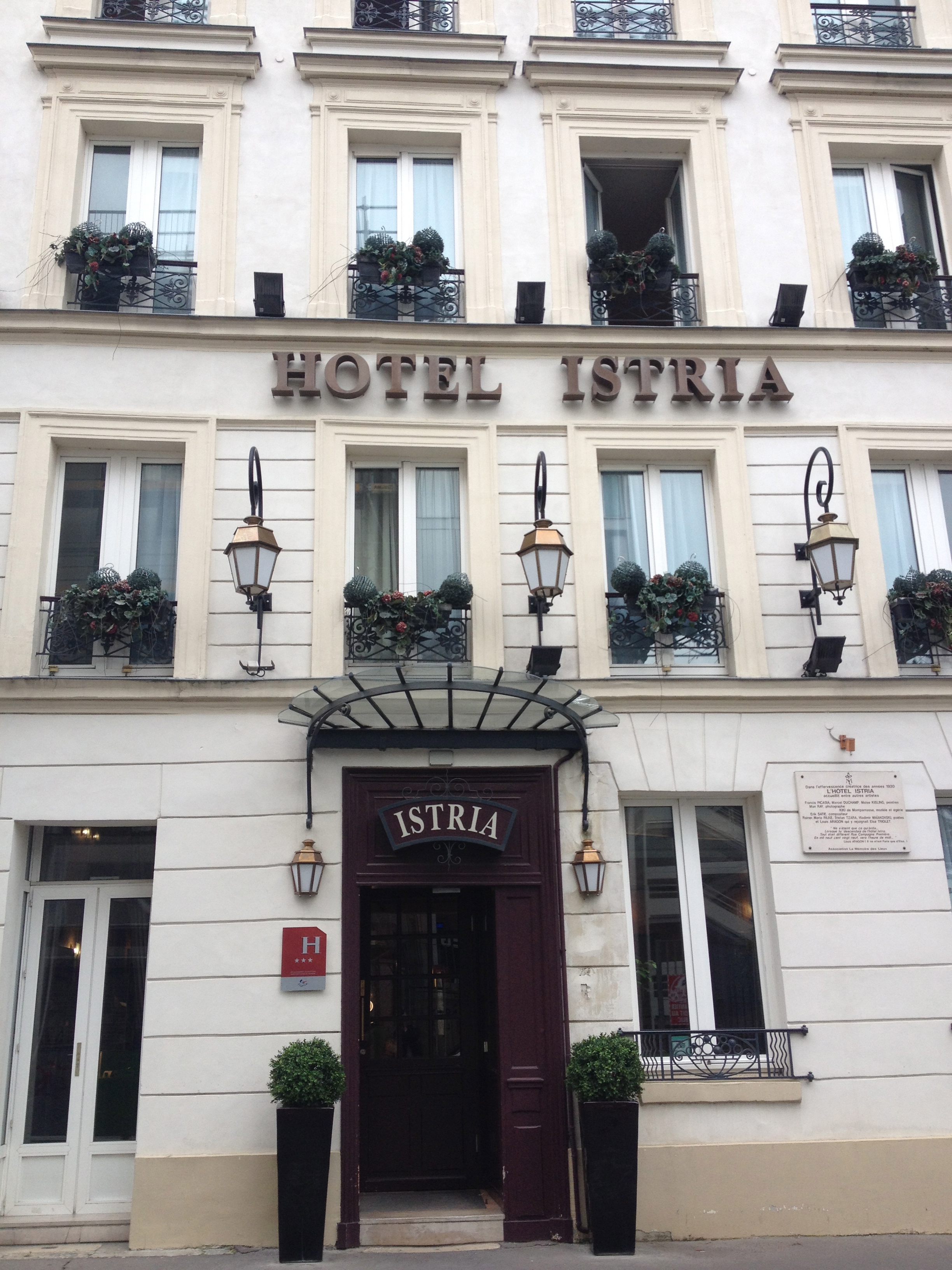
IMG_8781

Hotel Istria, 29 rue Campagne Premiere, a famous haunt of the Surrealists. Man Ray’s studio was next door, but he was known to rent a room in the hotel so he could have more privacy with his mistress Kiki of Montparnasse. Kiki would leave Man Ray and Lee Miller took up with him a year later.


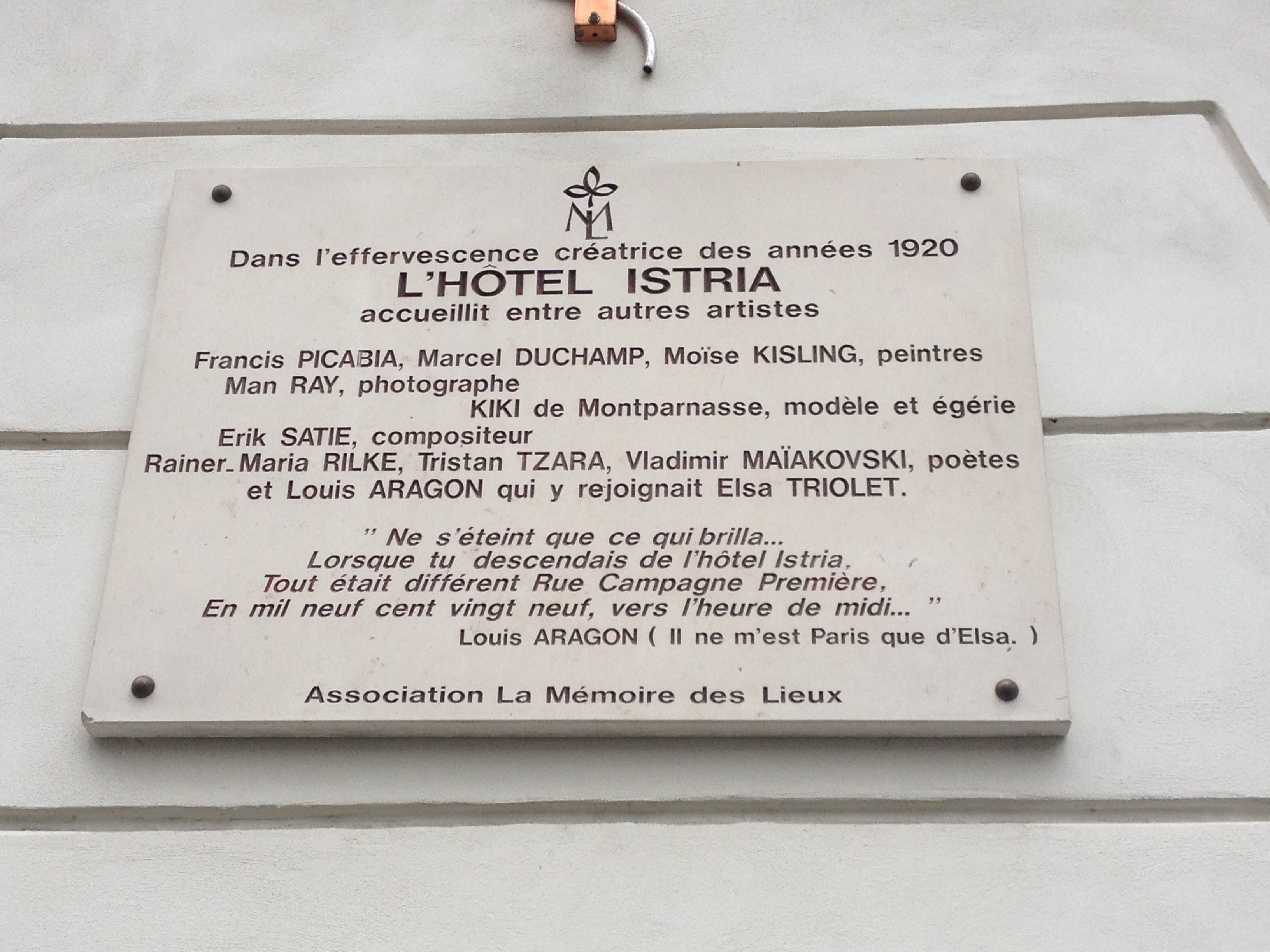
The plaque at Hotel Istria, noting such visitors as DuChamp, Man Ray and Kiki of Montparnasse.

The plaque at Hotel Istria, noting such visitors as Marcel DuChamp, Man Ray,  Kiki of Montparnasse and Rainer Maria Rilke.


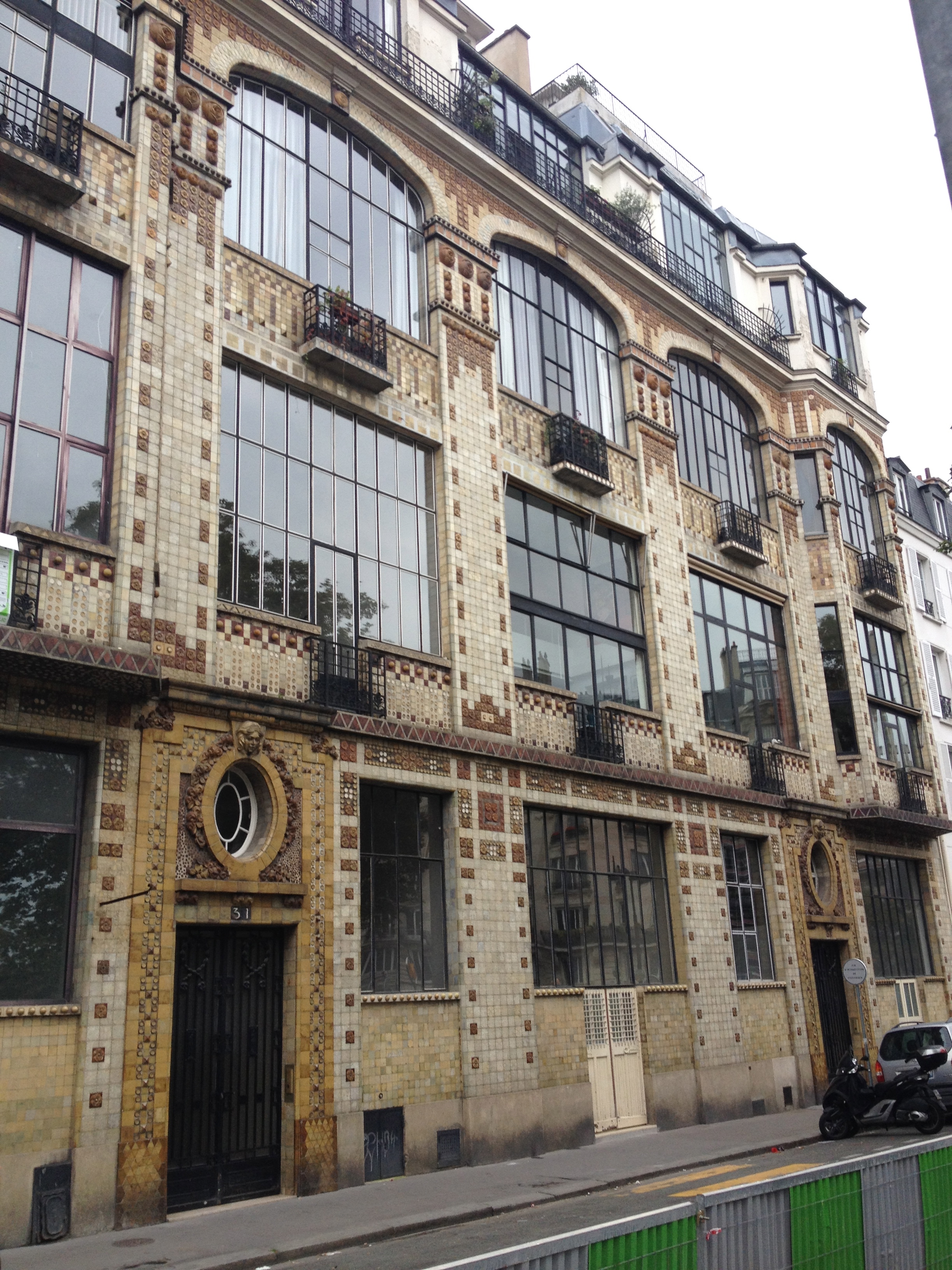
30 rue Campagne Premier, Man Ray's home and studio. He first moved here in 1926. He lived here with Lee Miller for three years. The architecture of the building is still beautiful after all these years.

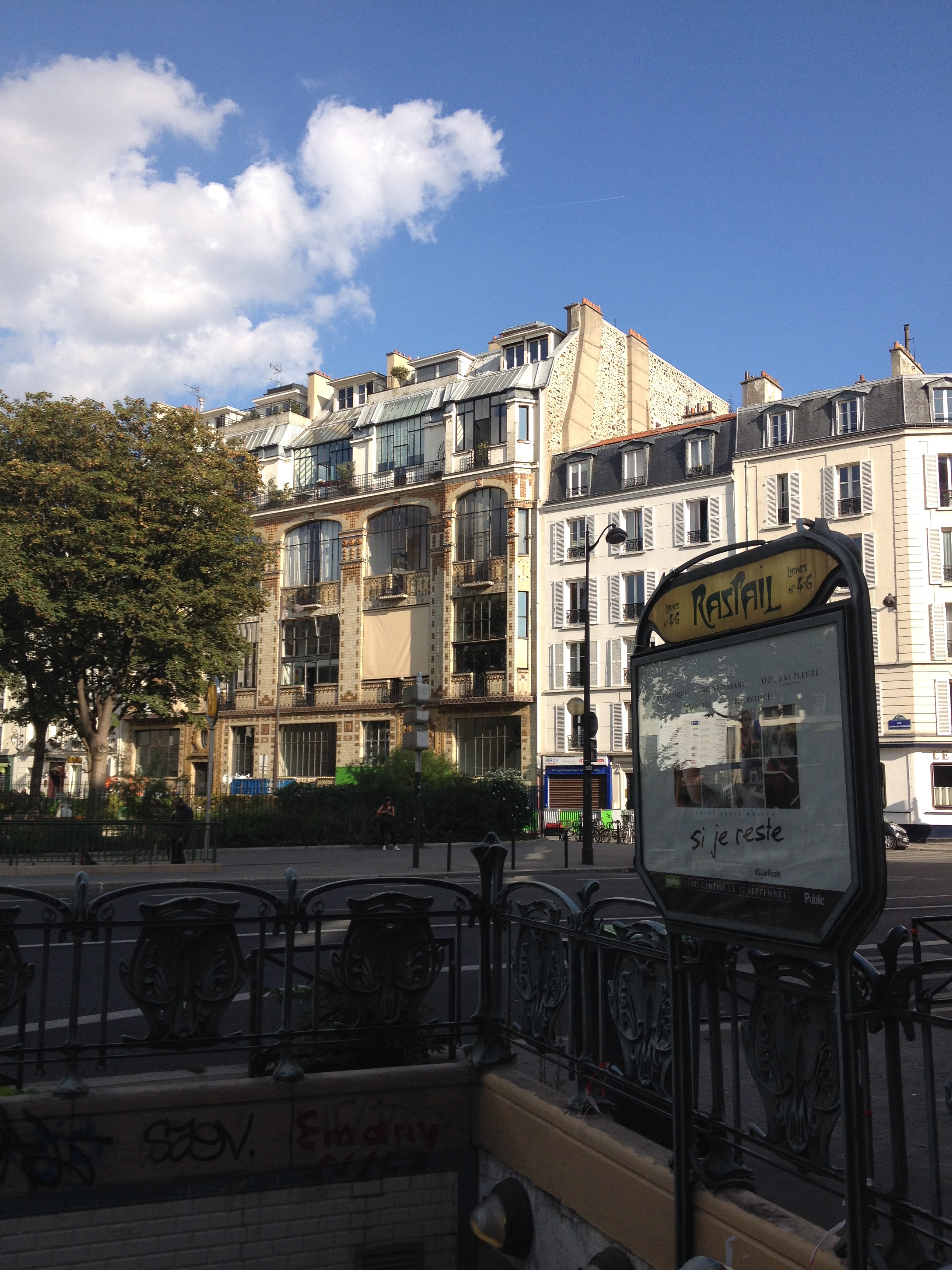
31 bis rue Campagne Premier, Man Ray’s home and studio. He first moved here in 1926. He lived here with Lee Miller for three years. The architecture of this distinctive looking building is still beautiful after all these years. It was designed by André Arfvidson in 1911 and featured ceramic tiles by Alexandre Bigot.


The view of 31 bis rue Campagne Premiere from the Raspail Metro stop.

The view of 31 bis rue Campagne Premiere from the Raspail Metro stop.


IMG_8797


The Passage d'Enfer (Hell's Passage), just around the corner and behind Rue Campagne Premiere. Here you can see the back side of Man Ray's home and studio.

The Passage d’Enfer (Hell’s Passage), just around the corner and behind Rue Campagne Premiere. From here you can see the back side of Man Ray’s home and studio.


Man Ray's gravesite in the Montparnasse Cemetery. Maps are available at the entrance of the cemetery to help you find it. I might never have found it if I hadn't seen a photo online so I knew what to look for. It's right in the middle of Section 7.

Man Ray’s gravesite in the Montparnasse Cemetery. Maps are available at the entrance of the cemetery to help you find it. I might never have found it if I hadn’t seen a photo online so I knew what to look for. It’s right in the middle of Section 7.

"Unconcerned but not indifferent."

“Unconcerned but not indifferent.”


The Beautiful American by Jeane Mackin: Highly recommended


For Further Reading:

You should really go to the Lee Miller Archives, a site maintained by her son Antony Penrose. That’s where you can see many of Lee Miller’s original photographs, which are all subject to strict copyright. That’s where you can find the photo of Lee Miller in Hitler’s Bathtub, photos of Pablo Picasso, as well as her wartime photographs.

Also recommended: The Golden Moments of Paris by John Baxter, which contains an excellent Montparnasse Walk and Map at the end of the book.

9780984633470


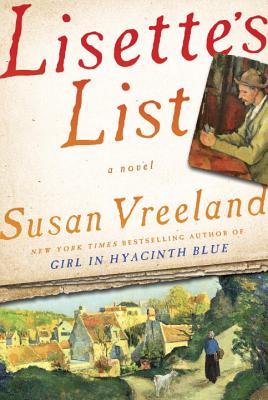
Lisette’s List by Susan Vreeland

A Wartime Art Story in Paris and Roussillion 

Susan Vreeland‘s historical fiction will always appeal to me, ever since an artist friend first handed me a dog-eared copy of Girl In Hyacinth Blue way back in 1999. Since then Vreeland has written quite a few art history novels, including Luncheon of the Boating Party (read about my literary day trip here), Clara and Mr. Tiffany, The Forest Lover, Life Studies and The Passion of Artemesia. I’m such a Vreeland fan, the only one I haven’t read is Life Studies. Better get on that. . . .

lisett'es listAnyway, Vreeland’s latest is called Lisette’s List (available August 26, 2014 in the US) and is everything what we have come to expect from her. It is yet another lovely art history novel, this time set in Paris and Roussillion, a quaint hilltop village in the Luberon area of France.

Much of the book takes place during and after World War II, when Lisette’s husband decides to hide his family’s valuable paintings rather than let them fall into the hands of the occupying Germans forces. The catch is, Lisette’s husband doesn’t tell her where he hid them, worried that she would be coerced into giving them up while he is off at war.

Lisette Roux’s story begins at a Catholic convent in Paris, La Maison des Filles de la Charité de Saint-Vincent-de-Paul on rue de Bac, where Sister Marie Pierre teaches Lisette enough to instill a lifetime passion for art. Lisette dreams of the day when she could work in an art gallery in Paris, the center of the art world. In the meantime, Lisette works in Maison Gérard Mulot, a rue de Seine patisserie near the convent (it’s still there – you should go there if you can!)

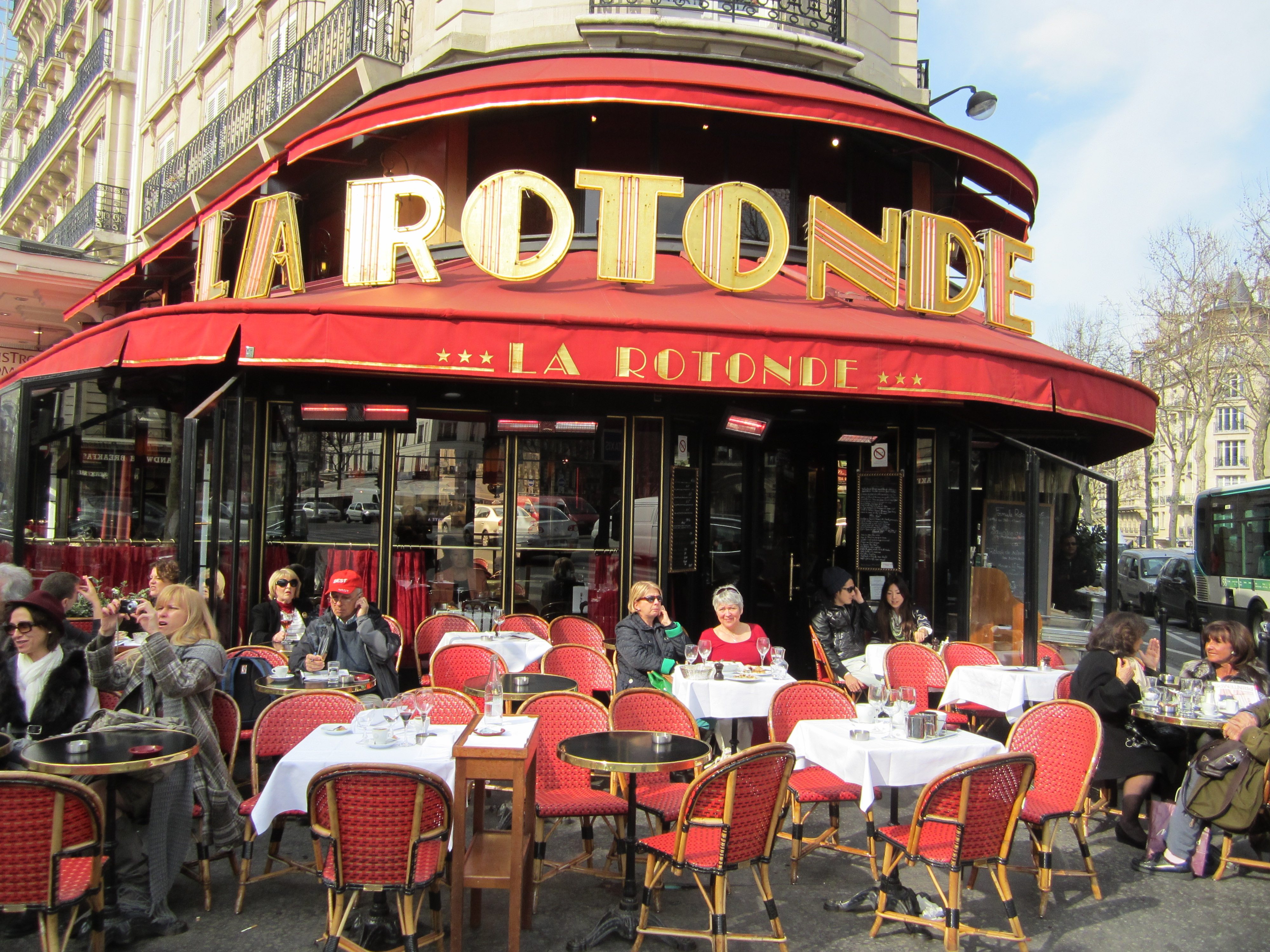
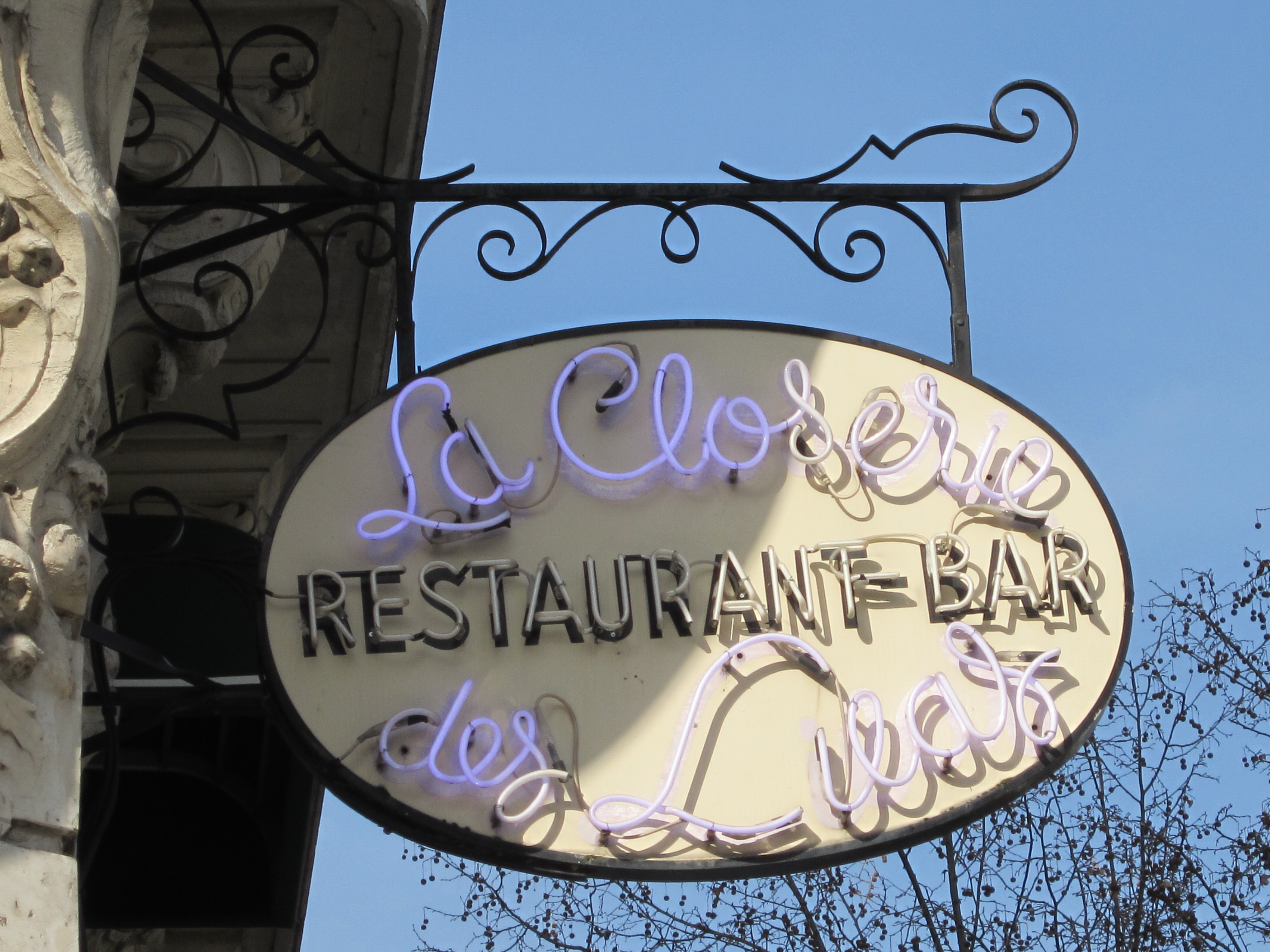
Lisette meets her future husband André, a talented young frame maker, on the corner of rue de Seine and boulevard Saint-Germain. They enjoy a sophisticated 1930s Montparnasse lifestyle in all of the famous cafés, including The Rotunde, La Couple, the Dingo and Closerie des Lilas.

IMG_2254


IMG_2275


In 1937, Lisette and André must give up their Paris dreams to go help with Andre’s elderly grandfather who lives in a small village in southern France. Lisette misses Paris, but learns to appreciate the small quiet pleasures of provincial life. She bonds with her grandfather-in-law Pascal as he shares the story of his life, from his work in the ochre mines near Roussillon to his job as a pigment salesman and frame maker for such artists as Pissaro and Cézanne.

The not-yet-famous painters sometimes paid Pascal with a painting in lieu of money. As a result, Pascal happens to own a few incredible paintings. In some of the best passages of the book, Pascal explains how he came to own each painting and what they meant to him. Vreeland explains in her author’s note that she invented two of the paintings in the book, but the rest are real, including one of Cézanne’s paintings of Mont Saint-Victoire:

Mont Sainte-Victoire and the Viaduct of the Arc River Valey (1882-85), Metropolitan Museum of New York

Paul Cézanne, Mont Sainte-Victoire and the Viaduct of the Arc River Valley (1882-85), Metropolitan Museum of New York. In the book, Lisette said this was her husband’s favorite painting because it captured the region of Provence so well: “cultivated fields dotted with ochre farmhouses, a string of distant buff-colored arches of a Roman bridge, a narrow country road, tall pine trees on the left, their trunks bare, with foliage only at their tops, and the grand Montagne Saint-Victoire in the distance, a pale lavender moonlit, triangular and imposing.”

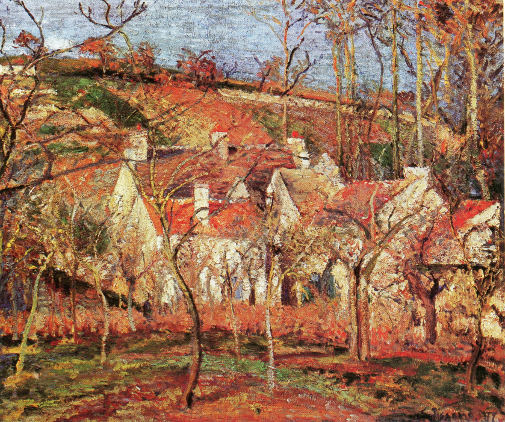
Pissaro’s Red Roofs of Pontoise:

Pissaro, Red Roofs,Corner of a Village, Winter, Le Verger, Cotes St-Denis a Pontoise, oil on canvas (1877) Musé d'Orsay, Paris

Camille Pissaro, Red Roofs, Corner of a Village, Winter, Le Verger, Côtes St-Denis à Pontoise, oil on canvas (1877) Musée d’Orsay, Paris.  In the book, the elderly character Pascal uses this painting to teach Lisette the history and significance of the ochre mines near Roussillon. He says: “And the history of Roussillon is in . . .  the tile roofs of l’Hermitage in Pontoise. Those roofs are stained red-orange from Roussillon pigments. And the red ground and the row of bushes aflame–that’s Roussillon red-ochre. That may not mean anything to you now, but if you had lived here all your life and had seen those miners come home filthy and exhausted, it would.”

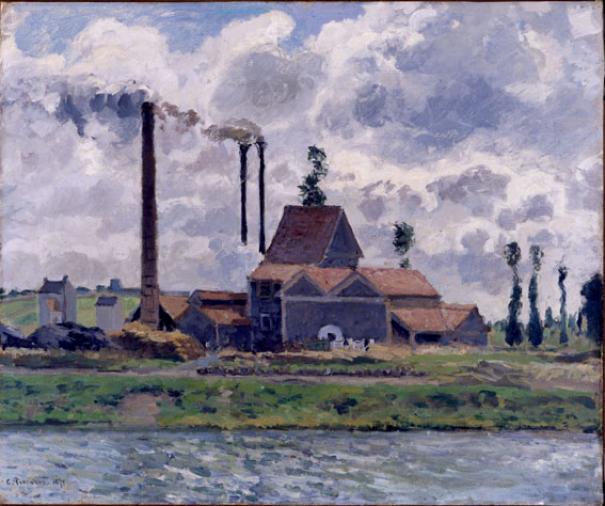
As well as Pissaro’s Factory Near Pontoise:

Camille Pissaro, Pissarro, Facotry near Pontoise, oil on canvas (1873), Museum of Fine Arts, Springfield, MA

Camille Pissaro, Factory near Pontoise, oil on canvas (1873), Museum of Fine Arts, Springfield, MA.  In the book, Pascal tells the story about how Pissaro give him this painting. Pascal visited Pissaro at his home in Pointoise, just north of Paris, delivering a frame Pascal had just carved. Pissaro said, “I haven’t a sou, but you can choose a painting from this row for yourself.” Pascal pulled a canvas from the back of the stack and saw a small painting of a factory. Pascal recognized it as the same Arneuil paint factory in Pointoise where he had sold ochre pigments from Roussillon. As Pascal told Lisette, “Inside that building, at long lines of tables, dozens of workers turned raw pigments into paint and filled the tubes Tanguy sold to Pissaro, Cézanne, Van Gogh, Gaugin, and others – the hues we made in the furnaces of the Usine Mathieu, our factory right here in Roussillon, . . . ” Lisette then realized why Pascal had chosen that painting: “Despite its ordinariness, it spoke to him of his purpose, his participation in the world of art, the link in the chain from mine to majesty, . . .” (I love that phrase, don’t you? — “From mine to majesty?)

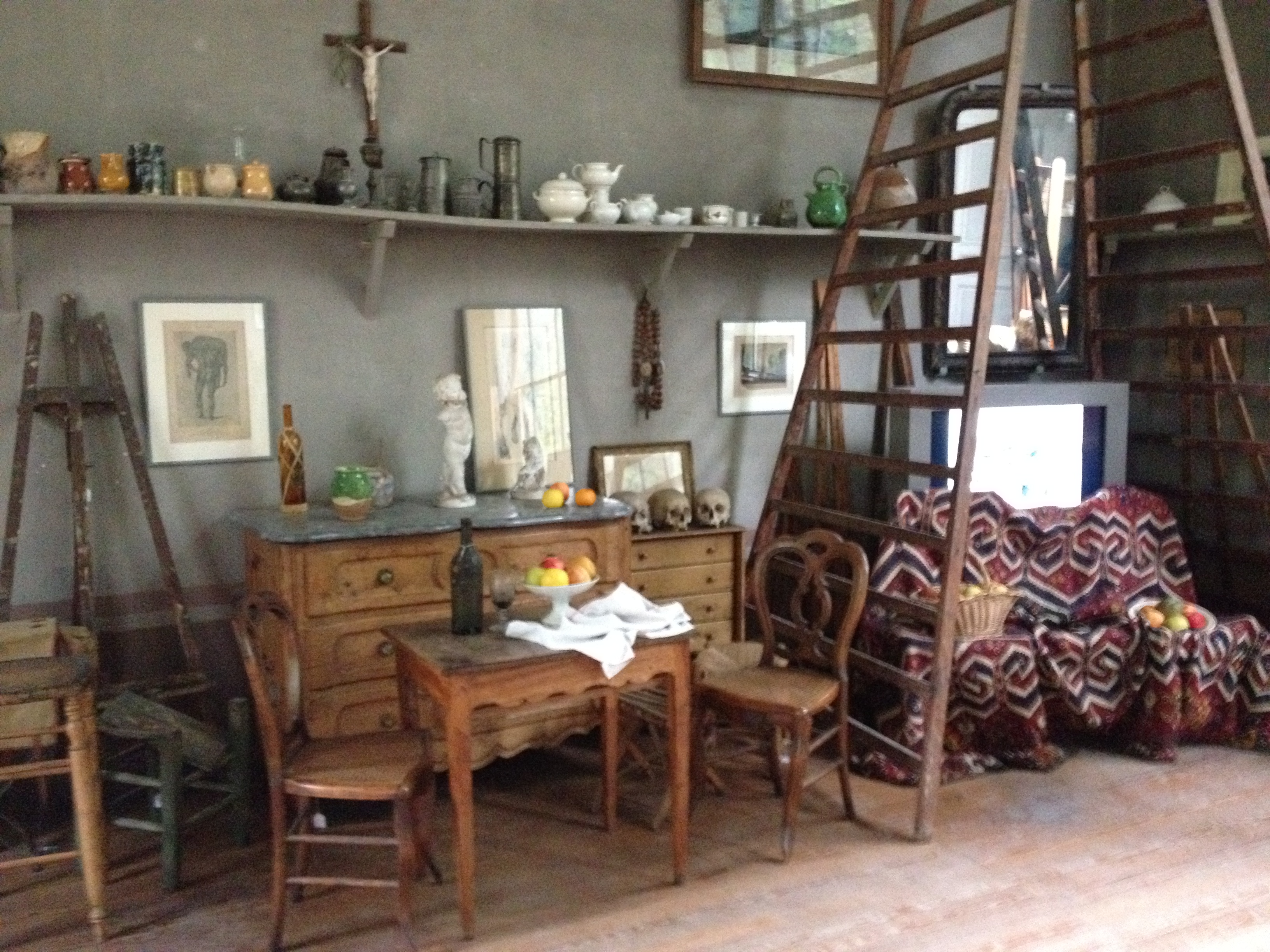
Pascal delights in telling Lisette the story of his visit to Cézanne’s studio in Aix-en-Provence,  another lovely town about 25 miles from Roussillon. As Pascal describes Cézanne’s home: “It was a grim, cluttered old house. The studio had high ceilings and tall windows. I seem to remember a potbellied stove. Along a shelf there were white compotiers like my mother’s, straw-wrapped wine bottles, a candlestick, gray jugs, pitchers, and the green glazed toupin [olive jar] that’s in my painting.”

You can still visit Cézanne’s house and studio today. It is known as Atelier Cézanne and is located on a hill at 9 rue de Cézanne. There is also a Paul Cézanne Tour sponsored by the Aix-en-Provence Tourist Office, where you get to see the Bibémus quarries that are an important part of the story in Lisette’s List. You can even download this “Cézanne’s Footsteps Map” for your own self-guided tour through Aix.

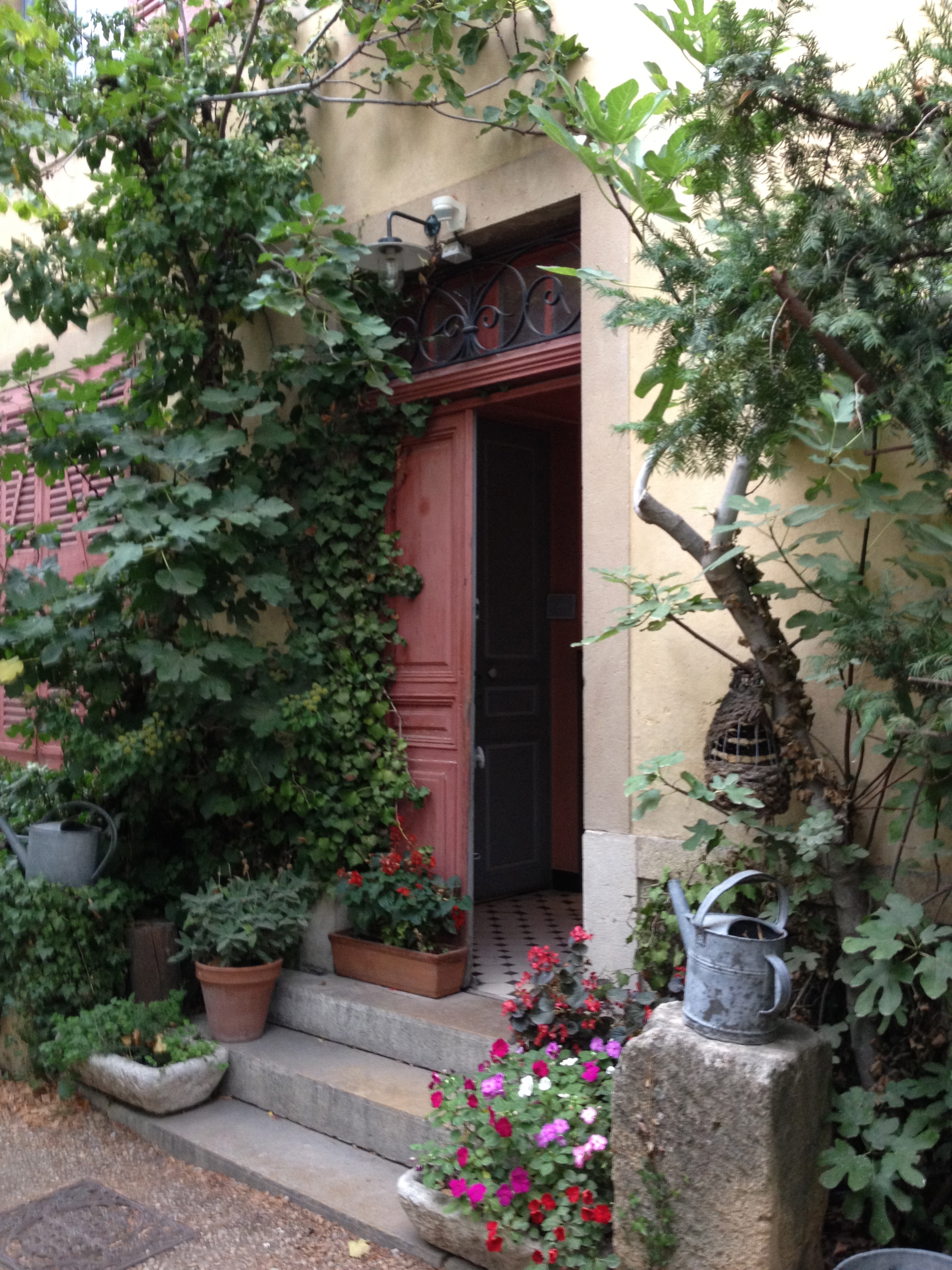
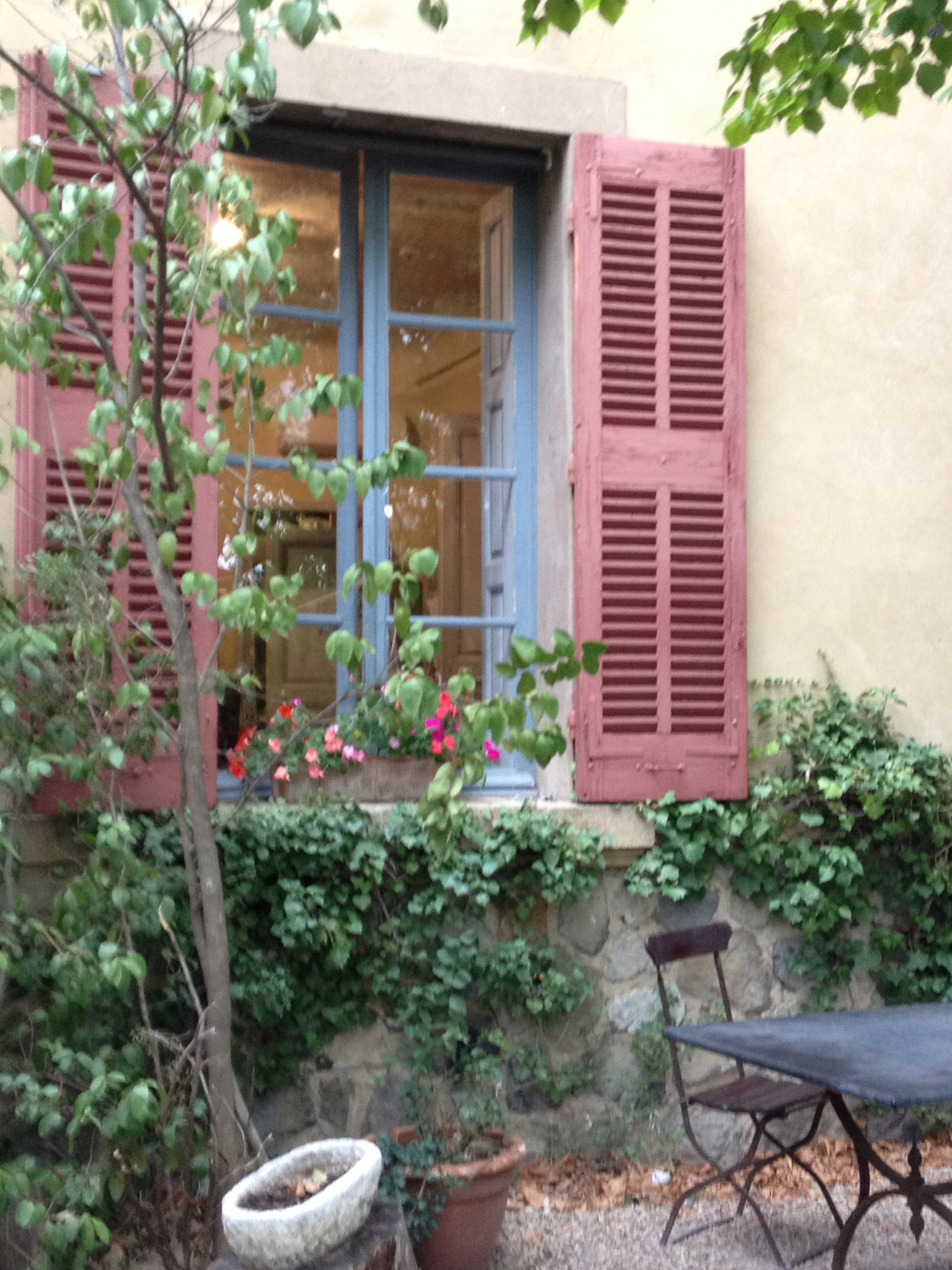
The doorway to Cézanne's studio in Aix en Provence. The studio and gardens are open for public tours.

The doorway to Cézanne’s studio in Aix en Provence. The studio and gardens are open for public tours.


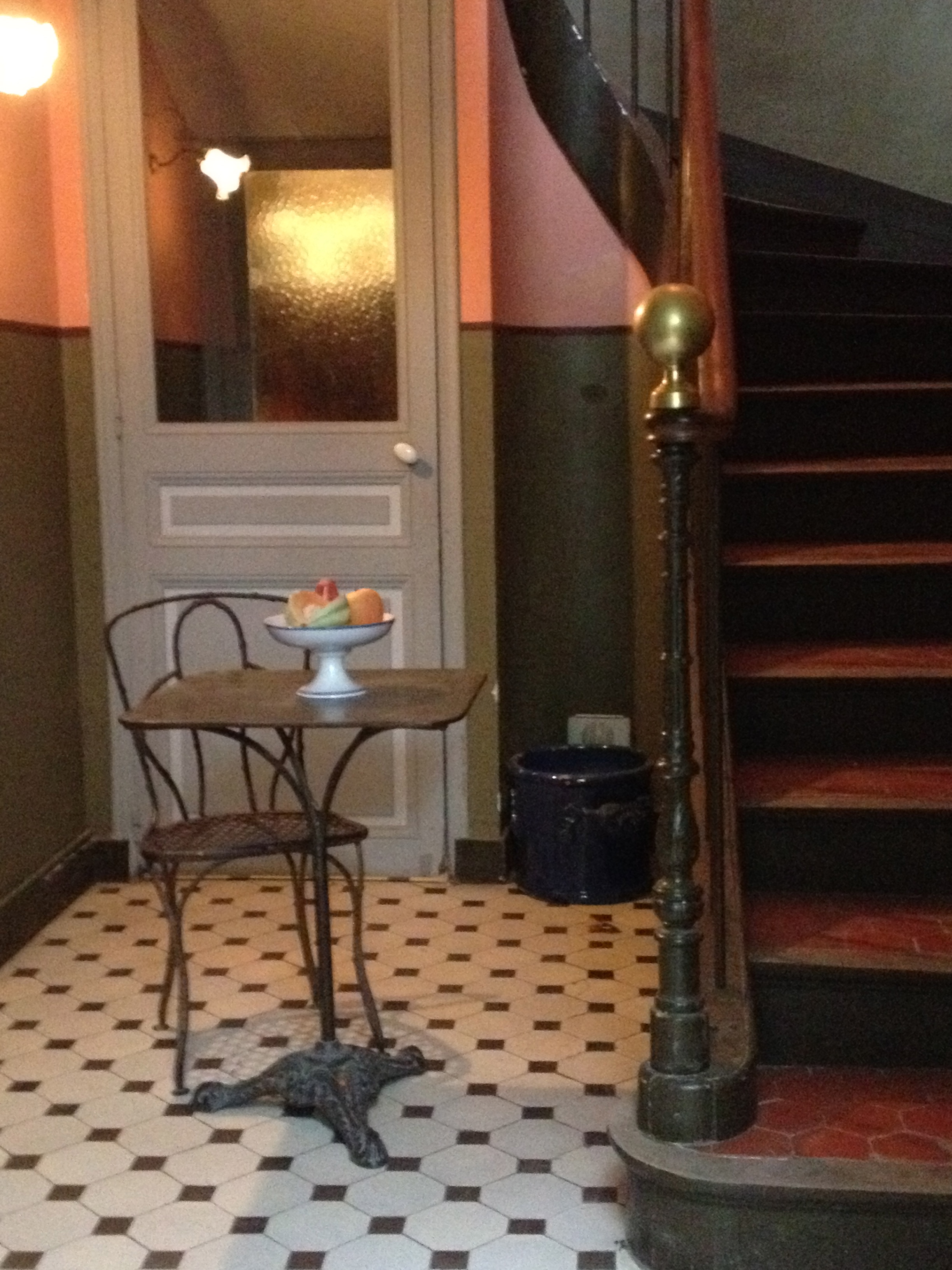
The foyer at Atelier Cézanne

The foyer at Atelier Cézanne


The interior of Cézanne's studio

The interior of Cézanne’s studio


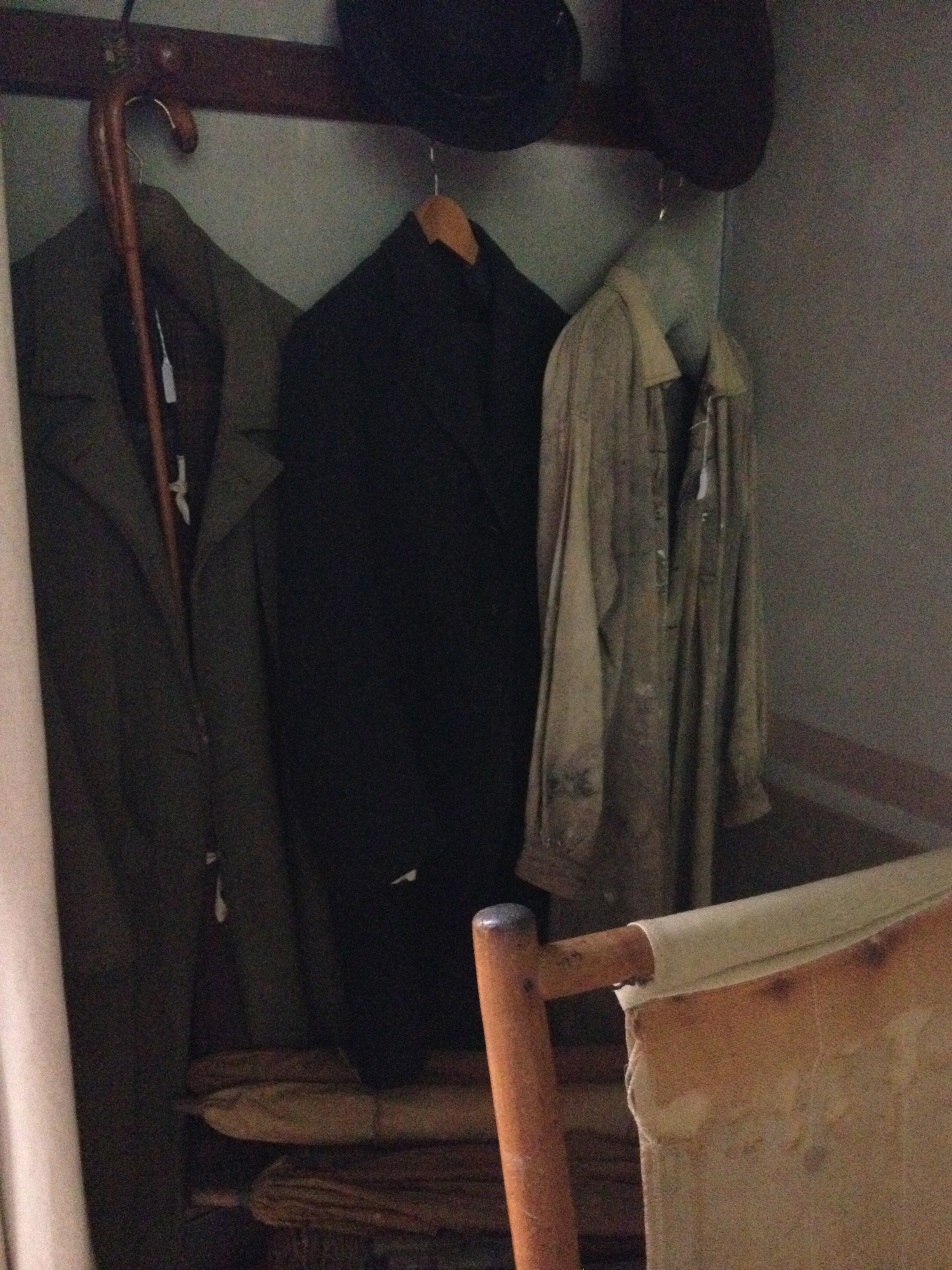
A nice touch - Cézanne's coats and art smock hang in the corner of his studio.

A nice touch – Cézanne’s coats, hats and smudge-up art smock still hang in the corner of his studio.


The courtyard garden outside Cézanne's studio

The courtyard garden outside Cézanne’s studio


Lisette has her own brush with a famous artist as well, based on the true story of Marc Chagall’s escape to the French countryside and finally to New York during the early years of the German occupation. Chagall was Jewish, and was saved by a secret American rescue operation that smuggled artists and intellectuals out of Marseille with forged visas.

Vreeland imagines that the Chagalls might have hidden out in the hills of Provence. Lisette’s bus driver friend (who happens to work for the French Resistance) introduces her to the Chagalls, who are hiding out in an abandoned school for girls on the outskirts of Gordes, another hilltop village in the Luberon region. Vreeland imagined that Lisette would have had friendly chats with Bella and Marc about Chagall’s new style of painting. When Lisette returns for another neighborly visit, she learns that the Chagals had escaped to America but had left a painting behind for Lisette as a gift for her friendship.

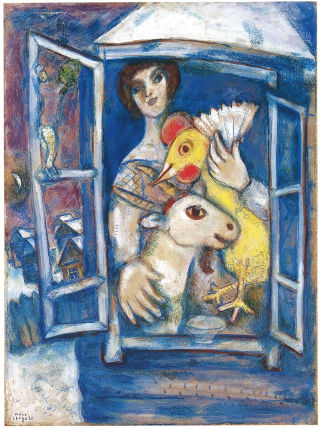
Marc Chagall, Bella with Rooster in the Window, Private Collection. In the story, Lisette imagines that the woman in the window might be her, along with her own little pet goat named St. Genevieve.

Marc Chagall, Bella with Rooster in the Window, Private Collection. In the story, Lisette wonders whether the woman in the window is her, along with her own little pet goat named St. Genevieve. Lisette ponders: “Was the woman Bella or me? Was the man Marc or André? A crescent moon, or maybe it was a slim fish, hung in the rosy sky. I was tantalized by the ambiguity. The image blurred as I recognized Marc and Bella’s love for me.”

In Lisette’s List, Vreeland delivers a fascinating dose of art history and art appreciation, just like we have come to expect from her. I loved the way she traced the pigments all the way from the Roussillon ochre mines to the paintbrushes of Pissaro and Cézanne. I also enjoyed watching Lisette’s character transition from a Parisienne to a Provençale, adapting beautifully to the southern, rural way of life without losing her love for Paris. As Lisette herself said, “J’ai deux amours.”

If I have any reservations about the novel, it is probably that Lisette’s search for the hidden paintings seemed unduly prolonged and the plot device of “Lisette’s List” seemed a bit underwhelming. I would have enjoyed more heightened danger in the plot, and wished that the German threat had been put to use in a more sinister way. But in the end, Lisette’s story wrapped up well in post-war Paris and I was left satisfied overall.

The real treat of the novel is to read about the setting of Roussillon. I had the pleasure of spending an afternoon there, walking down its narrow red streets and shopping in its art galleries. I even had the time to take a hike down a dusty red path to see its beautiful red ochre cliffs up close. It is now a spectacular little artsy town, just as the villagers had hoped in the novel. By all means, if you’re heading to Provence, add this town to your itinerary and leave a little time to hike on the paths out to the red ochre cliffs. It’s sublime.

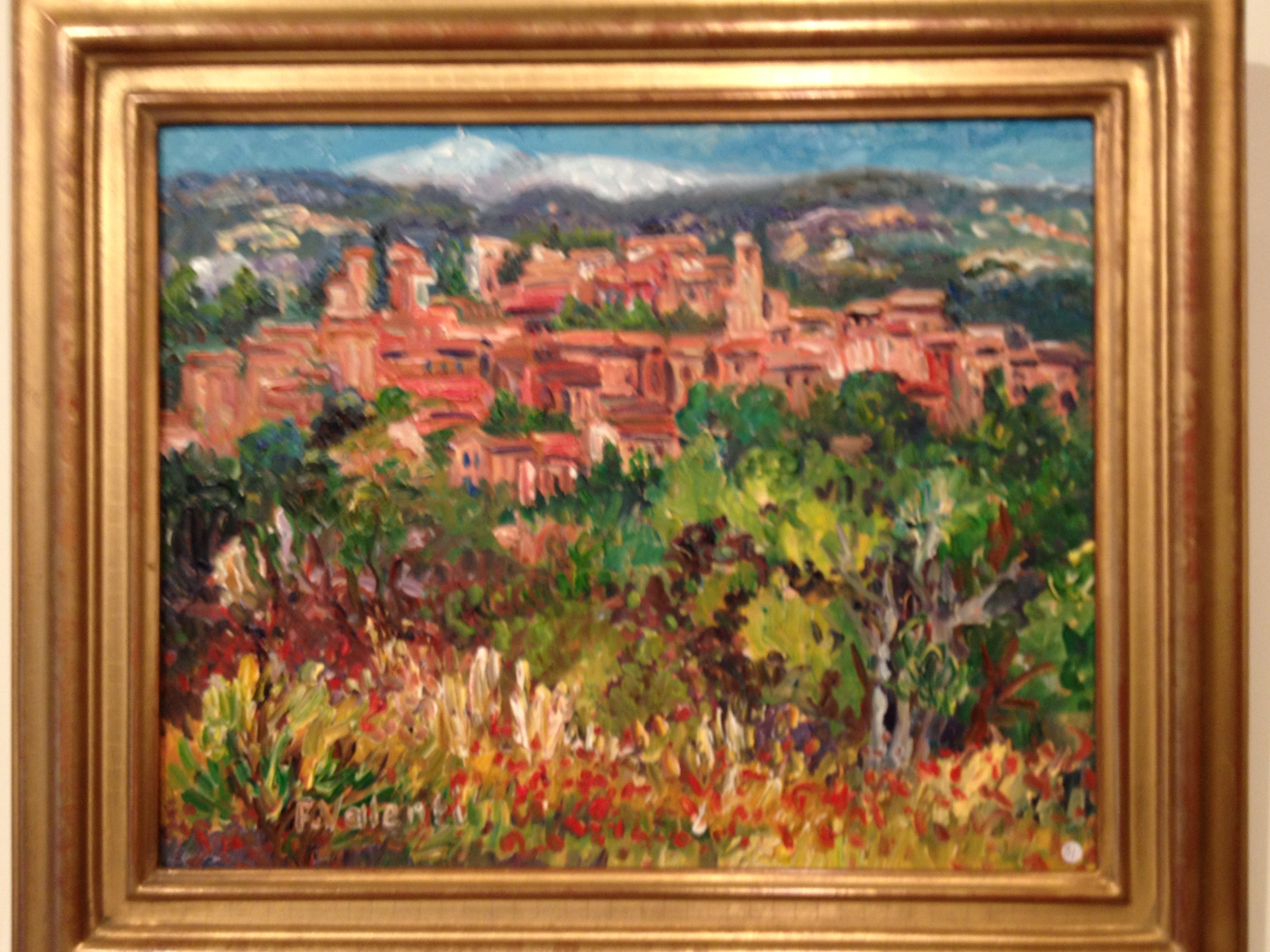
You might want to poke your head into Francoise Valenti’s art gallery and say hello for me. You can assure her that her round painting of the view of Paris from the breakfast table  is now quite happy at my home in Chicago.

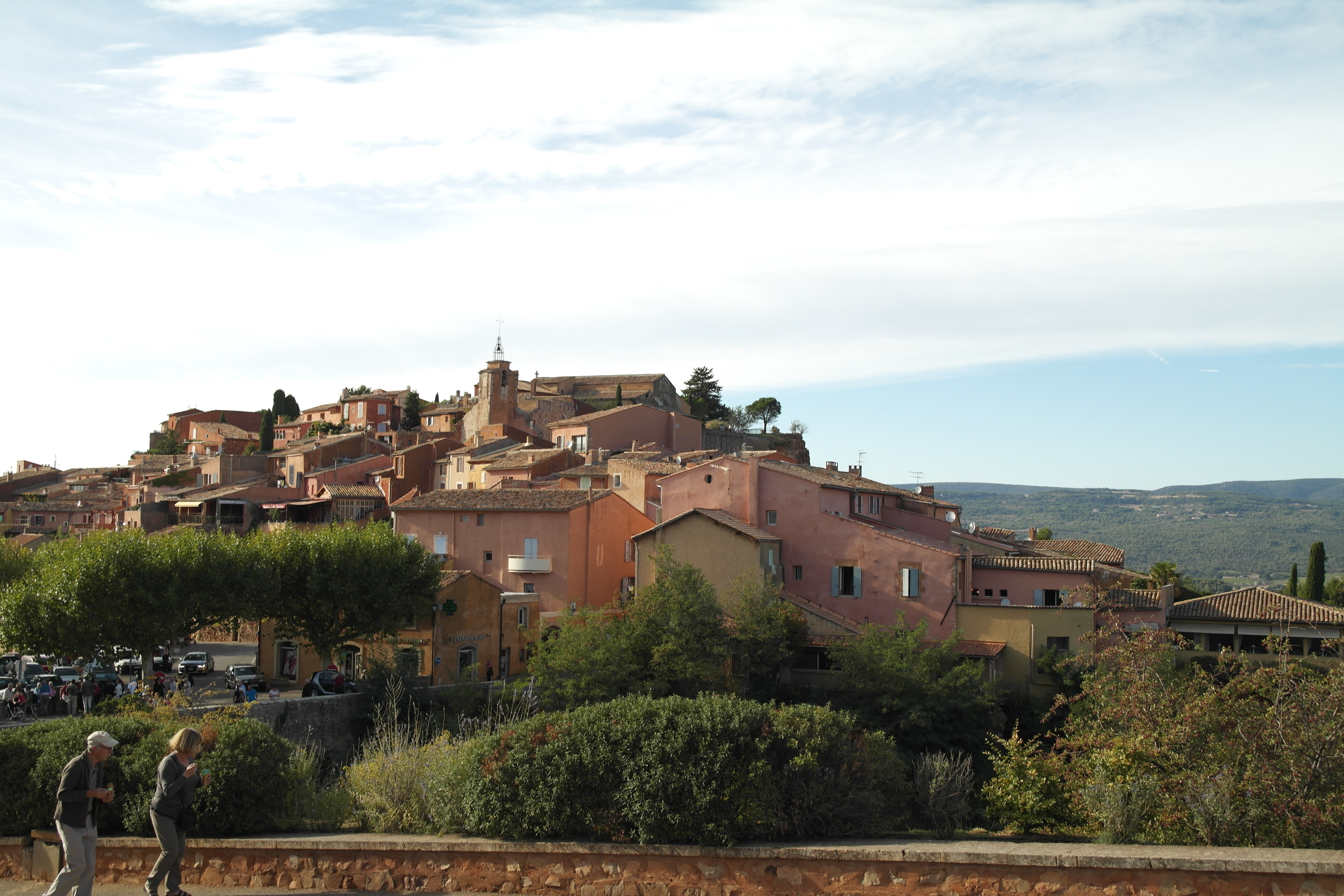
The town of Roussillon

The town of Roussillon


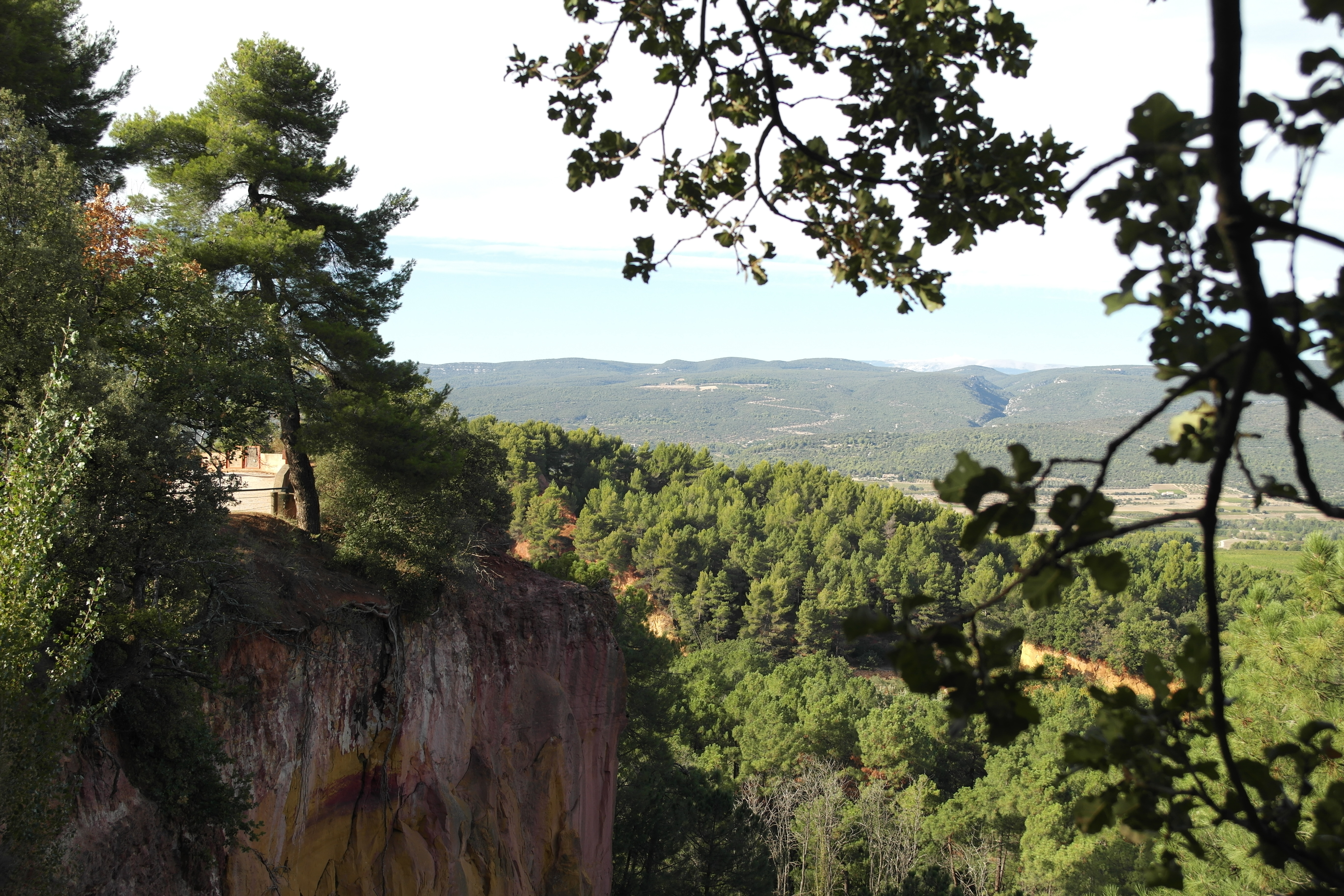
The red ochre cliffs of Roussillon

The red ochre cliffs of Roussillon


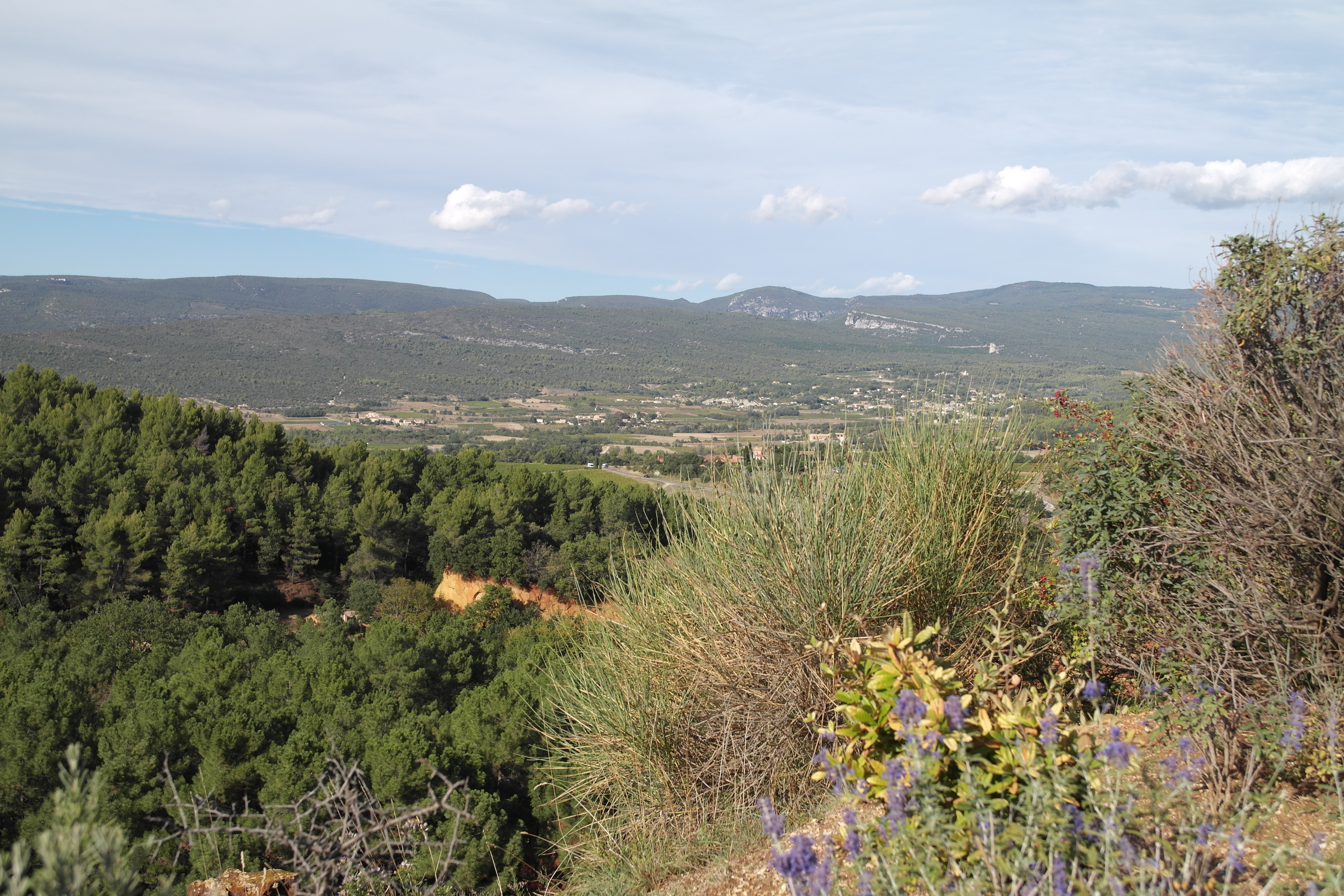
The view of the Luberon from Roussillon

The view of the Luberon from Roussillon


An artist I admired in a gallery in Roussillon: Francoise Valenti.

A lovely oil painting of Rousillon by Francoise Valenti, an artist I admired in a gallery in Roussillon.


Lisette’s List by Susan Vreeland: Highly Recommended

Be sure to visit Susan Vreeland’s website where you can find more photos and information about the inspiration for the book.


Van Gogh in St. Rémy

Van Gogh, Maison de Jeune (1888), Van Gogh Museum, Amsterdam

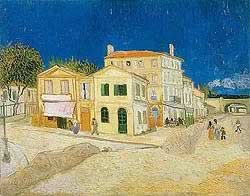
Van Gogh, Yellow House (1888), Van Gogh Museum, Amsterdam

You know the story. Van Gogh was living and painting in “The Yellow House” in Arles when he became increasingly unstable, began fighting with Gaugin, and cut off part of his own ear.

It happened just two days before Christmas in 1888. Van Gogh was hospitalized and by May of 1889 he had voluntarily committed himself to St-Paul-de-Mausole, a psychiatric asylum in Saint-Rémy-de-Provence.

When Van Gogh entered the asylum, he was diagnosed with a form of acute mania and epilepsy. The lead physician, Dr. Théophile Peyron, believed that only complete rest would help, but Theo Van Gogh convinced Peyron to allow his brother limited painting privileges. Van Gogh converted an adjacent cell into an art studio and began painting within the grounds of the hospital. Later, Van Gogh was considered stable enough to paint in the fields around Saint-Rémy as long as he was accompanied by a hospital aid.

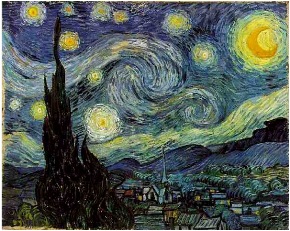
It is here that Van Gogh would paint Starry Night and some of his most magnificent paintings, over 130 of them during this one-year period alone.

Van Gogh, Starry Night (1889), Museum of Modern Art, New York

Van Gogh, Starry Night (1889), Museum of Modern Art, New York


A trip to St-Paul-de-Mausole was on this art lover’s travlist for years. St. Rémy is a lovely little town within a short drive of Avignon in southern France. I traveled there in September, when unfortunately no lavender or iris were in bloom. If you’re lucky enough to visit from late June through early August, you might catch the gardens at just the right time.

You can take a guided tour of the grounds of St-Paul through the St-Rémy tourist office or grab a map and do it yourself. There is a lovely pedestrian path with art walk signs all the way from the tourist office to St-Paul-de-Mausole (Le Promenade Dans L’Univers de Vincent Van Gogh).

maison-sante-st-remy-provence


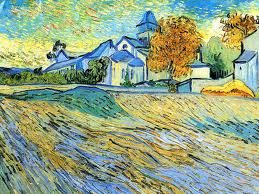
Van Gogh, St-Paul-de-Mausole (1888), Private Collection

Van Gogh, Vue de l’Asile et de la Chapelle de Saint-Rémy (1888), Private Collection. The late actress Elizabeth Taylor bought this painting in 1963 and reportedly kept it above her mantel for the rest of her life. It was auctioned off to a private buyer in 2012 for $16 million, twice its estimated value at the time.


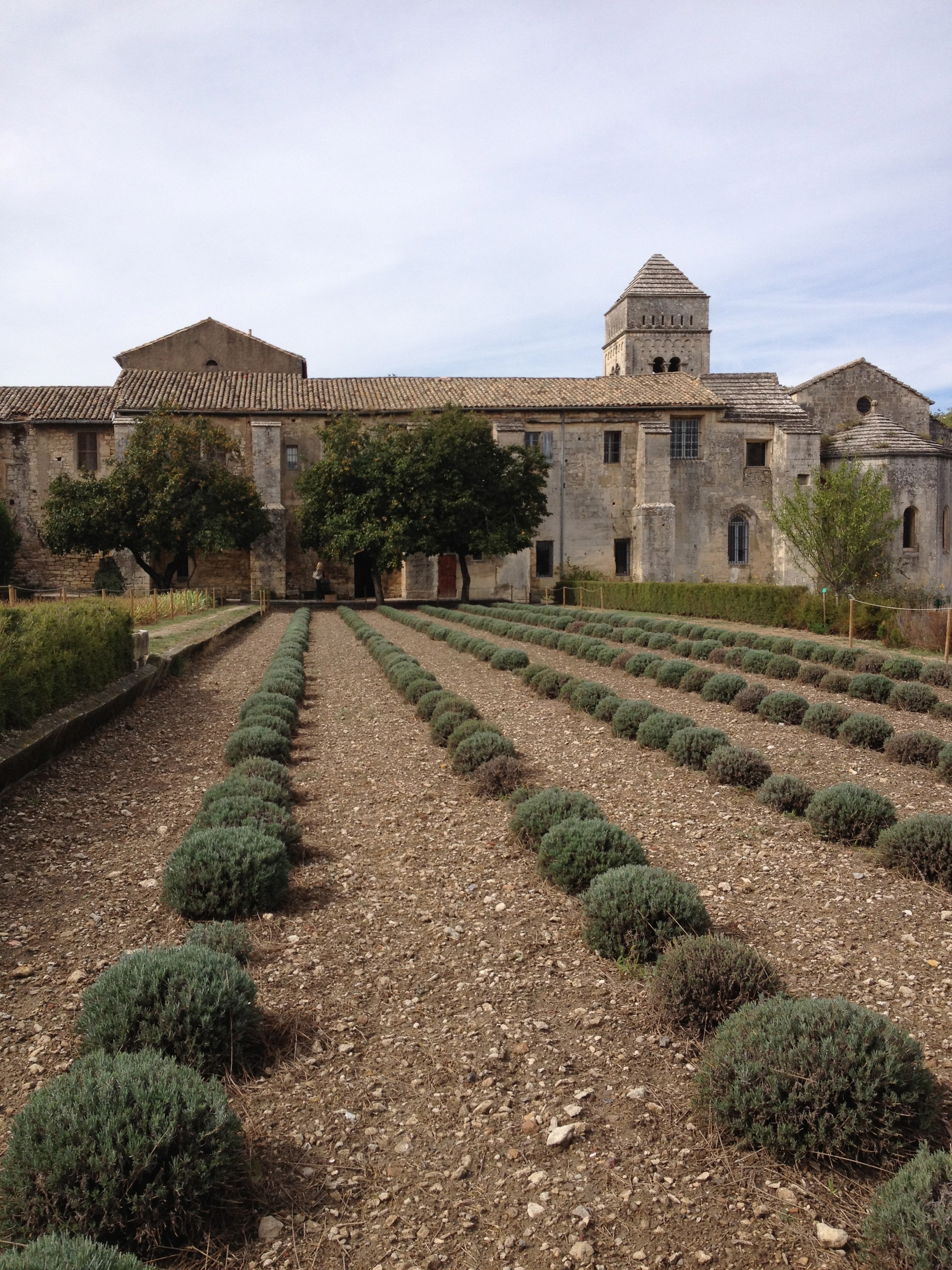
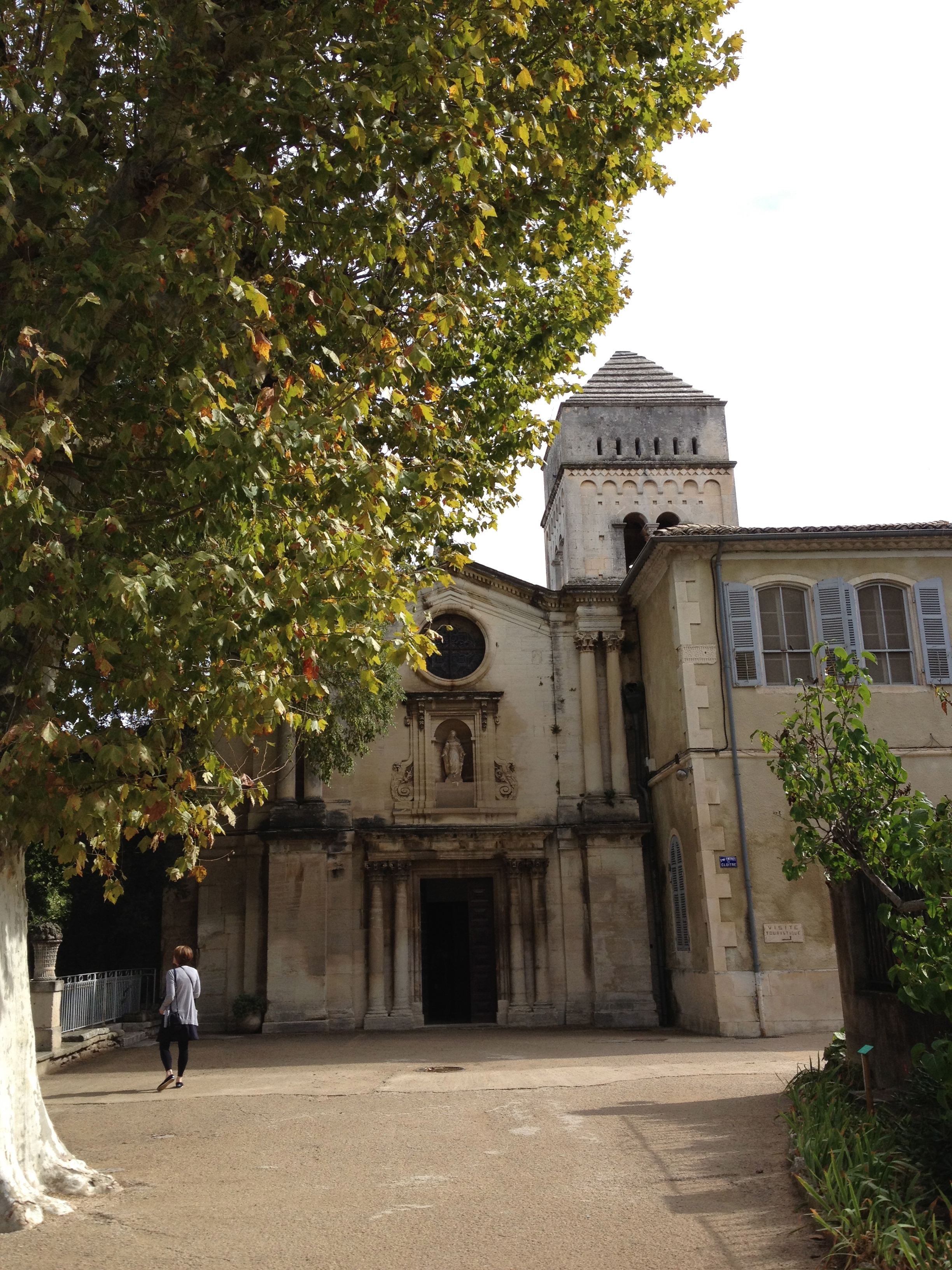
St-Paul-de-Mausole, view from the back gardens in September

St-Paul-de-Mausole, view from the back gardens in September


St-Paul-de-Mausole view from the back gardens in September

St-Paul-de-Mausole view from the back gardens in September


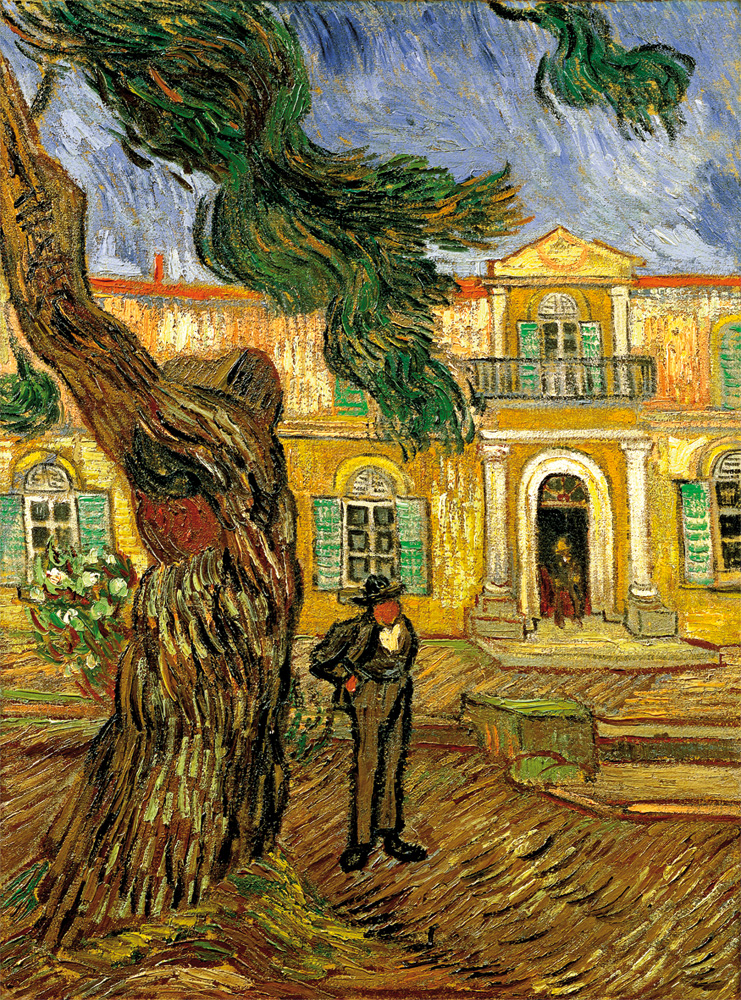
Van Gogh, St-Paul-de-Mausole, Dr. Peyron (1888)

Van Gogh, St-Paul-de-Mausole, Dr. Peyron (1888)


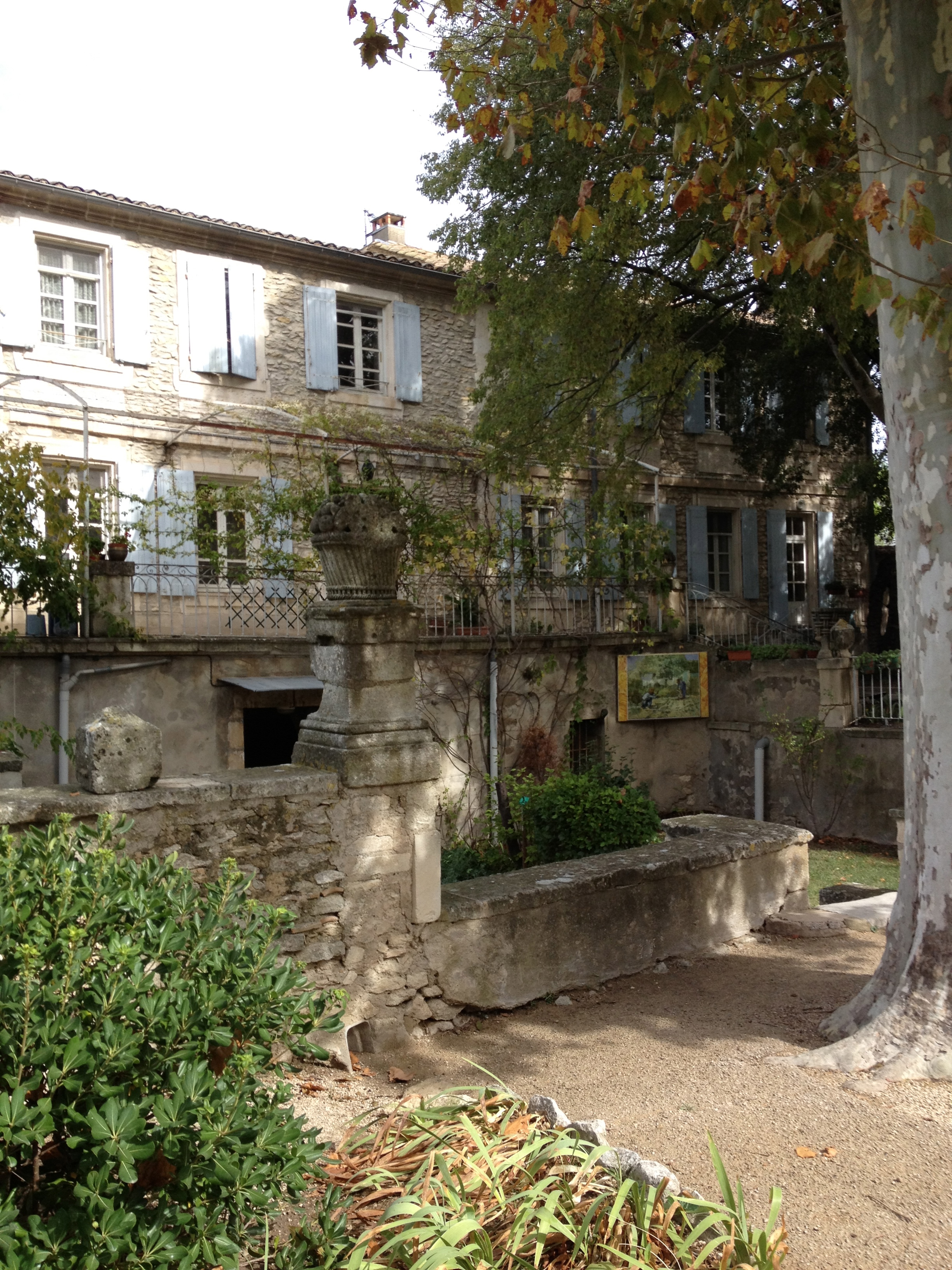
St-Paul-de-Mausole

St-Paul-de-Mausole, view with blue shutters but without Dr. Peyron


St-Paul-de-Mausole, front entrance

St-Paul-de-Mausole, front entrance

The Asylum Garden at Arles, 1889 (oil on canvas), Gogh, Vincent van (1853-90) / Oskar Reinhart Collection, Winterthur, Switzerland / The Bridgeman Art Library

Van Gogh. The Asylum Garden at Arles, 1889 (oil on canvas), Oskar Reinhart Collection, Winterthur, Switzerland


The inner courtyard garden of St-Paul-de-Mausole

The inner courtyard garden of St-Paul-de-Mausole


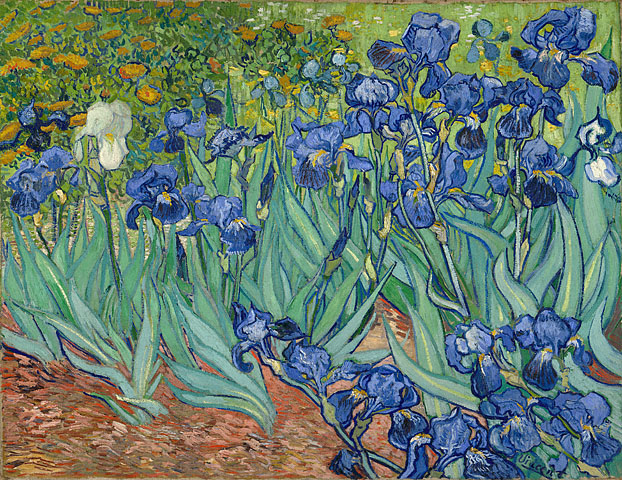
Van Gogh, Irises (1888), Getty Museum, Los Angeles

Van Gogh, Irises (1888), Getty Museum, Los Angeles


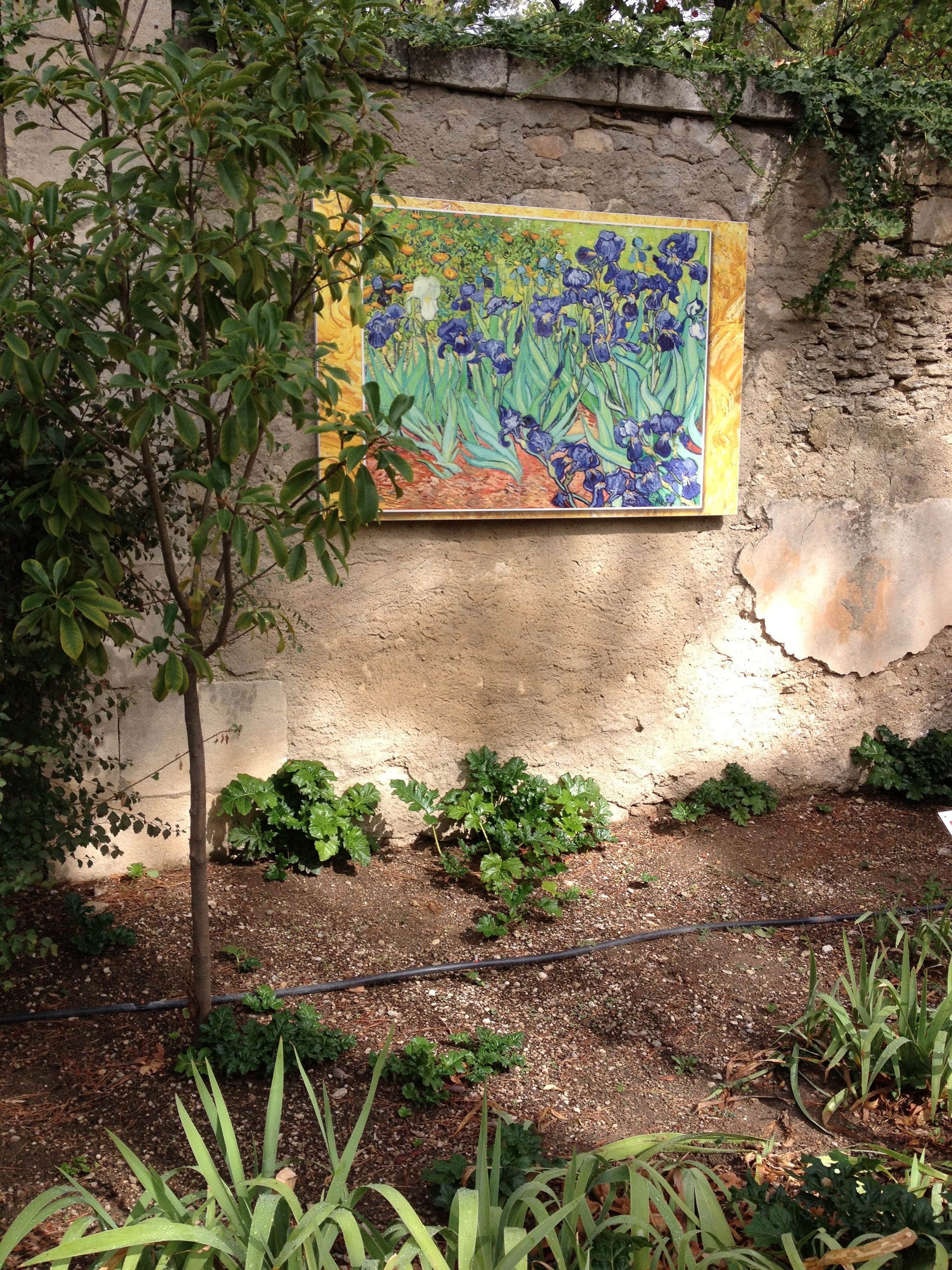
One of the art site signs at St-Pul-de-Mausole indicating the place where Van Gogh painted his Iris series

One of the art walk signs at St-Pul-de-Mausole indicating the place where Van Gogh painted his Iris series. Unfortunately, the irises weren’t in bloom at the time of my visit.

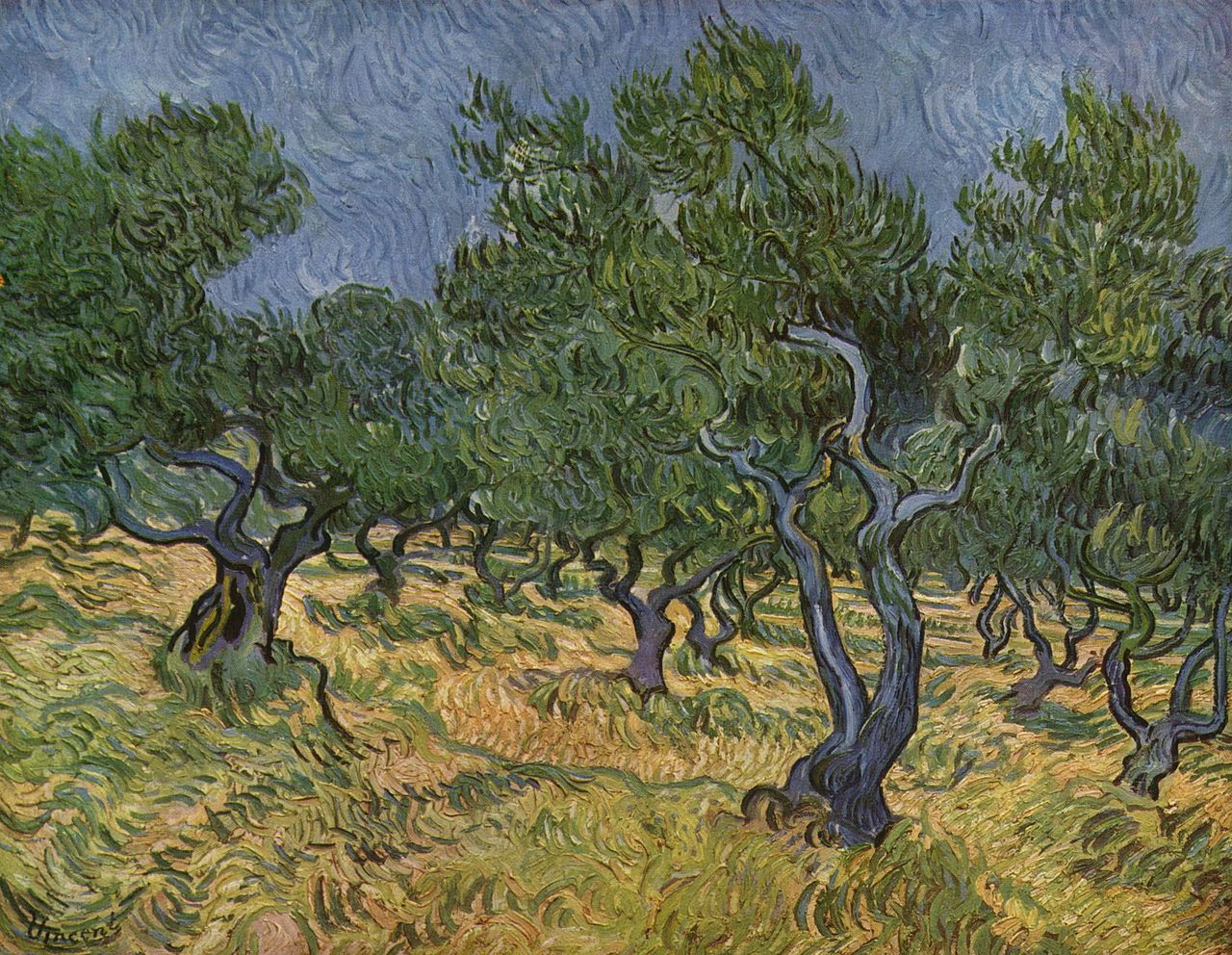
Van Gogh, Olive Orchard, June 1889 Nelson-Atkins Museum of Art, Kansas City

Van Gogh, Olive Orchard, June 1889 Nelson-Atkins Museum of Art, Kansas City

The olive trees surrounding St-Paul-de-Mausole

The olive trees surrounding St-Paul-de-Mausole

IMG_3706

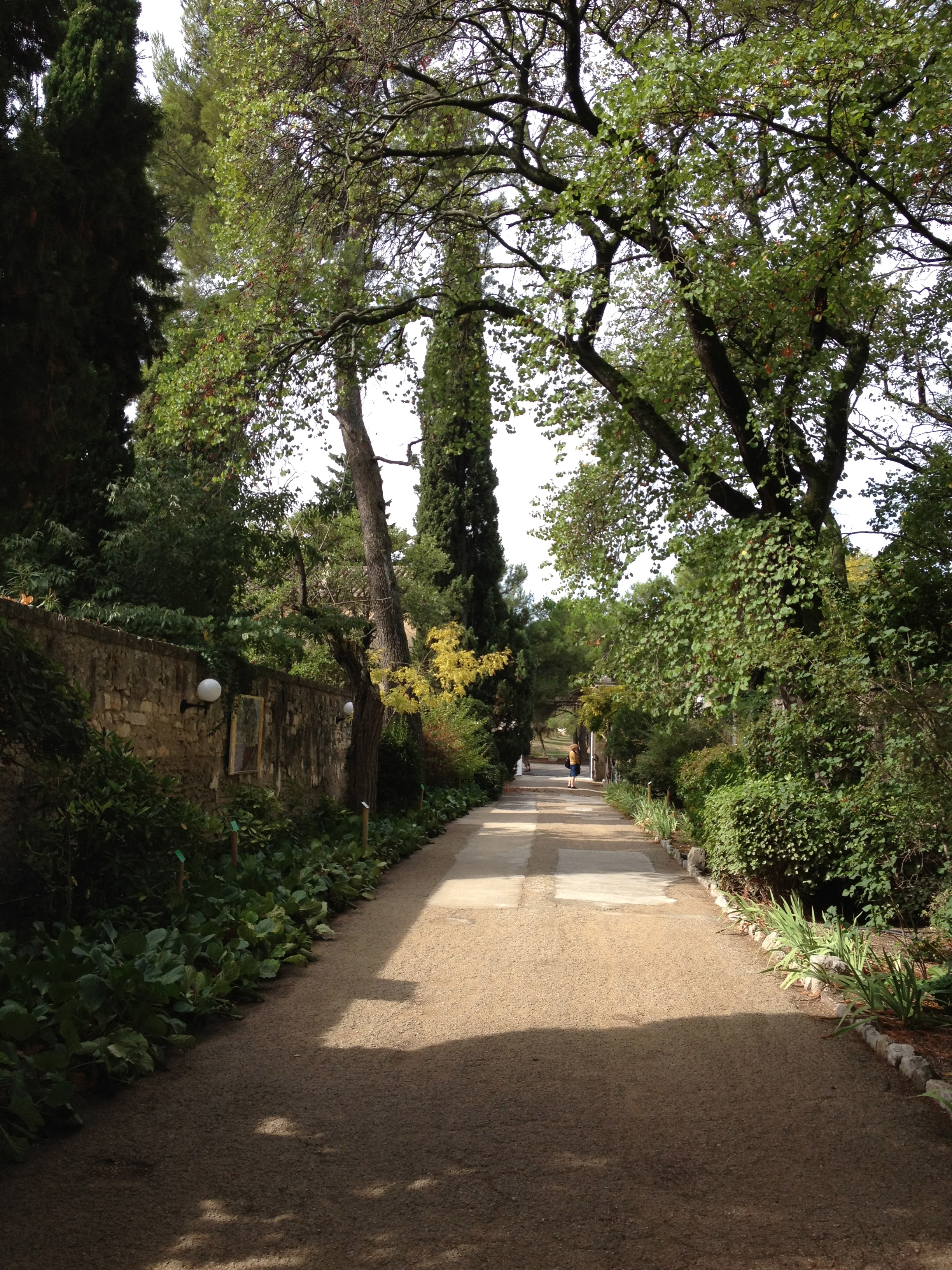
One of the many lovely art walk signs in St. Remy identifying the site of a Van Gogh painting


The lovely walk up to St-Paul-de-Mausole

The lovely walk up to St-Paul-de-Mausole

Entrance to St-Paul-de-Mausole

Entrance to St-Paul-de-Mausole

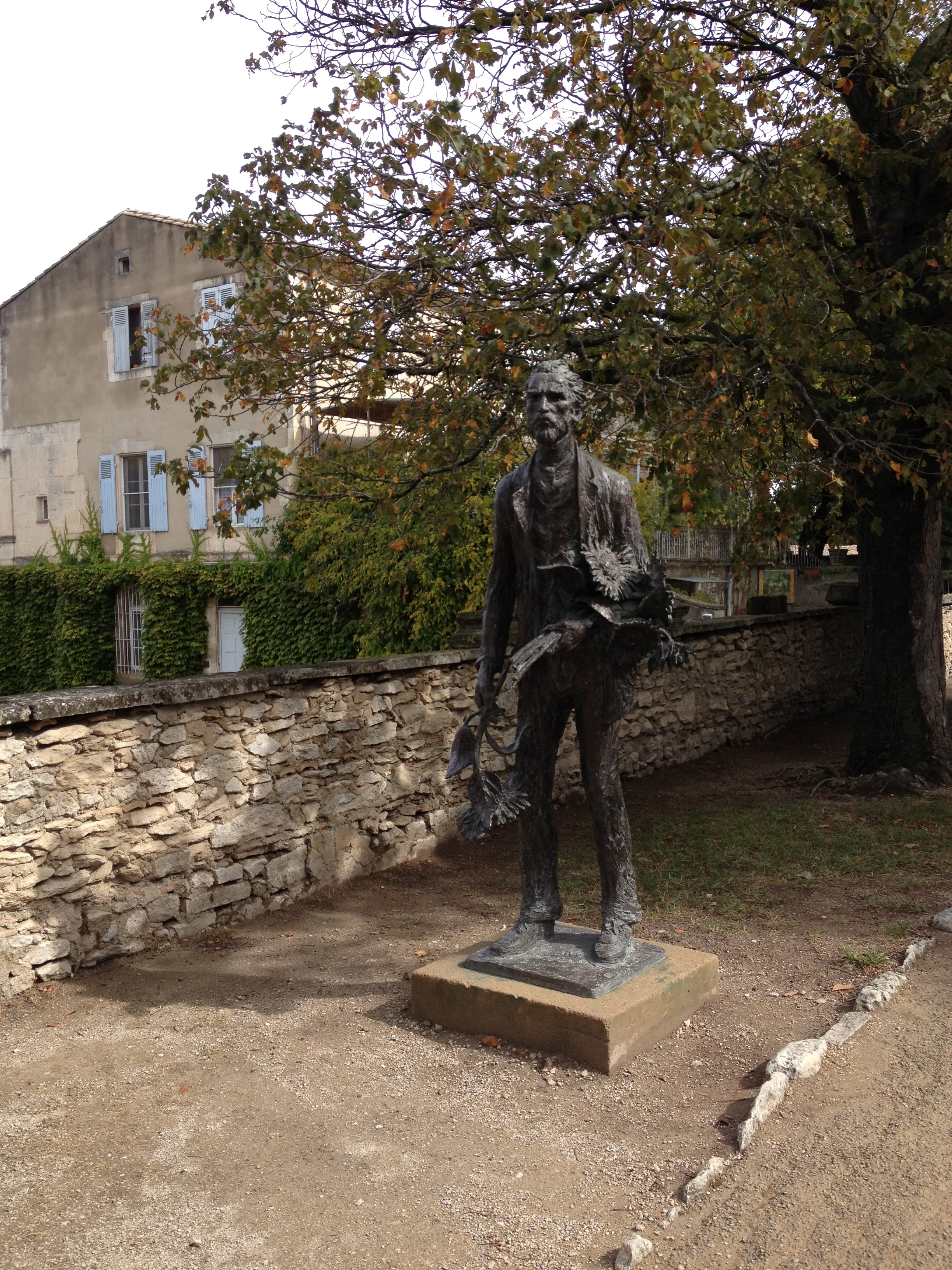
Sculpture of Van Gogh at the entrance of St-Paul-de-Mausole

Sculpture of Van Gogh at the entrance of St-Paul-de-Mausole

A quiet street in nearby St-Rémy

A quiet street in sunny St-Rémy

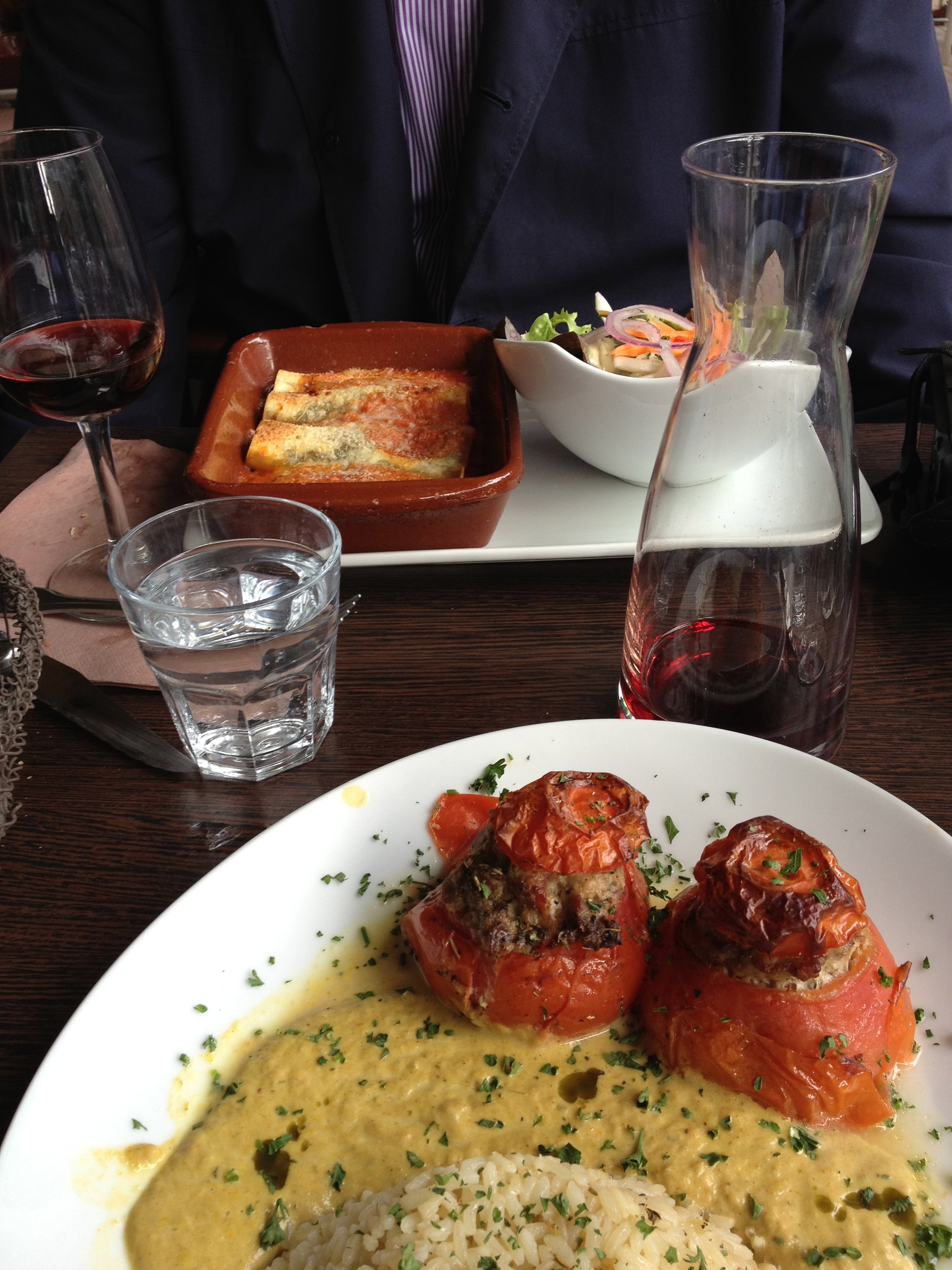
Delicious provençal dish for lunch in St-Rémy - Provençal Tomatoes

Delicious provençal dish for lunch in St-Rémy – Provençal Tomatoes


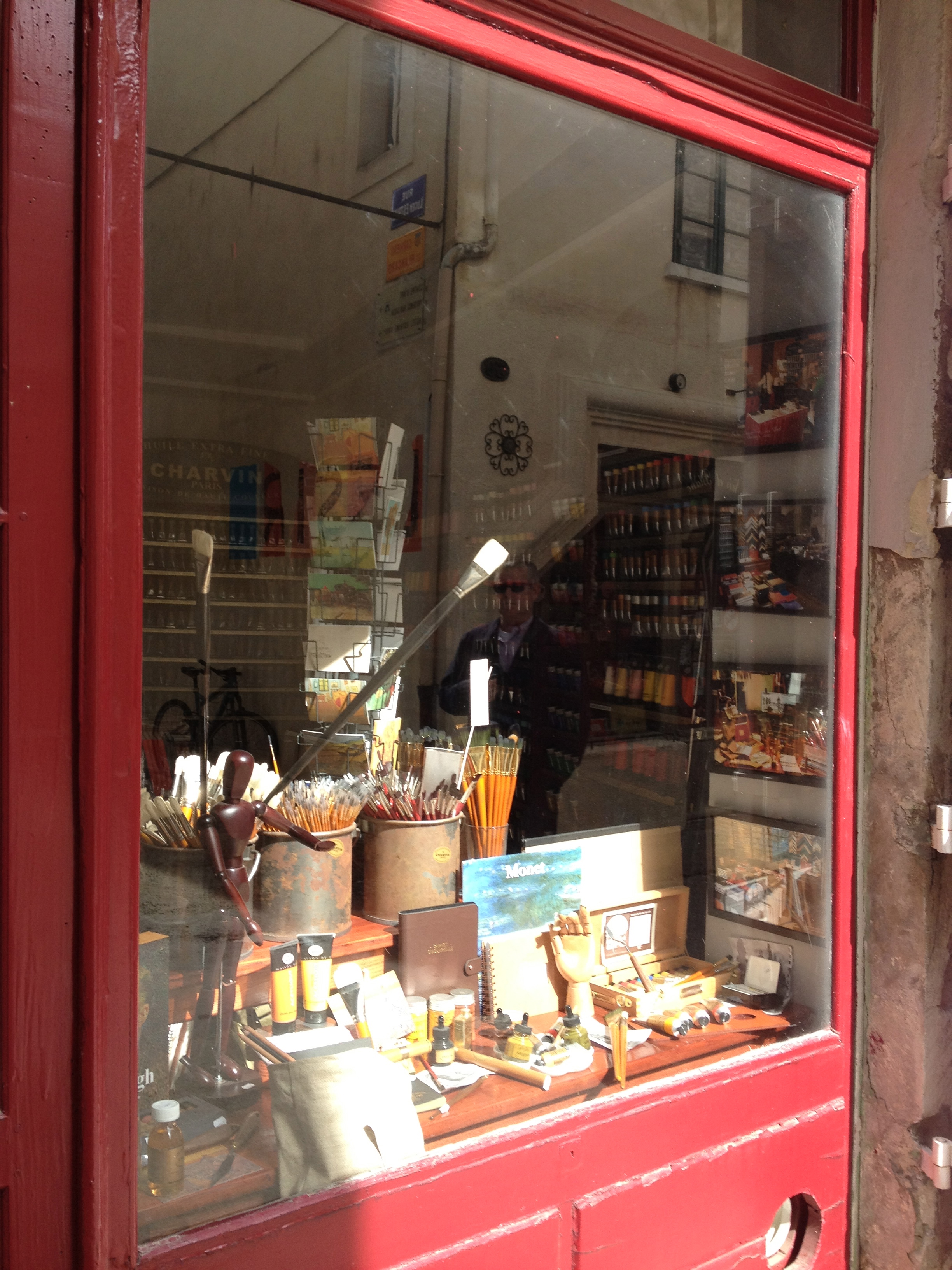
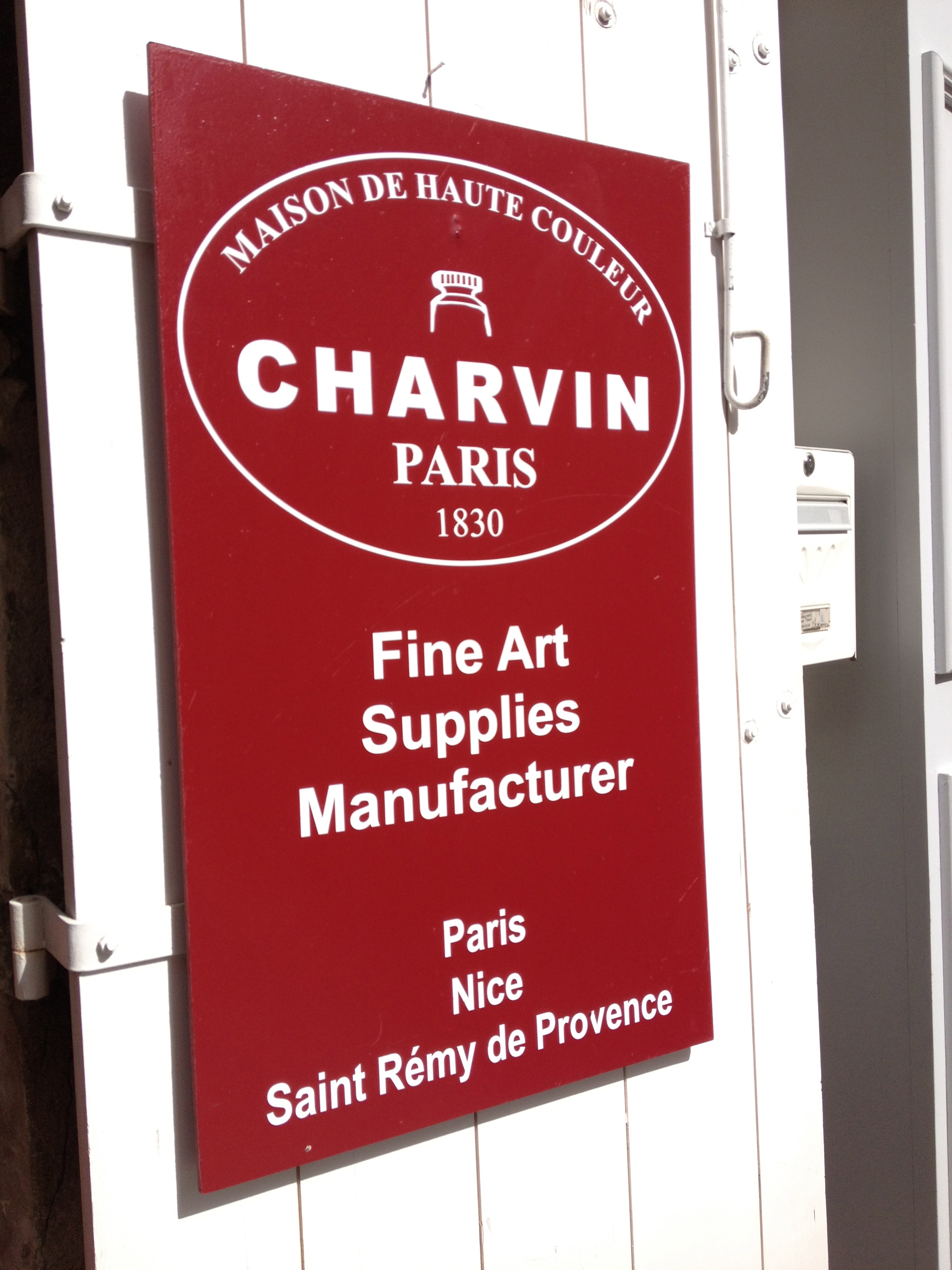
Lovely little art shop in nearby St-Rémy called Charvin

Lovely little art shop in nearby St-Rémy called Charvin

IMG_3756

Through Rembrandt’s Eyes: The Anatomy Lesson by Nina Siegal

I found another lovely art history novel that I think you really must read. If you loved Girl With a Pearl Earring by Tracy Chevalier, chances are you’re going to enjoy this one too.

anatomy lesson

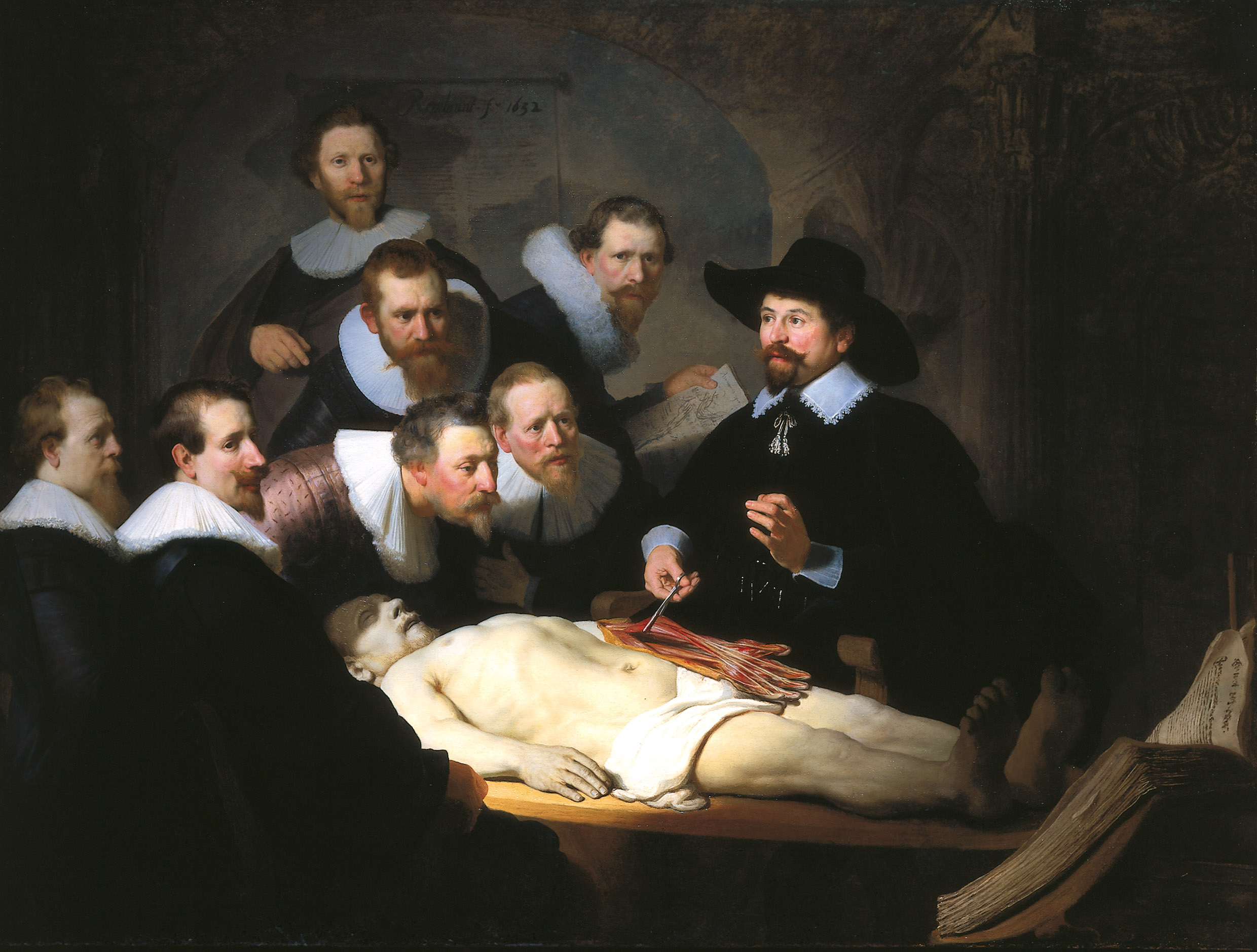
The Anatomy Lesson by Nina Siegal (Doubleday, 2014) tells the story behind The Anatomy Lesson of Dr. Nicolaes Tulp (1632), Rembrandt’s famous painting from the Mauritshuis in The Hague.

I love novels based on famous paintings (the list goes on and on: The Goldfinch, The Painted Girls, The Girl in Hyacinth Blue, The Luncheon of the Boating Party, so many that I think I need to do a follow-up post). But still, I couldn’t help but wonder, why would Nina Siegal choose this painting to write about? After all, it’s a bunch of Dutch guys goggling over a cadaver, right?


Rembrant, Anatomy of Dr. Nicholaes Van Tulp (1632), The HAuge, Marthuis

Rembrant, Anatomy of Dr. Nicholaes Van Tulp (1632), The Hague, Mauritshuis

The story behind a public autopsy in Amsterdam in the 1600s seems like a difficult subject for a novel, certainly less approachable than writing about Vermeer’s pretty girl with a pearl earring. But Siegal was meant to write this story. She grew up with a reproduction of this painting in her father’s study and has been intrigued with it all of her life.

Siegal was drawn into reading nonfiction accounts of Rembrandt’s life as well as the people and the cadaver pictured in The Anatomy Lesson. There were conflicting stories about the people behind the painting, which left Siegal a great deal of creative freedom to plan her own narrative. I think she did a marvelous job.

The story is told from alternating points of view including Rembrandt, Dr. Nicholaes Tulp, the French philosopher René Descartes, the dead man, a coat thief named Aris Kindt, as well as Aris’s sweetheart Flora. Each character adds interest and depth to the portrait, but it is the sympathetic love story between Aris and Flora that brings it to life.

When Rembrandt meets Flora and learns more about Aris’s story, Rembrandt is inspired to go far beyond the intent of the original commission – which was to make a portrait of the town’s elite Amsterdam Surgeon’s Guild – and to create a masterpiece that would honor Aris’s short tragic life.

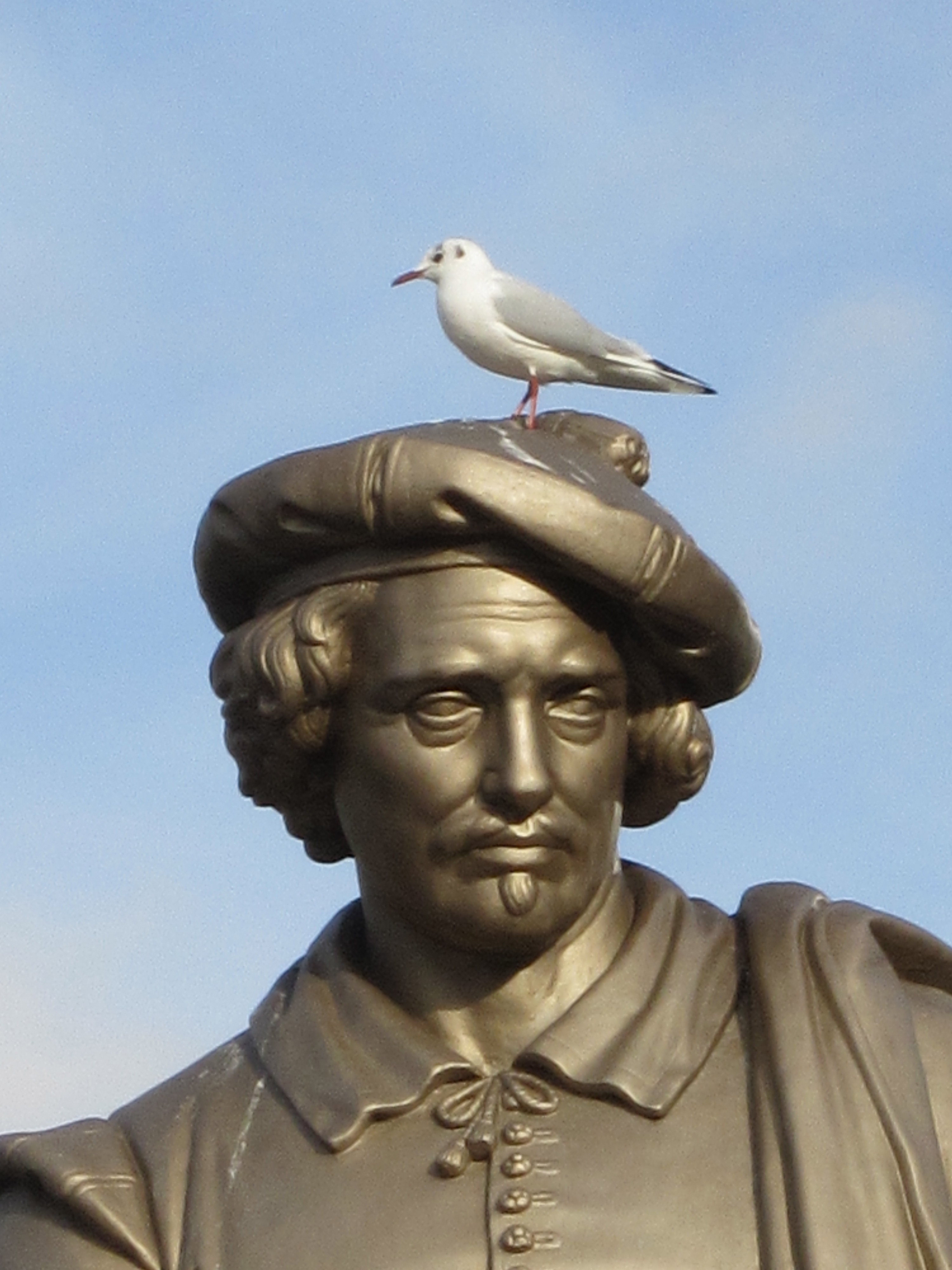
Rembrandt, Self-Portrait, c. 1632, Kelvingrove Art Gallery and Museum, Glasgow, Scotland

Rembrandt, Self-Portrait, c. 1632, Kelvingrove Art Gallery and Museum, Glasgow, Scotland. Rembrandt made dozens of self-portraits throughout his career, but this one was made the same year he painted The Anatomy Lesson. It is the first portrait where he is starting to look like a successful painter. The success with The Anatomy Lesson did indeed launch his career.


I guess it’s no surprise that the scenes where Rembrandt was actually planning and executing the painting were my favorites. Siegal did a beautiful job of explaining how Rembrandt used highlights to create the mood and focal point of the scene, and why he didn’t display the body cut wide open during the autopsy.

I brought my lantern closer to the easel again. What if I were to illuminate Adriaen, to bring him into the light? If he were not sliced open and degraded but instead elevated and lit? What if I did not show the power of the men over him but his own power over them?

. . .

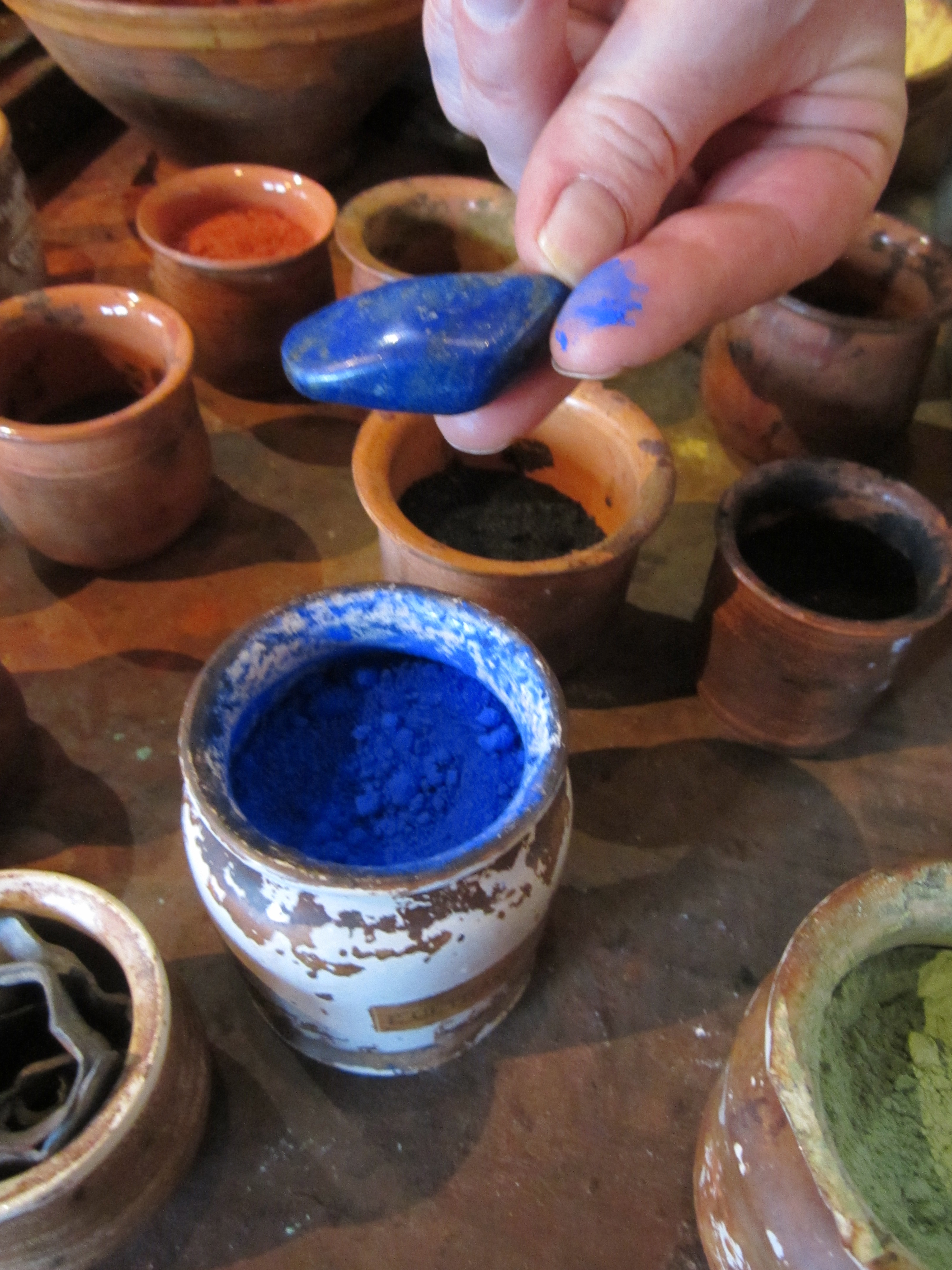
As I continued to dab my paintbrush into the Kassel earth and bone black, I recognized what was possible through this portrait. I could make a broken man whole. I added some lead white to my palette and painted on, . . . adding color to the flesh so that it was pristine.


Reading this book you get a sense that young Rembrandt is at a turning point in his life, and that he is about to become the master painter that we all know today. When Siegal has him pick up his paintbrush to finish The Anatomy Lesson, you feel as if this is the moment that his genius was sparked.

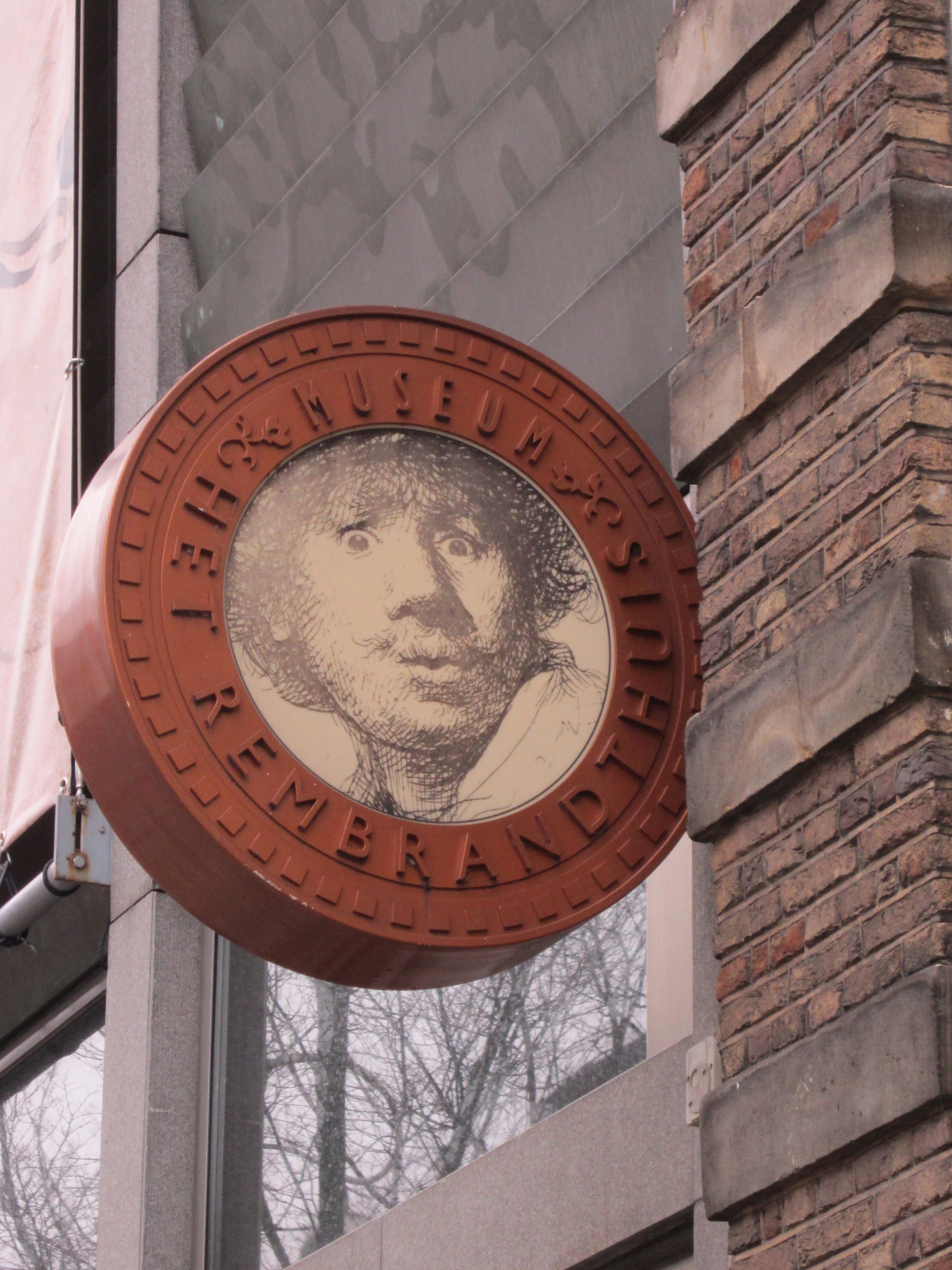
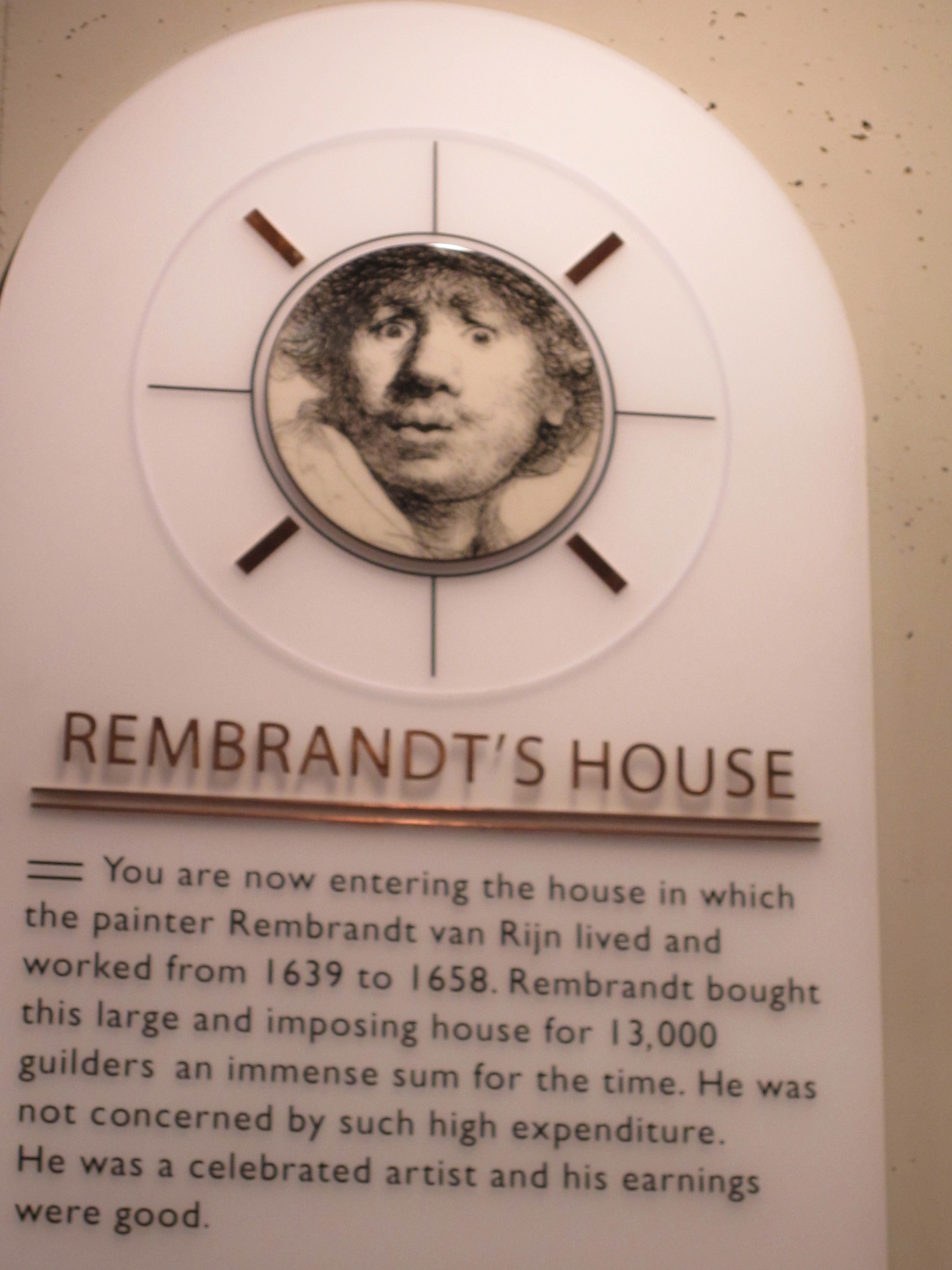
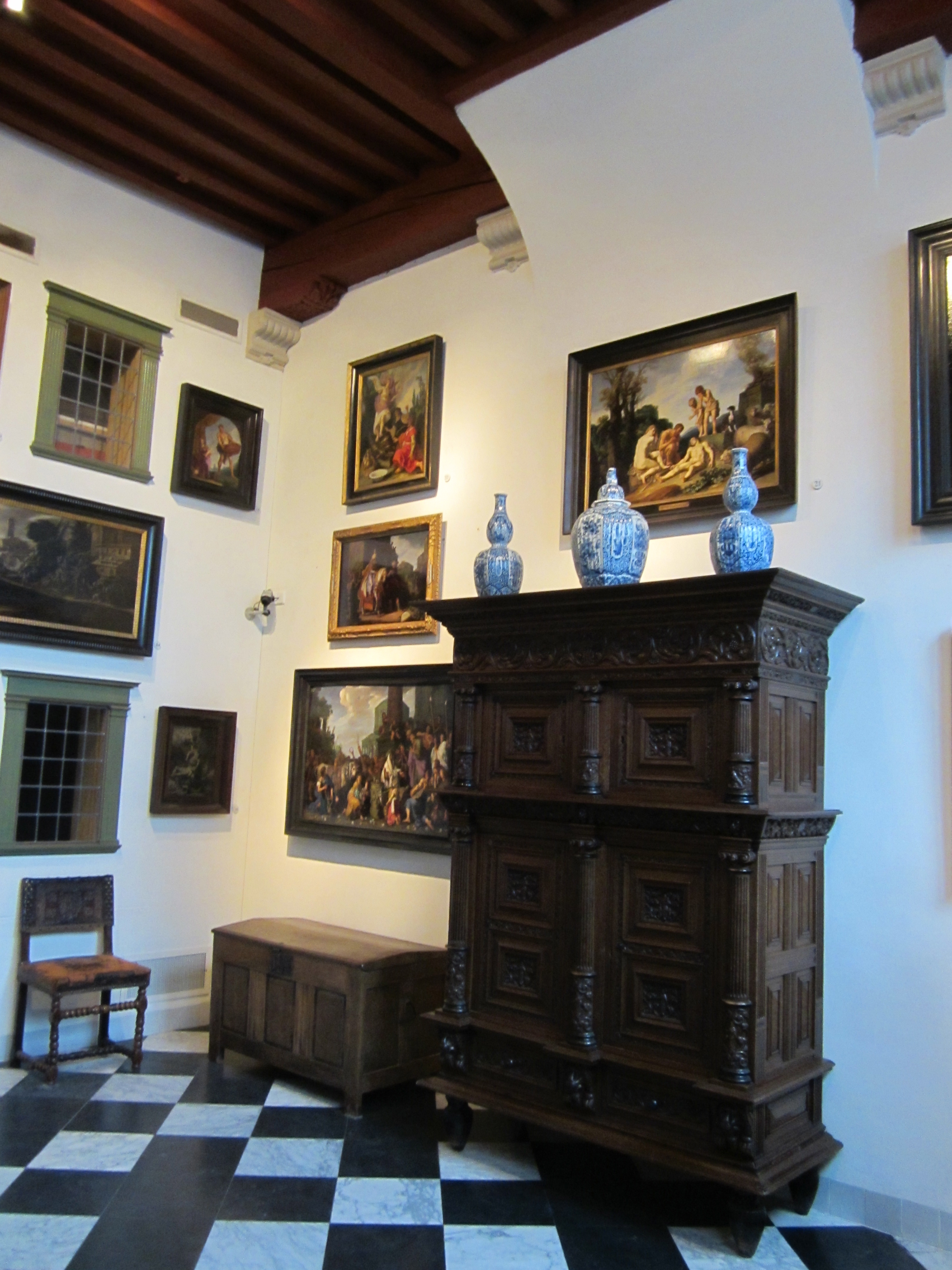
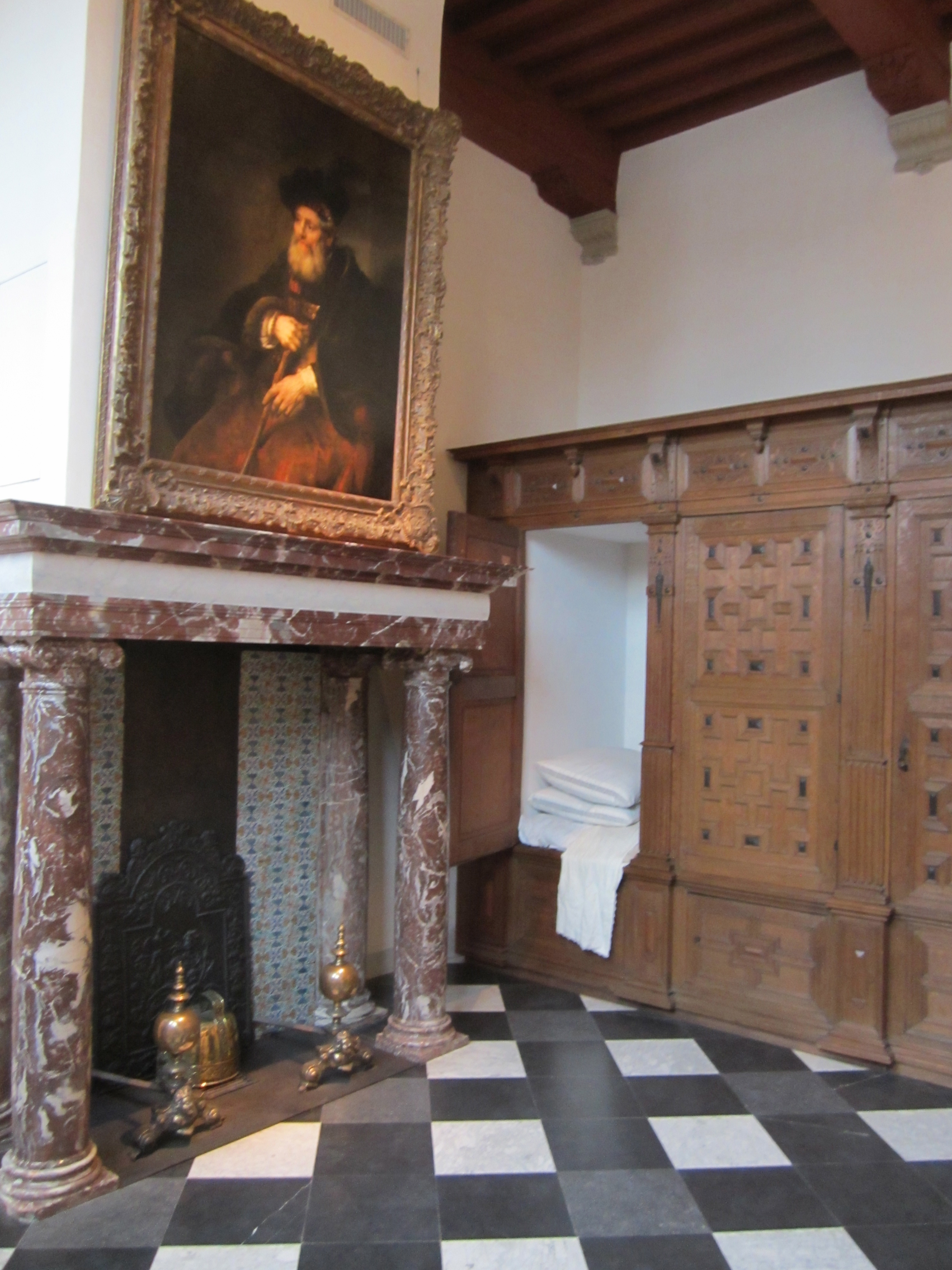
Most art travelers know that Amsterdam is the home of the Rijksmuseum and the Van Gogh Museum. But if you’ve never been to the Rembrandt House Museum in Amsterdam you really need to put it on your Art Travel Bucket List. It’s a complete gem.

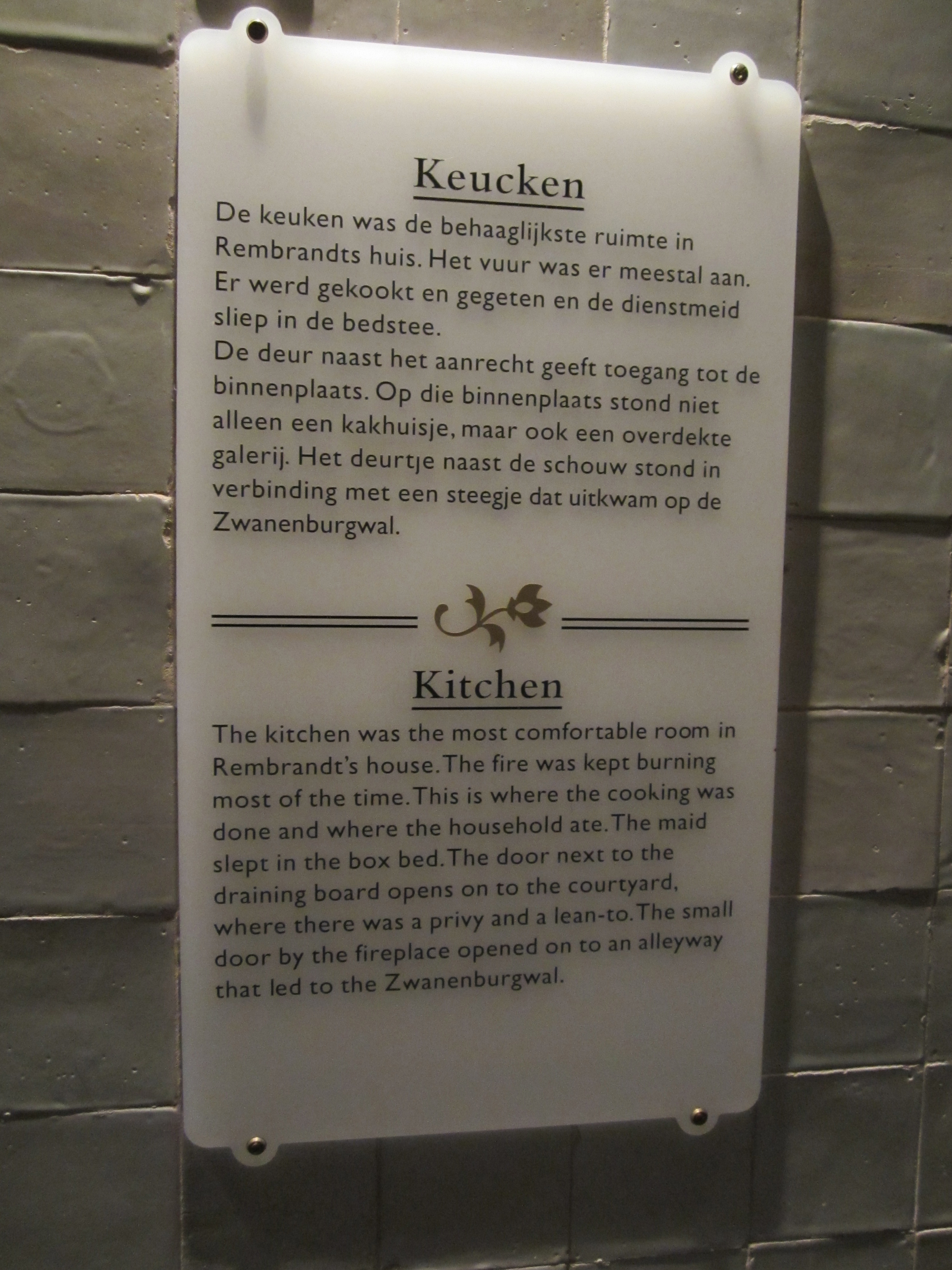
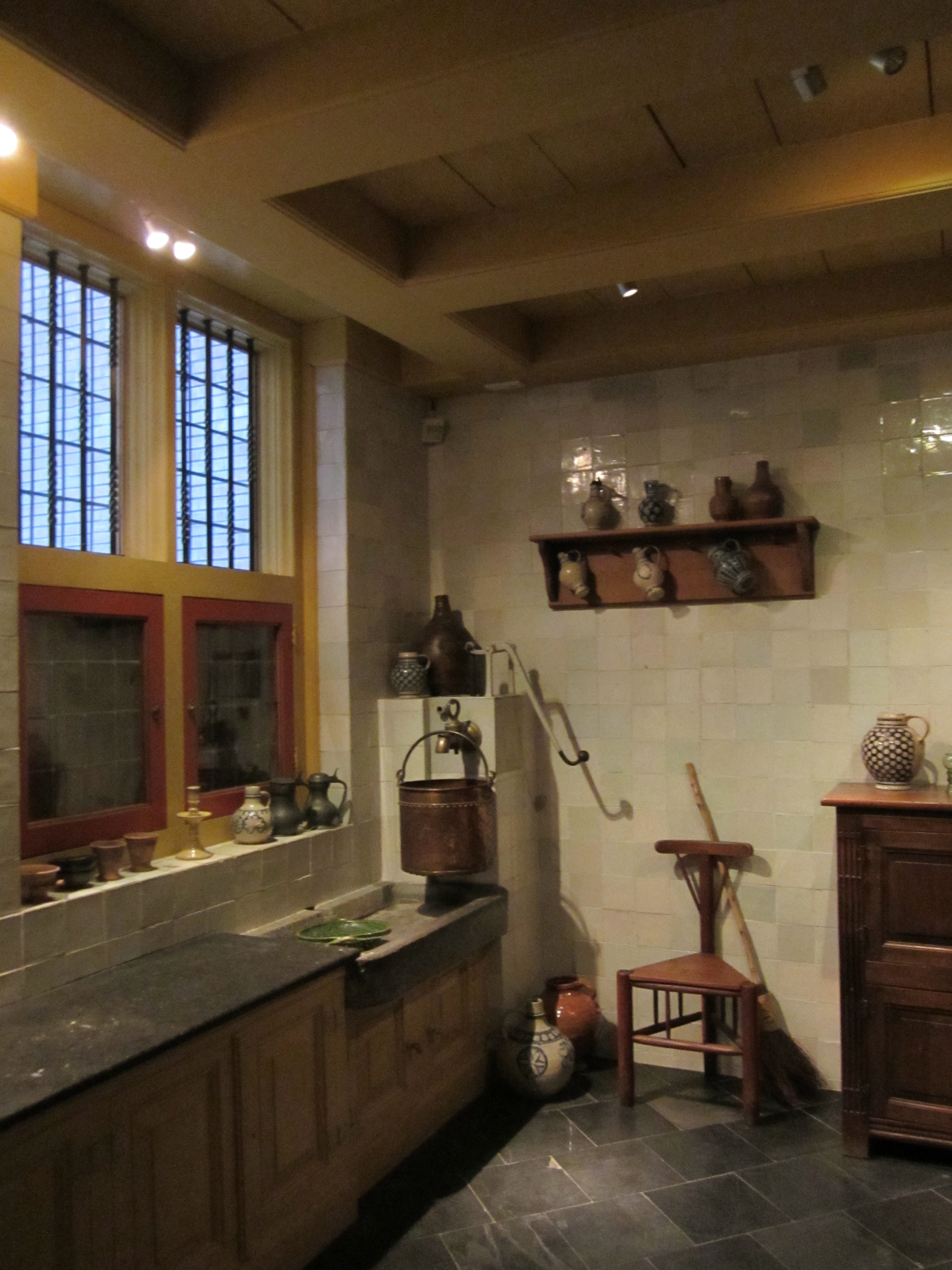
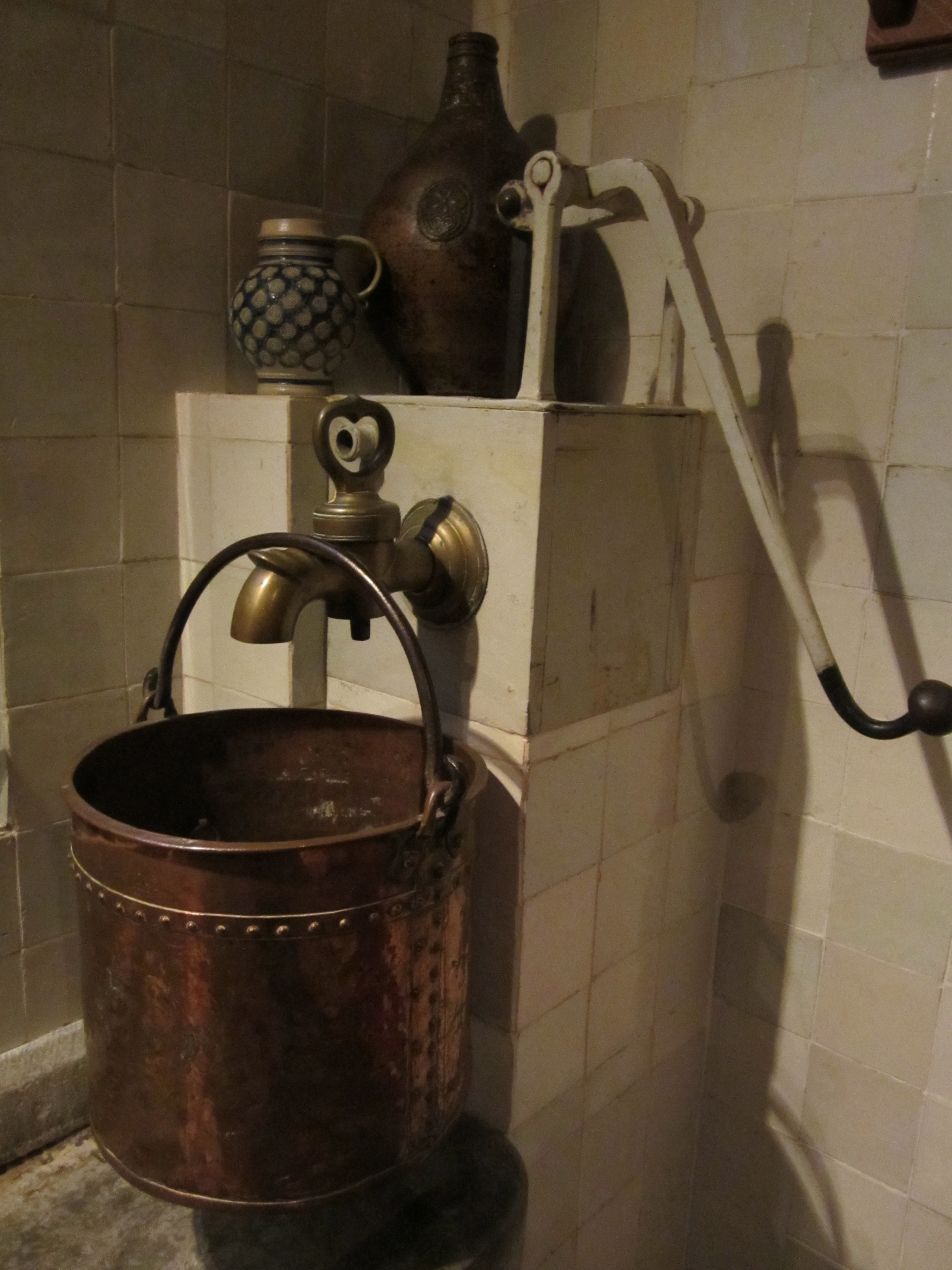
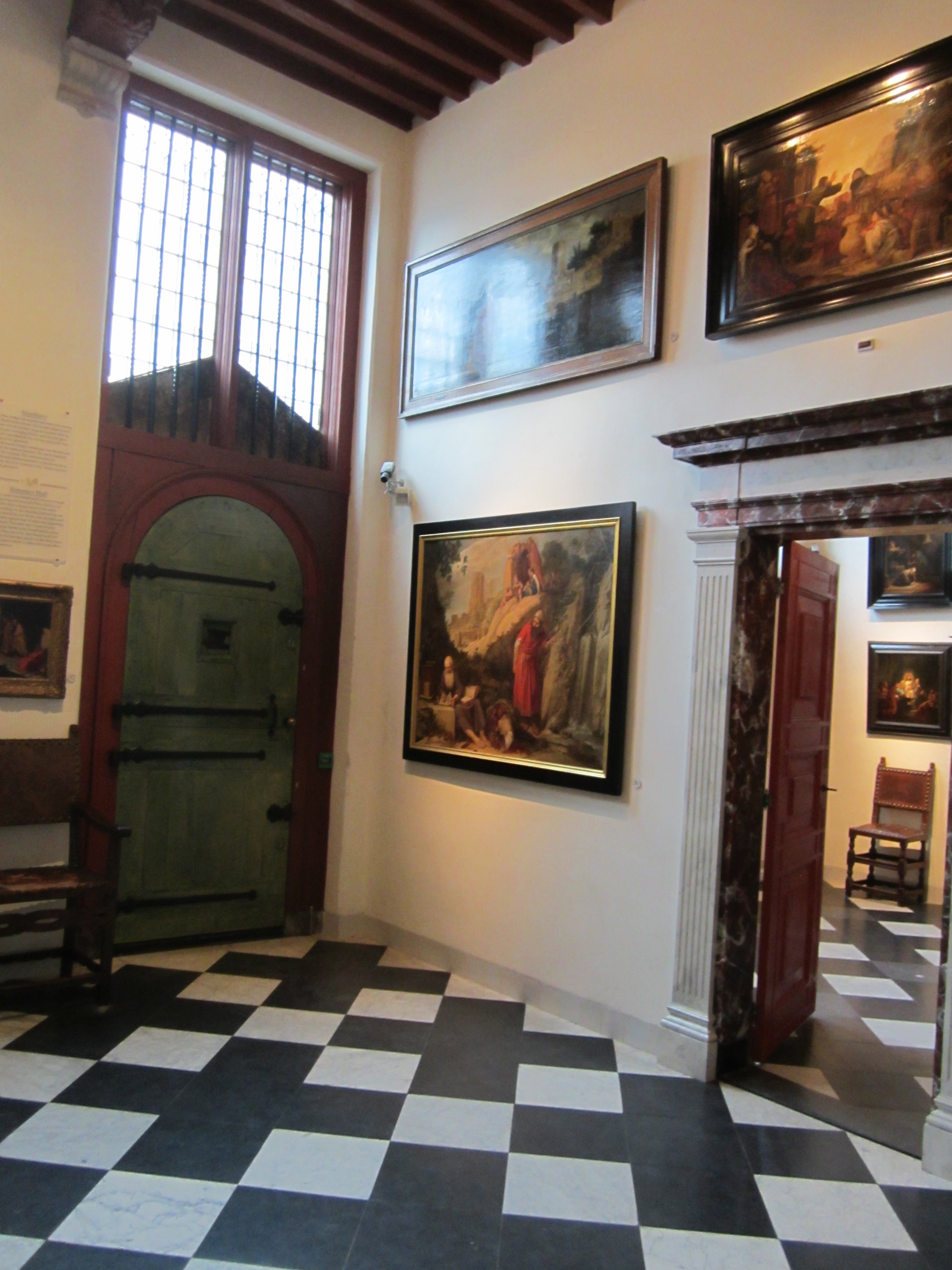
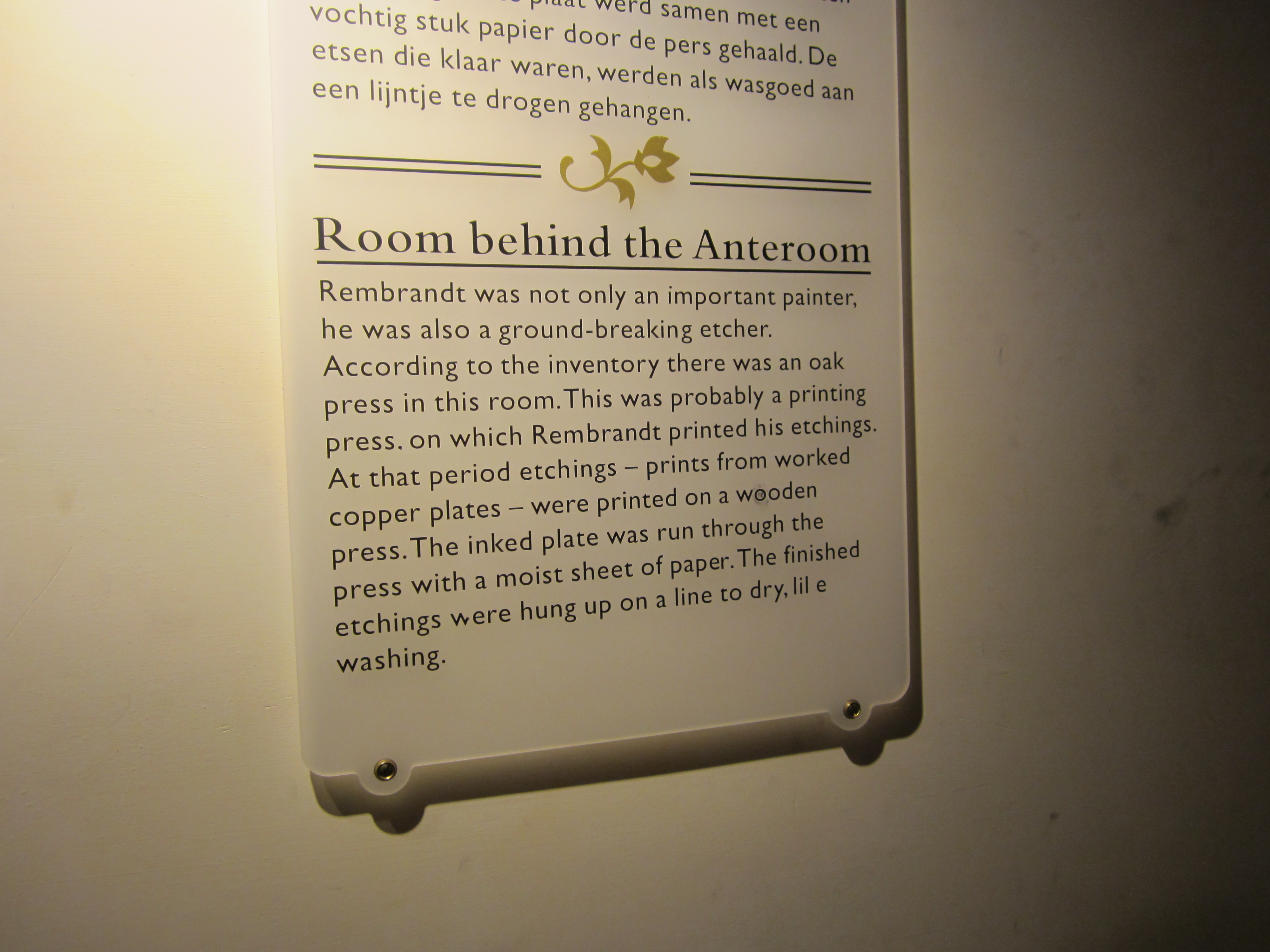
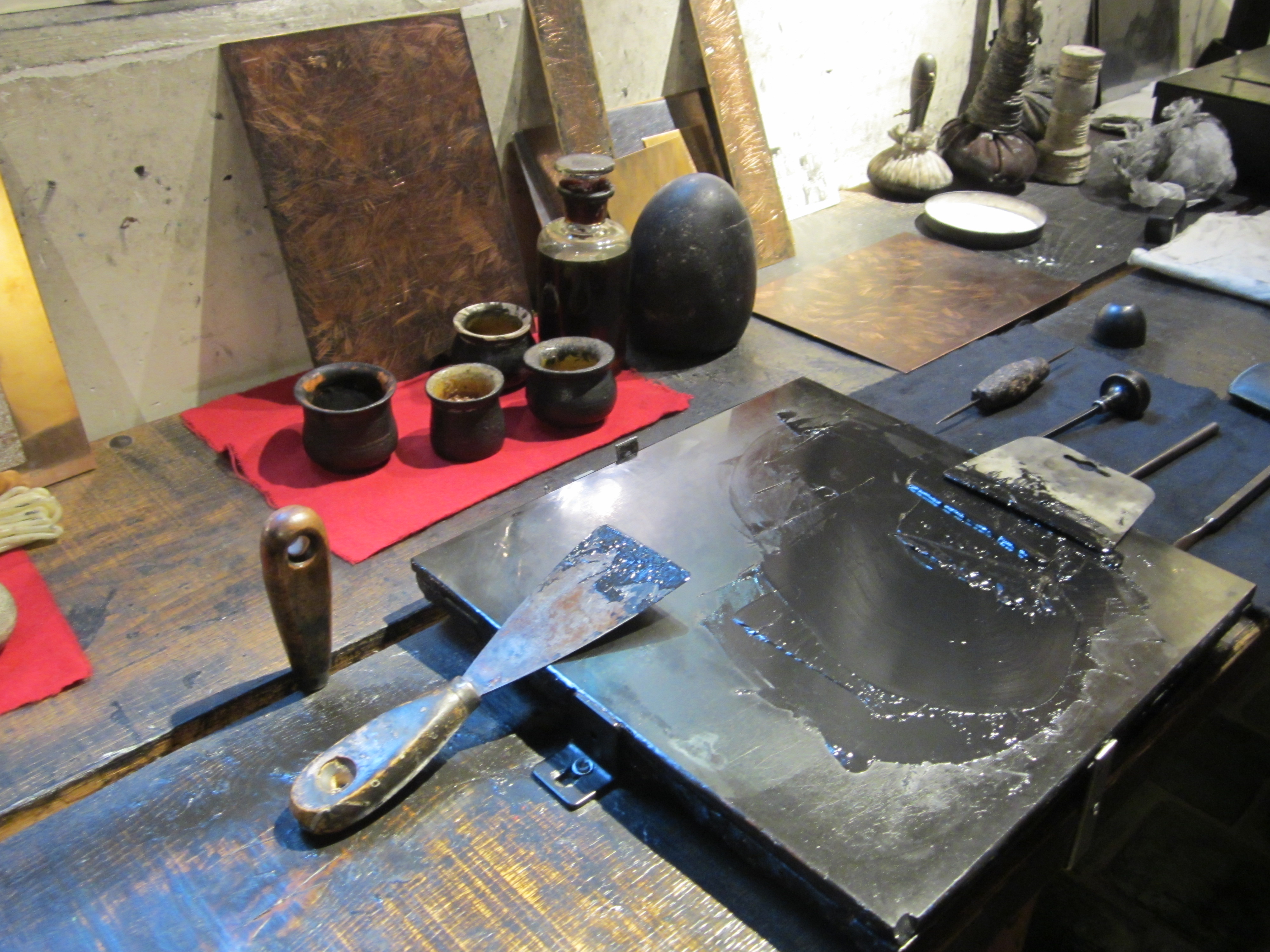
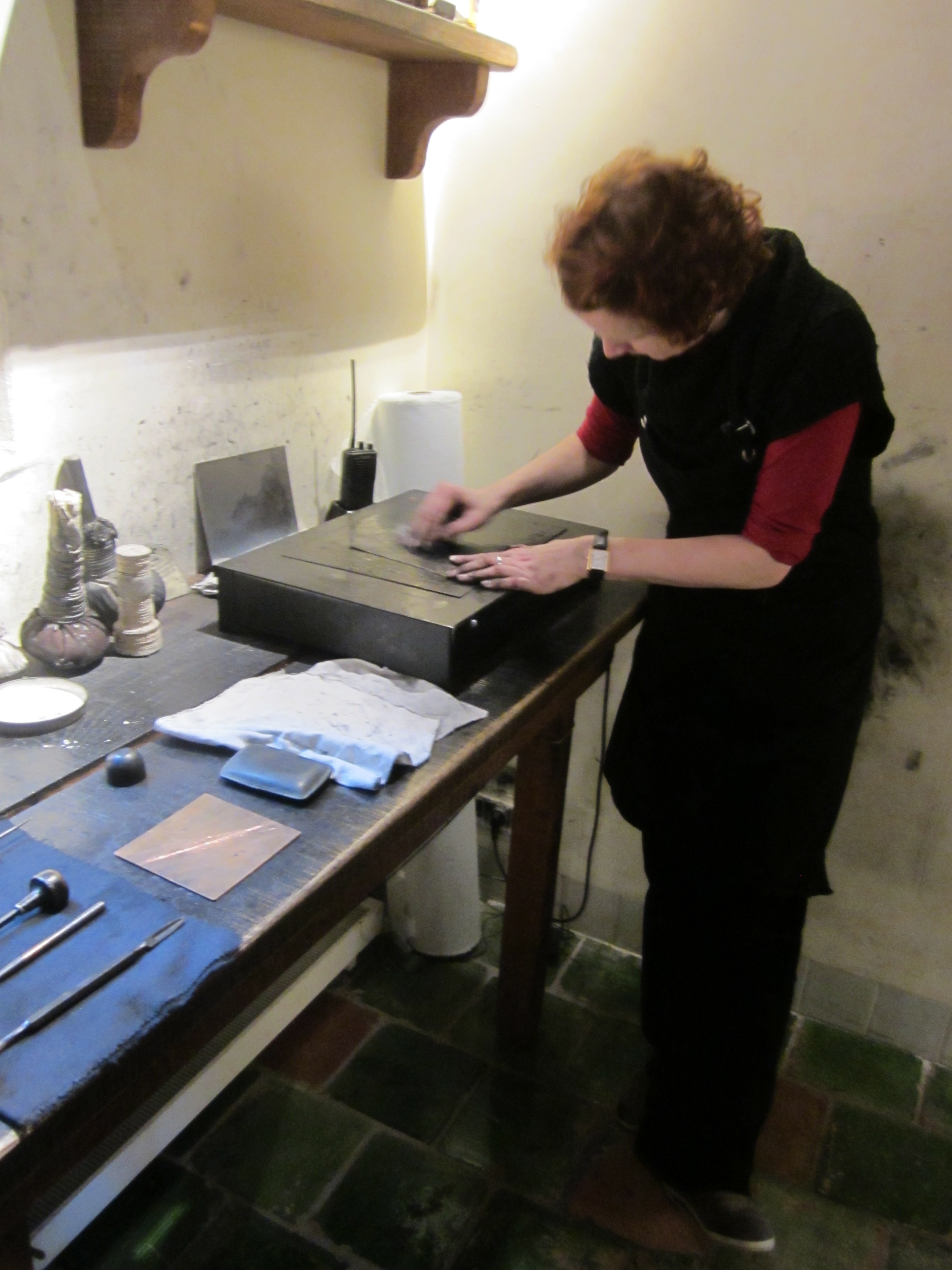
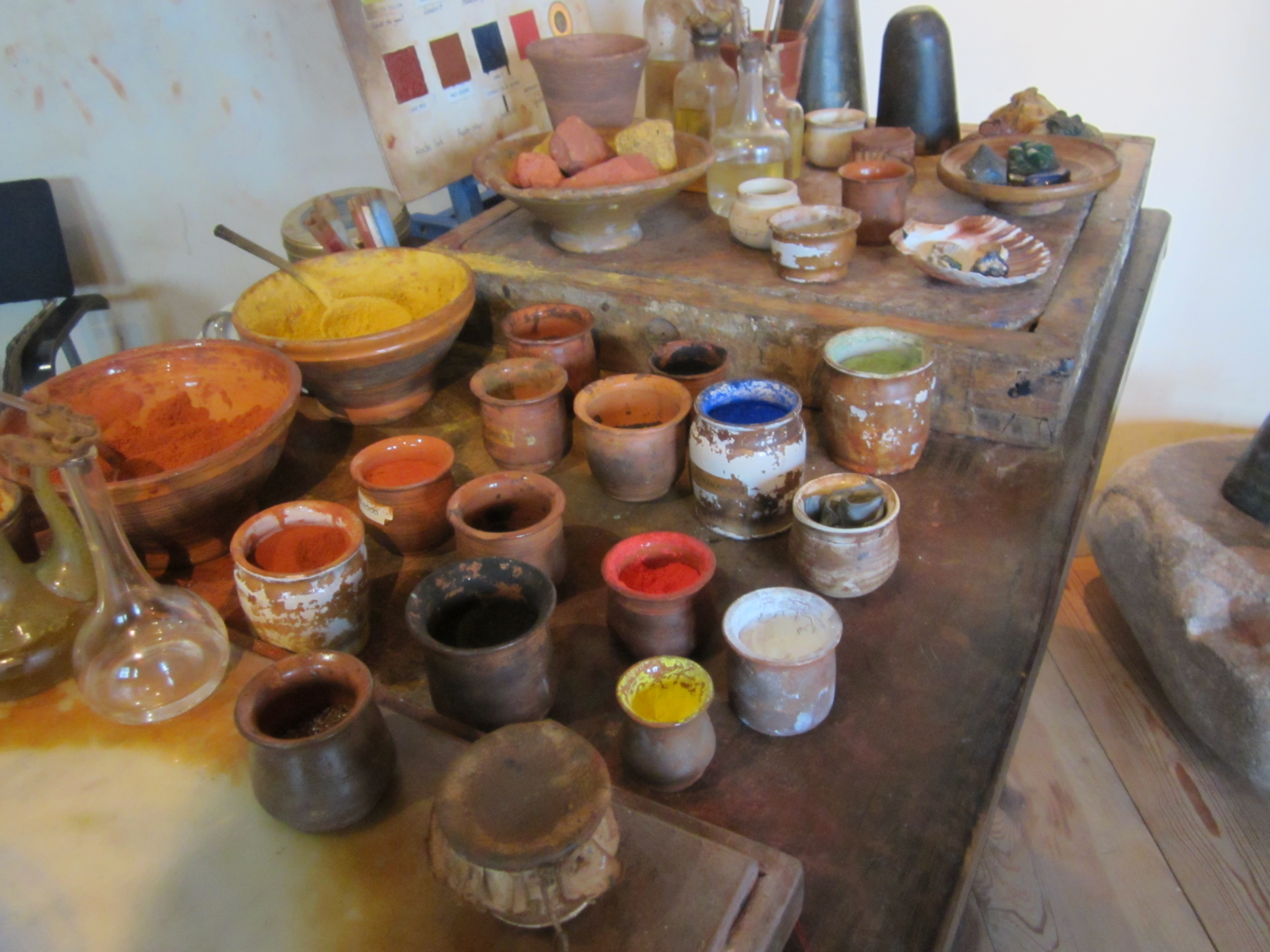
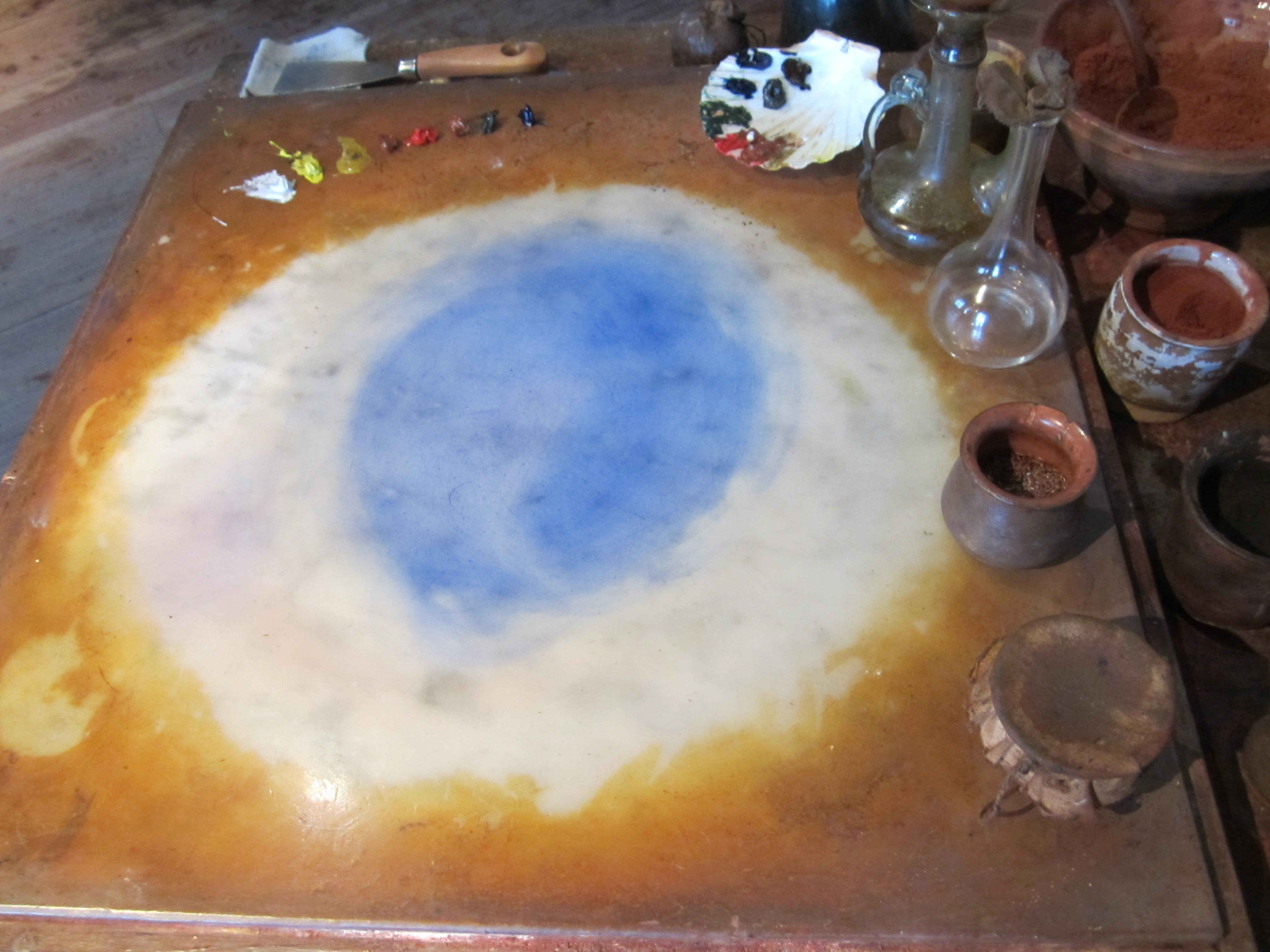
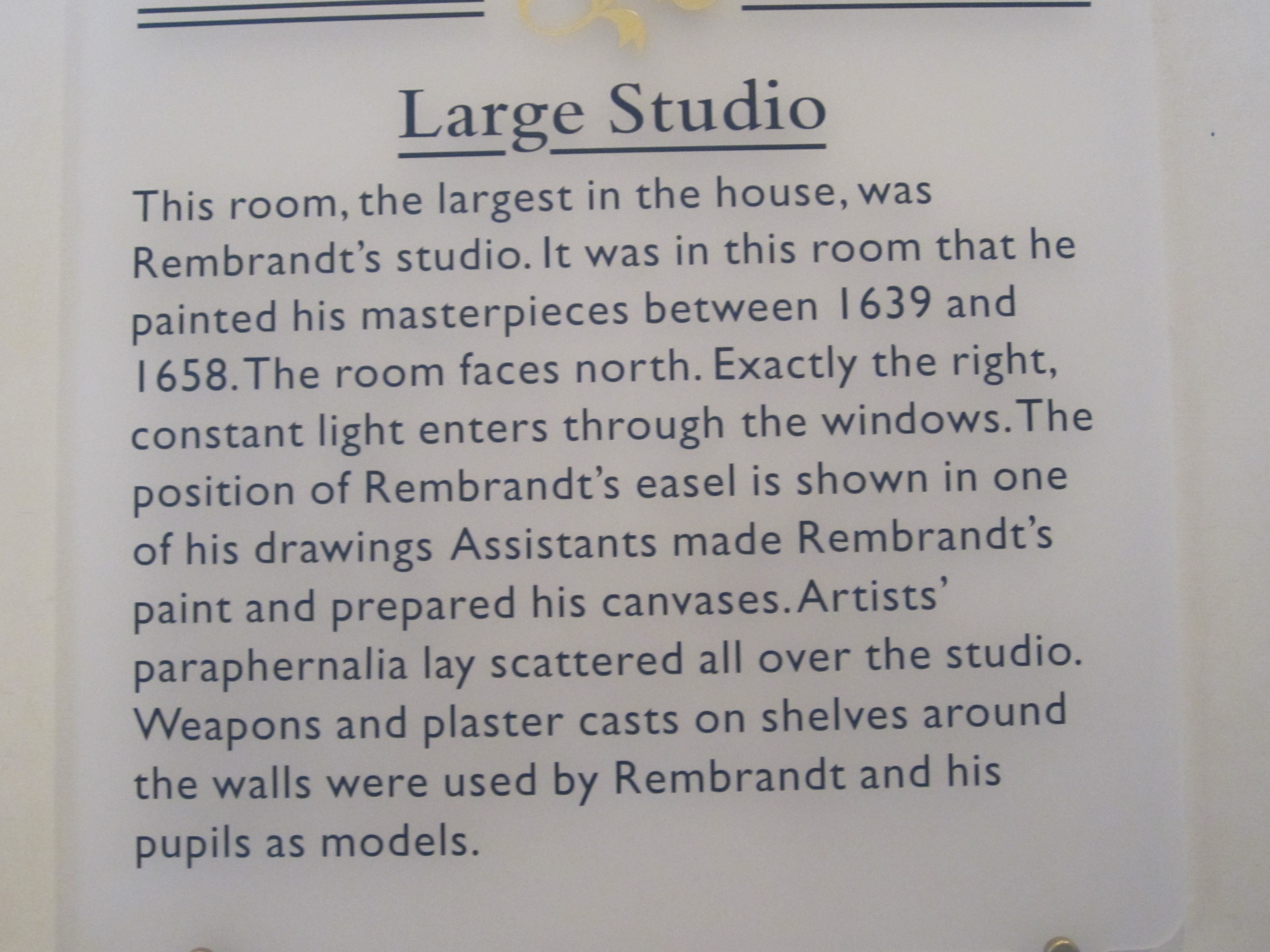
Rembrandt bought the house in 1639, just a few years after he painted The Anatomy Lesson, the same year he was commissioned to paint Nightwatch. He was living large, but only for the next 15 years. He went bankrupt in 1656 and was forced to auction off his house and assets. Luckily, the house was never torn down and was bought by the city of Amsterdam in 1906. It has been beautifully restored to the condition it would have been in during Rembrandt’s day, including many reproductions of his own and other paintings he collected. The museum staff offers daily art demonstrations in the etching and painting studios.

If you can’t get there soon, maybe you can still enjoy my photos. They’re not the best quality, but you get the idea.

IMG_1630 IMG_1632 IMG_1636 IMG_1637 IMG_1640 IMG_1642 IMG_1643 IMG_1645 IMG_1647 IMG_1648 IMG_1649 IMG_1650 IMG_1652 IMG_1654 IMG_1655 IMG_1657 IMG_1658 IMG_1659 IMG_1660 IMG_1661 IMG_1662 IMG_1663 IMG_1664 IMG_1665

IMG_1666

IMG_1667

IMG_1481

The Anatomy Lesson by Nina Siegal: Highly recommended

The Rembrandthuis in Amsterdam: Also highly recommended

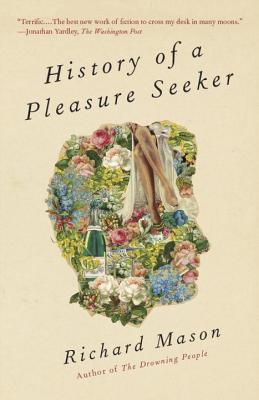
For further reading: I highly recommend another historical novel set in Amsterdam: History of a Pleasure Seeker by Richard Mason. Read my post about that book and the Willet-Holthuysen Museum in Amsterdam here.

History of a Pleasure Seeker - US paperback cover

History of a Pleasure Seeker – US paperback cover