Monet’s Window in Rouen

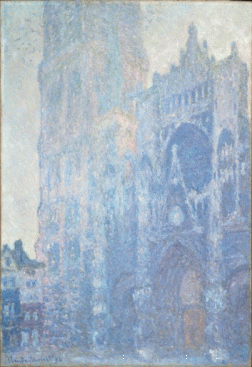
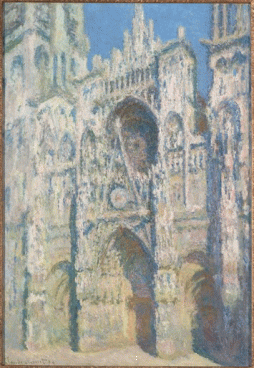
Many of us have seen the series of Monet’s paintings of the Rouen Cathedral at the Musée d’Orsay and have marveled at the difference in the light in each painting. We probably know the story: Monet kept up to 14 different canvases going at a time, and switched from one painting to another as the daylight shifted on the cathedral. It’s almost magical to see the differences.

tmp_8c5be5ac240e4976efde4db54b60e83atmp_d51228784af1404b5600cb06a29e6266

Here’s a great Smarthistory video created by two art historians, Dr. Beth Harris and Dr. Steven Zucker, in which they discuss Monet’s Rouen Cathedral Series. It’s worth a quick five minutes of your time if you’re a fan of Impressionism.

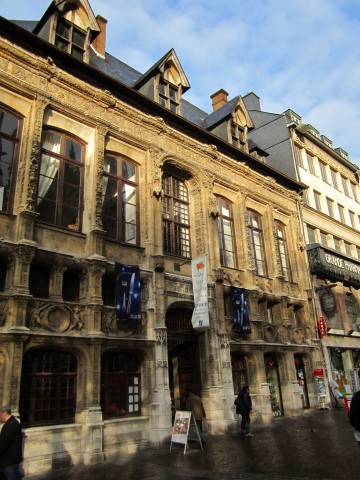
What a thrill it is to be able to travel to Rouen (just an hour’s drive from Paris, past Giverny  on the way to the Normandy shore) and stand in the very place where Monet stood when he created those paintings. He painted some of them en plein air from the Cour d’Albone in front of the cathedral,  but the rest from the second floor of the building across the street, 25 Place de la Cathédrale. Back in Monet’s day it was the Finance Bureau, but today this is the home of the Rouen Seine Valley Tourist Office.

It would be from this makeshift atelier that Monet would create 28 different paintings of the western view of the cathedral between 1892 and 1893.  All of these paintings were supposedly created in two different painting sessions, which might sound suspicious, unless you’ve actually been to Rouen and see for yourself how quickly the weather changes. You can have sun, clouds and rain all within an hour. Monet might have been forced to switch canvases, not because he wanted to, but because he had to. The light would have been changing so quickly, he wouldn’t get much painting done unless he had multiple canvases.

232323232fp43368>nu=4375>256>236>WSNRCG=35-672-6-7327nu0mrj

The Rouen Seine Valley Tourist Office across from the Rouen Cathedral. Although the sun is shining, notice the wet pavement. Sudden shifts in weather conditions are common, just as they were back in Monet’s day.


And if it’s not enough just to stand in Monet’s footsteps, you can also sign up for an art workshop where you get to paint Monet’s cathedral for yourself. I didn’t find out about this until after I’d left Rouen, but I’m dying to try it the next time I go. Check it out here. The workshop includes a tour of the Rouen Musée des Beaux Arts and a Monet-inspired dinner.

If you’re not able to swing a trip to Rouen, you can always catch two of Monet’s Rouen Cathedral paintings in the United States at the National Gallery of Art in Washington, D.C., one at the J. Paul Getty Museum in LA. If you want to take your hand at creating your own little Rouen Cathedral masterpiece, you can download this stencil from NPR’s website.

If you really want to feel like Monet, download 14 copies and have a go at each one a little differently. Cheers!

Little Women in Dinan, France

little women abroadLittle Women Abroad, edited by Daniel Shealy (University of Georgia Press, 2008), is a wonderful account of the Alcott sisters’ trip to Europe together in 1870. Most readers will be interested in the travels and insights of the most famous sister, Louisa May Alcott, but for an artist, the real thrill is to see France through her little sister Abigail May’s eyes.

Most of us know Amy, the precocious little sister in Little Women who dreamed of becoming an artist. Few of us know much about Louisa’s real little sister Abigail May Alcott Nieriker (“May”), who did indeed grow up to be an accomplished artist. Unfortunately, May’s story ends tragically. She married at the age of 38, only to die one year later after giving birth to her first child.

May Alcott began to study art in 1856 when she was just sixteen years old. She studied with Stephen Salisbury Tuckerman, William Rimmer and finally William Morris Hunt, all of whom offered single-sex studio classes for Boston women. Hunt had studied at the Ecole des Beaux Arts in Paris and no doubt extolled the virtues of study abroad. May’s fellow students such as Elizabeth Boott, Sarah Wyman Whitman and Elizabeth Bartol were all making plans to study in France by the late 1860s and early 1870s.

After Louisa May Alcott achieved financial success with Little Women in 1868, the two sisters planned a trip to Europe with their friend Alice Bartlett. The women traveled by the French steamship Lafayette and arrived at the western port of Brest in Brittany in April, 1870.

It was May’s first trip to Europe and she was completely enchanted with France. Their first extended stay was in Dinan, a lovely medieval town in the middle of Brittany. May sent home sketches of a variety of scenes throughout Dinan, many of which are nicely reproduced in Little Women Abroad. It appears that all of May’s sketches were in pencil or pen and ink. In one of her letters, she said she wished she had been trained how to paint en plein air so she could capture the beautiful colors. Nevertheless, her sketches are sufficient to be able to identify the buildings and ruins which still stand today.

Here is a Google Map of the Alcott Sisters Sites in Dinan, in case you’re lucky enough to venture there yourself someday. Dinan is a beautiful little city which makes for a lovely day trip from a larger home base in Brittany such as St. Malo. Dinan has 13th century castles, gothic churches, bell towers, narrow winding streets and beautiful timbered architecture.

Until you can get there yourself, here is a photo tour of the Dinan sites in Little Women Abroad, starting with the building that once housed the pension in which the Alcotts stayed. It was just outside the fortified walls of the town, next to the Porte Saint Louis and just down the street from the Dinan Castle.

IMG_4571

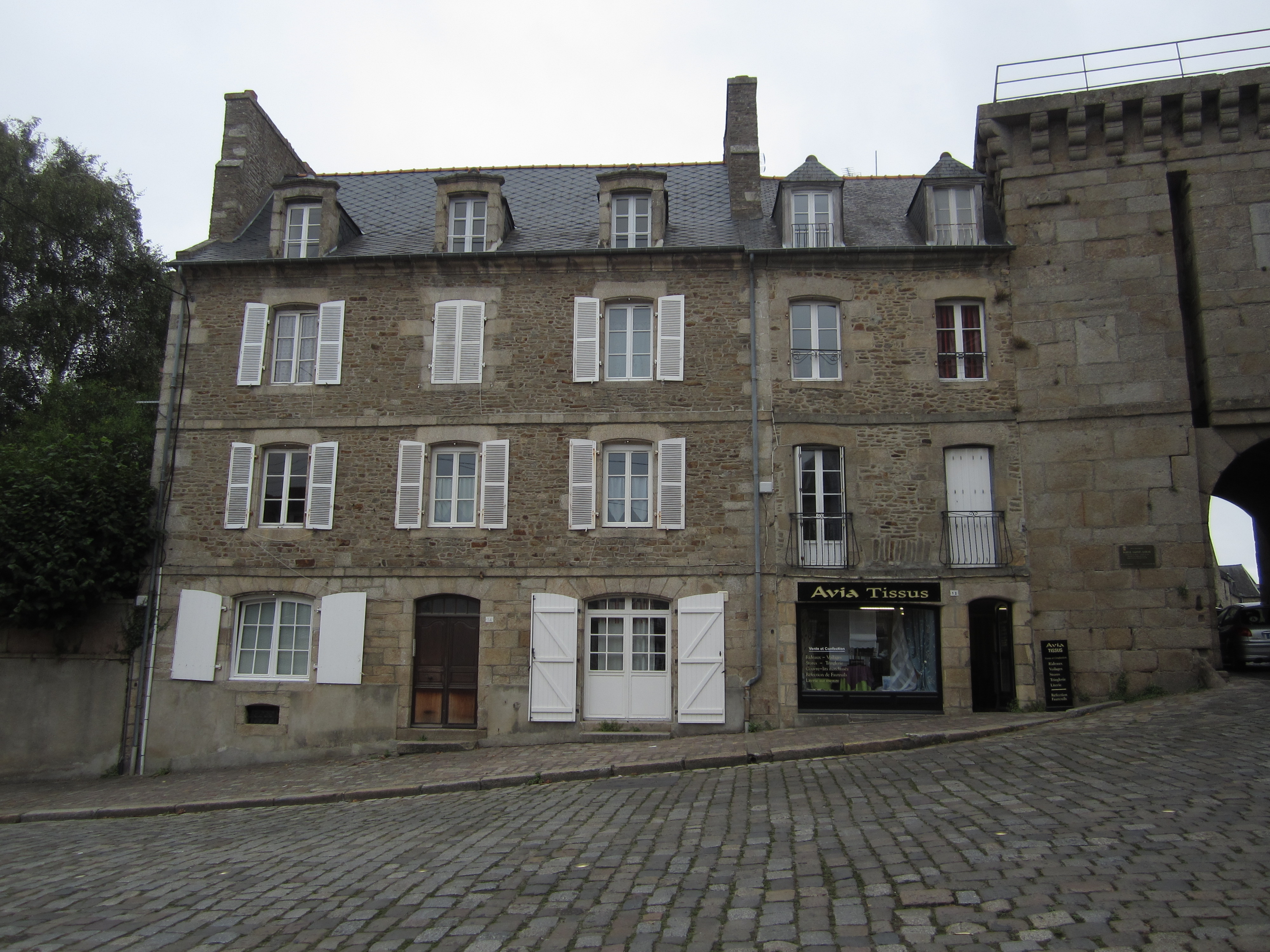
14 Place Saint Louis, Dinan, France, the location of Madame Coste’s pension where the Alcott sisters stayed from April to June, 1870.  As Louisa May Alcott described it in a letter dated April 24, 1870: “We are living, en pension, with a nice old lady just on the walls of the town with Anne of Brittany’s round tower on the one hand, the Porte of St. Louis on the other, and a lovely promenade made in the old moat just before the door.”

IMG_4570

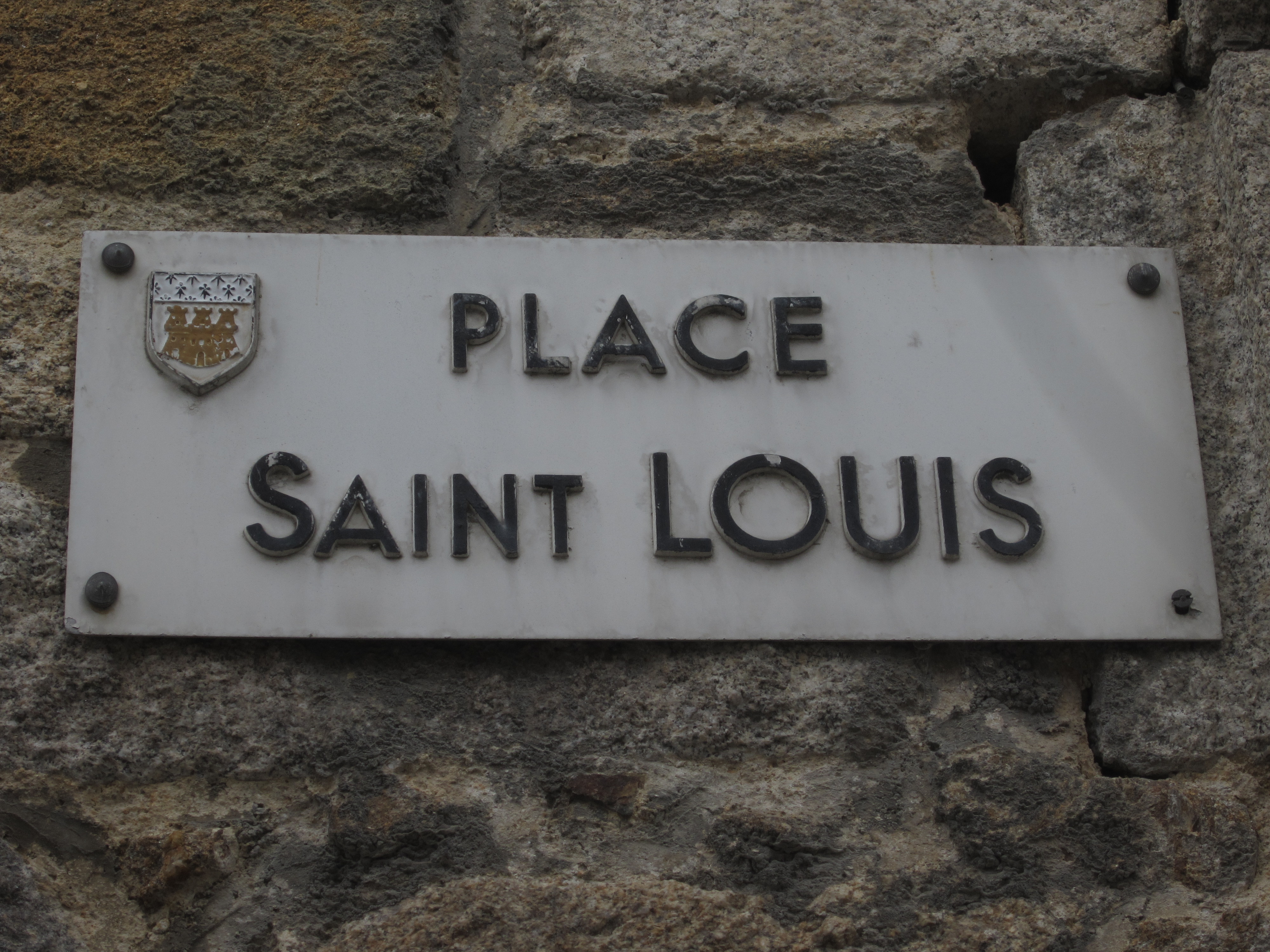
The plaque in the wall at Place Saint Louis, Dinan, France

The Porte Saint-Louis, located next to the Pension de Madame Costes

The Porte Saint-Louis, located next to the Pension de Madame Costes

The Dinan Castle, just down the street from Place Saint Louis, which May Alcott called Anne of Brittany's Round Tower. Built in the 1300s.

The Dinan Castle (which Louisa May called Anne of Brittany’s Round Tower), located just down the road from Place Saint Louis. Built in the 1300s.
IMG_4583

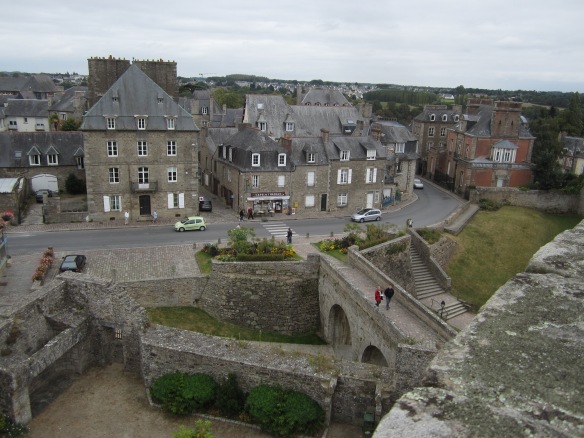
The view of Dinan from atop the Dinan Castle. As May said in an April, 1870 letter to her mother: “From the top of her [Queen Anne’s] tower is the most superb view all over the country, and I am expecting great things in going to see it.”

May Alcott spent her time sketching throughout the medieval village, so full of “enchanting old ruins, picturesque towers and churches, and crumbling fortifications, that it almost seems like a dream.” There were so many good scenes for sketching that she didn’t think she could do them justice. As May said in a letter home:

I long to make pictures on every hand, but get extremely discouraged when I try, as it needs all the surroundings to make the scene complete.

May recommended Dinan to her fellow artists in a guidebook she would later write:

Here an artist can rest with delight for many months, as everything from the adjacent country, which is thought to be the most beautiful in Brittany, to the ancient gateways and clocktower in a street so narrow that the gabled roofs meet overhead, is sufficiently attractive to keep the brush constantly busy.

May visited or sketched nearly everything in town, from the Basilica of St. Saveur:
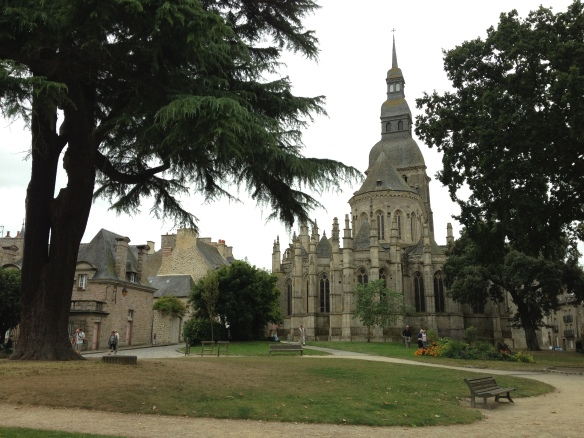
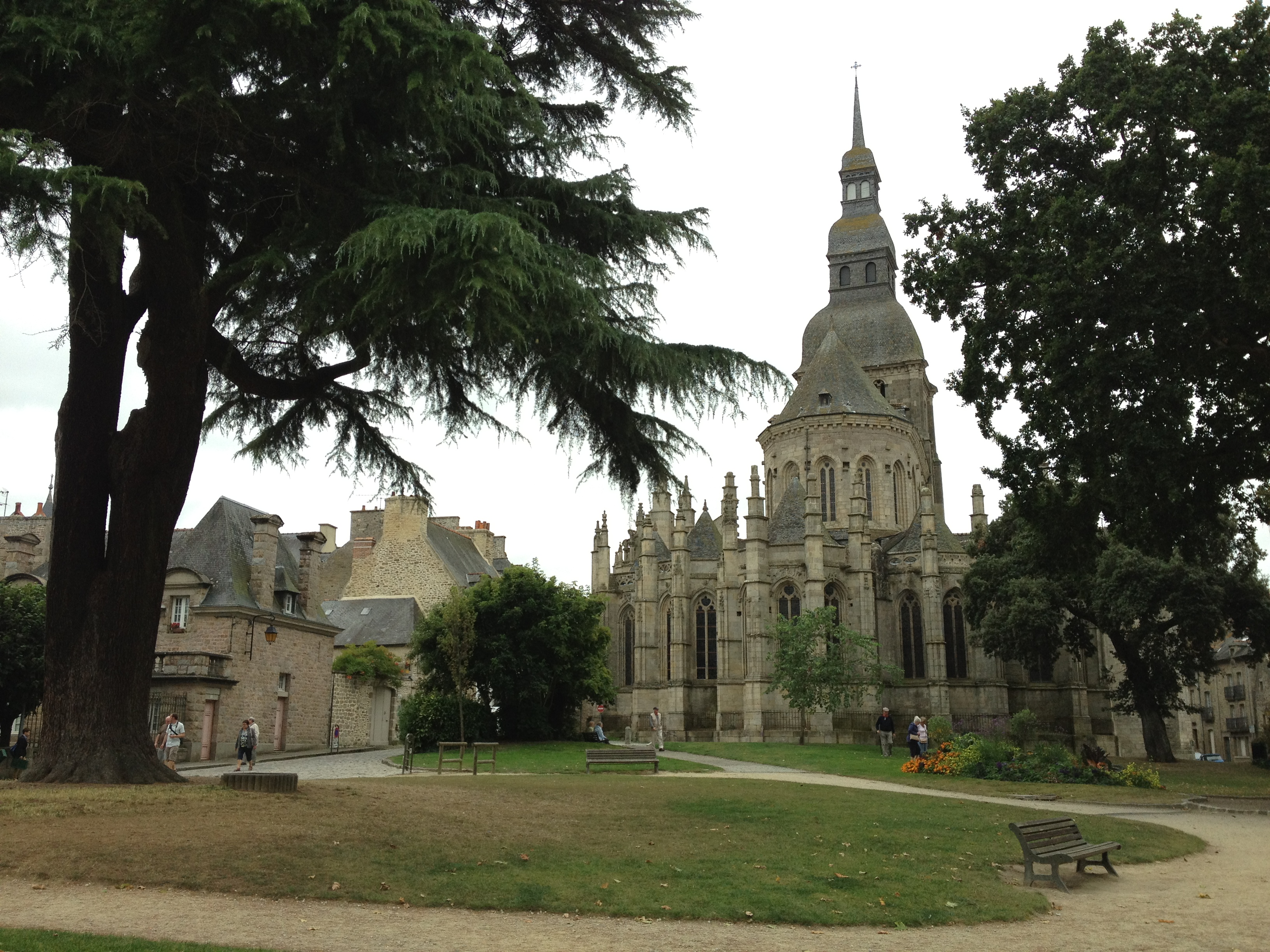
The gardens behind Basillica St-Saveur in Dinan, France

“Yesterday we went to some lovely gardens surrounding the most beautiful gothic church.” – May Alcott,  letter dated April 20, 1870 . This is a photograph of the small park and gardens that stand behind the Basilica St-Saveur today. Originally built in the 11th and 12th centuries, a Gothic chapel was added in the 15th century.

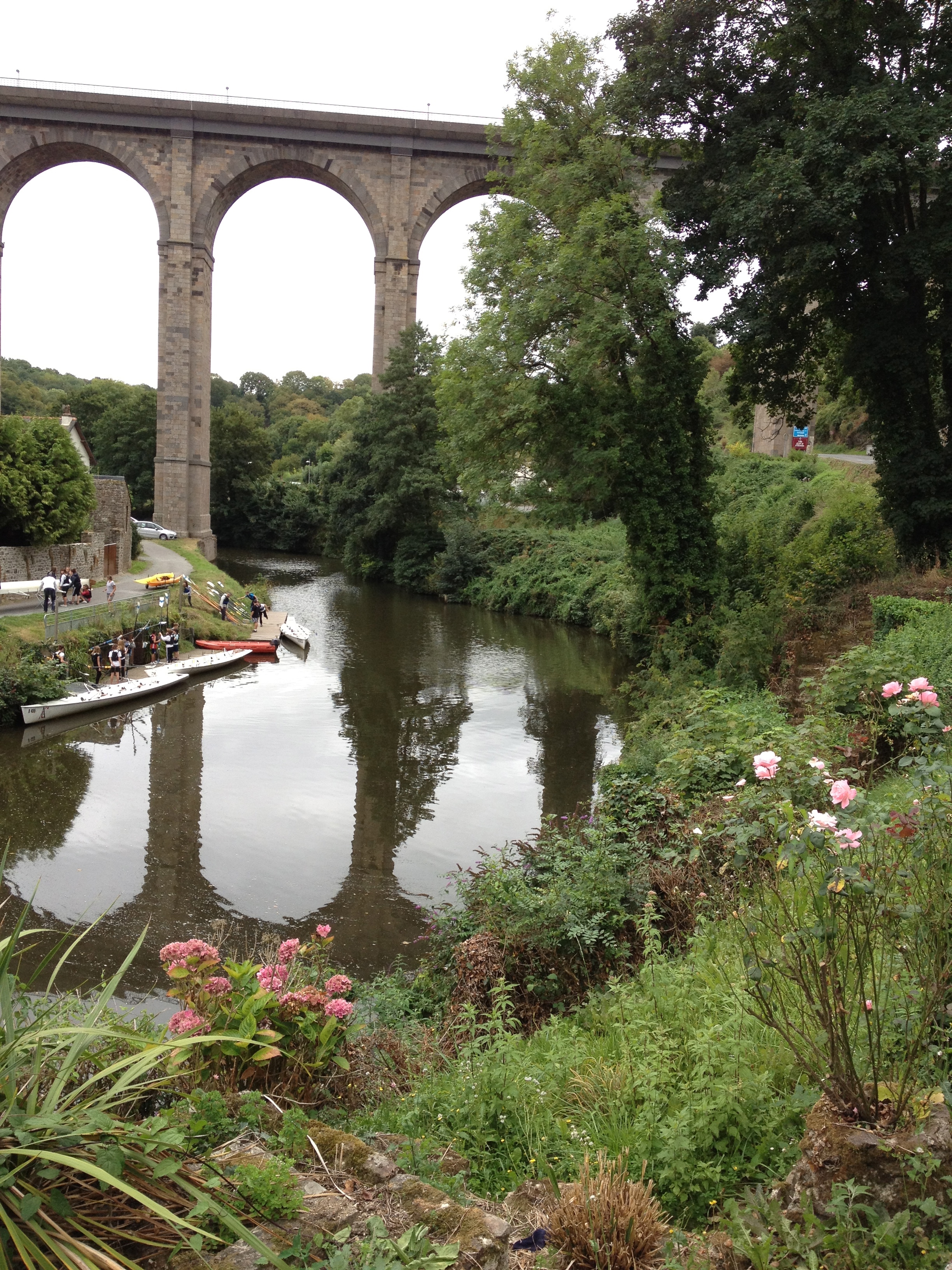
to the Viaduct of Dinan over the River Rance:

"The grand viaduct which, according to Murray [the Alcott's 1870 guidebook to France] is about the finest in the world, fairly took away my breath." -- May Alcott in a letter to Anna Alcott dated May 30, 1870

In a letter to Anna Alcott dated May 30, 1870, May Alcott said: “The grand viaduct which, according to Murray [an 1870 guidebook] is about the finest in the world, fairly took away my breath.”
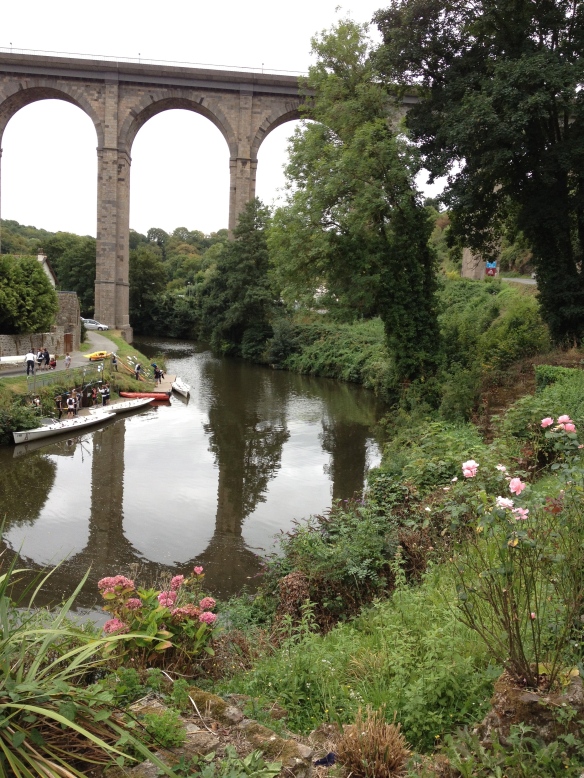
IMG_3340

The grand viaduct across the River Rance in Dinan is still breathtaking. The day I was there the local rowing club was preparing for practice on the other side of the river.

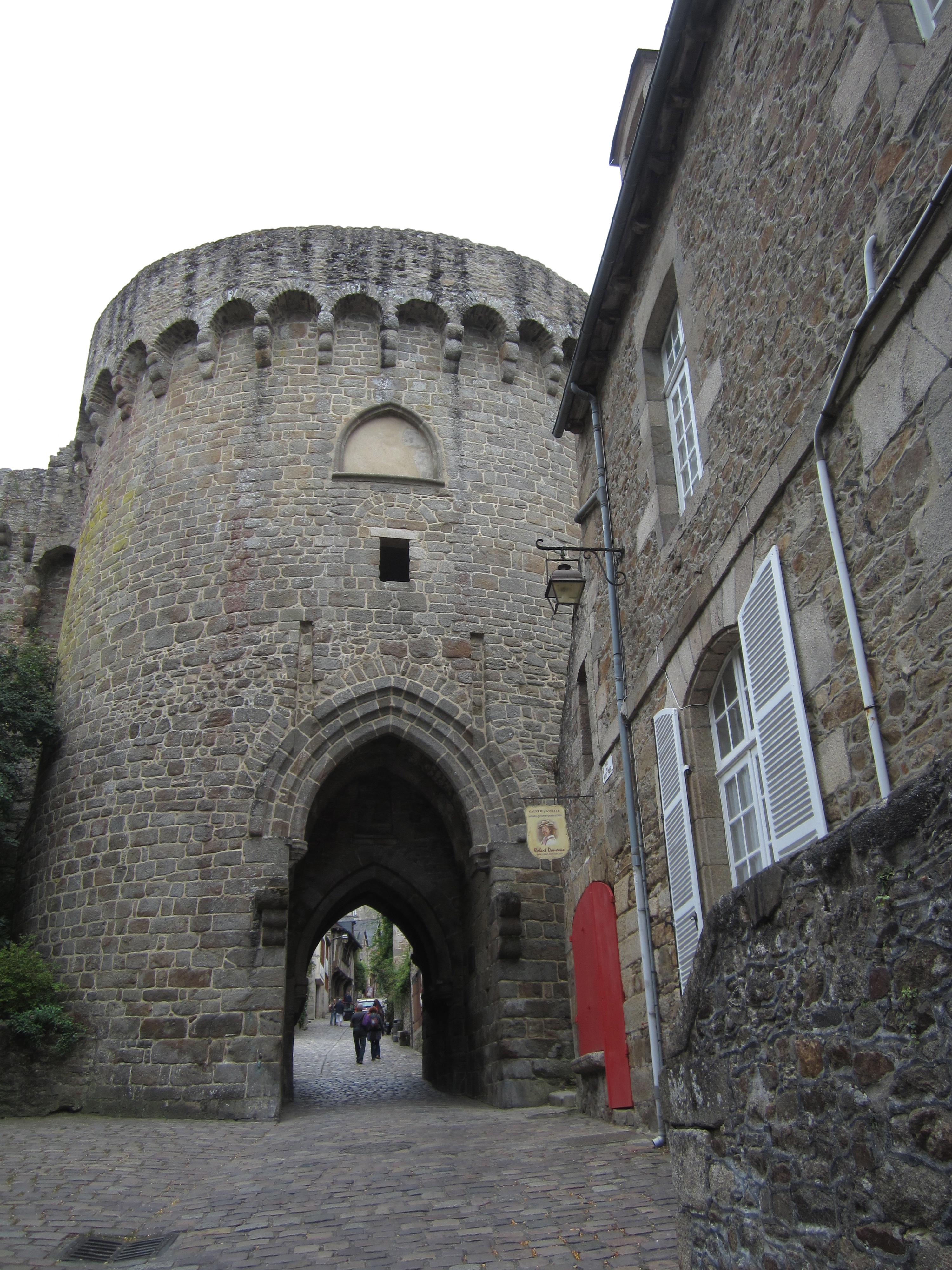
May sketched the Porte of Jerzual and the steep little rue de Jerzual, which winds down from the upper village to the river, and is lined with timbered old shops that lean in over the cobblestoned street:

IMG_4614

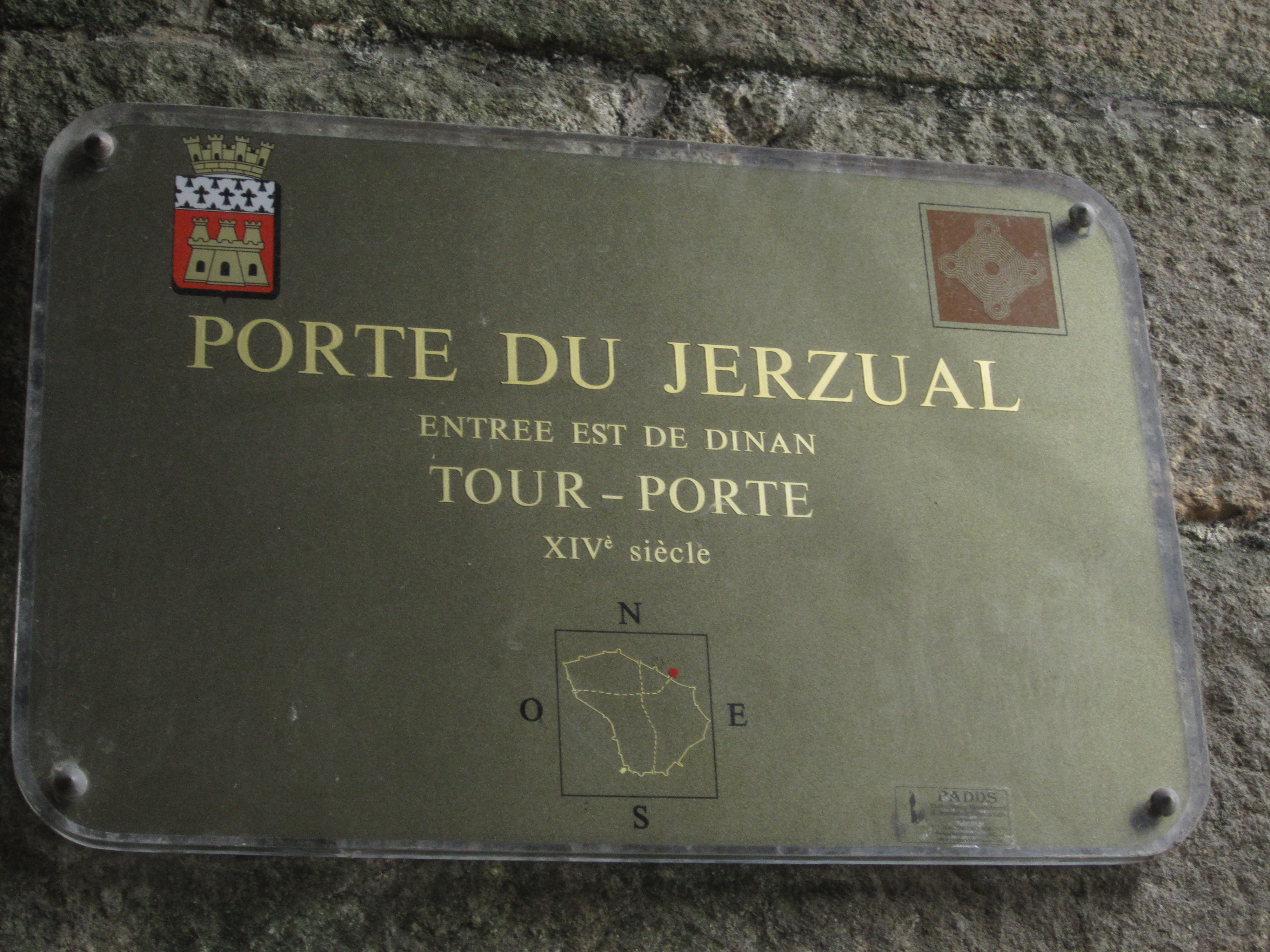
Porte du Jerzual, Dinan, France

Porte du Jerzual, Dinan, France

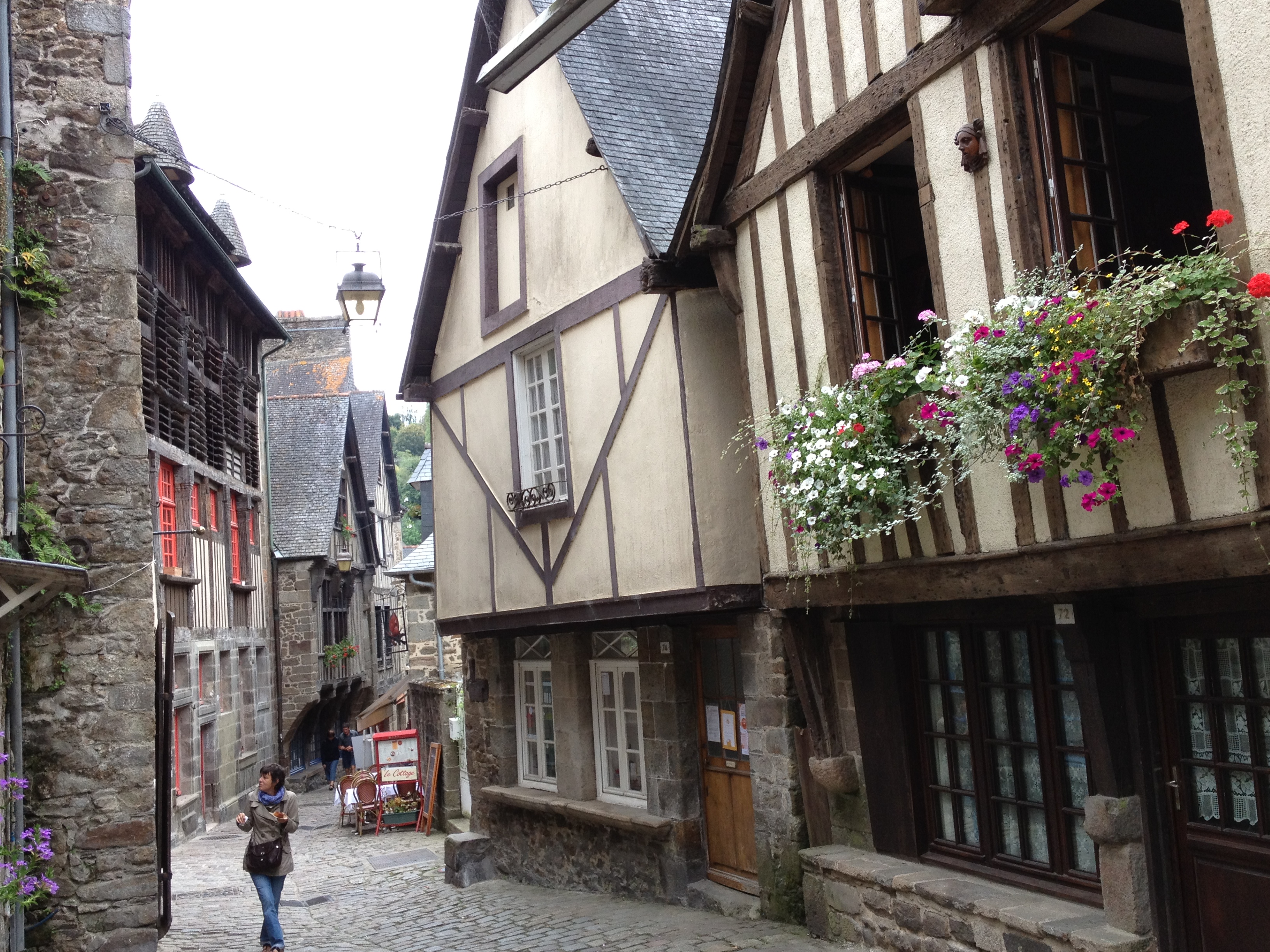
A scene from rue de Jerzual in Dinan. As May said in a letter home dated April 29, 1870: "Yesterday we down the oldest street in town, (where, in spite of the steepness, Queen Ann's carriage is said to have trundled over it), to the river which runs at the foot. The houses overhang the street in funny little gabled stories almost shutting out all light from above, and it being very narrow & extremely steep, you can see it was a sensation to have explored it."

A scene from rue de Jerzual in Dinan. As May said in a letter home dated April 29, 1870: “Yesterday we went down the oldest street in town, (where, in spite of the steepness, Queen Ann’s carriage is said to have trundled over it), to the river which runs at the foot. The houses overhang the street in funny little gabled stories almost shutting out all light from above, and it being very narrow & extremely steep, you can see it was a sensation to have explored it.”

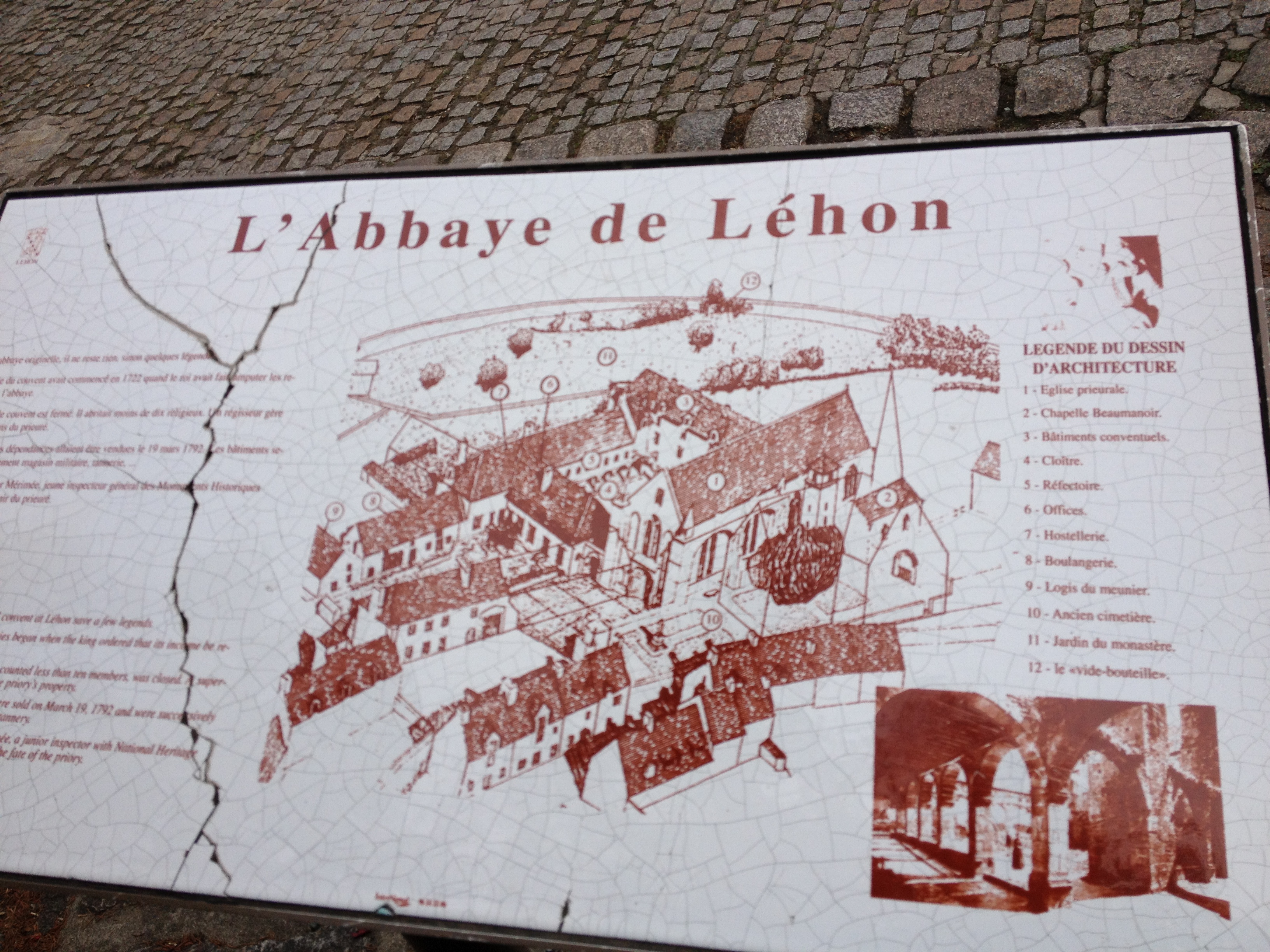
In their letters home, the Alcott sisters both mention their visit to the neighboring village of Léhon, which is just a mile or so down in the valley from Dinan along Route D12. Louisa May wrote home after going to a fair in the village and said (in a letter dated April 20, 1870):

May is going to sketch the castle so I won’t waste paper describing the pretty place with the ruined church full of rooks, the old mill with the water wheel housed in vines, or the winding river, and meadows full of blue hyacinths and rosy daisies.

IMG_3354

The remains of the Léhon castle in the background.

IMG_3370

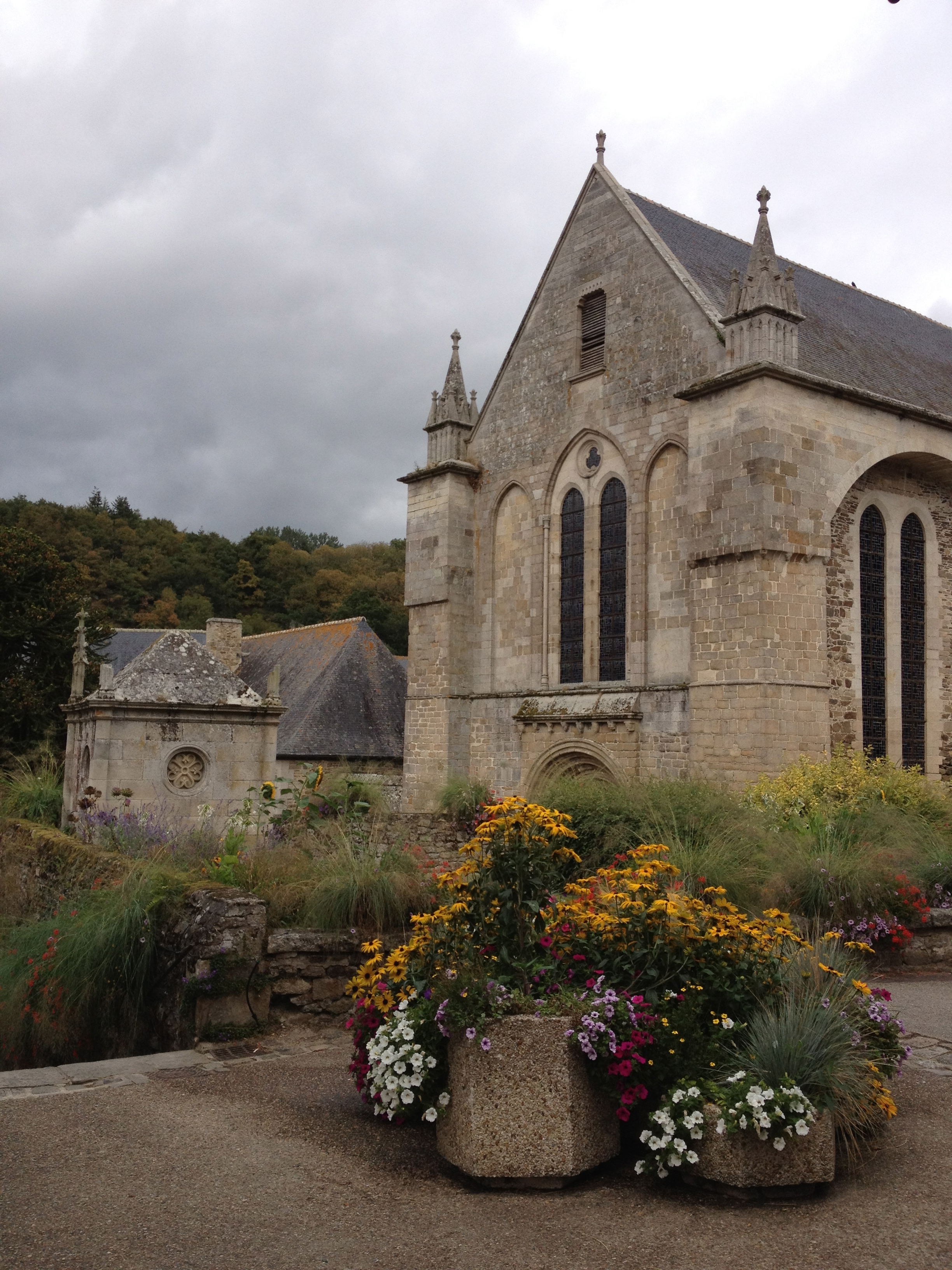
The Abbey and Chapel in Lehon, France, once sketched by May Alcott
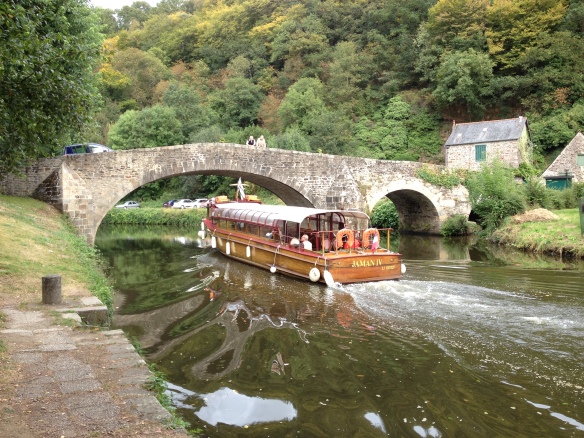
The Abbey Church in Lehon, France, once sketched by May Alcott

The River Rance through Léhon, France.

The River Rance through Léhon, France.

The Alcotts also visited the Chateau de la Garaye, a lovely site located just a couple of miles from the village of Dinan. May wrote home to tell her mother about the beautiful ruins there:

I have tried to sketch from memory a lovely old ruin, where we spent the day yesterday, but can give you a very indefinite notion of the gray old tower with ivy clinging to it in all directions, the rear walls having all crumbled away. The blue sky shone through the little ornamental windows in a way that was quite enchanting. It is only about two miles from Dinan and a pretty walk though the wood to the moat and great embattled walls, which surround the chateau.

Alice and I walked, while Lu went down in a donkey carriage. . . . We found a large party of English people already at the castle sketching it with pencil in colors. . . .
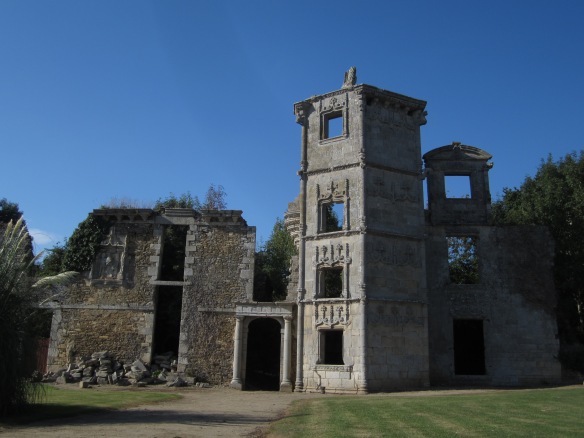
IMG_4685

The  ruins of the Chateau de la Garaye still stand today. “The blue sky shone though the little ornamental windows in a way that was quite enchanting.” — May Alcott, April 1870. It makes me so glad to know some things just don’t change in over 140 years.

IMG_4686

My own colored pencil sketch of the ruins of Chateau de la Garaye

May Alcott’s Life Beyond Dinan:

After the Alcott sisters left Dinan in the summer of 1870, they continued their European travels and proceeded to the Loire Valley, Switzerland and Italy. They found themselves the middle of the Franco-Prussian war which broke out that July but managed to find safety in Switzerland, along with many other refugees from Paris and Strasbourg. Louisa May returned to Boston the next summer, but May went on to study art in London on her own and didn’t return until November, 1871, when she was called home to help the rest of the family.

May Alcott returned to London and Paris in 1873 and then again in 1876. She would study at the Academie Julian in the Passage des Panoramas in 1876-77, and would attend the Paris Salon of 1877 where her own still life painting would be exhibited. She would be invited to Mary Cassatt’s home for tea, and would travel to the rather bohemian art colony in Grez in the summer of 1877. She was living a ground-breaking life as an American expatriate female artist.

In late 1877, while May was living on her own in London, she would learn that her mother had died. In her grief she developed a quick romance with Ernest Nieriker, a young Swiss businessman fifteen years her junior, to whom she would become engaged in March of 1878. The newlyweds would move to a lovely little home in the suburbs of Paris, where she dreamed of combining a career in art with marriage and a possible family. She would have yet another painting accepted in the Paris Salon, and would publish a guidebook for women artists called Studying Art Abroad and How to Do it Cheaply. At the end of 1878, May’s personal life and her art career were making gratifying moves forward.

studying art abroad

But then, in December of 1879, May Alcott Nieriker died six weeks after giving birth to her daughter Lulu. She was only 39 years old. Baby Lulu was first sent to live with her aunt Louisa May in the United States, but when Louisa May died just nine years later, young Lulu was returned to her father in Switzerland.

We are lucky to have been left with such a prolific record of May Alcott’s remarkable travels and experiences, even if they were short-lived. Thanks to the details and sketches provided in Little Women Abroad, we can follow along. It’s worth the trip.
Claude and Camille Along the Seine

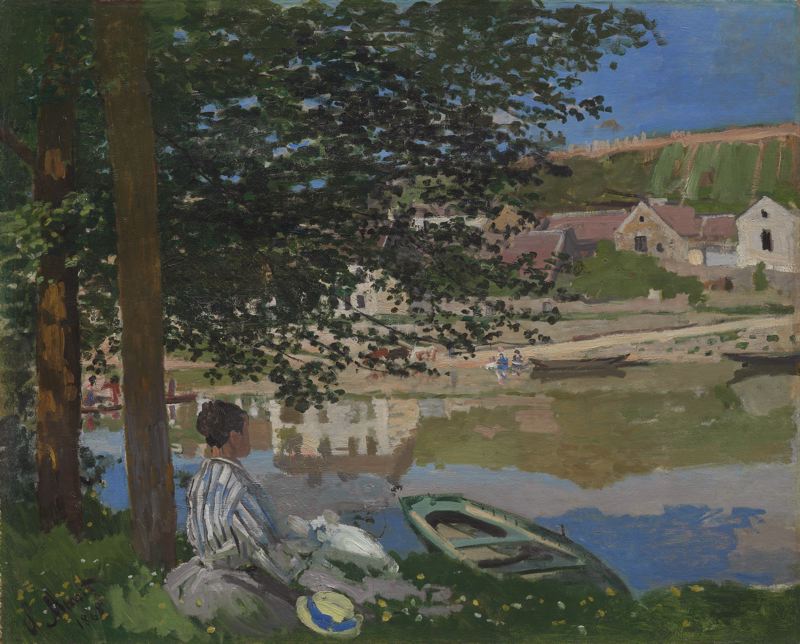
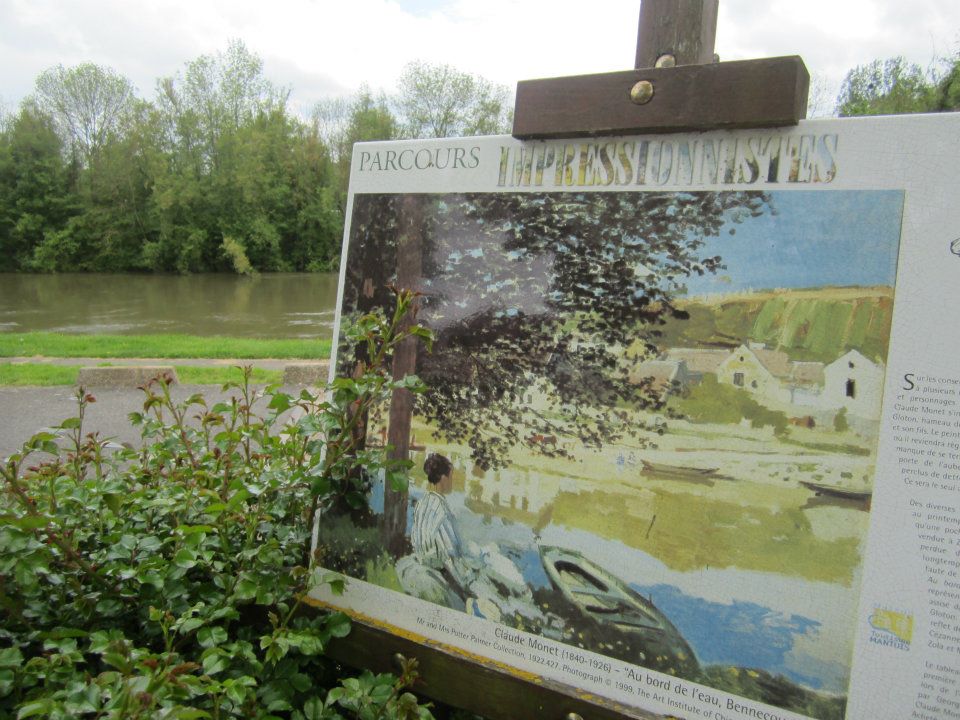
On the Banks of the Seine, Bennecourt, oil on canvas by Claude Monet, Art Institute of Chicago, Potter Palmer Collection

On the Banks of the Seine, Bennecourt (1868), oil on canvas by Claude Monet, Art Institute of Chicago, Potter Palmer Collection

This Monet painting has been a favorite of mine ever since my first bus trip to the Art Institute of Chicago as a young art student from Wisconsin. When I finally settled in Chicago as a young professional, I went back to the Art Institute again and again, always taking the time to stop in front of this Monet the longest. I even bought a poster reproduction and framed it in a bluish metal frame for my first Lincoln Park apartment.

So when I had a year to spend in Paris, I knew I wanted to try to track down the place this scene was painted. All I had to go on was “Bennecourt on the Seine.” Believe it or not, that was enough.

Bennecourt is about 16 miles from Giverny on some beautiful little back roads, and yes, it’s right on the river. So little remains the same along the banks of an old river like the Seine, I really didn’t expect to be able to recognize the exact spot where Monet painted. I just wanted to get out of the car and say I was there, that I was close.

In the painting, Claude’s first wife Camille is sitting on the Bennecourt side of the river, looking across at the inn they were staying at in Bonnieres-sur-Siene. The two-story inn is clearly reflected in the water, right in front of Camille’s face. The couple stayed here in 1868 when their first son Jean was only one or two. They weren’t yet married, and Monet was very much the struggling artist. He had not yet painted a single haystack or water lily.

My husband and I were driving along the Bennecourt side of the river, and I could sense the town was near. I was looking toward Bonnieres while my husband was talking away on an important international conference call. I practically screamed in his ear when to my sheer delight, I saw this sign, a part of the French government’s Path of the Impressionists:

A roadside sign on the banks of the Seine in Bennecourt, France.

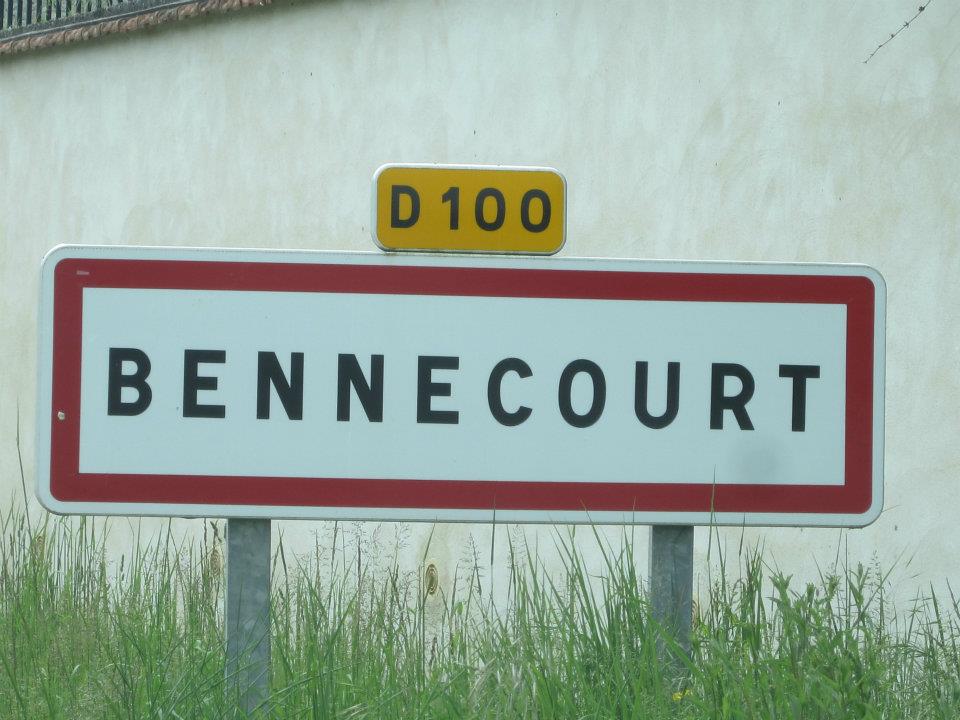
Along D100 in Bennecourt

Along D100 in Bennecourt

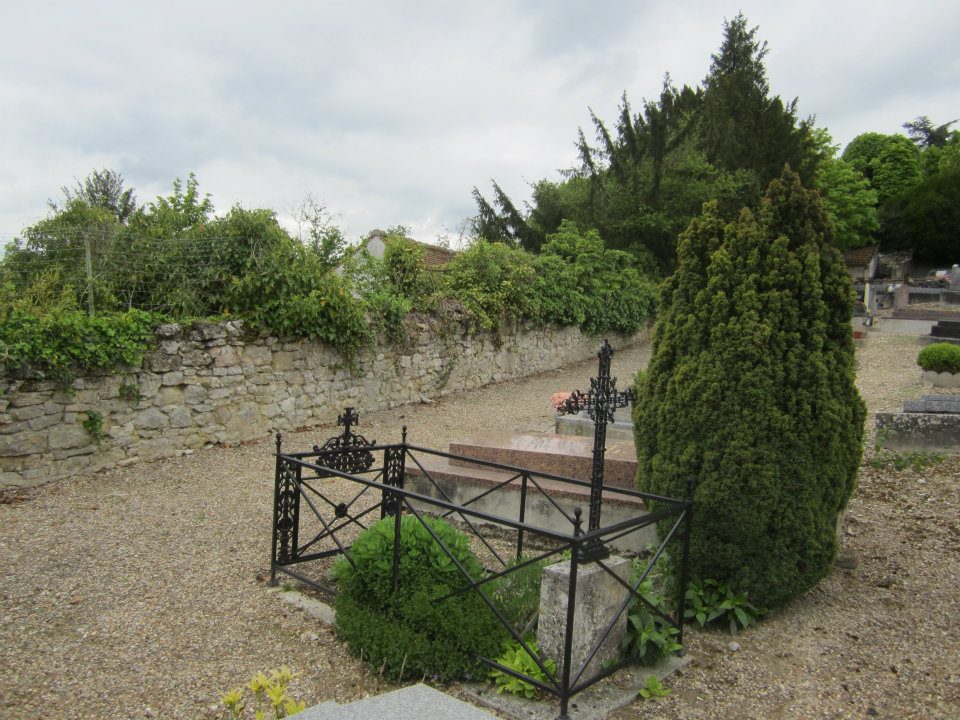
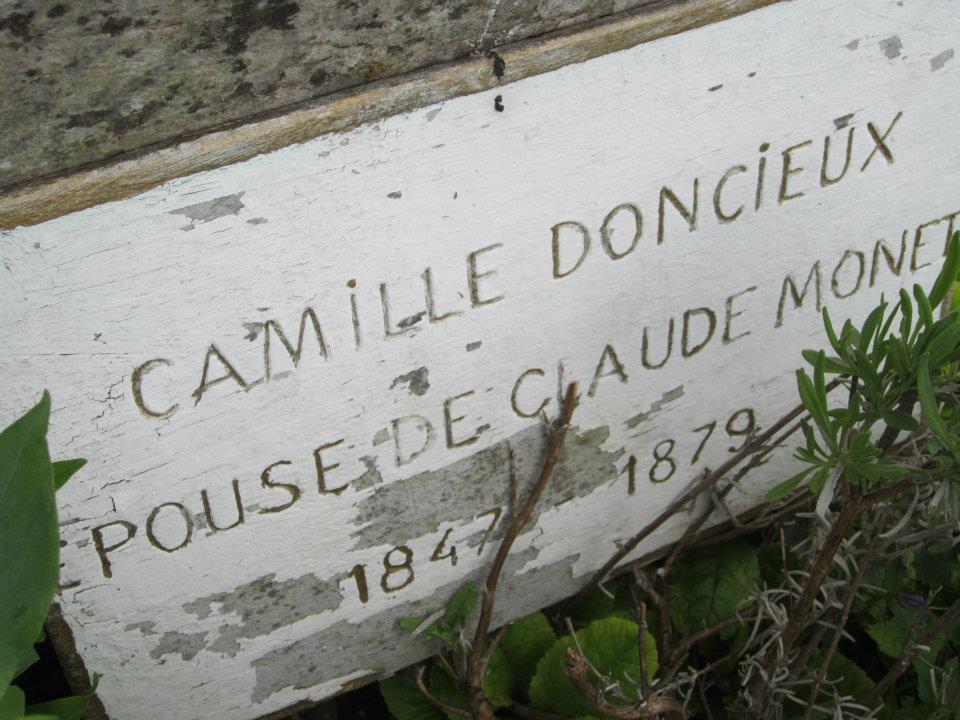
Once we found our way to Bennecourt, it wasn’t much further to get to Vétheuil, the town where Claude and Camille lived toward the end of Camille’s short life. You just follow the little D913 road along the river from Bennecourt to Roche de Guyon and on to Vétheuil. There, in the old cemetery behind the church lies the sad and lonely grave of Camille Doncieux.

Camille Doncieux grave in Venteuil, France

Camille Doncieux grave in Véteuil, France

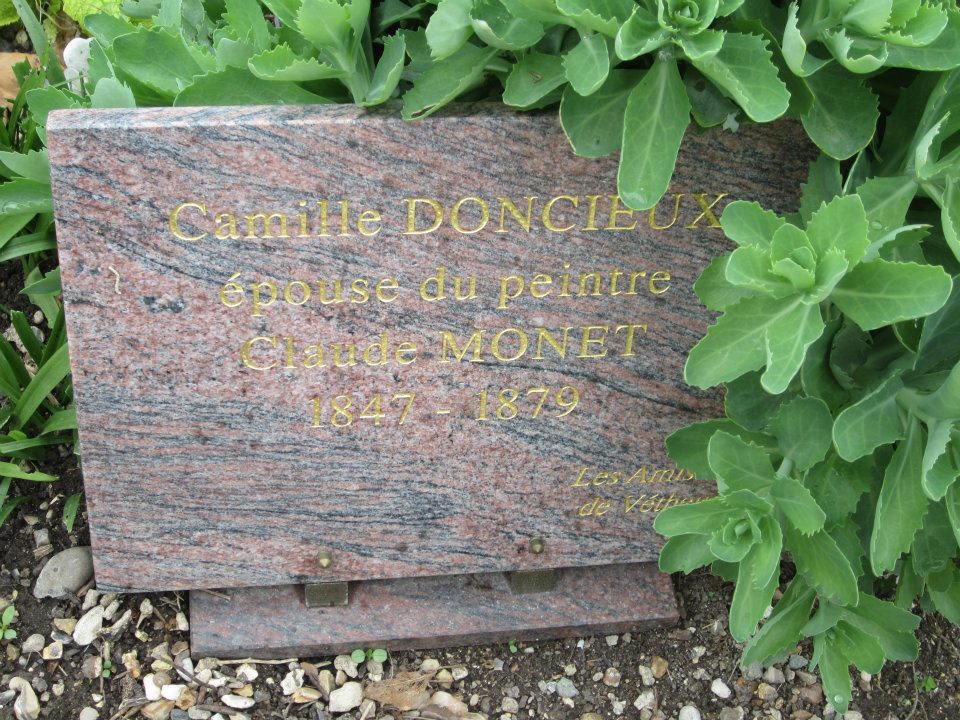
The new grave marker installed by a group of donors, Friends of Camille

The new grave marker installed by a group of donors, Friends of Véteuil

The old grave marker. There is no mention of her married name.

The old grave marker. There is no mention of her married name.

Vetheuil is a sad place to visit, knowing that Camille’s years here weren’t happy or healthy. By this time, Claude had already met his likely mistress and future wife, Alice Hoschedé, and their two families were living together in a strange mélange. Camille grew increasingly ill, suffering from an unknown ailment. Claude painted his last portrait of Camille on her deathbed in Venteuil.

Camille on her Deathbed by Claude Monet (187) Musée d'Orsay
Camille on her Deathbed by Claude Monet (187) Musée d’Orsay

If you haven’t already read Stephanie Cowell’s novel, Claude and Camille, I highly recommend it. Check out some of my other posts about Claude Monet in France, including Monet in Honfleur, A Guest Post by Stephanie Cowell, An Artist’s Weekend in Honfleur, and Say Yes To The Dress: Claude and Camille and Fashion.

Claude and Camille in paperback by Stephanie Cowell

Claude and Camille in paperback by Stephanie Cowell

Musée Bourdelle and its American Connection

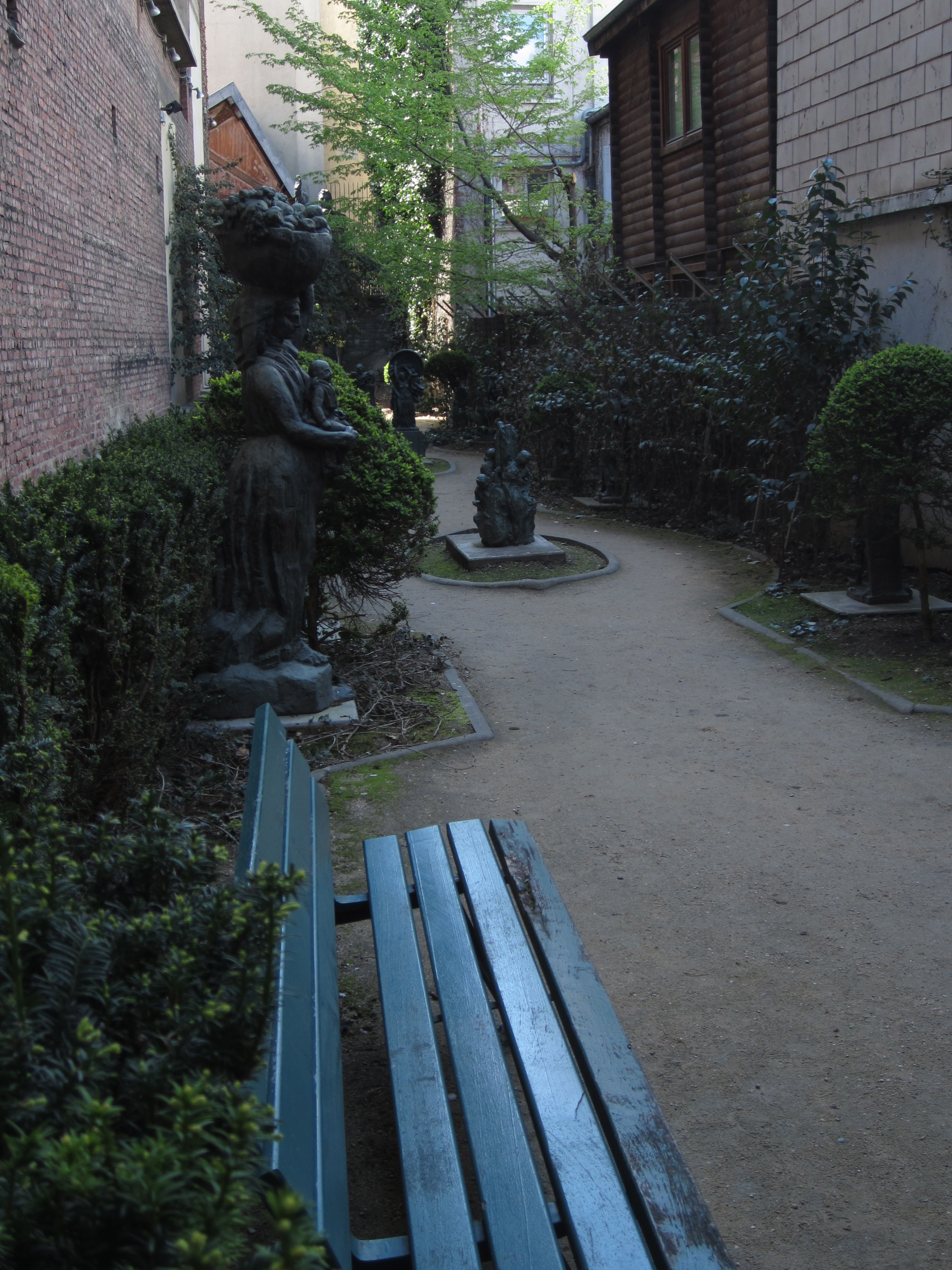
Musée Bourdelle Courtyard

Musée Bourdelle Courtyard

The Musée Bourdelle in Montparnasse is one of Paris’ secret little jewels. Set on a short street a few blocks behind the Montparnasse train station, this museum is a quiet place far away from the long lines at the Musée D’Orsay, the Louvre, or even the Musée Rodin.

Antoine Bourdelle was a prominent French sculptor (1860-1929) who studied with Rodin and Falguiere. He donated his studio and extensive sculpture collection when he died.

I stumbled in by accident one day when I was wandering through Montparnasse. I was searching out some of the homes and studios of the artists associated with the American Girl’s Art Club in Paris. I was on the heels of the American painter Mary Fairchild MacMonnies (Low) (1858-1946), a St. Louis native who had gone to Paris in the late 1880s and who later (along with Mary Cassatt) painted one of the murals for the Woman’s building at the Chicago World’s Fair of 1893.

Fairchild studied at the Academie Julian for women, and later in the women’s portrait class of Carolus-Duran. She was living in a small apartment on rue Bonaparte when she met fellow American art student Frederick MacMonnies (1863-1937) at a dinner party. The pair quickly fell in love but the terms of Fairchild’s scholarship prevented her from marrying. Fairchild and MacMonnies decided to share an apartment and art studio, and moved in together at 16 Impasse du Maine (paid for by the money from Mary’s scholarship). Their friend Augustus St. Gaudens referred to it as “l’atelier common Fairchild-MacMonnies.” While they lived there, the MacMonnies shared a ground floor workroom, and a across the cobblestone courtyard, a two-room apartment with a kitchen. (Flight With Fame: The Life and Art of Frederick MacMonnies by Mary Smart (Sound View Press, 1996).

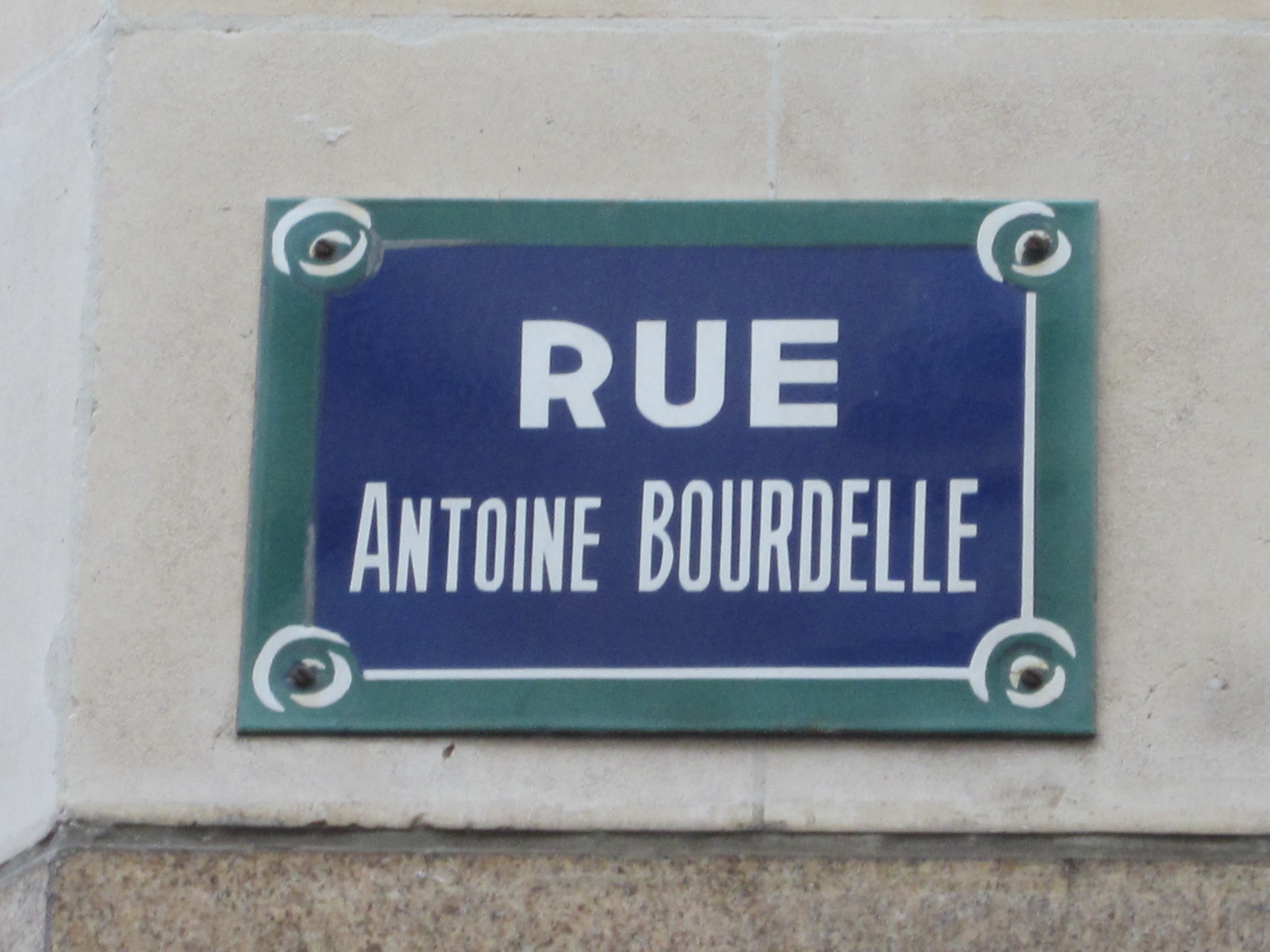
When I went in search of the address for MacMonnies’ atelier, I found myself standing right in front of the Musée Bourdelle. It turns out that MacMonnies had met and befriended Bourdelle while they were both students in the atelier of the famous French sculptor Falguiere. They had found art studios in the same courtyard building on Impasse du Maine. After Bourdelle’s death, The Impasse du Maine had been renamed rue Antoine Bourdelle.

So as I walked though the museum and the Bourdelle’s well-preserved studio, I knew that somewhere nearby, Mary Fairchild MacMonnies had worked on the mural Primitive Woman. Somewhere across the courtyard, she had met with Bertha Palmer and Sarah Hallowell, who had come from Chicago in 1892 to meet her, look at her work, and award her the commission for the mural for the Chicago World’s Fair.

You know that feeling you get when you connect the dots? I felt a connection that ran all the way from my home in Chicago to this lesser known museum in Paris; all the way from the White City to the City of Lights.

That connection might not mean the same to you, but I hope you can still enjoy some of these photographs of the Musée Bourdelle. It’s an incredible place with or without its Chicago connection.

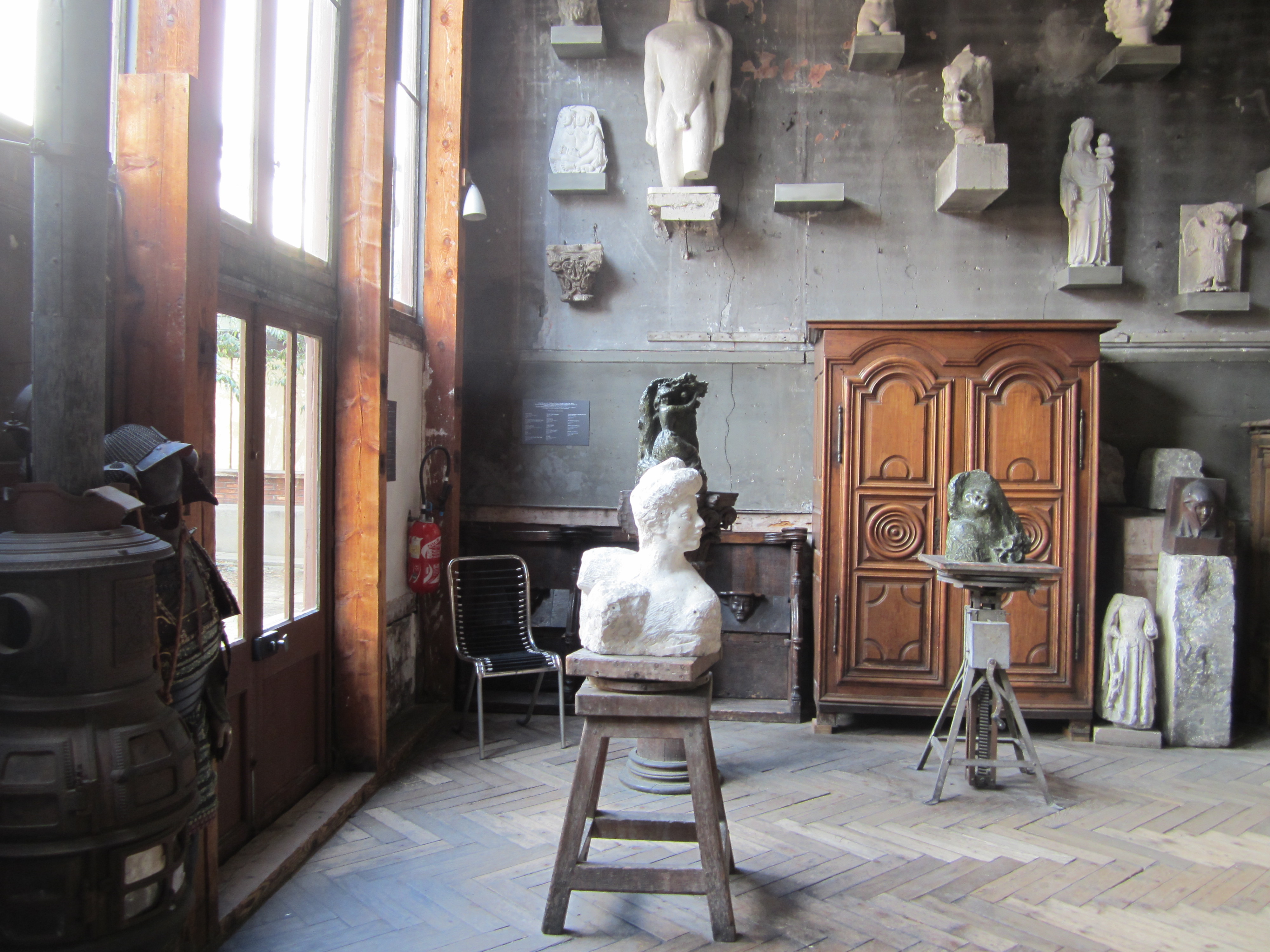
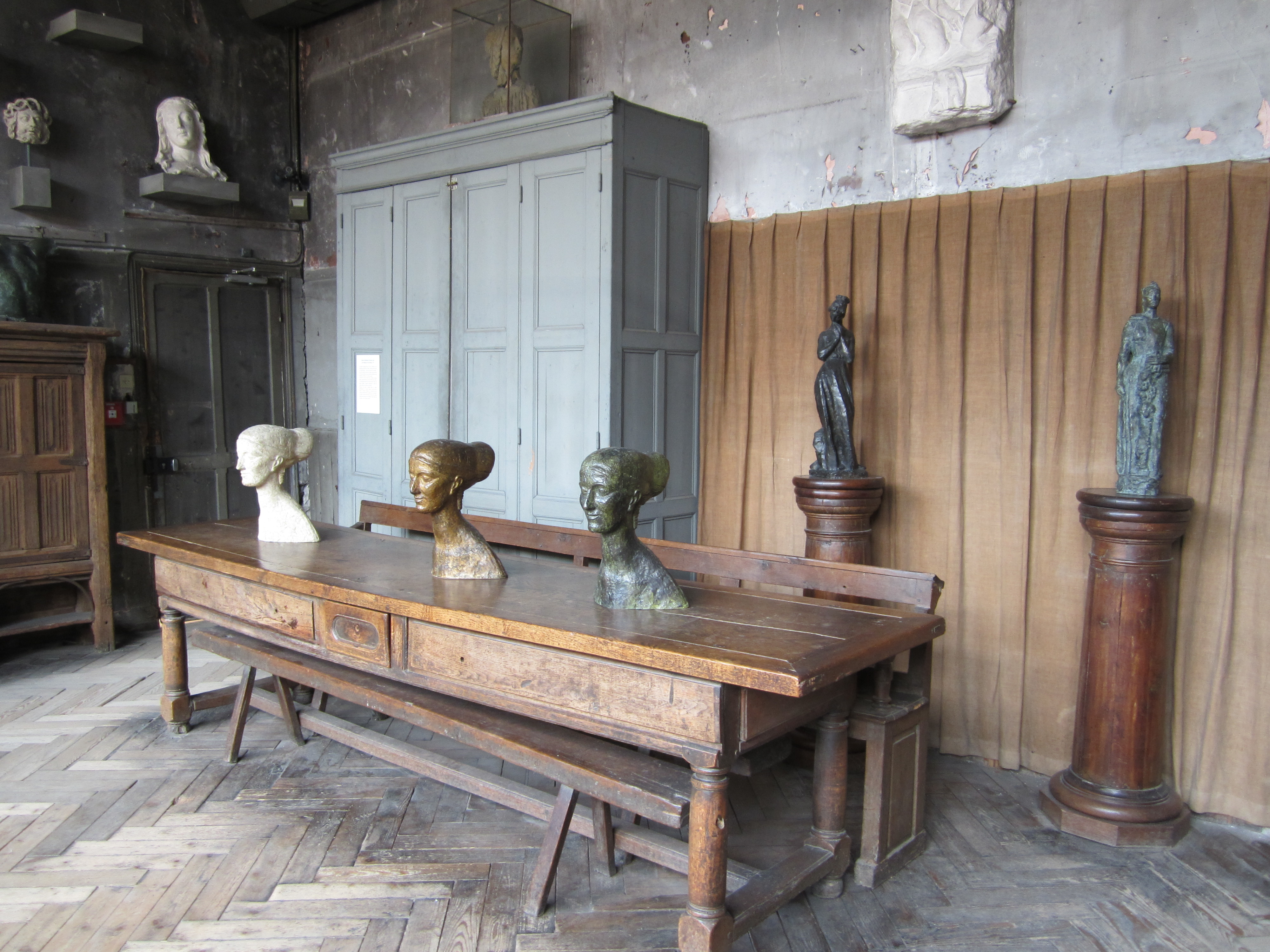
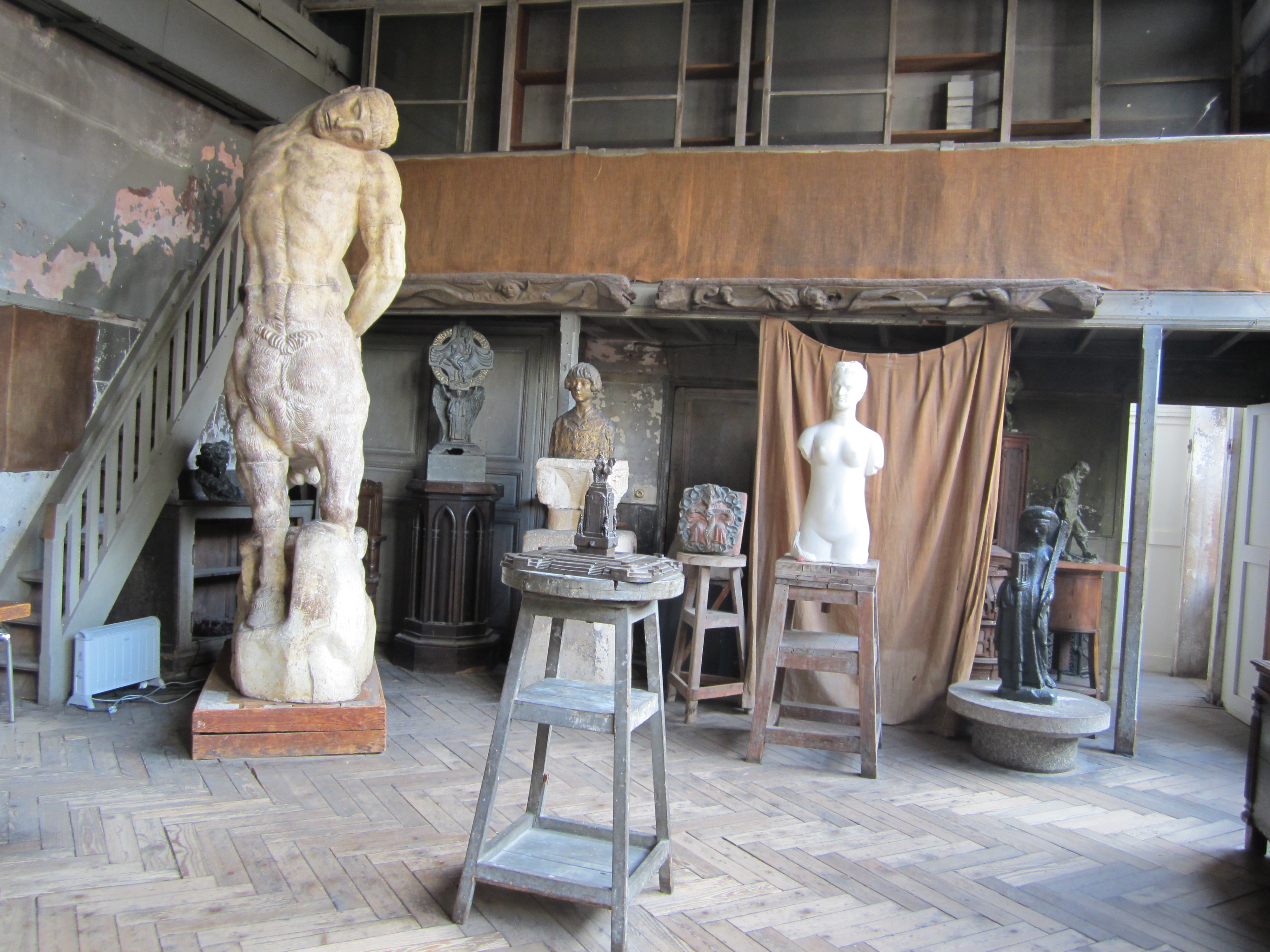
Inside the atelier of Antoine Bourdelle

Inside the atelier of Antoine Bourdelle

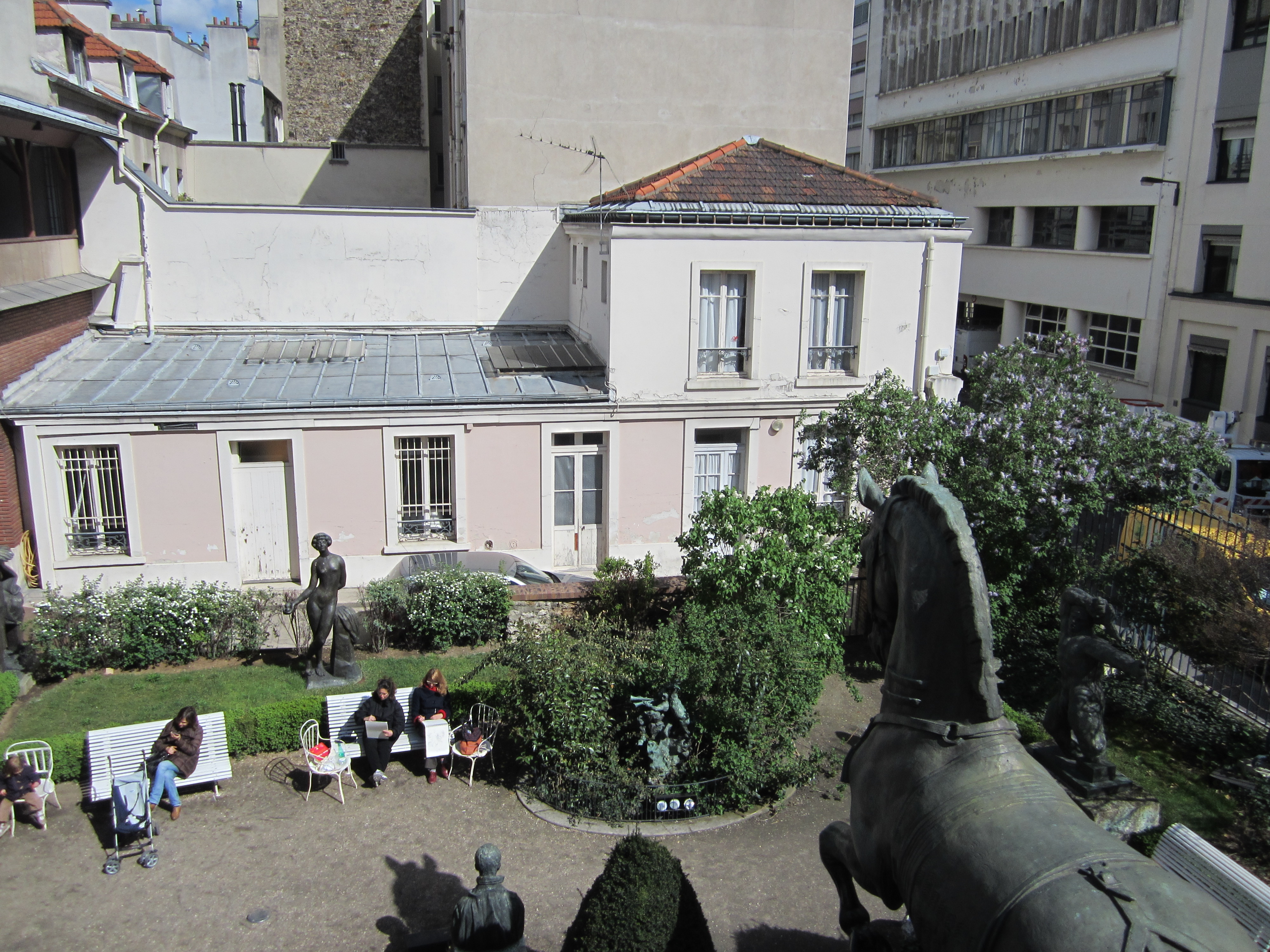
The inner courtyard at the Musée Bourdelle

The inner courtyard at the Musée Bourdelle

IMG_2990

Bourdelle's atelier

Bourdelle’s atelier

Bourdelle's atelier

Bourdelle’s atelier

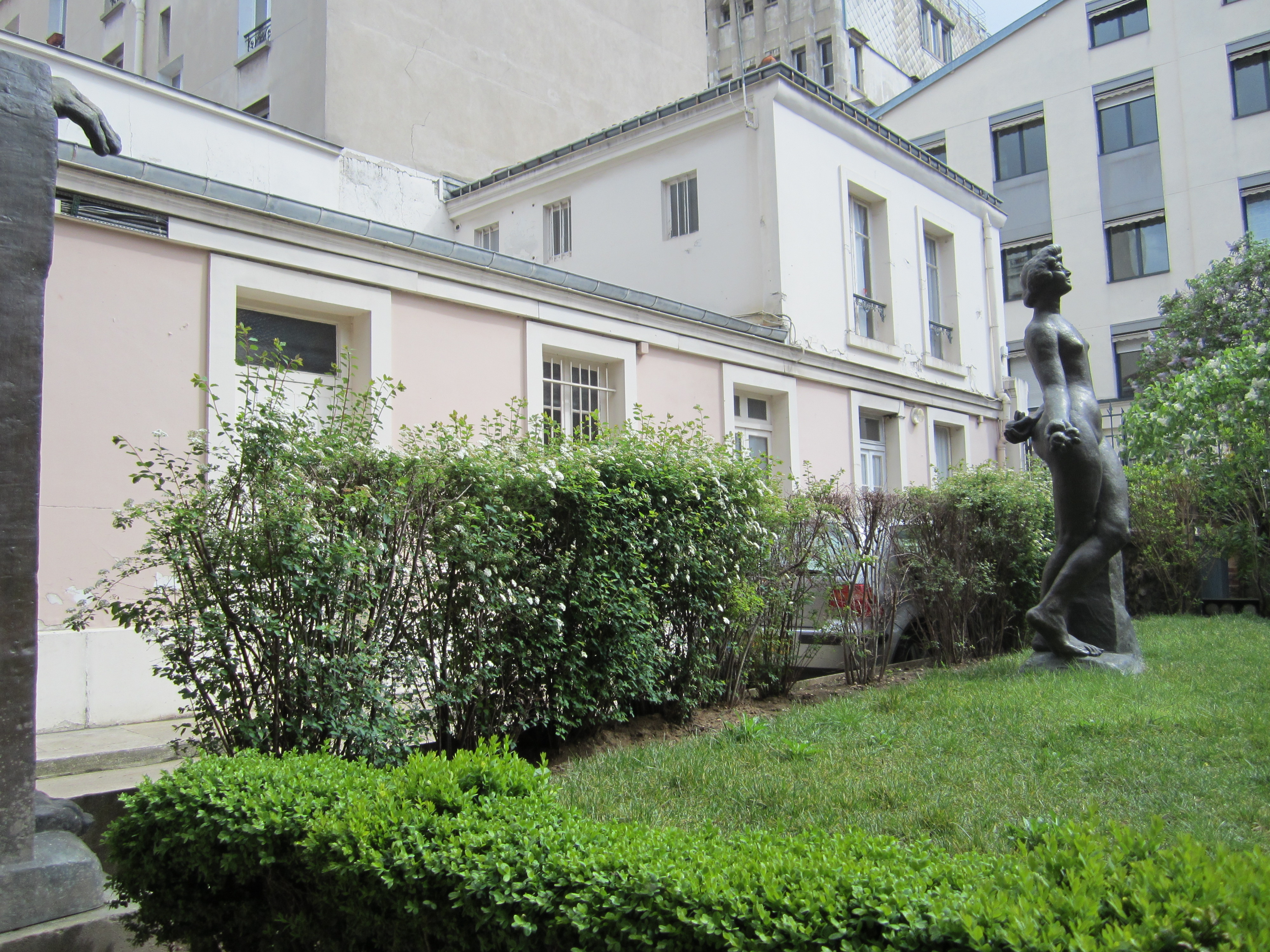
MacMonnies apartment could have been this building across the courtyard from the studios.

MacMonnies apartment could have been this building across the courtyard from the studios.

Another view of the possible MacMonnies apartment.

Another view of the possible MacMonnies apartment.

The Painted Girls: Degas and the Dancers

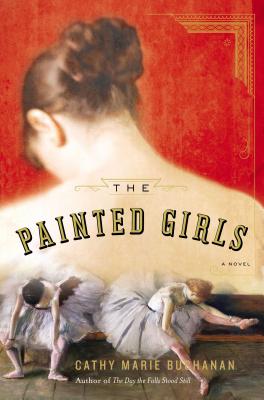
painted girls

If you like historical art fiction, it doesn’t get much better than The Painted Girls, Cathy Buchanan’s new novel about the young ballerinas Degas used to paint and sculpt. Set in the seedy side streets of Belle Epoque Paris, this book tells the desperate story of three sisters who must find their way to survive in the dark world of the Paris demimonde.

The Painted Girls is based on the true story of the van Goethem sisters who danced at the Paris Opéra in the late 1870s and early 1880s. They lived on the slopes of Montmartre on rue de Douai, and after their father died, they had to scrounge for a living as best they could.

Although they were not classic beauties, the van Goethem sisters were talented enough to earn a place among the other novices, the “Petit-Rats” of the Paris ballet. But they still had to supplement their meager earnings with grueling jobs as laundry women or early morning bread makers. Soon, the younger sister Marie had a better opportunity.

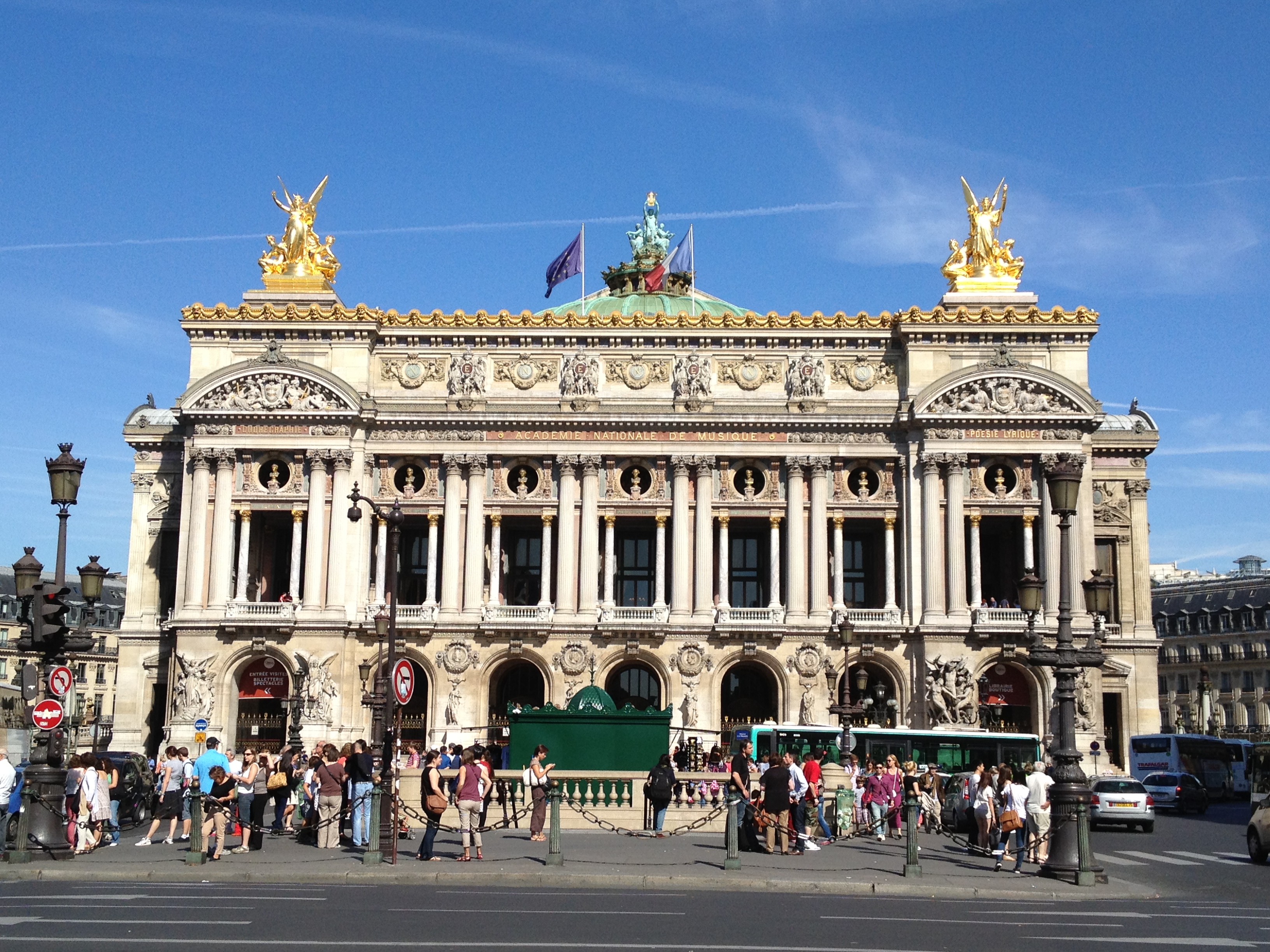
The Paris Opéra

The Opéra Garnier

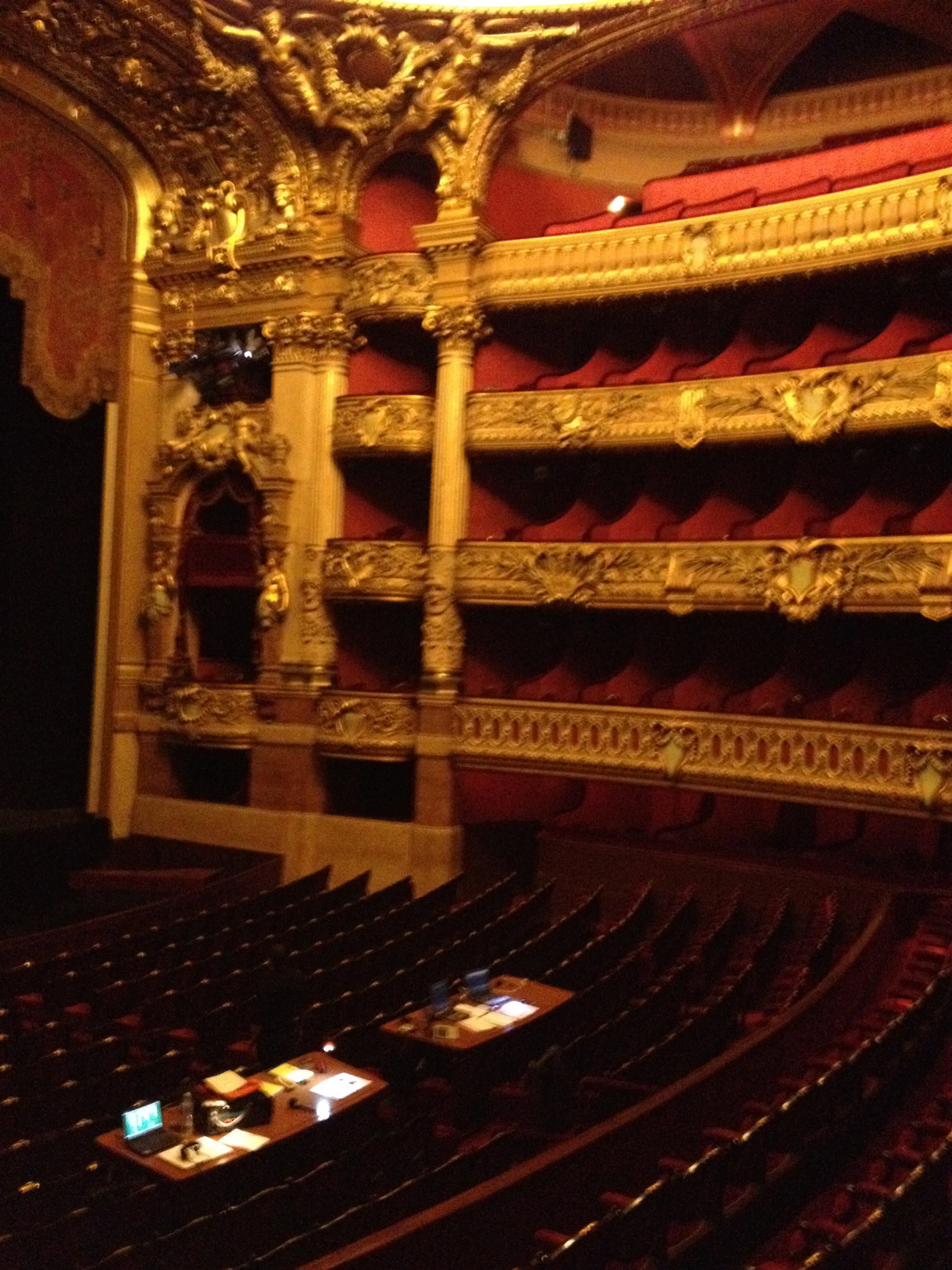
Inside the Opéra Garnier

Inside the Opéra Garnier

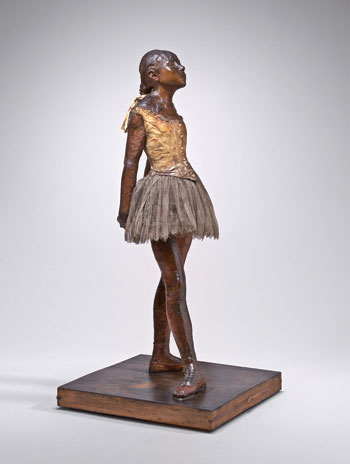
A regular at the opéra, Edgar Degas noticed skinny young Marie, the middle van Goethem sister, and asked her to model for him. She was honored to accept and relieved to earn extra money for the family. She was thrilled at the prospect of seeing her likeness at the Fifth and Sixth Impressionist Exhibits in 1880 and 1881.

Little Dancer Age 14, NATIONAL GALLERY OF ART, WASHINGTON, D.C., COLLECTION OF MR. AND MRS. PAUL MELLON

Little Dancer Age 14, Wax sculpture by Edgar Degas.
NATIONAL GALLERY OF ART, WASHINGTON, D.C., COLLECTION OF MR. AND MRS. PAUL MELLON. Bronze copies were made after Degas’ death, including the one at the Musé d’Orsay in Paris.

The modeling scenes are some of my favorites in the book. Degas’ studio on rue Fontaine was just around the corner from Marie’s home in the 9th arrondissement. It is in that studio, overflowing with canvases, paints and pastels, that Degas began the sketches for Little Dancer Aged Fourteen, as well as numerous charcoal and pastel sketches of young Marie.

Cathy Buchanan’s website contains images of all of the artwork mentioned in the book. You can click on an image and read a related quote from the book. It’s just wonderful.

But there’s so much more to The Painted Girls than pleasant little scenes in Degas’ art studio. In fact, there is very a dark side to the van Goethem sisters’ lives. The oldest sister Antoinette gets involved with a violent young man of the streets, and Marie is singled out by one of the wealthy older patrons of the Opéra known as abonnées. The reader knows exactly where Marie’s relationship with Monsiuer Lefebvre is heading, that such gifts and favors are never bestowed without a price.

The sisters’ fall from innocence is tragic but not utterly without hope. In one particularly moving scene, young Marie is in despair, and raises a timeless question:

I want to put my face in my hands, to howl, for me, for Antoinette, for all the women of Paris, for the burden of having what men desire, for the heaviness of knowing it is ours to give, that with our flesh we make our way in the world. For there is a cost. . . . Would they say there is no cost, not so long as a girl takes no more than what a man decides her flesh is worth?

Both sisters make troubling choices, and find themselves even more deeply involved in the demimonde of Paris. When Antoinette’s love interest is arrested and accused of murder, the sisters’ conflicting loyalties nearly tear them apart. Can their family repair the damage and find a way to survive the poor, dangerous streets of Paris, without having to trade what men desire?

It’s an excellent read, although some might find the story drags a little during the criminal trials of Antoinette’s love interest, which could have been condensed down to one trial instead of two. However, that minor flaw still shouldn’t discourage you from seeking out and thoroughly enjoying this otherwise riveting book.

And when you’re done with the book, go back and enjoy more Cathy Buchanan’s website where she has also posted photos from her Paris research trip. I couldn’t create a better literary tour myself!

The Read: The Painted Girls, Highly recommended.

The Paris Tour: Take the Palais Garnier tour, a must-see in Paris. You can make an  Unaccompanied Visit nearly every day, or an English Guided Tour available three days per week. If you’re really lucky, you might be able to catch a ballet performance. Check out their 2012-13 schedule here. Then follow up with a visit to the Musée d’Orsay, where you can see one of the copies of Young Dancer, Age Fourteen, as well as one of my favorites, The Ballet Class. If you have the time to stroll through lower Montmartre, catch the Métro line 2 to the Blanche stop or line 12 to the Pigalle stop and browse through the van Goetham sisters’ old neighborhood.

van Goetham Home: 35 rue de Douai

Degas studio: rue Pierre Fontaine

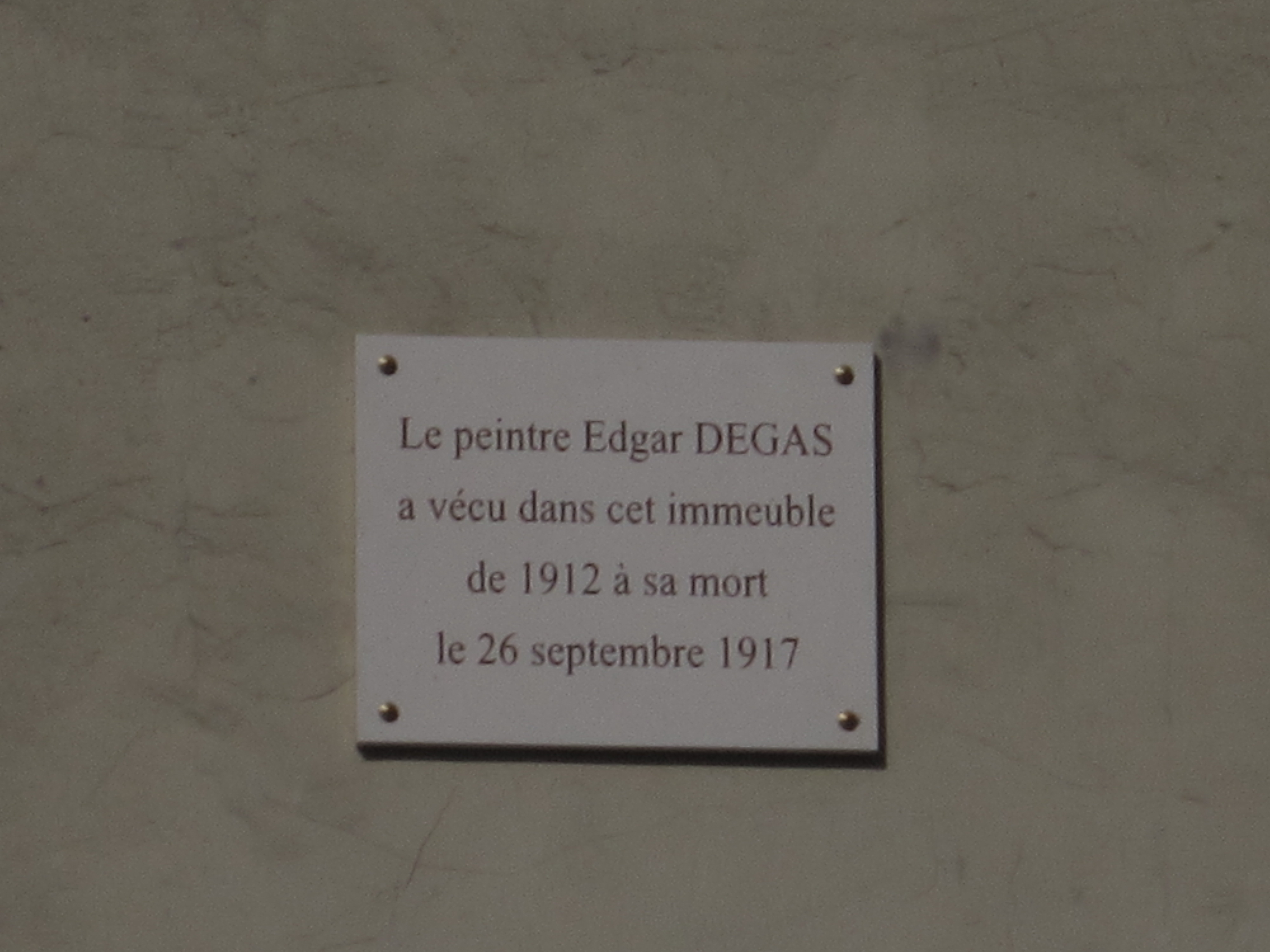
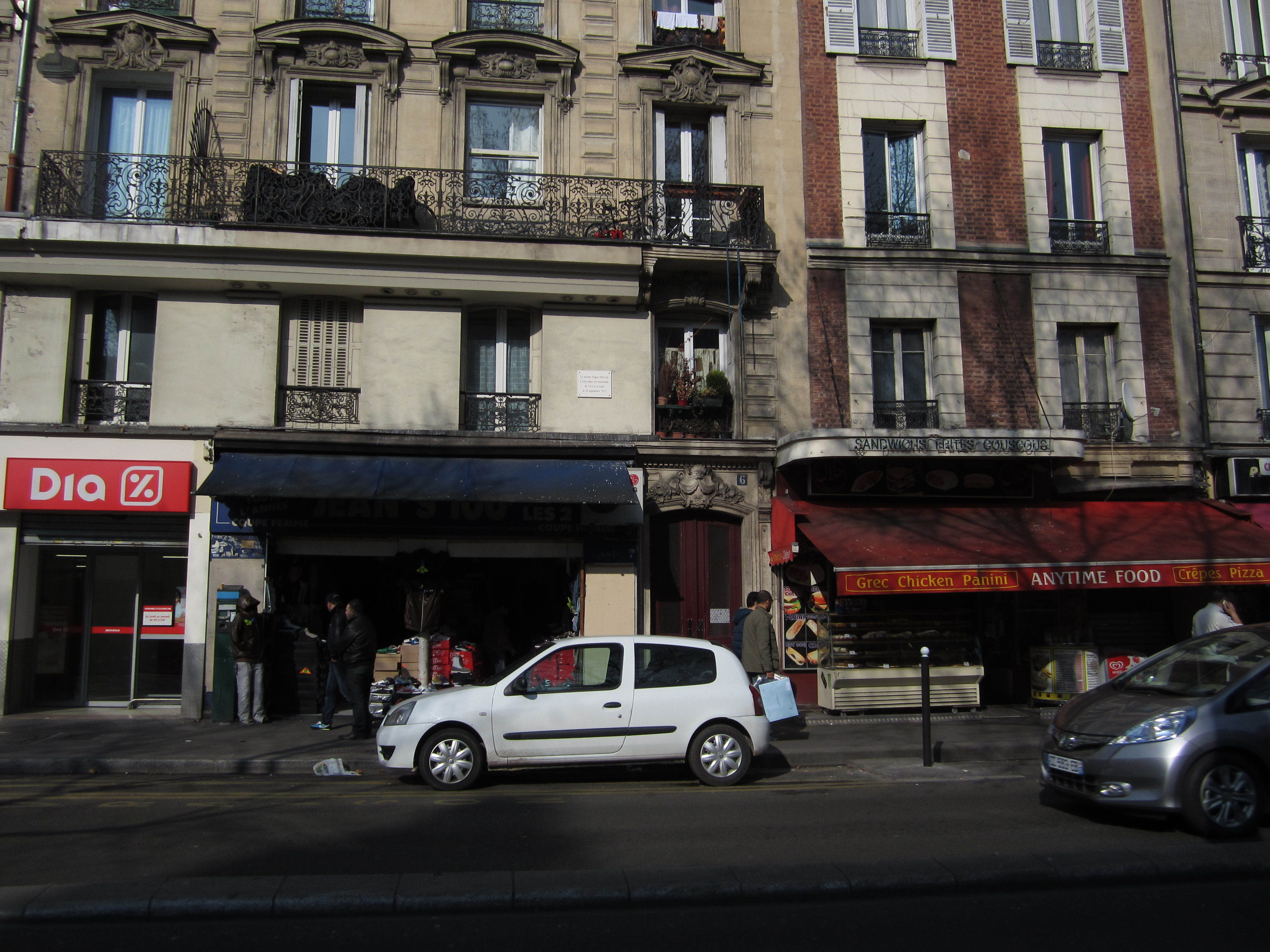
Degas home: 6 boulevard Clichy

The plaque at the last home of Degas, 6 boulevard Clichy, Paris

The plaque at the last home of Degas, 6 boulevard Clichy, Paris

IMG_2799

The last home of Edgard Degas from 1912-1917.

Visiting Rosa’s Studio

There’s just something about standing in another artist’s art studio. The north-facing windows, the easels, the containers full of brushes. If you’re lucky, there might be a painting in progress, a smock or two hanging nearby, or other signs of the artist’s work and passion.

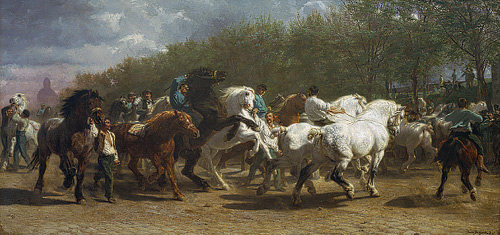
You can see all this and much, much more at Rosa Bonheur’s studio in Thoméry, France, just an hour’s drive south of Paris near Fountainbleu. Rosa Bonheur was a famous 19th century French painter known for her realistic portrayal of horses and animals, particularly Horse Fair (1853-55), Metropolitan Museum of Art. 

Rosa Bonheur, The Horse Fair (1853-55)

Rosa Bonheur, The Horse Fair (1853-55)

Not surprisingly, Rosa had an unusual and fascinating life. She was born in Bordeaux in 1822 but was raised in Paris. Her father was a painter and her mother was a piano teacher who died at a young age. Rosa was “a spirited child” who had trouble sitting still in school. The only way her mother could teach her how to read was by having her draw an animal that matched each letter of the alphabet. Rosa’s father allowed her to drop out of school at the age of twelve to focus on her independent art studies. She copied at the Louvre, but also studied animal science with veterinarians and drew animals from life in the pastures of the Bois de Boulogne. She often visited the slaughterhouses on the outskirts of Paris.

Rosa’s father belonged to an unusual religious sect called Saint-Simonianism, a kind of utopian-pre-feminist socialism that believed in a female Messiah. Can you imagine what it would be like growing up with a father like that in the middle of the 19th century? (For that matter, can you imagine having a father like that now? Pretty cool.) Anyway, Rosa lived freely and equally, often wearing pants, which wasn’t allowed at the time in France unless you obtained a permit from the prefect of police. She had two female partners the majority of her life: first, her friend from childhood, Nathalie Micas, and then in her last ten years, the American artist Anna Klumpke.

Rosa Bonheur in the garden of Chateau de By

Rosa Bonheur in the garden of Chateau de By


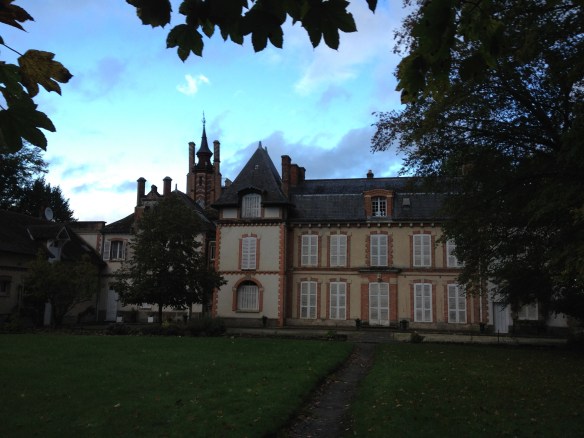
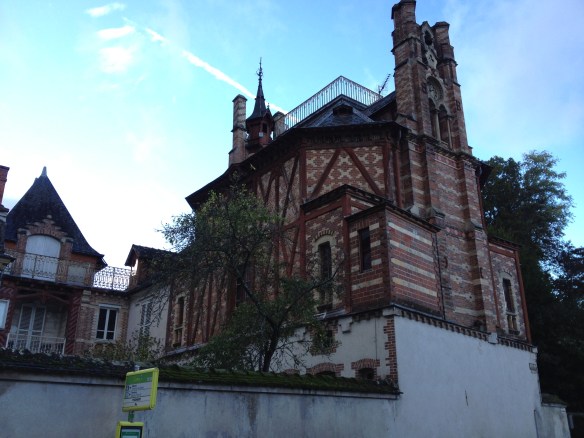
In 1859, after Rosa was already enjoying success as an internationally celebrated painter, she purchased a Gothic-looking chateau near the Fountainbleu Forest and built her own art studio on the second floor. Rosa lived and worked there for 40 years, surrounded by basset hounds and her beloved St. Bernard  until her death in 1899. She left her entire estate to Anna Klumpke.


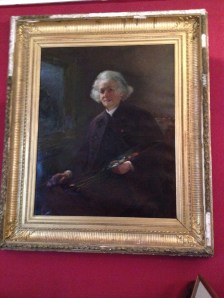
Anna Klumke's Study of Rosa Bonheur (1898)

Anna Klumke’s Portrait of Rosa Bonheur (1898)


Anna Klumpke was a California-born artist who had admired Rosa Bonheur ever since she was given a “Rosa doll” as a little girl (such was Rosa’s Bonheur’s fame). Anna came to Paris to study art at the Académie Julian in 1883, and was a regular exhibitor at the Paris Salon. Anna sought out Rosa at Chateau de By in order to paint her portrait, and the two fell in love and lived together for the rest of Rosa’s life. After Rosa died, Anna auctioned off many of her paintings and then divided her time between France, San Francisco and Boston.


Barbara Remond (fellow artist and founder of A Woman’s Paris) and I toured Rosa Bonheur’s home on a rainy Saturday in October. The home and studio are open to the public between 2-5pm on Wednesdays to Saturdays from April 1 through November 30th. A guided tour is included with the price of admission, although the tour guide may not speak English. Our tour guide was a very good sport, and managed to share the spirit and history of the place despite our bad French.

IMG_4079 IMG_4080

Chateau de By, Thomery, France (showing north-facing studio window)

Chateau de By, Thomery, France (showing north-facing studio window)

IMG_4082

The courtyard of Chateau de By

IMG_4086

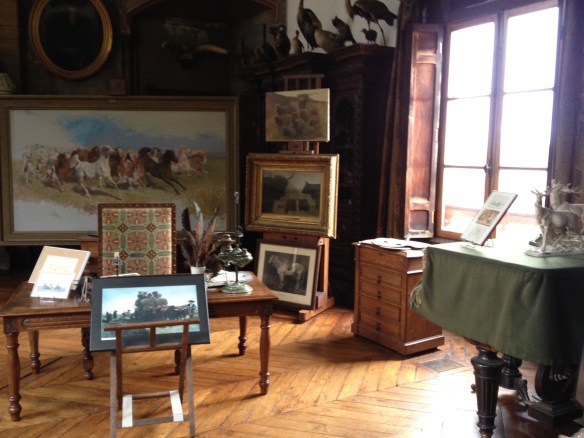
Rosa Bonheur’s Studio from 1859-1899

IMG_4088

That would be me. The tour guide was so charmed by my enthusiastic Franglais that he let me pick up one of Rosa’s brushes and pose for this photo with this unfinished painting.

IMG_4089

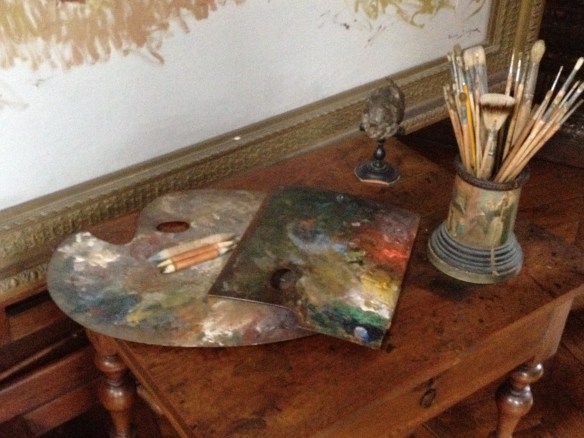
Rosa Bonheur’s own brushes and palettes.

IMG_4091

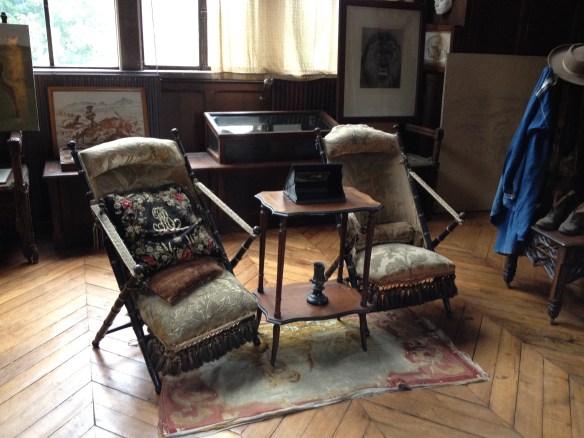
Rosa Bonheur’s art studio

IMG_4092

Sorry for the bad quality of this photo. I still wanted to share this scene of Rosa’s jacket, hat and boots.

IMG_4097

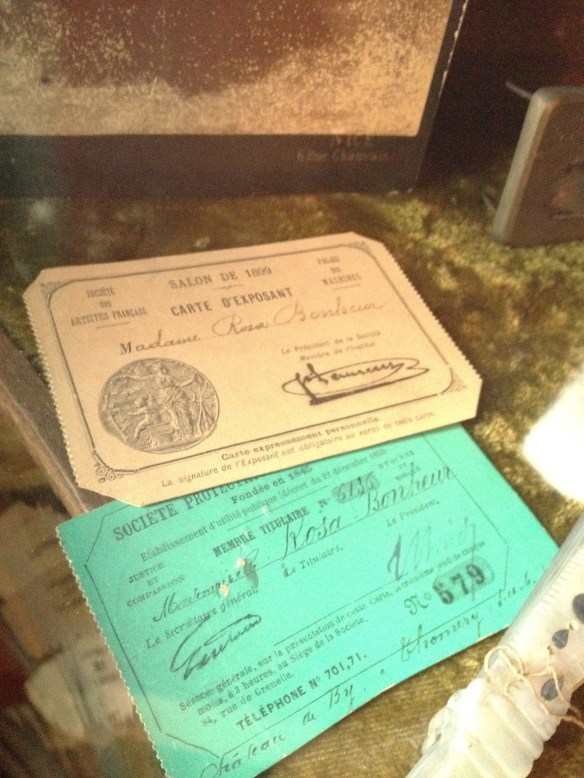
Rosa Bonheur’s Exhibitor’s Card for the Paris Salon

IMG_4100

The guest room/office next to Rosa’s art studio.

IMG_4101

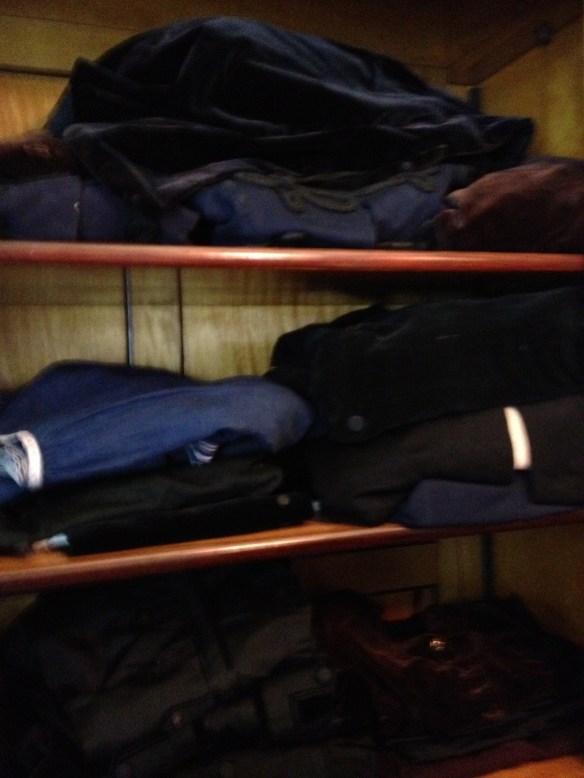
Inside Rosa Bonheur’s closet. Her clothes still remain stacked on the shelves – check out her distinctive jackets!

IMG_4103

My friend Barbara Redmond (founder of A Woman’s Paris) in one of Rosa’s hats, with full and cheerful permission from our tour guide!

IMG_4105

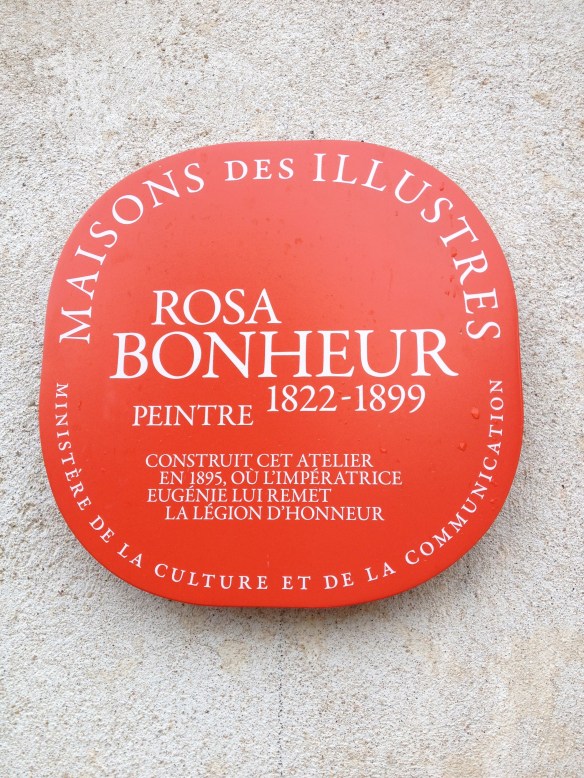
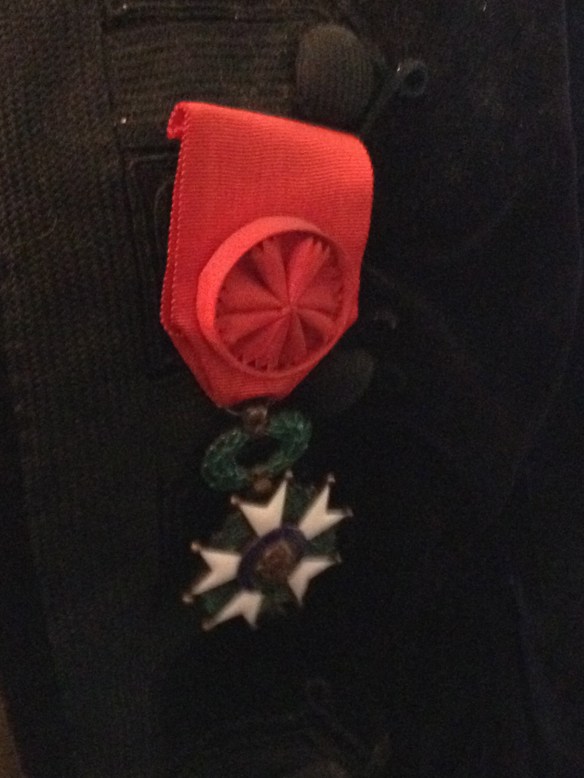
Rosa’s Legion of Honor Medal is still pinned to one of her jackets draped over the back of a chair. Empress Eugenie came to Chateau de By to present the medal to Rosa.

IMG_4108

The view of Chateau de By from the garden at nightfall

IMG_4113

The view of Chateau de By from the street

Rosa Bonheur’s studio is a remarkable sight. There is dusty memorabilia and the simple remains of a real life, but there are also unique treasures, like her Legion of Honor Medal she received from Empress Eugenie and the Indian costume from Buffalo Bill Cody. It’s all testimony to a life well lived and a talent well used. A must see for art lovers, and only an hour’s drive from Paris.

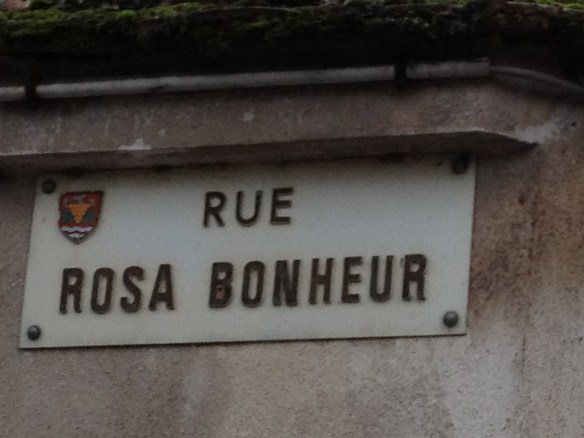
Atelier de Rosa Bonheur, Château de By, 12 rue Rosa Bonheur, Thomery, France

Tel.:01 64 70 80 14

Sources and Recommended Reads:

Rosa Bonheur: The Artist’s (Auto)biography by Anna Klumpke

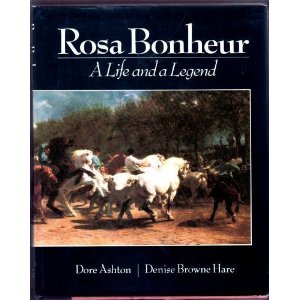
Rosa Bonheur: A Life and a Legend by Dore Ashton and Denise Browne Hare

rosa bonheur a life and a legend

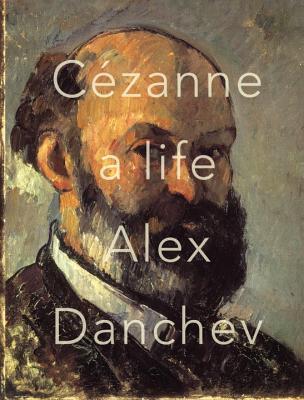
Cézanne A Life

I just finished Cézanne A Life by Alex Danchev (Pantheon Books 2012). I shouldn’t have bought this book for myself so close to the holidays. I could have hinted and received it as a perfect artist gift. But I succumbed when I saw the cover in person – it literally shines. And so does the inside.

The book tells the story of the artist and the person. Cézanne had a troubled, complicated life which began in Aix-en-Provence in 1839, where he was close friends with fellow student Emile Zola. He talked his difficult father into letting him abandon law school in favor of art, and moved to Paris in 1862, where he began his art studies at the Académie Suisse on the Ile de la Cité. It was there that he met and formed a deep, lasting fellow-artist friendship with Camille Pissaro. He also met one of the Académie Suisse models, Hortense Fiquet, who became his long-term mistress (they would have a son and finally marry after 17 years).

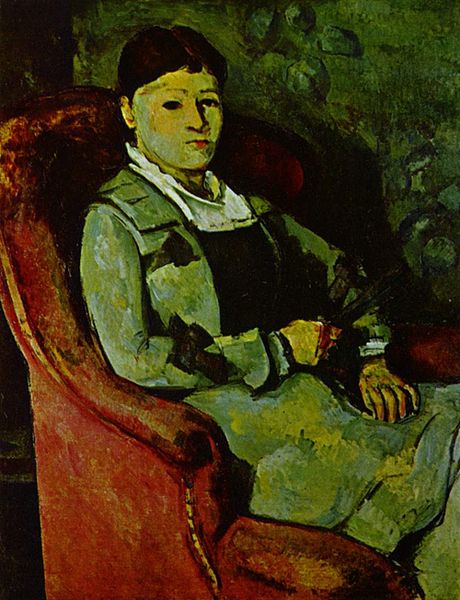
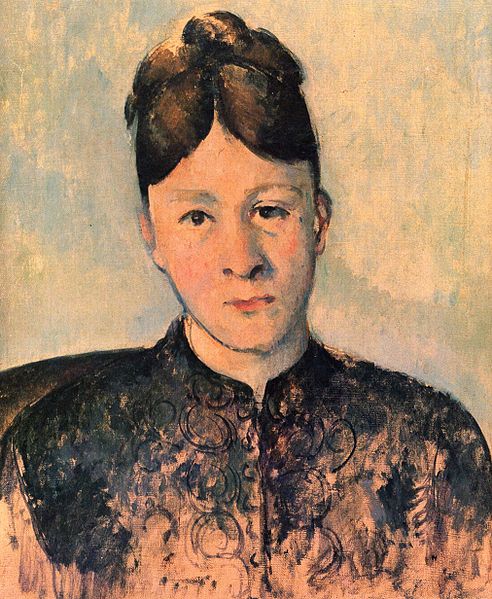
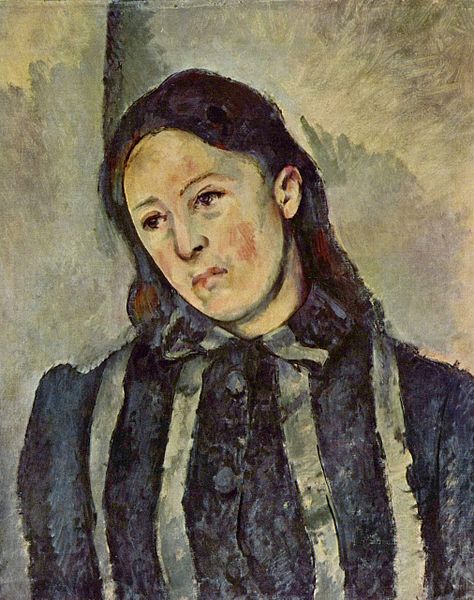
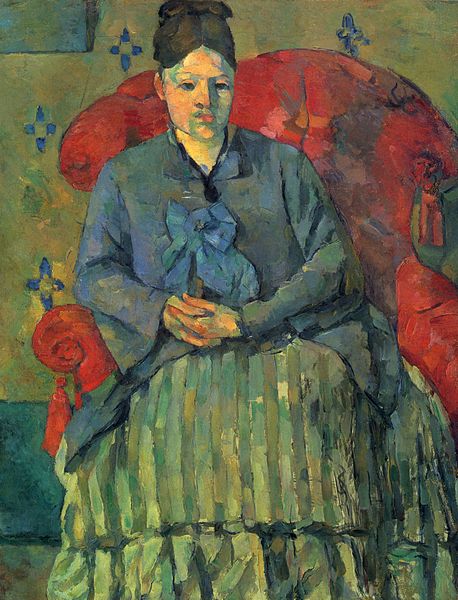
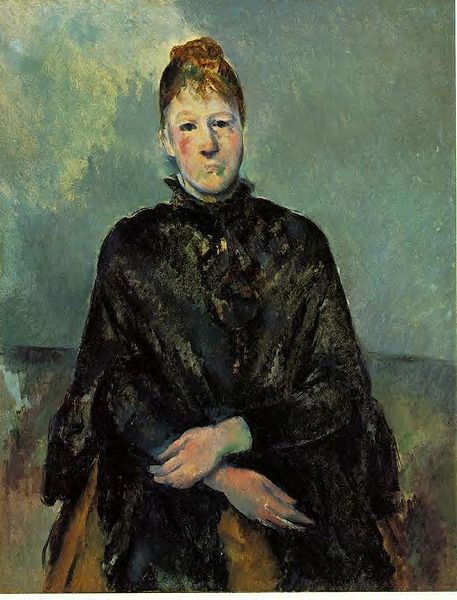
One of my favorite parts of the book was its treatment of Cézanne’s complicated relationship with Hortense, whom he called “La Boulle” (“the dumpling”). Cézanne’s father disapproved of the match, so Cézanne kept it secret for many years, even after the birth of their son. The couple lived separately for much of their lives, and it’s really hard to tell how close they were. Cézanne painted 27 portraits of Hortense over the years, and most of them are absolutely haunting. Cézanne didn’t aim to achieve a “likeness” in his portraits as much as a “thereness.” So, there is Hortense: always a bit inscrutable, sometime sad, angry, distant or intense – more of a presence (here I am, as I am) than a lover eager to please, or a muse conscious of her ability to inspire. But there she is, looking back at Cézanne. What do you think she’s thinking?

Madame Cézanne with a Fan (1886-88). Stiftung Sammlung Buhrle, Zurich. Once owned by Gertrude Stein.

Madame Cézanne (1885). Nationalgalerie, Museum Berggruen, Staatliche Museen, Berlin.

Madame Cézanne With Her Hair Down (1890-92). Philadelphia Museum of Art.

Madame Cézanne in Striped Skirt (1877). Museum of Fine Arts, Boston

Portrait of Madame Cézanne (1888-90) Barnes Foundation, Philadelphia

Madame Cézanne with Hortensias (1885). Private collection.

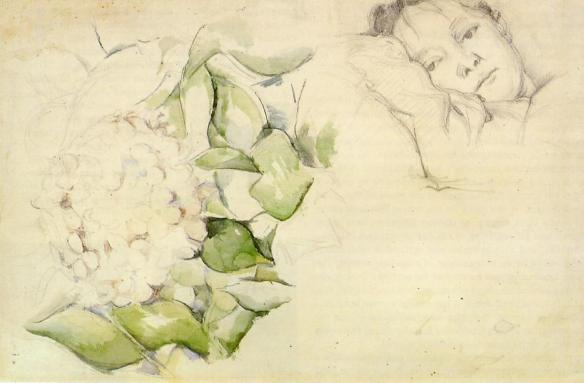
And then, just when you think you are coming to understand who Hortense might have been, and who she might have been to Cézanne, you get to see this tender and emotional pencil and watercolor sketch on paper (above), which is in a private collection but is beautifully reproduced in Danchev’s book. And it is so intimate and beautiful, you can’t help but see that Cézanne did love her, and that they were indeed happy. At least for a time.

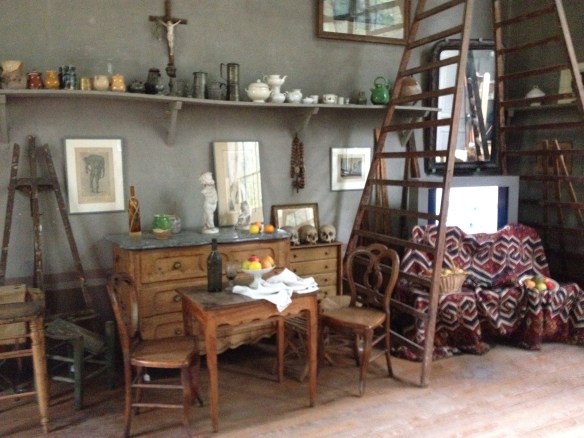
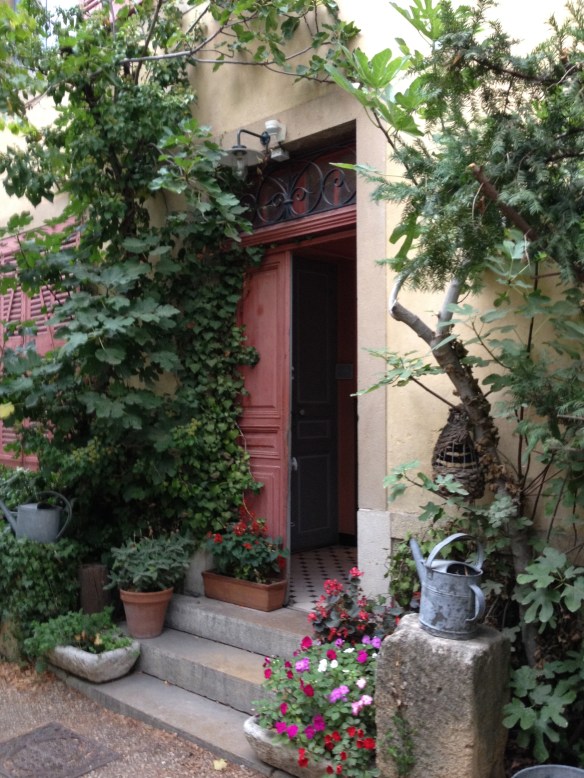
Cézanne would often return to his hometown of Aix-en-Provence, with or without Hortense. In the end, he bought a studio up on a hill, where he painted until his death. Today, it has been restored and is open as a museum, a must-see for an art lover’s trip in Provence. For more information and images, click on the link to the website below.

Cézanne’s Studio in Aix-en-Provence from 1901-1906 (currently a museum). The apples!

The door to Cézanne’s last studio in Aix-en-Provence. Guided tours are available in French and English.

Cézanne A Life by Alex Danchev: Highly recommended

Atelier Cézanne in Aix-en-Provence, 9 avenue Paul Cézanne, 13090 Aix-en-Provence: HIghly recommended

Say Yes To The Dress: Claude and Camille and Fashion

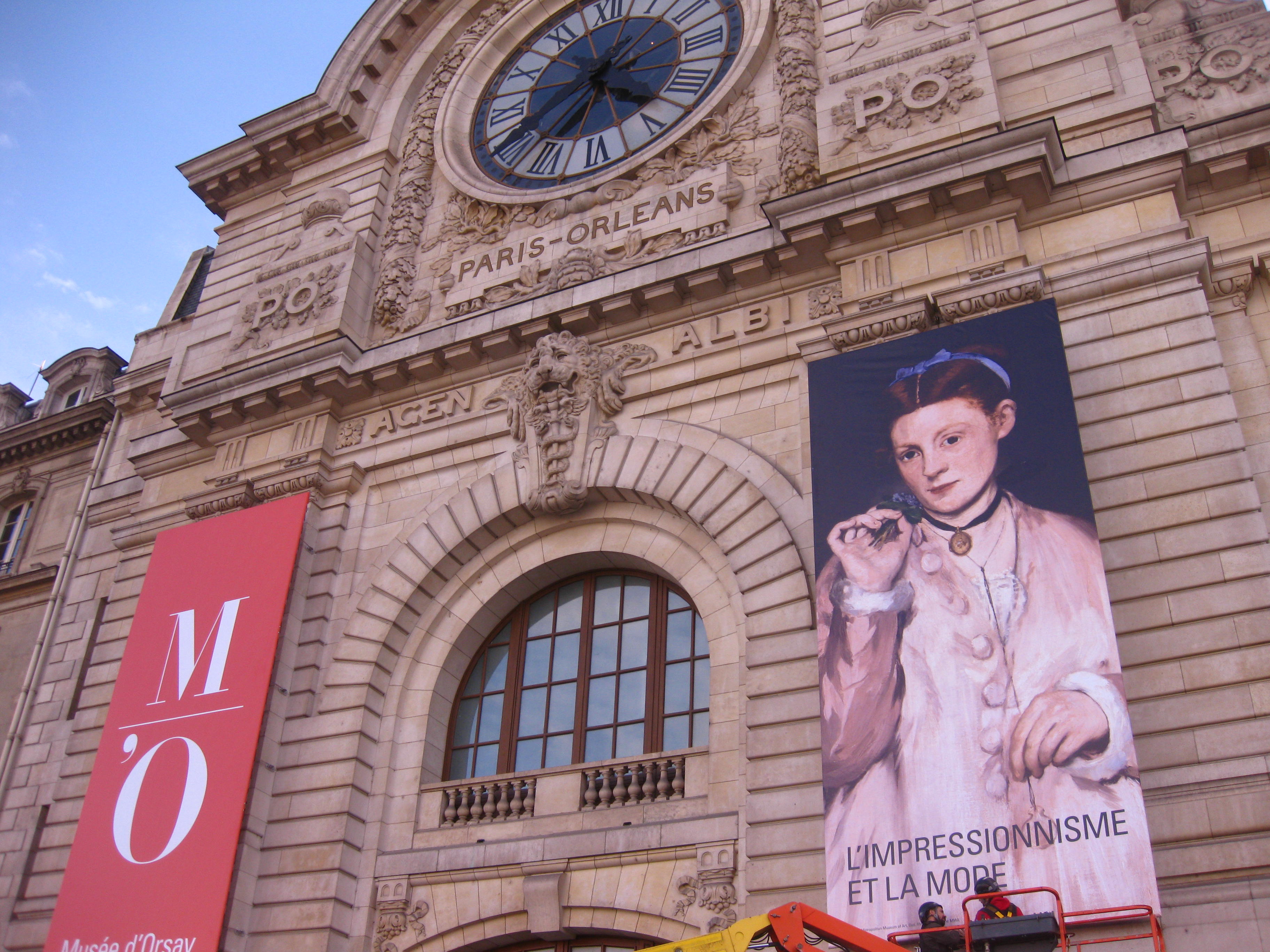
So, I have to admit I’m a little nuts about the Impressionism and Fashion Exhibit at the Musée d’Orsay. In my last months in Paris, I went four times. I had a lot of American visitors who wanted to go, but I truly did want to keep going back. Each time I found something new.

One of my favorite rooms of the exhibit was the last room, decorated to look like a park. That’s where you could find Monet’s oversized plein air paintings with Camille in her huge, fabulous dresses. I grabbed my visitors, and said, that’s Camille! Like I knew her.

But I kind of do. A couple of years ago, I read Claude and Camille: A Novel of Monet by Stephanie Cowell, and I even hosted Stephanie at a literary luncheon at the Downtown Glen Ellyn BookFest, an annual event sponsored by my local library and bookstore. The book is all about Claude Monet and his first wife Camille. How they met, how she posed, where he painted.

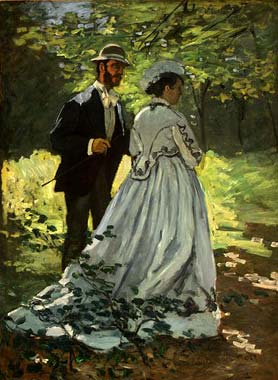
So when I saw this painting (below) at the exhibit, a study of Bazille and Camille (1865), on loan from the National Gallery of Art in Washington, D. C., I stopped and gaped. It was Camille and Bazille, shortly after she’d met Claude. I’d read about their summer trip to Fountainbleu in Claude and Camille. How the 18 year-old Camille had snuck out of the house without her parents’ permission, bringing along her older sister as a chaperone.

Claude Monet, Camille and Bazille (Study for Luncheon on the Grass) 1865. National Gallery of Art, Washington, D.C.

This painting was just a study, painted quickly en plein air in the Fountainbleu Forest, but I think it’s almost better than the final painting, Luncheon on the Grass (1865-66), shown below. It feels fresh and immediate, as if you’re standing right there spying on this couple from the dappled shade behind the bushes. According to the article Fashion En Plein Air by Birgit Haase in the Exhibit Catalog, the dress that Camille is wearing would have been a highly fashionable outfit for women on trips to the countryside that year. Camille, who left her corset at home, is the perfect model for modern leisure wear in 1865. Monet obviously said yes to this dress – the embroidery, the cut and draping of the back of the dress and jacket seems to be the focus of the whole painting.

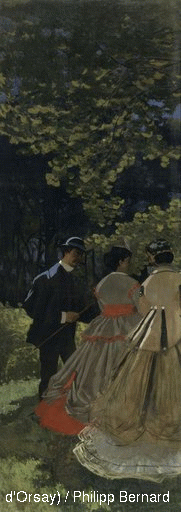
After the summer in Fountainbleu, Monet went back to Paris with the plan of turning his small plein air studies into a bold large canvas suitable for the Paris Salon. He made all kinds of changes to the dresses and the poses, but was so dissatisfied that he abandoned the project. What is left of the final painting appears in two giant panels at the Musée d’Orsay.


The story of how this celebrated painting got divided into separate panels is a good one. In Stephanie Cowell’s novel, Monet struggled all winter trying to paint Luncheon on the Grass, but he was so disappointed with the result that he decides not to enter it in the next Salon:

What he had seen so clearly on a summer’s day in the forest was not on the canvas before him. People were clumsily placed; the brushstrokes were all wrong. It had been repainted many times and he had never found the balance of human form and light, It was not a masterpiece at all. How could he not have seen it before? How could he have made such a mess of it?

In the novel Claude and Camille, Monet rips the canvas off the frame, rolls it up and moves on to the next painting. Thanks to the Musée d’Orsay, we have Monet’s own explanation for what happened next:

I had to pay my rent, I gave [Luncheon on the Grass] to the landlord as security and he rolled it up and put in the cellar. When I finally had enough money to get it back, as you can see, it had gone mouldy.

Monet retrieved the painting in 1884 and cut it into separate panels. Two of the three panels have survived and are included in the Impressionism and Fashion Exhibit.

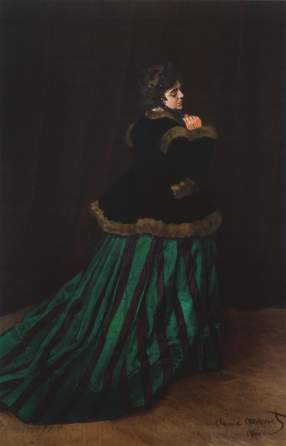
After abandoning Luncheon of the Grass, Monet decided to ask Camille into pose again, this time in a green and black striped taffeta silk dress with an enormous train. Art historians don’t know exactly where this dress came from. They speculate that because of its sumptuous fabric and fur, it would have been beyond the financial means of either Monet or Camille. Stephanie Cowell imagines that Monet’s friend Bazille rented it for a painting of his own, and was willing to loan it to Monet. In fact, there is evidence to support Stephanie’s theory. In an 1866 letter to his mother, Bazille mentions a green satin dress that he had rented.

Wherever it came from, it was a dress that inspired a painting. In the novel, Claude whispers to Camille: “I could make an unforgettable picture of you in that dress.”

Claude Monet. Camille (1866). Kunsthalle Bremen, on loan to the Impressionism and Fashion  Exhibit in New York and Chicago.

Camille said yes to the dress. She added with a fur-trimmed jacket and empire hat, and posed as if she was heading out the door. Once again, she appeared to lack a corset, a sign of independence and modernity.

Stephanie Cowell’s book goes on to describe the days that Monet spent in his studio, painting Camille in the green dress, the attraction between them building each day. Claude and Camille would later marry over the strong objections of her parents. Camille died in 1879 at the age of 32.

The painting would become known as Camille, The Green Dress (1866). It was accepted at the 1866 Salon.

This painting did not appear in Paris, but it will travel to New York and Chicago as part of the Impressionism and Fashion Exhibit, along with a real green tafetta dress from 1865, thanks to the costume collection of the Manchester Gallery of Art in England.

I can’t imagine a better book club pick than Claude and Camille, paired with a field trip to see the Impressionism and Fashion Exhibit at the Musée d’Orsay (September 25, 2012 – January 20, 2013), the Metropolitan Museum of New York (February 26- May 27, 2013) or the Art Institute of Chicago (June 26- September 22, 2013).

Impressionism, Fashion and Modernity: Highly recommended

Claude and Camille by Stephanie Cowell: Highly recommended

Visit an Art Colony in France: Grez-sur-Loing

Interested in a different day trip from Paris? Try visiting some scenic old art colonies in France. There is so much more to see besides Giverny. And these off-the-beaten-track places are much less crowded.

Venturing south of Paris you will find the old art colonies of the Fountainbleu Forest, including BarbizonGrez-sur-Loing, Moret-sur-Loing, Montigny-sur-Loing and Thomery. Here they are, mapped out on Google Maps. These villages make for a wonderful weekend or day trip from Paris. All you need is a good map, but for really easy travel, I prefer a rental car with GPS. (My own GPS travel tip: use the postal code of the city to which you’re traveling.) It is possible to visit all of these colonies in one day, but if you prefer not to rush and to perhaps leave some time to sketch or visit the nearby Chateau de Fountainbleu, I would set aside a whole weekend.

On a recent visit with Barbara Redmond, fellow artist and founder of A Woman’s Paris, I began in Grez-sur-Loing (postal code 77880) at the southern edge of Fountainbleu.

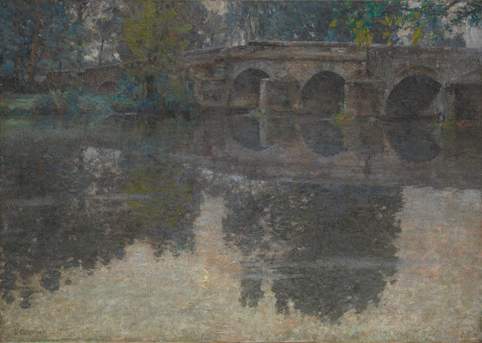
Grez became a popular summer travel destination for American artists in Paris after a train station and new hotel were built In 1860. Jean-Baptiste Camille Corot‘s painting View of the Loing At Grez (1850-60) may have worked like a Grez travel poster, inducing many art students to come and try to paint it themselves. Word about Grez circulated through the Academie Julian in Paris as well as Carolus-Duran’s studio.

The Bridge at Grez-sur-Loing by Jean-Baptiste Camille Corot (1850-60). currier Art Gallery, New Hamshire.

The Bridge at Grez by American Robert Vonnoh (1907-11). Metropolitan Museum of New York.

Standing in front of the bridge at Grez-sur-Loing in 2012. Just when we were thinking of getting out our sketchbooks, it started to rain.

Athough Grez was gray and quiet the day we visited, it was once hopping with artists and writers, both male and female. Its notable visitors included Robert Louis Stevenson, his cousin, painter Robert Allen Stevenson, Louisa May Alcott’s little sister Abigail May Alcott (an artist like Amy in Little Women), American painters Kenyon Cox, John Singer Sargent, Theodore Robinson, Robert Vonnoh and Will Low, as well as a mother-daughter team of painters from California, Fanny and Nellie Osbourne. In fact, it was at Grez that Fanny Osbourne and Robert Louis Stevenson would meet and fall in love, although Fanny was ten years older and technically still married to her first husband at the time. (A hint of the bohemian pleasures of a nineteenth century art colony!)

These artists enjoyed the picturesque setting of the village as well as the open spaces nearby. The older French artists such as Corot, Millet and Rousseau had settled in nearby Barbizon a few decades earlier, but there was a new generation of artists looking for their own scenes and style. As Robert Allen Stevenson explained:

At Barbizon it was especially difficult to get away from the old men who had made it their own, and yet do anything like art. Forest interior composes with difficulty otherwise than as Rousseau, Diaz and Courbet imagined it. . . .  Shut in, full of forms, lit in one way, deprived of sky of space of air of the effect of large simple planes, it was no fitting nursery for the new school of painters (“Grez” The Magazine of Art, 1894).

It wasn’t just lofty artistic motives that brought this generation of artists to Grez. It was also a place for youthful exhuberance and bohemian camaraderie. The artists enjoyed the casual hospitality of two inns in Grez: Hotel Chevillon and Pension Laurent. Hotel Chevillon was the place of much bohemian merriment, including singing and dancing in the hotel dining room as well as a masquerade ball in sheets and togas. The hotel guests  often took canoe rides on the river together, playing such games as tip the canoe and shoot the chute. For a somewhat more reserved and respectable environment, the women would often stay at Pension Laurent just down the street.

A postcard image of the old Hotel Chevillon from the website of the Foundation Grez-sur-Loing.

Both hotels are still standing in downtown Grez. The Hotel Chevillon is now owned by Foundation Grez-sur-Loing, a Scandinanvian art organization that offers grants to visiting artists, authors, composers and scientists. According to their website, tours may be arranged with advance notice.

Hotel Chevillon in 2012, home of Foundation Grez-sur-Loing, a Scandinavian art organization. A popular hang-out for the artists who came to Grez. Robert Louis Stevenson met his future wife here.


Hotel Chevillon is located on rue Carl Larsson, which is named after the Swedish painter who lived and met his wife in Grez.

The present day site of the former Pension Laurent in Grez, just a few doors down from Hotel Chevillon. Abigail May Alcott may have  stayed here during her visit the summer of 1877.

z

The plaque at the former Pension Laurent in Grez

The artists came to Grez in several different waves. In the 1870s, it was mostly Americans and British; in the 1880s it was mostly Scandinavians, and by the 1890s, there were many Japanese artists. The Scandinavians have had the most lasting influence – one of the streets is named after Swedish artist Carl Larsson.
Robert Vonnoh might be the American artist most closely associated with Grez. Boston-born Vonnoh first came to Grez on his honeymoon with his first wife Grace in 1887. He continued to visit throughout the years 1887-1891 and then again from 1907-1911, returning with his second wife Bessie Potter Vonnoh, a sculptor from Chicago. He returned for some part of each year until the outbreak of World War I. His last paintings set in Grez are dated after the war from 1922-1925.
Vonnoh has often been called one of America’s first-rate Impressionists. It would have been in Grez that he truly developed his plein air style. Here are some of Vonnoh’s paintings set in Grez:

Beside the River – Grez by Robert Vonnoh (1890)

Grez-sur-Loing by Robert Vonnoh

Poppies (also known as In a Flanders Field) by Robert Vonnoh (1890)

Grez remains an artistic community today. On the day we visited, we met a French painter near the ruins of the old Tour de Ganne. She was clipping dried hydrangeas from the churchyard to use at her own art exhibition later that afternoon. She handed us a flyer and invited us to stop by.

Follow along on my tour of other French art colonies in future posts. Coming soon: a visit to Rosa Bonheur’s Atelier in Thomery, France.

Sources and Recommended Reads:

Grez Days: Robert Vonnoh in France (Essay and Catalogue by May Brawley Hill for Berry-Hill Galleries 1987)

The Life of Mrs. Robert Louis Stevenson by Nellie Van de Grift Sanchez (Gutenberg Project ebook, 2008)

May Alcott: A Memoir by Caroline Ticknor (1928), available at the Library of Congress Internet Archive

A Chronicle of Friendships 1873-1900 by Will H. Low (1908), available at Open Library

Dreams of Giverny


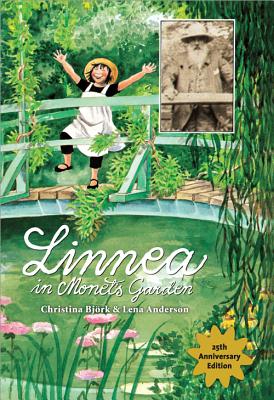
Time flies. The 25th Anniversary Edition of Linnea in Monet’s Garden is about to be released this fall by Sourcebooks. It doesn’t seem that long ago that my daughter received her own treasured copy from her grandmother. We read that book over and over, dreaming of the day when we could travel to Giverny together to stand on that bright green bridge over the lily pond.

We finally did.

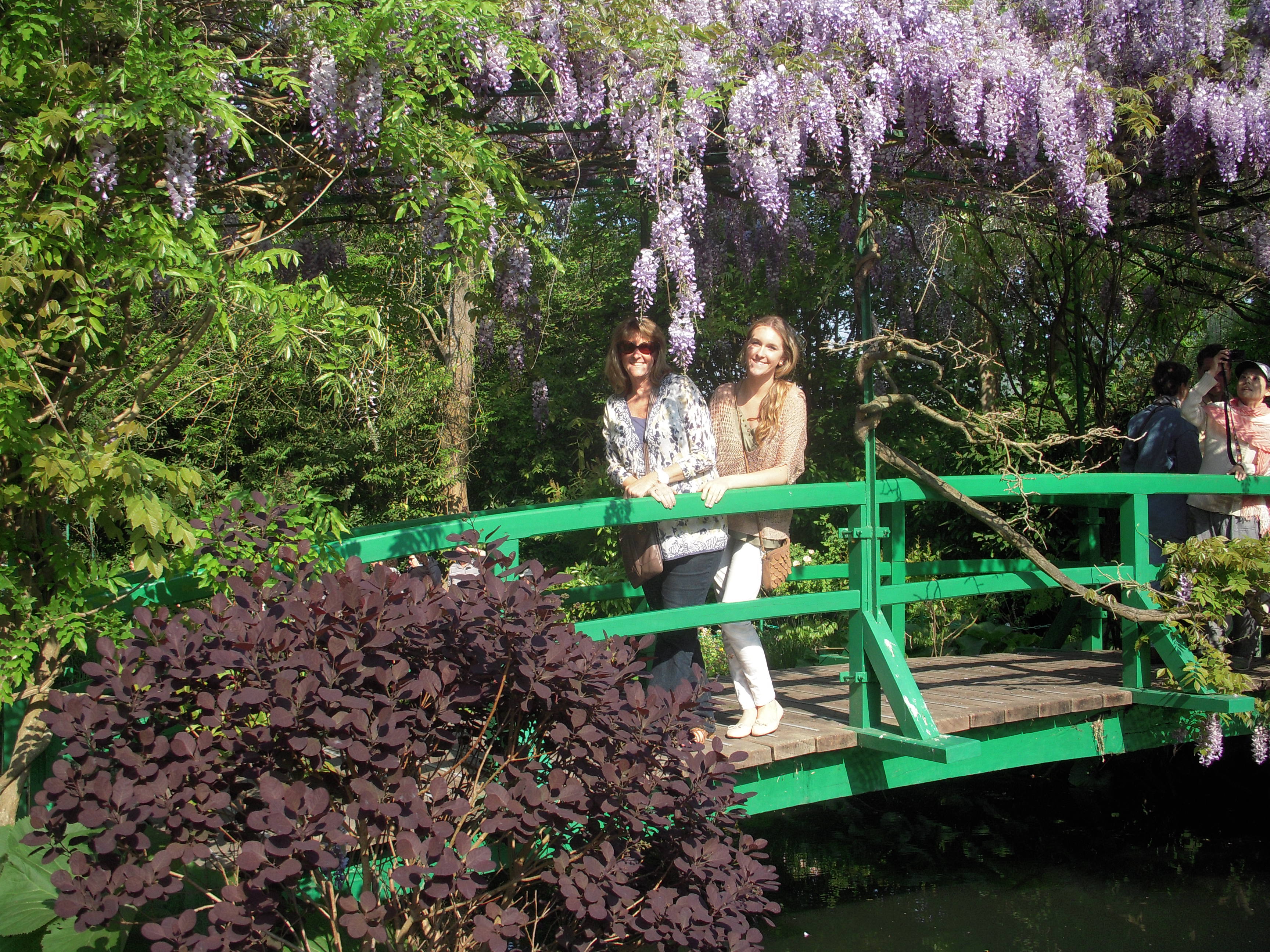
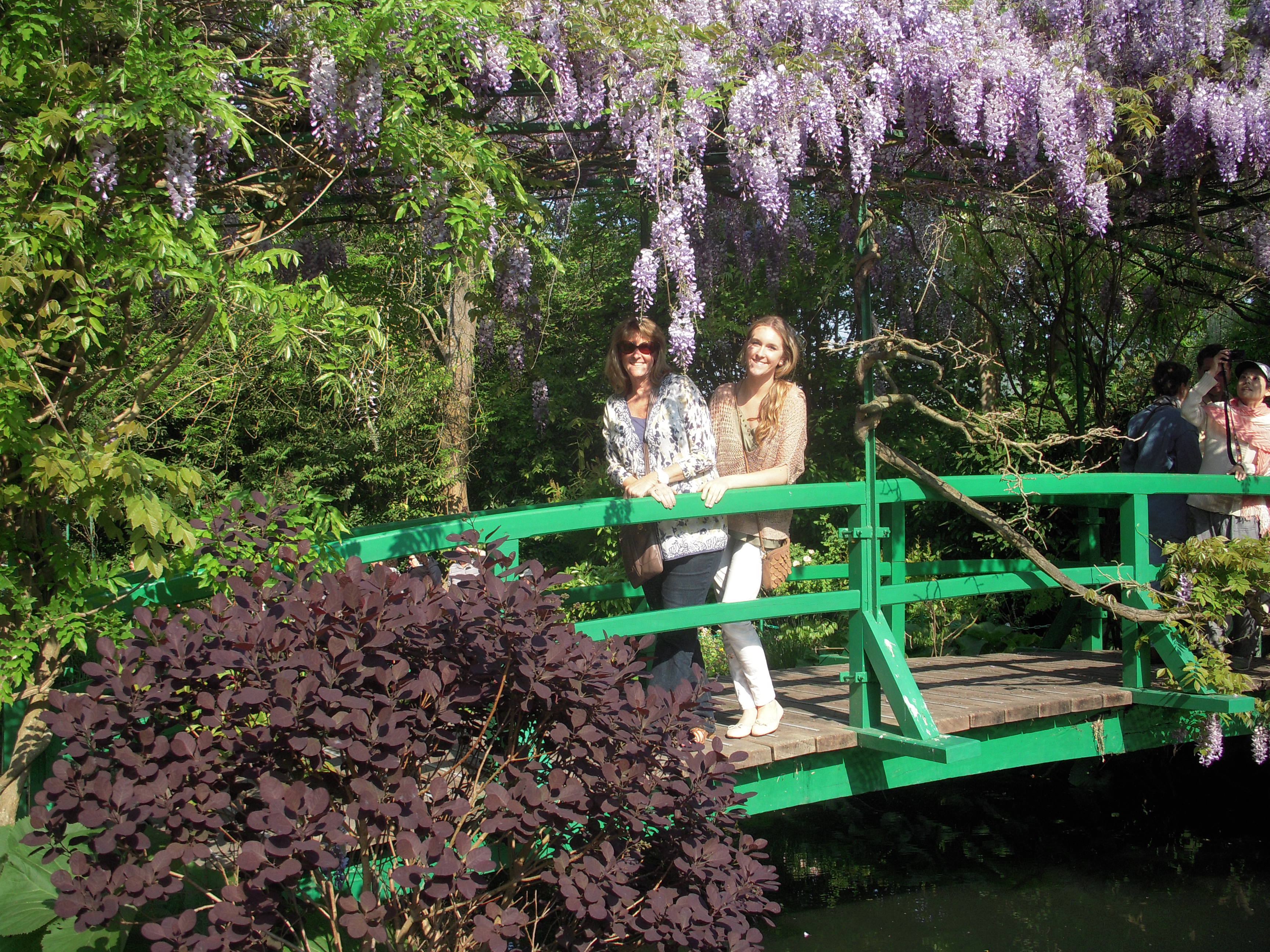
My daughter and I are standing on Monet’s bridge, after dreaming about it for nearly 20 years. Inspired by one of our favorite children’s books, Linnea in Monet’s Garden.

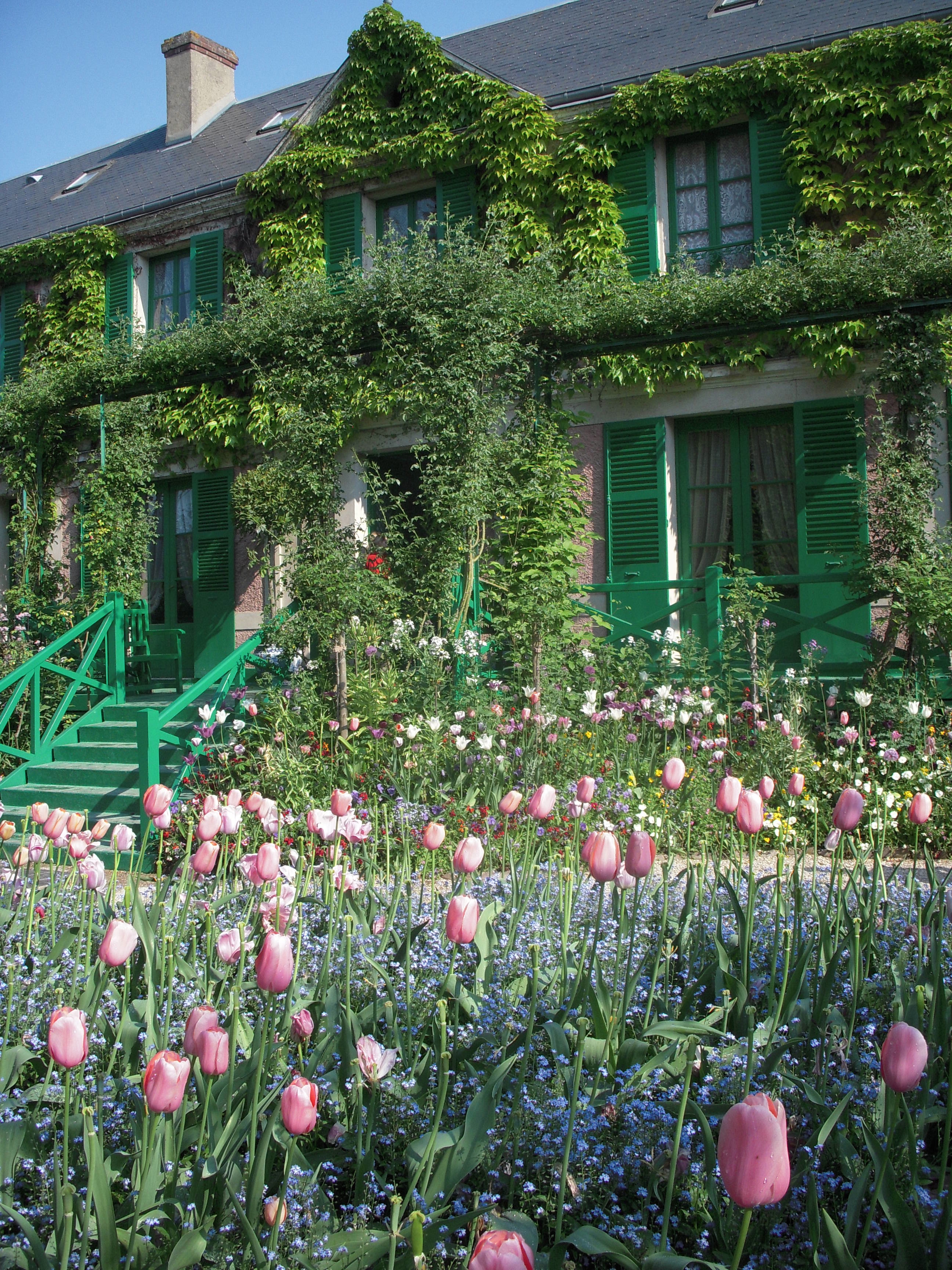
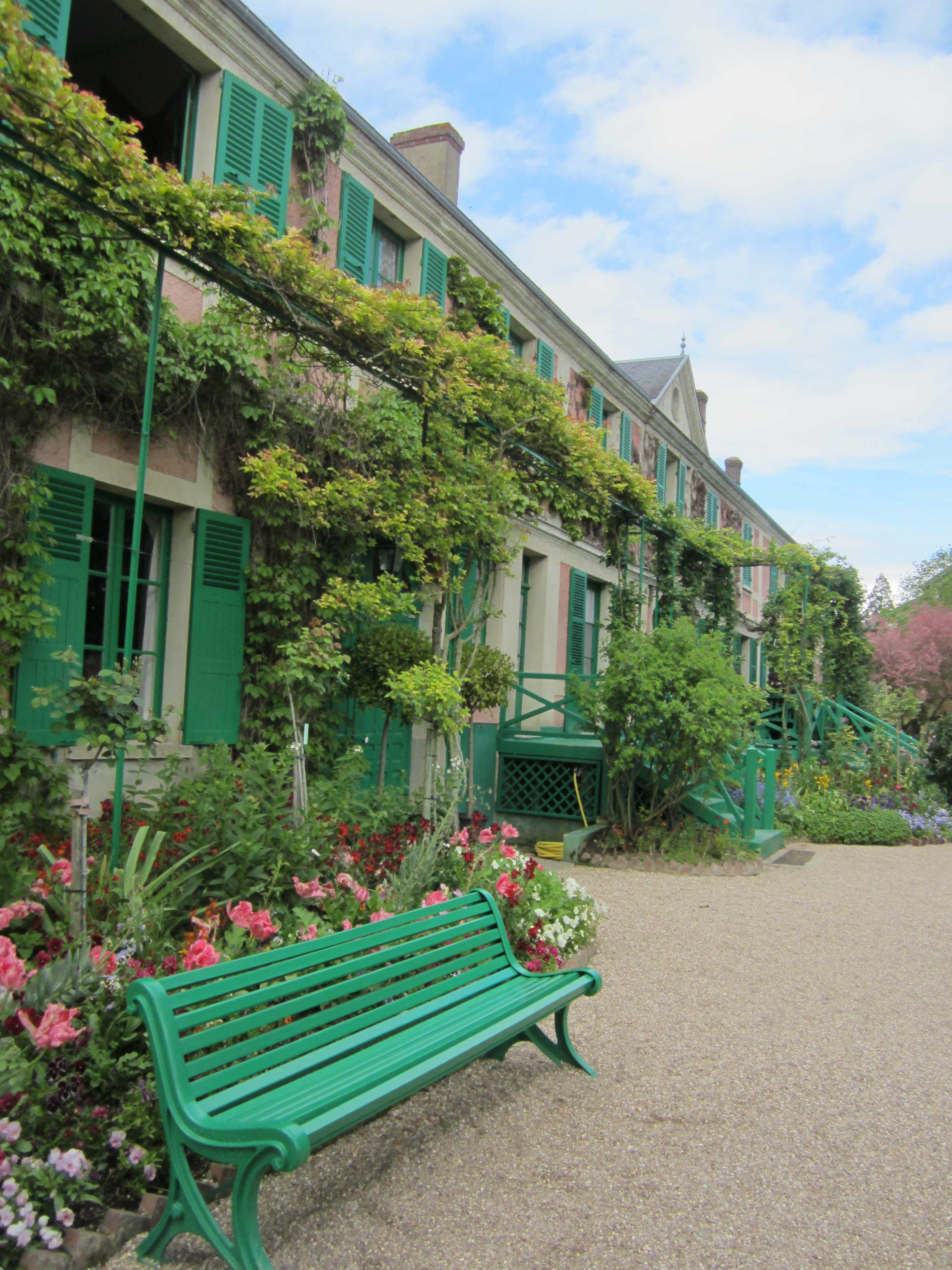
It was everything we dreamed of. The pink house, the yellow kitchen, the pebbled garden walk. Except for the crowds. I was stunned at the number of visitors in Giverny as compared to my first visit to in the late 80’s. You have to snap your photos fast, before yet another group of cruise boat tourists wanders into your viewfinder. We’re still glad we went – it’s a treasure of a place.

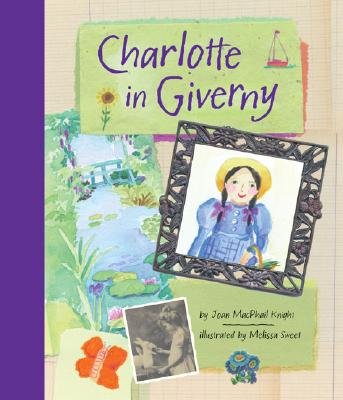
Once my mission had been accomplished with my own daughter, I thought it was time to get a new generation of girls in my family dreaming about Giverny. I had planned on buying a copy of Linnea in Monet’s Garden for a niece’s birthday, but the current edition was out of print, and I didn’t want to wait until October for Sourcebooks’ anniversary edition. Luckily, I stumbled upon another lovely children’s book called Charlotte in Giverny (Chronicle Books).

Charlotte in Giverny is the fictional journal and scrapbook of a young girl whose family travels to the Giverny art colony in 1892. The book contains whimsical watercolor illustrations, historical photographs and museum reproductions of famous Impressionist paintings created in Giverny.

It’s a terrific little book and it’s not just for kids. It’s got a lot of art history that’s quick and easy to browse through. Charlotte is a bright and observant little journalist, and brings a youthful sense of wonder to the subject. Charlotte in Giverny offers much more than the story of Claude Monet. You get to hear about the whole colony, and about other American artists such as Lilla Cabot Perry, Thomas Robinson and Mary and Frederick MacMonnies.

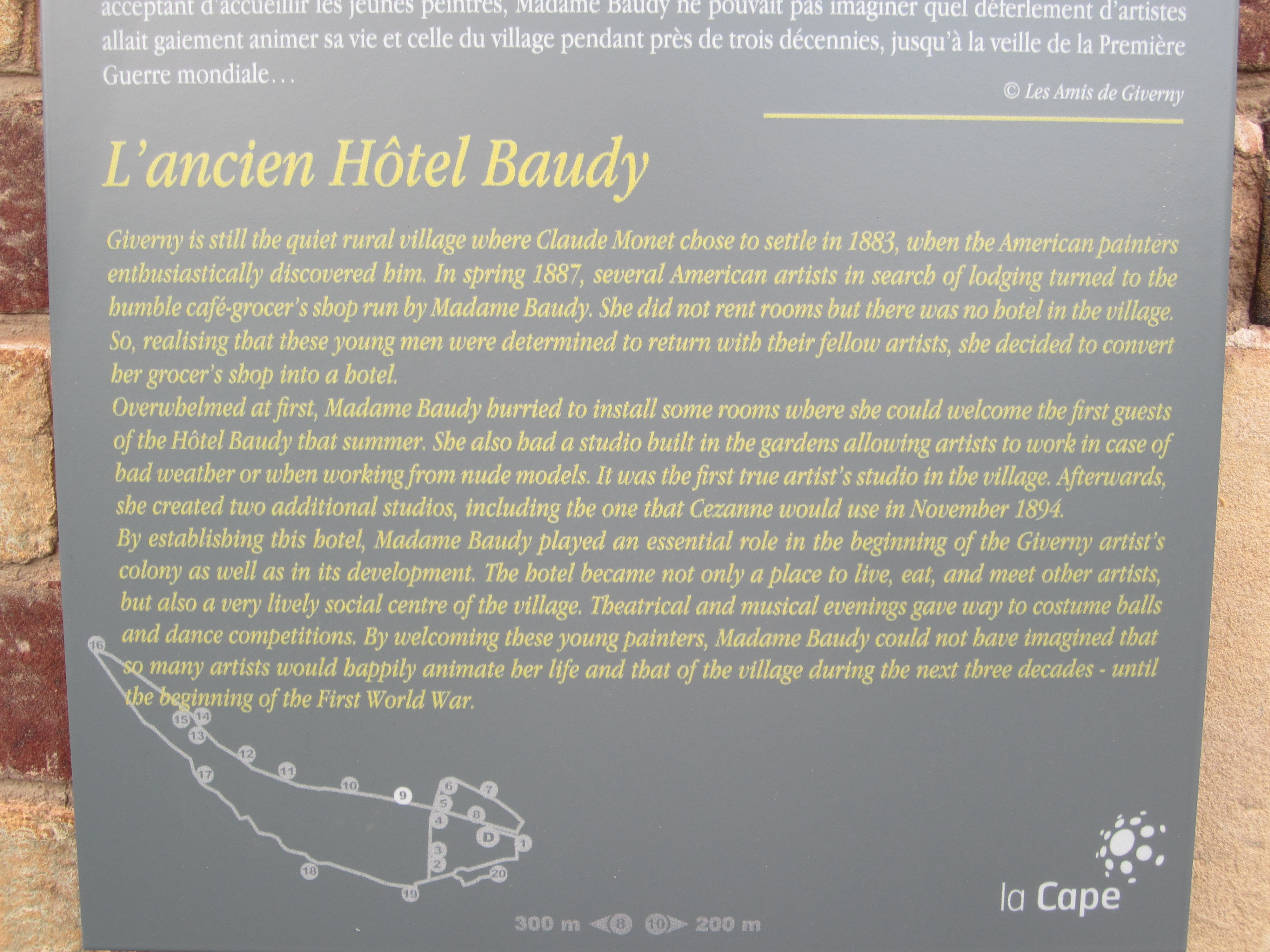
Charlotte and her family check into Hotel Baudy upon their arrival in Giverny, just like so many of the visiting American artists in the late 19th century. Charlotte enjoys the boisterous life at the hotel, where the artists often pay their hotel bills by leaving a painting behind. If you visit Giverny today, you can enjoy lunch inside the old Hotel Baudy, or on the terrace where the old tennis courts might have once stood.

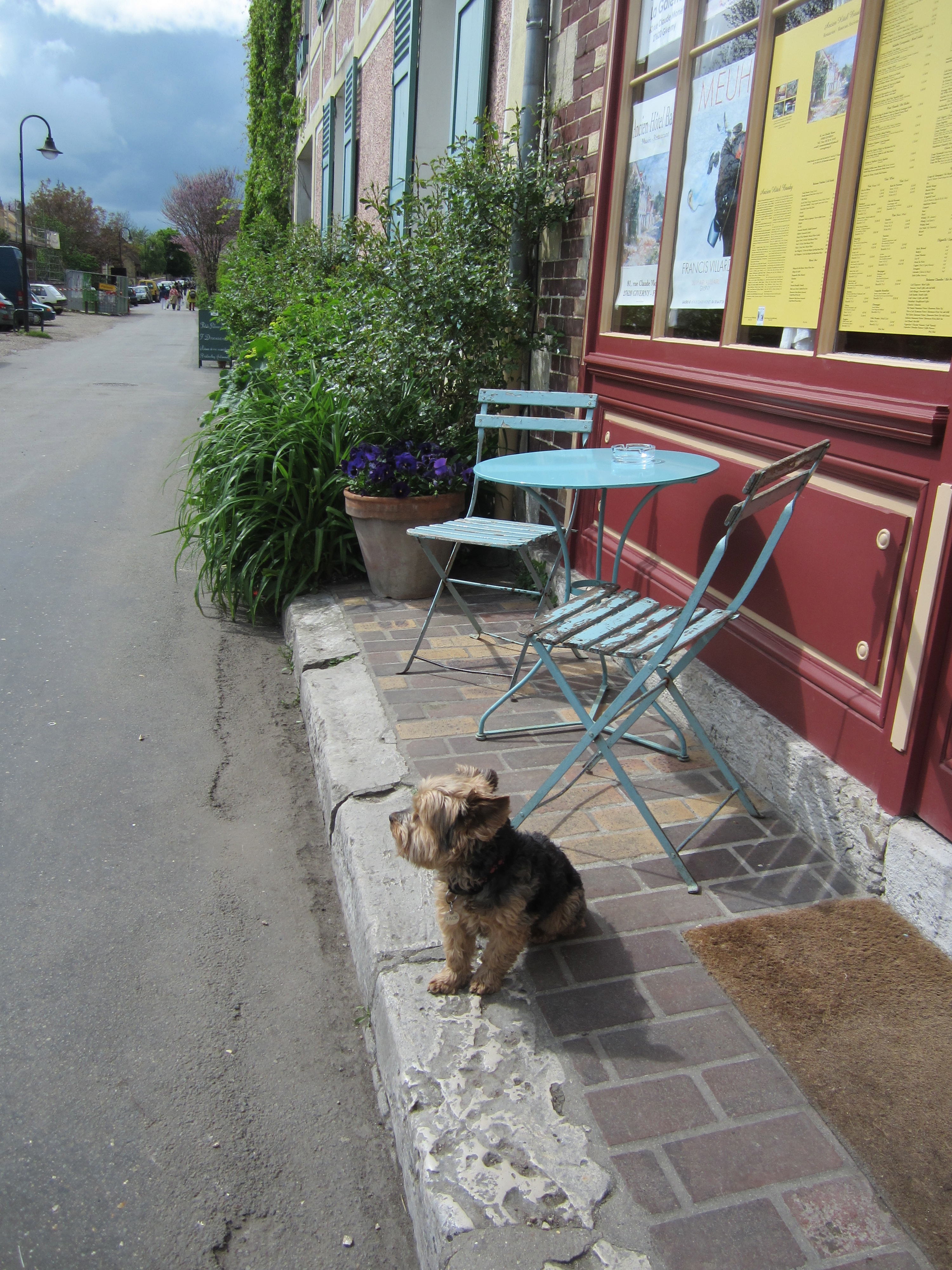
Hotel Baudy in Giverny

Degas, is that you? In Charlotte in Giverny, Charlotte meets the American painter Lilla Cabot Perry and her young daughter Edith. The Perrys had a little dog named “Degas” who looks a lot like this petit chien!

A Who’s Who of Artists Visited Hotel Baudy.

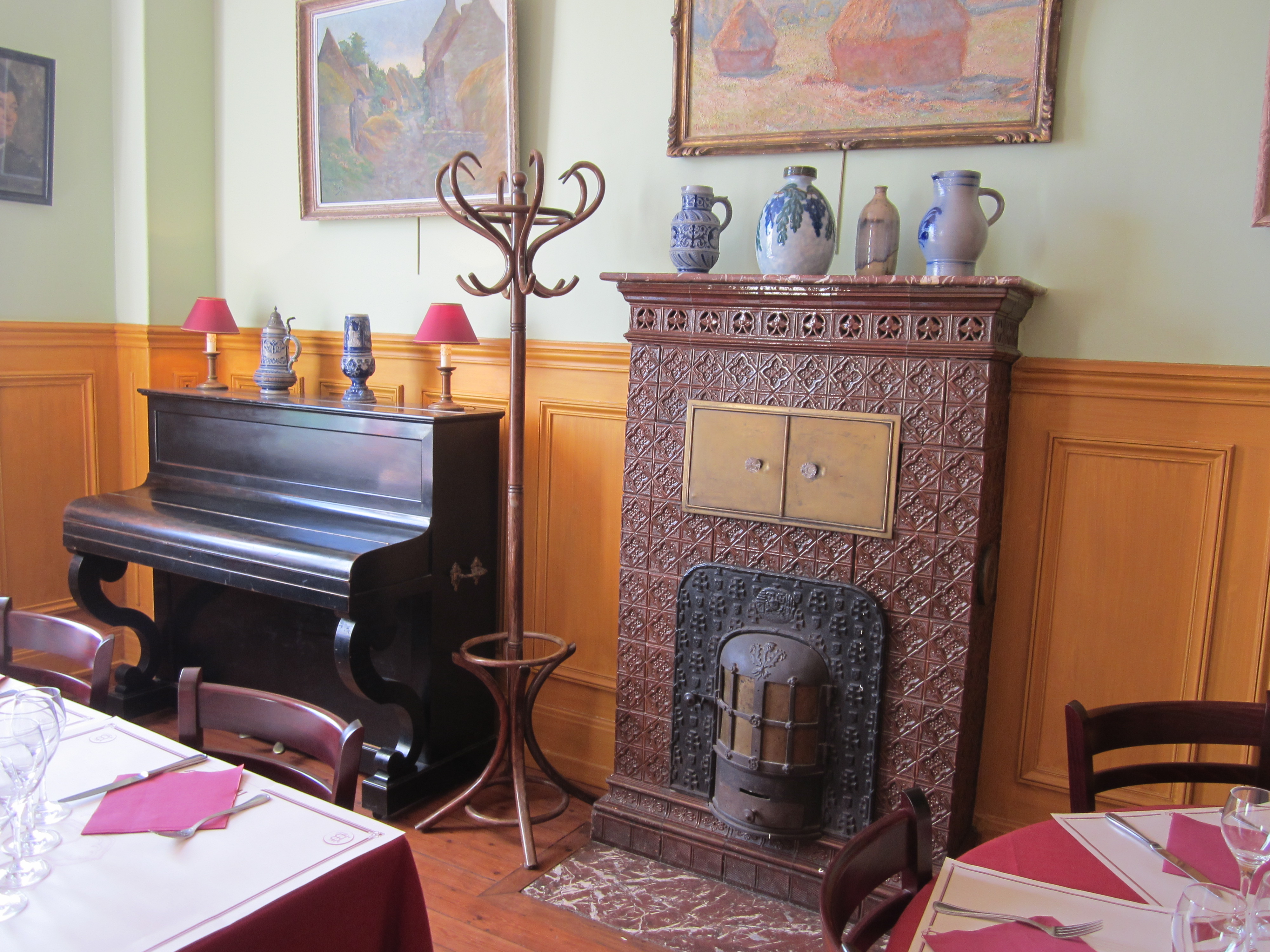
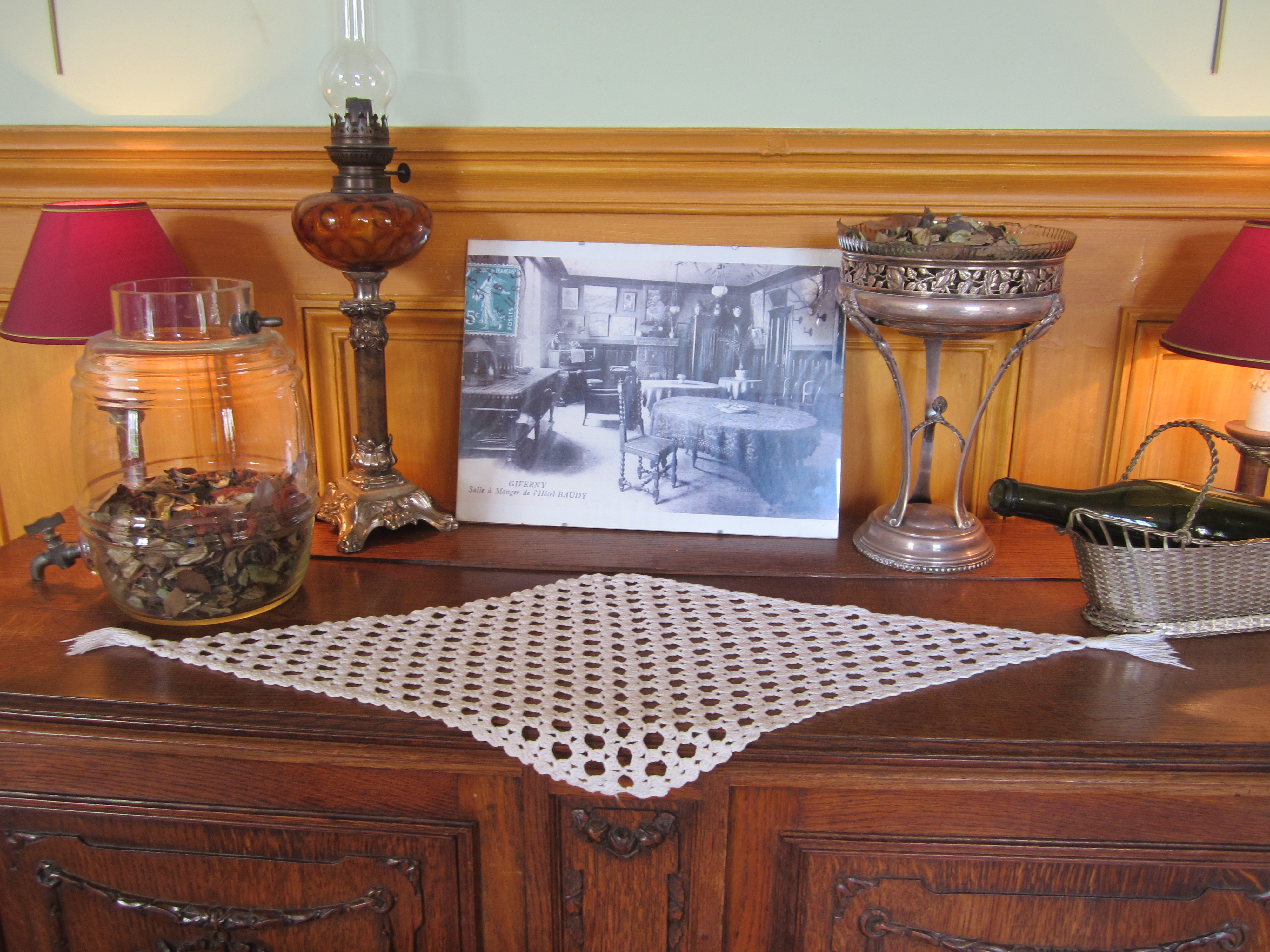
The interior of the Hotel Baudy, where you can imagine all of the fun bohemian evenings singing songs near the fire. The walls are full of Impressionist reproductions that might have been left behind by starving artists unable to pay their bills.

You can enjoy lunch on the terrace of the Hotel Baudy, which might be the site of Hotel Baudy’s old tennis court. Karl Anderson’s painting called “Tennis Court at the Hotel Baudy” (1910) depicts a tennis scene on a court right outside the hotel.  To me, it looks as though it could have been right here. See for yourself on the Terra Museum website.


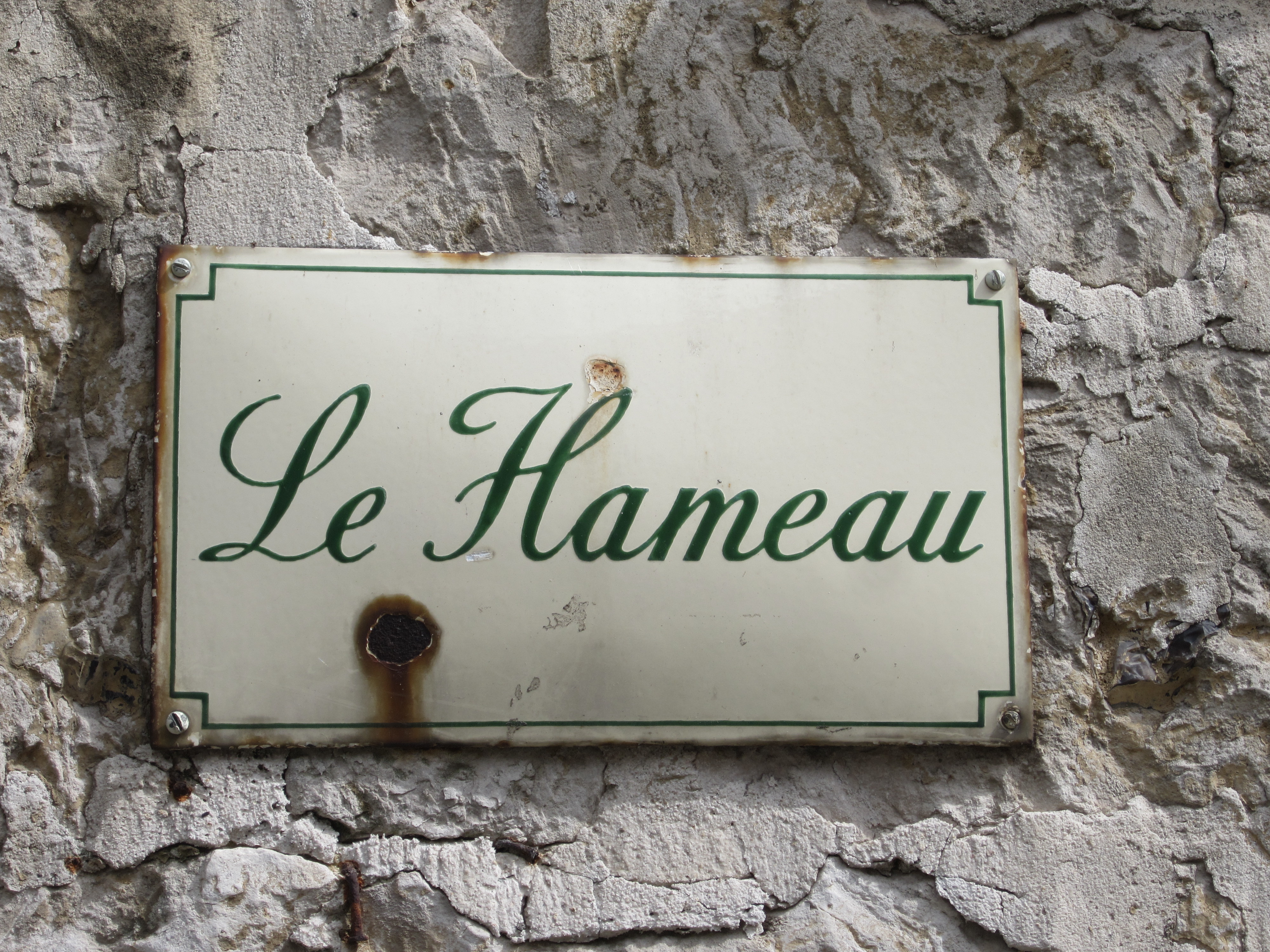
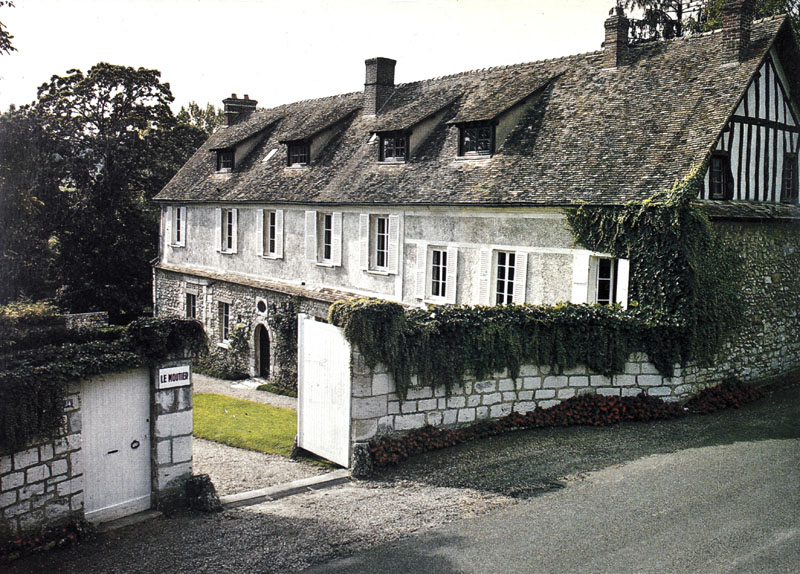
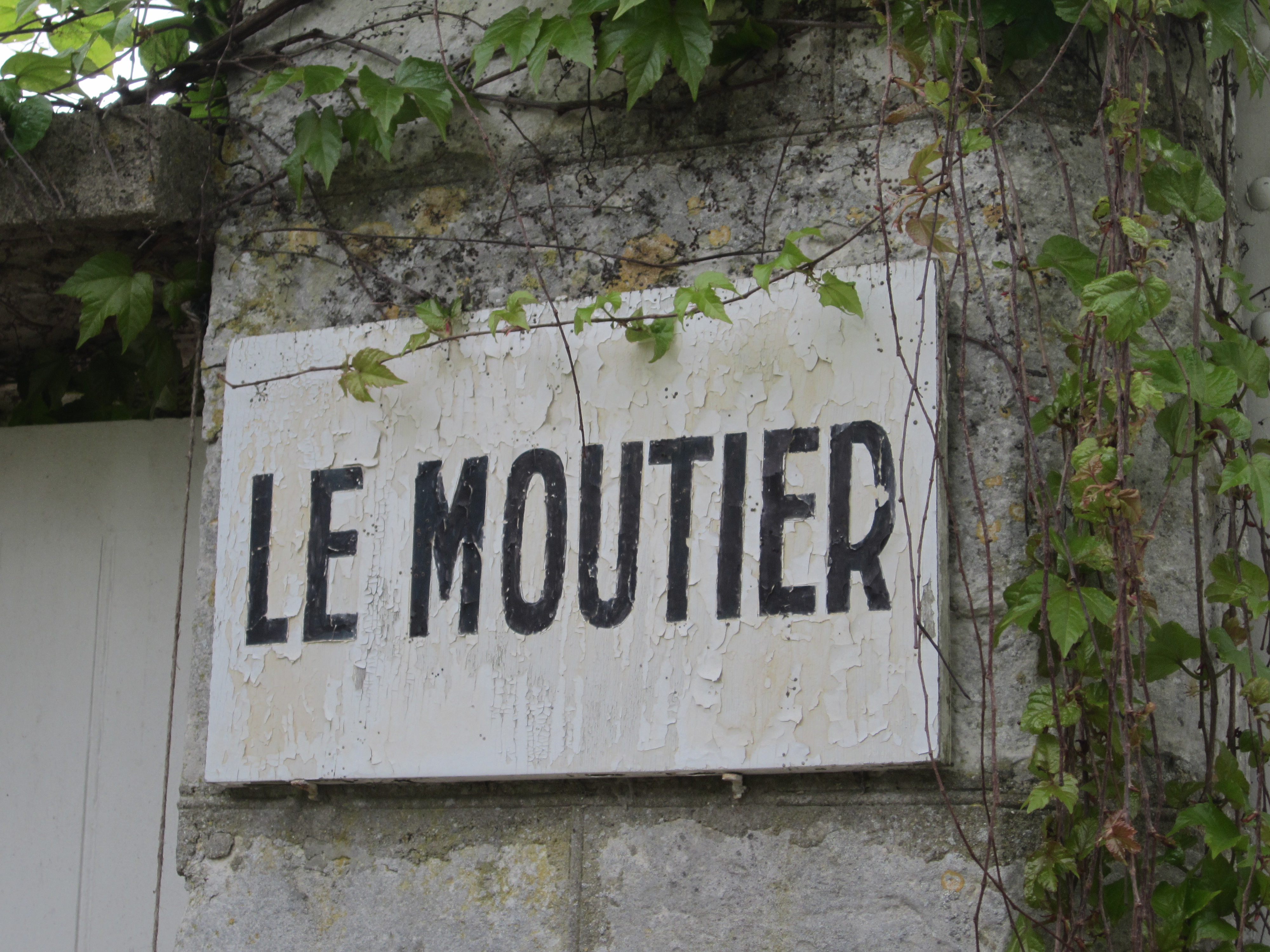
Charlotte gets to know the other American artists who called Giverny home, including Lilla Cabot Perry who rented Le Hameau in the summertime, and Frederick and Mary Fairchild MacMonnies (later known as Mary Fairchild Low) who lived in Le Moutier, a former monastery which was jokingly referred to as “MacMonastery.”

Le Hameau – the summer home of Lilla Cabot Perry and family from 1889-1909

Le Hameau

Le Moutier – from a 1960s era postcard. The former home of American artist power couple Frederick and Mary Fairchild MacMonnies.

Today, Le Moutier is privately owned and protected by high walls, just like it was back in the “MacMonastery” days.

Despite the crowds, you can’t beat a day trip to Giverny in Charlotte or Linnea’s footsteps. It’s a lovely village full of art, history and pastoral beauty. You don’t need to have a daughter to enjoy the trip or these books. You just need to have the heart of an artist.

Recommended visit: Take the train to nearby Vernon, rent a car, or take a bus tour from Paris that allows you an entire day to wander through the streets of Giverny. Don’t rush back!

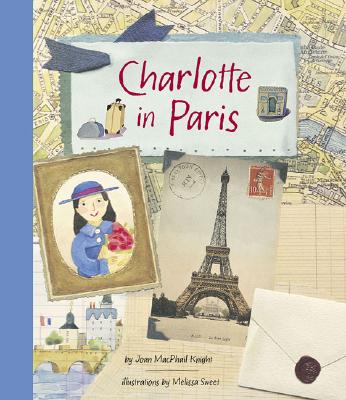
Additional recommended reading: Charlotte in Paris