Where the Light Falls: An American Artist in Paris

wherethelightfalls

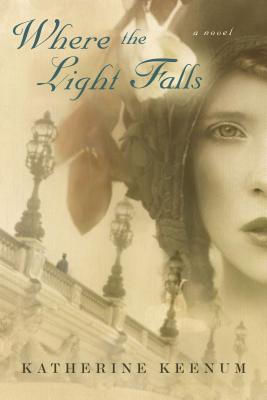
Where The Light Falls by Katherine Keenum is a lovely painterly novel set in late 19th century Paris. What a perfect book for a review and literary tour by The American Girls Art Club in Paris.

You can find various sites in the book on Where the Light Falls Literary Tour in Google Maps.

The story begins when a young artist named Jeannette Palmer gets expelled from Vassar College for helping her roommate elope.  Despite her public shaming, Jeannette talks her prominent Ohio family into supporting further art studies in Paris.

Jeannette and her chaperone, a “spinster” cousin, find lodging in a pension on rue Jacob on the Left Bank, while Jeannette enrolls in the women’s drawing class at the Académie Julian. Had Jeannette arrived in Paris a decade or so later, she could have easily been one of the lodgers at The American Girls Art Club in Paris, which opened its doors in 1893. Instead, Jeannette would be one of the first-wave  trailblazers of American women artists to journey to France.

Jeannette’s story is loosely based on the life of the author’s own great-grandmother, who was indeed expelled from Vassar College and who traveled to Paris to study art with Carolus-Duran. Because no journals, letters or memoirs survived, Katherine Keenum had to rely on her imagination to tell her great-grandmother’s story.

Keenum’s research is considerable, but it feels like a natural part of the story. When Jeannette is learning from such famous masters as William-Adolphe Bouguereau or Carolus-Duran, you feel like you’re there too. Keenum places Jeannette in Paris at a turning point in the history of art; it is remarkable how much Jeannette and her cousin Effie get to witness in just two years.

One of Keenum’s primary sources for the life and times of an American art student abroad  was Abigail May Alcott Nieriker’s guidebook for women artists called Studying Art Abroad and How to Do it Cheaply (1879), which describes May’s studies at Académie Julian, her approach to life in Paris, and her travels throughout France. (In a previous blog post here called Little Women in Dinan, France, I wrote about May and her famous sister’s travels abroad.) 

Jeannette begins her studies at the Académie Julian, a private art school which welcomed women into segregated studios, unlike L’Ecole des Beaux Arts. The first women’s atelier at Académie Julian was located in the Passage des Panoramas in the 2nd arrondissement of Paris. This Paris Passage still stands today – it it a lovely historic covered mall at 11 Boulevard Montmartre.

In Chapter 8, Jeannette has a hard time finding the stairs that led to the second floor studio of the Académie Julian. Keenum describes a set of service stairs along one of the transverse passages, but on my various visits to the Passage des Panoramas during my year in Paris, I was never able to find them. I could see a second floor under the peaked glass ceiling, I just couldn’t get there. I’d love to hear from any of my followers to see if they’ve ever managed to gain access to the second floor of the Passage des Panormas, or if it’s a place that belongs only to the past.
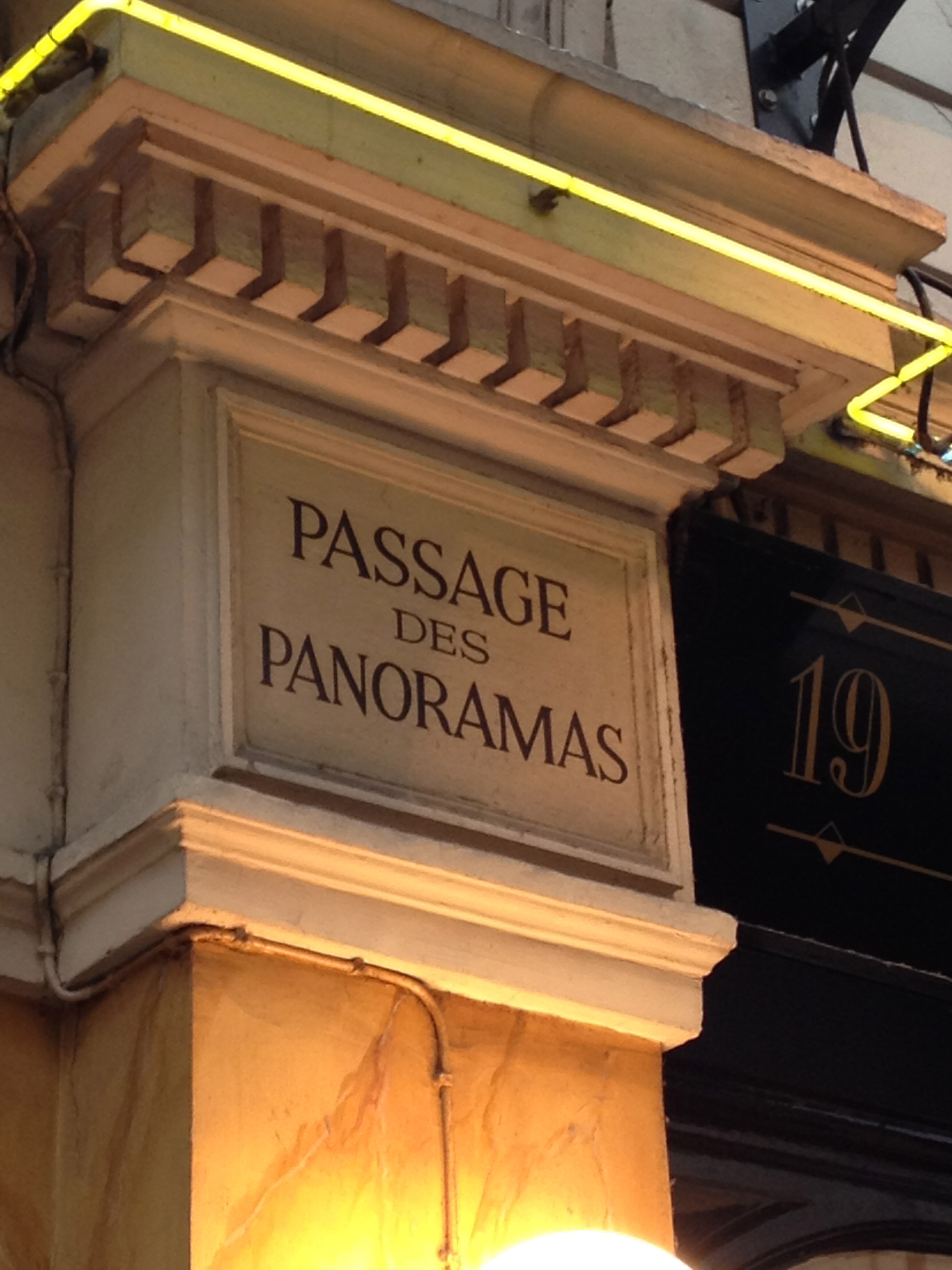
Passage des Panoramas in the 2nd arrondissement of Paris, the location of one of Académie Julian's atelier for women

An old sign inside the Passage des Panoramas in the 2nd arrondissement of Paris, the location of Académie Julian’s first atelier for women in the 1870s. You can still walk through the Passage today for a sense of the 19th century.
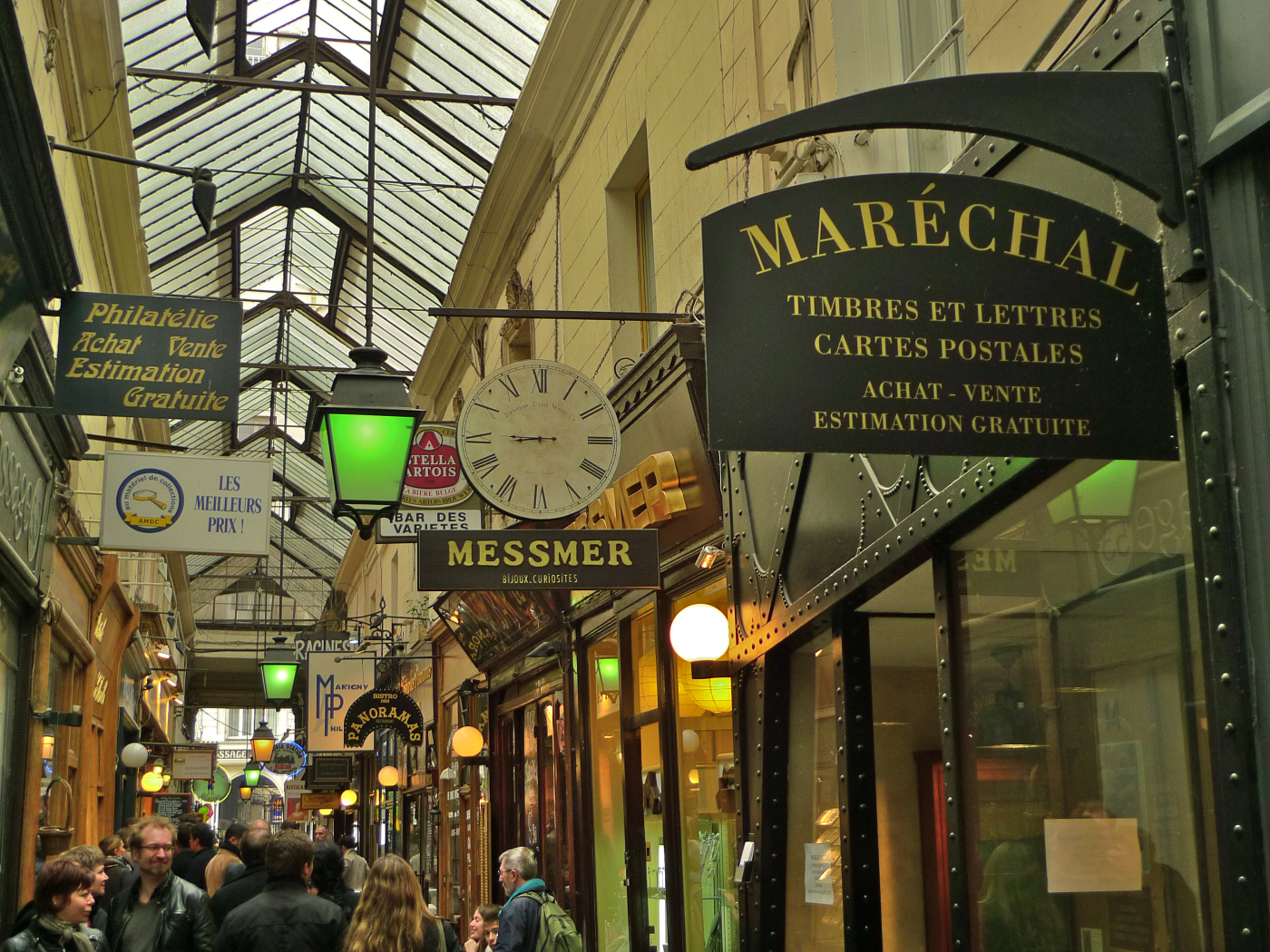
An interior view of the Passage des Panoramas in which a second floor is visible. I just couldn't figure out how to get up there.

An interior view of the Passage des Panoramas. In Chapter 8, Keenum describes it like this: “Inside, restaurants and small specialty shops crowded both sides of an arcade. Painted signs hung out at right angles overhead like banners; a tiled mosaic floor ran for two blocks. Above a second story of shops, the whole length was roofed with a peaked ceiling of glass.”

Passage des Panoramas

Passage des Panoramas entrance at 11 Boulevard Montmartre
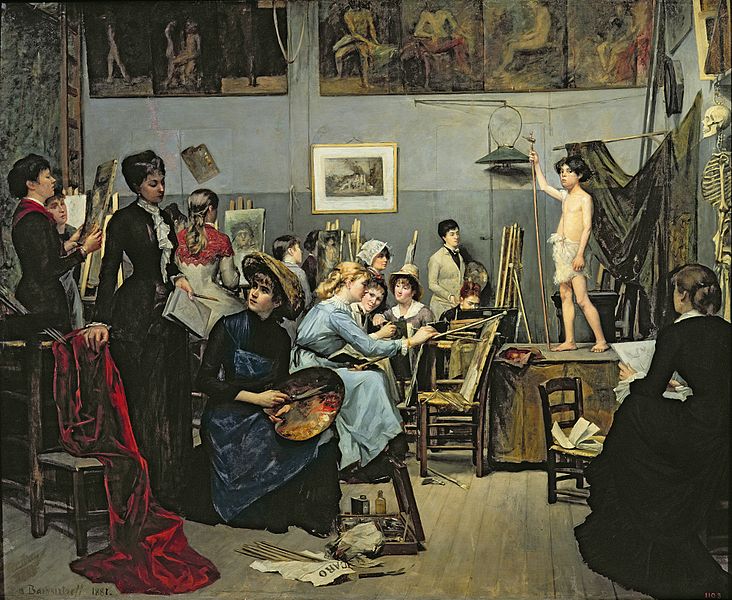
Marie Baskirtsheff, In The Studio (1881). A painting of the women of Académie Julian.

Marie Baskirtsheff, In The Studio (1881). A painting of the women of Académie Julian by one of its most famous students. Although the women were allowed to paint from live nude models, this painting avoids controversy and shows a draped figure of a young boy. Dnipropetrovsk State Art Museum, Ukraine. In Chapter 8, one of Jeanette’s classmates points out their fellow student “The Countess,” [Countess Marie Bashkirtseff] “a star student in the class for the full nude.” The Countess is supposedly picture in the center of this painting with the palette in her lap.
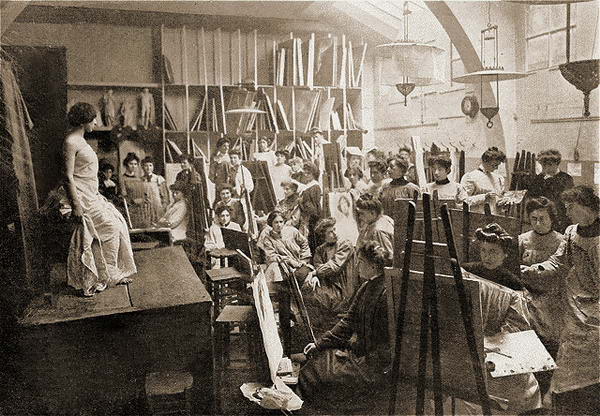
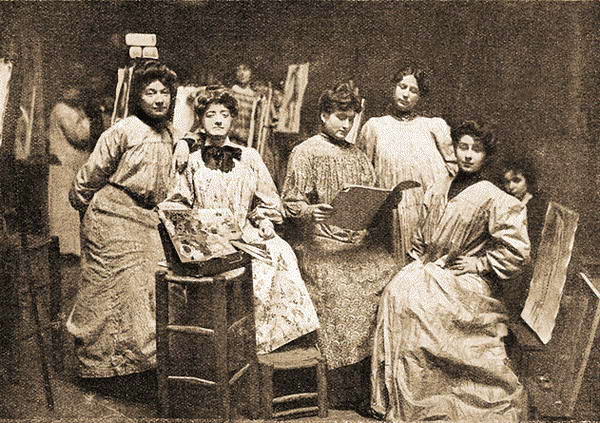
Atelier Julian, undated, so it is possible it is from the other women's atelier on rue de Berri. Source:http://verat.pagesperso-orange.fr/la_peinture/Mixite_Beaux-Arts.htm

A photo of one of the women’s classes a Académie Julian. It is undated, so it is possible it is from the other women’s atelier which opened in the 1880s on rue de Berri near the Champs Elysée. Source:http://verat.pagesperso-orange.fr/la_peinture/Mixite_Beaux-Arts.htm
A photography of some of the female messiers (studio assistants) of the Académie Julian. Source:http://verat.pagesperso-orange.fr/la_peinture/Mixite_Beaux-Arts.htm
A photograph of some of the female messiers (studio assistants) of the Académie Julian. Source:http://verat.pagesperso-orange.fr/la_peinture/Mixite_Beaux-Arts.htm

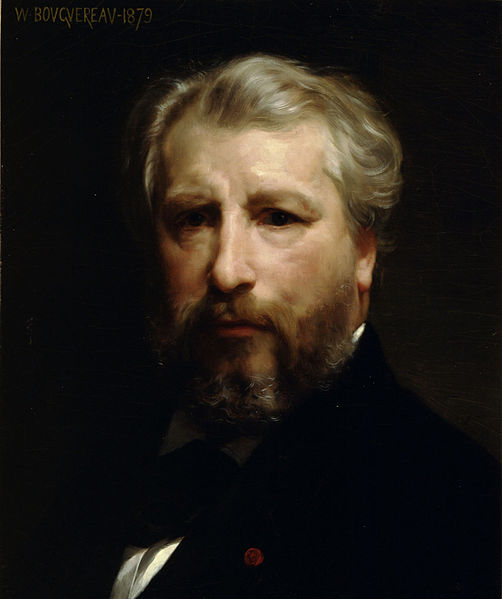
William-Adolphe Bougeureau, Self-Portrait (1879)

William-Adolphe Bouguereau, Self-Portrait (1879). Bouguereau was a famous 19th century Salon artist who provided private instruction for both men and women at the Académie Julian. He would be engaged to one of his American students, Elizabeth Jane Gardner, for 17 years. They would finally marry in 1896 after the death of his mother, who strongly disapproved of the match.
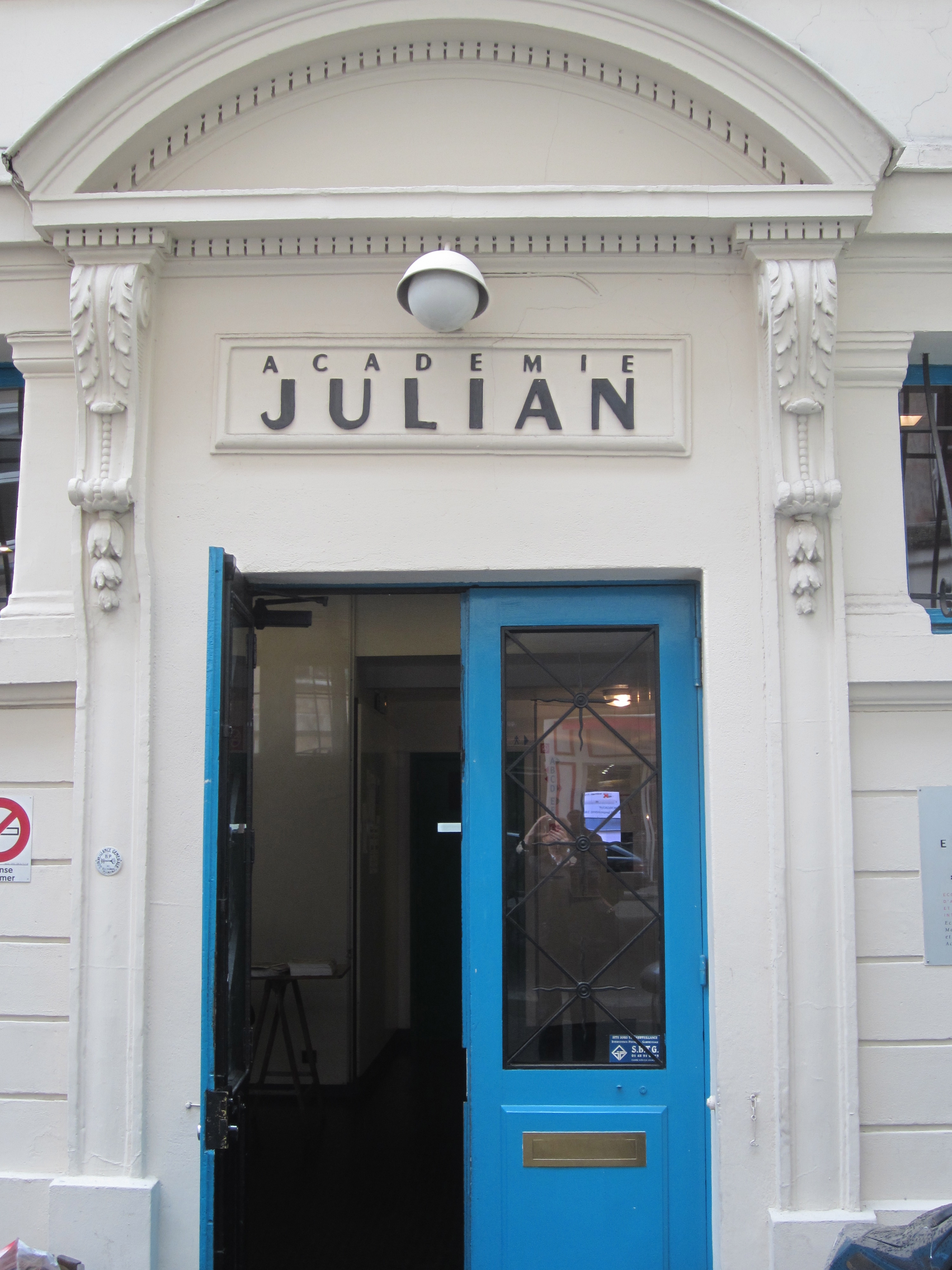
The Académie Julian still stands today on the rue du Dragon.

The Académie Julian still stands today on the rue du Dragon in the 6th arrondissement of Paris. This was originally one of the men’s ateliers, but has long accepted both men and women.

Jeannette enjoys her studies at the Académie Julian under William-Adolphe Bouguereau, but really, Bouguereau only passes through the class a couple of times a week with a few comments like pas mal, pas mal. Although she’s making friends with her fellow art students from around the world and learning all about the Paris art world, Jeannette couldn’t help but aspire for better art instruction.

Jeannette gets her big break when she makes the acquaintance of Carolus-Duran through   a wealthy friend of the family who is having her portrait done. Duran invites Jeannette for a studio visit at 58 rue Notre Dame des Champs. When Jeannette and Effie arrive at his address, they quickly realize what a celebrity painter he is. There are three carriages at the curb and a servant to greet the guests. Effie gushes: “Why, it’s as elegant as a hotel lobby or a fashion house!”
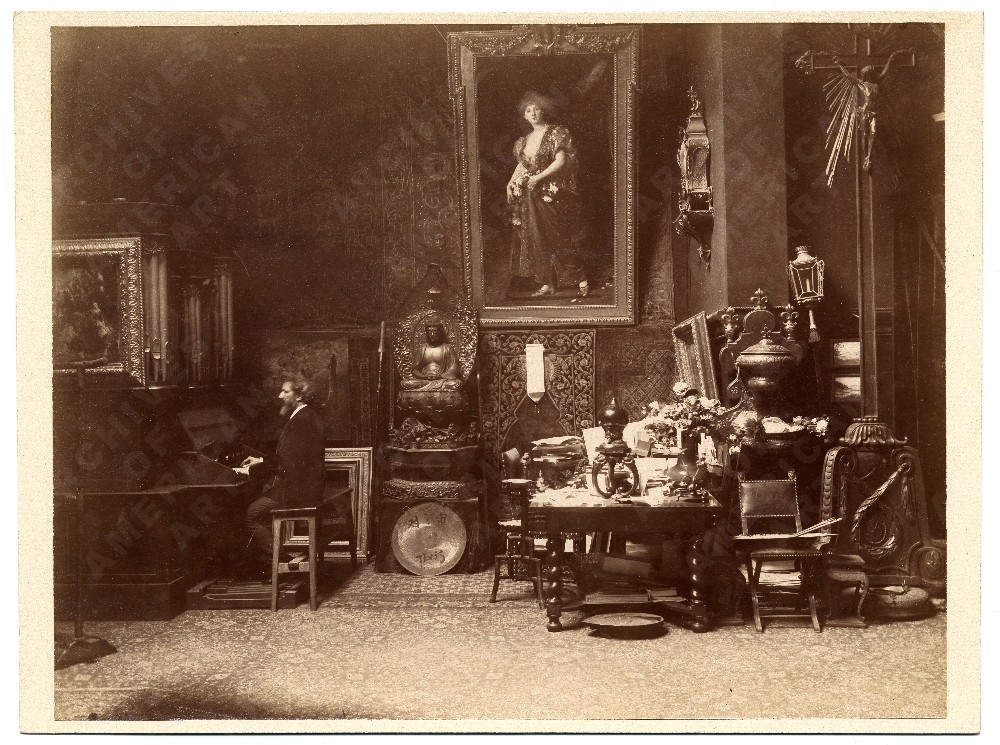
A photo of Carolu-Duran playing the organ in his art studio (1885). From the image gallery at the American Archives of Art. Keenum gets it right when she describes the studio as being "strewn with thick Persian rugs and hung with tapestries and pictures."

A photo of Carolus-Duran playing the organ in his art studio (1885). From the digital image gallery at the American Archives of Art called “Photographs of Artists in their Paris Studios (1880-1890).” Keenum gets it right when she describes the studio as being “strewn with thick Persian rugs and hung with tapestries and pictures.”
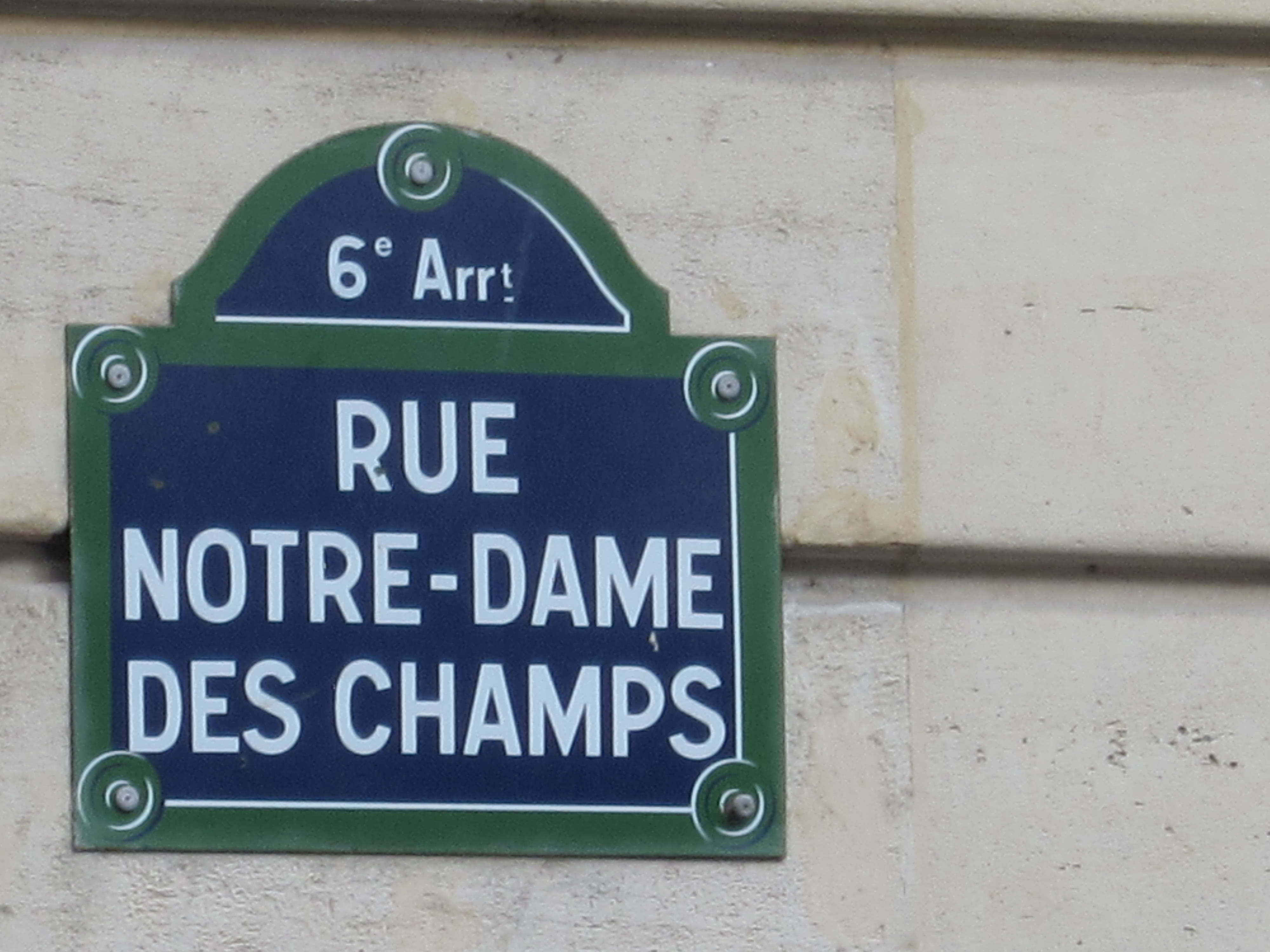
rue Notre Dame des Champs, a narrow winding road through Montparnasse which earned its title as "the royal road of painting" because of all the famous French artists who lived there, including Bouguereau,  Courbet and Carolus-Duran.

Rue Notre Dame des Champs, a narrow winding road through Montparnasse which earned the title “the royal road of painting” because of all the famous French artists who lived there, including Bouguereau, Courbet and Carolus-Duran.

Carolus-Duran invites Jeannette to join his women’s painting classes at 11 Passage Stanislaus in Montparnasse. Passage Stanislaus is now known as rue Jules Chaplain, a small street just off of rue Notre Dame des Champs.
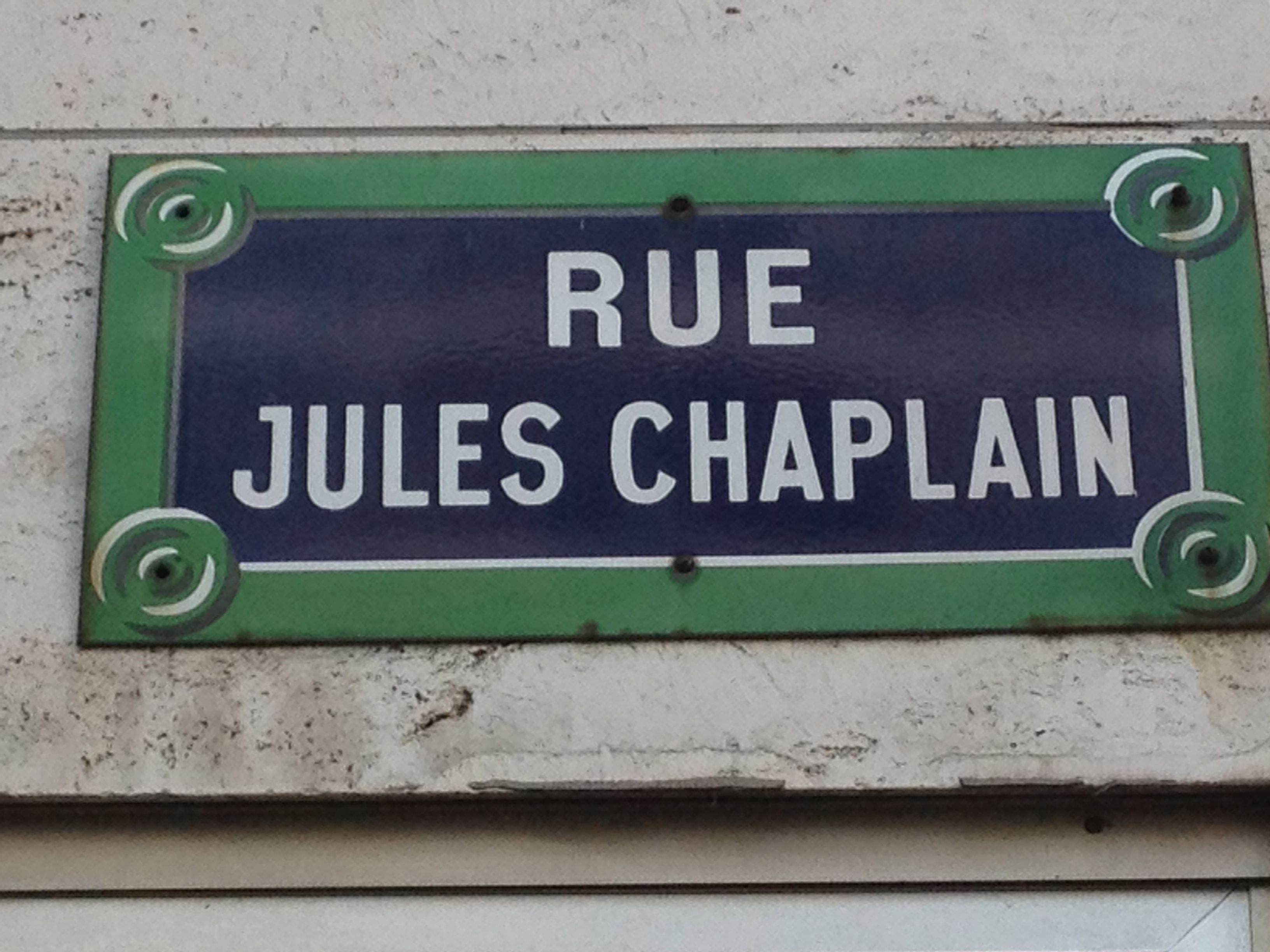
Rue Jules Chaplain, once Passage Stanislaus and the home of Carolus-Duran's atelier for women.

Rue Jules Chaplain, once Passage Stanislaus and the home of Carolus-Duran’s atelier for women.

Jeannete struggles to find the extra money to enroll in Carolus-Duran’s classes, but once she does, she gets to observe one of the true masters of the art. One of my favorite scenes in the book is in Chapter 30, when Carolus-Duran pulls Jeannette right up next to him to demonstrate the essence of portrait painting:

Study where the light falls and where the shadows lie. We commence by indicating the darkest masses. . . .

Either way, what is most important now is to find the demi-teinte generale. Half close your eyes, mademoiselle; regard the model.

It’s enough to make you want to find a model and set up and easel right nowisn’t it?

Jeannette is in the perfect place and time to witness art history. She meets a young John Singer Sargent, a fellow student in Carolus-Duran’s men’s atelier who would have been only 23 years old at the time. Jeannette and her classmates celebrate when Sargent’s portrait of Carolus-Duran wins an Honorable Mention at the Paris Salon of 1879.
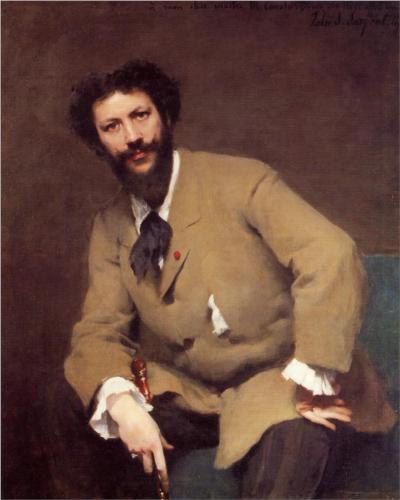
John Singer Sargent's portrait of Carolus- Duran (1879), Clark Art Institute, Williamston, Massachusetts. When Jeanette meets JOhn Singer Sargent at a garden party, she says: "I hear your portrait of Carolus is wonderful."

John Singer Sargent’s portrait of Carolus- Duran (1879), Clark Art Institute, Williamston, Massachusetts. When Jeanette meets John Singer Sargent at a garden party, she says: “I hear your portrait of Carolus is wonderful.”

There are plenty of other moments in art history that Jeannette gets to be a part of, including the Fourth Impressionist Exhibit of 1879, where she sees and critiques Mary Cassatt’s Little Girl in a Blue Arm Chair (1878):

That grumpy little girl sprawled on the aqua-blue chair – well, she’s vivid, but all that other aqua furniture climbing to the ceiling, . . . it’s hideous!

Don’t blame Jeannette. Most of the world wasn’t yet ready for the Impressionists either.

Mary Cassatt, Little Girl in a Blue Armchair (1878), National Museum of Art.

Mary Cassatt, Little Girl in a Blue Armchair (1878), National Museum of Art.

It is an incredible time in the history of art, and Jeannette is it the middle of it all. What a wonderful way for Katherine Keenum to honor the memory of her great-grandmother, who really did have a chance to be a part of history. In ways we can only imagine.

Where the Light Falls by Katherine Keenum: Highly recommended.

Where the Light Falls Literary Tour: As created by The American Girls Art Club in Paris.
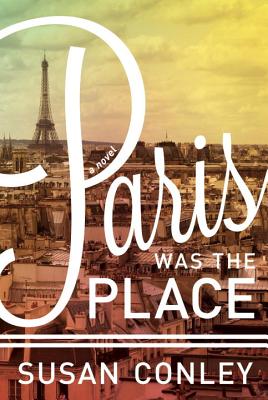
Paris Was the Place

pariswastheplace

You probably think I will buy any book with a picture of Paris on the cover. No, really. I won’t. I’m not that easy.

But when your cover is this pretty, the font this inviting, and you have blurbs on the back from the likes of Lily King, Richard Russo, Ayelet Waldman, Margot Livesy, Maryann O’Hare and Sarah Blake, you’ve got me.

Paris Was The Place by Susan Conley is the story of a young woman’s experience while working at an immigration detention center for girls in Paris. You could say it’s Little Bee in Paris, but that would be missing half of the book’s appeal.

In some ways, Willow (“Willie”) Pears is a refugee too. Broken and lost after her mother’s recent death, Willie leaves California and comes to Paris in search of connections. Willie is estranged from her father, but wants to be closer to her brother Luke who lives in Paris with his boyfriend. Willie is a poetry professor at the Academy of France, and begins volunteering at an immigration center for girls. As Willie draws out the refugees’ heartbreaking stories, which they need to prepare for their asylum hearings, she becomes deeply involved in their desperate hope for a better life in France. In the meantime, Willie makes her own “French Connection” with an immigration lawyer who works at the center.
Part of the appeal of Willie’s story is the way she makes Paris her place. When Willie first arrives in Paris she is mystified by the geography of the city:

The sequencing of the neighborhoods here baffles me – arranged like the curvature of some terrestrial snail. I’m in the tenth arrondissement, anchored by two of Paris’s great train stations, where the alleyways weave into mapless places. I’m not embarrassed to carry my Michelin.

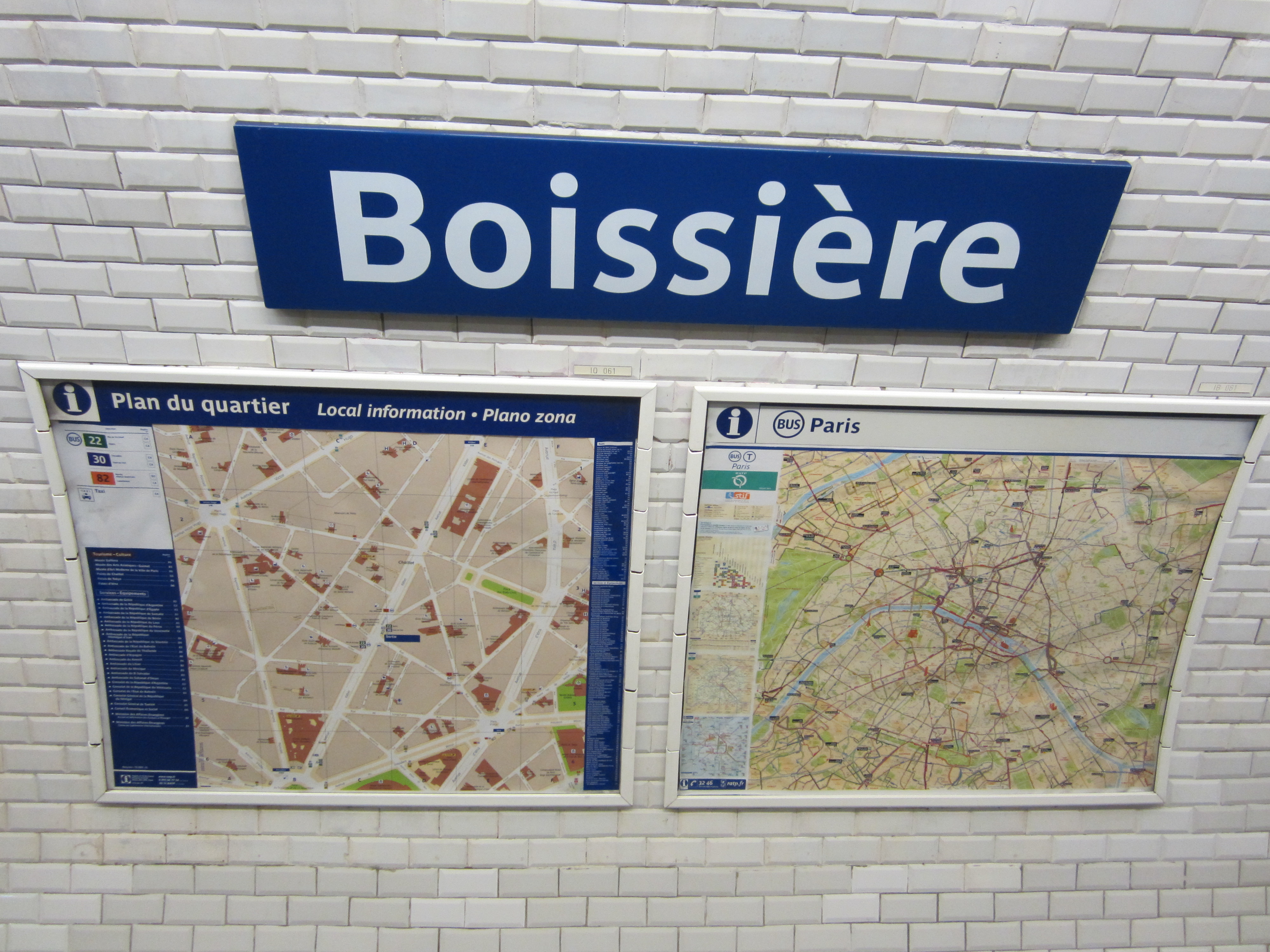
With her Michelin in hand, Willie maps her way through Paris, narrating her trips and transfers on the Métro, guiding us through each arrondissement. From her brother’s nice apartment on Victor Hugo in the 16th, her own apartment on Rue de la Clef in the Latin Quarter, the detention center on Rue de Metz in the 10th, and the Academy of France in the 6th, Willie stakes her claim on her new city.

Just for fun, I plotted out Willie’s Paris on this Google Map. Now you can walk in the footsteps of the characters of Paris Was the Place too.

Willie’s Michelin guide helps her unlock the baffling secrets of Paris. And isn’t that exactly the way it is when you’re a tourist or an expat in France? You might not understand half of what is said around you every day, but at least you can read your Métro map. Like color-coded bread crumbs that will always lead you home.

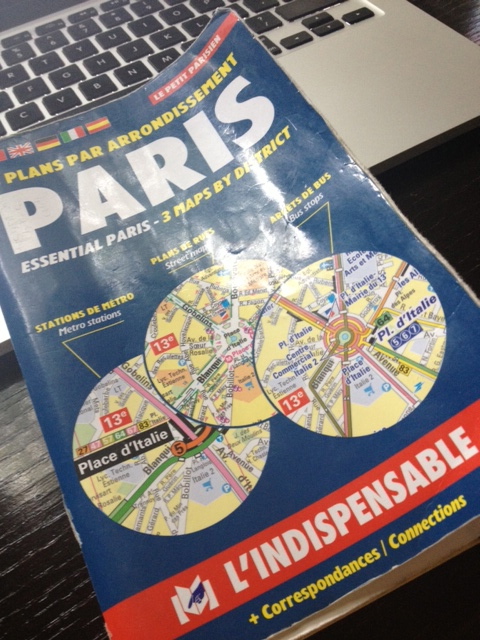
But there’s rarely a direct route. You need to study the map and plot your connections. What’s the best way to get from the 16th to the 10th? Can I get there without having to crowd in with all the tourists on Line 1? Can I do it with only one transfer? I used to start every day with my home-brewed espresso, plotting out my day on my own dog-eared Paris L’Indispensable.

And then, one day, just like Willie, you’ve mastered the Métro and you’ve developed an instinct for the spiraling arrondissements. You learned to cope with a life that isn’t always linear. You’ve made your connection and you feel like you belong. Paris is your place.

What makes Paris Was The Place so wonderful is the way Willie’s search for geographical connections runs parallel with her efforts to navigate through her personal connections: with her brother, her French lover, the girls at the detention center, her complicated family history, her widowed father. Some connections are made, while others are tragically lost. The fact that Willie’s estranged father is a mapmaker adds even more depth and grace to her story. Because belonging isn’t always just a matter of maps and Métros. It’s about making connections in the baffling, mapless places of the human heart.

My dog-eared L'Indispensable Paris Arrodissement Map. My own personal Rosetta Stone.

My dog-eared L’Indispensable Paris Arrondissement Map. My own personal Rosetta Stone.

IMG_2075

My home stop on Line 6 in the 16th, which Willie calls “the grown-up part of Paris” with “older women in pencil skirts walking their miniature poodles.” Ouch. That hurts. I swear I don’t own a pencil skirt or a miniature poodle.

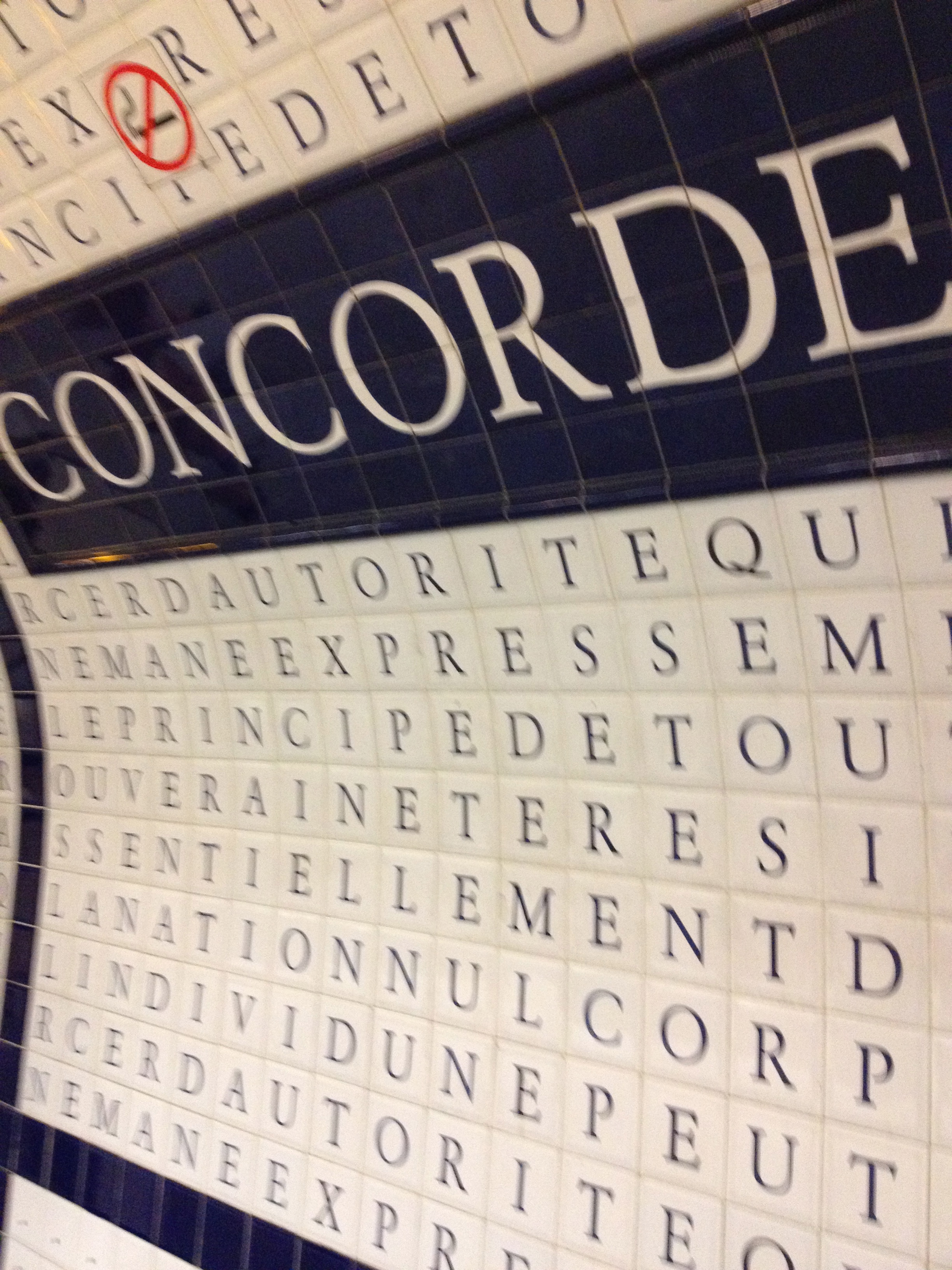
IMG_2436

Willie, a fellow word nerd, would have loved this Métro stop too. The words from the Declaration of the Rights of Man form a word search at this Concorde Métro stop.

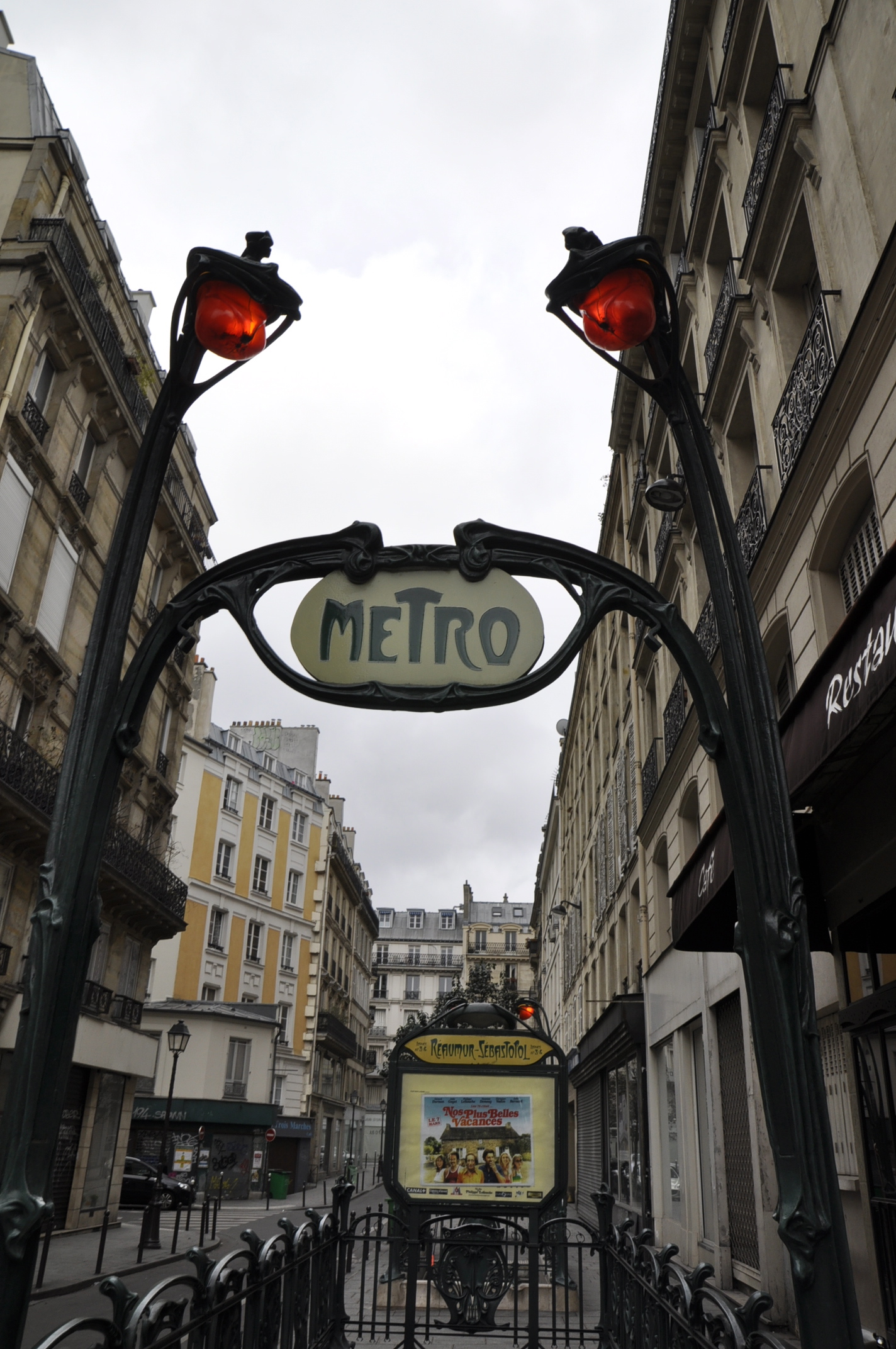
_DSC1014

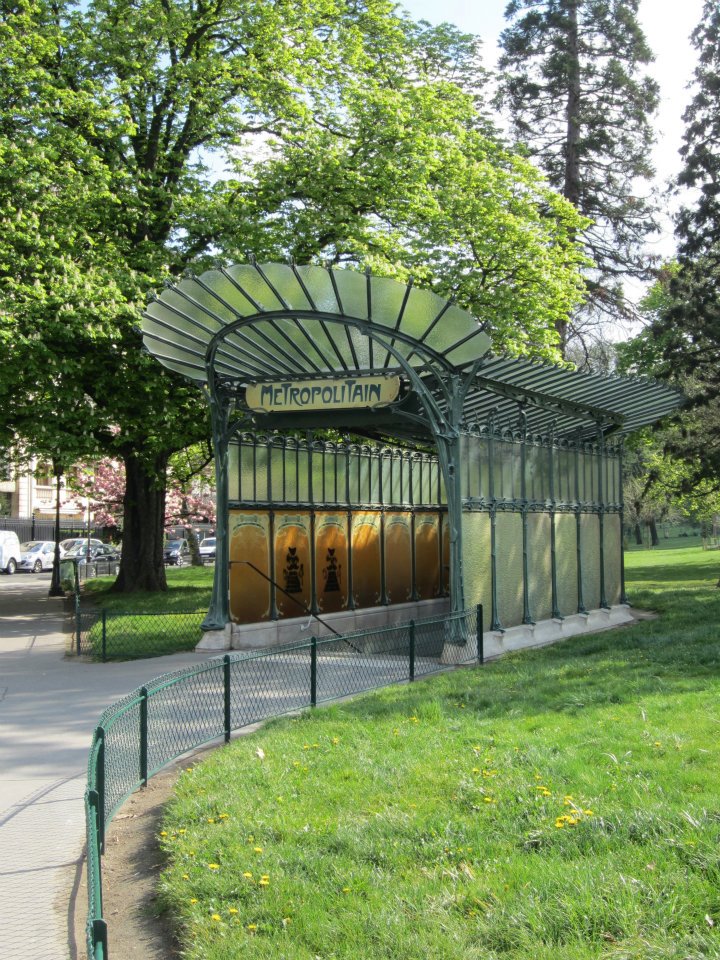
I love this Art Nouveau Métro stop at Réaumur Sébastopol on Line 4. Only one more stop until Willie’s stop for the Rue de Metz detention center.

One of my favorite Métro stops. The Port Dauphine Métro stop on Line 2, just one stop past Luke's apartment on Victor Hugo.

One of my favorite Métro stops. The Port Dauphine Métro stop on Line 2, just one stop past Luke’s apartment on Victor Hugo. Just a short walk from the lovely Bois de Boulogne.

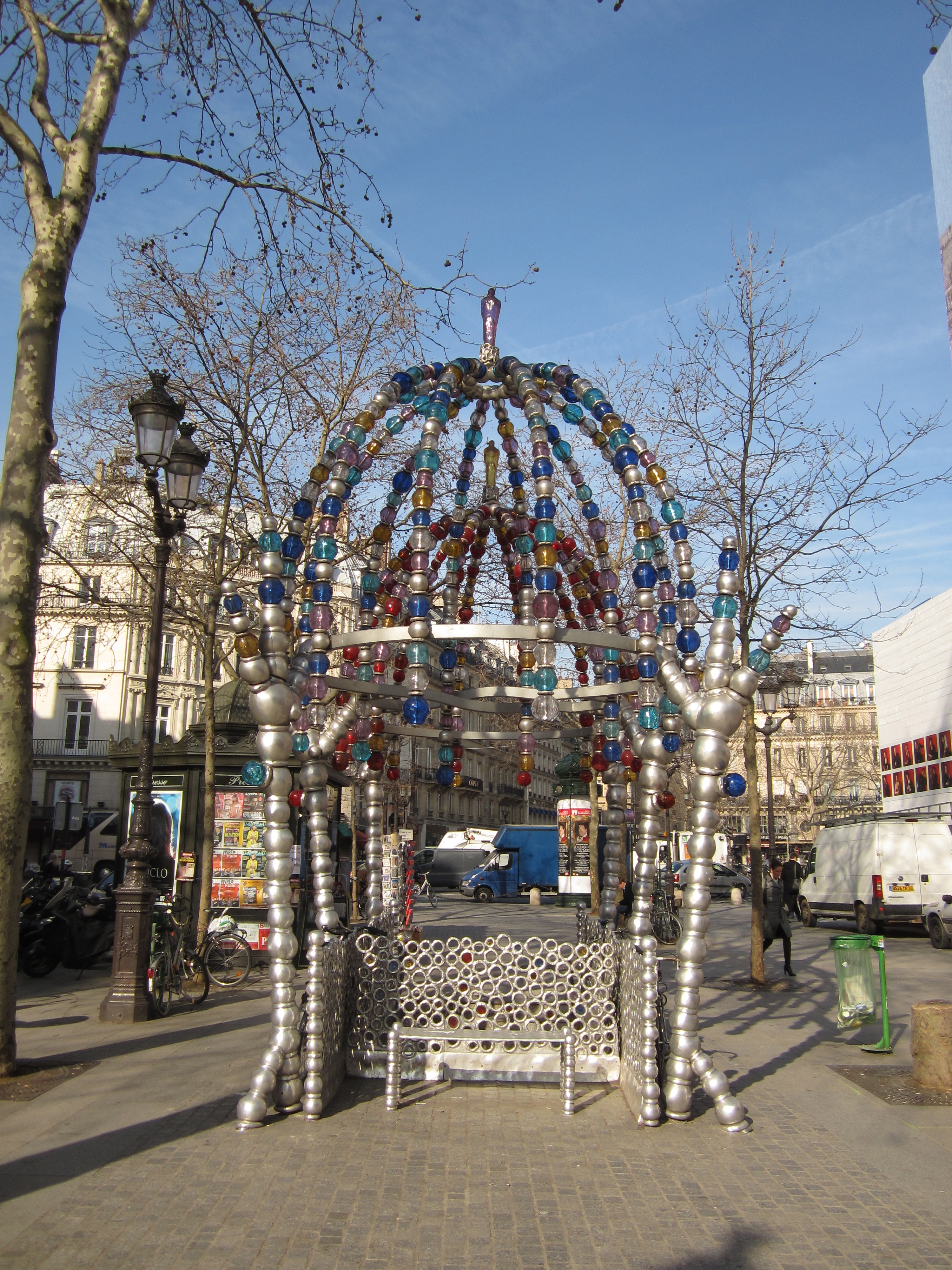
Who doesn't love the whimsical Louvre-Rivoli Métro stop?

Who doesn’t love the whimsical glass beads in the design of the Palais-Royal-Musée de Louvre Métro stop at Place Colette?

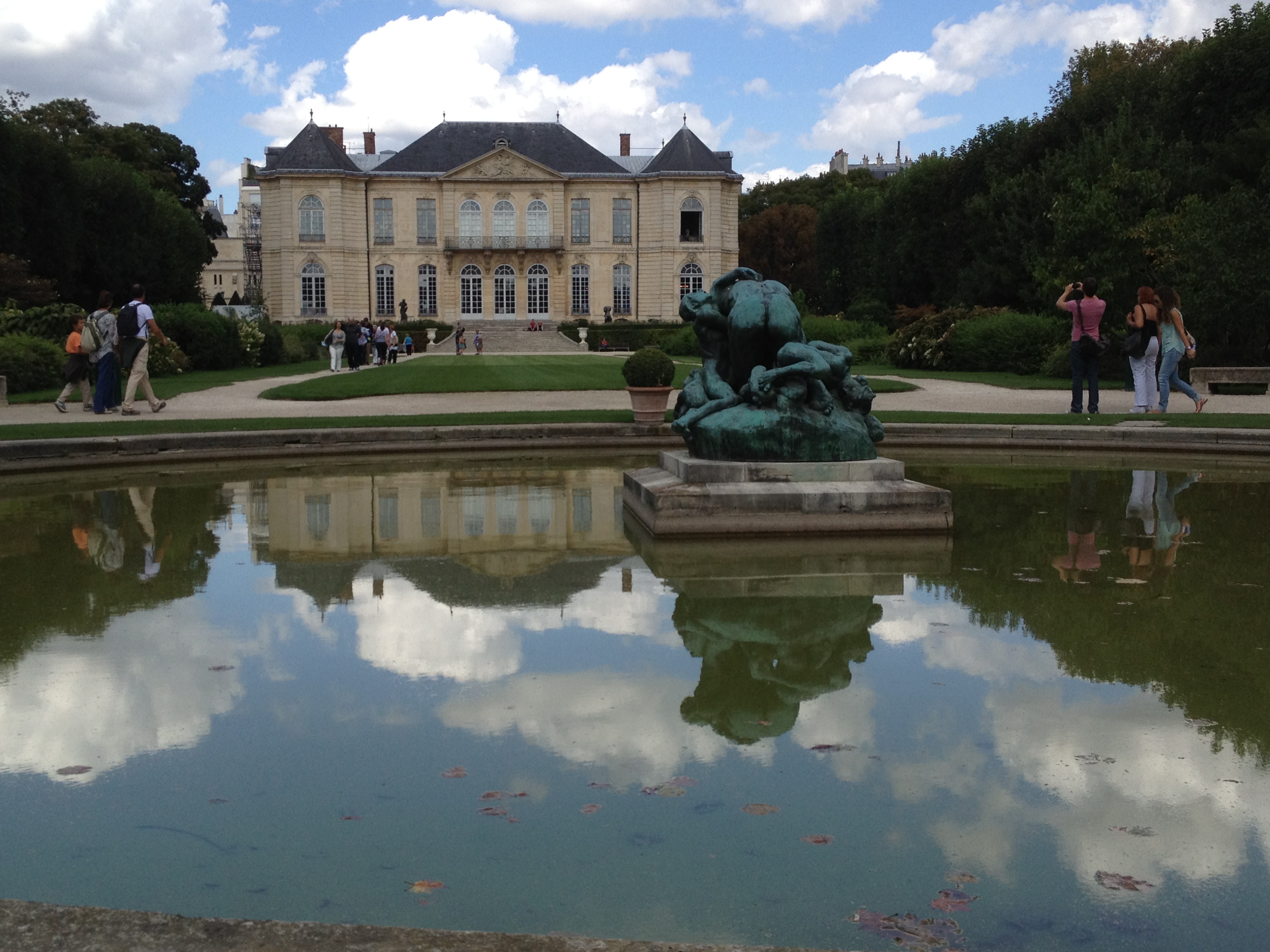
The gardens of Musée Rodin, the site of Willie and Gita's field trip

The gardens of Musée Rodin, the site of Willie and Gita’s field trip

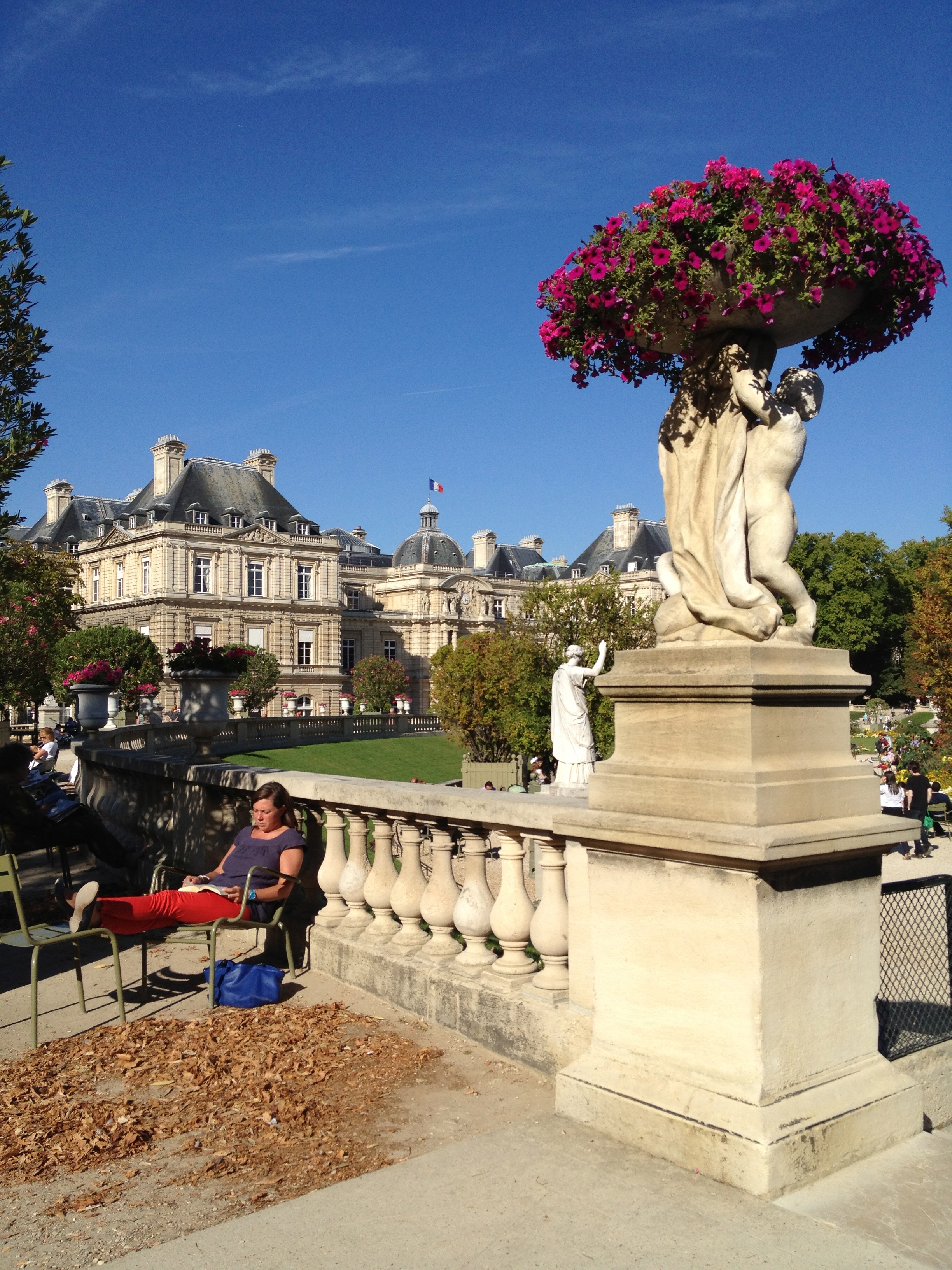
Luxembourg Gardens - where Willie and Gita enjoyed their brown-bag lunches together

Luxembourg Gardens – where Willie and Gita enjoyed their brown-bag lunches together

I have a feeling that it’s not just Willie and I who share this need to map out our place in Paris. Check out this quote from Susan Conley’s website, where she talks about her own Paris map OCD:

My craziest Francophile moment came when I found myself making these gigantic maps of the Paris neighborhoods covered in my novel. I used indelible markers on poster board in my little rabbit warren of an office on the third floor of our old house, and I tried to recreate the streets that Willie and Macon walked on in Paris. These hand-scrawled maps were my blue print of the city. They’re almost illegible but they gave me access to the parts of the city I really had to make sure the novel rendered fully. I needed to make the maps to feel like I was there in Paris. Then I knew that the reader would (hopefully!) feel like they were there too.

Yes, Susan, when I read your book I felt like I was in Paris too. Thanks for that, because now I miss it just a little less.

Paris Was The Place by Susan Conley:  Highly recommended.

Paris L’Insdispensable: Indispensable.

The Road to Burgundy by Ray Walker

road to burgundy

I just spent the weekend in Burgundy. Well actually, I was on my front porch in Chicago reading The Road to Burgundy by Ray Walker, and it felt like I was there all over again.

This book is Ray’s personal story based on his crazy dream to leave California and go make wine in Burgundy. Ray wasn’t even much of a wine expert – he’d only been tasting wine for a couple of years before he quit his day job – but there was just something about the purity and the story of the wines from Burgundy that seized his imagination and wouldn’t let go.

When I started the book I had serious doubts. Ray seemed a little delusional. I felt sorry for his long-suffering wife Christine. Who goes and makes wine in Burgundy (arguably the epicenter of winemaking in the entire world) without any experience, any clout, or any French language skills?

Well, Ray did. And it makes a great story, whether you know a lot about French wine or not. It takes you to the small villages of the Cote d’Or in Burgundy, and into the hearts and minds of the locals, who couldn’t resist helping Ray achieve his remarkable dream. (Well, there were a few notable exceptions, including a nasty Frenchman named Xavier and the typically frustrating French bureaucracy, but every story needs a villain or two).

This book will make you reexamine what you thought was possible with nothing but a dream and a whole lot of determination. It’s a great lesson for those of us who over-analyze, finding more reasons to keep it safe than to take a leap of faith. Ray’s whole story is summed up by the saying “Leap and the Net Will Appear.”

It’s downright inspiring.

At the very least, this book will make you want to call Air France to book a trip to Burgundy. In the meantime, you’ll have to satisfy yourself with a trip your favorite local wine shop and some photos from my Burgundy wine tour in 2012.

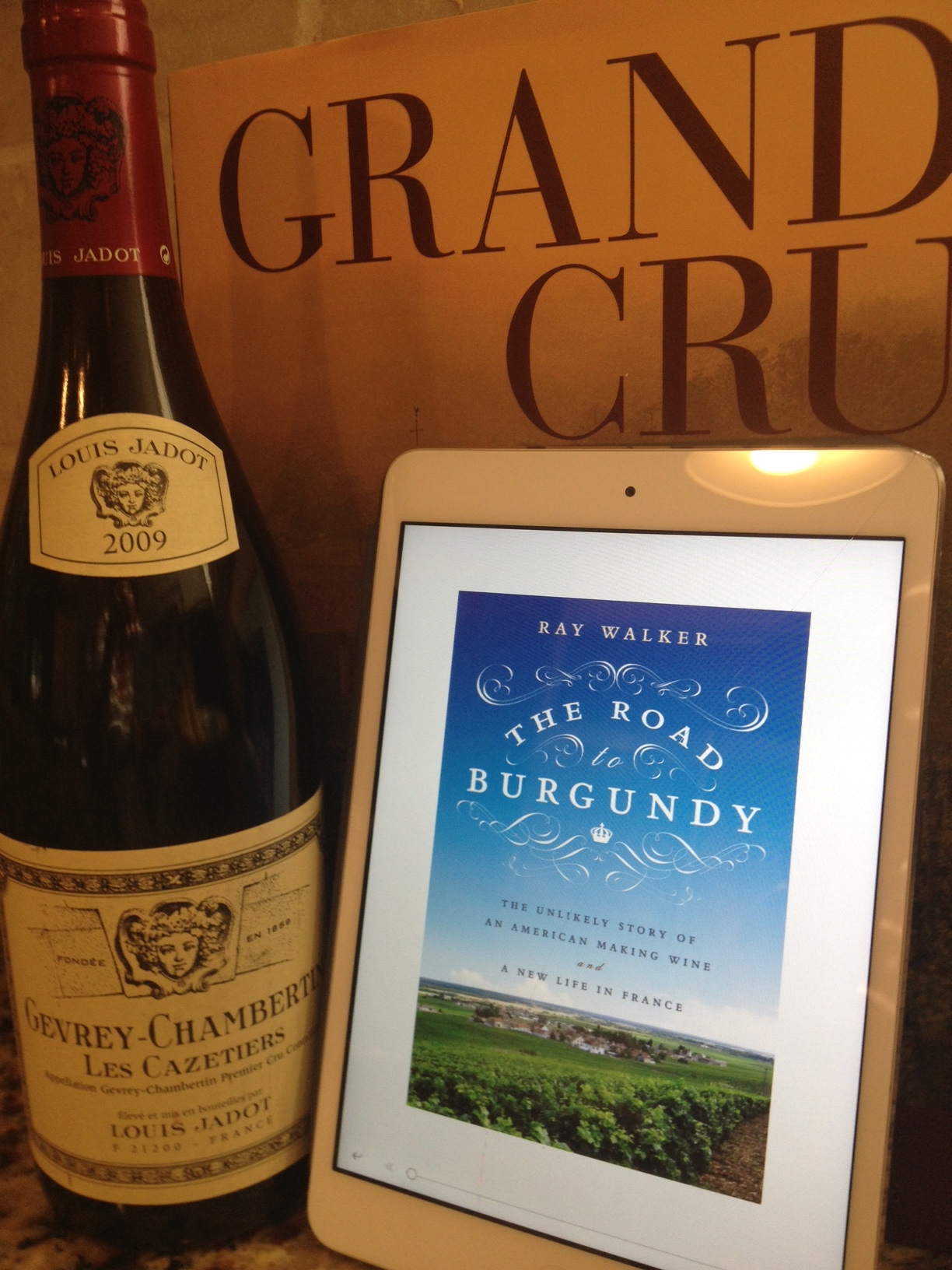
Before you settle down with The Road to Burgundy, stop by your local wine shop for a bottle of a nice Pinot Noir from Burgundy. This one's from Gevrey- Chambertin, not far from the vineyards where Walker's grapes grow.

Before you settle down with The Road to Burgundy, stop by your local wine shop for a bottle of a nice Pinot Noir from Burgundy. This one’s a 2009 from Gevrey-Chambertin, not far from the vineyards where Ray Walker grows his grapes. (Yum.)

As I was reading Ray’s book, I just had to pull out my photos and travel notes from my own trip to Burgundy in September, 2012, which to my great fortune just happened to coincide with harvest season.

I booked a wine tour with Tracy Thurling of Burgundy by Request, who did a great job of customizing our tour to the wines and vineyards we were interested in seeing. My husband loves Chardonnay while I’m more of a fan of Pinot Noir. After spending a day sightseeing and wine tasting in Beune, we were ready to see where the wine was actually made.

We started the morning with the whites in the south (Puligny-Montrachet) and then worked our way north to the reds of the Cote de Nuits (Moret-Saint-Denis) and eventually back to our hotel in Dijon. It was a lot to accomplish (a/k/a drink) in one day. Ideally, I would recommend you schedule one full day for the reds and another full day for the whites, leaving yourself time for a nice little nap before dinner. Because, after all, wine tours are really just legitimized day drinking with a designated driver.

The best part about Burgundy is getting out into the villages and vineyards, where the locals are as homespun and friendly as they appear in Ray’s book. Even on harvest day, we were welcomed into the fields to take photos and ask questions. It’s so different than the big corporate feel you get in Napa Valley in California.

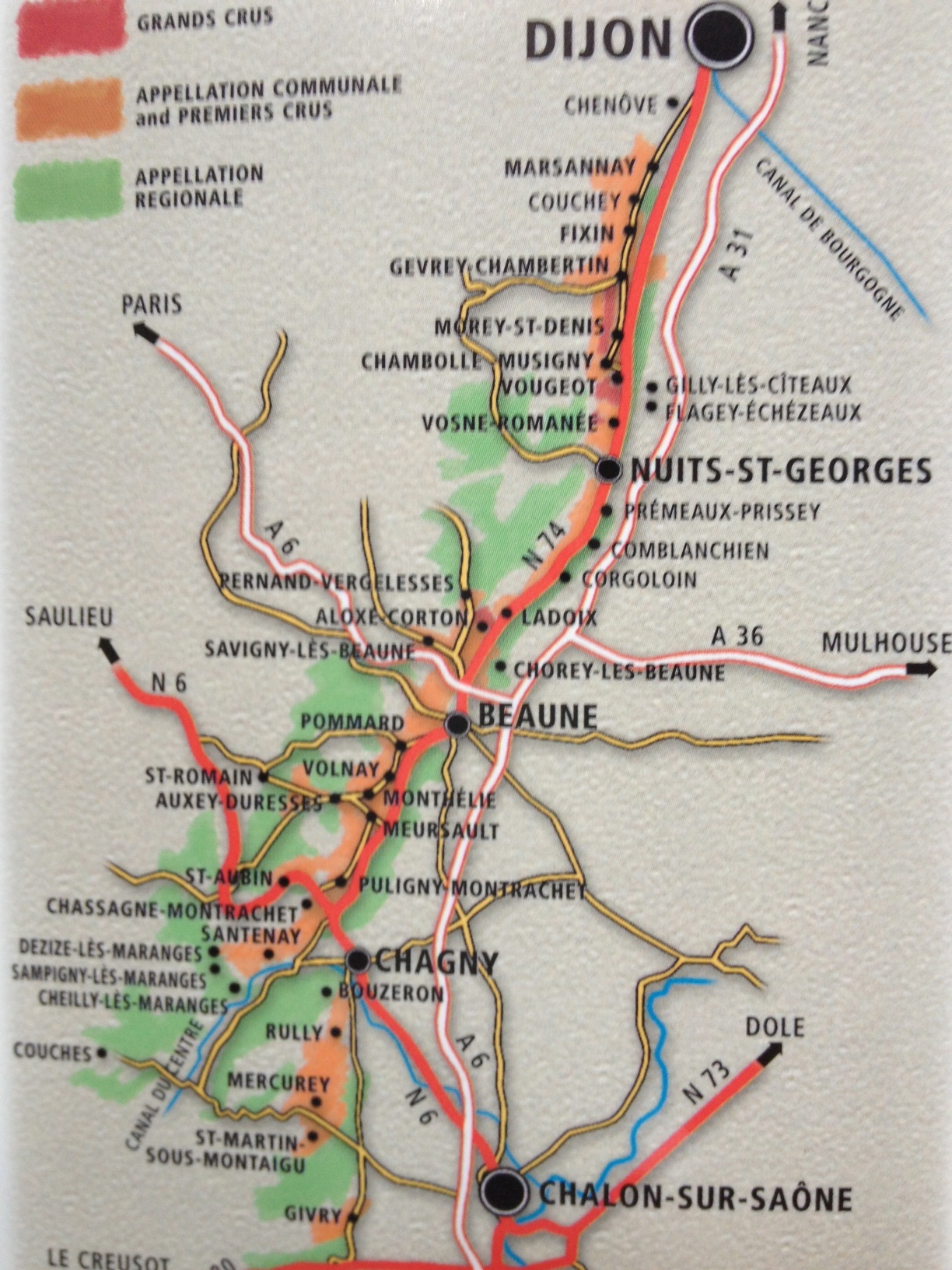
A map of Cote de Beaune and Cote de Nuits from Dijon to the north and St. Aubin to the south.

A wine map of Burgundy. From Dijon in the north, down through Nuits-St.-Georges and Beaune in the middle, toward Chalon-sur-Saone in the south. These roads are small and narrow, so to get from Ray’s first winery in St. Aubin to his grapes up in Gevrey-Chambertin and Moret-St-Denis would have been quite a schlepp.

IMG_4723

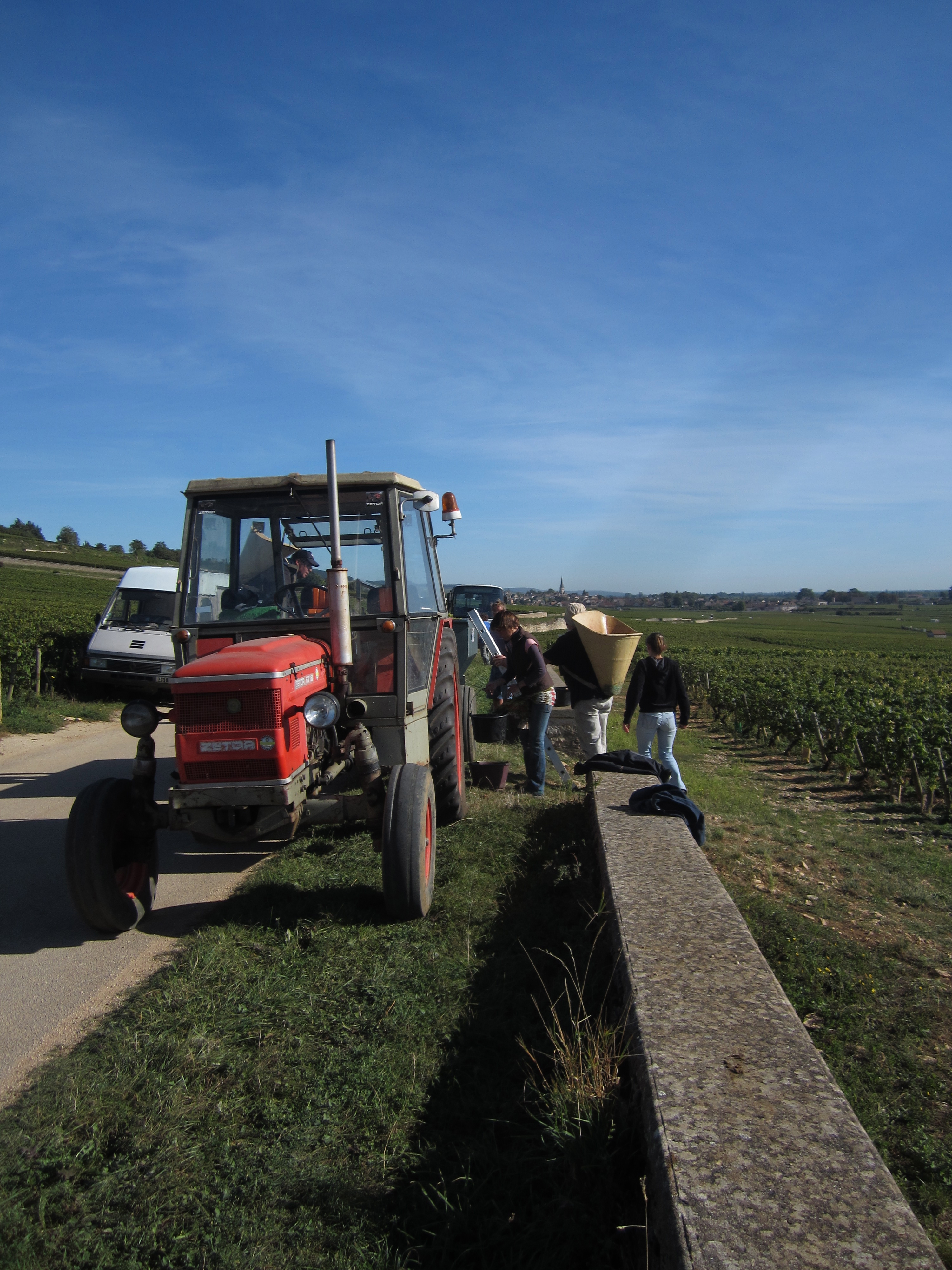
Harvest day September, 2012 in Puligny-Montrachet. White rental vans and red tractors crowd the tiny roads of Burgundy in September. You can feel the buzz of excitement in the air. These are world-class grapes.

SAMSUNG CSC

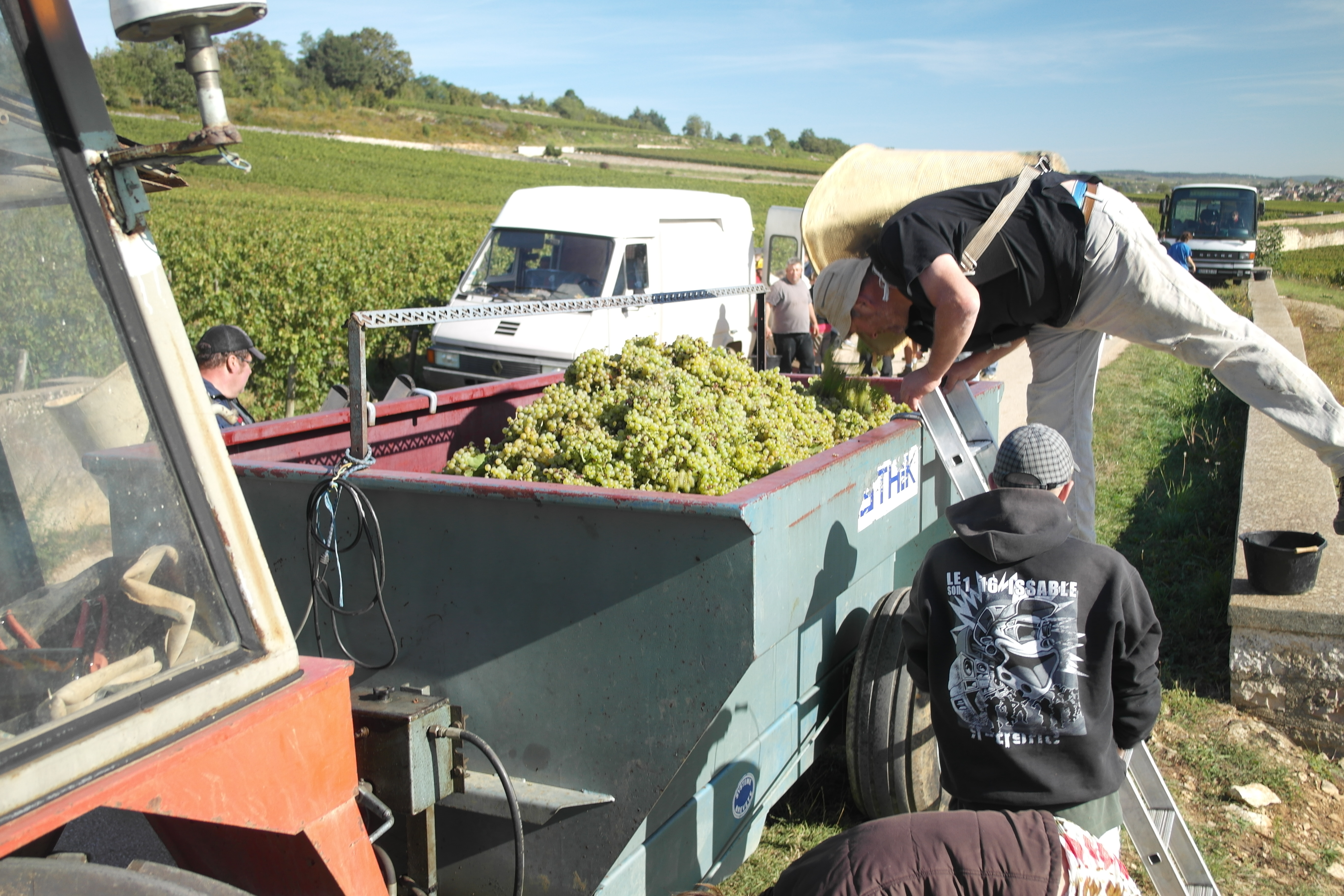
Here’s a porteur with the big cone-shaped backpack they use to collect the newly picked grapes. He had just leaned over, and with a somewhat graceful one-legged kick-out, dumped his grapes into the truck.

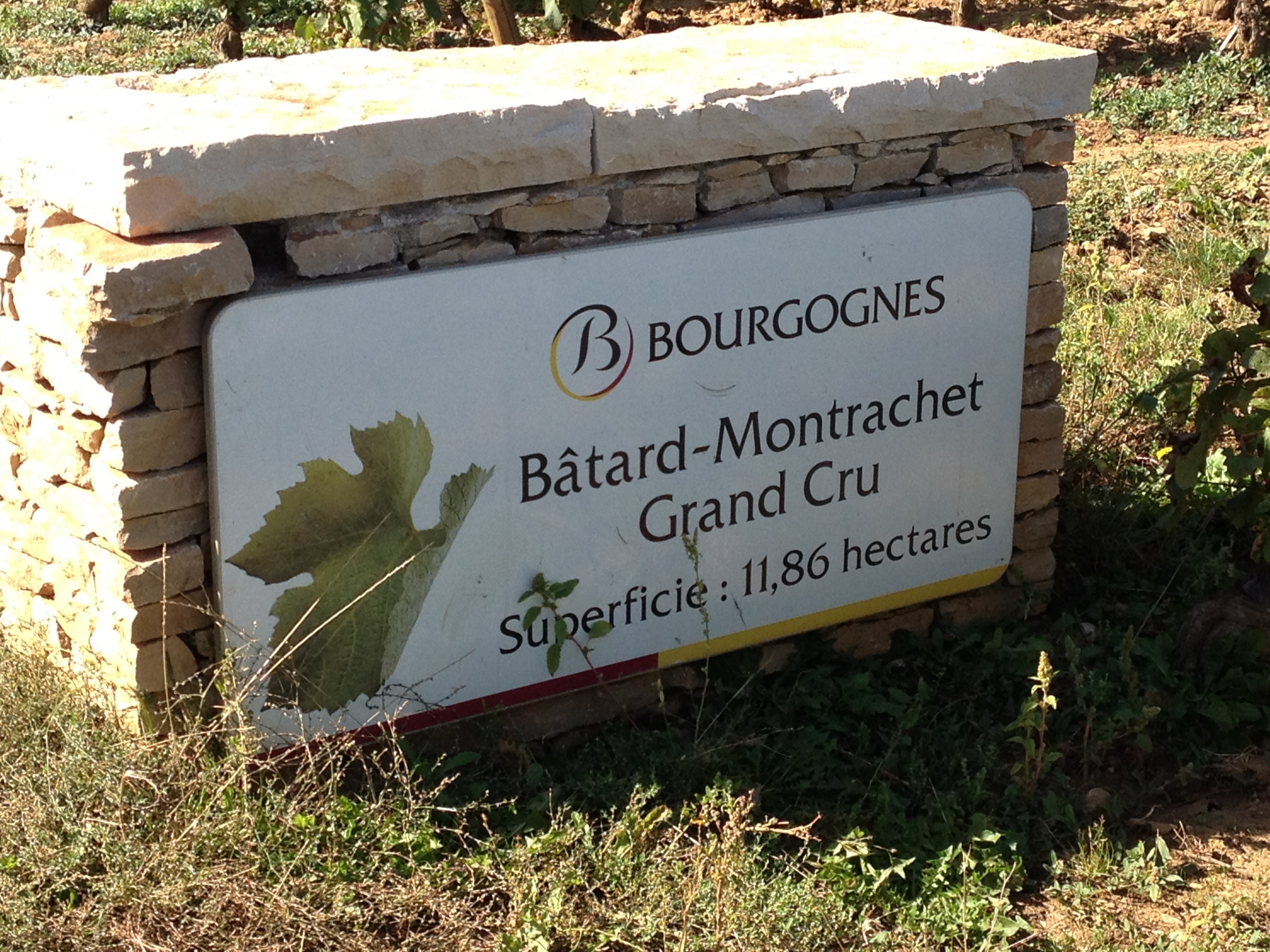
The vineyard of the legendary Batard-Montrachet.

The vineyard of the legendary Batard-Montrachet (literally the Bastard of Montrachet, who under French inheritance laws was entitled to a share of his father’s property).

So what are the odds that I would have a wine tasting at Olivier Leflaive's in Puligny-Montrachet, the same place where Ray and his wife first stayed the winter of 2009?

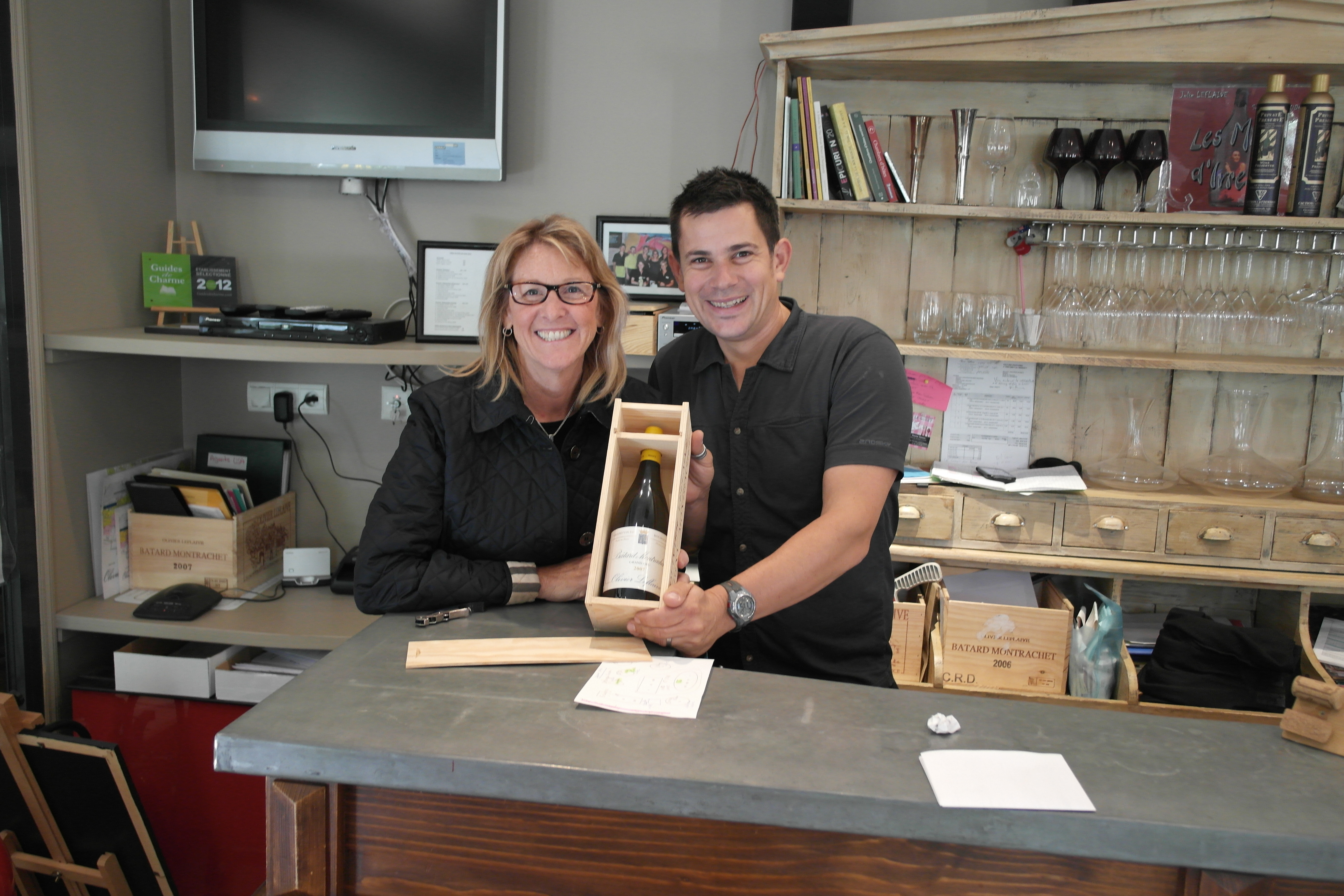
So what are the odds that we had a wine tasting at Maison Olivier Leflaive’s in Puligny-Montrachet, the same place where Ray and his wife first stayed in Burgundy in 2010 (Chapter 10)? We even got to meet Olivier as he passed through the tasting room to say hello. Olivier was the first of many very generous locals who agreed to help Ray with his crazy quest.

Me in the wine tasting room of Olivier Leflaive's grinning from ear to ear over the 2007 Grand Cru Batard Montrachet I'd just tasted.

In the wine tasting room of Olivier Leflaive’s. I’m grinning from ear to ear over the Grand Cru Batard Montrachet we’d just tasted. Too bad this isn’t Guilliame, the nice Brazillian fellow that Ray become pals with in the book – it sounds like he was gone by the time we got there.

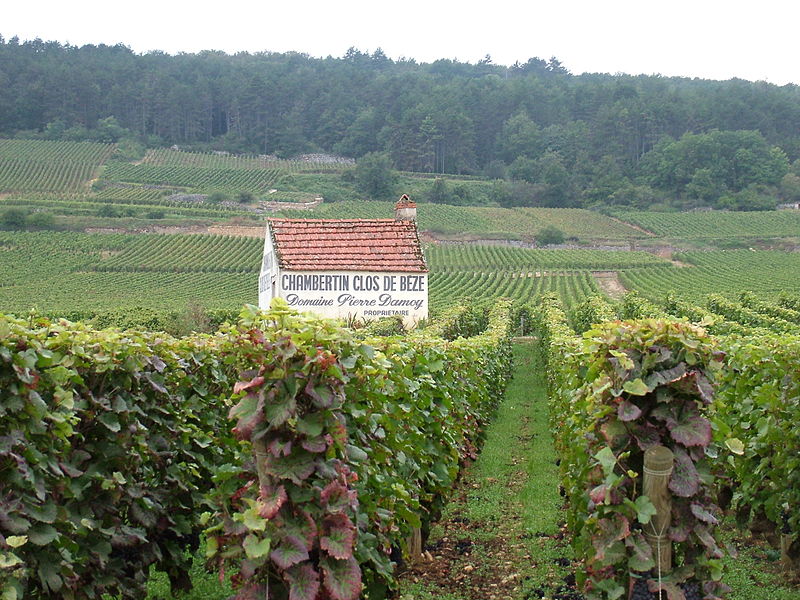
And if you think Burgundy couldn't get any prettier, this little out building in Chambertin-Clos de Beze.

And if you think Burgundy couldn’t get any prettier, this iconic little out building in Chambertin-Clos de Beze might put you over the top.

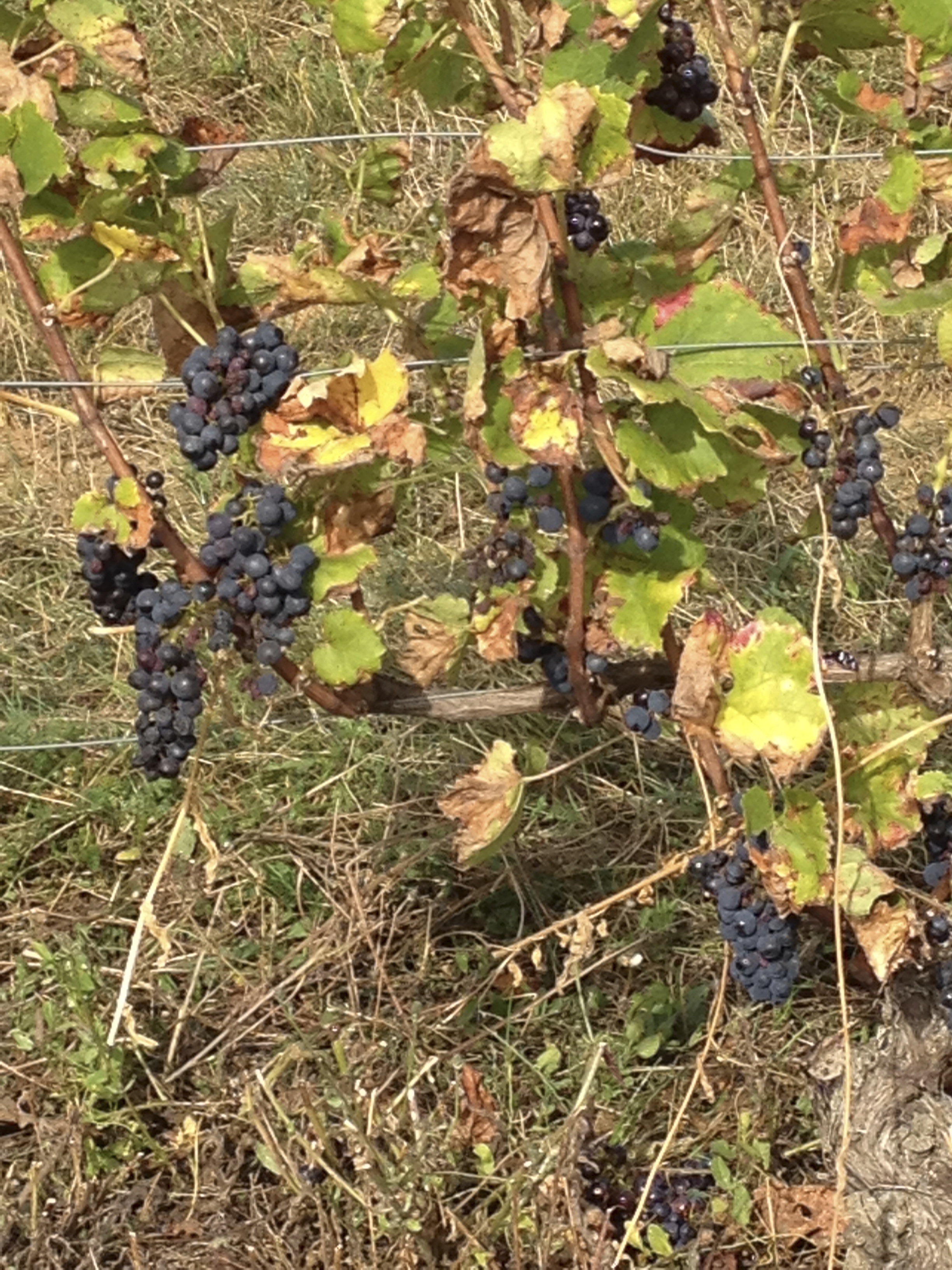
Pinot Noir grapes in the Cote de Nuits

Pinot Noir grapes in the Cote de Nuits just days away from harvesting.

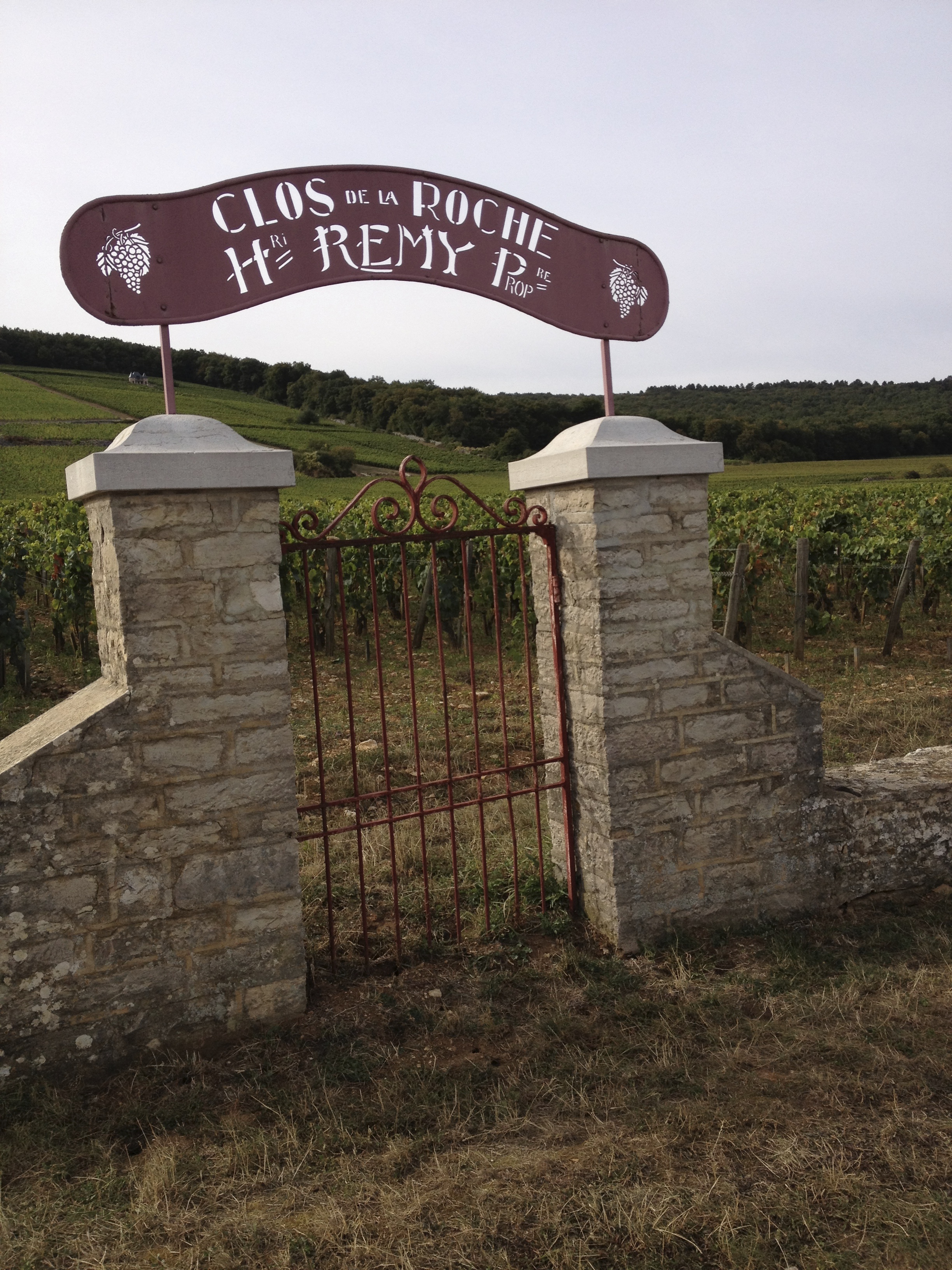
Clos de la Roche Grand Cru vineyard just north of Morey-Saint-Denis in Cote de Nuits, right next to Ray Walker's Les Chaffots.

We got to see the Clos de la Roche Grand Cru vineyard just north of Morey-Saint-Denis in Cote de Nuits, right next to Ray Walker’s grapes in Les Chaffots.

IMG_3613

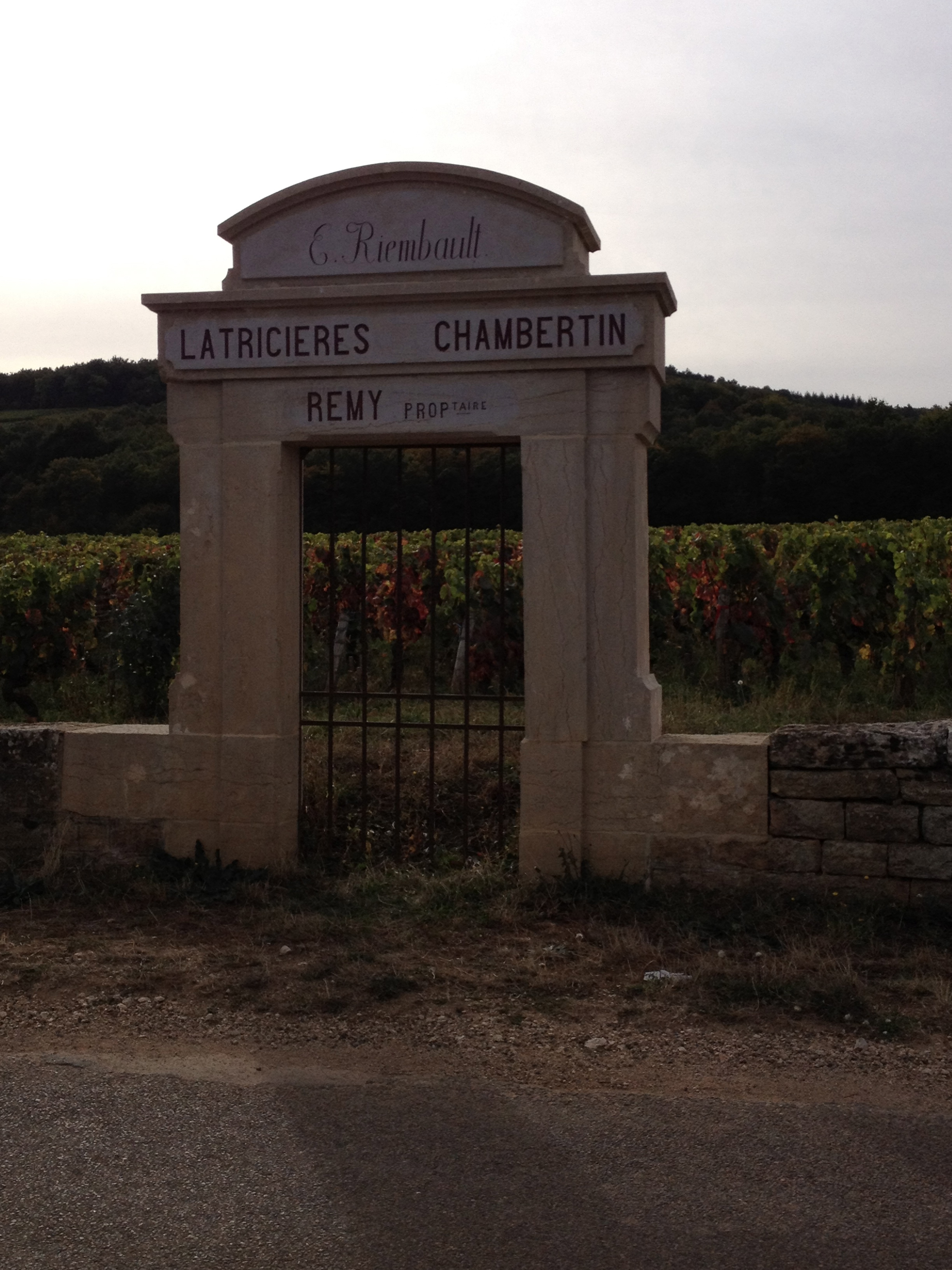
As the day was fading, we stopped at the Latricieres-Chambertin Grand Cru vineyard in Cote de Nuits. We got to taste a 2007 from Domain Rémy in Moret-Saint-Denis. This vineyard is awfully darn close to more of Ray’s grapes at Charmes-Chambertin.

If you really want to see some great photos of Ray Walker’s wines at Maison Ilena, go to their website and see for yourself. Their photos are way better than mine. In fact, they look so good they’re making me thirsty for a good French pinot, but then so does The Road to Burgundy. Worse things could happen, that’s for sure.

The Road to Burgundy by Ray Walker: Highly Recommended

I received nothing of consideration in exchange for this review. I just wrote about it because I loved it and I think you will too. If you’d like to read a post about another French wine book tour, check out my October, 2012 post on Wine and War by Don and Petie Kladstrup. Cheers!

Also recommended for the more serious wine geek: Grand Cru by Remington Norman.

Also recommended for the more serious Burgundy wine geek: Grand Cru by Remington Norman.

Little Women in Dinan, France

little women abroadLittle Women Abroad, edited by Daniel Shealy (University of Georgia Press, 2008), is a wonderful account of the Alcott sisters’ trip to Europe together in 1870. Most readers will be interested in the travels and insights of the most famous sister, Louisa May Alcott, but for an artist, the real thrill is to see France through her little sister Abigail May’s eyes.

Most of us know Amy, the precocious little sister in Little Women who dreamed of becoming an artist. Few of us know much about Louisa’s real little sister Abigail May Alcott Nieriker (“May”), who did indeed grow up to be an accomplished artist. Unfortunately, May’s story ends tragically. She married at the age of 38, only to die one year later after giving birth to her first child.

May Alcott began to study art in 1856 when she was just sixteen years old. She studied with Stephen Salisbury Tuckerman, William Rimmer and finally William Morris Hunt, all of whom offered single-sex studio classes for Boston women. Hunt had studied at the Ecole des Beaux Arts in Paris and no doubt extolled the virtues of study abroad. May’s fellow students such as Elizabeth Boott, Sarah Wyman Whitman and Elizabeth Bartol were all making plans to study in France by the late 1860s and early 1870s.

After Louisa May Alcott achieved financial success with Little Women in 1868, the two sisters planned a trip to Europe with their friend Alice Bartlett. The women traveled by the French steamship Lafayette and arrived at the western port of Brest in Brittany in April, 1870.

It was May’s first trip to Europe and she was completely enchanted with France. Their first extended stay was in Dinan, a lovely medieval town in the middle of Brittany. May sent home sketches of a variety of scenes throughout Dinan, many of which are nicely reproduced in Little Women Abroad. It appears that all of May’s sketches were in pencil or pen and ink. In one of her letters, she said she wished she had been trained how to paint en plein air so she could capture the beautiful colors. Nevertheless, her sketches are sufficient to be able to identify the buildings and ruins which still stand today.

Here is a Google Map of the Alcott Sisters Sites in Dinan, in case you’re lucky enough to venture there yourself someday. Dinan is a beautiful little city which makes for a lovely day trip from a larger home base in Brittany such as St. Malo. Dinan has 13th century castles, gothic churches, bell towers, narrow winding streets and beautiful timbered architecture.

Until you can get there yourself, here is a photo tour of the Dinan sites in Little Women Abroad, starting with the building that once housed the pension in which the Alcotts stayed. It was just outside the fortified walls of the town, next to the Porte Saint Louis and just down the street from the Dinan Castle.

IMG_4571

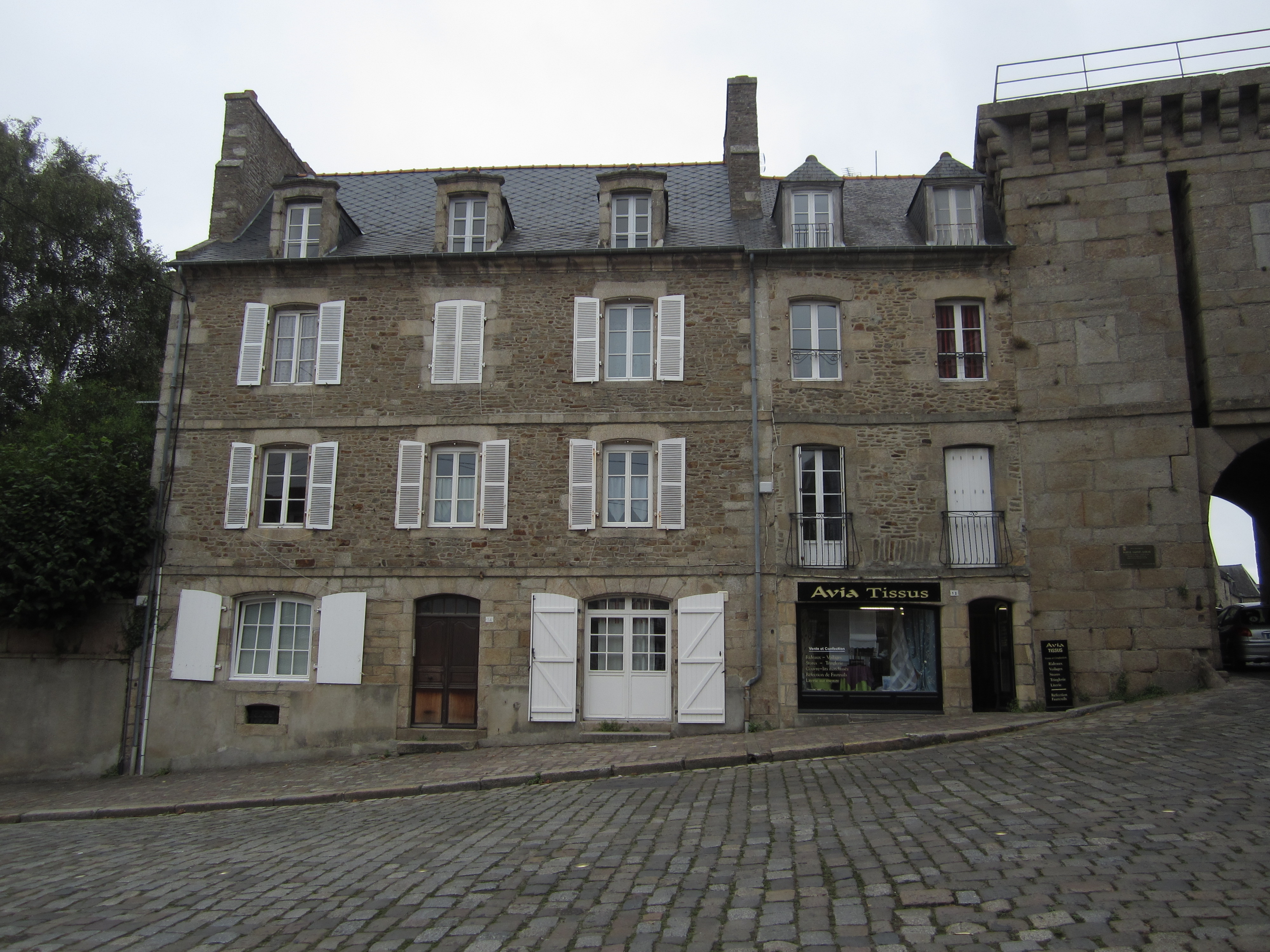
14 Place Saint Louis, Dinan, France, the location of Madame Coste’s pension where the Alcott sisters stayed from April to June, 1870.  As Louisa May Alcott described it in a letter dated April 24, 1870: “We are living, en pension, with a nice old lady just on the walls of the town with Anne of Brittany’s round tower on the one hand, the Porte of St. Louis on the other, and a lovely promenade made in the old moat just before the door.”

IMG_4570

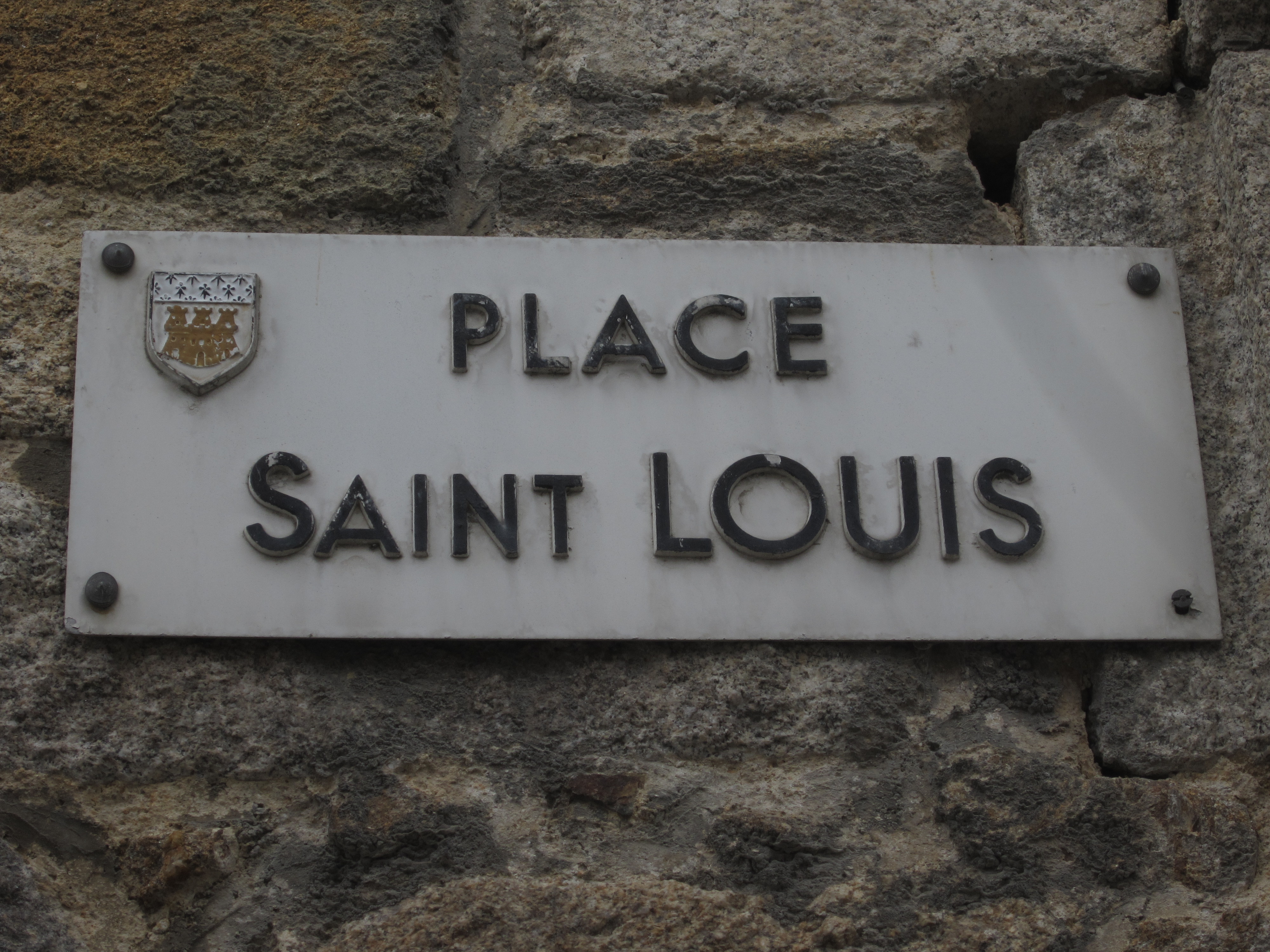
The plaque in the wall at Place Saint Louis, Dinan, France

The Porte Saint-Louis, located next to the Pension de Madame Costes

The Porte Saint-Louis, located next to the Pension de Madame Costes

The Dinan Castle, just down the street from Place Saint Louis, which May Alcott called Anne of Brittany's Round Tower. Built in the 1300s.

The Dinan Castle (which Louisa May called Anne of Brittany’s Round Tower), located just down the road from Place Saint Louis. Built in the 1300s.

IMG_4583

The view of Dinan from atop the Dinan Castle. As May said in an April, 1870 letter to her mother: “From the top of her [Queen Anne’s] tower is the most superb view all over the country, and I am expecting great things in going to see it.”

May Alcott spent her time sketching throughout the medieval village, so full of “enchanting old ruins, picturesque towers and churches, and crumbling fortifications, that it almost seems like a dream.” There were so many good scenes for sketching that she didn’t think she could do them justice. As May said in a letter home:

I long to make pictures on every hand, but get extremely discouraged when I try, as it needs all the surroundings to make the scene complete.

May recommended Dinan to her fellow artists in a guidebook she would later write:

Here an artist can rest with delight for many months, as everything from the adjacent country, which is thought to be the most beautiful in Brittany, to the ancient gateways and clocktower in a street so narrow that the gabled roofs meet overhead, is sufficiently attractive to keep the brush constantly busy.

May visited or sketched nearly everything in town, from the Basilica of St. Saveur:

The gardens behind Basillica St-Saveur in Dinan, France

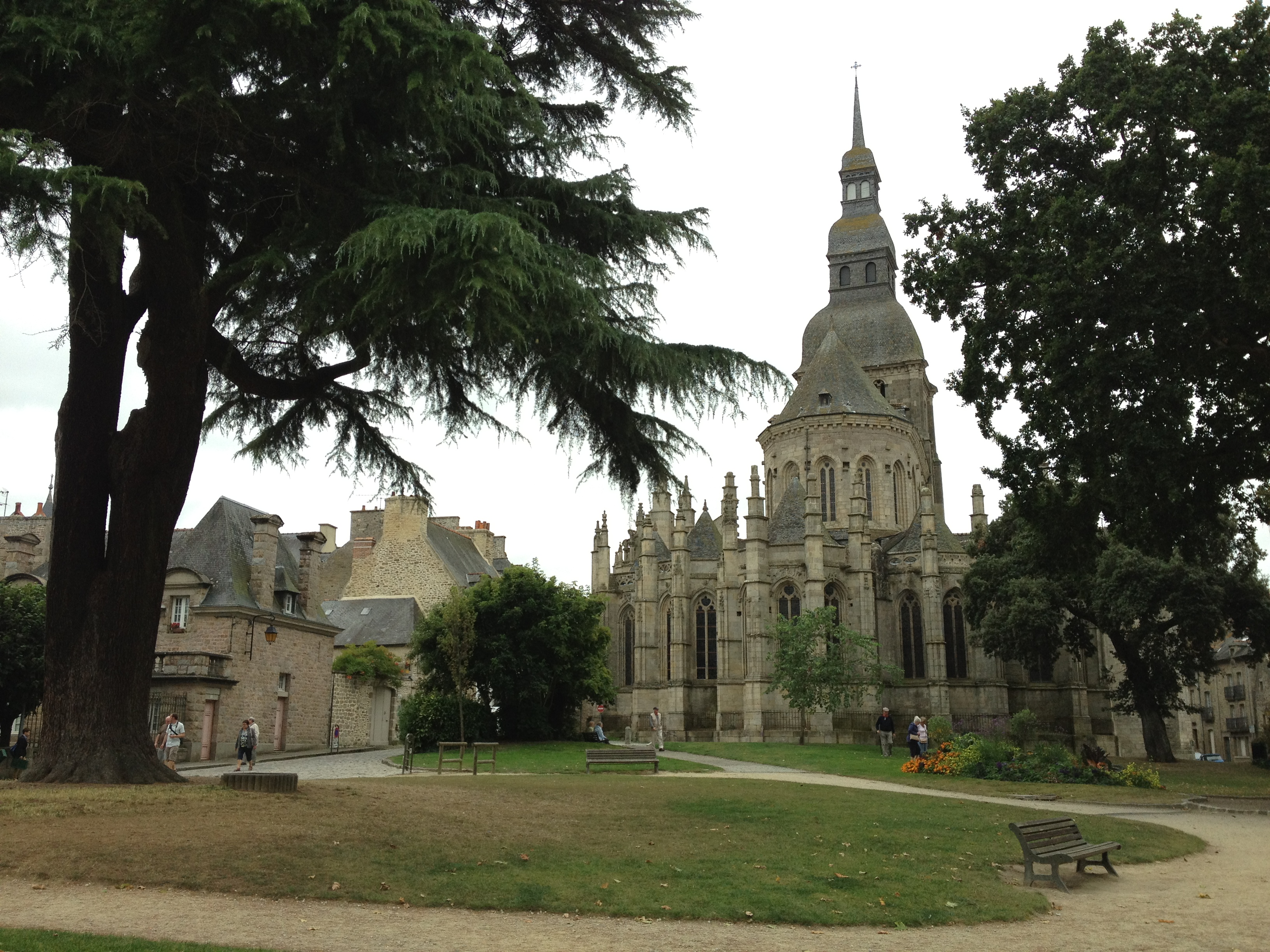
“Yesterday we went to some lovely gardens surrounding the most beautiful gothic church.” – May Alcott,  letter dated April 20, 1870 . This is a photograph of the small park and gardens that stand behind the Basilica St-Saveur today. Originally built in the 11th and 12th centuries, a Gothic chapel was added in the 15th century.

to the Viaduct of Dinan over the River Rance:

"The grand viaduct which, according to Murray [the Alcott's 1870 guidebook to France] is about the finest in the world, fairly took away my breath." -- May Alcott in a letter to Anna Alcott dated May 30, 1870

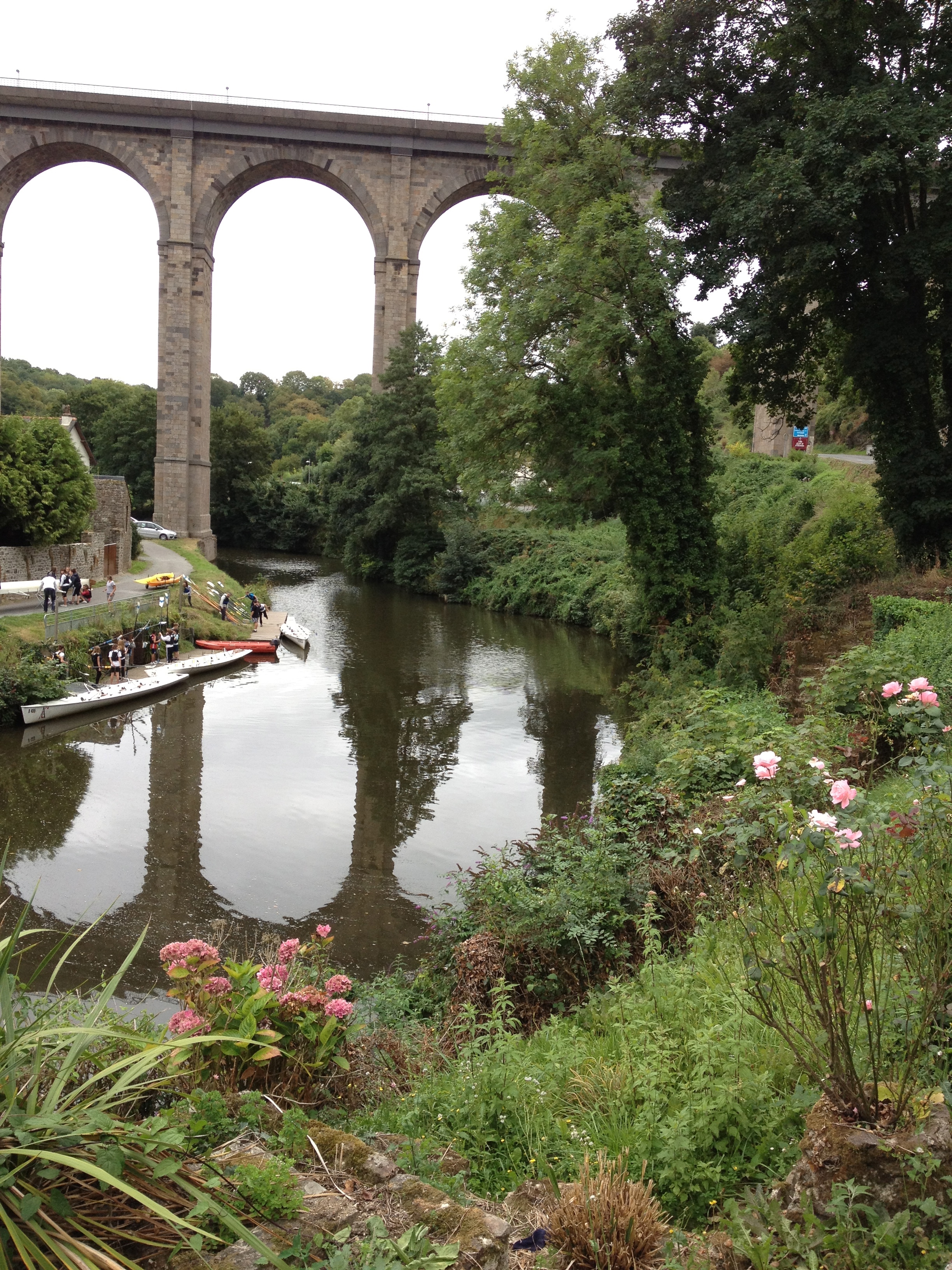
In a letter to Anna Alcott dated May 30, 1870, May Alcott said: “The grand viaduct which, according to Murray [an 1870 guidebook] is about the finest in the world, fairly took away my breath.”

IMG_3340

The grand viaduct across the River Rance in Dinan is still breathtaking. The day I was there the local rowing club was preparing for practice on the other side of the river.

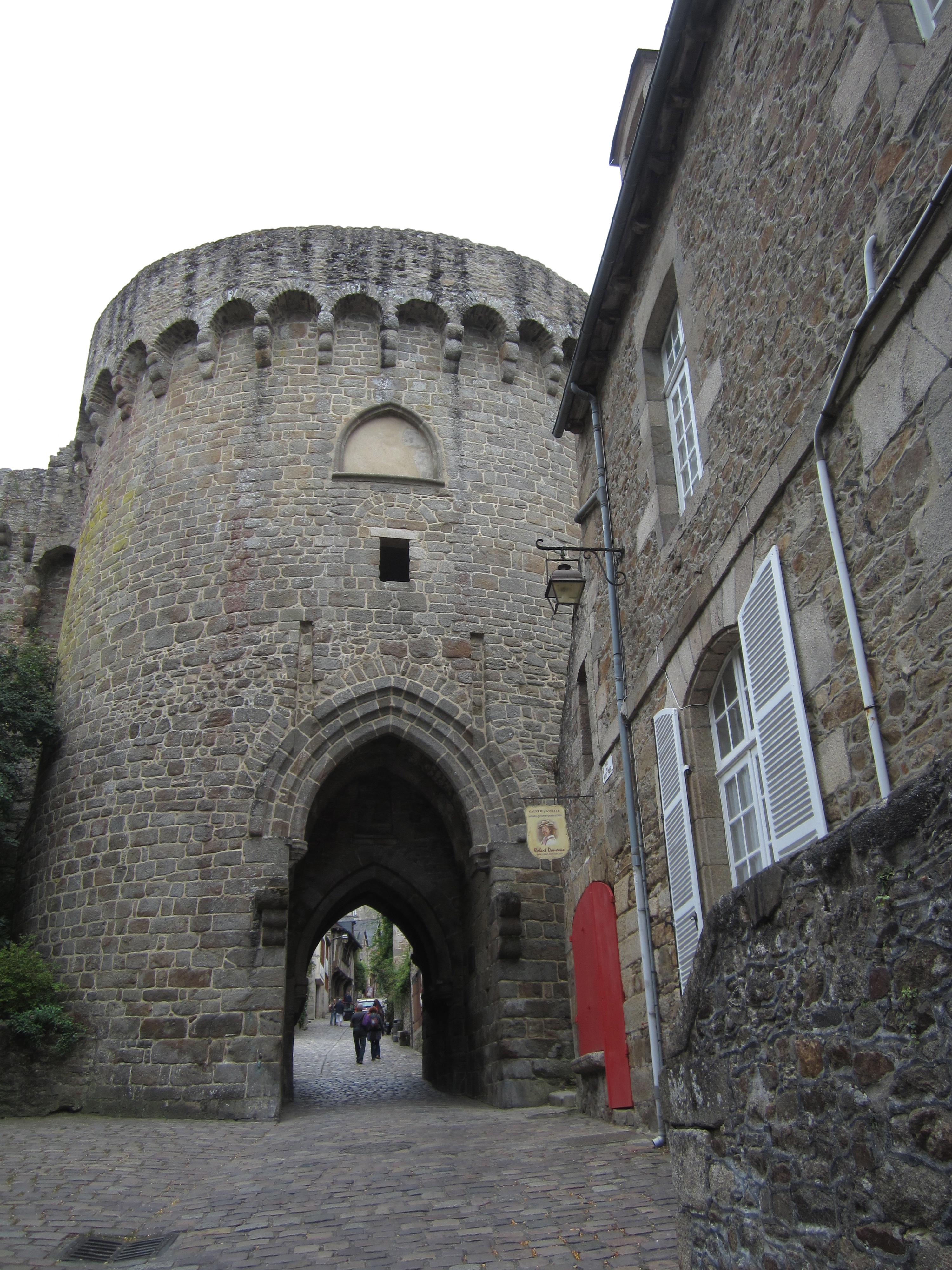
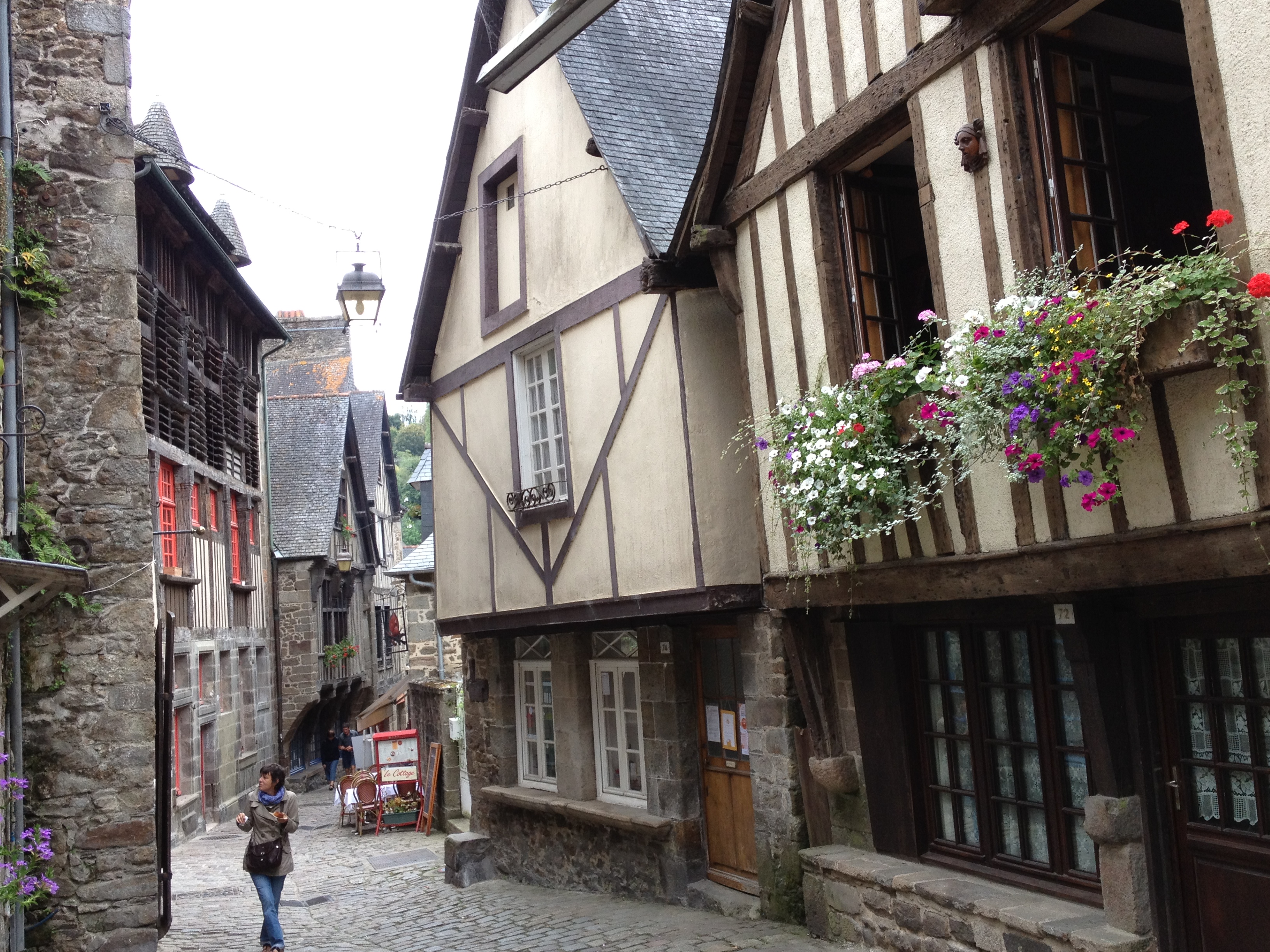
May sketched the Porte of Jerzual and the steep little rue de Jerzual, which winds down from the upper village to the river, and is lined with timbered old shops that lean in over the cobblestoned street:

IMG_4614

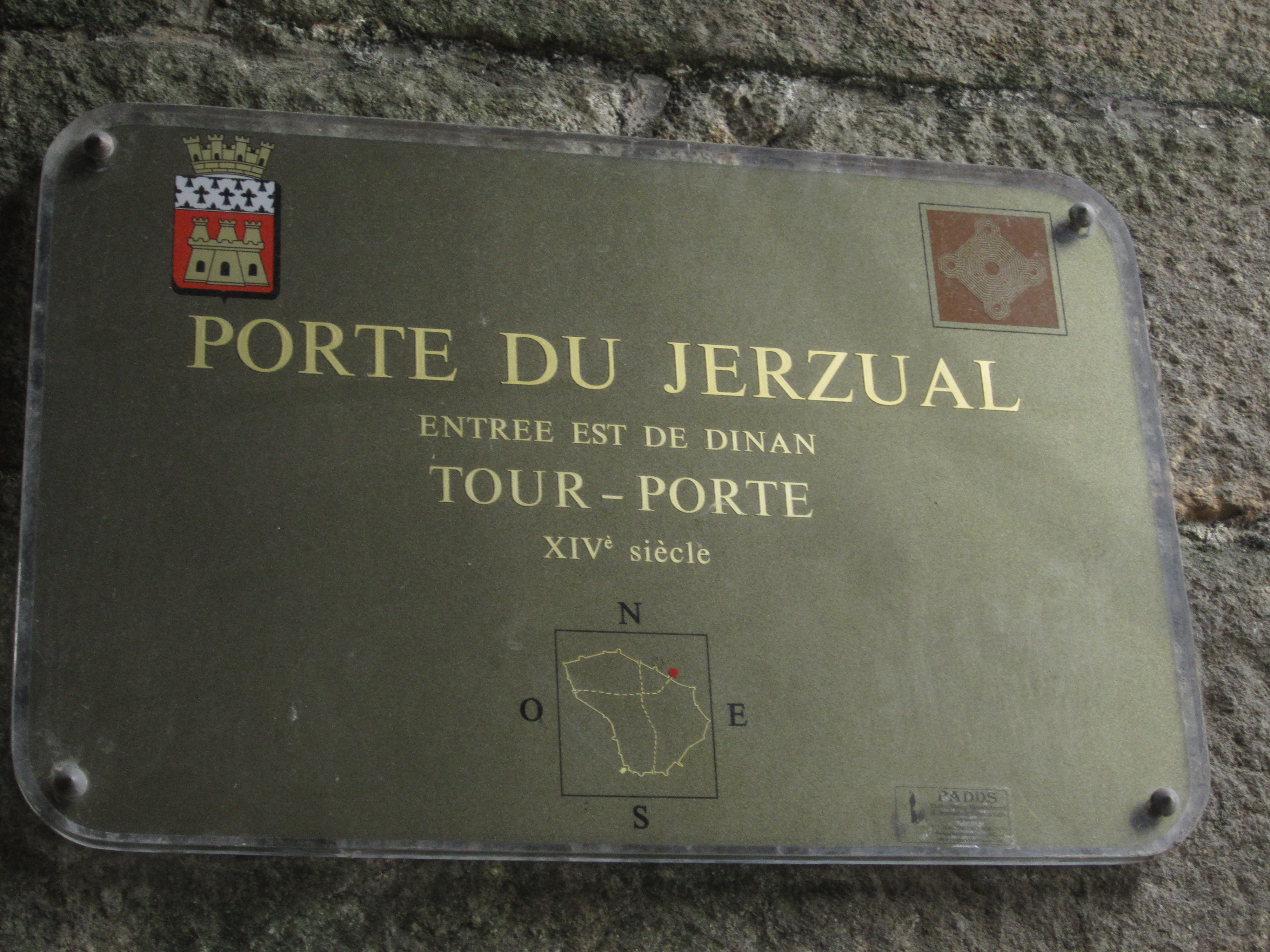
Porte du Jerzual, Dinan, France

Porte du Jerzual, Dinan, France

A scene from rue de Jerzual in Dinan. As May said in a letter home dated April 29, 1870: "Yesterday we down the oldest street in town, (where, in spite of the steepness, Queen Ann's carriage is said to have trundled over it), to the river which runs at the foot. The houses overhang the street in funny little gabled stories almost shutting out all light from above, and it being very narrow & extremely steep, you can see it was a sensation to have explored it."

A scene from rue de Jerzual in Dinan. As May said in a letter home dated April 29, 1870: “Yesterday we went down the oldest street in town, (where, in spite of the steepness, Queen Ann’s carriage is said to have trundled over it), to the river which runs at the foot. The houses overhang the street in funny little gabled stories almost shutting out all light from above, and it being very narrow & extremely steep, you can see it was a sensation to have explored it.”

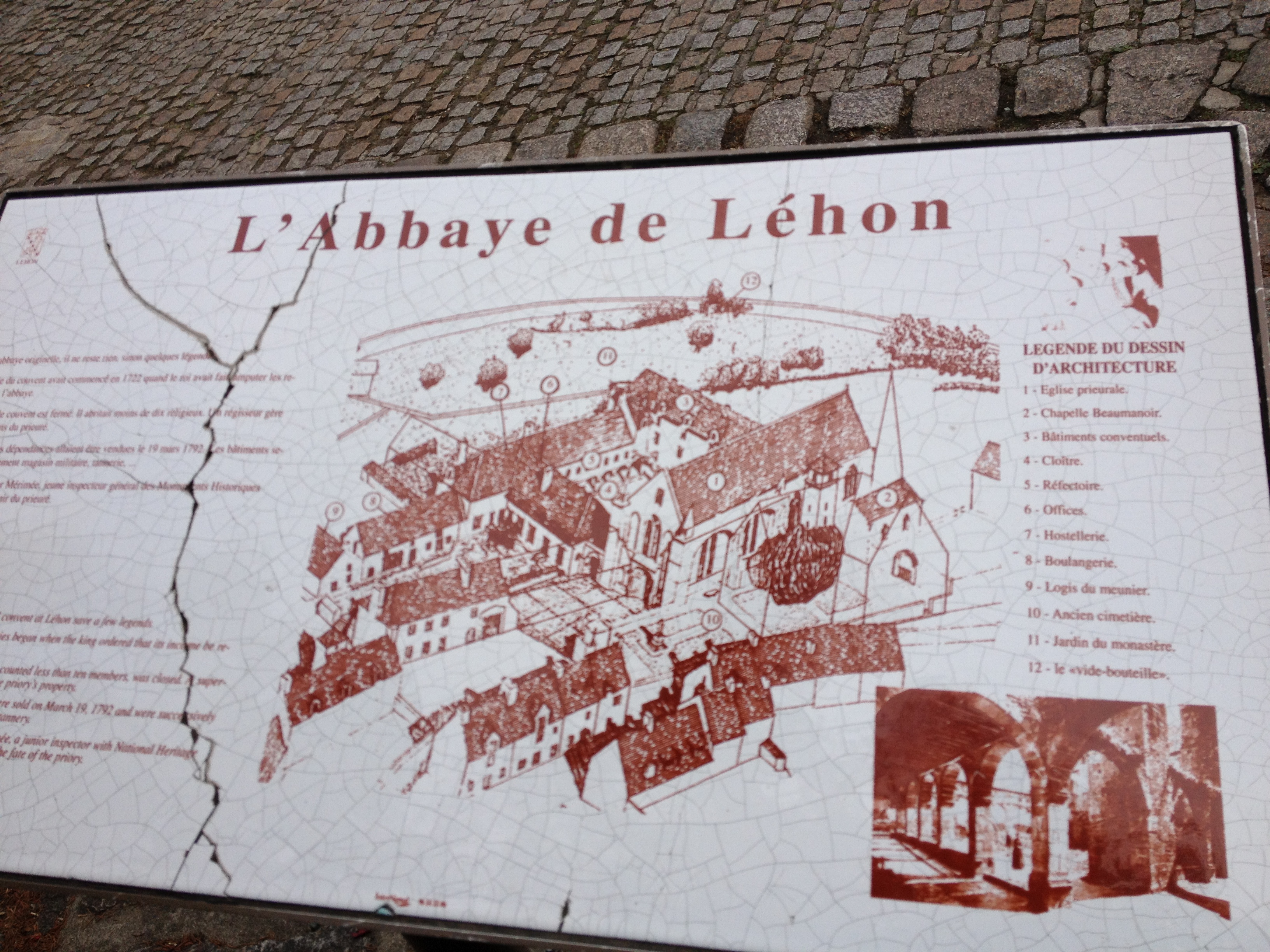
In their letters home, the Alcott sisters both mention their visit to the neighboring village of Léhon, which is just a mile or so down in the valley from Dinan along Route D12. Louisa May wrote home after going to a fair in the village and said (in a letter dated April 20, 1870):

May is going to sketch the castle so I won’t waste paper describing the pretty place with the ruined church full of rooks, the old mill with the water wheel housed in vines, or the winding river, and meadows full of blue hyacinths and rosy daisies.

IMG_3354

The remains of the Léhon castle in the background.

IMG_3370

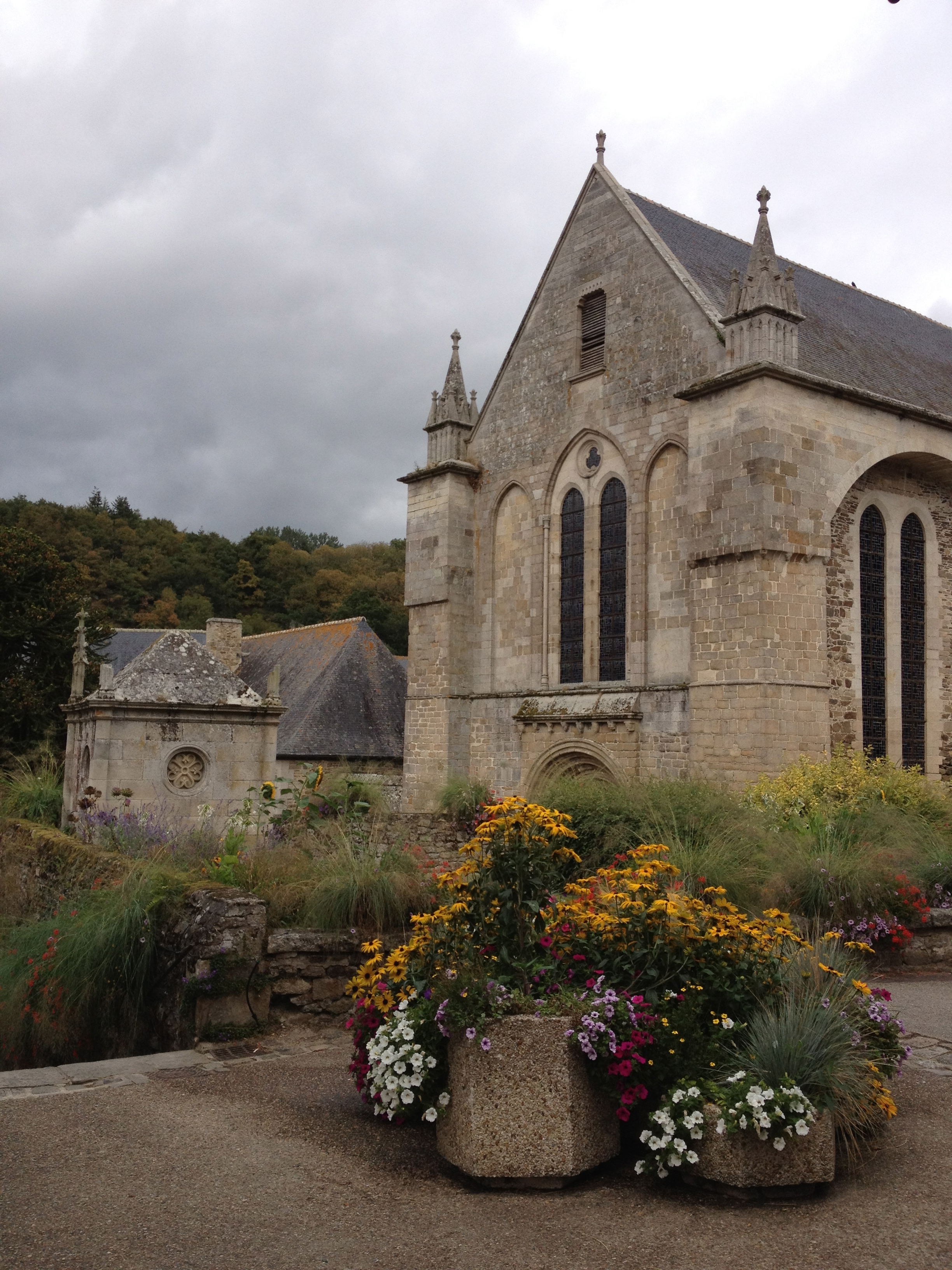
The Abbey and Chapel in Lehon, France, once sketched by May Alcott

The Abbey Church in Lehon, France, once sketched by May Alcott

The River Rance through Léhon, France.

The River Rance through Léhon, France.

The Alcotts also visited the Chateau de la Garaye, a lovely site located just a couple of miles from the village of Dinan. May wrote home to tell her mother about the beautiful ruins there:

I have tried to sketch from memory a lovely old ruin, where we spent the day yesterday, but can give you a very indefinite notion of the gray old tower with ivy clinging to it in all directions, the rear walls having all crumbled away. The blue sky shone through the little ornamental windows in a way that was quite enchanting. It is only about two miles from Dinan and a pretty walk though the wood to the moat and great embattled walls, which surround the chateau.

Alice and I walked, while Lu went down in a donkey carriage. . . . We found a large party of English people already at the castle sketching it with pencil in colors. . . .

IMG_4685

The  ruins of the Chateau de la Garaye still stand today. “The blue sky shone though the little ornamental windows in a way that was quite enchanting.” — May Alcott, April 1870. It makes me so glad to know some things just don’t change in over 140 years.

IMG_4686

My own colored pencil sketch of the ruins of Chateau de la Garaye

May Alcott’s Life Beyond Dinan:

After the Alcott sisters left Dinan in the summer of 1870, they continued their European travels and proceeded to the Loire Valley, Switzerland and Italy. They found themselves the middle of the Franco-Prussian war which broke out that July but managed to find safety in Switzerland, along with many other refugees from Paris and Strasbourg. Louisa May returned to Boston the next summer, but May went on to study art in London on her own and didn’t return until November, 1871, when she was called home to help the rest of the family.

May Alcott returned to London and Paris in 1873 and then again in 1876. She would study at the Academie Julian in the Passage des Panoramas in 1876-77, and would attend the Paris Salon of 1877 where her own still life painting would be exhibited. She would be invited to Mary Cassatt’s home for tea, and would travel to the rather bohemian art colony in Grez in the summer of 1877. She was living a ground-breaking life as an American expatriate female artist.

In late 1877, while May was living on her own in London, she would learn that her mother had died. In her grief she developed a quick romance with Ernest Nieriker, a young Swiss businessman fifteen years her junior, to whom she would become engaged in March of 1878. The newlyweds would move to a lovely little home in the suburbs of Paris, where she dreamed of combining a career in art with marriage and a possible family. She would have yet another painting accepted in the Paris Salon, and would publish a guidebook for women artists called Studying Art Abroad and How to Do it Cheaply. At the end of 1878, May’s personal life and her art career were making gratifying moves forward.

studying art abroad

But then, in December of 1879, May Alcott Nieriker died six weeks after giving birth to her daughter Lulu. She was only 39 years old. Baby Lulu was first sent to live with her aunt Louisa May in the United States, but when Louisa May died just nine years later, young Lulu was returned to her father in Switzerland.

We are lucky to have been left with such a prolific record of May Alcott’s remarkable travels and experiences, even if they were short-lived. Thanks to the details and sketches provided in Little Women Abroad, we can follow along. It’s worth the trip.

Zelda and Scott in Paris

z

Therese Fowler’s new novel Z: A Novel of Zelda Fitzgerald (St. Martin’s Press 2013) is a welcome reboot in the field of Lost Generation literature. This is the turbulent story of Zelda Sayre, a young handful of a southern girl, the daughter of a prominent Montgomery, Alabama judge, who married the not-yet-successful F. Scott Fitzgerald after meeting him at a country club dance in 1918.

Z presents a refreshing and much needed counterpoint to Hemingway’s Moveable Feast and Scott’s Fitgerald’s Tender is the Night. It might cause you to reconsider nearly everything you thought was true about Scott and Zelda’s marriage, about their relationship with Ernest Hemingway, and about the cause of Zelda’s mental illness. It’s finally Zelda’s turn, and she doesn’t hold back.

Have you noticed that I’ve completely fallen for the illusion that Zelda is the one who is talking in Z, and not Fowler? That’s how well this book seems to capture Zelda’s voice.

Z brought me back to my own year in Paris, when I walked the same streets as Zelda and Scott, hung out at the same cafés and brasseries, enjoyed the exhilerating (but thankfully much tamer) life of an American expat. I took every literary tour I could, so of course I have some photos of the places and scenes mentioned in the book Z.

Just a caveat: all of the stories I tell in the captions below about what happened at the sites are a mixture of the truth and myth that circulates through literary circles in Paris. I can’t vouch for the stories, except to say this is what somebody told me and I believed them.

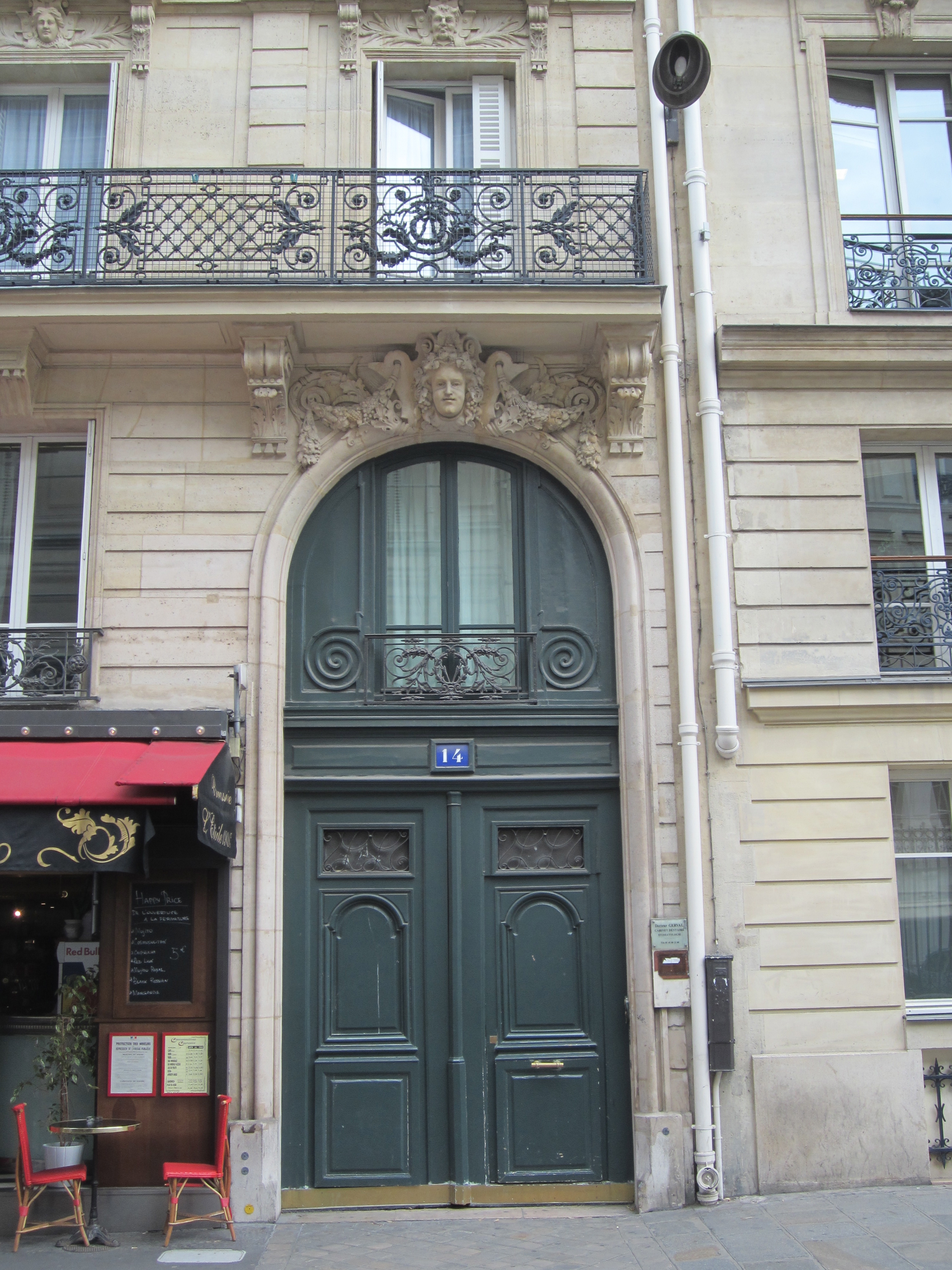
14 rue de Tilsitt, Zelda and Scott's first apartment in Paris in about 1925. It's located on the right bank in the 8th arrondissement, which is still home to some of the most expensive real estate in Paris. Hemingway used to claim that he felt uncomfortable going to the Fitzgerald's apartment, that he much preferred his slummier surroundings on the Left Bank.

14 rue de Tilsitt, Zelda and Scott’s first apartment in Paris in about 1925. It’s located on the right bank in the 8th arrondissement, just a block away from the Arc de Triomphe. It’s a lovely area within a block or two of Champs Elysées. Hemingway used to claim that he felt uncomfortable going to the Fitzgerald’s apartment, that he much preferred his slummier surroundings on the Left Bank.

Another view of 14 rue de Tilsitt, which currently houses a street level café. Rue de Tilsitt is a small little street which forms the first circle around L'Etoile.

Another view of 14 rue de Tilsitt, which currently houses a street level café. Rue de Tilsitt is a small little street which forms the first circle around L’Etoile.

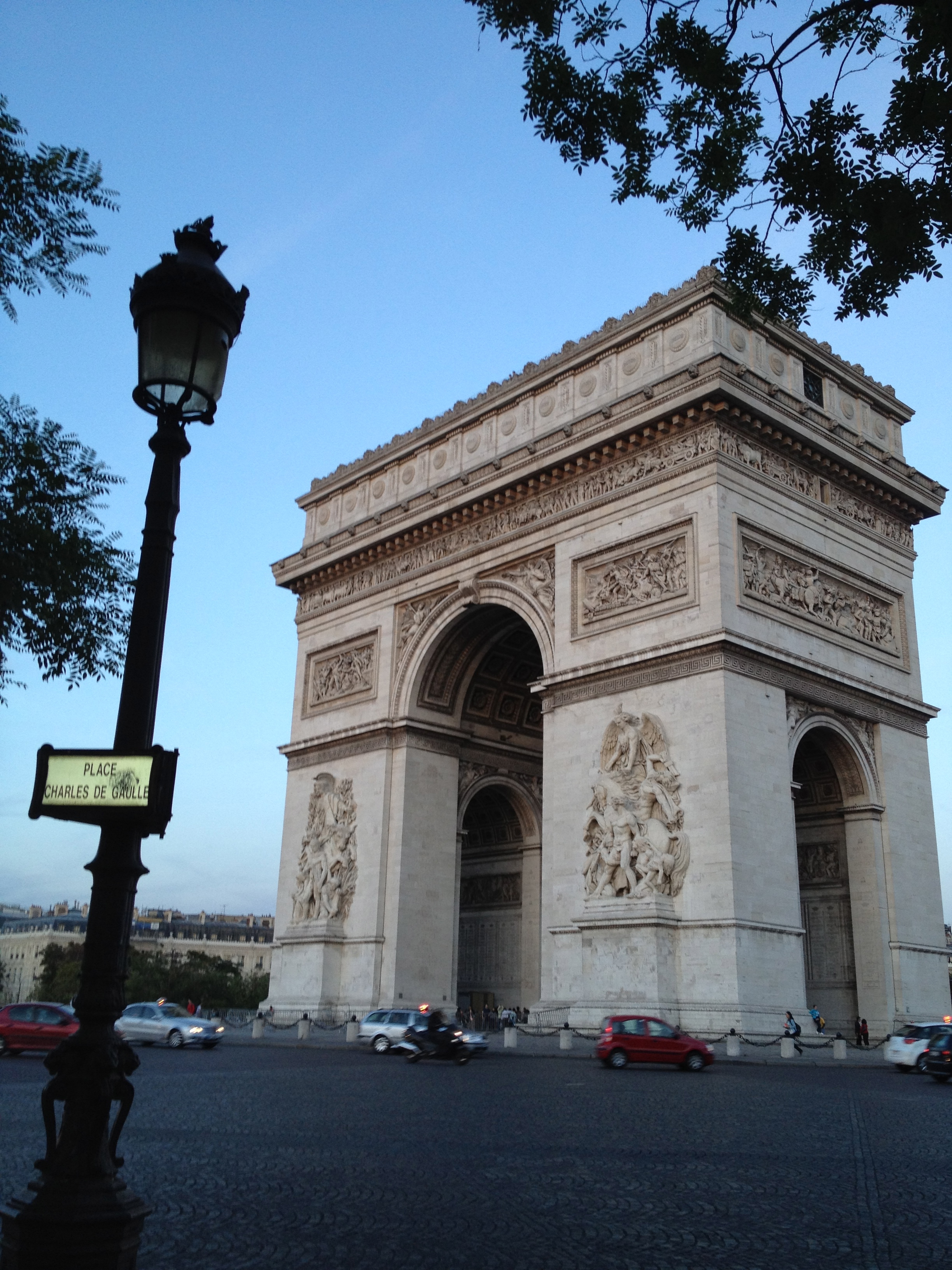
Zelda and Scott's view of the Arc de Triomphe from the corner of L'Etoile closest to their apartment. Not bad.

Zelda and Scott’s view of the Arc de Triomphe from the corner of L’Etoile closest to their apartment. Not bad. Supposedly, Scott once rode a tricycle down the Champs Elysées after he’d had too much to drink, hitting passerby with a baguette.

L'Auberge de Venise at 10 rue Delambre in Monparnasse. Formerly The Dingo, where Scott Fitzgerald met Ernest Hemingway in 1925.

L’Auberge de Venise at 10 rue Delambre in Monparnasse. Formerly The Dingo, where Scott Fitzgerald met Ernest Hemingway in 1925.

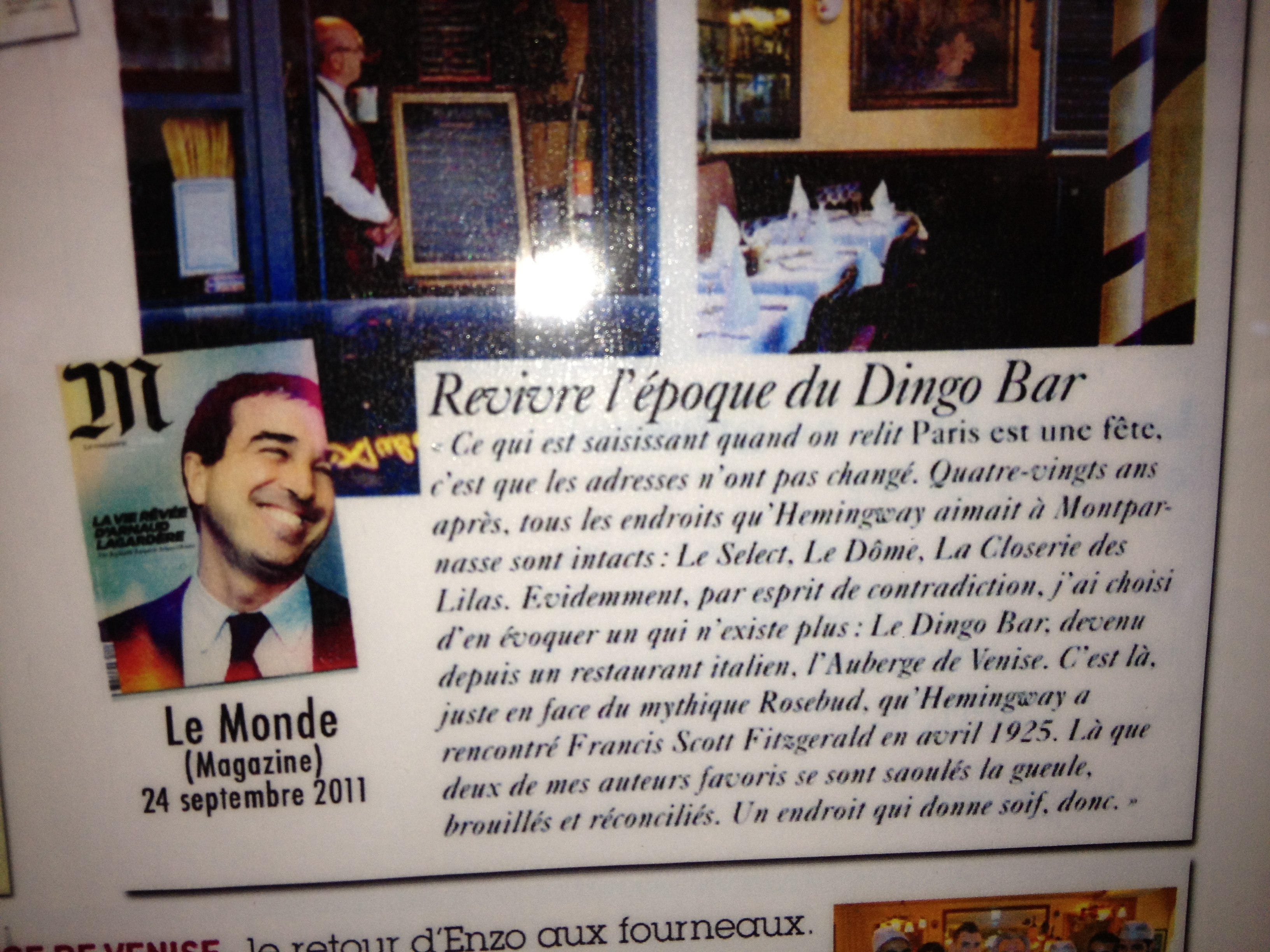
In the window of L'Auberge de Venise is an article from La Monde titled "Remembering the Epoque of the Dingo Bar."  It's hard for me to translate, but it says something like: this is where two of my favorite authors used to get blasted ("drunk mouth"), blurry and reconciled. A place to make you thirsty, for sure.

In the window of L’Auberge de Venise is an article from La Monde titled “Remembering the Epoque of the Dingo Bar.” It’s hard for me to translate, but it says something like: this is where two of my favorite authors used to get blasted (“drunk mouth”), blurry and reconciled. A place to make you thirsty, for sure.

The view inside the former Dingo Bar. I've heard two different versions of how Fitzgerald and Ernest met, but in both versions, serious drinking was involved.

The view inside the former Dingo Bar. I’ve heard two different versions of how Fitzgerald and Ernest met, but in both versions, serious drinking was indeed involved.

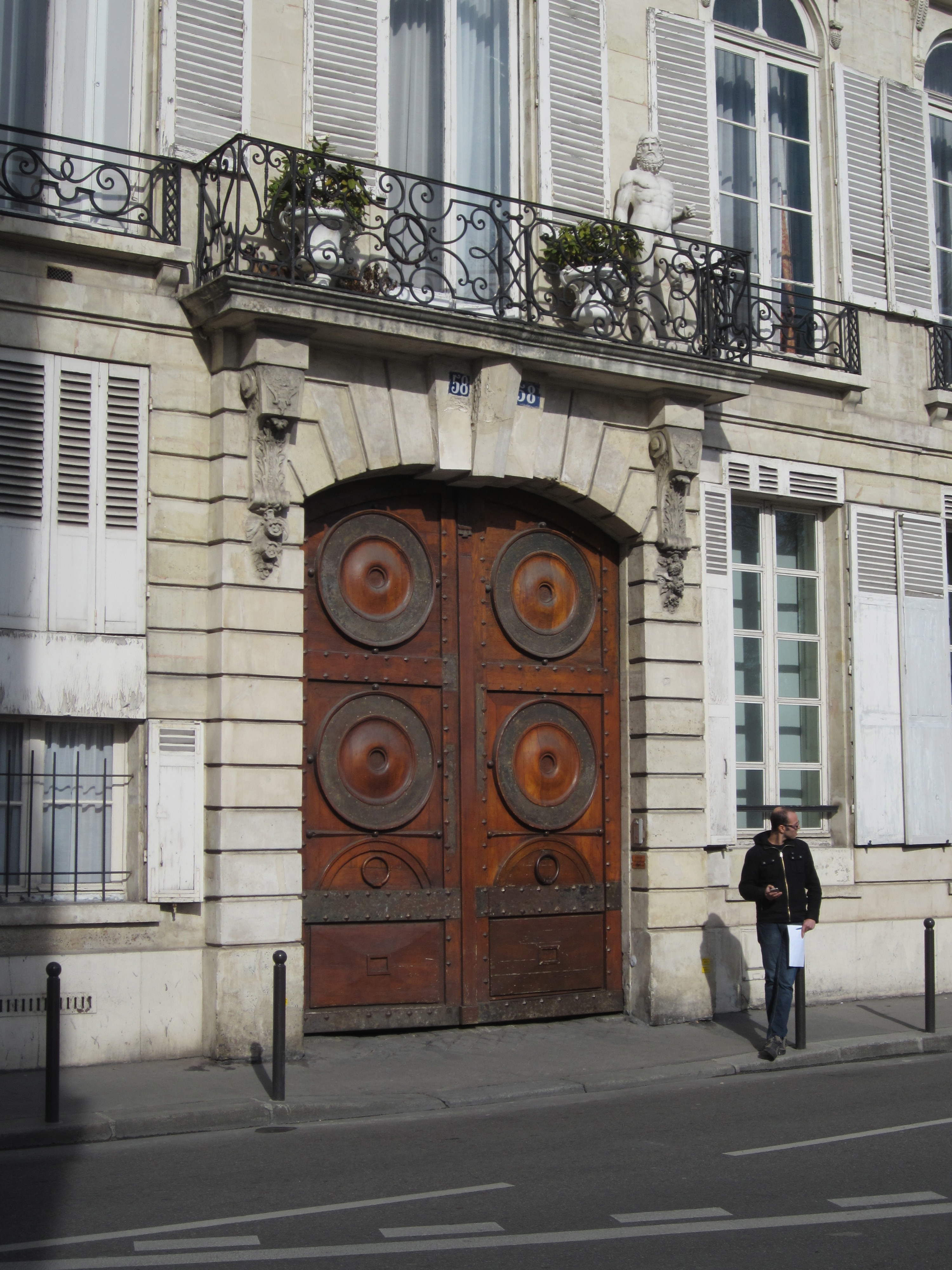
The doorway to Zelda and Scott's other Paris apartment (1928-ish?) on the corner of Luxembourg Gardens. The Fitzgeralds knew how to spend money - this is some of the best and most expensive real estate in Paris.

The doorway to Zelda and Scott’s other Paris apartment where they lived in 1928 at 58 rue Vaugirard on the corner of Luxembourg Gardens. The Fitzgeralds knew how to spend money – this is some of the most expensive real estate in Paris.

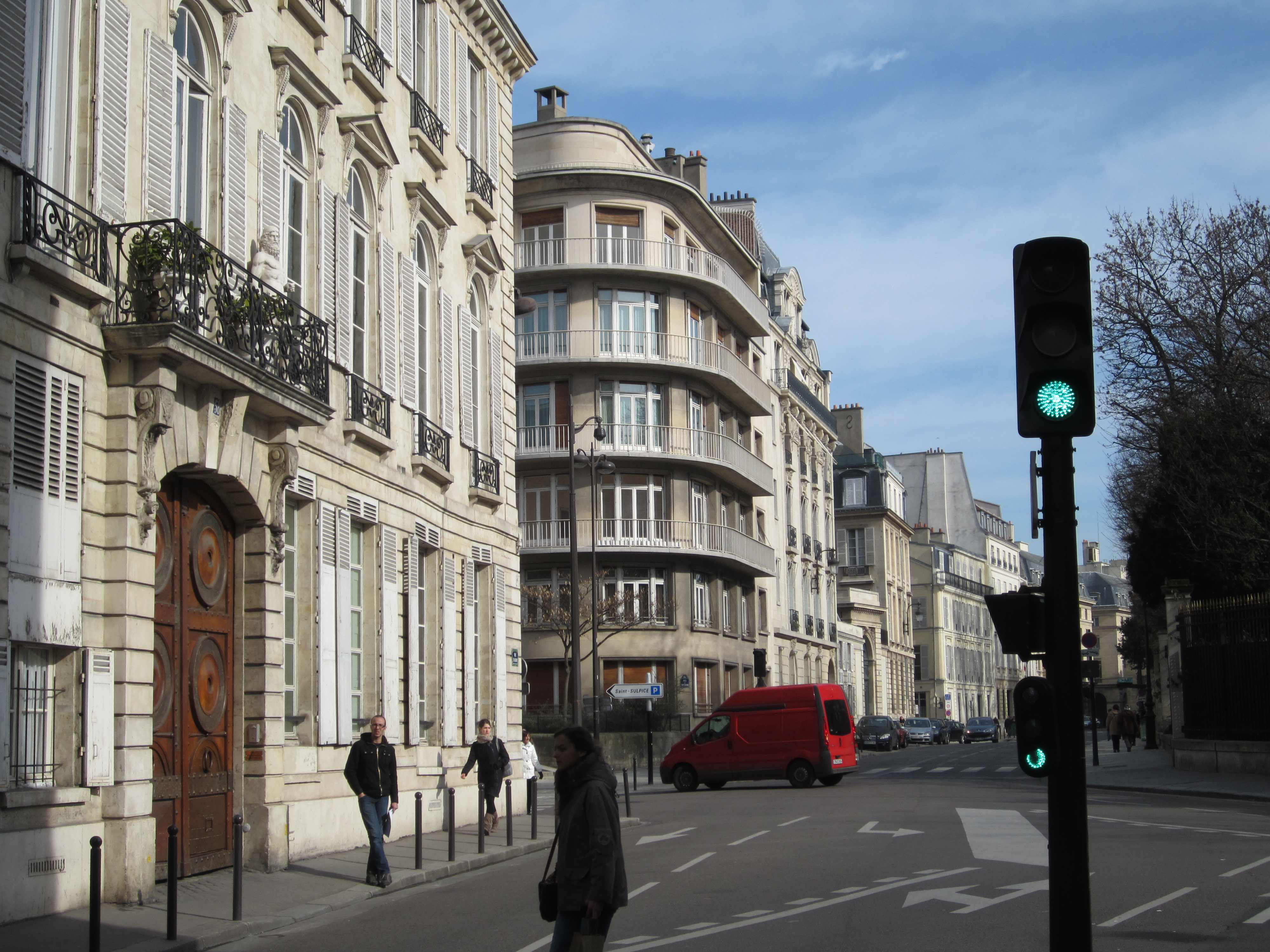
Another view of the Fitzgerald's apartment at 58 rue de Vaugirard. They lived here on their third trip to Paris in 1928. Their daughter Scottie enjoyed playing in the nearby gardens.

Another view of the Fitzgerald’s apartment at 58 rue de Vaugirard. They lived here on their third trip to Paris in 1928. Their daughter Scottie enjoyed playing in the nearby gardens. This building would be subsequently damaged by gunfire during the liberation of Paris in 1944.

Picture little Scottie playing with the sailboats in Luxembourg Gardens. Then picture Zelda nursing a horrible hangover in one of the low-slung  "Luxembourg chairs." For my fellow Francophilles: did you know you can order these chairs and have them shipped to the United States? Check out the website of Deyrolle, at 46 rue de Bac in Paris. This happens to be the same taxidermy shop used as a film location in Midnight in Paris. If you can't find the Luxembourg chairs on their website, you can always try to email them. I came **this close** to ordering one for my husband for Christmas last year. We loved them THAT much.

Picture little Scottie playing with the sailboats in Luxembourg Gardens. Then picture Zelda nursing a horrible hangover in one of the low-slung “Luxembourg chairs.”

My friends and I enjoying a fall day in my favorite Luxembourg chairs. For my fellow Francophiles: did you know you can order these chairs and have them shipped to the United States? Check out the website of Deyrolle at 46 rue de Bac in Paris. (Which just happens to be the same taxidermy shop filmed in Midnight in Paris.) If you can't find the chairs on their website, you can always try to email them. I came **this close** to ordering one for my husband last Christmas. We loved them that much.

My friends and I enjoying a fall day in my favorite Luxembourg chairs. For my fellow Francophiles: did you know you can order these chairs and have them shipped to the United States? Check out the website of Deyrolle at 46 rue de Bac in Paris. (Which just happens to be the same taxidermy shop filmed in Midnight in Paris.) If you can’t find the chairs on their website, you can always try to email them. I came **this close** to ordering one for my husband last Christmas. We loved them that much.

La Closerie des Lilas, the restaurant where Scott and Ernest met to plan their drive to Lyons together - a trip that would cement their friendship.

La Closerie des Lilas, the restaurant where Scott and Ernest met to plan their drive to Lyons together – a trip that would cement their friendship.

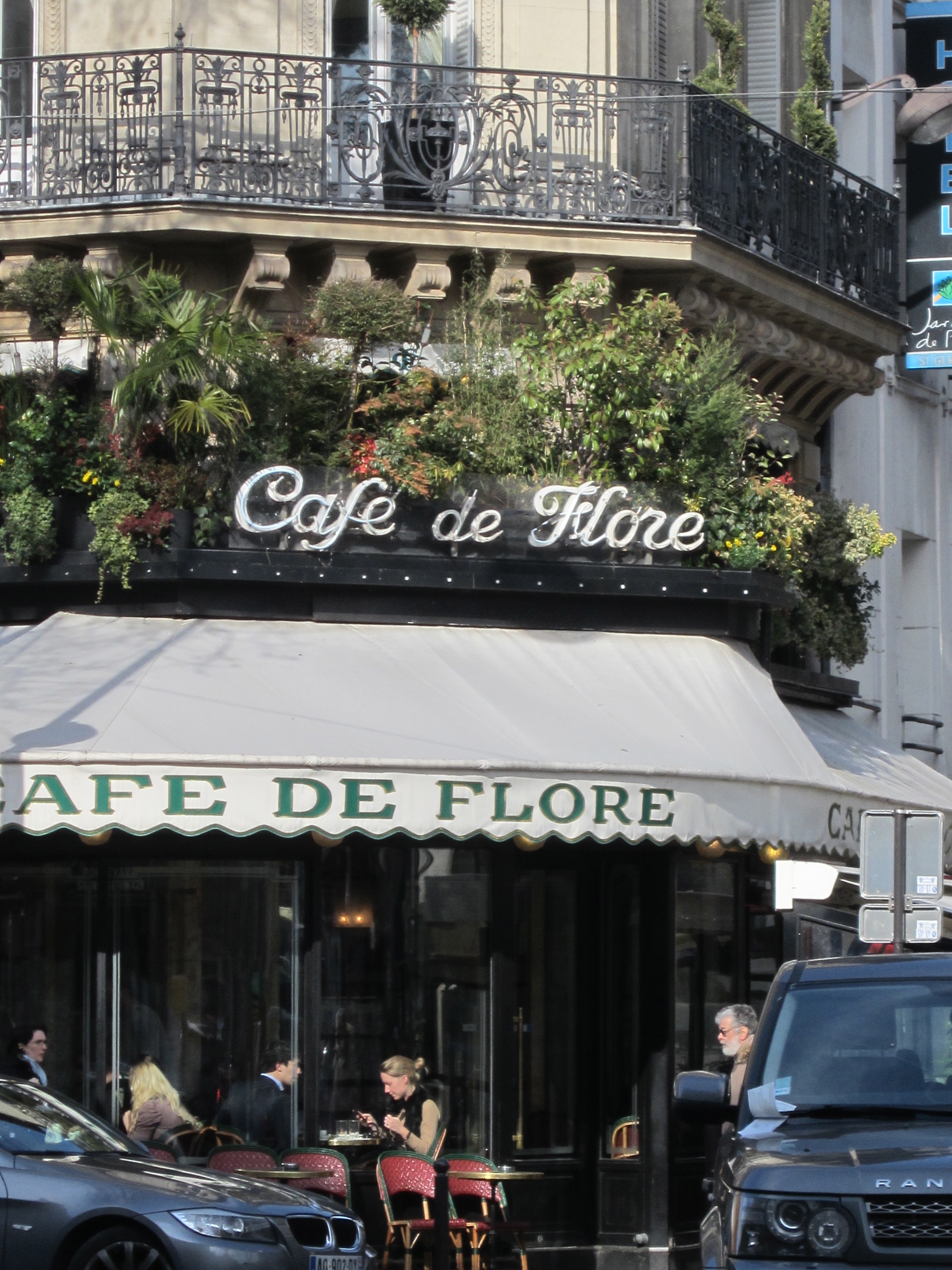
Café de Flore, another St.Germain café where the Fitzgeralds hung out with the rest of the Lost Generation.

Café de Flore, another St. Germain café where the Fitzgeralds hung out with the rest of the Lost Generation.

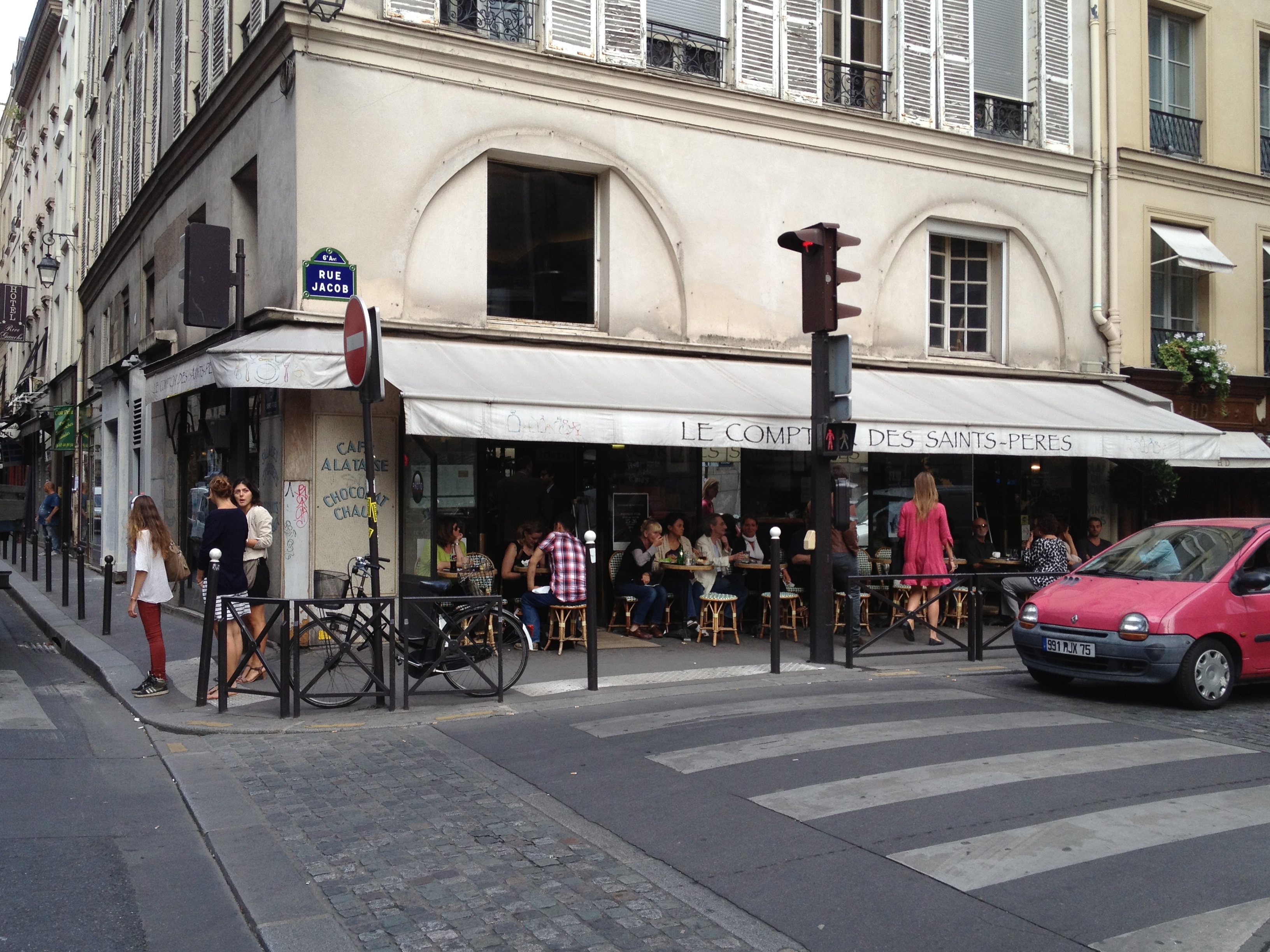
This is the site of Michaud’s, a fashionable restaurant in St. Germain where the Fitzgeralds often dined. It is now Le Comptoir des Saints Pere, located on the corner of rue Jacob and rue des Saints Pere. It is the place where Hemingway’s infamous “show me your penis” story takes place. In Moveable Feast, Fitzgerald supposedly confessed to Hemingway his insecurities about the size of his penis, thanks to a nasty comment fron Zelda. Hemingway is supposed to have invited Scott downstairs to the bathroom, where Hemingway took a look for himself and told Scott that he was perfectly normal, and that Scott shouldn’t listen to Zelda. “Zelda’s crazy,” Hemingway said. In Z, Zelda gets her long-awaited revenge against her “frenemy” Hem. Zelda has a deliciously alternative story comparing Scott and Hem’s measurements. I’m not sure which version I believe, but I am definitely leaning toward Team Zelda. (If your book club is anything like mine, this is going to be a hot discussion topic after a few bottles of vin rouge!)

Z by Therese Fowler: Highly, highly, highly recommended.

I hope you pick up your own copy of Z very soon. And by “pick up” I mean “buy.” And by “buy” I really mean that you should rush down to your local independent bookstore to grab a copy as soon as you can. If you don’t have a local indie of your own, feel free to buy it in ebook form from the bookstore I work for in Glen Ellyn, Illinois. All you have to do is create a Kobo account on the website. We’d appreciate your support. Then come back here to the comments and tell me what you think!

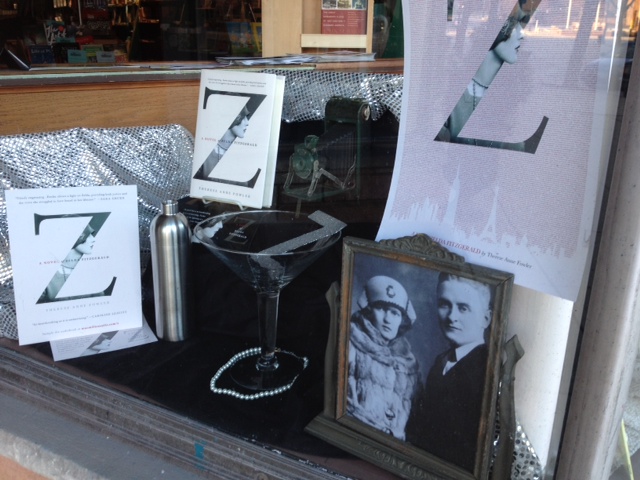
The folks at The Bookstore in Glen Ellyn, Illinois love Z so much we've decorated our front window in honor of Zelda.

The folks at The Bookstore in Glen Ellyn, Illinois love Z so much we’ve decorated our front window in honor of Zelda.

Crossing the Borders of Time

Crossing the borders 2

Crossing the Borders of Time by Leslie Maitland (Other Press, 2013) is a memoir with so much terror, romance and suspense that you might be tempted to think it’s the makes of fiction. But it’s not.

It’s the true story of one Jewish woman’s escape from Nazi Germany and Occupied France from 1938-1942. At the same time, it’s the present-day story of the woman’s daughter, an investigative journalist for the New York Times, who was on a mission to trace her mother’s lost history, which included a long lost French sweetheart.

As Good Housekeeping said, it’s like a cross between Schindler’s List and Casablanca. I would probably also add The Man Without A Country, given the family’s desperate search for a safe place to call home.

The story begins in 1920s Germany, where Matiland’s grandparents, Sigmar and Alice Günzberger, were prominent German citizens who had both served their country in World War I. After they married, the Günzbergers thought they would join relatives in nearby Mulhouse, not far from the Rhine in the Alsace region of France. However, anti-German sentiment was running high in post-war Alsace, which Germany had just ceded back to France in the Treaty of Versailles. “Feeling even less welcome as Germans in France than as Jews in Germany,” the Günzbergers changed their minds and returned to Freiburg in 1920.

The Günzburgers had three children, including Maitland’s mother Hanna, and together they lived relative wealth and comfort in Freiburg, a religiously tolerant college town in the southwest corner of Germany. The rise of Nazism is a well-known story, but Hannah’s memory, as told to her daughter, is so detailed and personal that if feels as if you’re hearing about it for the first time.

The Günsberger children had an innocent life in Freiburg, but by 1933 they could no longer swim in the neighborhood pool or attend regular schools. At first they didn’t understand the implication of all of the anti-Jewish laws; the children were actually thrilled when their overly strict German governess left, unwilling to be associated with a Jewish family. When Hannah’s own friends and classmates joined the Hitler Youth Movement, Hannah begged her mother to buy a white blouse and kick-pleated skirt that would match the uniform for the Nazi’s League of German Girls. By 1937, with the economic laws restricting their safety and livelihood, the Günzbergers began to plan their escape from Germany.

They pressed ahead with the bribes and paperwork necessary to obtain French visas, as well as the “flight taxes,” bank fees and harsh fines required to sell their business and property in Germany. When the Günzbergers arrived in Mulhouse they were surrounded by relatives and a strong Jewish community, but their life savings was gone. It was in Mulhouse that Hannah (now a pretty teen-age Janine) met a handsome Frenchman named Roland whom she would never forget.

The new romance wouldn’t last long. The Günzburgers weren’t safe in Alsace, which Hitler threatened to recapture for the glory of the new Germany. Maitland describes her grandfather’s dilemma in Alsace:

To the French, he was German – mistrusted as an enemy, with no way to hide his name or accent. To the Germans, he was a Jew – a stateless pariah and fair game in any territory he might be found. While prudence left him no other choice, moving from Alsace meant leaving the one part of France where he felt somewhat at home, where a Germanic name and dual national heritage were well understood and Jews well established.

The Günzbergers sought refuge in Gray, a quiet country village in the middle of Burgundy, but their German background presented new problems. They had become stateless, homeless people whom no one trusted.

They were only safe for a short while, and were forced to flee when the German army advanced through France in 1940. Their narrow, harrowing escapes (in the back of French ambulances, or in the trucks of German soldiers, happy to trade favors with pretty French girls) seem like scenes from a movie. The Günzbergers fled to Lyon in the Unoccupied Zone, where Janine and her French sweetheart Roland were reunited and where Janine would have been happy to stay.

When it became clear that the Vichy government would also enforce anti-Jewish laws, Janine’s father knew he had to find a way out of France. He succeeded in getting the necessary permits for the last refugee ship to Cuba in 1942. Janine would reluctantly board the ship with her family, and eventually settle in New York, leaving Roland far behind. Janine and Roland would be separated for nearly fifty years.

There is much more to the story, as the author traces her mother’s life and unhappy marriage in New York and New Jersey. Through it all, Janine secretly pines for the French sweetheart of her past. Finally, her grown daughter takes on the challenge of searching for long lost Roland. The story of her search and the truth of her mother’s past makes for a fabulous read.

Crossing the Borders of Time is a hair-raising tale of escape and survival, where crossing a border means everything. But sometimes, in this complicated world of loss, change and missed opportunities, it is just as amazing that love can make it across the biggest border of all: the border of time.

Highly recommended.

Cézanne A Life

I just finished Cézanne A Life by Alex Danchev (Pantheon Books 2012). I shouldn’t have bought this book for myself so close to the holidays. I could have hinted and received it as a perfect artist gift. But I succumbed when I saw the cover in person – it literally shines. And so does the inside.

The book tells the story of the artist and the person. Cézanne had a troubled, complicated life which began in Aix-en-Provence in 1839, where he was close friends with fellow student Emile Zola. He talked his difficult father into letting him abandon law school in favor of art, and moved to Paris in 1862, where he began his art studies at the Académie Suisse on the Ile de la Cité. It was there that he met and formed a deep, lasting fellow-artist friendship with Camille Pissaro. He also met one of the Académie Suisse models, Hortense Fiquet, who became his long-term mistress (they would have a son and finally marry after 17 years).

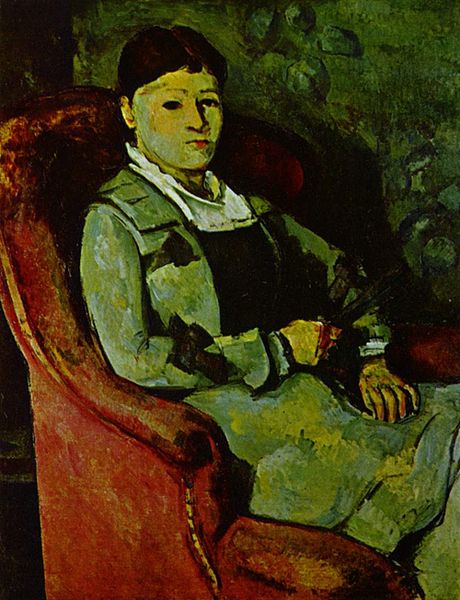
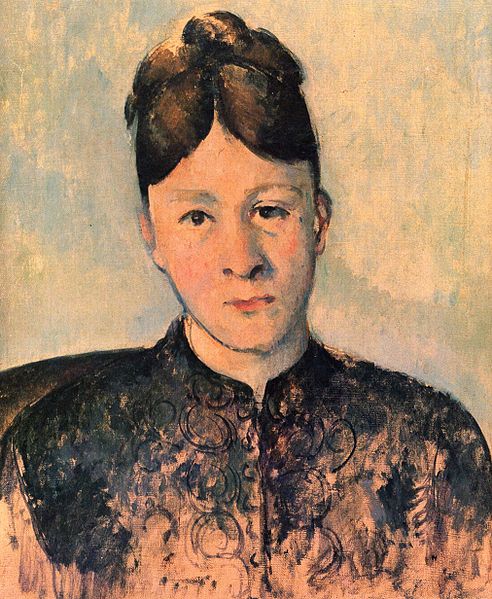
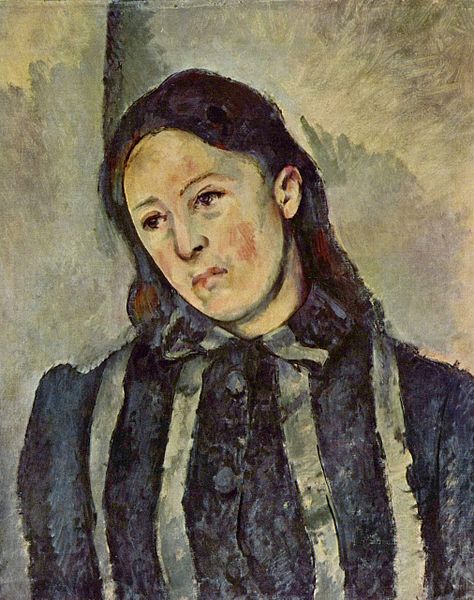
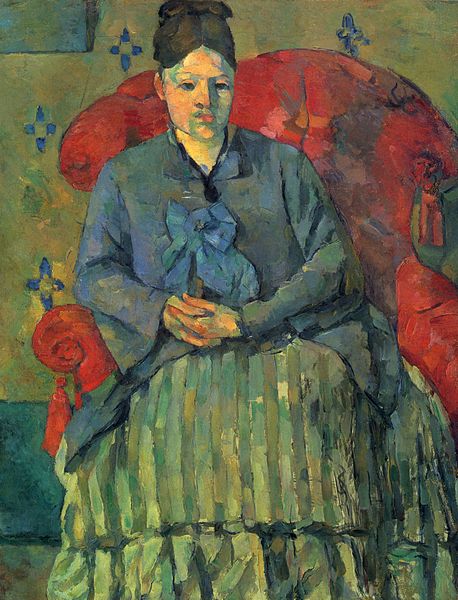
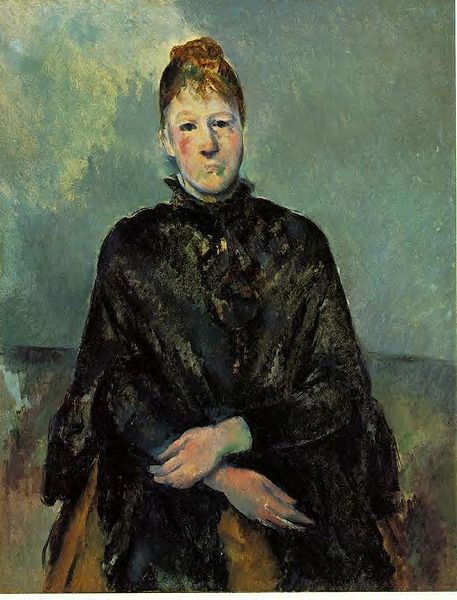
One of my favorite parts of the book was its treatment of Cézanne’s complicated relationship with Hortense, whom he called “La Boulle” (“the dumpling”). Cézanne’s father disapproved of the match, so Cézanne kept it secret for many years, even after the birth of their son. The couple lived separately for much of their lives, and it’s really hard to tell how close they were. Cézanne painted 27 portraits of Hortense over the years, and most of them are absolutely haunting. Cézanne didn’t aim to achieve a “likeness” in his portraits as much as a “thereness.” So, there is Hortense: always a bit inscrutable, sometime sad, angry, distant or intense – more of a presence (here I am, as I am) than a lover eager to please, or a muse conscious of her ability to inspire. But there she is, looking back at Cézanne. What do you think she’s thinking?

Madame Cézanne with a Fan (1886-88). Stiftung Sammlung Buhrle, Zurich. Once owned by Gertrude Stein.

Madame Cézanne (1885). Nationalgalerie, Museum Berggruen, Staatliche Museen, Berlin.

Madame Cézanne With Her Hair Down (1890-92). Philadelphia Museum of Art.

Madame Cézanne in Striped Skirt (1877). Museum of Fine Arts, Boston

Portrait of Madame Cézanne (1888-90) Barnes Foundation, Philadelphia

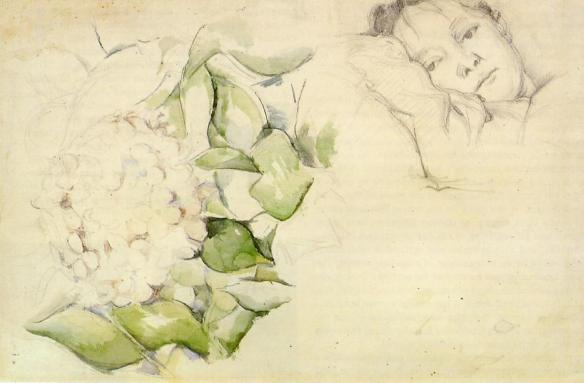
Madame Cézanne with Hortensias (1885). Private collection.

And then, just when you think you are coming to understand who Hortense might have been, and who she might have been to Cézanne, you get to see this tender and emotional pencil and watercolor sketch on paper (above), which is in a private collection but is beautifully reproduced in Danchev’s book. And it is so intimate and beautiful, you can’t help but see that Cézanne did love her, and that they were indeed happy. At least for a time.

Cézanne would often return to his hometown of Aix-en-Provence, with or without Hortense. In the end, he bought a studio up on a hill, where he painted until his death. Today, it has been restored and is open as a museum, a must-see for an art lover’s trip in Provence. For more information and images, click on the link to the website below.

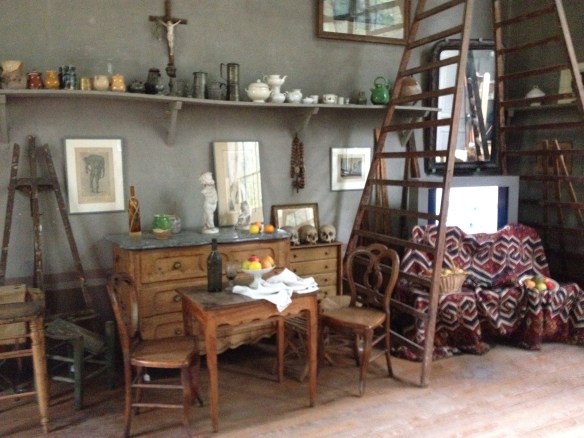
Cézanne’s Studio in Aix-en-Provence from 1901-1906 (currently a museum). The apples!

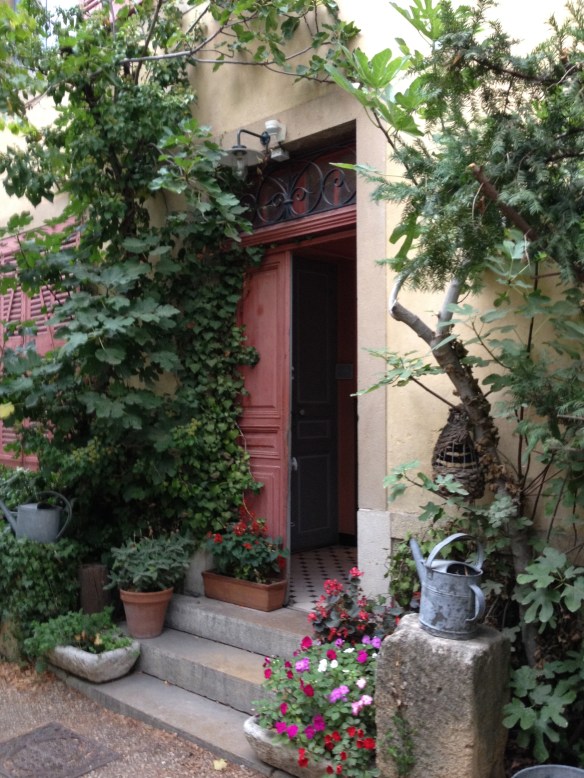
The door to Cézanne’s last studio in Aix-en-Provence. Guided tours are available in French and English.

Cézanne A Life by Alex Danchev: Highly recommended

Atelier Cézanne in Aix-en-Provence, 9 avenue Paul Cézanne, 13090 Aix-en-Provence: HIghly recommended

Say Yes To The Dress: Claude and Camille and Fashion

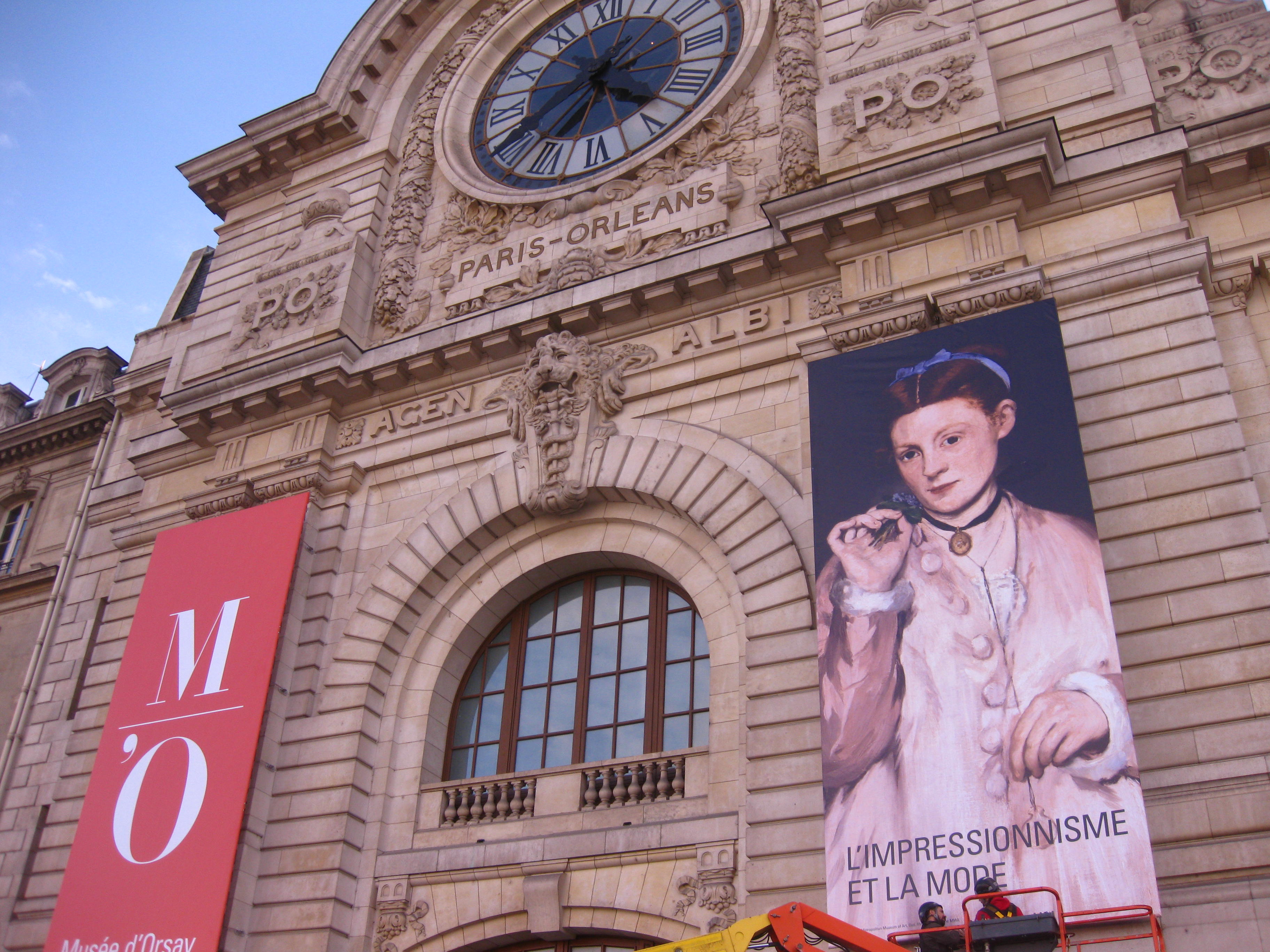
So, I have to admit I’m a little nuts about the Impressionism and Fashion Exhibit at the Musée d’Orsay. In my last months in Paris, I went four times. I had a lot of American visitors who wanted to go, but I truly did want to keep going back. Each time I found something new.

One of my favorite rooms of the exhibit was the last room, decorated to look like a park. That’s where you could find Monet’s oversized plein air paintings with Camille in her huge, fabulous dresses. I grabbed my visitors, and said, that’s Camille! Like I knew her.

But I kind of do. A couple of years ago, I read Claude and Camille: A Novel of Monet by Stephanie Cowell, and I even hosted Stephanie at a literary luncheon at the Downtown Glen Ellyn BookFest, an annual event sponsored by my local library and bookstore. The book is all about Claude Monet and his first wife Camille. How they met, how she posed, where he painted.

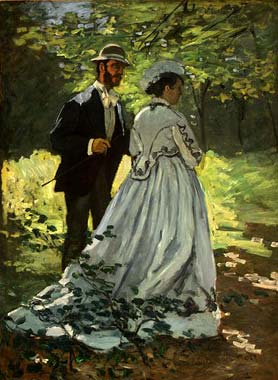
So when I saw this painting (below) at the exhibit, a study of Bazille and Camille (1865), on loan from the National Gallery of Art in Washington, D. C., I stopped and gaped. It was Camille and Bazille, shortly after she’d met Claude. I’d read about their summer trip to Fountainbleu in Claude and Camille. How the 18 year-old Camille had snuck out of the house without her parents’ permission, bringing along her older sister as a chaperone.

Claude Monet, Camille and Bazille (Study for Luncheon on the Grass) 1865. National Gallery of Art, Washington, D.C.

This painting was just a study, painted quickly en plein air in the Fountainbleu Forest, but I think it’s almost better than the final painting, Luncheon on the Grass (1865-66), shown below. It feels fresh and immediate, as if you’re standing right there spying on this couple from the dappled shade behind the bushes. According to the article Fashion En Plein Air by Birgit Haase in the Exhibit Catalog, the dress that Camille is wearing would have been a highly fashionable outfit for women on trips to the countryside that year. Camille, who left her corset at home, is the perfect model for modern leisure wear in 1865. Monet obviously said yes to this dress – the embroidery, the cut and draping of the back of the dress and jacket seems to be the focus of the whole painting.

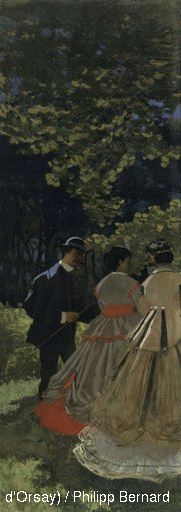
After the summer in Fountainbleu, Monet went back to Paris with the plan of turning his small plein air studies into a bold large canvas suitable for the Paris Salon. He made all kinds of changes to the dresses and the poses, but was so dissatisfied that he abandoned the project. What is left of the final painting appears in two giant panels at the Musée d’Orsay.


The story of how this celebrated painting got divided into separate panels is a good one. In Stephanie Cowell’s novel, Monet struggled all winter trying to paint Luncheon on the Grass, but he was so disappointed with the result that he decides not to enter it in the next Salon:

What he had seen so clearly on a summer’s day in the forest was not on the canvas before him. People were clumsily placed; the brushstrokes were all wrong. It had been repainted many times and he had never found the balance of human form and light, It was not a masterpiece at all. How could he not have seen it before? How could he have made such a mess of it?

In the novel Claude and Camille, Monet rips the canvas off the frame, rolls it up and moves on to the next painting. Thanks to the Musée d’Orsay, we have Monet’s own explanation for what happened next:

I had to pay my rent, I gave [Luncheon on the Grass] to the landlord as security and he rolled it up and put in the cellar. When I finally had enough money to get it back, as you can see, it had gone mouldy.

Monet retrieved the painting in 1884 and cut it into separate panels. Two of the three panels have survived and are included in the Impressionism and Fashion Exhibit.

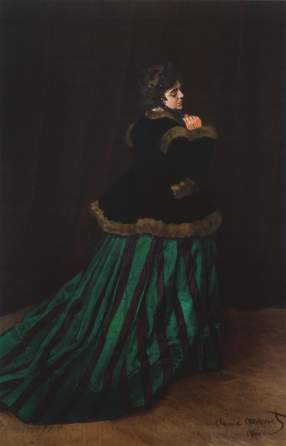
After abandoning Luncheon of the Grass, Monet decided to ask Camille into pose again, this time in a green and black striped taffeta silk dress with an enormous train. Art historians don’t know exactly where this dress came from. They speculate that because of its sumptuous fabric and fur, it would have been beyond the financial means of either Monet or Camille. Stephanie Cowell imagines that Monet’s friend Bazille rented it for a painting of his own, and was willing to loan it to Monet. In fact, there is evidence to support Stephanie’s theory. In an 1866 letter to his mother, Bazille mentions a green satin dress that he had rented.

Wherever it came from, it was a dress that inspired a painting. In the novel, Claude whispers to Camille: “I could make an unforgettable picture of you in that dress.”

Claude Monet. Camille (1866). Kunsthalle Bremen, on loan to the Impressionism and Fashion  Exhibit in New York and Chicago.

Camille said yes to the dress. She added with a fur-trimmed jacket and empire hat, and posed as if she was heading out the door. Once again, she appeared to lack a corset, a sign of independence and modernity.

Stephanie Cowell’s book goes on to describe the days that Monet spent in his studio, painting Camille in the green dress, the attraction between them building each day. Claude and Camille would later marry over the strong objections of her parents. Camille died in 1879 at the age of 32.

The painting would become known as Camille, The Green Dress (1866). It was accepted at the 1866 Salon.

This painting did not appear in Paris, but it will travel to New York and Chicago as part of the Impressionism and Fashion Exhibit, along with a real green tafetta dress from 1865, thanks to the costume collection of the Manchester Gallery of Art in England.

I can’t imagine a better book club pick than Claude and Camille, paired with a field trip to see the Impressionism and Fashion Exhibit at the Musée d’Orsay (September 25, 2012 – January 20, 2013), the Metropolitan Museum of New York (February 26- May 27, 2013) or the Art Institute of Chicago (June 26- September 22, 2013).

Impressionism, Fashion and Modernity: Highly recommended

Claude and Camille by Stephanie Cowell: Highly recommended

Wine and War in France

I

Wine and history pair up well together, especially in France. More than anywhere else, the story of French winemaking is a lesson in history and tradition. Some French families have been making wine for dozens of generations. Don & Petie Kladstrup’s book Wine & War tells the story of how some of these families survived the two great wars of the 20th century. It makes for fascinating reading whether your interest is in history or more toward the wine. And if like me, you like both, it’s a must read. It makes a perfect companion for a wine tour in France.

Wine & War focuses on four French winemaking families: The Drouhins in Burgundy, the Hugels in Alsace, the owners of Lauren-Perrier in Champagne, and the Miaihles in Bordeaux. These are still some of the most prominent wine producers in France today. Their stories are triumphant and gripping, often involving deceit, risk and resistance in their battles to save their family legacies from theft and ruin by the Germans. In many cases, the winemakers even had to fight for their lives.

On my recent travels through Burgundy and Alsace, I brought along my copy of Wine & War and was able to make quite a few connections with the book. Here is a Google Map to save you the trouble of writing down the addresses and directions yourself. Our wine guide Tracy from Burgundy by Request (highly recommended) had read and enjoyed the book, so we were able to discuss some of these sites as we drove from town to town.

Maison Robert Drouhin, Beaune, Burgundy:

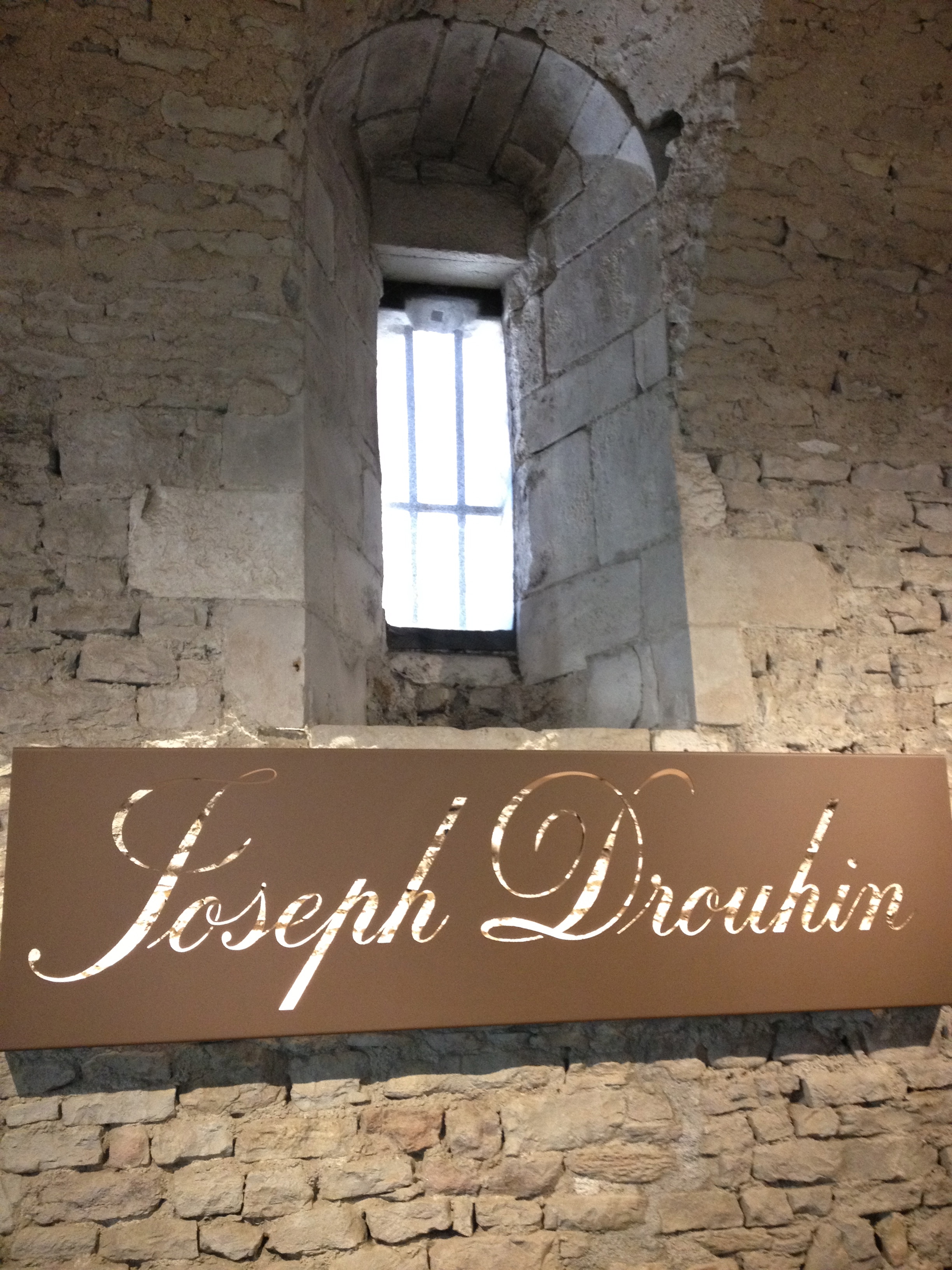
Burgundy: Maison Joseph Drouhin has been in the hands of the Drouhin family for the last 130 years. Today, the fourth generation of Drouhins (the great-grandchildren of Maurice Drouhin) maintains the caves at the same location as Maurice did during World War II, at 7 rue d’Enfer in the heart of Beaune. Wine tastings are available and highly recommended!

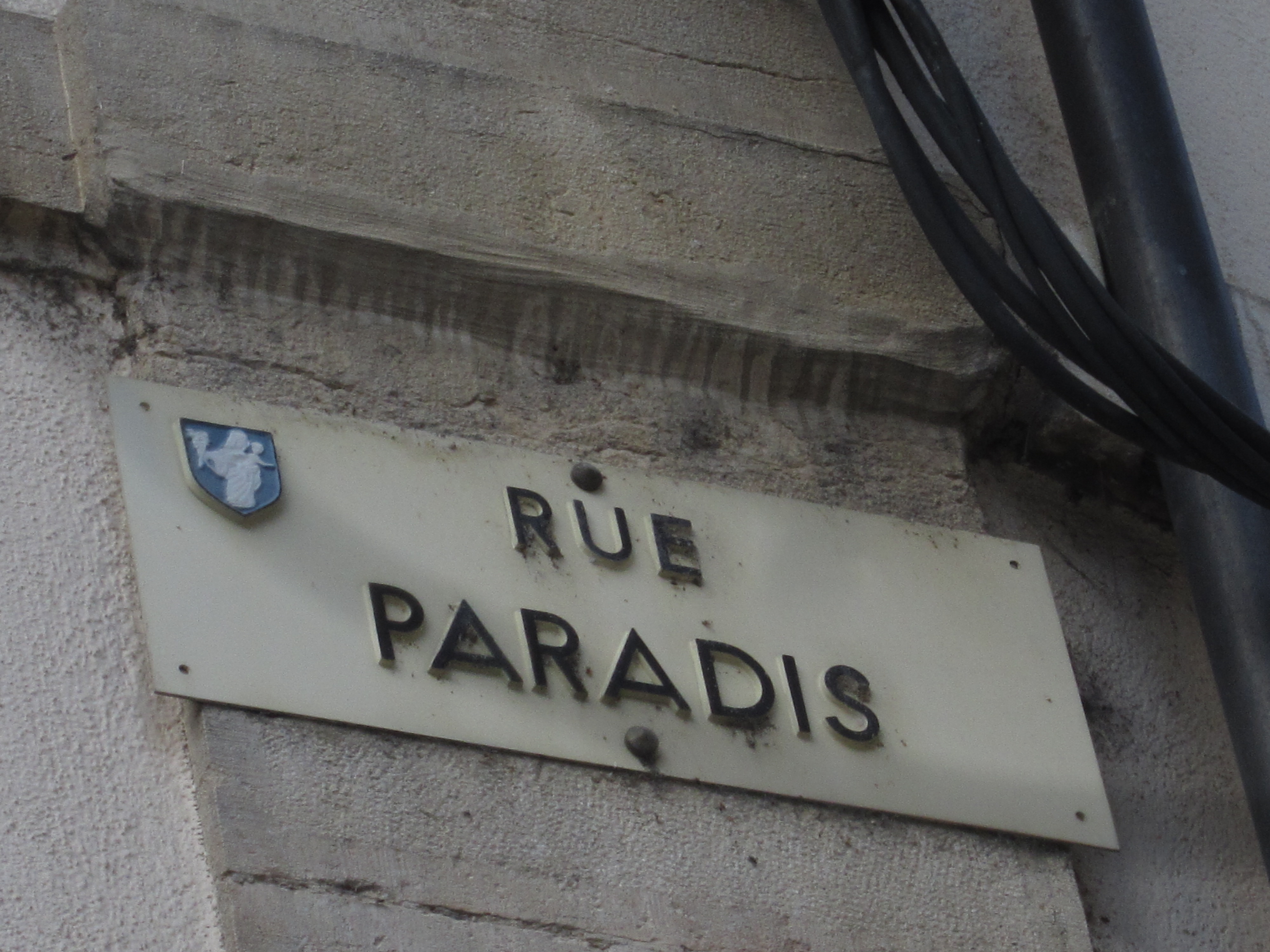
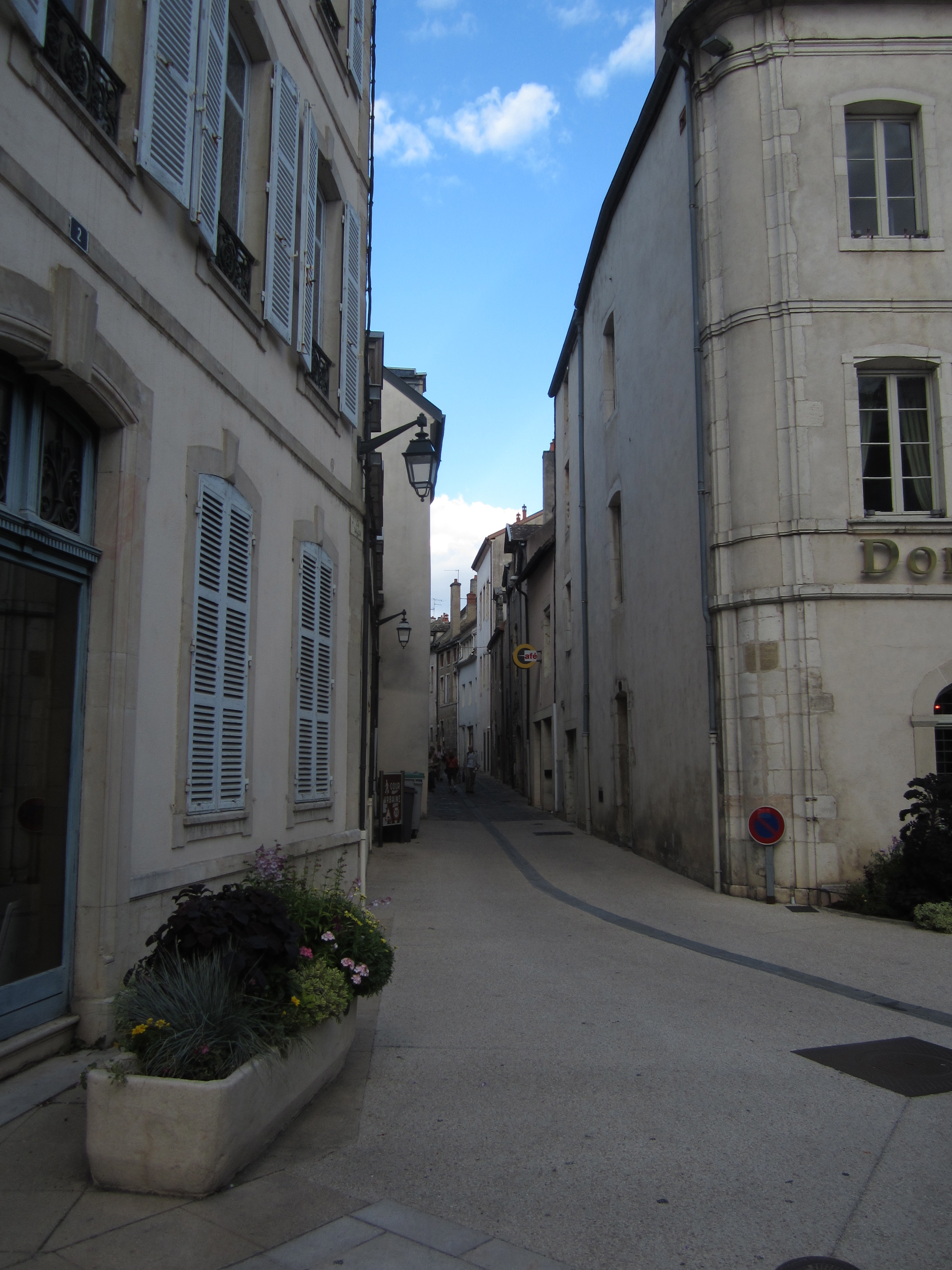
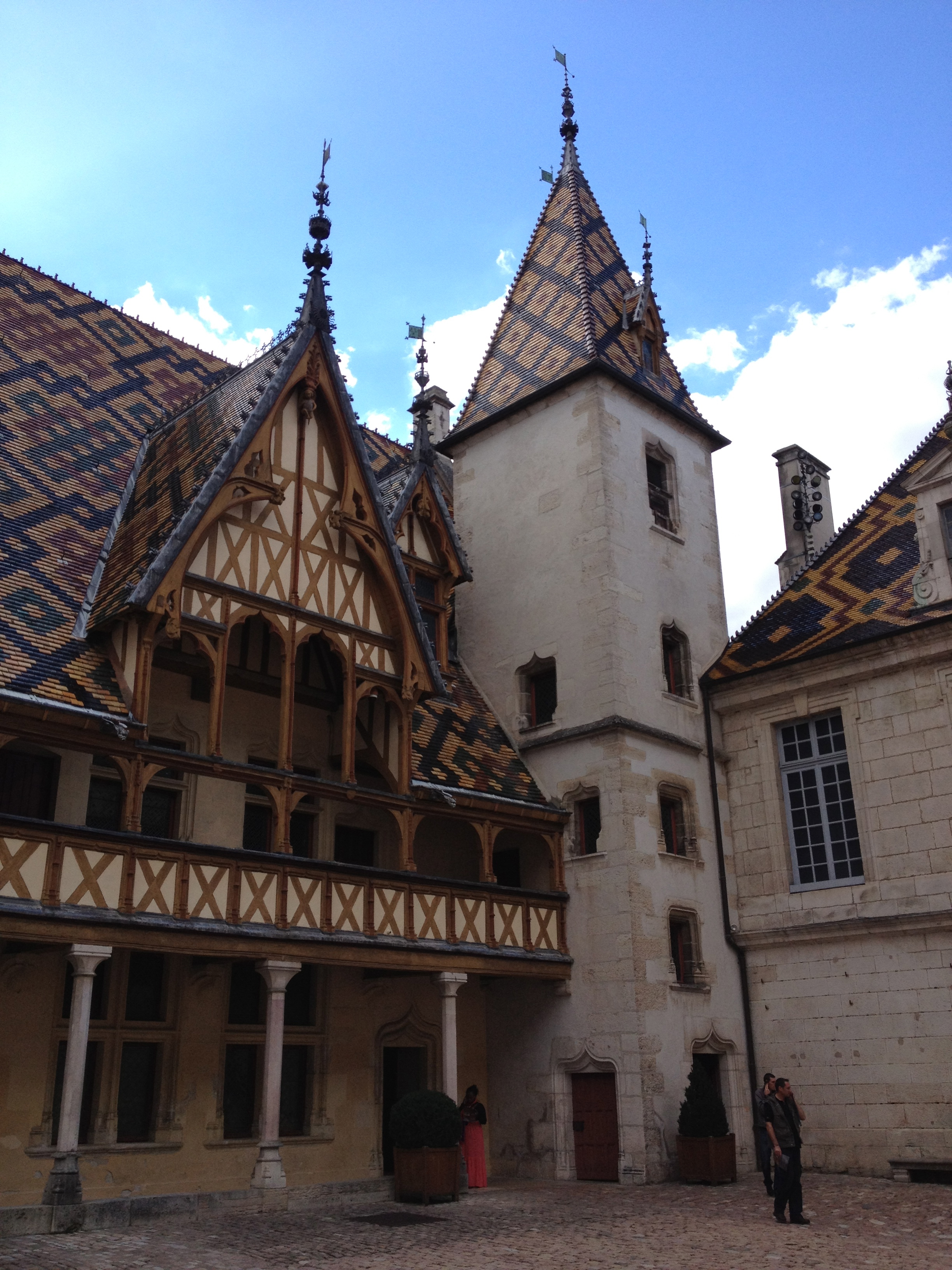
Burgundy: In one of the most dramatic passages of the book, the Nazis knock at the door to arrest Maurice Drouhin. Maurice has been prepared for this moment, and evades arrest by escaping through his tunnel of wine caves. He comes out of a secret doorway onto rue Paradis, and runs to the Hospice de Beaune just two more blocks away, where he hides out for 10 months.

“Even with a candle and his knowledge of the vast cellars, the darkness made it difficult for [Maurice] to find his way. On one of the four levels of passageways that made up his cellar, he finally found what he was looking for. Maurice brushed away the cobwebs and eased himself behind the wine racks; then he gripped the handle of the door and pulled. It opened easily. Stooping slightly as he went through, Maurice quickly made his way up several steps that led to the street outside,the rue de Paradis, or Street of Paradise.”

Burgundy: Hospice de Beaune. A hospital that owns some of the best vineyards in Burgundy. It has its own labyrinth of caves underground, and that is where Maurice Drouhin was able to hide from the Germans, no doubt with the help and confidence of his friends and fellow winemakers.

Comblanchien, A Village in Burgundy with a Tragic History

Wine & War includes the story of Comblanchien, a small winegrowing village in the heart of Burgundy. It was the center of much of the local Resistance activity. The locals Resistance fighters often sabotaged or blew up the German trains as they passed through on the main line from Paris to Lyon. In 1944, the Germans were on the run, but not before they retaliated against the village that had caused them so much trouble.

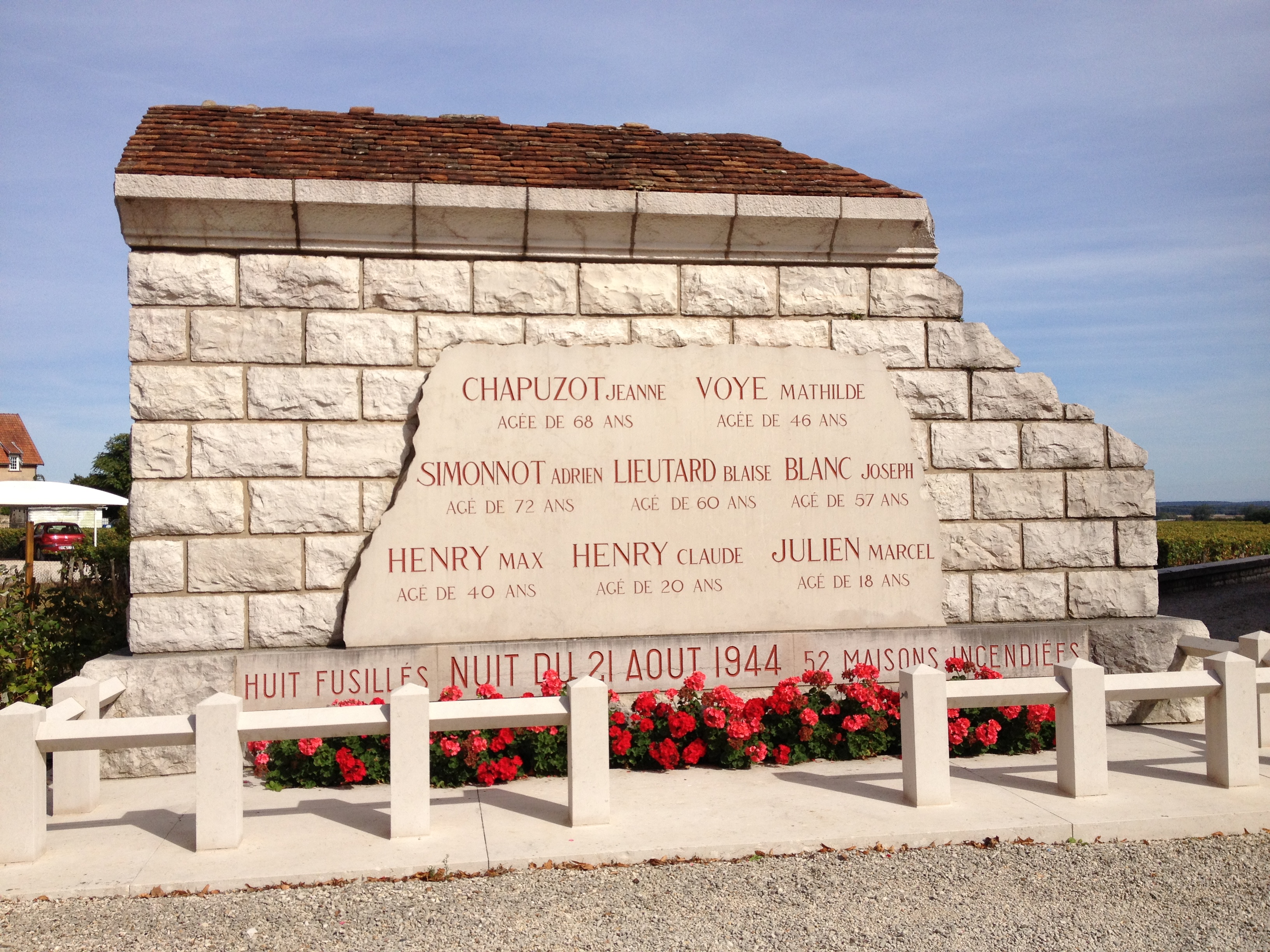
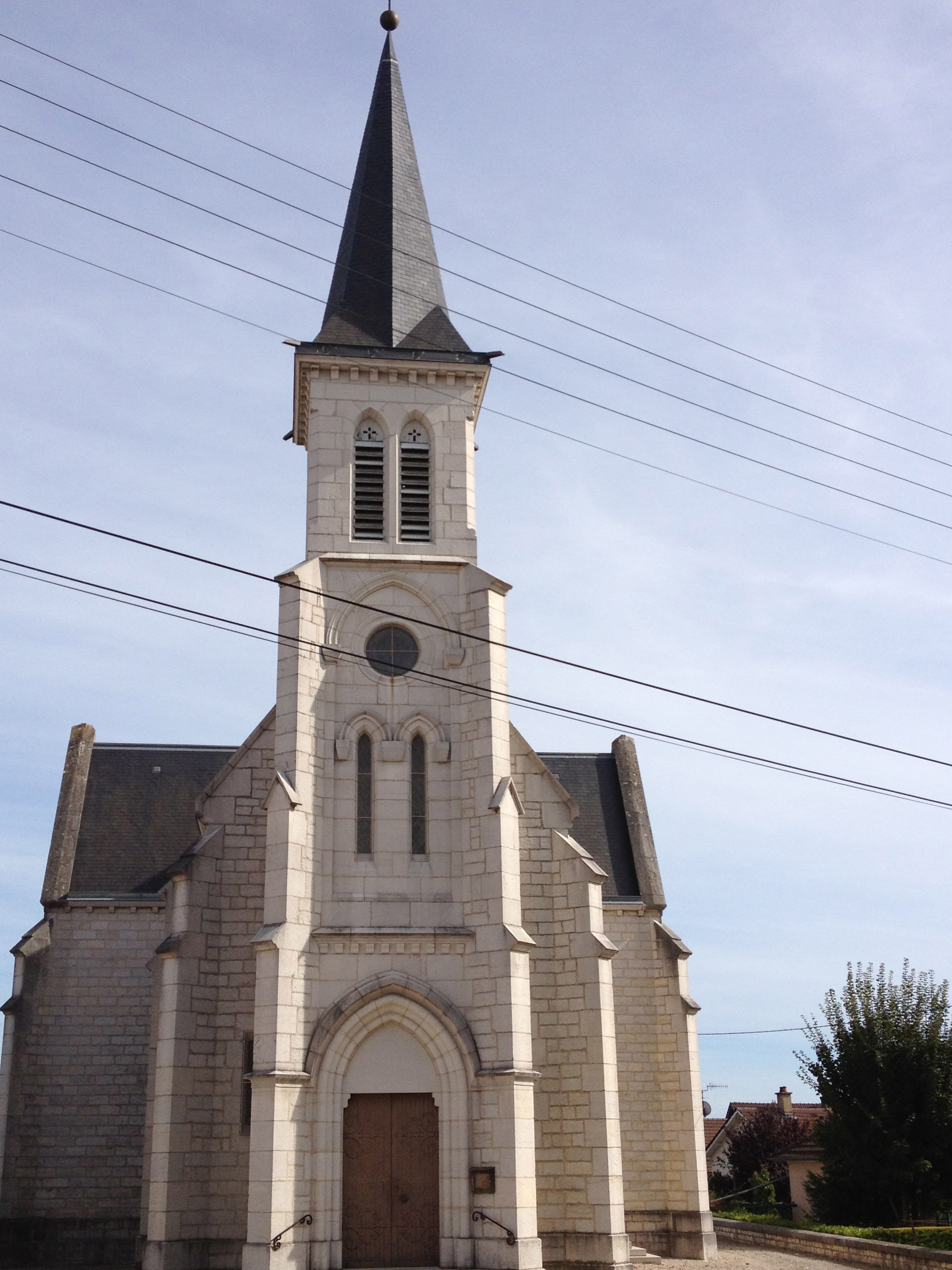
On August 21, 1944, the Germans attacked the village of Comblanchien, burning people out of their homes and their church. Eight people were killed, fifty-two houses were burned to the ground, and the church was reduced to a pile of ash. Some were able to survive by hiding in their wine caves while their houses burned above them. Twenty-three villagers were arrested and taken to Dijon for execution. Eleven of them were eventually freed, but the rest were deported to work camps in Germany.

Burgundy: The memorial in Comblanchien for the eight villagers who were killed in the German attack on August 21, 1944. The ranged in age from 72 to 18 years old.

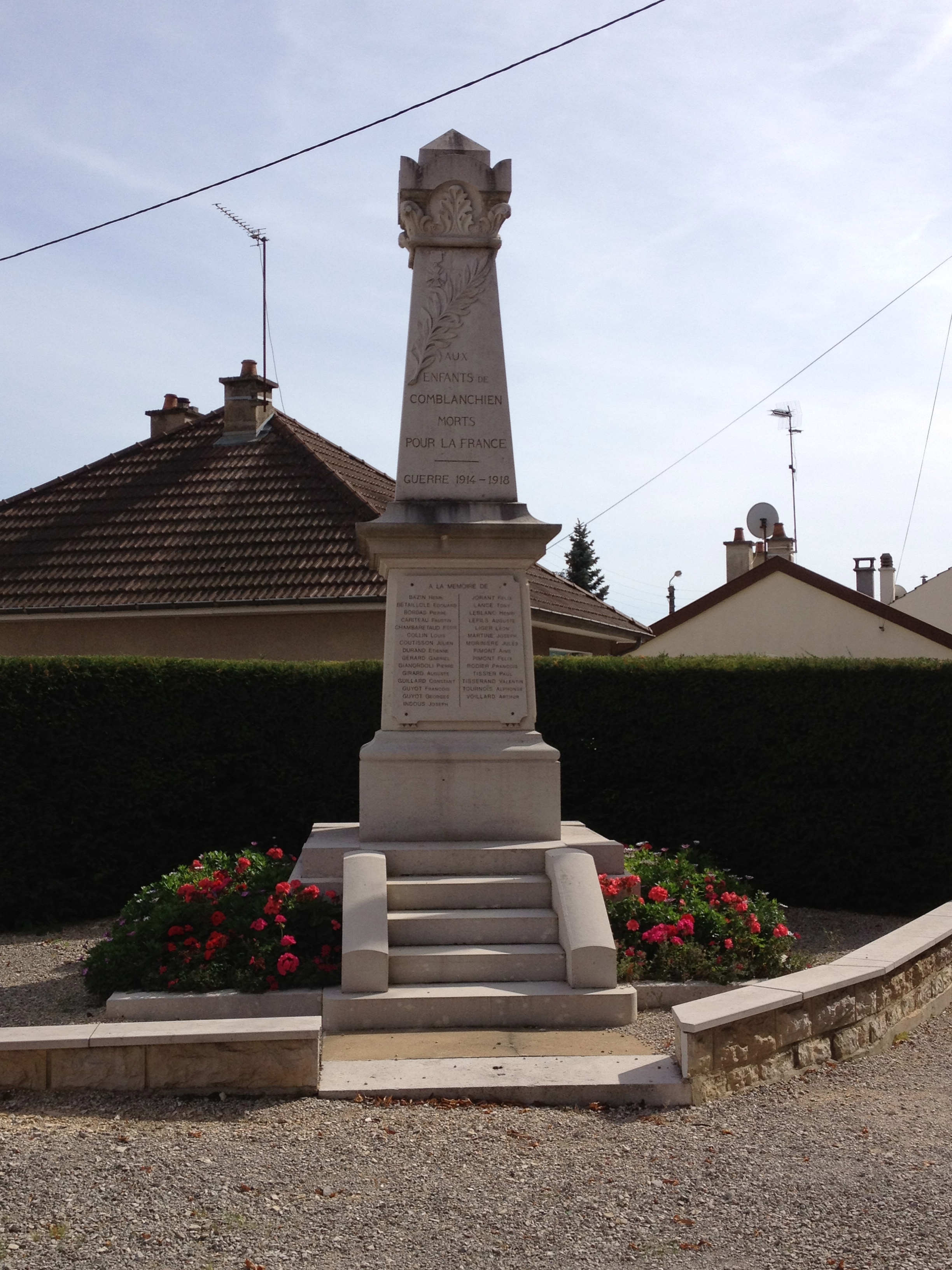
Burgundy: The war memorial in Comblanchien, France.

Burgundy: The “new” church in Comblanchien, built to replace the church the Germans burned to the ground in 1944.

Alsace: The Hugel Family of Riquewihr

The story of the Hugel family’s experience in World War II is particularly interesting because of their unique position in Alsace, which was annexed back into Germany in 1939. It had been French ever since the end of World War I, but the Germans returned and changed everything as soon as they could, from the language to the road signs and the even the names of the wine houses. Hugel et Fils became Hugel und Sohne. “If you even said bonjour, you could go to a concentration camp.” The Hugel sons were drafted into the German army, and the Hugels were forced to close their 300 year-old family business because Jean Hugel refused to join the Nazi party. In fact, Jean escaped to a hotel in nearby Colmar where he had pretended to be a member of their staff.

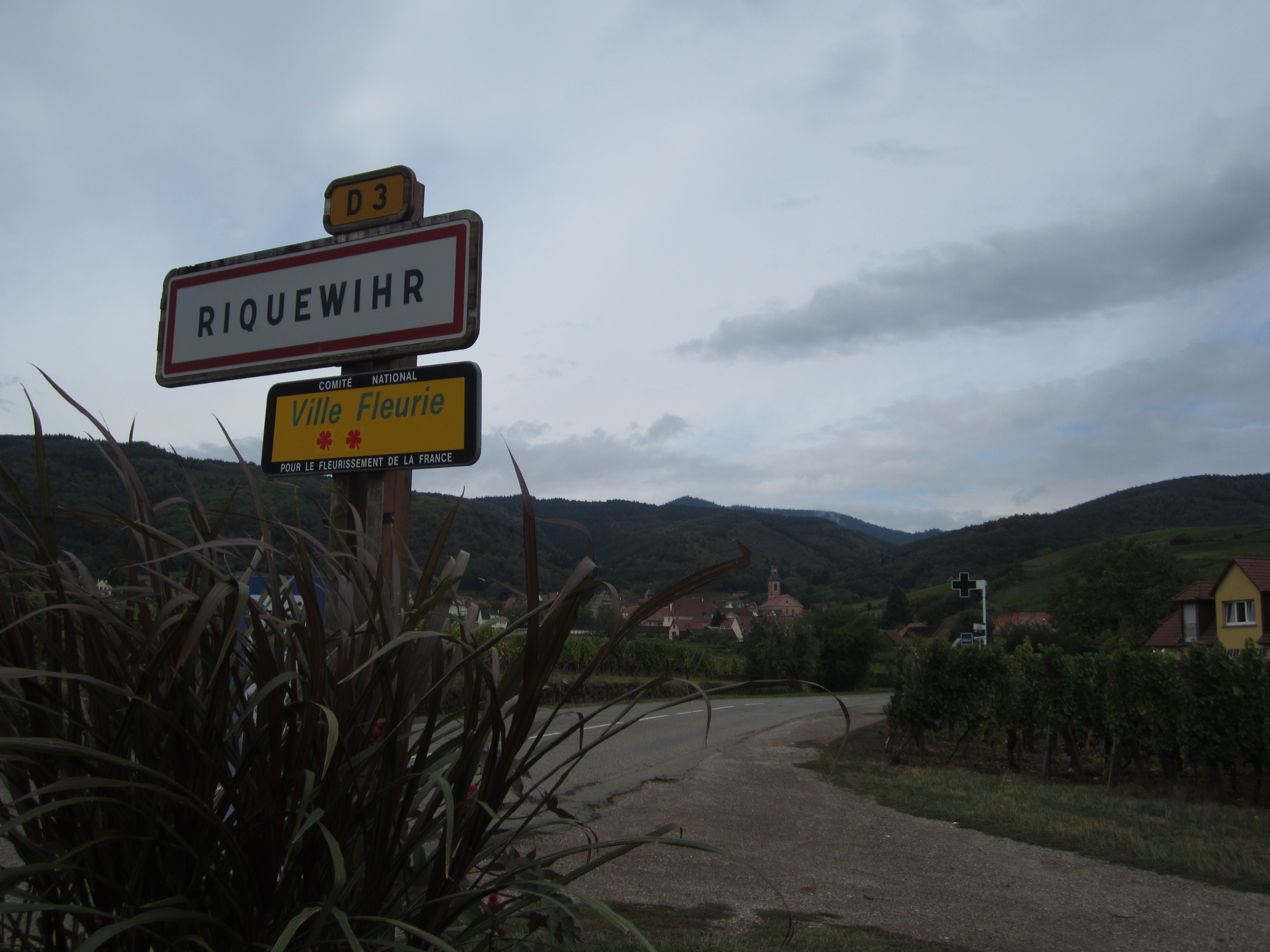
Alsace: Riquewihr, France on the Alsace Route du Vin between Colmar and Strasbourg. An absolutely beautiful town for a day visit.

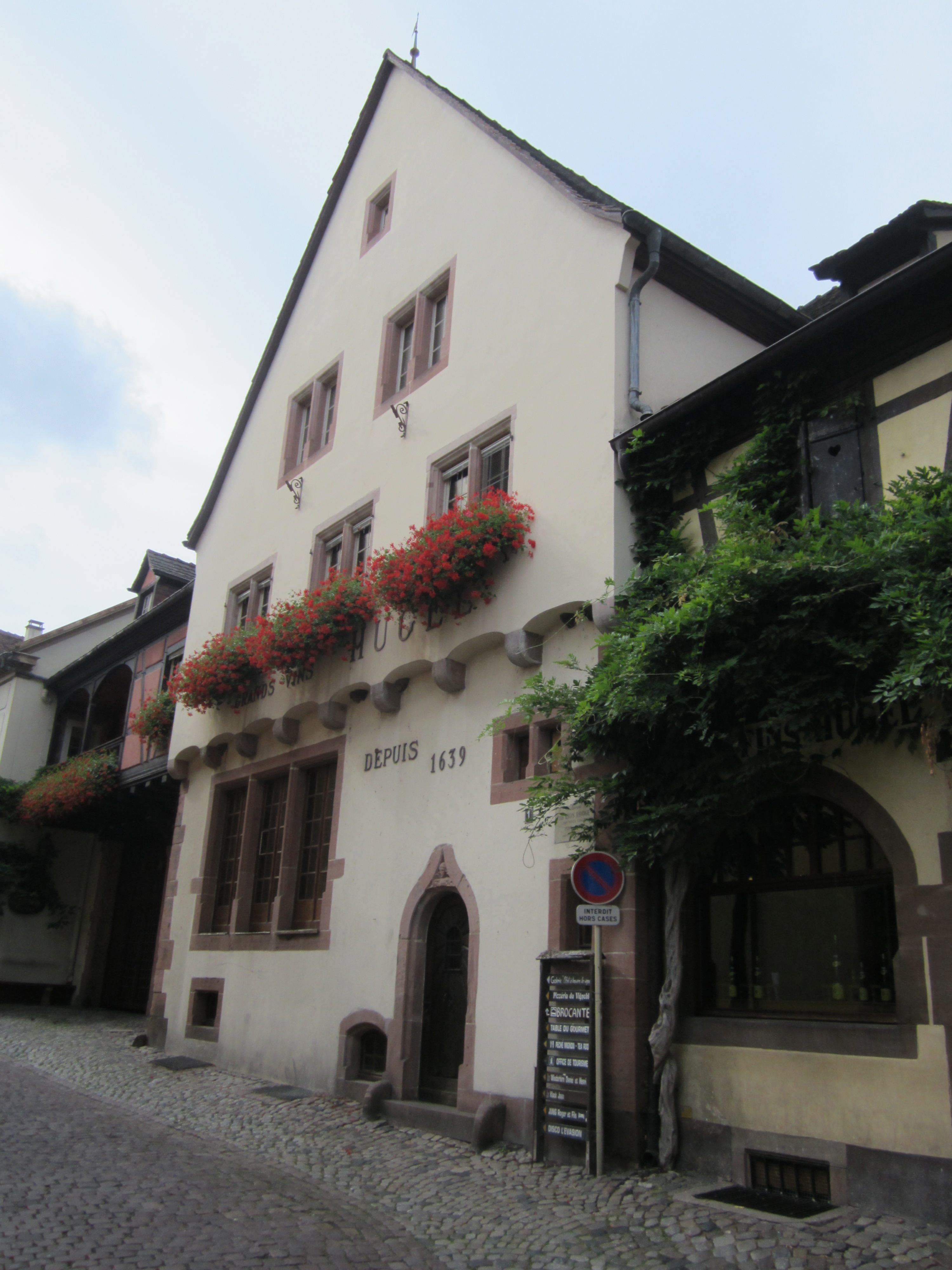
Alsace: Hugel et Fils in Riquewihr, France

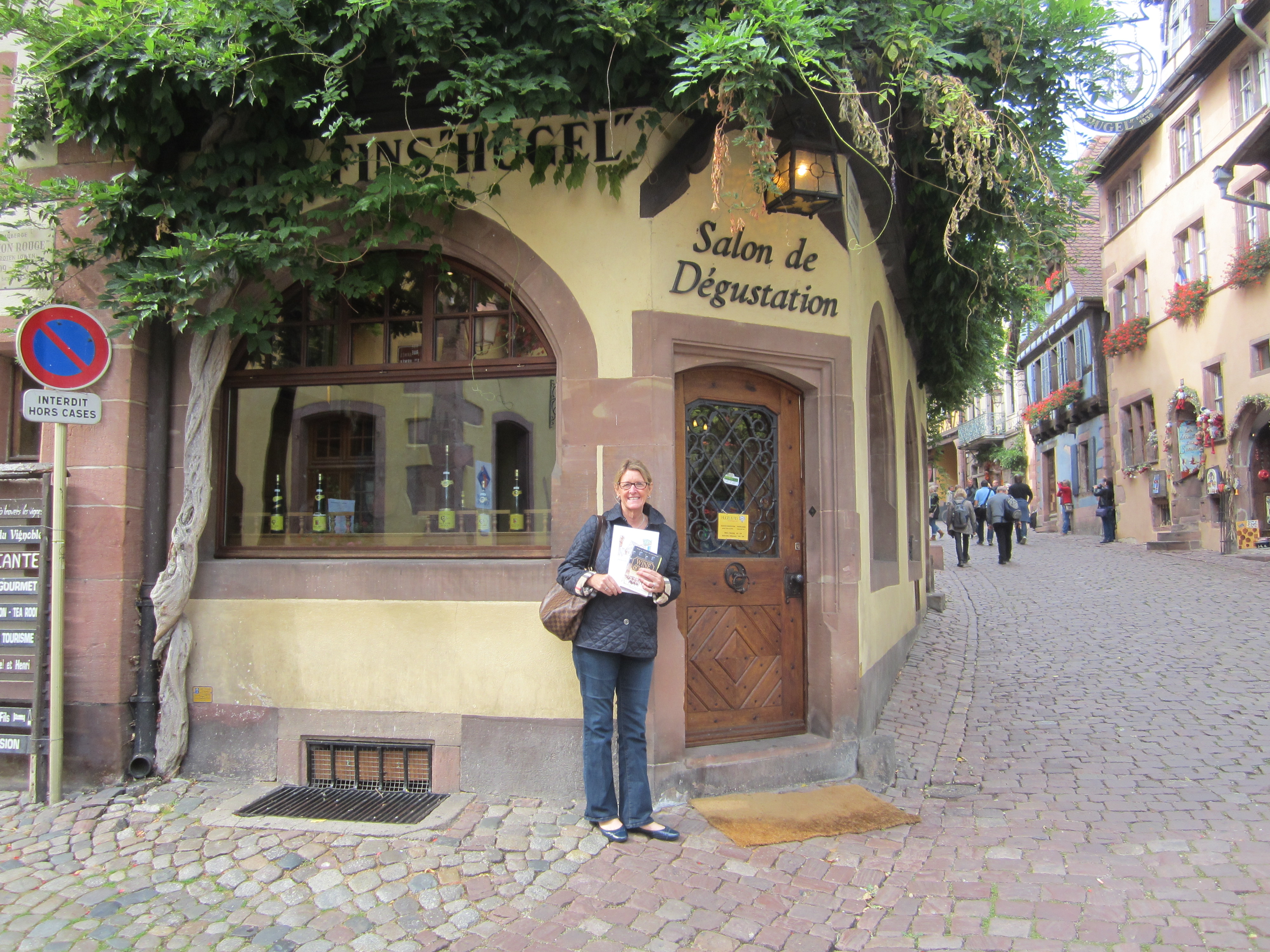
Here I am geeking out a little bit over the fact that I really did find the Hugel winetasting room. They even had a French copy of the book in their shop.

Wine & War by Don and Petie Kaldstrup: Highly recommended.

Burgundy by Request: Highly recommended.

Note: I received no consideration for this post. I bought my own copy of the book and we paid full price for Tracy Thurling’s full-day Grand Cru wine tour, which we loved.

Napoleon and his Women

I am always thrilled to hear when Michelle Moran has another new book out. After enjoying Madame Tussaud so much just a year or so ago, I was excited to see that Moran has already written another book set in France.

The Second Empress (Crown, U.S. August 2012) is about Napoleon’s short second marriage to 18 year-old Marie-Louise, Archduchess of Austria, after his first marriage to Joséphine Beauharnais ended in divorce. Although Napoleon and Josephine were still in love, Josephine was unable to have any more children. She had married Napoleon at the age of 32, and was already the mother of two teenagers from her first marriage. By the time of Napoleon and Josephine’s divorce in 1810, Josephine was 46 and her daughter Hortense was 27. Napoleon had to have an heir, and within a year of his second marriage, the young Marie-Louise had given birth to their son Napoleon II. Okay, enough history – just wanted to give some background.

The Second Empress is not only about Napoleon and Marie-Louise, but it is also about Napoleon’s strange power-hungry sister Pauline. The chapters told from Pauline’s point of view are ridiculously good. The story alludes to the innuendo of incest between Pauline and Napoleon, which adds an extra creepy layer of intrigue. I also enjoyed the way Moran developed a relationship between Josephine’s daughter Hortense and Marie-Louise. The two women, who were close to the same age, actually learned to like and respect each other. It’s clear that Marie-Louise can’t stand Napoleon, and that all she really wants is to have his heir and get the hell out of France. In the meantime, Napoleon keeps writing love letter to Josephine, who was awarded her beloved Chateau de Malmaison in the divorce.

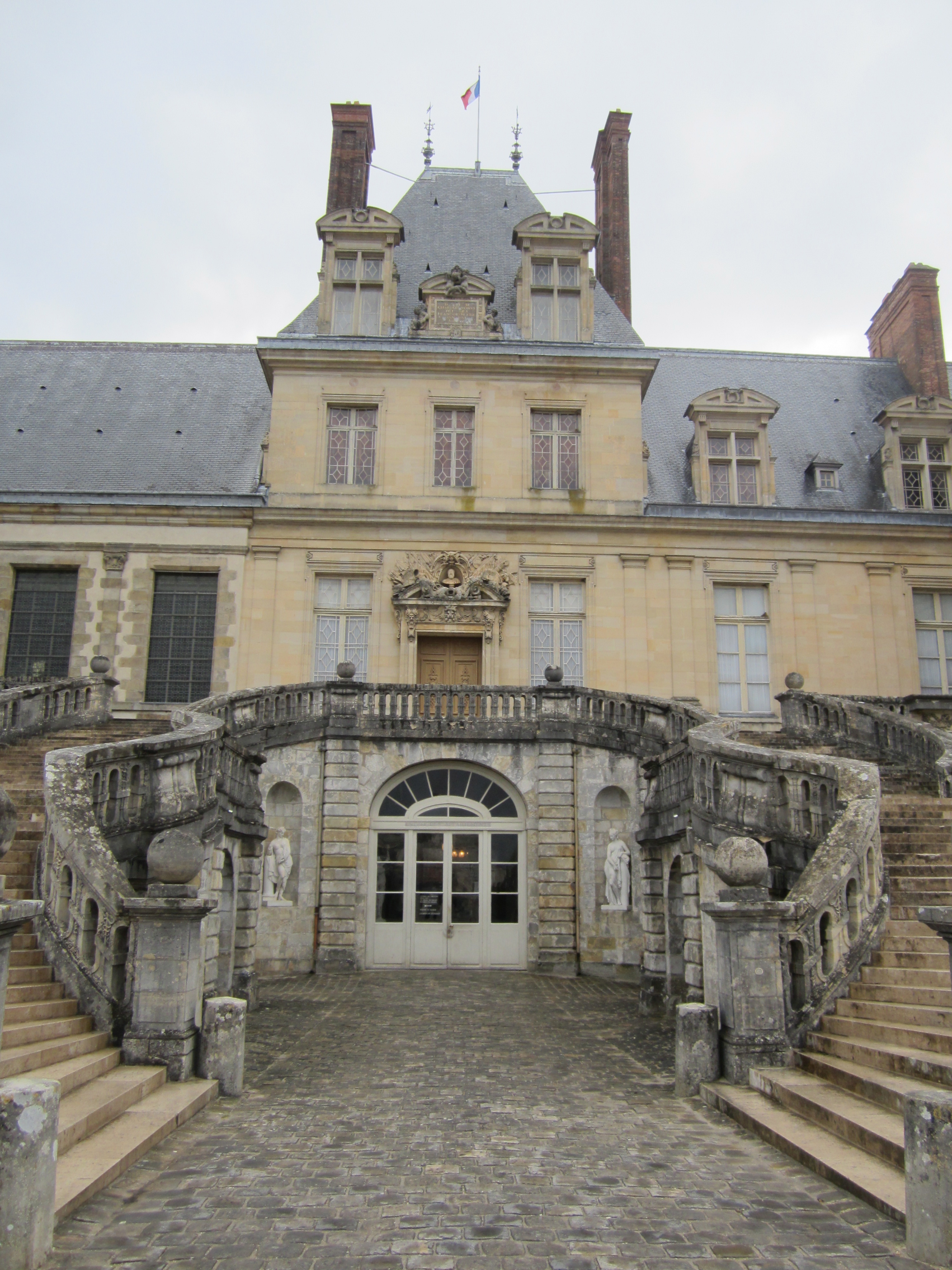
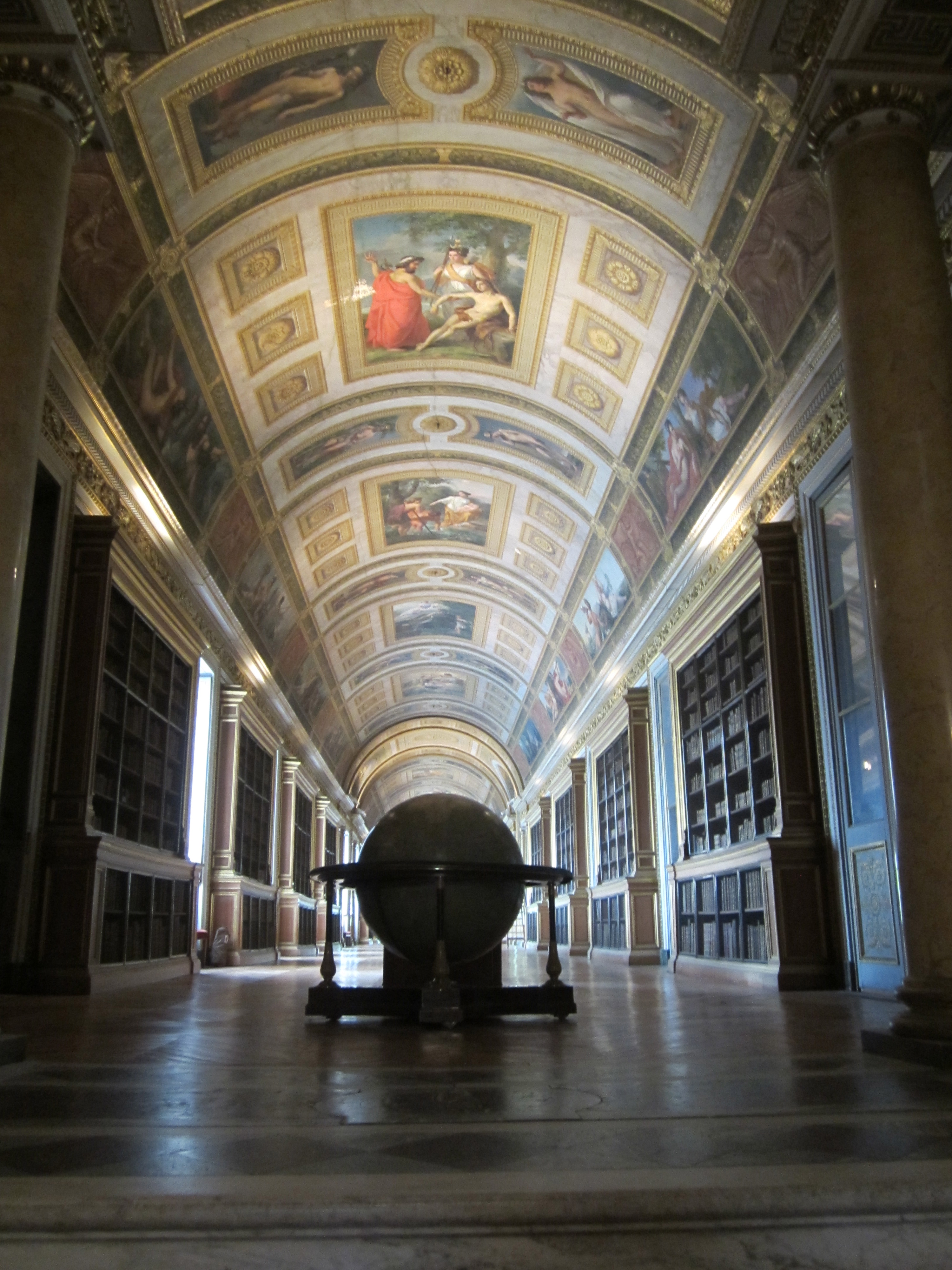
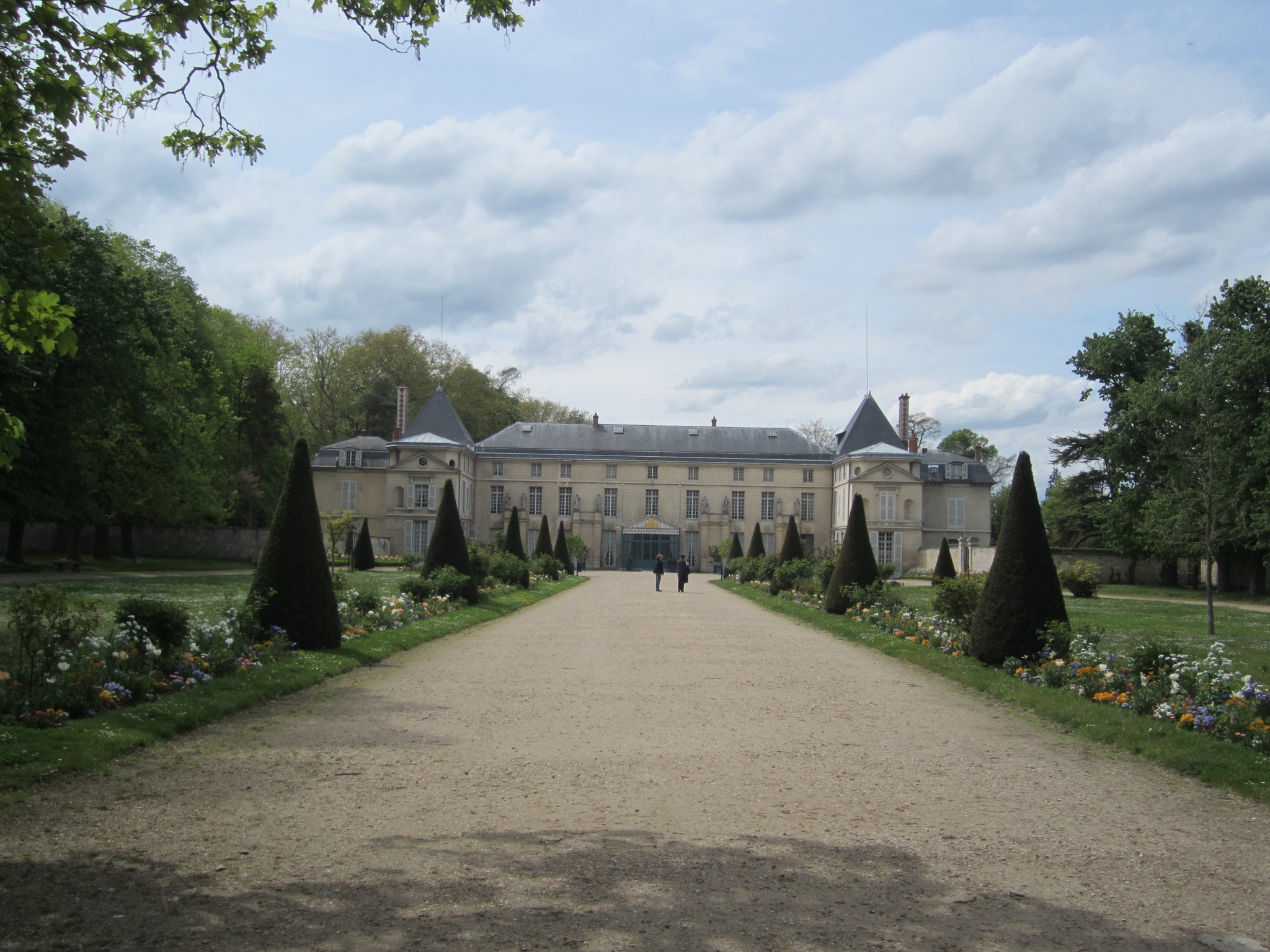
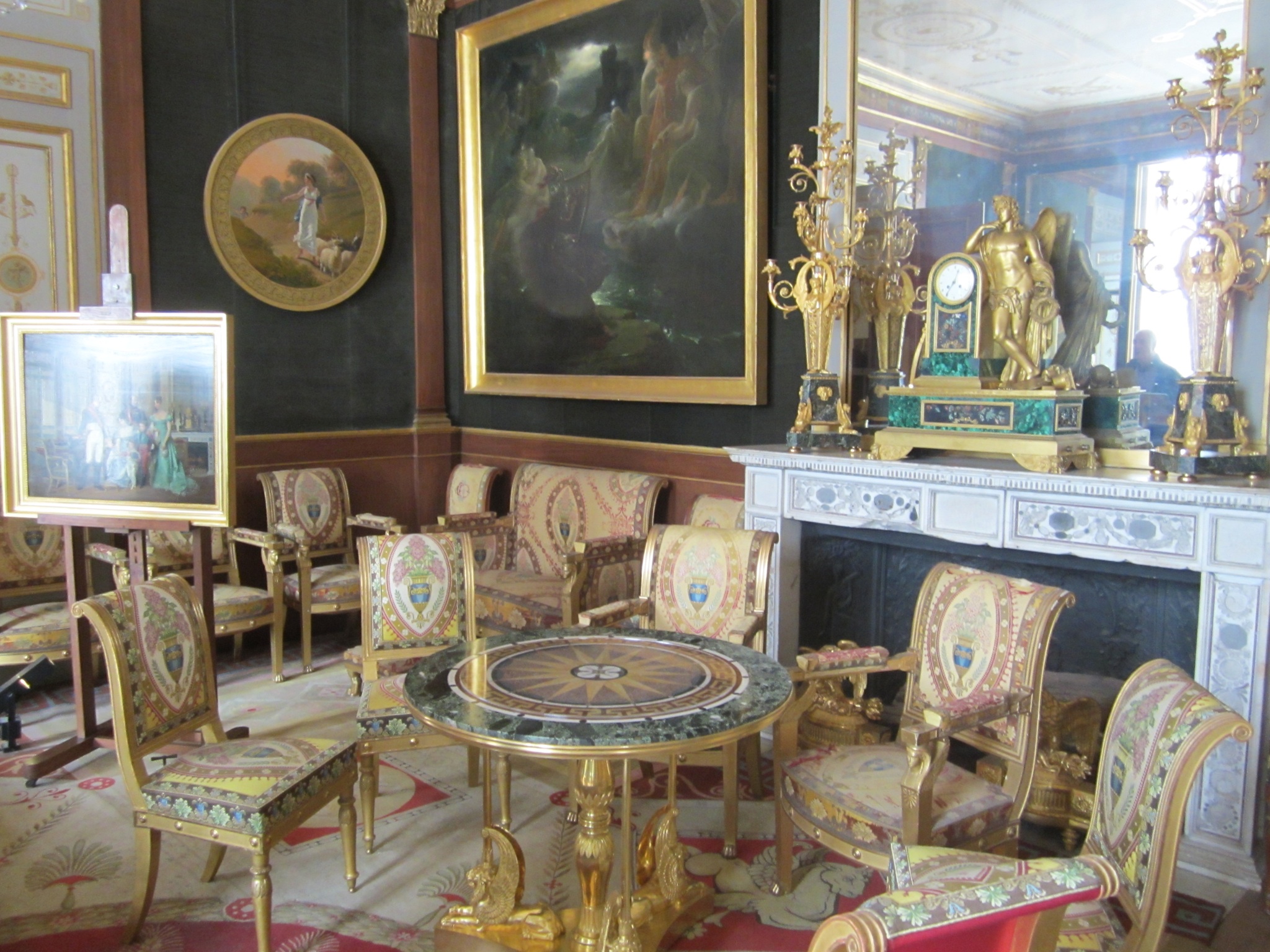
Last spring I visited Chateau de Fontainebleu and Chateau de Malmaison, two of the homes in which Napoleon and Josephine had lived in the outskirts of Paris. Here are some photos and comments to help you enjoy The Second Empress even more.

The Cour d’Honneur at Fontainebleau, also known as the Cour des Adieux in memory of Napoleon’s farewell speech before his departure to Elba in April 1814.

The Diana Gallery at Fontainebleau, the large ballroom decorated with works depicting the myths of Diana, as mentioned in Chapter 13 of the book. Hortense takes Marie-Louise on a tour of Fontainebleau, and they stop here. Marie-Louise looks out the windows and reflects: “Only twenty years ago Marie-Antoinette walked these paths. I imagine my great-aunt in her flowing chemise, and I wonder if she can see me now . . . . An entire revolution left half a million people dead, and for what? This ballroom is just as lavish, this court just as full of greed and excess. Nothing has changed except the name of France’s ruler, and now, instead of an L on the throne, there is a golden N.”

In the meantime, Josephine is living on the other side of Paris at Malmaison, the home she had found and decorated in 1799, while Napoleon was in Egypt. Napoleon gave Malmaison and all of its contents to Josephine in the divorce. Josephine died there in 1814.

Salon at Malmaison

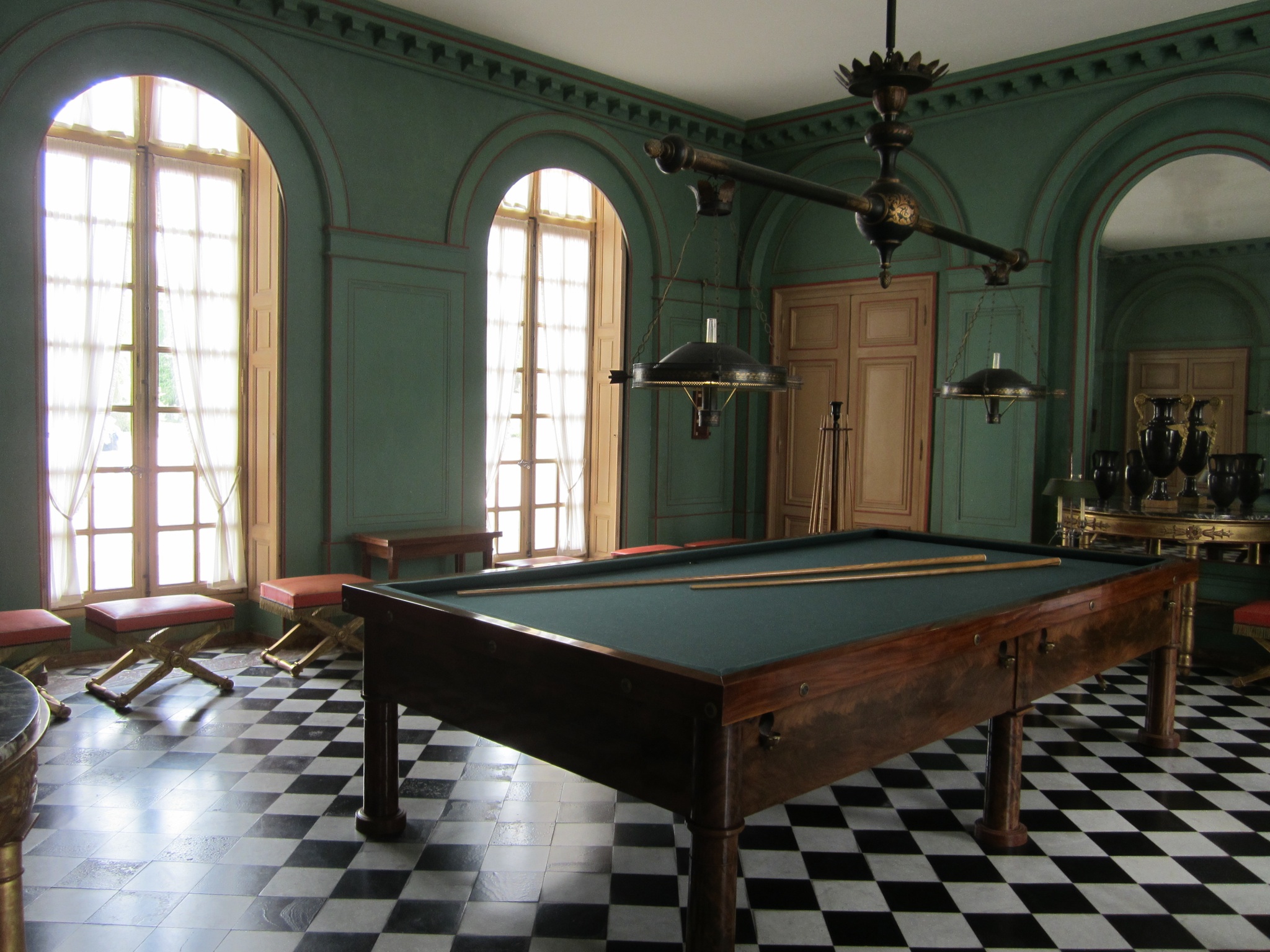
Napoleon’s billiard room at Malmaison

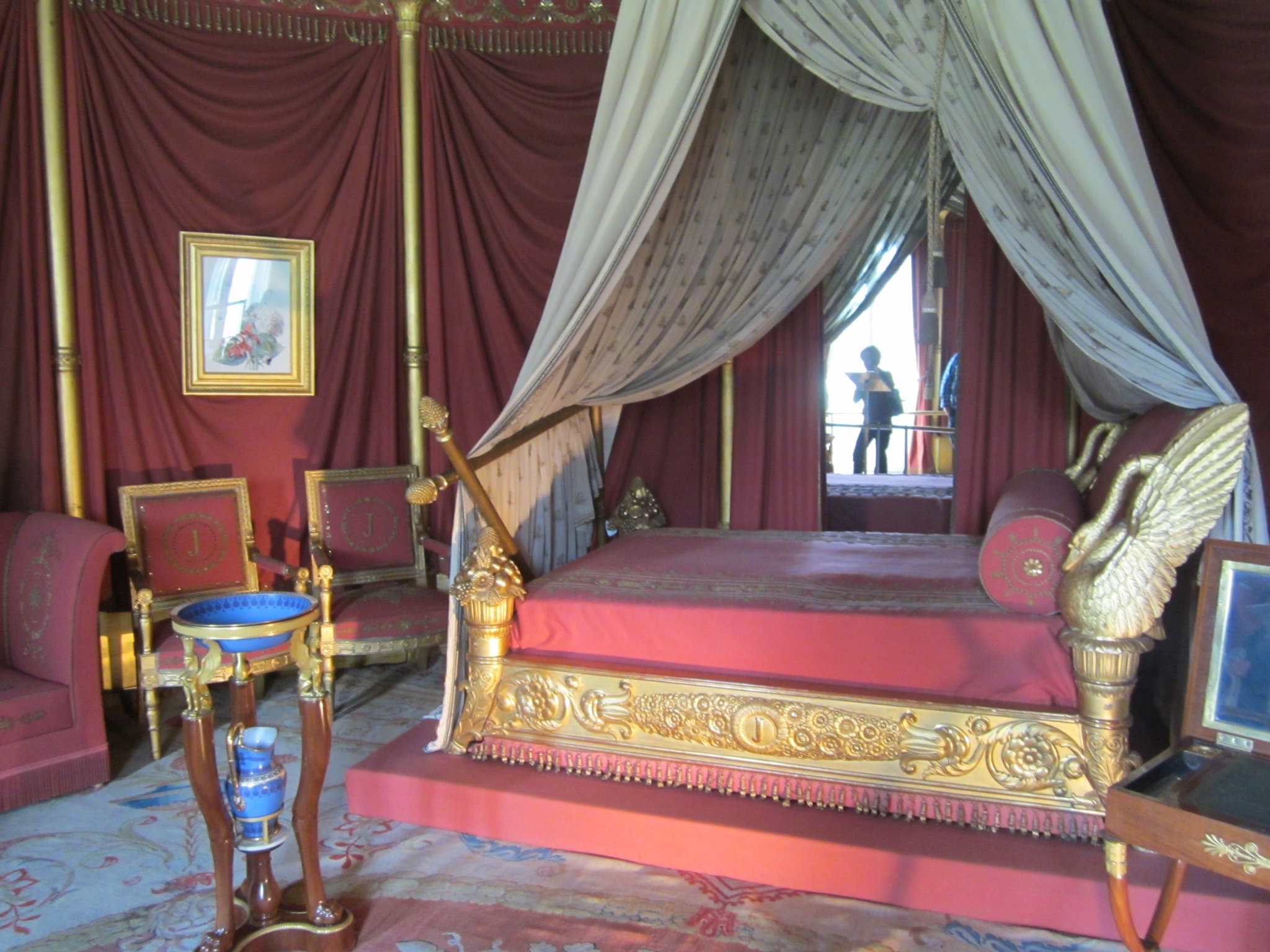
Josephine’s bedroom at Malmaison.

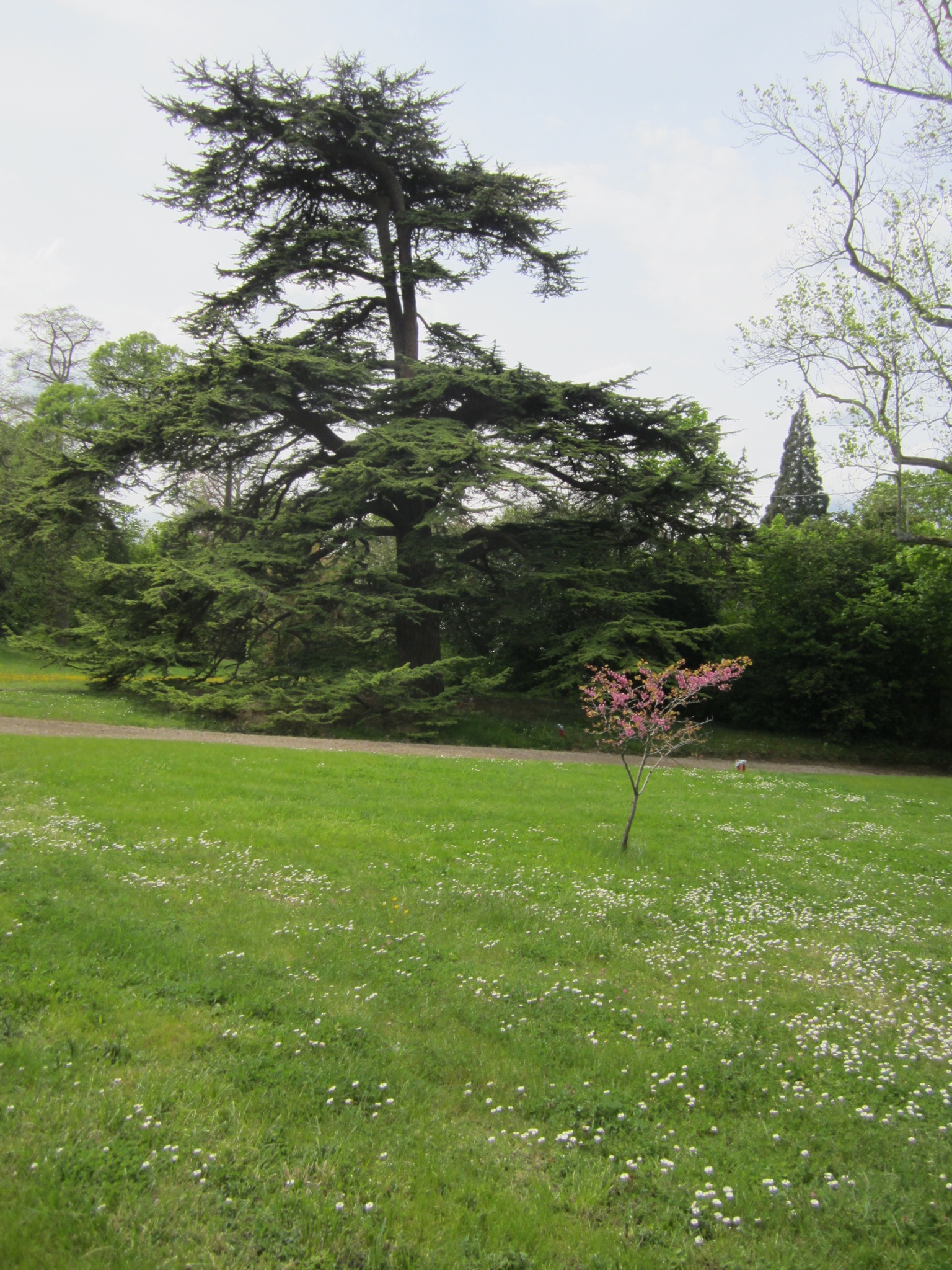
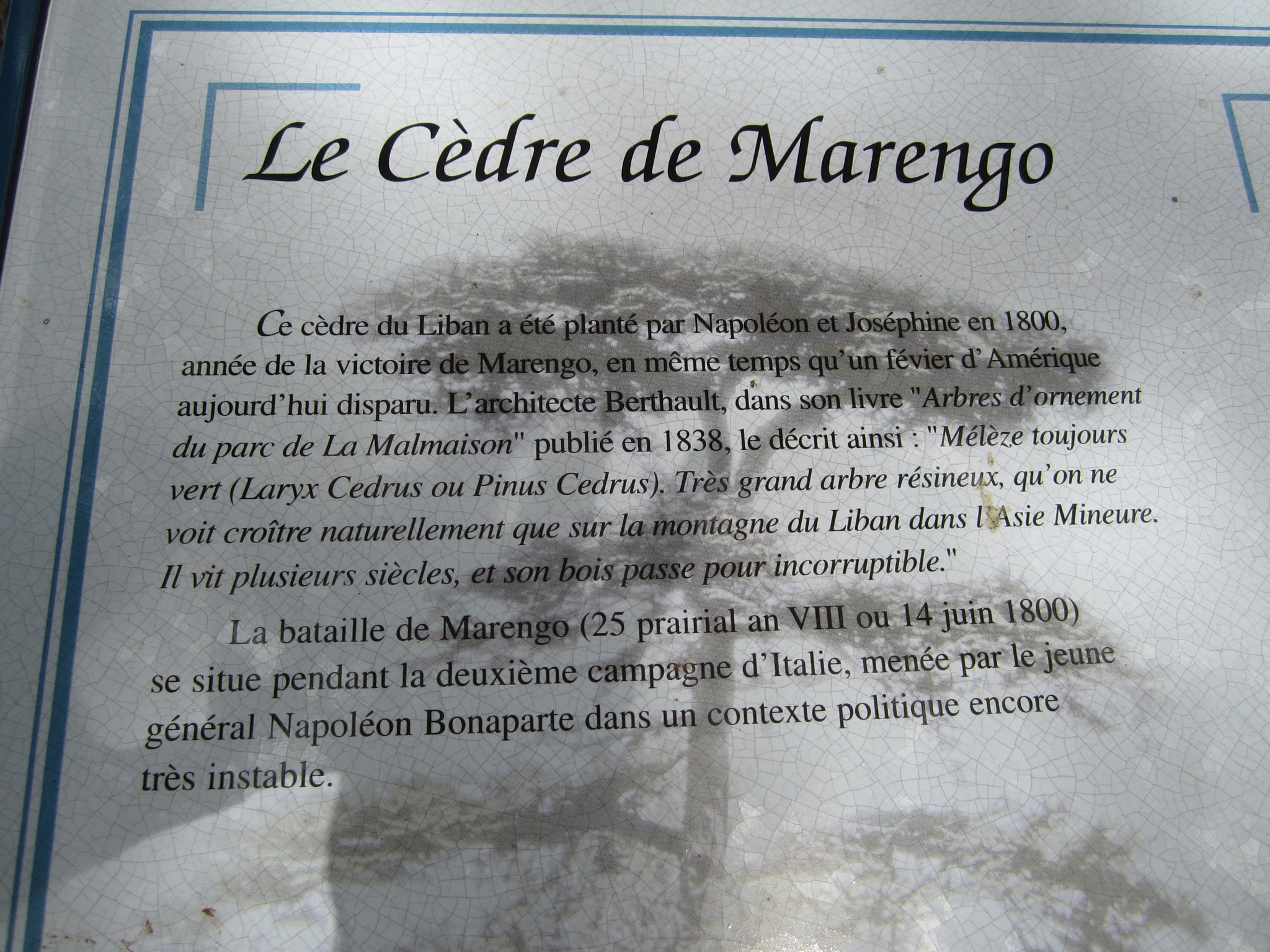
The cedar tree that Napoleon and Josephine planted in 1800 to celebrate his Italian victory at Marengo. It’s called the Marengo Cedar, and it still stands on the grounds today.

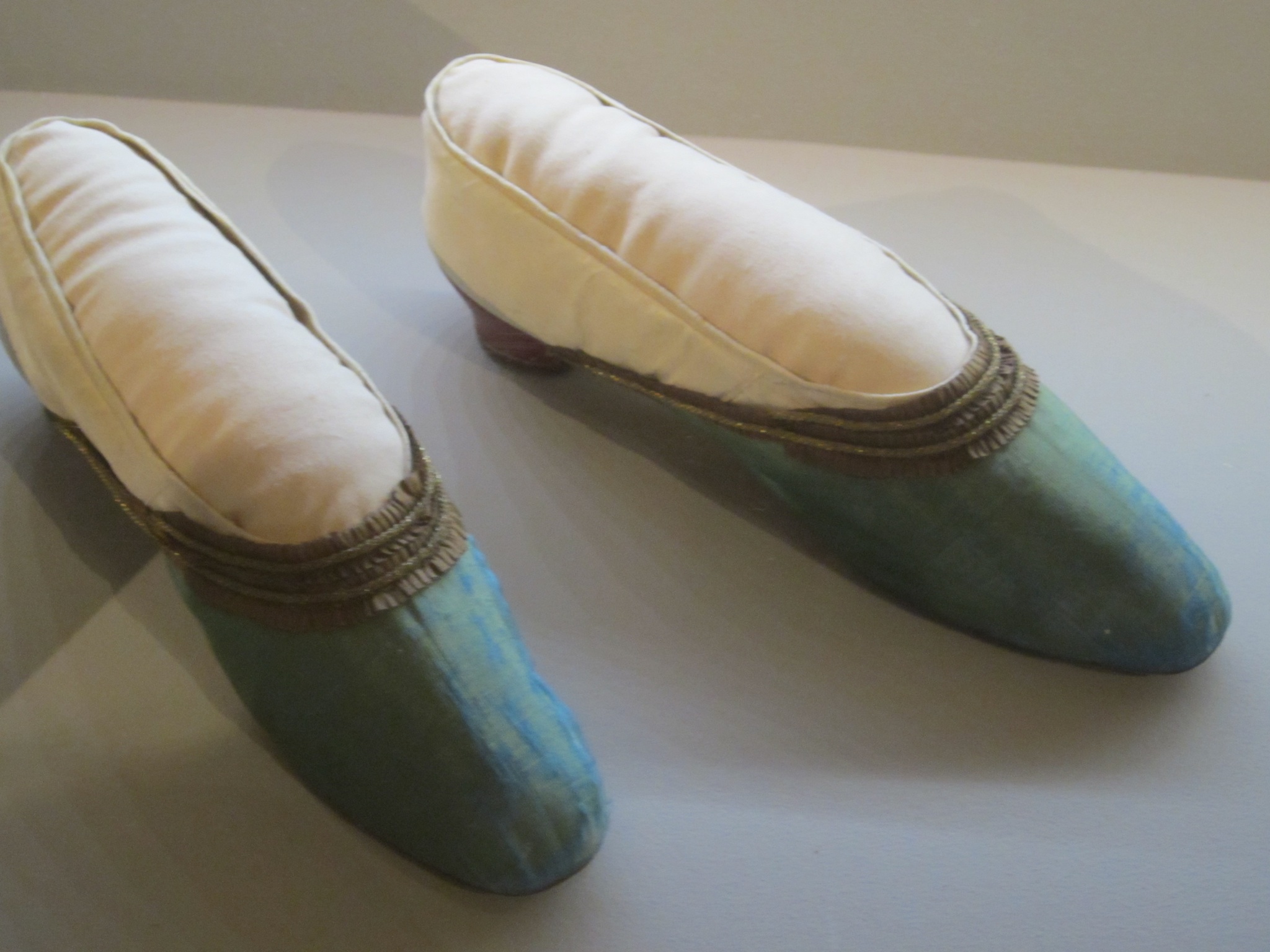
What I believe are Josephine’s shoes. Dainty!

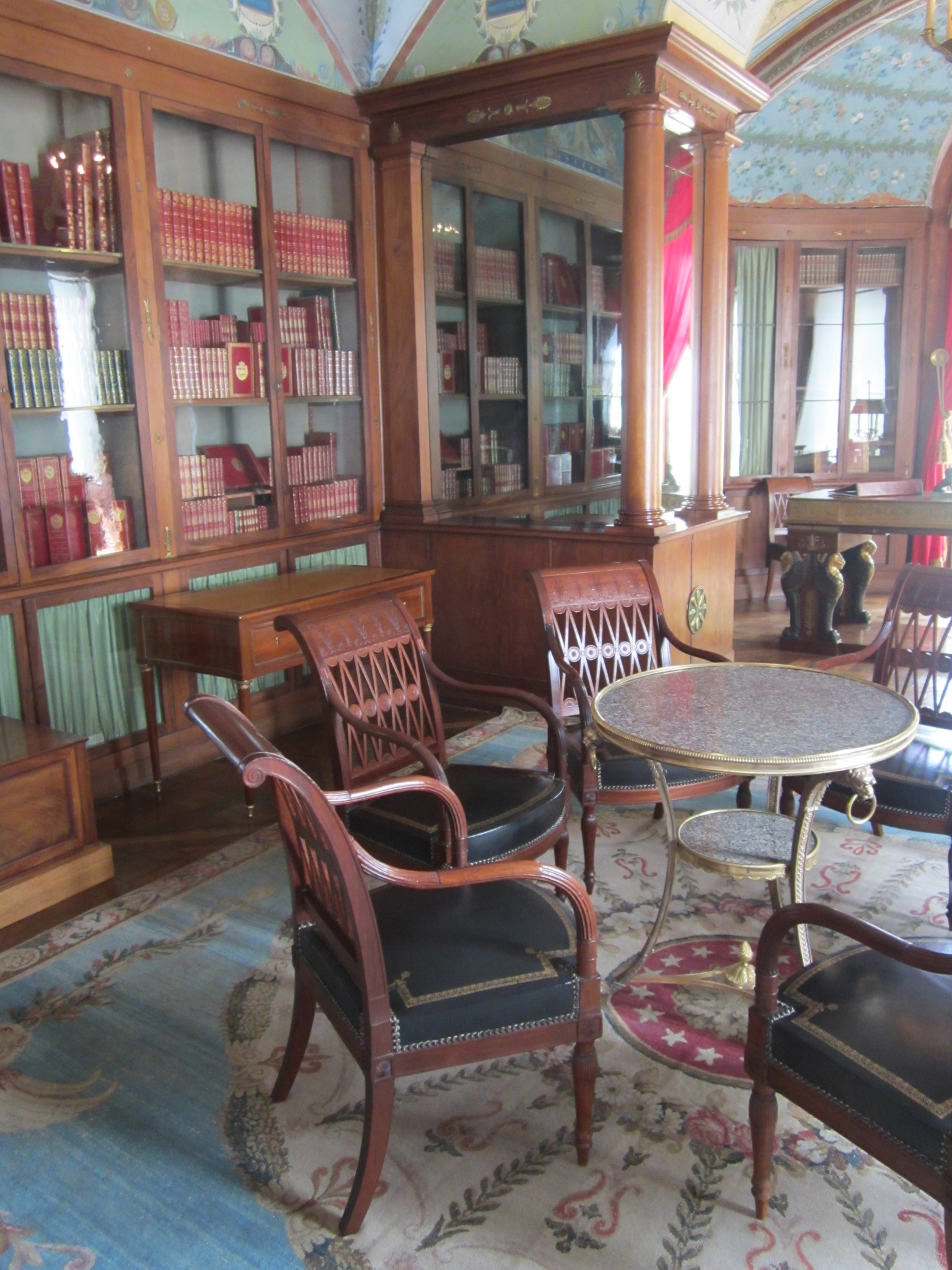
The library at Malmaison. Awesome.

I absolutely loved my trip out to Malmaison and took about a million more photos. I feel like I need to spare you from a vacation slide nightmare, otherwise I’d just post them all here. I enjoyed Fontainebleau as well, but there is something much more intimate about Malmaison. If you’re interested in more, you can take your own virtual tour on the Chateau Malmaison website. If you are planning a trip to Paris, I recommend the minivan tour with the folks at Paris Vision, who will take you to Malmaison, Petit Malmaison and the church where Josephine is buried all in one afternoon. Paris Vision also offers a minivan tour to Fontainebleau.

Before you go, whether online or for real, you really should read The Second Empress by Michelle Moran. Definitely a recommended read for French history fans.

Disclaimer: I purchased my own copy of the book and paid for my own tours. I received no consideration for my recommendations. If I like a book I tell you, and the same goes for the tours.