To the longtime followers of this blog, welcome back! It’s been a long time since I have updated this blog. (Does anybody read blogs anymore?) I feel like I’m updating a time capsule. To the new readers who just found me, welcome. Either way, I have some exciting news.
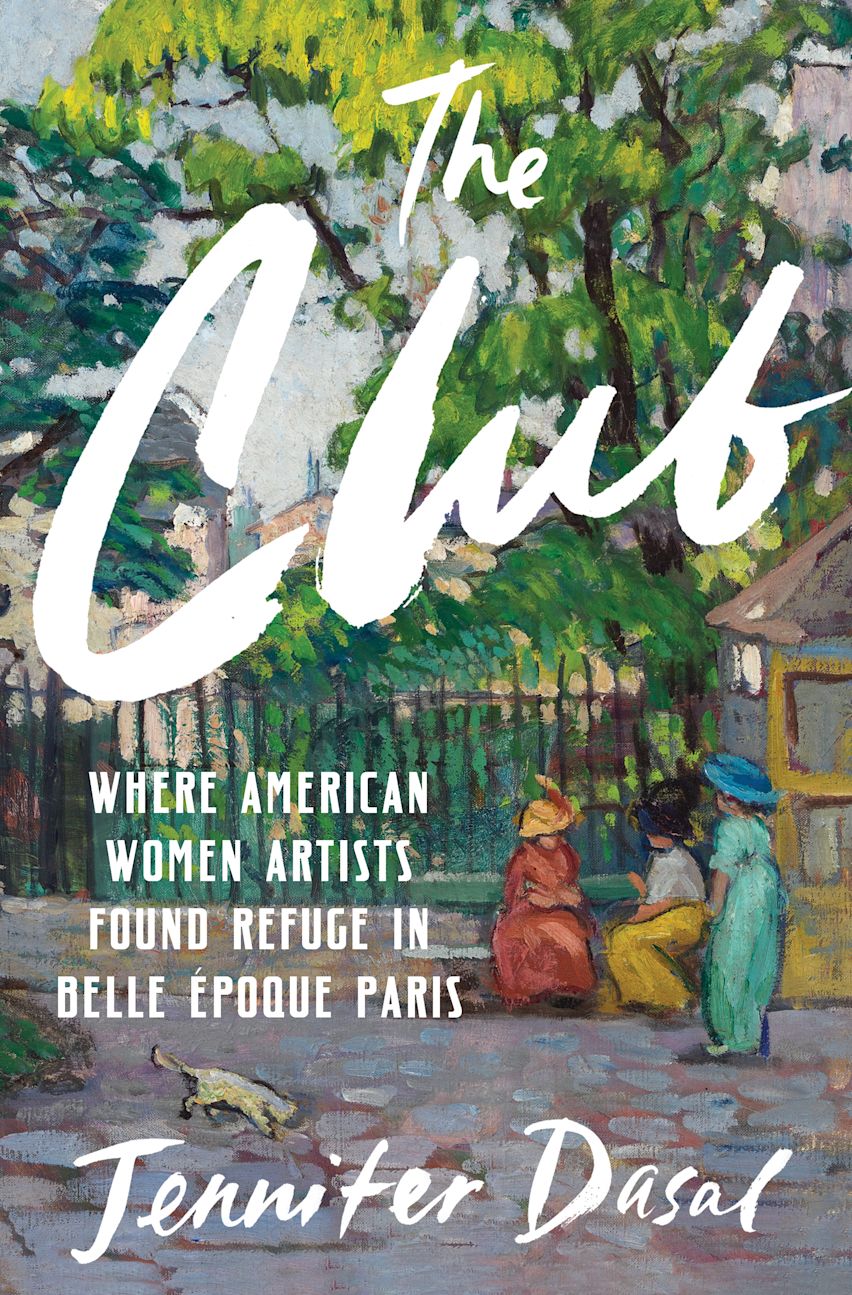
I am thrilled to share with you a newly published book called The Club, by Jennifer Dasal. Imagine my surprise when I read a book review, first in the Wall Street Journal, and then in the New York Times, about this book and its author, an art historian, curator and popular podcast host of the ArtCurious podcast. (ArtCurious episodes have for the most part ended, but there is an amazing archive of episodes from 2016-2023. If you haven’t followed them before, you can still listen to the archived episodes on your favorite podcast app. I’m now addicted to them as I walk my dog!)
In case you haven’t guessed yet, this book is about the title of this blog, the American Girls Art Club in Paris. Jennifer Dasal kindly gave me a shout out in the acknowledgments section (which as a former independent bookseller, I always read first) where she said “a special nod to Margie White, who clued me in to the Club’s existence in the first place.” Wow, little did I know that my decades old blog with so few followers could ever be such a big inspiration!
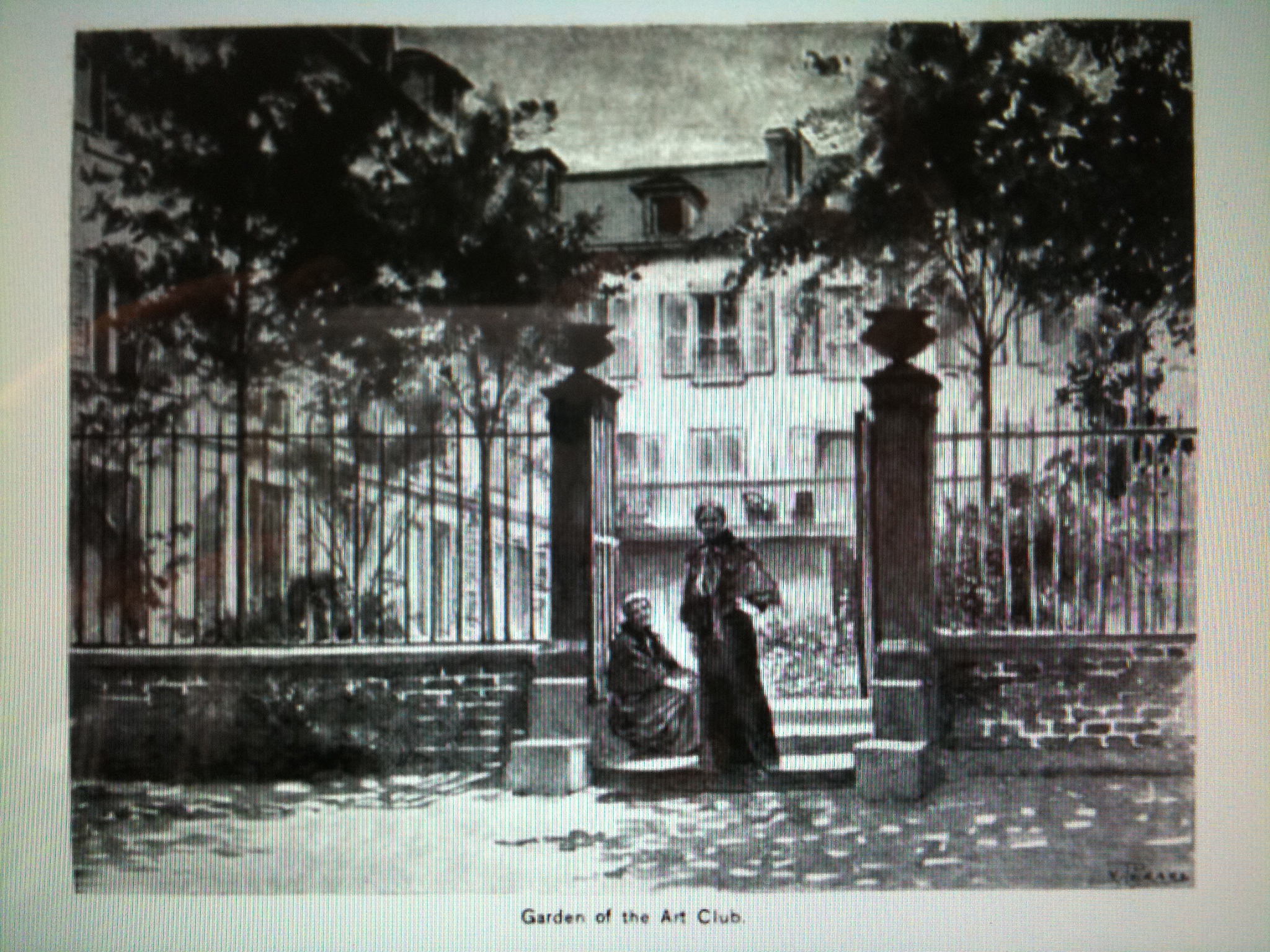
My longtime readers will know why I chose the name of this 1890s boarding house and women’s art club as the title of my blog, but in case you don’t know, you can read about it here. I did a little research into the history of the club myself, which I posted about here.
Like me, Jennifer Dasal was inspired and intrigued by the story of the Club and its members. However, thanks to all of the resources and skills from her MA in art history from the University of Notre Dame, Jennifer was able to do a deep and thorough dive into the history of the club, from its founders to its members to its allies in Paris and beyond.
The result is a fabulous book that needs to be on the shelves of any Francophile or fan of art history. It tells the lesser known story of the young American women who pursued their artistic dreams all the way to Paris. It was an era where young women’s dreams were limited and narrowly proscribed, so the chance to study art in Paris was liberating and life changing. It connects this Paris art club with the larger social and historical movements of the time, and helps to explain why so many of us have never heard about the club or the women artists who were thrilled to have made it their home.
The Club by Jennifer Dasal: Highly recommended.
_________________________________________________________________________________
More Stories About Women Artists in Paris
For those who are interested in Dasal’s latest book, I invite you into the archives of my blog where I tell other stories of women artists in Paris at the turn of the nineteenth century, from Mary Cassatt to Cecilia Beaux and many more. Let me suggest the following (just click on the blue link):
Mary Cassatt’s Greater Journey
Mary Cassatt was one of the American pioneers who came to Paris in the late nineteenth century to study and practice art. She never left. This post traces Cassatt’s footsteps through Paris from her first apartment with her sister in 1874, and thereafter a fashionable apartment at 10 avenue Marignan near the Champs-Élysées.
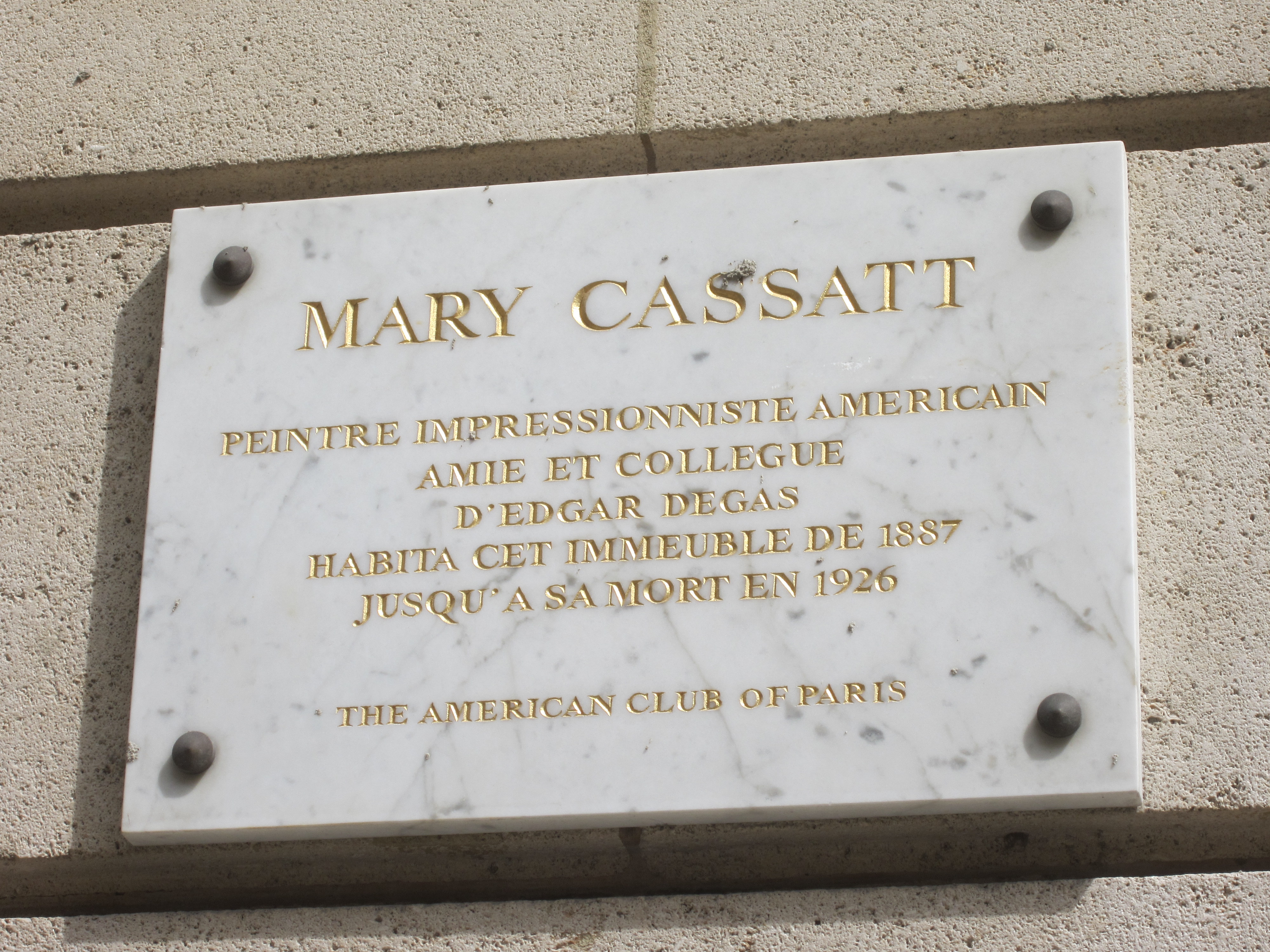
Mary Cassatt’s Chateau de Beaufresne-
After spending nearly two decades in Paris, Mary Cassatt finally bought her own lovely French chateau in Le Mesnil-Theribus, a small village to the north of Paris. This post will take you on a rare view of the grounds and inside the chateau, which still stands today.
Mary Cassatt’s Chicago Mural
In 1892, Mary Cassatt was commissioned to paint a giant mural for the Chicago World’s Fair. Cassatt painted her mural at a country home that she was renting in Bachivillers, France, a suburb of Paris just down the road from Chateau de Beaufresne. I was able to find the home and find out some local scoop. The story is that Cassatt had workmen dig a giant 60×6 foot trench in the backyard so that she wouldn’t have to climb on ladders or scaffolds to complete the outsized mural.

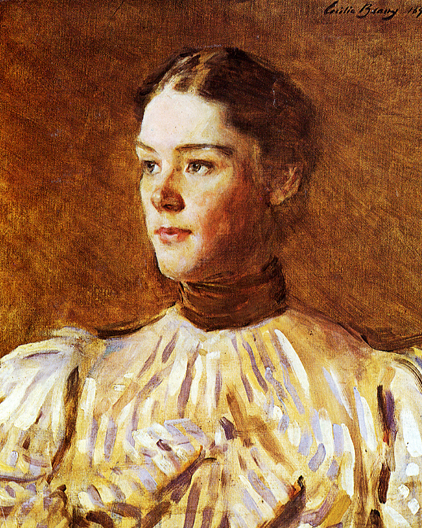
Cecilia Beaux: The Power of Paris (1888)
I take a deep look at the time that American artist Cecelia Beaux spent in Paris and Brittany in 1888, guided by her autobiography Background with Figures (1930). You can’t help but notice the transformation Beaux underwent after her time abroad.
Berthe Morisot’s Garden
In this post, you can follow Berthe Morisot’s footsteps through Paris as she moves from home to home in the 16th arrondissement of Paris. Aside from her travels and her summers in suburban Paris, she spent her entire life in the 16th.
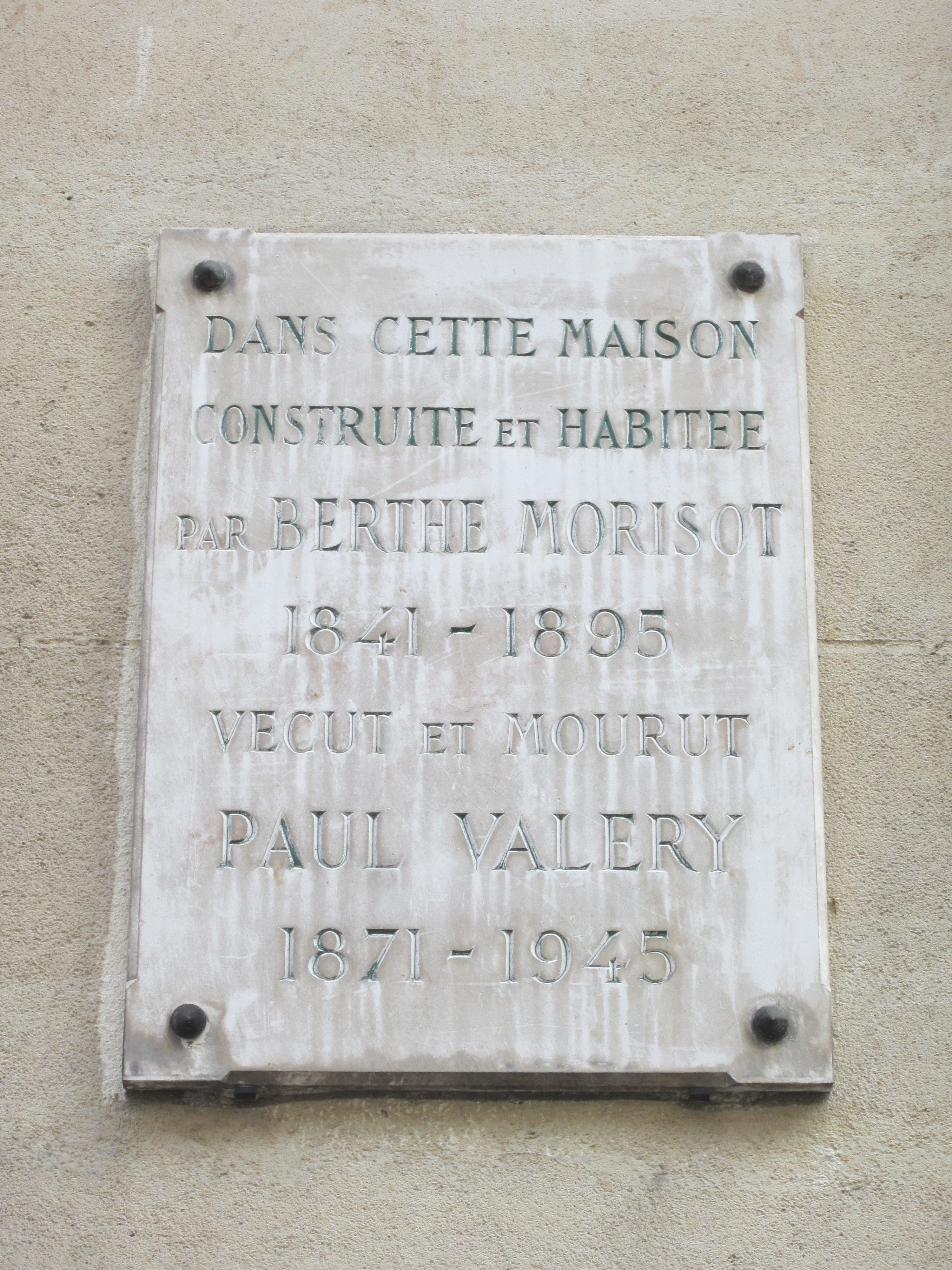
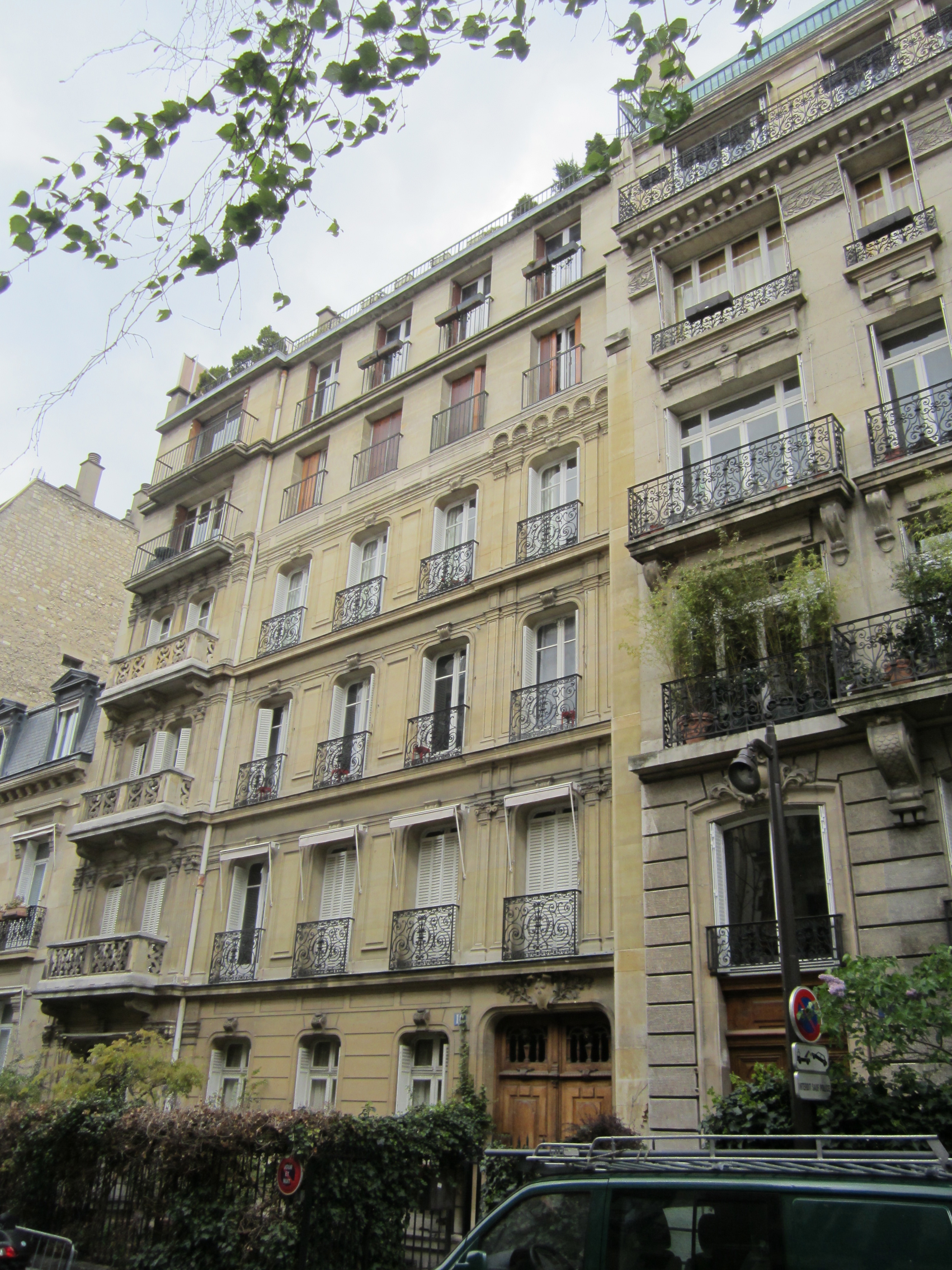
Berthe Morisot’s Interior: Her Last Home on rue Weber
In this post, I explore Berthe Morisot’s life after the death of her husband, Eugene Manet. If you go to rue Weber in the 16th arrondissement today, you can find Morisot’s lovely apartment still standing. There is no historical marker, and few of the neighbors I spoke to even know it was once Morisot’s home.
I
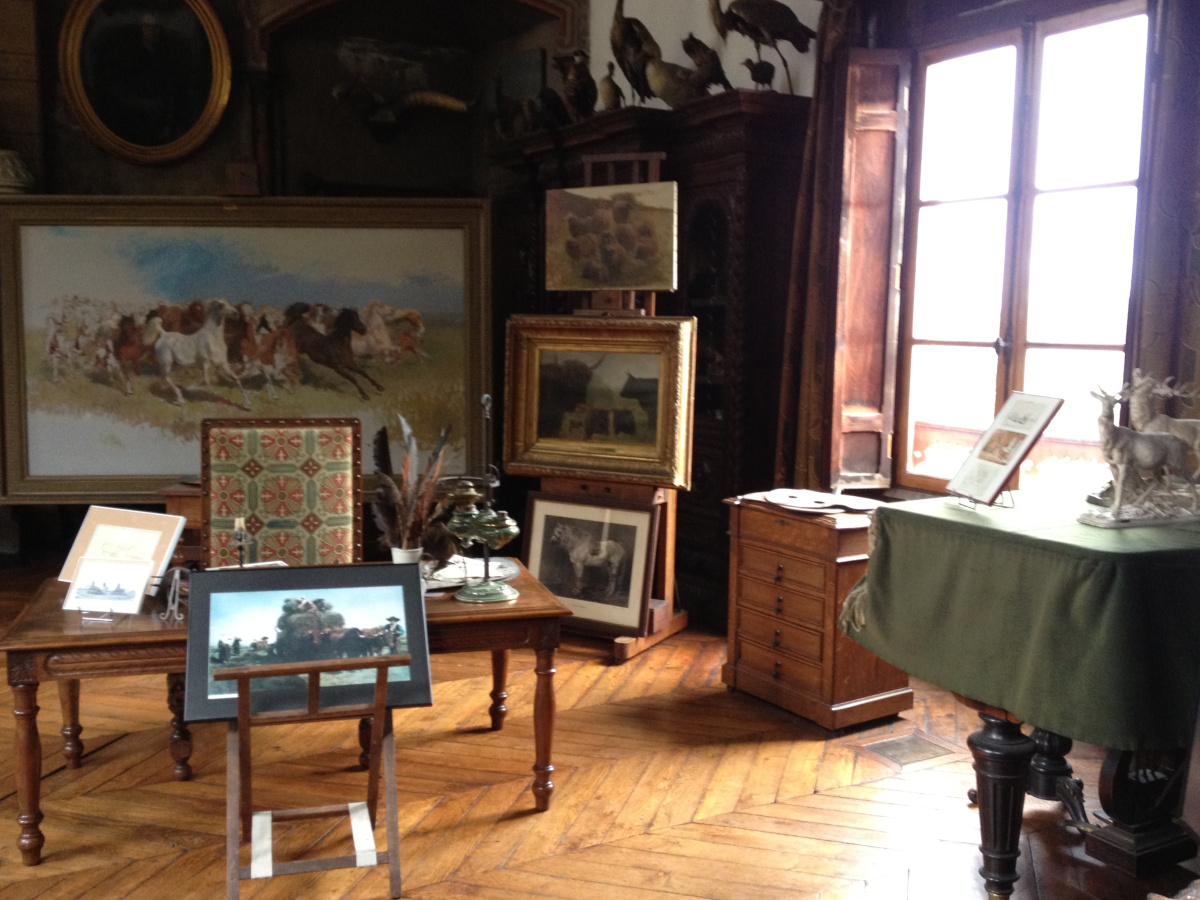
Visiting Rosa Bonheur’s Studio
Directions to and photos of Rosa Bonheur’s art studio in Thoméry, France, just an hour’s drive south of Paris near Fontainbleu. Rosa Bonheur was a famous 19th century French painter known for her realistic portrayal of horses and animals, particularly Horse Fair (1853-55), Metropolitan Museum of Art. One of my favorite art studio tours ever!
The Académie Julian and Women Artists in Paris
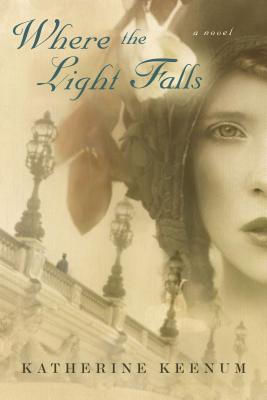
Where The Light Falls by Katherine Keenum is a lovely painterly novel based on a young American who studies at the Académie Julian in late 19th century Paris. This post reviews the book and shares photos of the sites associated with Académie Julian, one of the foremost art academies for women in 19th century Paris.
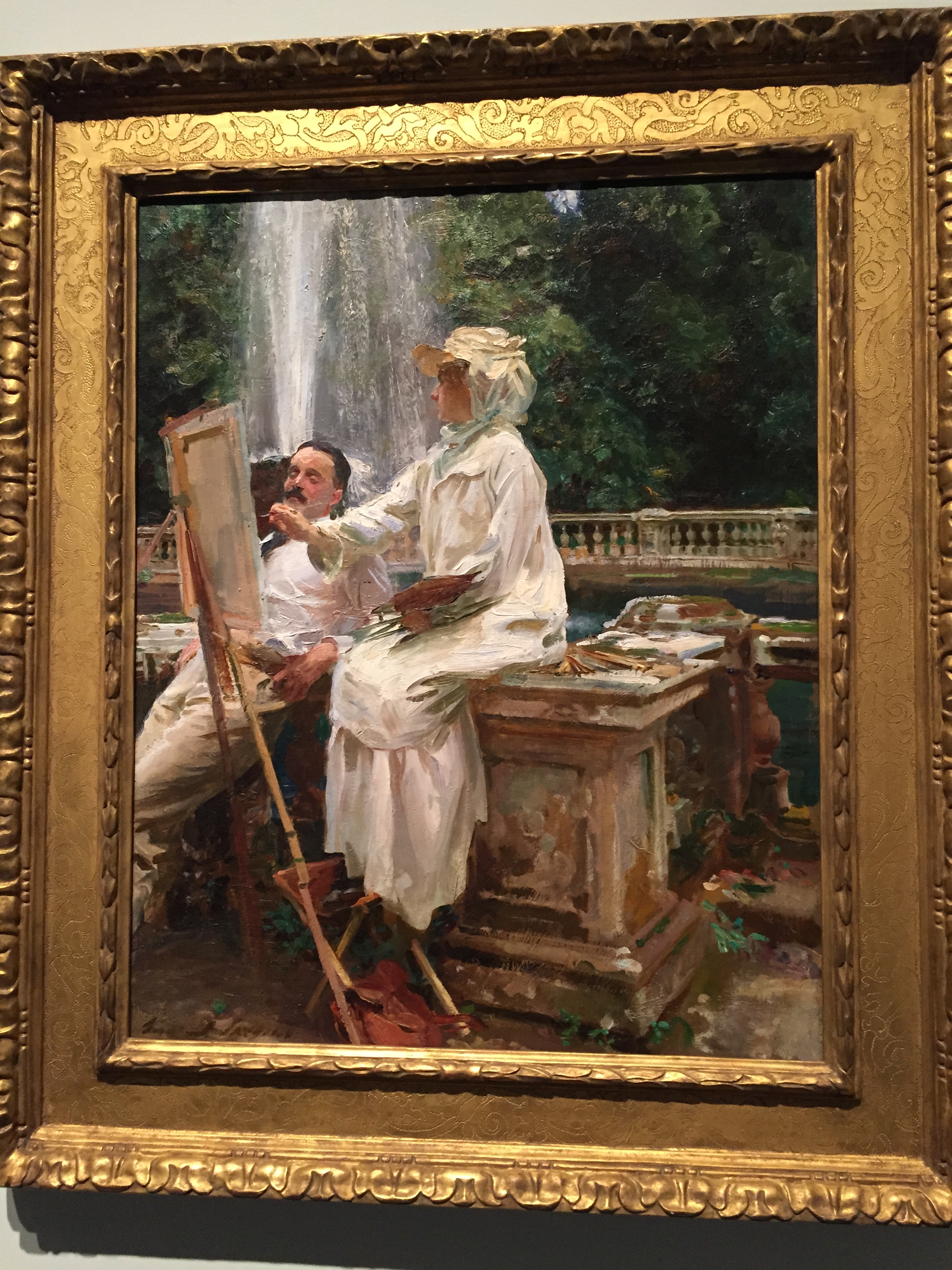
The Painter at the Fountain: Jane Emmet de Glenn
This post explores the story behind the woman in this fabulous John Singer Sargent painting, The Fountain, Villa Torlonia, Frascati, Italy (1907) from the Art Institute of Chicago. Her name is Jane Emmet de Glen and she came from a long line of successful American women painters from New York. She came to study art in Paris in 1897, then met and married Sargent’s friend and fellow painter, John de Glenn. The three of them became loyal travel and Plein air painting companions.
Mary and Frederick MacMonnies, Parisian Power Couple
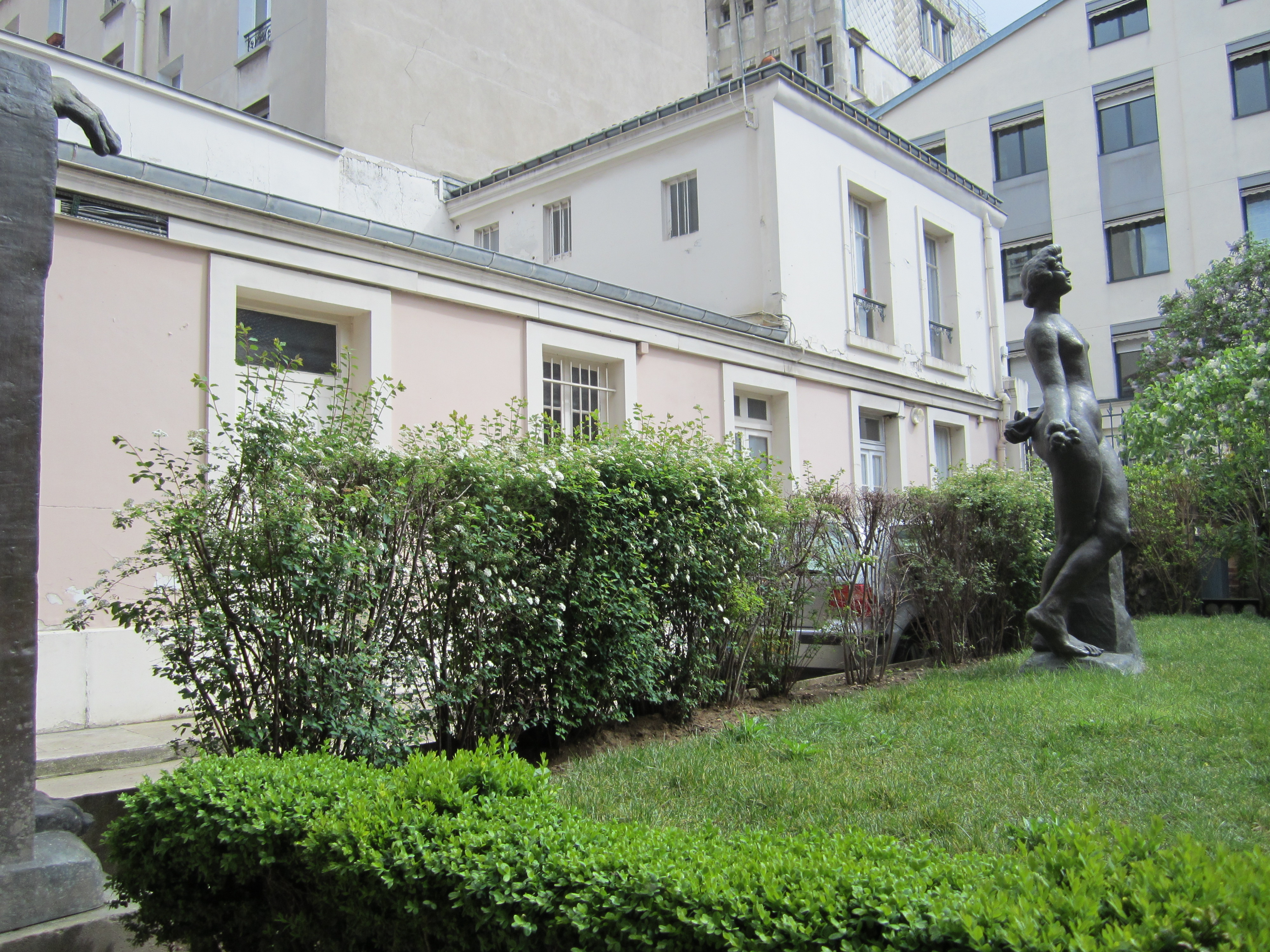
Mary Fairchild MacMonnies Low (1858-1946), was a St. Louis native who had won a scholarship to study art in Paris in the late 1880s. She met fellow American art student Frederick MacMonnies (1863-1937) and fell in love. Fairchild and MacMonnies shared an apartment and art studio at 16 Impasse du Maine which is now the site of Musée Bourdelle, one of Montparnasse’s little jewels.
Although my primary interest is in women artists, I would never turn down the chance to visit any art museum, studio or historical site. During my year in Paris and our visits since then, I managed to visit quite a few! You might enjoy my posts about the following male artists as well:
Luncheon of the Boating Party: A Day in Chatou
A Day with Renoir in Montmartre
Claude and Camille Along the Seine
An Artist’s Weekend in Honfleur
Rainy Days in Paris (Caillebotte)
Cézanne and Chagall in Provence
John Singer Sargent and Madame X in Paris


 American Girls Art Club In Paris. . . and Beyond

You must be logged in to post a comment.